The Purple Berries Weighing Down Indiana Fence Lines Right Now
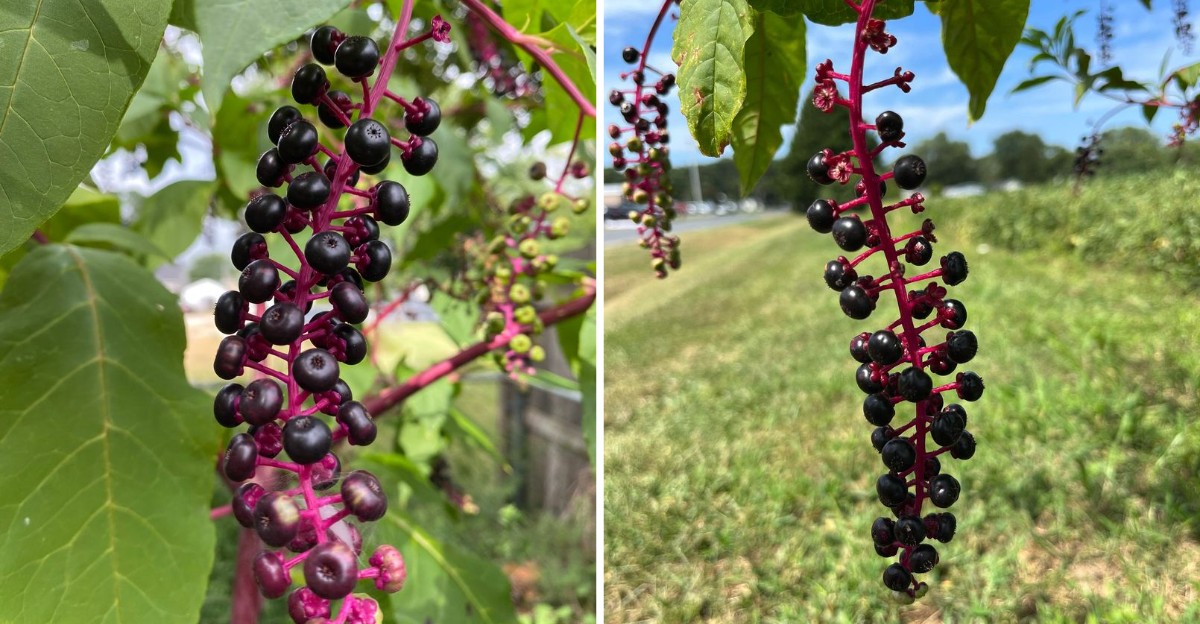
Drive almost any county road in Indiana this month and something deep purple keeps catching your eye. It hangs heavy along the top wire, glossy and dark as ink spilled across a desk.
The stems glow magenta, almost cartoonish, and they stand taller than the fence posts propping them up. Birds hop through the clusters, picking at the fruit as they go.
The whole scene looks like an ordinary wild grape stand, though that resemblance is usually where the trouble begins. Anything this pretty that shoots up this fast is rarely minding its own good manners.
By late October the show fades, leaving hollow pink stalks and permanently stained fence rails behind. The birds, meanwhile, have already left purple stains on every post in the county.
The Towering Native Behind Those Magenta Clusters
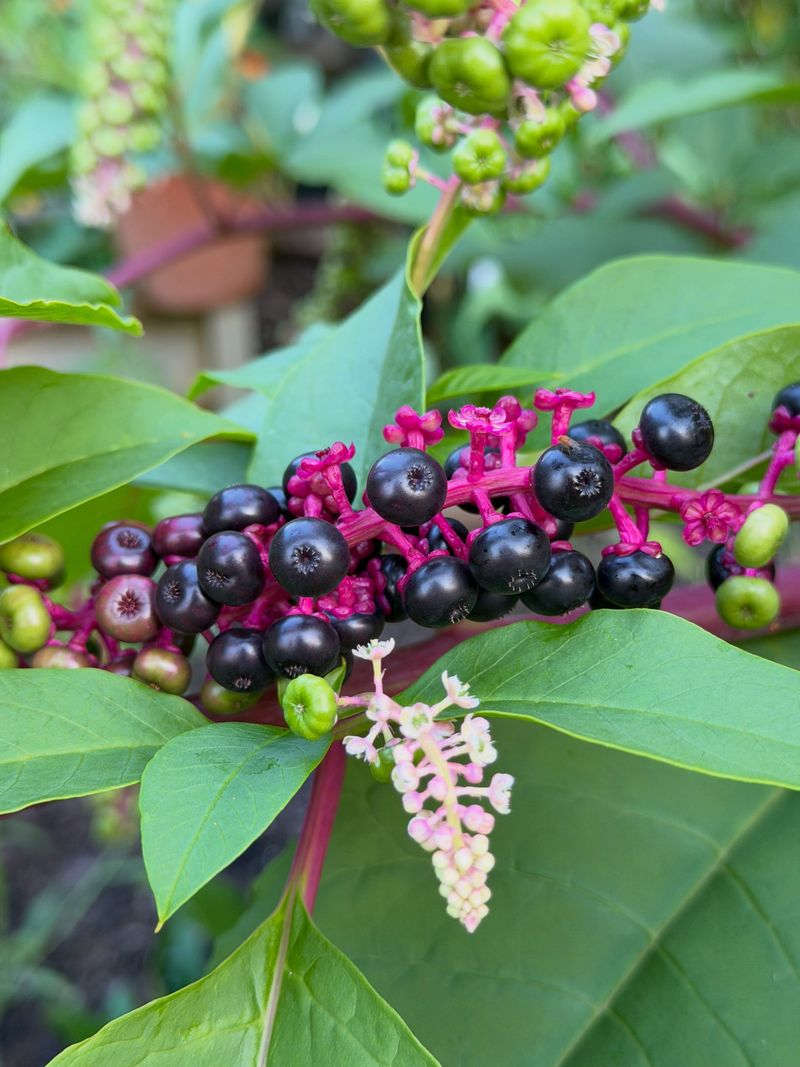
Stand beside one of these giants this month and the whole thing looks almost tropical. Pokeweed rockets up to eight feet in one season, carrying thick magenta stems and drooping fruit.
The berries hang in long chains called racemes, each one shiny, flattened, and pea sized. Green at first, they darken to a deep inky purple by the end of September.
Native to eastern North America, pokeweed didn’t arrive from overseas. It simply loves the disturbed, sunny, nutrient rich soil that collects along fences and hedgerows.
Every part of the plant contains compounds that upset the stomach, with the root being strongest. The juice stains skin, gloves, and clothing a stubborn purple pink that lingers for days.
Old Indiana cookbooks mention poke sallet, young spring shoots boiled through several changes of water. Nobody sensible eats the September berries, though songbirds gulp them down with no apparent trouble.
A mature plant can produce thousands of seeds, and each berry holds about ten of them. That sheer number explains why one plant becomes a thicket in a couple of years.
Identification matters because a few harmless lookalikes share the very same Indiana fence rows. Elderberry has woody stems and flat clusters, while wild grape climbs with tendrils and lobed leaves.
Once you spot that pink stem and the arching chain of dark fruit, you will see pokeweed everywhere. Fence lines, ditch banks, barn corners, and forgotten garden beds all suit it.
The Late Summer Timeline That Ends In September Fruit
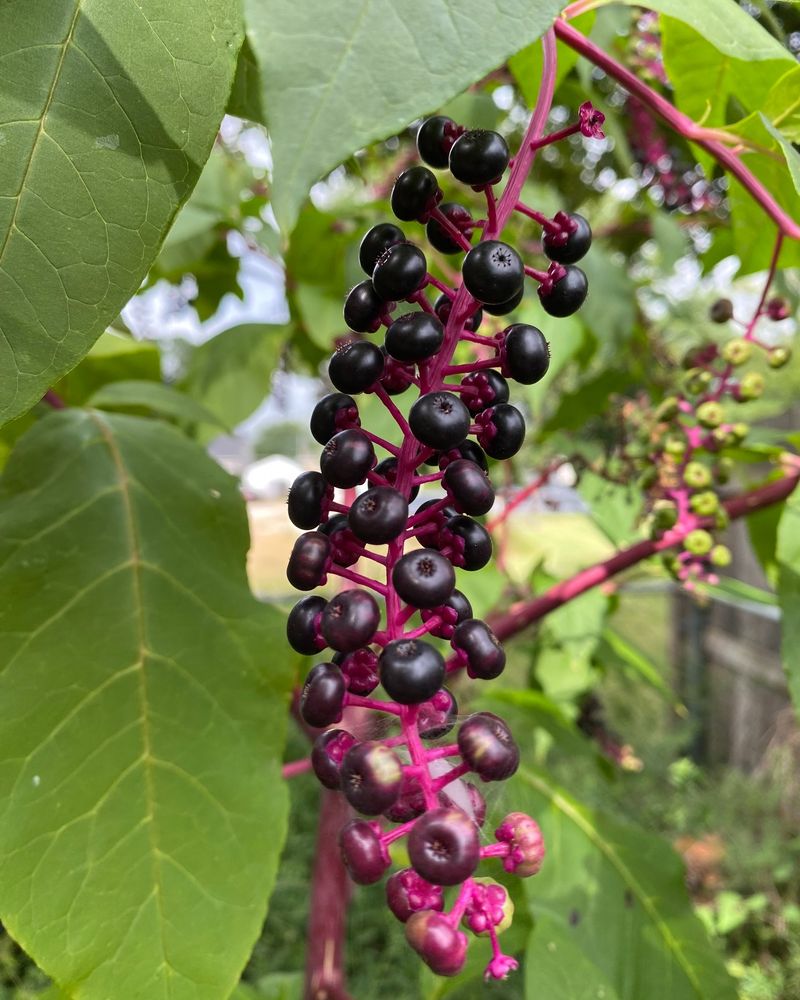
Pokeweed keeps a surprisingly tidy schedule, and September is its grand finale here. Shoots emerge in May, flowers open through July, and green berries swell during August heat.
By the first week of September, those clusters turn glossy and nearly black. The weight of the fruit bends stems sideways until they lean on the nearest wire.
Warm nights and late summer rain across Indiana push the ripening along quickly. A single stalk can carry twenty or more fruit chains at the same time.
Frost usually arrives in October and knocks the leafy top growth flat. The fleshy taproot underground shrugs it off and waits for spring to try again.
That timing gives Indiana landowners a short but genuinely useful window right now. Berries still cling to the stems, so cutting them removes seeds before they scatter widely.
Your Indiana Garden Changes Every Week. Your Plan Should Too.
Gardening in Indiana changes quickly throughout the season. Every Friday you’ll receive a simple weekly plan showing exactly what to plant, prune, fertilize, harvest, and protect so you never miss the right timing.
Wait three more weeks and birds will have carried most of that crop away. Every perch along your fence then becomes a planting site for next year.
Older, established plants tend to ripen earlier and produce more fruit than young seedlings. Older roots store more energy, which shows up as taller stalks and longer fruit chains.
Neighbors often notice the same plant at the same moment, usually while checking a gate. Shared fence lines mean shared seed banks, so coordinated timing helps both properties.
Mark the worst spots on your phone while the purple is easy to see. Come April, those tender young shoots are far simpler to pull out.
Birds, Fence Posts, And The Perfect Seed Drop Zone
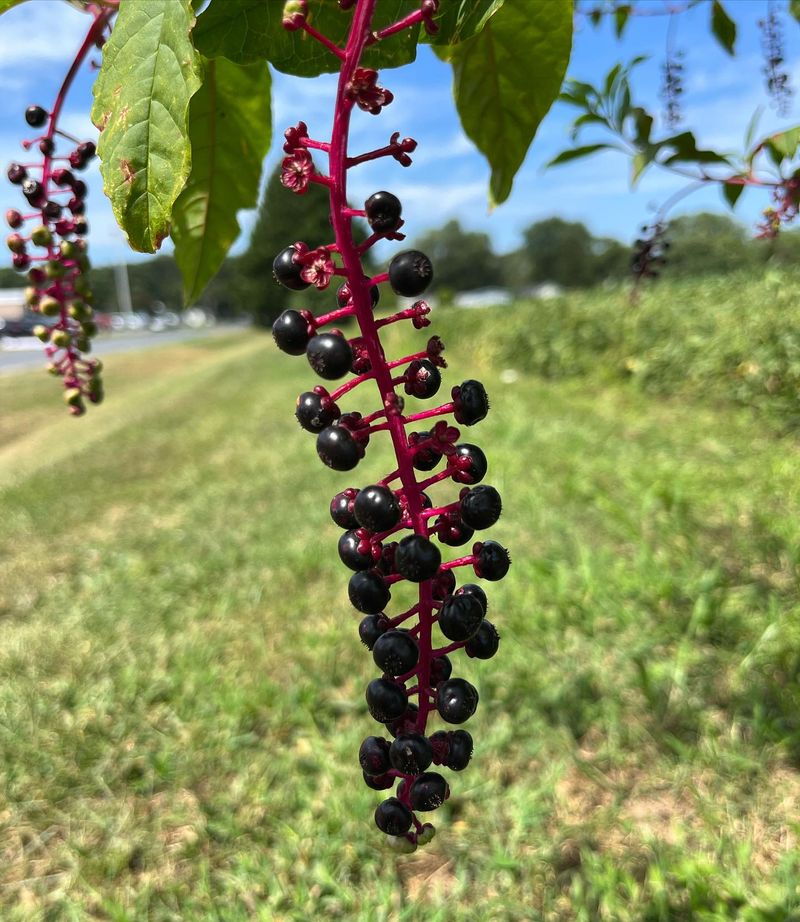
Ever wonder why pokeweed lines up along fences like it was planted on purpose? Birds do the planting, and they clearly prefer a perch with a good view.
Robins, catbirds, mockingbirds, and starlings swallow the ripe berries whole all through September. Seeds pass through unharmed and land wherever that bird happens to be sitting afterward.
Fence posts, sagging wires, and overhead power lines are favorite resting and digesting spots. That habit creates a neat purple stripe of fresh seedlings the following summer.
Soil right under a fence rarely gets mowed, tilled, or shaded by crops. Loose ground plus regular seed deliveries equals a nursery you did not order.
Seeds can stay viable in the soil for decades, according to weed researchers. Clearing today’s plants still leaves a hidden seed bank waiting patiently for sunlight and bare ground.
Cattle, deer, and raccoons move seeds too, though birds remain the champions. Floodwater along ditches carries them sideways into pasture corners, tree lines, and garden edges.
Purple bird droppings on a white truck hood are a classic September signature here. Consider it a delivery receipt for seeds you will meet next June.
A quick tip from fence builders, check the corner posts where birds pause longest. Those corners often hide the tallest, oldest pokeweed on the entire place.
Knowing the pattern helps you scout smartly instead of wandering the whole property. Walk the fence rows, hedge lines, and shady spots under roosting trees first.
The Mowing Mistake That Makes A Pokeweed Patch Thicker
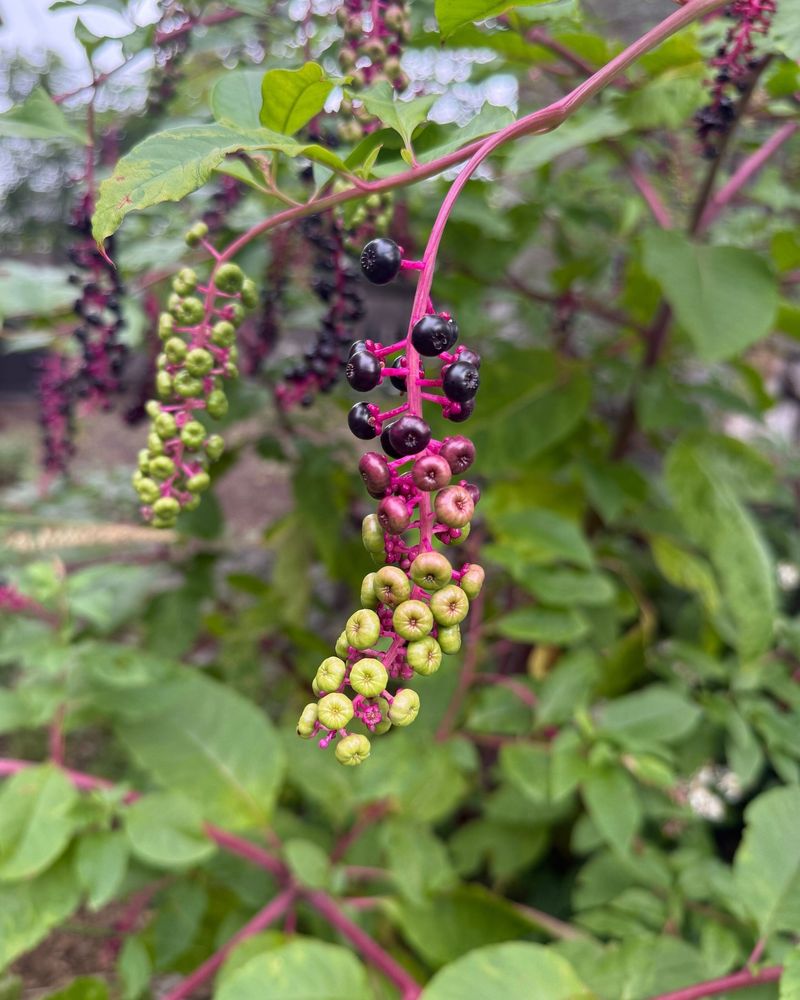
Here is the frustrating part, whacking pokeweed down often rewards it. Cutting the stalk leaves a thick taproot that sends up several new shoots.
One stem becomes three or four, each shorter but just as determined. Next September, that same spot looks bushier and carries even more fruit.
Mowing over ripe berries is worse, since the blades fling seeds across the yard. A brush hog can spread one plant into a twenty foot smear.
Pulling by hand tempts nearly everyone, especially after a long soaking rain softens the ground. Stems snap at the crown and the root stays behind, hidden and healthy.
Another common slip involves burning or composting the cut tops. Seeds survive a backyard compost pile and ride the finished mix into your flower beds.
Bare handling causes trouble too, because sap can irritate skin and eyes. Sturdy gloves and long sleeves make the whole job far more pleasant and much cleaner.
Timing mistakes matter as much as technique in a September cleanup. Cutting stalks while the berries are green keeps far more seed off the ground.
Herbicide timing trips people up as well, especially sprays applied to dusty leaves. Products work best on actively growing foliage, not on stalks already browning.
Skipping the seed cleanup afterward undoes good work in a single season. Rake the fallen fruit, bag it, and set it out with household trash.
The gentler fix is patience paired with the right tool for the root. Treat pokeweed like a stubborn perennial instead of a simple annual weed.
Toxic Roots, Curious Kids, And Nibbling Livestock
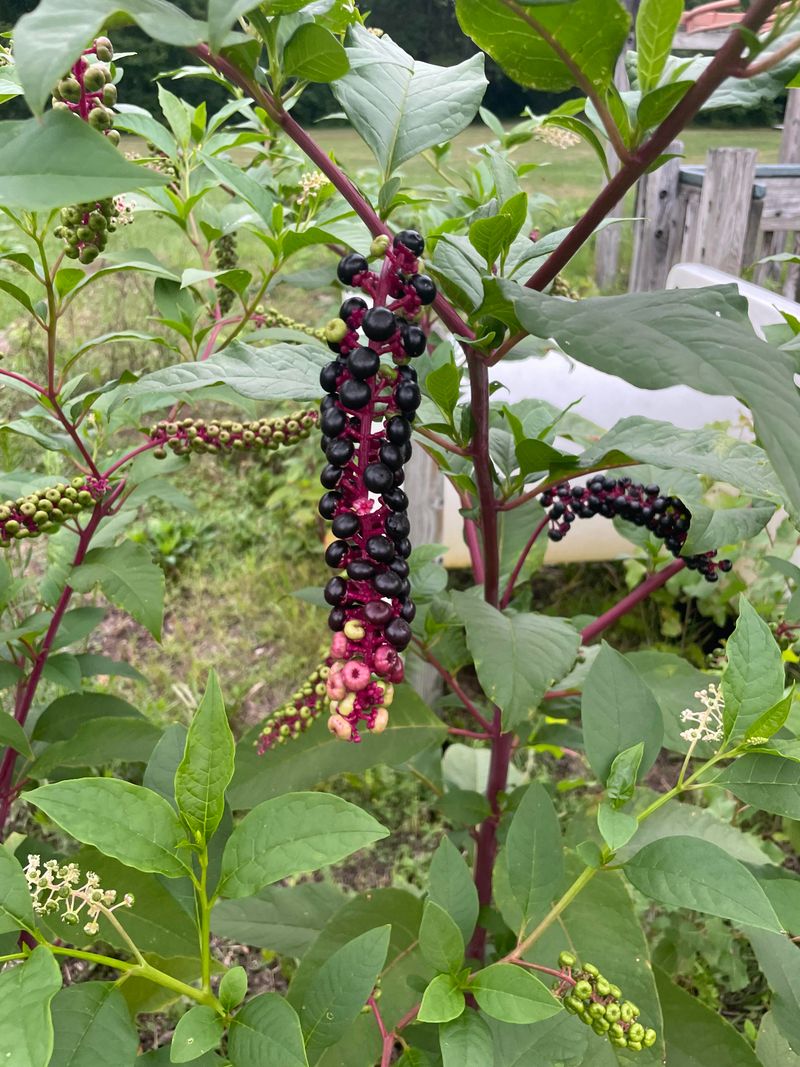
Those berries look like wild grapes, which is exactly the problem with kids around. Pokeweed fruit contains saponins and other compounds that upset stomachs quickly.
A berry or two usually causes nausea, cramping, and an unpleasant afternoon. The root holds the highest concentration, so digging without gloves is unwise.
Cases of stomach upset from sampled berries turn up most falls. Most cases end fine, though a phone call is smart when children sample fruit.
Livestock generally avoid pokeweed because the leaves taste bitter and the sap feels harsh. Hungry animals in overgrazed pasture sometimes try it anyway, especially young stock.
Hogs are the classic exception, rooting up and chewing the fleshy taproot. Pigs that root through a pokeweed patch can end up sick from the taproot.
Dogs mostly ignore it, but puppies chew anything within reach. Vomiting and drooling after a purple mess on the porch deserves a vet call.
Sap on skin can leave a rash on sensitive people, so cover up. Wash hands thoroughly before lunch, because the stain hides easily along fingertips and nails.
Talk with kids before they explore the fence row on a bike ride. A simple rule works well, no berry goes in the mouth without an adult.
Fencing off a pasture corner buys time until removal day arrives. Hay cut through a pokeweed stand should stay out of the feed ration.
Songbirds, on the other hand, digest the fruit without much trouble. Their tougher gut chemistry turns a risky snack into autumn fuel.
Root Removal And A Cleaner Fence Line Next Spring
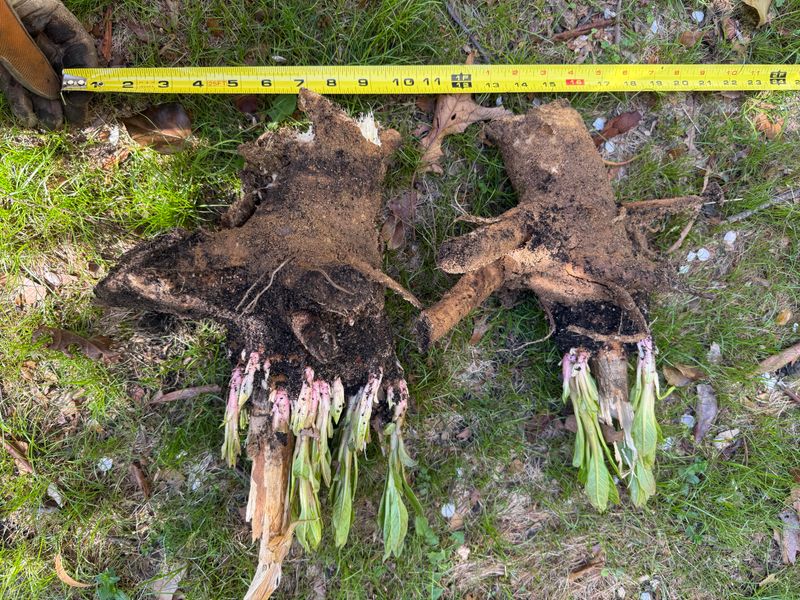
Pokeweed gives up once the root leaves the ground. Everything above the soil is only this season’s temporary scaffolding for the fruit.
Start by clipping off the berry clusters into a feed sack or bucket. Bagging fruit first stops the seed scatter that removal usually causes.
Cut the stalks to knee height so you can see what you are working with. Loosen the soil around the crown with a spading fork, then lift steadily.
Mature taproots can weigh several pounds and reach a foot deep. Damp September soil after rain makes the whole operation much easier on your back.
For fence lines you cannot dig, a cut stump treatment works instead. Apply a labeled brush herbicide to the fresh cut within a few minutes.
Read the product label carefully, especially near pasture, vegetable gardens, ponds, and open waterways. Cooler fall weather still allows uptake, so early September beats late October.
Fill the hole, tamp it down, and spread grass seed over the scar. Bare dirt along a fence invites the next round of seedlings.
Walk the same stretch in May and pull any seedlings you find. Young plants slide out of the ground with one easy tug.
Thick sod, shrubs, or a mulched strip keeps fence rows less inviting. Competition beats bare ground when it comes to holding pokeweed back.
Some folks leave one plant in a back corner for the birds. That is a fine choice, as long as you clip the berries yearly.