This Insect Known For Spreading Disease Has Quietly Lived In Colorado For Decades
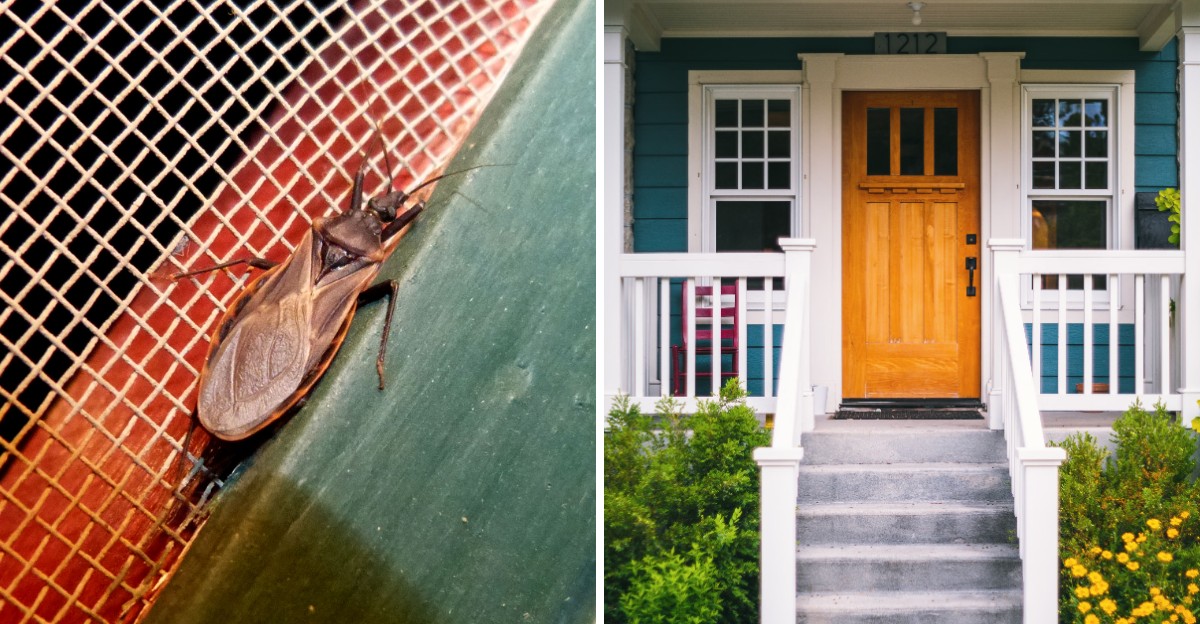
Your porch light attracts more than harmless moths tonight. Something crawls closer to you than you’d ever admit. Researchers quietly combed through Colorado homes near you this fall.
Scientists quietly documented what’s been living in your walls. Kissing bugs have turned up inside bedrooms across Colorado this year. Dry climates were supposed to protect you from this pest.
Instead, these insects adapted and moved in beside you. Cracks near your mattress became perfect little hiding spots. Bites showed up on you before anyone could explain why.
Homeowners like you assumed spotless houses meant total safety. That assumption could cost you real time and comfort. Professionals notice signs your untrained eyes overlook.
Waiting lets populations grow far faster than you expect. Ignoring small signs invites bigger problems into your home fast.
Knowing what to search for shifts the odds toward you. What you learn next could save you weeks of trouble.
The Nighttime Visitor Colorado Has Quietly Hosted For Decades
For decades, Colorado’s kissing bug population went largely unreported. A recent research effort has renewed attention to it.
Scientists working with residents collected insect specimens found indoors across several counties. Among them were triatomines, commonly called kissing bugs, confirmed inside Colorado homes.
The name sounds sweet, but it comes from an unpleasant habit. The insects tend to feed on exposed skin near the face and lips while a person sleeps.
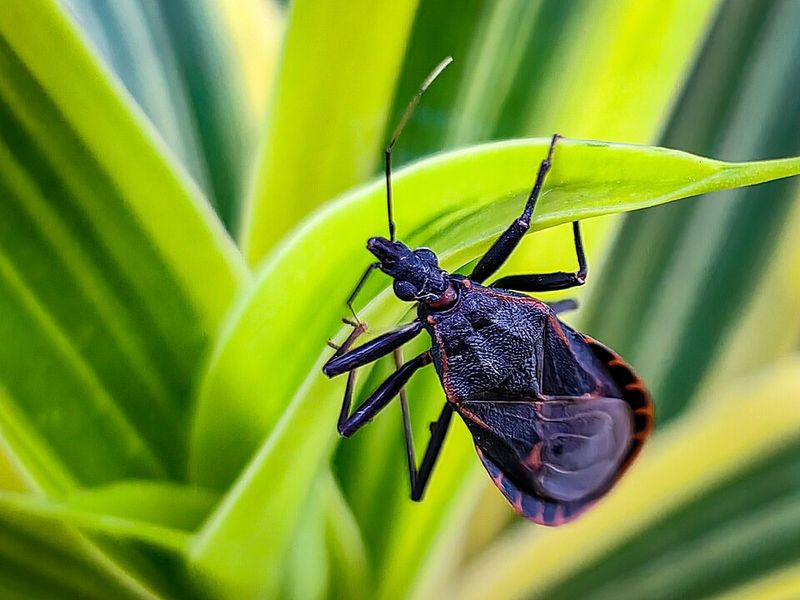
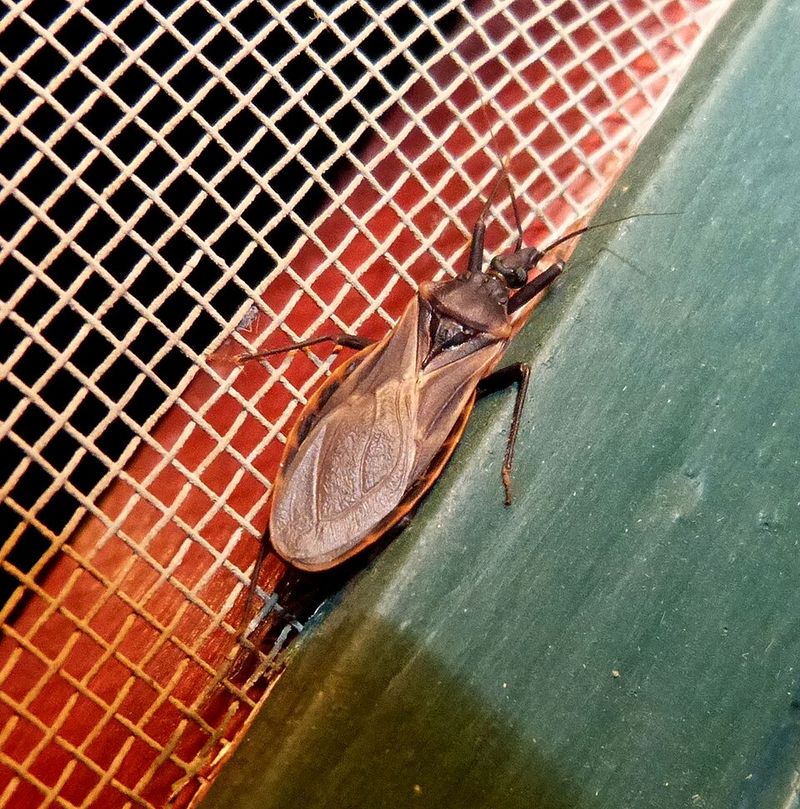
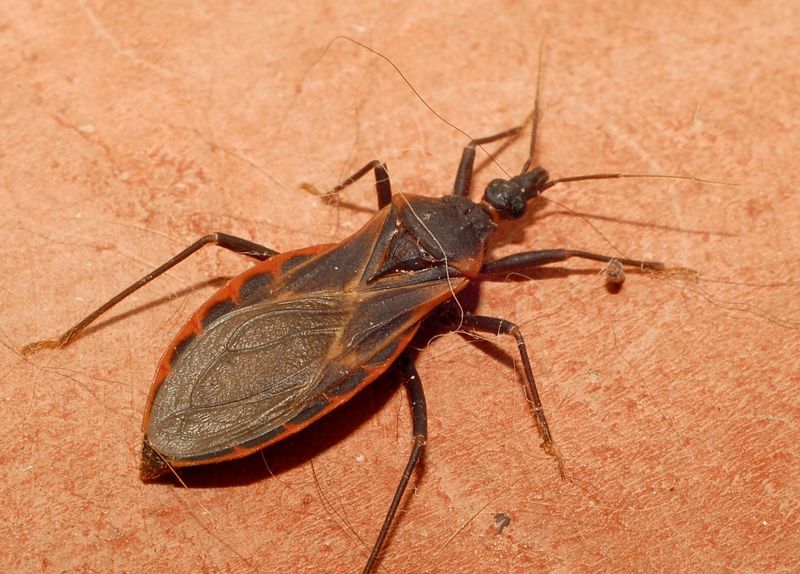
Adults measure roughly half an inch to an inch long. Their bodies are flat and oval, dark brown or black, often trimmed with orange or reddish stripes along the outer edge.
The head narrows into a cone shape, which helps separate them from lookalikes. They also have six legs and long, thin antennae that bend outward.
Colorado researchers noted that the species found here differ somewhat from those in Texas and Arizona. Regional differences matter because feeding habits and indoor preferences vary between species.
Confirmation does not mean an outbreak. It means the insect is present and worth understanding rather than ignoring.
Wildlife and public health specialists emphasize that sightings remain uncommon. Still, documented indoor findings give the state useful baseline information.
Here is a quirky detail from history. Charles Darwin wrote about being bitten by one of these insects during his South American travels, and some historians have wondered whether it contributed to his later health troubles.
Awareness beats panic. A documented presence simply gives Coloradans a reason to look a little closer at what wanders indoors after dark.
Chagas Disease Explained Without The Scary Headlines
Chagas disease carries a heavy reputation, and some of that reputation is earned. The rest gets exaggerated in headlines.
The illness comes from a parasite called Trypanosoma cruzi. Kissing bugs can carry it in their digestive tract and pass it along through their droppings.
Roughly 300,000 people in the United States are estimated to have Chagas, and the vast majority acquired it outside the country. Locally acquired cases remain quite rare.
Your Colorado Garden Changes Every Week. Your Plan Should Too.
Gardening in Colorado changes quickly throughout the season. Every Friday you’ll receive a simple weekly plan showing exactly what to plant, prune, fertilize, harvest, and protect so you never miss the right timing.
Early infection often looks like a mild illness. Fever, tiredness, body aches, swollen eyelids, and a poor appetite can show up within weeks.
Many people recover from that first phase and feel fine for years. That quiet stretch is what makes the disease tricky.
In a portion of untreated cases, the parasite affects the heart or digestive system decades later. Irregular heartbeat, an enlarged heart, and swallowing difficulties are among the long-term concerns.
Treatment exists and works best when the infection is caught early. Two antiparasitic medications are available in the United States through medical providers.
Blood banks in the country screen donations for the parasite, which has helped identify quiet cases. Doctors can also order testing when someone reports a suspicious bite or exposure.
The key thing to remember is proportion. Colorado has documented the insect, not a wave of illness. Understanding symptoms gives you a practical advantage. If something feels off after a known bug encounter, you will know what to mention at the clinic.
How The Parasite Actually Moves From Bug To Person
The transmission story is stranger than most people expect. The bite itself is usually not the problem.
Kissing bugs feed on blood, often while a person sleeps. During or shortly after feeding, they leave droppings on the skin nearby.
Those droppings may contain the parasite. Infection happens when the material gets rubbed into the bite wound, the eyes, the mouth, or a scratch.
So the actual risk involves scratching an itchy spot without washing first. That small detail explains why transmission is inefficient and relatively uncommon.
Not all kissing bugs carry the parasite either. Infection rates in insects vary widely by species and region, and many specimens test negative.
There are a few other ways the parasite spreads. Transmission from a pregnant person to a baby, through transfusions, and through organ transplants has been documented.
Rarely, people have become infected by consuming food or drink contaminated with insect material. Such incidents have mostly occurred in Central and South America.
What you cannot do is catch Chagas from a handshake, a sneeze, or sharing a glass with someone who has it. Person-to-person casual spread does not happen.
Practical takeaway? If you wake with an unexplained cluster of bites near your face, wash the area with soap and water instead of scratching.
Hand washing sounds almost too simple to matter. In this particular case, it interrupts the exact pathway the parasite depends on.
Where Kissing Bugs Hide Around Colorado Properties
Picture a woodpile leaning against the garage since last winter. That stack is prime real estate for a lot of crawling things.
Kissing bugs favor sheltered spots near animals. Rodent burrows, pack rat nests, and wildlife dens give them reliable meals and cover.
Around Colorado homes, the usual suspects include stacked firewood, rock piles, and debris under porches. Crawl spaces and cluttered sheds also qualify.
Outdoor animal areas draw attention too. Dog kennels, chicken coops, rabbit hutches, and barn corners offer both hosts and hiding places.
Foothill and rural properties tend to see more activity than dense urban blocks. Homes that back up to open space or rocky terrain sit closer to natural habitat.
Indoors, the insects tuck into cracks, behind furniture, under mattresses, and inside piles of laundry. Bedrooms attract them because sleeping people breathe out carbon dioxide, which acts like a dinner bell.
Light plays a role as well. Adults fly toward porch bulbs and lit windows on warm evenings, which is how many end up inside.
September is a useful month to check these spots. Cooling nights push insects toward warmth, and firewood season starts moving stacks around.
A flashlight and twenty minutes will tell you plenty. Look along baseboards, under the bed frame, and inside pet bedding.
Finding nothing is the likely outcome. Knowing your property well, though, makes any future oddity easier to spot right away.
Simple Home Upgrades That Keep Them Outside

Sealing a house is not glamorous work. It is, however, the single most effective defense available to homeowners.
Begin with doors and windows. Intact screens, tight weatherstripping, and a proper door sweep block the easiest entry routes.
Walk the exterior with a caulk gun. Gaps around pipes, vents, hose bibs, and electrical conduit deserve attention.
Cracks in stucco, foundation seams, and loose siding also serve as doorways. Filling them helps with plenty of other pests too.
Move firewood away from exterior walls and store it off the ground. A stack sitting six feet out and elevated on a rack is far less inviting.
Clear away rock piles, brush heaps, and old lumber near the foundation. Reducing rodent shelter reduces the food supply these insects rely on.
Swap bright white porch bulbs for yellow or amber lights. Fewer flying insects gather, which lowers the odds of one slipping through an open door.
Pet housing benefits from the same logic. Keep kennels and coops clean, away from the house, and free of bedding clutter.
Indoors, tidy up the areas nobody looks at. Under-bed storage bins, stacks of cardboard, and closet floors offer easy concealment.
If you camp or sleep outdoors in warmer regions, a sealed tent and a bed net add protection. Sleeping in adobe or thatch structures raises exposure considerably.
None of these steps require special skills. A Saturday afternoon and a hardware store trip cover the whole list.
What To Do If You Spot A Suspicious Bug
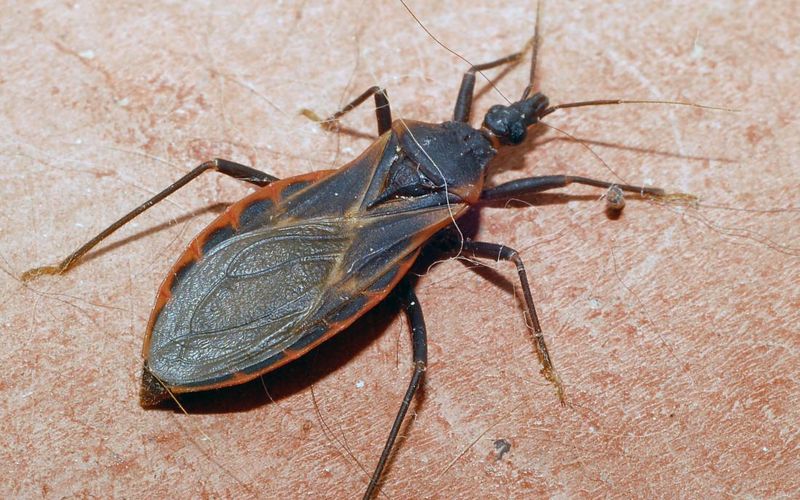
You flip on the light and something flat and striped is scuttling along the baseboard. Resist the urge to squash it.
Crushing the insect can smear material you would rather not touch. It also destroys the specimen that experts need for identification.
Put on gloves or use a plastic bag as a barrier. Trap the bug under a clear container, slide a stiff card underneath, and transfer it to a sealed jar.
Adding rubbing alcohol preserves the specimen well. Label the container with the date and the exact spot where you found it.
Wash your hands thoroughly afterward, and clean the surface with a household disinfectant. Skip the bare-handed handling entirely.
Contact your county health department or the Colorado State University Extension office. Several research programs accept specimens for identification and parasite testing.
If you woke up with bites near your face, mention it to a healthcare provider. Ask specifically about testing options rather than assuming nothing can be done.
Watch for fever, fatigue, swelling around an eyelid, or a firm reddened spot at the bite site. Report those details if they appear.
Pets deserve a look too. Dogs can contract the infection, so a vet visit makes sense if your dog spends nights outdoors in a kennel.
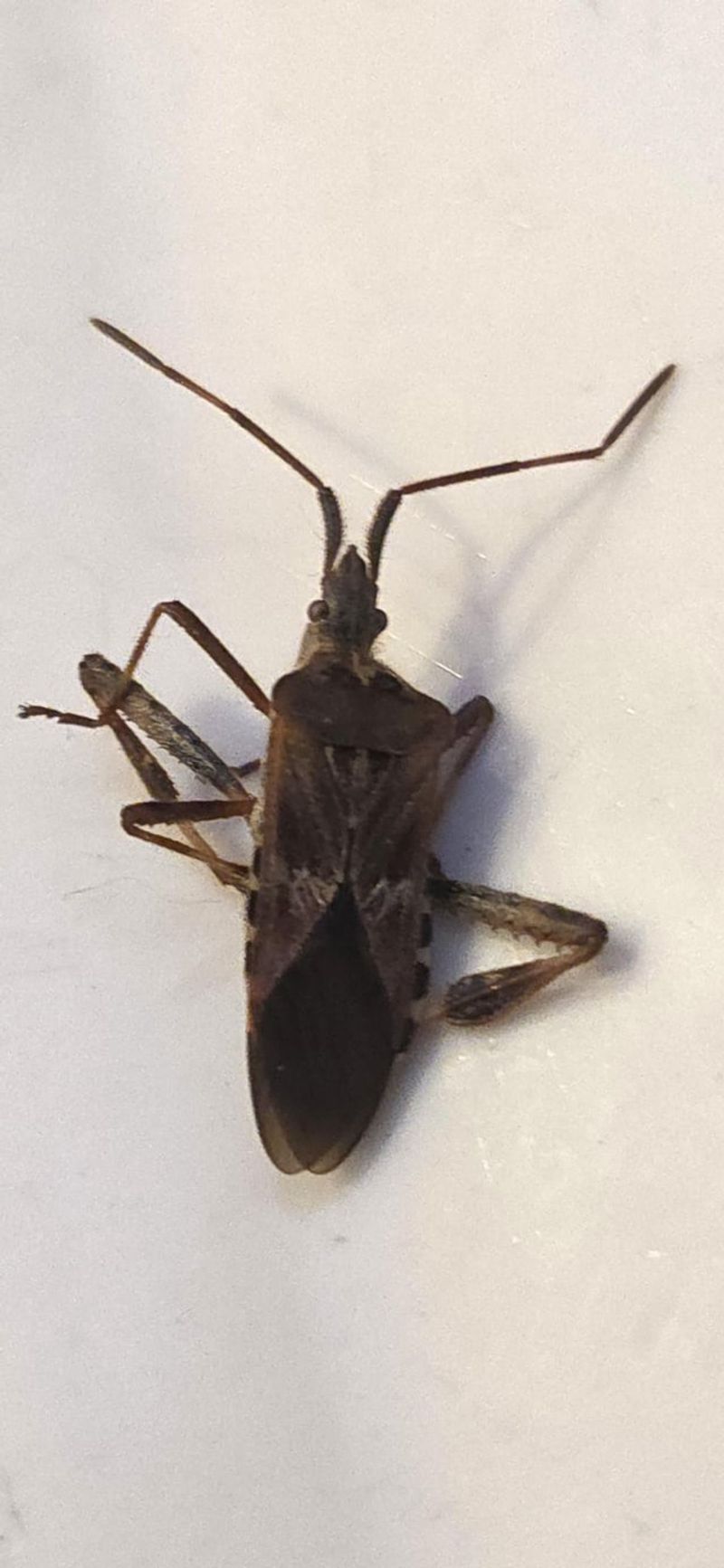
Chances are strong that your mystery bug turns out to be a harmless beetle or a leaf-footed lookalike. Getting it identified settles the question and adds useful data to Colorado research.