New York Gardens Are Quietly Losing Ground To This Invasive Grass
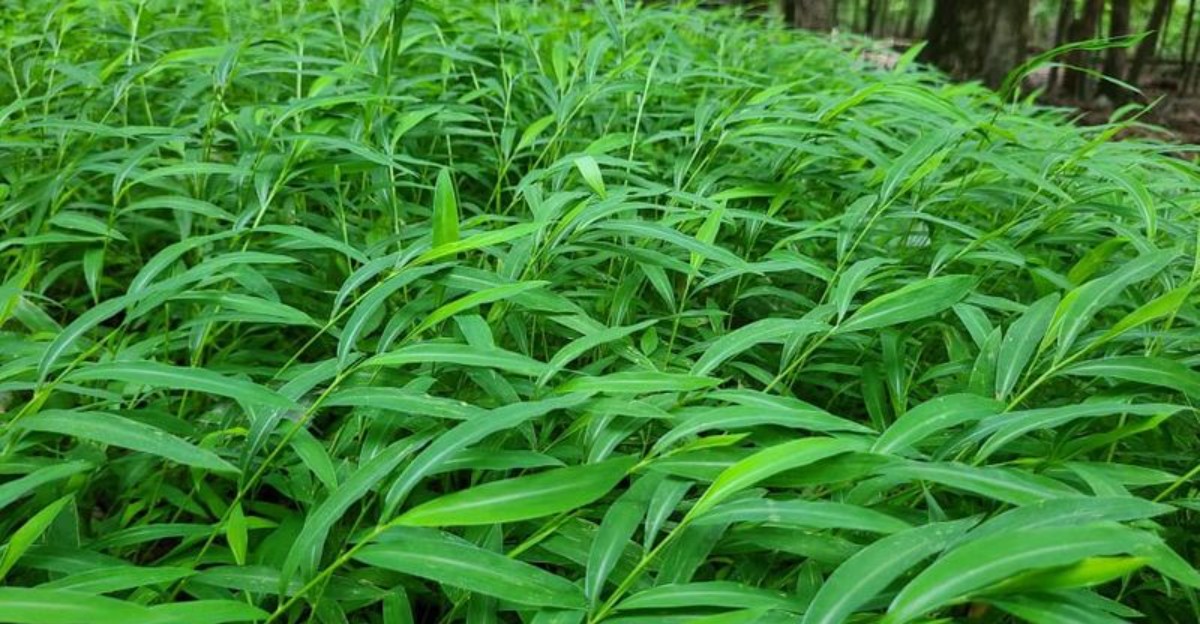
Picture a quiet corner of your yard where a soft green grass has appeared along the fence, under trees, or between your garden plants.
At first, it looks harmless. The thin blades even sway a little like an ornamental grass.
But that newcomer may be Japanese stiltgrass, an invasive plant that has been spreading across New York for years.
The trouble starts when it settles in. One plant can produce hundreds of seeds, and those seeds can sit in the soil for years before they sprout.
Before long, thick patches can push out ferns, wildflowers, and other plants you actually want growing there.
Japanese stiltgrass can be stubborn, but it is not unbeatable. It has shallow roots and follows a predictable cycle, which gives gardeners an advantage.
Once you know how to spot it and when to step in, you can start taking back those forgotten corners of your yard.
Spot Japanese Stiltgrass Before It Forms Thick Mats
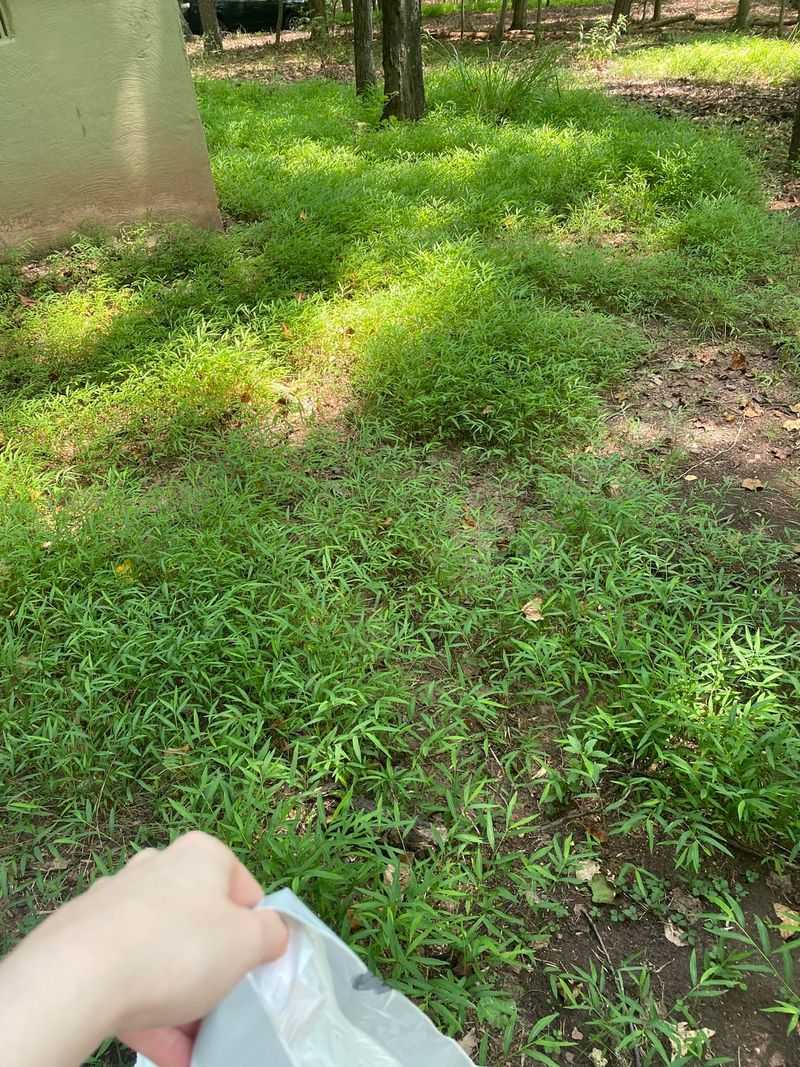
There is one giveaway that settles the question fast: a shiny, silvery stripe of hairs running down the middle of each leaf. Tilt the blade toward the light and that stripe flashes back at you.
Beyond the stripe, look for pale green leaves about one to three inches long, shaped like small spearheads. Rub a leaf between your fingers in both directions, and it feels smooth, while most native grasses feel rough one way.
Height varies from roughly one foot to three and a half feet, though the plant often sprawls sideways instead of standing tall. Stems are thin and wiry, branch near the base, and can look green, purple, or brown.
Tiny prop roots poke out of the lower stem joints, which is exactly how the plant earned the nickname stiltgrass. Those little stilts help it root wherever a stem touches damp soil.
Come late fall, the foliage takes on a purple tint, and after frost the whole patch fades to light tan. That tan thatch sits there all winter, blocking light from anything trying to grow beneath it.
Plenty of look-alikes muddy the picture, including Virginia cutgrass, crabgrass, nimblewill, and Pennsylvania knotweed. Virginia cutgrass grows longer leaves, up to six inches, and has no silver stripe at all.
Before you pull anything, snap a photo and compare it with a county extension guide. Correct identification saves your natives from an honest mistake.
Watch Shady Moist Areas Where Stiltgrass Spreads Fast
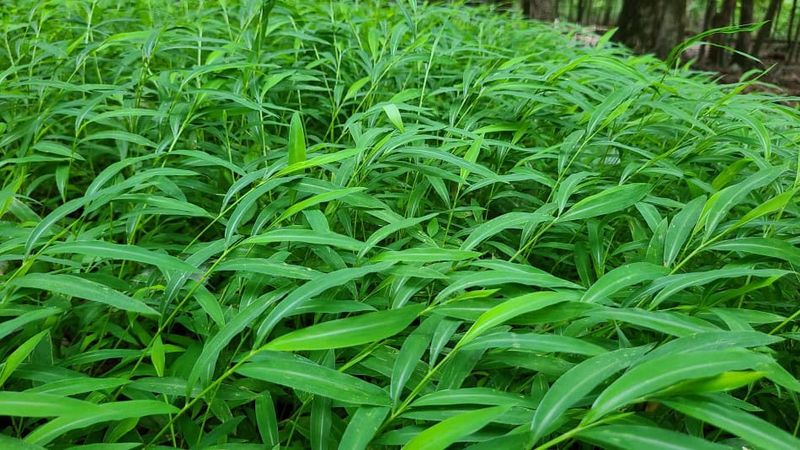
Ask any gardener who has fought this plant, and they will point to the soggy shady spots first. Stiltgrass loves damp ground, filtered light, and soil that has been recently disturbed.
Favorite hangouts include forest edges, streambanks, drainage ditches, low fields, and the mulchy strip behind a shed. Moist, acidic to neutral soil rich in nitrogen practically rolls out a welcome mat.
Full shade suits it fine, but moderate light makes it grow with real enthusiasm. That is why the half-sunny edge between lawn and woods so often turns into the worst patch.
Disturbance is the other trigger. Flooding, tilling, mowing, heavy equipment tracks, and even heavy deer traffic all open the door for seeds to settle in.
Your New York Garden Changes Every Week. Your Plan Should Too.
Gardening in New York changes quickly throughout the season. Every Friday you’ll receive a simple weekly plan showing exactly what to plant, prune, fertilize, harvest, and protect so you never miss the right timing.
Across New York, stiltgrass has been reported in a long list of counties, and it moves happily from wild land into residential lawns and flower beds. Suburban yards that back onto woods tend to see it first.
Once it settles, the spread is quick. Dense mats shade out native wildflowers, seedlings, and low grasses, pulling light and nutrients away from plants that were there long before.
The ripple effects reach beyond your garden. Fewer native plants means less food and cover for local insects and birds, and researchers have even found stiltgrass shifting how nutrients cycle through the soil.
Walk your shadiest, dampest corners in midsummer with a coffee in hand. Early sightings are the cheapest kind of pest control.
Pull Small Patches Before Seeds Scatter Across The Yard
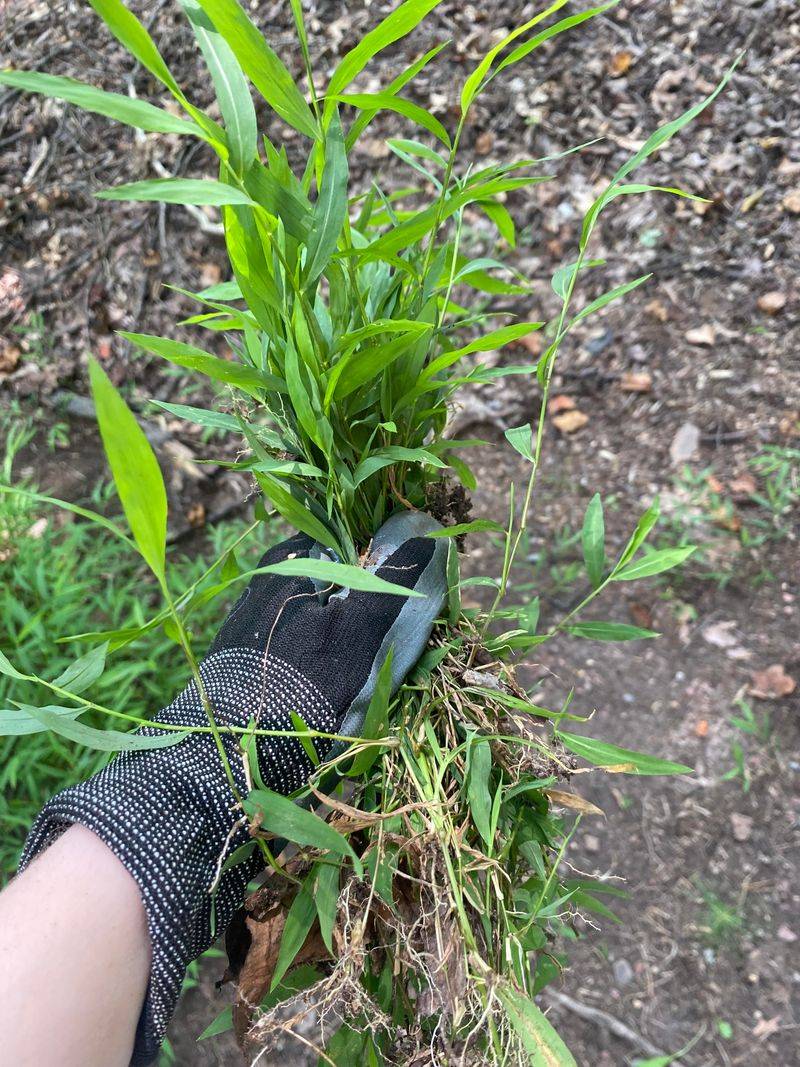
Here is the silver lining: stiltgrass roots are shallow and fibrous, so a gentle tug usually brings up the whole plant. Damp soil after a rain makes the job almost satisfying.
Small patches are where hand-pulling really shines. Catching a few dozen plants now beats battling a solid mat two summers from now.
Timing matters more than muscle. Remove plants before they set seed, and do not wait for a perfect moment.
Earlier pulling is often easiest because the plants are smaller, while late summer removal can still work if seed heads have not formed.
Pulling can sometimes disturb the soil and expose buried seeds to light, but leaving mature plants in place creates a much bigger problem because they continue producing seeds that fuel future infestations.
Plants pulled in late summer leave behind less time for replacements to mature. Any stragglers that sprout afterward rarely get the chance to set seed before cold weather arrives.
What you do with the pulled material depends on the calendar. If no seed heads have formed, the plants can be left on site to break down.
If seed heads are present, bag everything and send it out with municipal trash instead of the compost pile. One forgotten armful can reseed the whole bed.
Work in sections rather than trying to clear the yard in an afternoon. Many gardeners find that thirty focused minutes a week, repeated through August, clears more ground than one exhausting weekend.
Kneel, grip low, and pull steadily. Your future self will thank you.
Remove Seed Heads Before They Expand The Problem
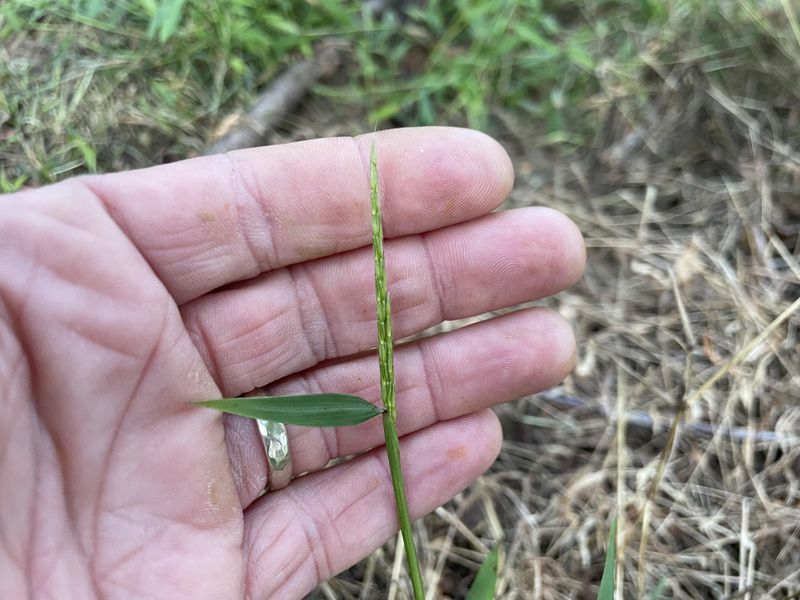
One plant, up to a thousand seeds. That single number explains why seed heads deserve your full attention.
Stiltgrass is an annual that reproduces only by seed, so stopping seed production is the most cost-effective move a gardener can make. No seed means no next generation from that plant.
Slim flower spikes appear at the stem tips in late summer and early fall, typically August into early October across New York. Some flowers self-fertilize, which means even isolated plants can produce a crop.
Mowing or string trimming works well when the timing lines up. Cut after flowering begins but before the seeds harden and drop, and you cut off the supply line.
Trim too early and the plants simply regrow shorter, flower closer to the ground, and still manage to set seed. Frustrating, yes, but predictable once you know the pattern.
Set your mower higher on the first pass so you can see what you are cutting. Then follow up with hand-pulling along edges the blade cannot reach.
Seeds stay viable in the soil for at least three to five years, and sometimes longer. Every seed head you remove shortens that waiting game considerably.
Those seeds also travel with impressive ease, riding on shoes, pant cuffs, pet fur, tires, and floodwater moving through ditches. Cutting spikes before they ripen keeps them from hitching a ride across your neighborhood.
Mark your calendar for late August. That reminder is worth real money.
Avoid Moving Seeds Through Soil And Yard Debris
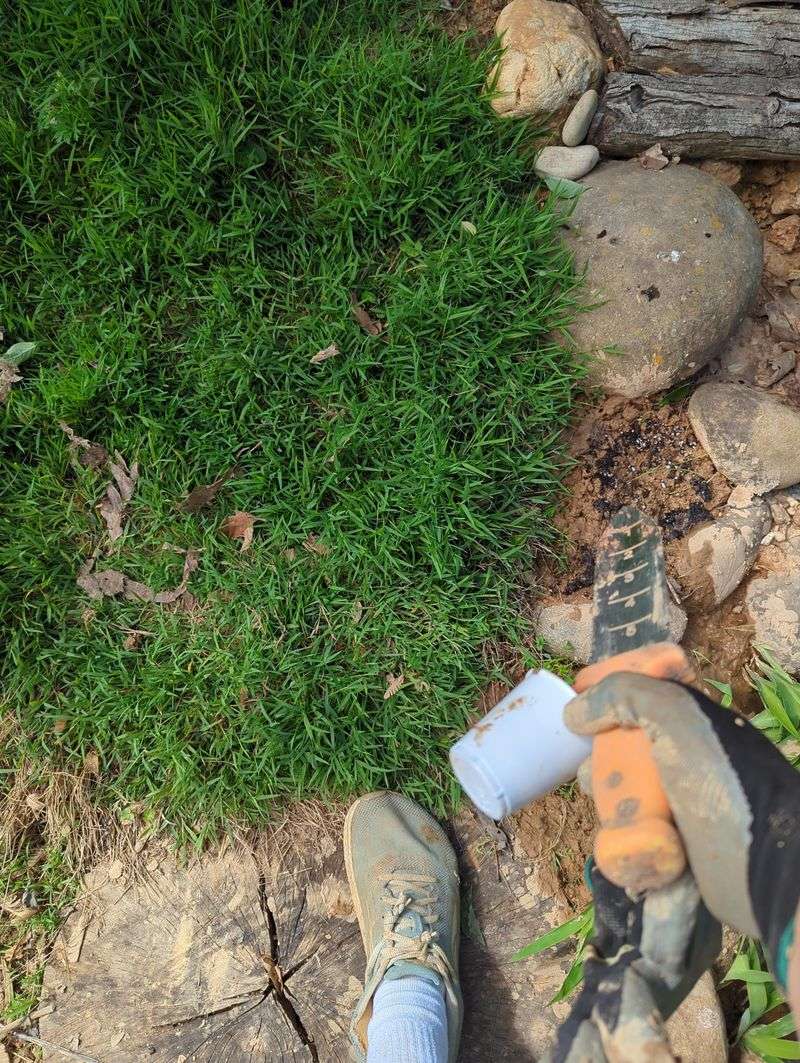
Think of stiltgrass seeds as tiny stowaways with excellent grip. They cling to boot treads, sock cuffs, glove seams, and the knobby tires of a garden cart.
Human activity moves them farther than wind ever could. Vehicles, wheelbarrows, mowers, shovels, and even a dog’s shaggy legs all serve as transport.
Soil is the bigger culprit. Construction fill, logging traffic, and casual garden projects shift seed-loaded dirt from one spot to a clean one without anyone noticing.
A brush and a few minutes solve most of that. Knock soil off tools and shoes before leaving an infested area, and give mower decks a rinse when you finish.
New plants deserve a quick inspection too. Check the soil surface of nursery pots for pale grass seedlings with that telltale silver stripe before anything goes into your bed.
Mulch and compost sources matter just as much. Ask where the material came from, and choose suppliers who manage their piles well, since bargain bulk loads sometimes arrive seeded.
Yard debris should stay put or go out with the trash rather than travel. Hauling a pickup bed of stiltgrass clippings to a family property upstate is how clean landscapes get introduced to the problem.
Neighbors count, too. Mention what you found over the fence, because a shared edge means a shared seed bank.
Small habits add up here. Clean gear, careful soil moves, and curiosity about your mulch prevent years of extra weeding.
Replace Bare Spots With Stronger Native Plant Cover
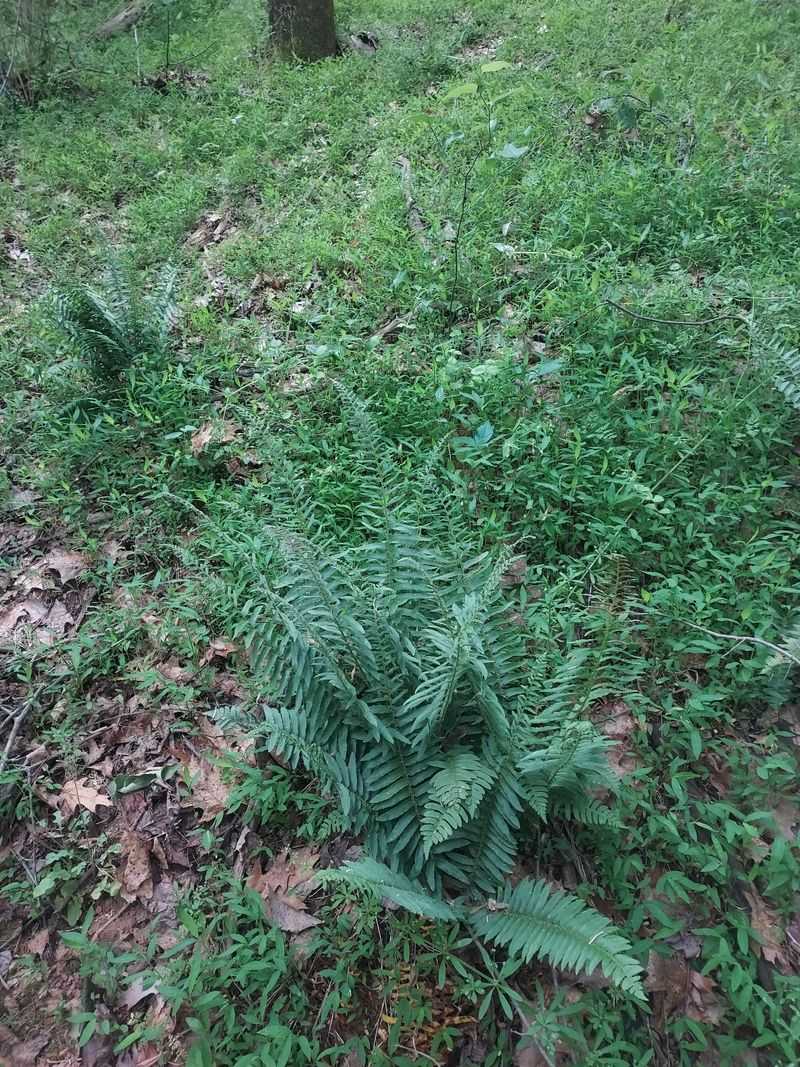
Bare soil is an open invitation, and stiltgrass reads it loud and clear. Disturbed ground actually improves seed germination, so pulling without replanting can backfire.
Filling the gap is the real victory. Plants that shade the soil and claim the root space leave fewer openings for new seedlings to grab.
Natives are the smart choice for this job, especially ones that enjoy moist shade. Virginia cutgrass, jewelweed, and a variety of sedges settle in quickly and hold their ground.
For more texture, consider sensitive fern, hay-scented fern, mayapple, golden ragwort, bluejoint grass, or northern sea oats. Mixing heights and leaf shapes creates layers that block light at several levels.
Some growers use annual rye as a short-term placeholder while native seeds in the soil wake up. It is a temporary bridge, not a permanent fix, but it keeps bare patches covered through a vulnerable season.
Plant a little denser than the tags suggest. Tight spacing closes the canopy sooner and cuts down on the weeding you will do next June.
Water new plantings through their first dry spell so their roots reach deep. Established natives compete far better than stressed ones.
A two-inch mulch ring around each new plant helps, too, without burying the crowns. Think of it as insurance while the roots get organized.
Give it two seasons. The bed that looked patchy will feel full, and stiltgrass will find far less room to work with.
Check Mulch Beds And Garden Edges For New Growth
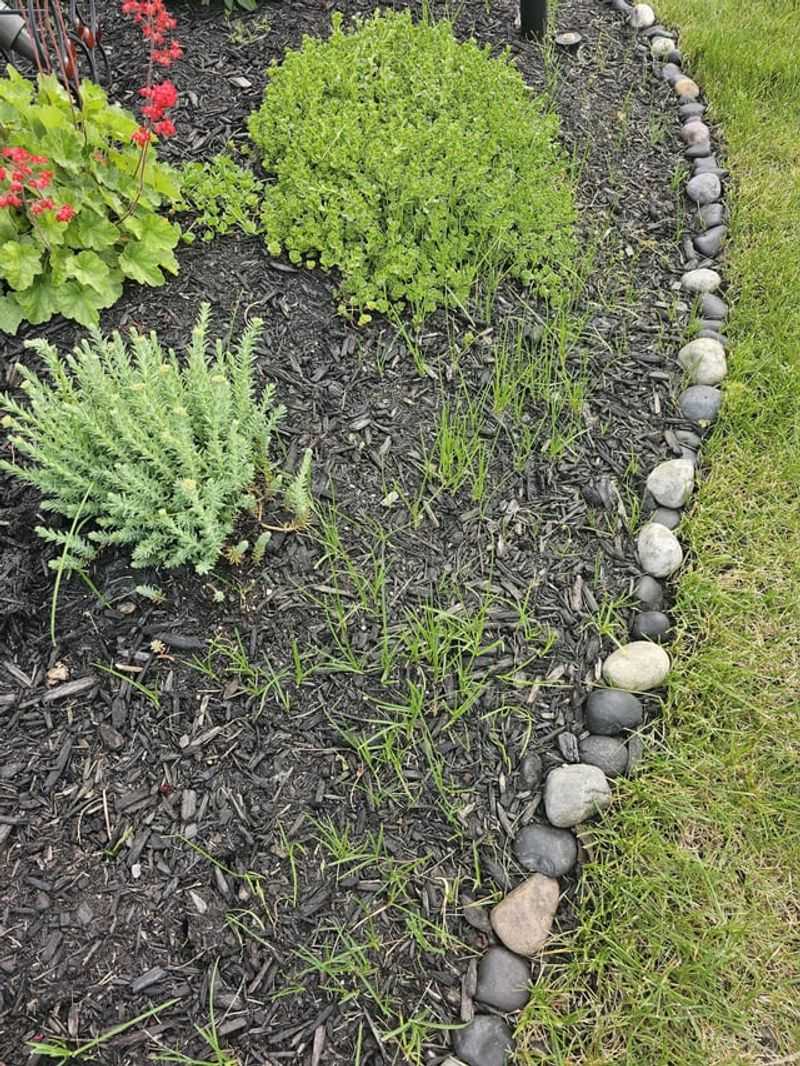
Mulched beds look tidy, which is exactly why stiltgrass loves them. Loose, damp mulch along a bed edge offers ideal footing for a seedling that asks for very little.
Depth makes a difference. A generous layer, roughly four to six inches, blocks enough light to discourage many seeds from sprouting at all.
Freshening that layer in autumn or early spring keeps the barrier working. Old mulch thins out, decomposes, and slowly turns into the kind of seedbed you were trying to avoid.
Gardeners using a pre-emergent product in beds should apply it before spreading the new mulch. Order of operations matters, since the treatment needs contact with the soil surface.
Interestingly, New York State Parks staff have experimented with mulching plus seeding directly into the decomposing layer, with encouraging results. Combining coverage with competition beats either approach alone.
Edges need the closest look. Where mulch meets lawn, path, or driveway, seeds collect in that narrow seam and sprout in a thin green line.
Run your eye along those seams every couple of weeks during the growing season. Pale leaves with a silver midrib stand out nicely against dark mulch.
Pull what you find while the plants are still finger-sized. At that stage the roots slide out with almost no effort and no soil disturbance worth worrying about.
Keep a small bucket by the shed door for these quick grabs. Ten seconds of weeding on the way past does remarkable work over a summer.
Keep Monitoring After Removal To Catch New Plants
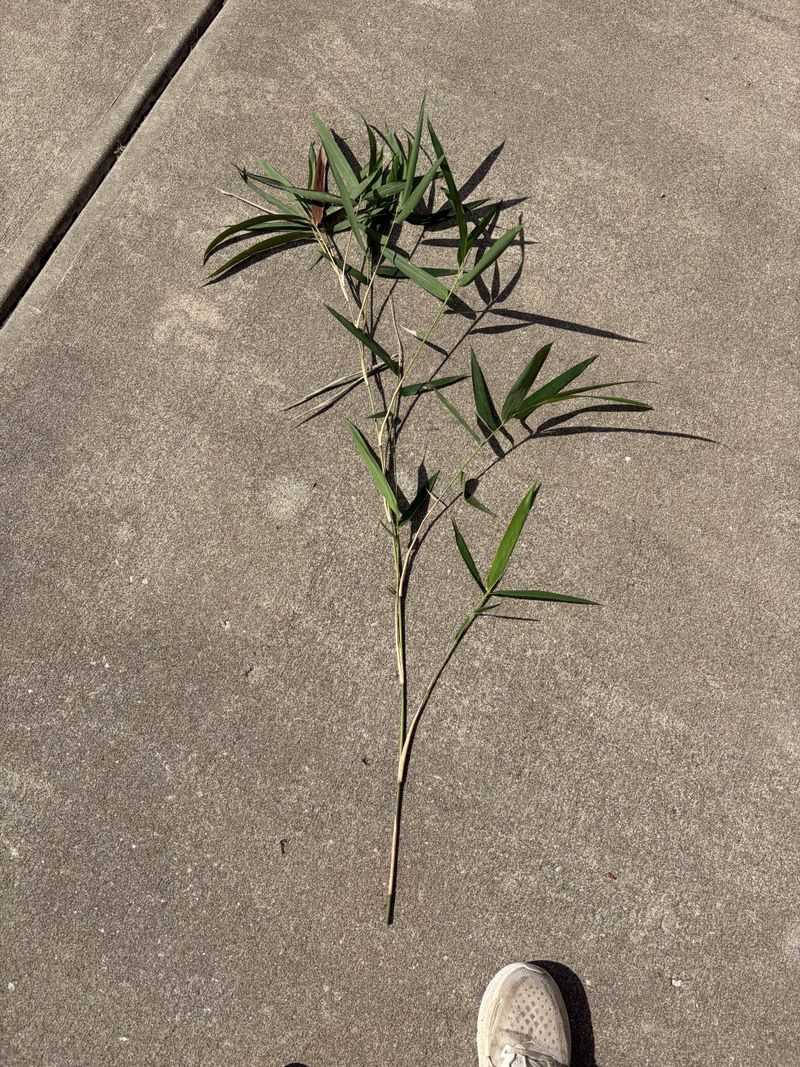
One clearing session feels like a win, and it is, but the soil has other plans. Seeds banked underground stay viable for three to five years, sometimes longer.
That is why ongoing checks beat one heroic weekend. Each spring, a fresh batch of seedlings tests whether anyone is paying attention.
Build two scouting windows into your routine. Walk the yard in spring when seedlings first appear, then again in late summer before flower spikes form.
Pulling itself stirs the soil and can expose more seeds to light, which nudges them to sprout. Annoying, sure, but it also means you are drawing down the seed bank on purpose.
Keep simple notes. A photo of each problem corner, dated, shows progress that your memory will happily forget.
Many gardeners find year three is when the change feels obvious. Patches shrink, seedlings scatter instead of carpeting, and pulling takes minutes rather than hours.
Consistency is the whole strategy. Fewer seeds returning each season means the population steadily slides toward something manageable.
Loop in anyone who helps with the yard so they know what to look for. A landscaper who recognizes that silver stripe will not mow it into a seed-spreading machine.
Reporting local sightings to a regional invasive species partnership helps, too, since tracking spread across New York guides future control work.
Stay curious, stay regular, and the quiet takeover loses its advantage. Your ferns and sedges get their ground back.