The California Plants Worth Mulching Heavily Before Fall
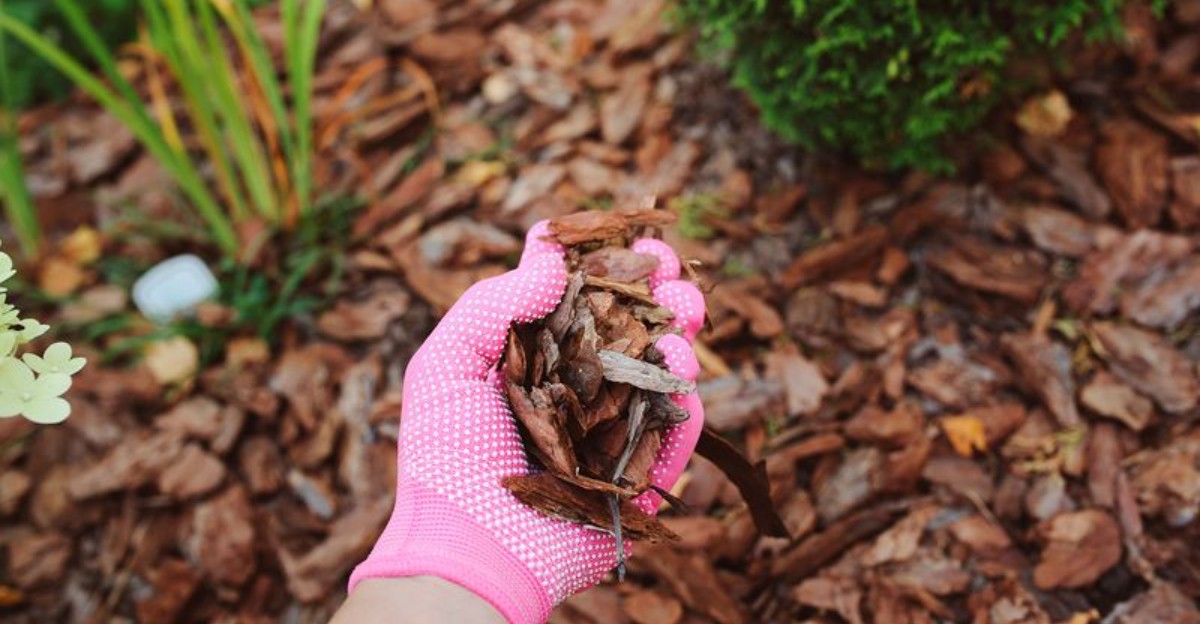
As fall approaches, your California garden starts facing new challenges that summer heat may have hidden.
A fresh layer of mulch can help some plants stay protected, but the amount you use matters more than simply spreading it everywhere.
Certain plants benefit from extra insulation around their roots, especially as temperatures shift and moisture patterns change. Others can struggle when mulch is piled too thickly or placed too close to the wrong areas.
Choosing where to add more mulch can make a real difference in how your plants handle the coming months. With the right approach, you can give vulnerable plants extra support while keeping your garden healthier through the changing seasons.
1. Hydrangeas Benefit From Extra Root Protection
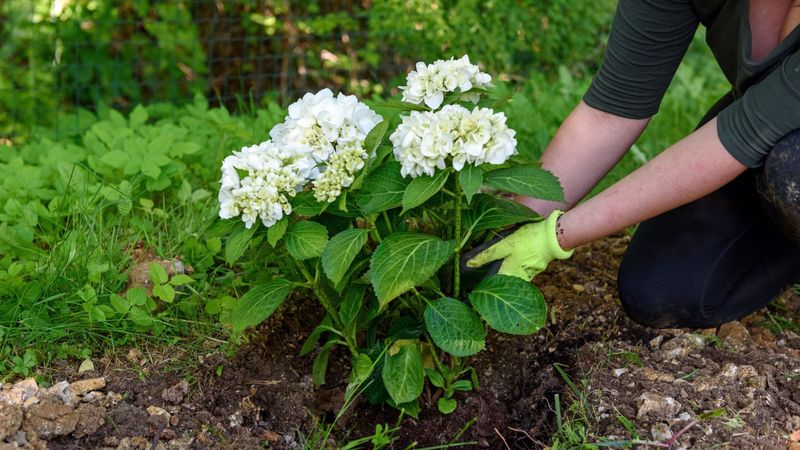
Big, puffy blooms make hydrangeas a favorite in many California yards, but their roots sit close to the surface and dry out fast.
Spreading a thick layer of mulch around the base helps trap moisture and keeps the soil cool during warm autumn afternoons. Aim for about three inches of bark or shredded leaves, but leave a small gap around the main stems so they can breathe.
When cold nights arrive, that mulch works like insulation, protecting tender roots from sudden temperature swings. Hydrangeas also drink a lot of water, so mulch cuts down on how often you need to reach for the hose.
Come spring, you may notice bigger, brighter flowers as a reward for your fall effort. A neat trick is to use compost mixed with bark, which slowly feeds the plant as it breaks down.
Avoid piling mulch too high against the crown, since trapped moisture there can cause trouble. Check the soil now and then by pushing a finger under the mulch to feel for dampness.
If it feels dry, give a slow, deep soak and let the mulch hold that water in. With this simple care, your hydrangeas will stay strong and ready to burst into color when the warm days return.
2. Camellias Prefer Cool Moist Root Zones
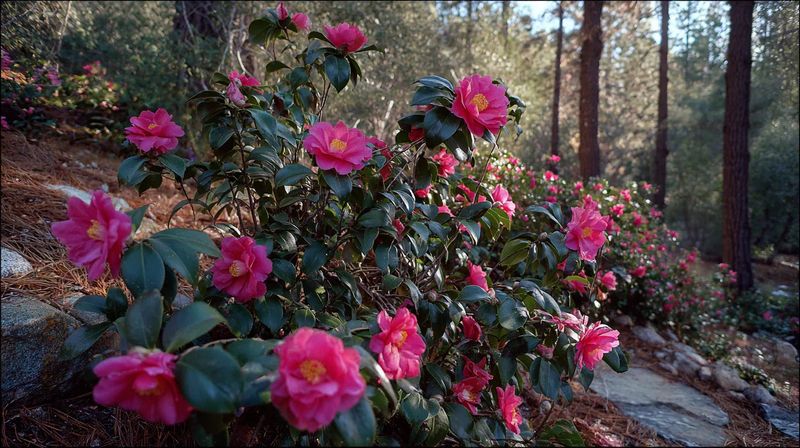
Elegant and evergreen, camellias bring winter color to California gardens when many other plants are resting.
Their roots enjoy cool, damp conditions, and that is exactly what a generous mulch layer provides before fall. Spread two to three inches of pine bark or shredded leaves around the base, keeping it slightly away from the trunk.
Camellias have shallow feeder roots that can suffer when the soil heats up or dries out. A good mulch blanket shields those roots and keeps moisture where the plant needs it most.
Since camellias set their flower buds in fall, steady soil conditions help them produce a stronger display of blooms. Acidic mulch, like pine needles, also matches their love for slightly sour soil.
Water deeply before you lay the mulch so the ground starts out nicely moist. Avoid heavy foot traffic near the base, as packed soil makes it harder for roots to breathe.
If you live in a warmer part of the state, mulch becomes even more important for keeping temperatures steady. Check under the layer every couple of weeks to make sure the soil stays damp but not soggy.
Your California Garden Changes Every Week. Your Plan Should Too.
Gardening in California changes quickly throughout the season. Every Friday you’ll receive a simple weekly plan showing exactly what to plant, prune, fertilize, harvest, and protect so you never miss the right timing.
With this cozy setup, your camellias will greet the cooler months with glossy leaves and cheerful flowers.
3. Azaleas Appreciate Consistent Soil Moisture
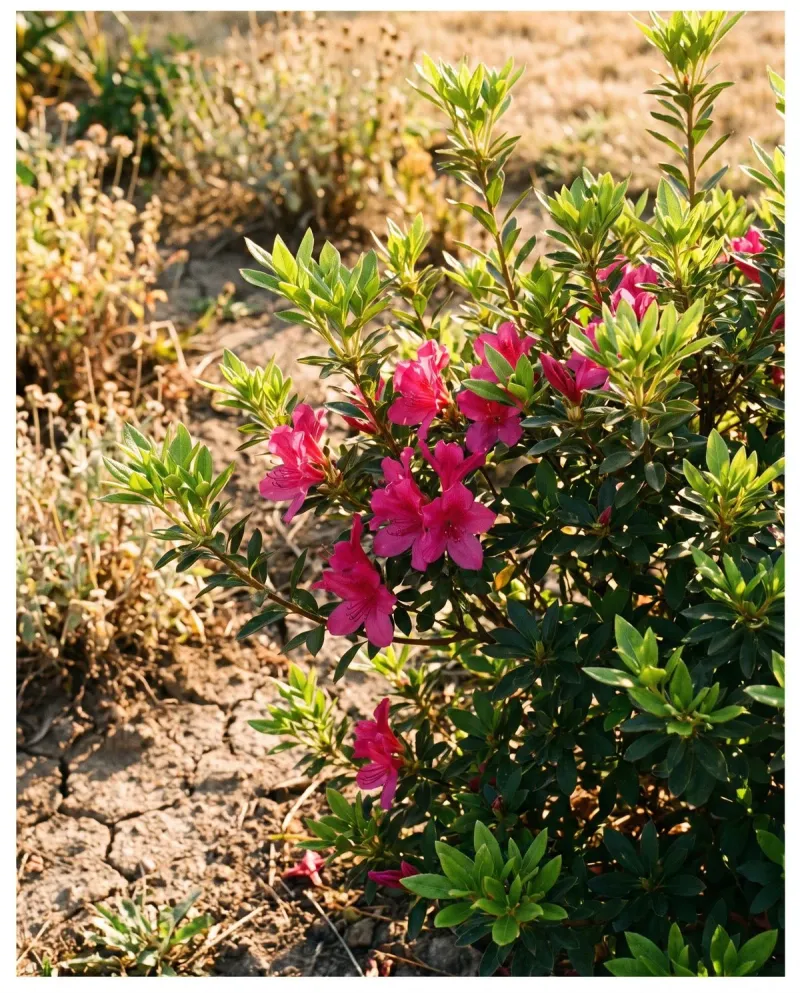
Few shrubs light up a garden like azaleas, with their clusters of bright, showy flowers in spring.
To keep them happy through fall, they need soil that stays evenly moist, and mulch does that job beautifully. Lay down two to three inches of organic mulch such as pine bark or leaf mold around each plant.
Azaleas have delicate, shallow roots that dislike wild swings between wet and dry. A steady mulch layer smooths out those changes and keeps the root zone comfortable.
Because azaleas prefer acidic soil, pine-based mulch is a smart pick that supports their natural needs. As the mulch slowly breaks down, it feeds the soil and improves its texture too.
Give the plants a deep drink before mulching so the moisture is locked in from the start. Keep the mulch a few inches away from the stems to prevent rot near the base.
During dry autumn spells, this covering saves you from constant watering and protects the plant from stress. A quick finger test under the mulch tells you when it is time to water again.
With consistent moisture and a bit of shade, your azaleas will build strong buds now and reward you with a stunning show once spring arrives.
4. Blueberries Need Protection Around Shallow Roots
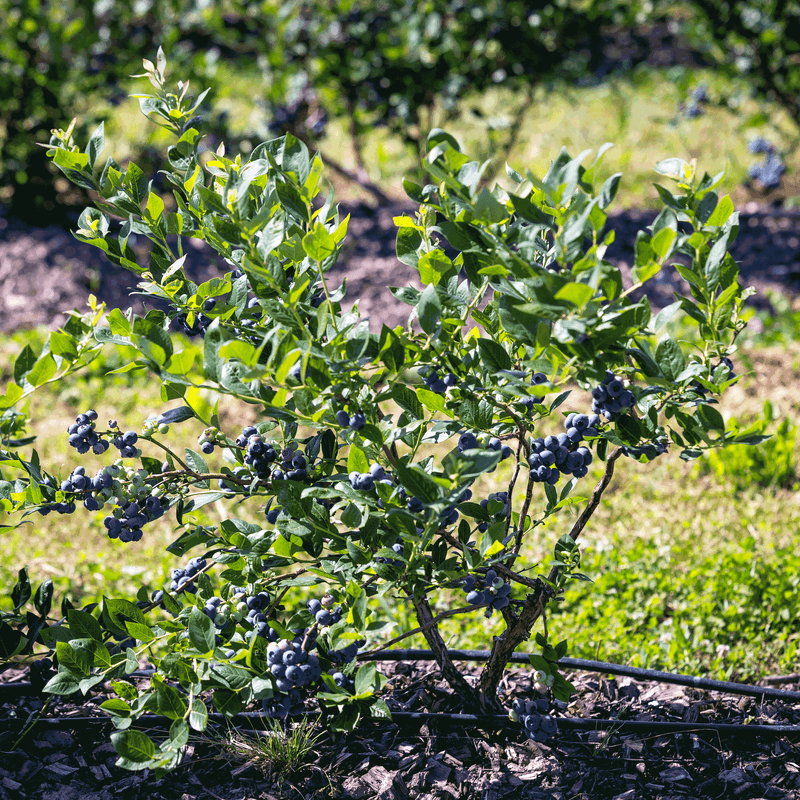
Homegrown blueberries taste sweeter than anything from the store, and a little fall care keeps the harvest coming.
These bushes grow shallow, fibrous roots that stay close to the surface and dry out quickly. A thick mulch layer of three to four inches shields those roots and holds precious moisture in the soil.
Blueberries love acidic ground, so pine needles, bark, or sawdust make excellent mulch choices. As these materials break down, they gently lower the soil pH, which is exactly what blueberries crave.
Before spreading mulch, soak the soil well so the roots have plenty of water to draw from. Keep the mulch pulled back slightly from the main stems to avoid trapping too much moisture there.
Cooler soil helps the plant store energy for next year’s berries, and mulch keeps those temperatures steady. It also cuts down on weeds that would otherwise compete for water and nutrients.
During dry autumn weeks, that protective layer means you water far less often. Check the soil moisture regularly, since blueberries sulk when their roots get too dry.
A yearly refresh of mulch keeps everything working smoothly season after season. Give your blueberry bushes this simple boost now, and you will be picking plump, juicy berries when warmer days return.
5. Ferns Benefit From Organic Mulch Layers
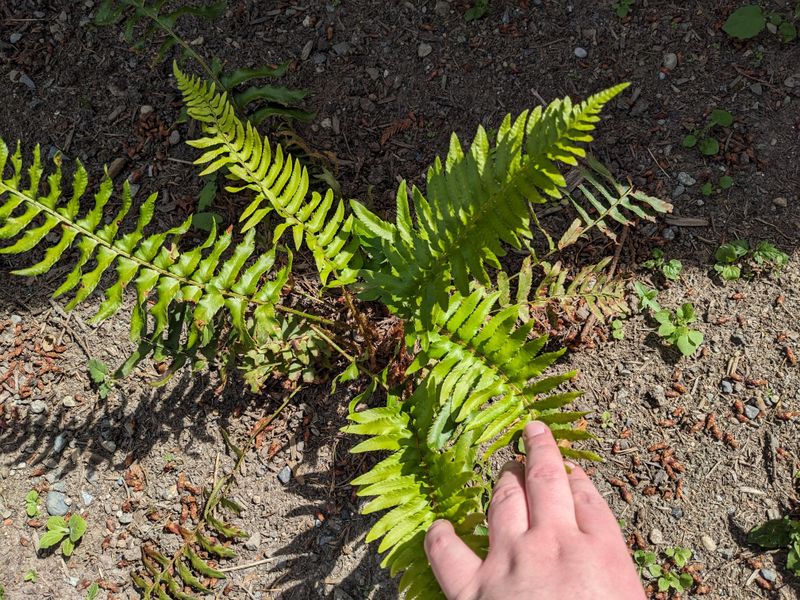
Soft, feathery fronds make ferns a peaceful addition to shady corners of a California garden.
These plants come from woodland settings where fallen leaves naturally blanket the ground and keep it damp. Recreating that with a two to three inch layer of organic mulch keeps ferns thriving through fall.
Ferns love cool, moist soil, and their roots quickly show stress when the ground dries out. Leaf mold, compost, or shredded bark all work well and mimic their forest home.
As the mulch decomposes, it adds nutrients and improves the soil’s ability to hold water. Spread it evenly around the base, but keep it clear of the crown where new fronds emerge.
Give the soil a good soak before mulching so moisture is sealed in right away. During dry spells, this cover reduces how often you need to water and keeps humidity near the roots.
Ferns also enjoy the steady temperatures that a mulch layer provides on chilly nights. If your fern looks droopy, gently check the soil under the mulch for dryness.
A refresh of mulch each year keeps the environment rich and welcoming. With this simple woodland-style care, your ferns will stay lush, green, and full through the cooler season and into spring.
6. Newly Planted Shrubs Need Extra Support
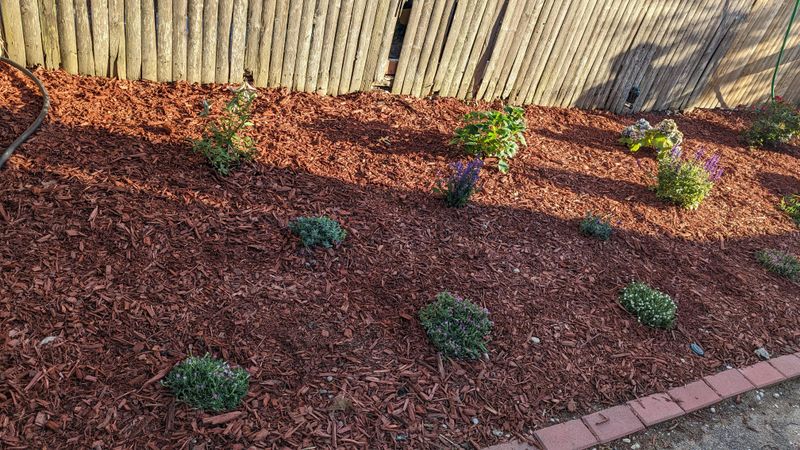
Getting a new shrub off to a strong start takes a bit of extra attention, and mulch is one of the best tools you have.
Freshly planted shrubs have young roots that are still spreading out and searching for water. A thick mulch layer of three inches helps hold moisture right where those roots can reach it.
Because the roots are not yet established, they are far more sensitive to heat and dry soil. Mulch acts like a shield, keeping the ground cool and evenly damp during the transition into fall.
Form a wide ring of mulch around the plant, but leave a small gap near the stem to prevent rot. This ring also protects the base from string trimmers and curious feet.
Water the shrub deeply before and after mulching to settle the soil around the roots. During the first season, check moisture often, since new plants dry out faster than established ones.
Mulch also blocks weeds that would steal water and nutrients from your young shrub. Over time, the layer breaks down and feeds the soil, giving roots a richer place to grow.
With this steady support, your new shrub builds a strong foundation now and will flourish once it settles in.
7. Citrus Trees Benefit From Root Zone Coverage
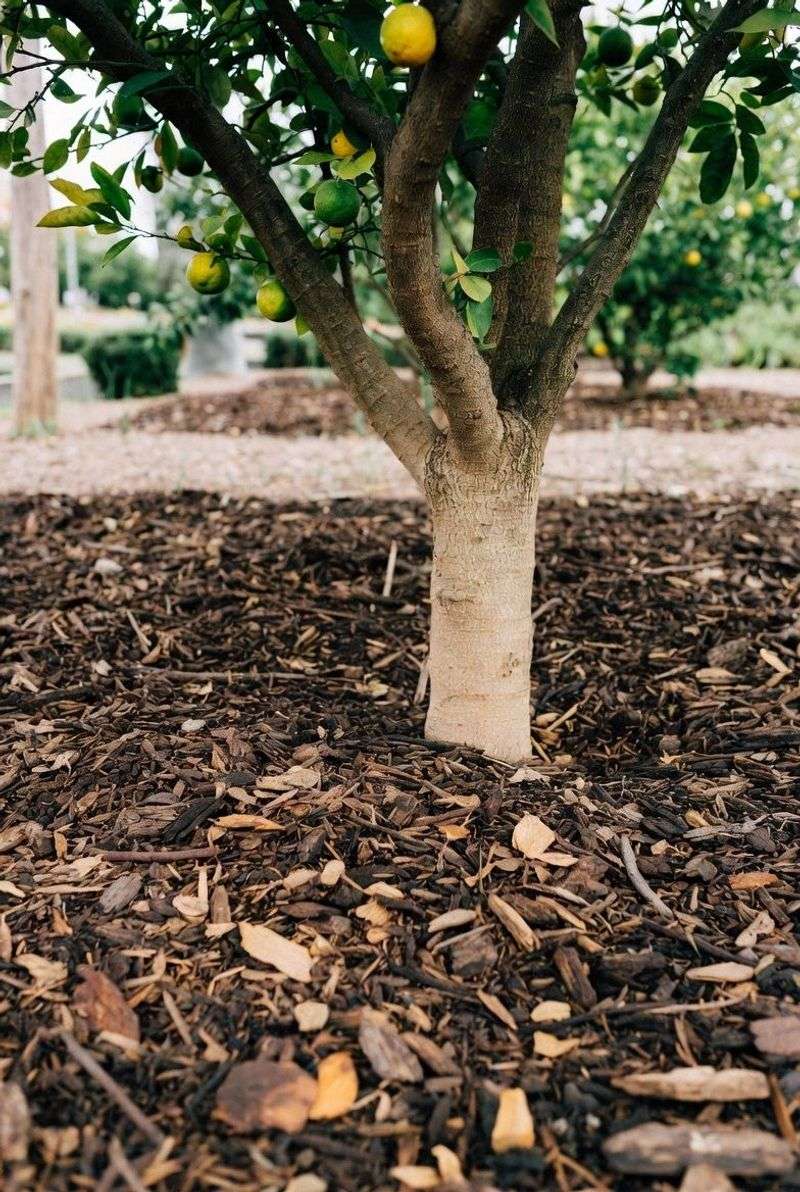
Sunny California weather makes citrus trees a backyard favorite, from lemons to oranges to tangy limes.
These trees have many feeder roots near the surface that appreciate steady moisture and cool soil. Spreading a two to three inch layer of mulch over the root zone helps hold water and protects those roots.
Citrus trees dislike drying out, especially as they set fruit heading into the cooler months. Mulch keeps the ground evenly damp and reduces the stress of dry autumn winds.
Spread the mulch in a wide circle out to the edge of the branches, but keep it away from the trunk. Piling mulch against the bark can trap moisture and cause problems, so leave breathing room there.
Organic mulch like bark or compost slowly feeds the tree as it breaks down over time. Water deeply before laying the mulch so the roots start off with plenty to drink.
This covering also helps hold warmth in the soil, which citrus roots enjoy on chilly nights. Fewer weeds will pop up too, meaning less competition for water and food.
Check soil moisture every week or so and water when it feels dry underneath. With this care, your citrus trees stay healthy and set you up for a juicy harvest.
8. Roses Can Handle A Protective Fall Layer
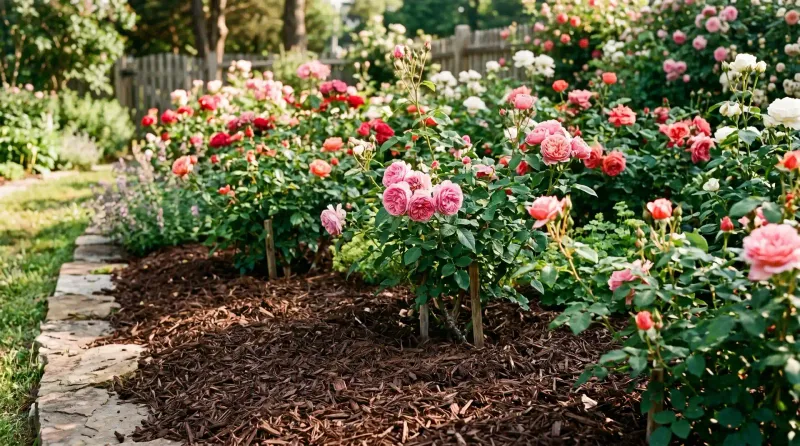
Classic and beloved, roses bring romance and color to gardens all across California.
As fall approaches, a protective mulch layer helps them settle in for the cooler, drier weeks ahead. Spread two to three inches of compost or bark around the base to hold moisture and steady the soil.
Roses put a lot of energy into blooming, so keeping their roots comfortable pays off big. Mulch cushions the soil from temperature swings and reduces how often you need to water.
Leave a little space around the main canes so air can move freely near the base. This helps prevent moisture from lingering where it could cause trouble.
Compost-based mulch does double duty by feeding the plant as it slowly breaks down. Water the roses deeply before mulching so the ground holds plenty of moisture underneath.
A tidy mulch ring also keeps weeds from crowding your rose bushes and stealing nutrients. During dry stretches, that layer keeps the roots cool and reduces stress on the plant.
Check the soil now and then by feeling underneath the mulch for dampness. If it feels dry, give a slow, thorough soak.
With this friendly fall layer, your roses build strength now and come back bright and full when spring returns.