These Giant Zinnias Bring Big, Bold Blooms To California Gardens
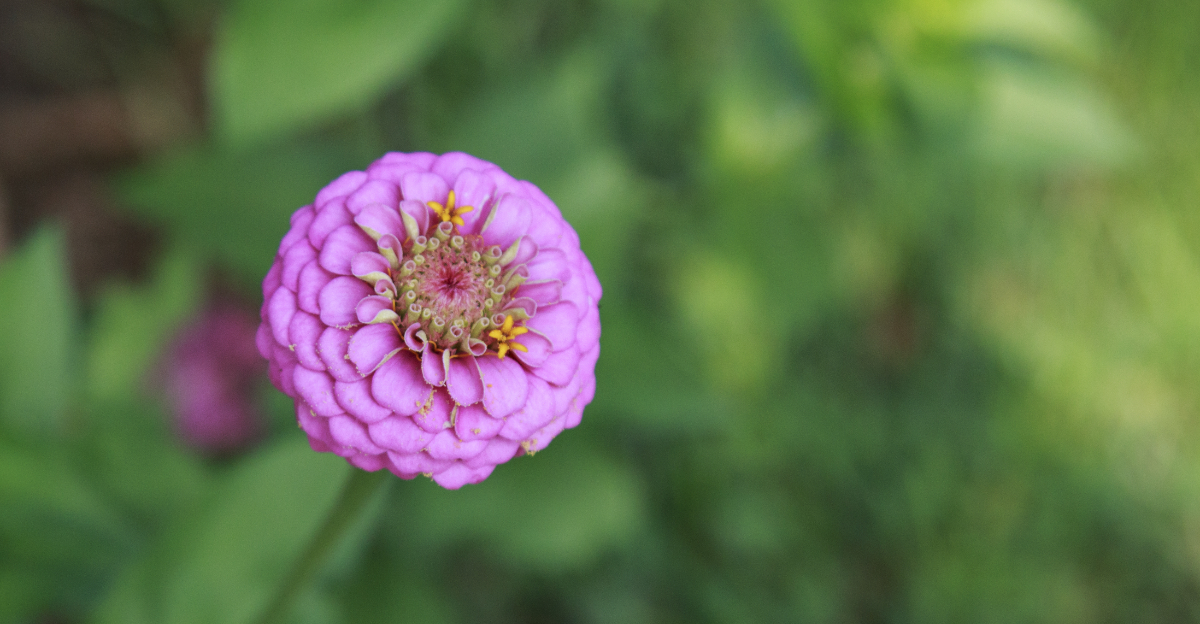
If you’ve ever seen a giant zinnia in full bloom and done an actual double take, you already know what the fuss is about. These are not your average garden flowers quietly doing their thing in the background.
Giant zinnias show up loud, proud, and in colors so saturated they look almost unreal, like someone turned the brightness setting all the way up on your garden and forgot to turn it back down. California gardeners have a serious advantage with these beauties.
The long, sun-drenched growing season, warm temperatures, and low humidity in most parts of the state create conditions that giant zinnias absolutely love.
They grow fast, they bloom hard, and they keep going well into fall when a lot of other flowers have already packed it in for the year.
If you want big, bold, head-turning color without a ton of fuss, giant zinnias deserve a serious spot in your California garden.
1. Choose The California Giant Zinnia
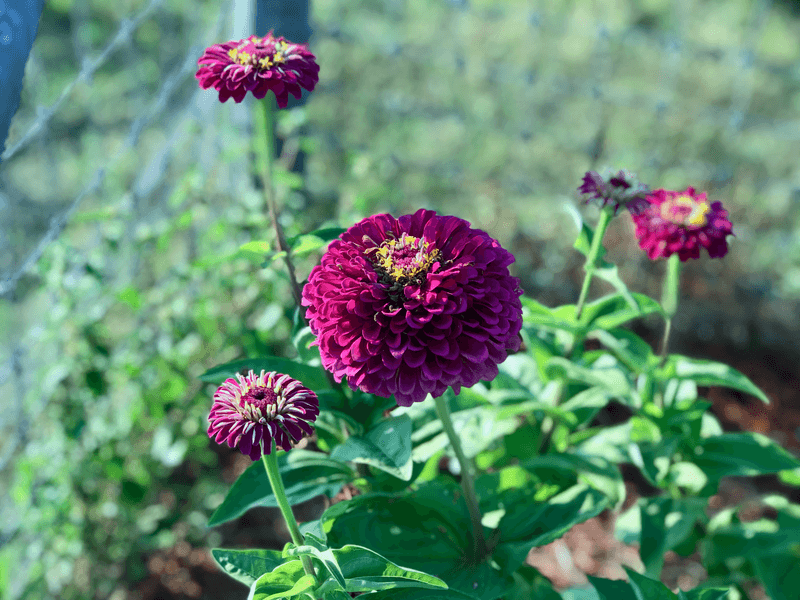
California Giant zinnias are made for gardeners who want tall plants, bold color, and oversized summer blooms. Unlike compact zinnia types, these grow upright and can reach several feet tall, making them perfect for the back of borders, cutting gardens, and sunny flower beds.
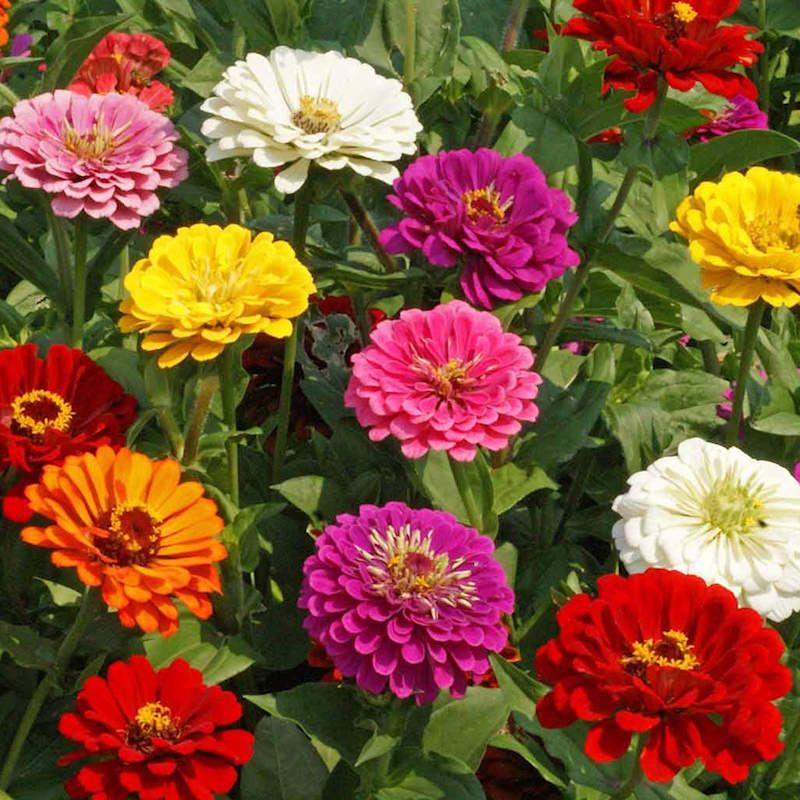
Their blooms are the real standout. California Giant zinnias produce large, fully double flowers that can grow several inches across, often in bright shades of pink, red, orange, yellow, purple, lavender, and white.
The mix of colors gives California gardens a cheerful, dramatic look through the hottest months of the season.
They also handle warm summer weather well when planted in full sun with good spacing and steady watering at the base. Because the plants grow tall, giving them room to breathe helps prevent mildew and keeps the stems stronger.
Once they start blooming, regular cutting back of spent blooms encourages even more flowers, turning one packet of California Giant zinnia seeds into months of big, colorful blooms.
2. Plant After Soil Warms
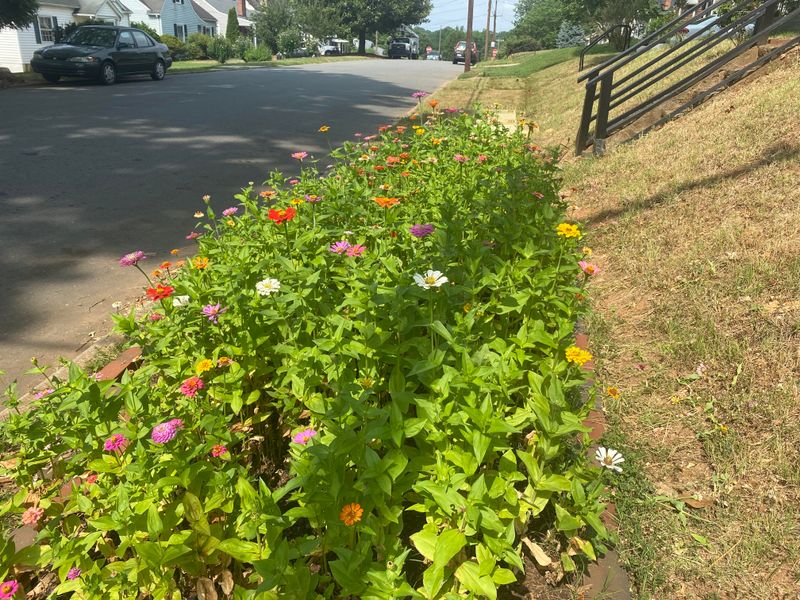
Timing matters more than most new gardeners realize. Zinnias are warm-weather lovers, and planting them too early in cold soil can slow their growth or stop germination altogether.
In most parts of California, the soil warms up enough by mid-spring to give zinnias a strong start.
Aim to sow seeds directly into the ground after the last frost has passed and soil temperatures have reached at least 60 degrees Fahrenheit. In Southern California, that window often opens as early as March.
In Northern California or higher elevations, you may want to wait until April or even early May to be safe.
Zinnia seeds germinate quickly in warm soil, often sprouting within five to seven days. Starting them indoors is possible but not always necessary in California’s mild climate.
If you do start them indoors, give yourself about four to six weeks before your planned transplant date. Avoid disturbing the roots too much when transplanting, since zinnias prefer to be sown where they will grow.
Warm soil gives the seeds the energy they need to push up fast and get growing strong.
Your California Garden Changes Every Week. Your Plan Should Too.
Gardening in California changes quickly throughout the season. Every Friday you’ll receive a simple weekly plan showing exactly what to plant, prune, fertilize, harvest, and protect so you never miss the right timing.
3. Give Them Full Sun
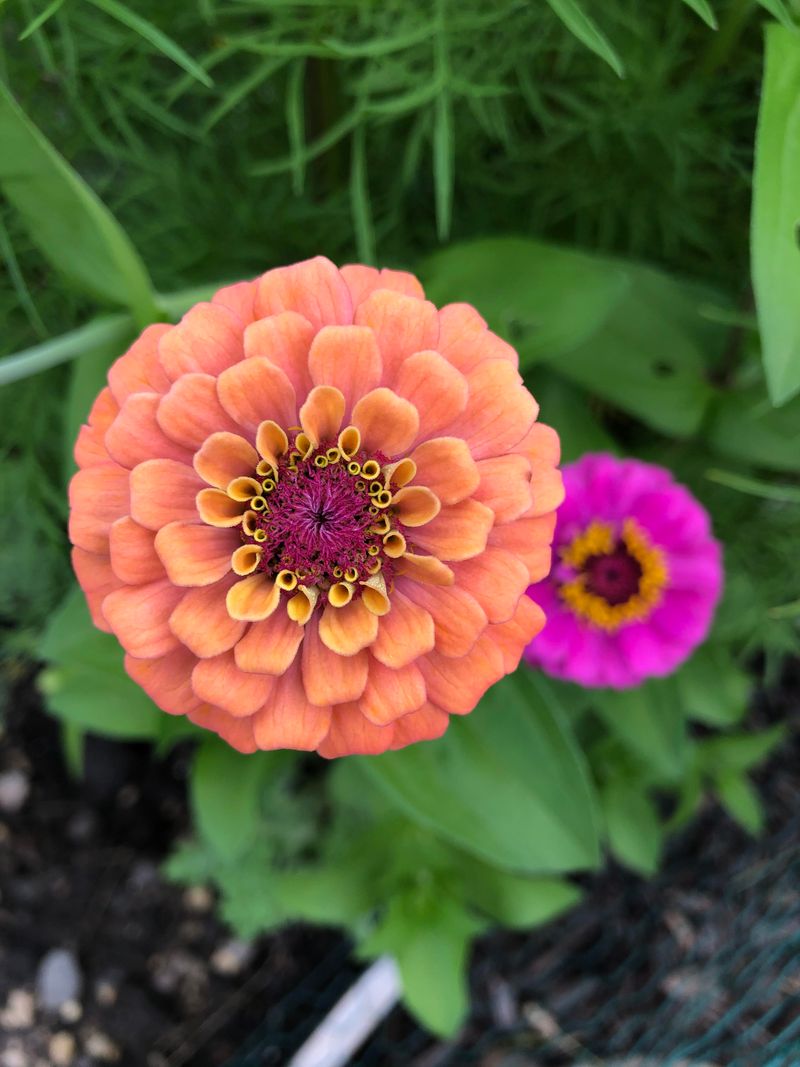
Sunshine is basically zinnia fuel. These flowers were made for bright, open spaces, and they perform best when they receive at least six to eight hours of direct sunlight every single day.
California’s long, sunny summers make it one of the best places in the country to grow giant zinnias.
Planting in a shady spot might seem like a safer choice on hot days, but zinnias planted in shade tend to grow leggy and produce fewer blooms. They stretch toward the light, which makes the stems weak and floppy.
Full sun keeps the plants compact, strong, and full of flowers from top to bottom.
In areas of California with intense summer heat, like the Central Valley or the Inland Empire, zinnias may appreciate a little afternoon shade during the hottest weeks of July and August. A spot that gets morning sun and a bit of shelter from the harshest afternoon rays can keep the blooms looking fresh longer.
For coastal California areas with mild temperatures, full sun all day long is perfectly fine and actually encourages the most vibrant flower color and the tallest, most impressive plant growth possible.
4. Space Plants For Airflow
Here is something many first-time zinnia growers overlook: spacing really matters. Planting zinnias too close together might seem like a way to get more blooms in a small area, but it actually works against you.
Crowded plants trap moisture between leaves and stems, which creates the perfect conditions for powdery mildew to show up.
Powdery mildew is a common problem for zinnias in California, especially in areas where warm days are followed by cool, damp nights. Giving each plant plenty of breathing room helps air move freely around the foliage and keeps moisture from sitting on the leaves too long.
For giant zinnia varieties, spacing plants about 12 to 18 inches apart is a good rule of thumb.
Wider spacing also means each plant gets more sunlight and nutrients from the soil without competing with its neighbors. The result is stronger stems, bigger blooms, and a healthier plant overall.
When thinning seedlings, it can feel hard to pull out perfectly good sprouts, but your remaining plants will reward you for it. Good airflow is one of the simplest things you can do to keep your California zinnia garden looking lush and vibrant all season long.
5. Water At The Base
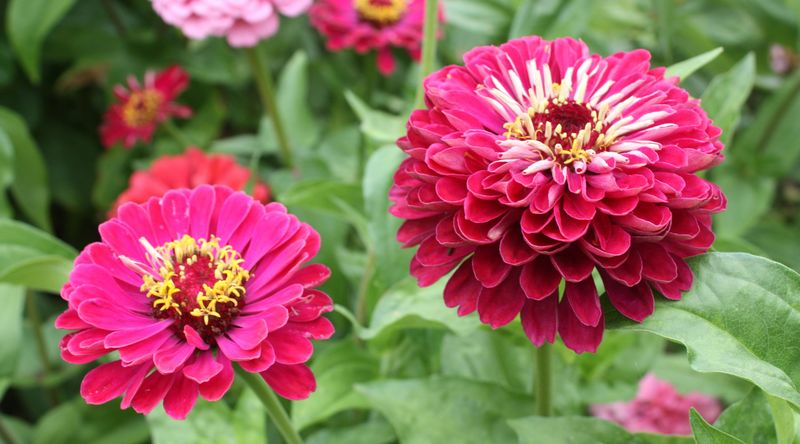
Watering zinnias sounds simple, but the way you water them matters just as much as how often you do it. Overhead watering, like using a sprinkler that sprays the whole plant, gets the leaves wet and keeps them wet.
Wet foliage is a fast track to fungal problems, especially in California’s warm climate where mildew spreads quickly.
Always aim your water at the base of the plant, right at the soil level. Drip irrigation is a fantastic option for zinnia beds because it delivers water slowly and directly to the roots without ever touching the leaves.
Soaker hoses work great too and are easy to set up along a garden row.
Zinnias like consistent moisture but do not like sitting in waterlogged soil. Water deeply once or twice a week rather than giving them a light sprinkle every day.
Deep watering encourages roots to grow down into the soil, which makes the plants more drought-tolerant over time. In the hotter parts of California, you may need to water more frequently during heat waves.
Mulching around the base of the plants also helps the soil hold moisture longer between watering sessions, which saves time and water.
6. Pinch For Bushier Growth
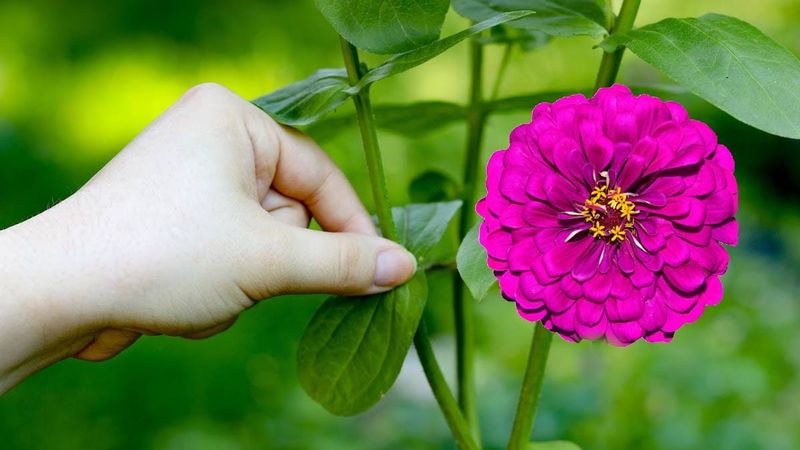
Pinching might sound like a strange gardening technique, but it is one of the best things you can do for your giant zinnias early in the season. When a zinnia is young and just getting established, pinching off the very tip of the main stem encourages the plant to branch out sideways instead of just growing straight up.
More branches mean more stems, and more stems mean more flowers. A pinched zinnia can easily produce double or even triple the number of blooms compared to a plant that was left to grow on its own.
It is a simple step that takes about five seconds per plant and pays off for the entire growing season.
To pinch correctly, wait until the plant has at least three to four sets of leaves. Then use your fingers or a clean pair of scissors to remove the top inch or two of the main stem, just above a set of leaves.
The plant will respond by sending out two new shoots from just below the cut. California’s long warm season gives pinched zinnias plenty of time to fill out and produce an impressive amount of blooms before the cooler fall weather arrives.
It is well worth the effort.
7. Cut Back For More Blooms
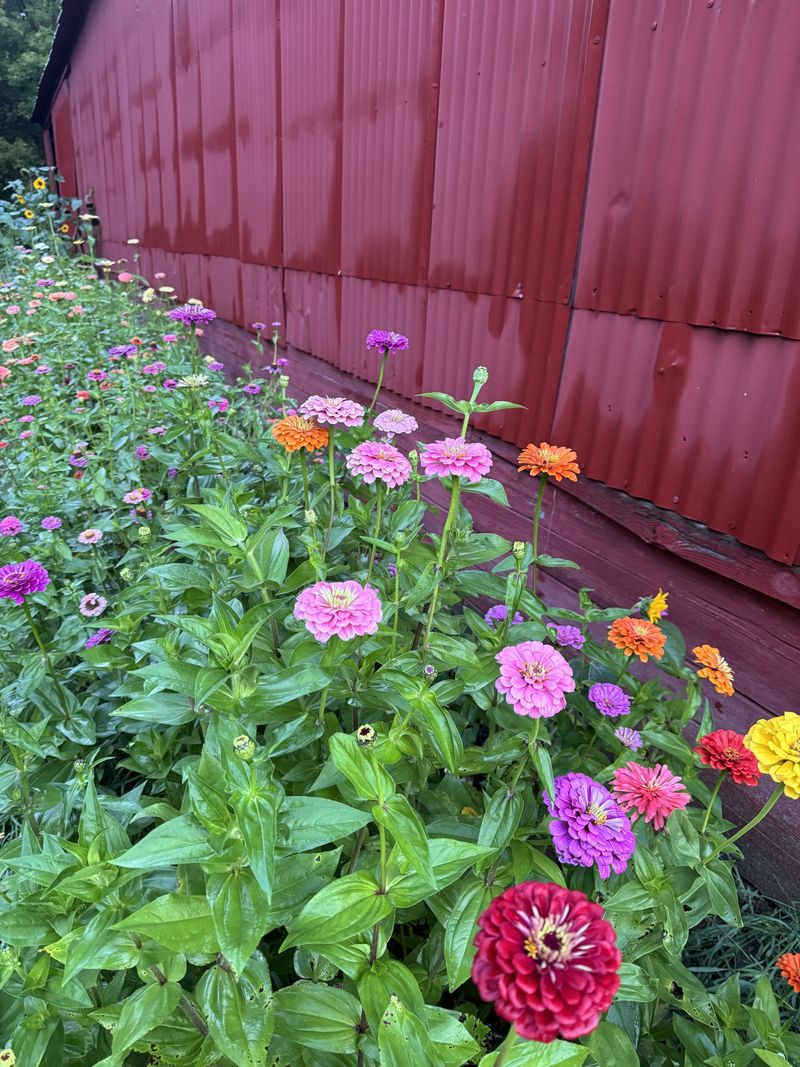
Cutting back spent blooms is the simple act of removing old, faded blooms from your zinnia plants, and it is one of the easiest ways to keep the flowers coming all season long. When a flower is left on the plant to go to seed, the plant puts its energy into making seeds instead of producing new blooms.
Removing spent flowers redirects that energy back into flowering.
For giant zinnias in California, where the growing season stretches from spring well into fall, regular cutting back can dramatically extend the bloom period. Check your plants every few days and snip off any flowers that look tired, brown, or past their peak.
Cut the stem back to just above a set of healthy leaves or a visible side bud.
You do not need any fancy tools for this job. A pair of small garden scissors or even your fingers will do the trick.
As the season winds down in late fall, you can leave a few spent blooms on the plant to dry out and collect seeds for next year. Zinnia seeds are easy to save and store, and planting your own saved seeds the following spring is one of the most satisfying parts of growing these gorgeous California garden favorites year after year.