8 Chesapeake Bay Native Plants Coastal Virginia Yards Should Add This Fall
Coastal Virginia gardens have a short window when the weather does the hard work for you. Fall brings cooler days above ground while the soil stays warm enough for new roots to settle in.
Along the Chesapeake Bay, that timing matters even more. Young plants need time to adjust to sandy soils, coastal winds, wet areas, and changing conditions before summer heat returns.
Native plants make the season easier. They are already adapted to this region and support the birds, bees, and butterflies that depend on these landscapes.
A fall planting now can mean stronger growth when spring arrives. These coastal natives add beauty, protect the character of the region, and handle local conditions with less maintenance.
1. Virginia Sweetspire Adds Color Near Wet Areas
Some shrubs earn their keep in one season. Sweetspire works overtime in three.
Itea virginica is a true Virginia native and a familiar face across the Coastal Plain. It grows 3 to 8 feet tall and spreads just as wide.
Moist to wet, acidic soil suits it best, though it handles full sun or partial shade without complaint. Occasional flooding is usually tolerated, especially once the shrub is established.
Once roots settle in, the shrub becomes surprisingly tough during dry stretches. That flexibility makes it a smart pick for yards with soggy low spots and sun-baked edges.
Root suckering lets sweetspire form dense colonies over time. Gardeners often use it to hold banks together and slow soil from washing away.
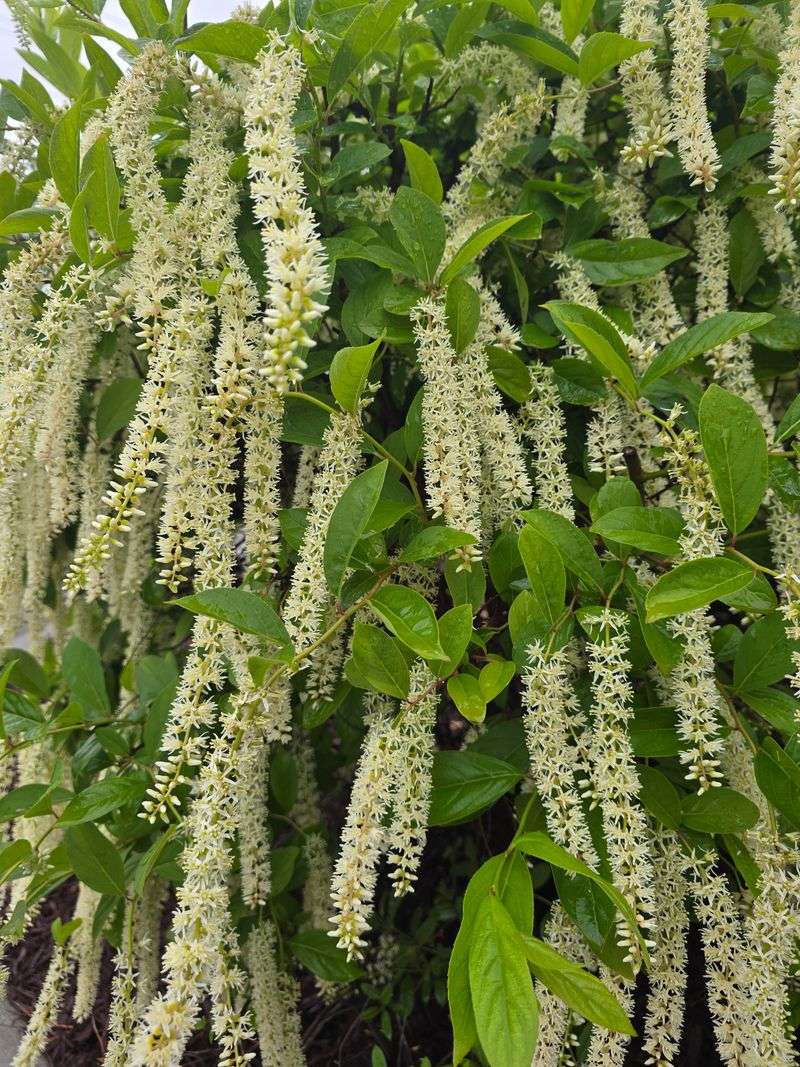
Late spring through early summer brings drooping white bottlebrush flowers with a sweet fragrance. Bees and butterflies find them quickly.
Then autumn arrives and the show changes entirely. Leaves flare into orange, red, and gold, holding color well past the first frosts.
Plant it where you will actually see it, perhaps along a walkway or beside a rain garden. The fall color deserves a front-row seat.
Space plants about 4 feet apart if you want a loose, connected drift. Give them more room for a tidier, individual look.
Mulch lightly after planting and water weekly until the ground chills. Rainfall usually handles the rest.
Fun detail: the flower clusters smell faintly of honey on warm evenings, which makes patio placement a treat. Few natives give this much for so little effort.
2. Buttonbush Supports Pollinators Around Water
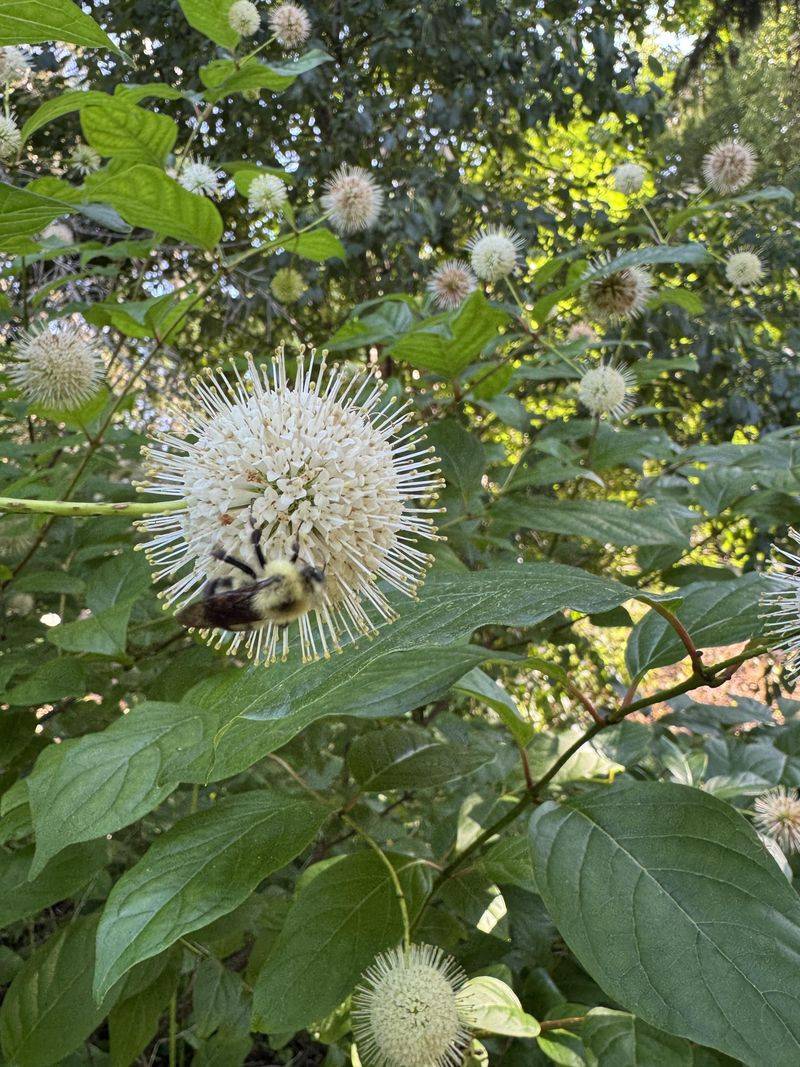
Picture a shrub covered in white pincushions, each one buzzing like a tiny airport. That is buttonbush in July.
Cephalanthus occidentalis grows wild throughout the state and the entire Chesapeake Bay watershed. It reaches 6 to 12 feet, sometimes taking a small tree shape.
Wet feet are its favorite condition. Shallow standing water, swales, streambanks, and rain gardens all work beautifully.
Full sun brings the heaviest flowering, though partial shade is tolerated. Give it room, because the branching spreads wide and loose.
From June into August, spherical fragrant blooms open across the whole shrub. Butterflies, moths, native bees, flies, and hummingbirds all stop by.
Those odd flowers harden into ball-shaped nutlets by fall. Songbirds and waterfowl treat them as a welcome snack.
The tangled interior branches also give small birds shelter and nesting spots. Wildlife value here is genuinely hard to beat.
Your Virginia Garden Changes Every Week. Your Plan Should Too.
Gardening in Virginia changes quickly throughout the season. Every Friday you’ll receive a simple weekly plan showing exactly what to plant, prune, fertilize, harvest, and protect so you never miss the right timing.
Homeowners often plant buttonbush where downspouts dump water, turning a nuisance corner into habitat. The plant drinks up runoff happily.
Pruning is simple. Cut stems back hard in late winter every few years to keep the form dense rather than leggy.
Fall planting gives roots a calm season to settle before summer heat arrives. Water it well the first few weeks, then let nature take over.
One quirky note: the seed balls look like miniature medieval maces, which kids find endlessly entertaining.
For a pollinator garden near water, this shrub is a workhorse worth the space.
3. Wax Myrtle Creates Coastal Evergreen Cover
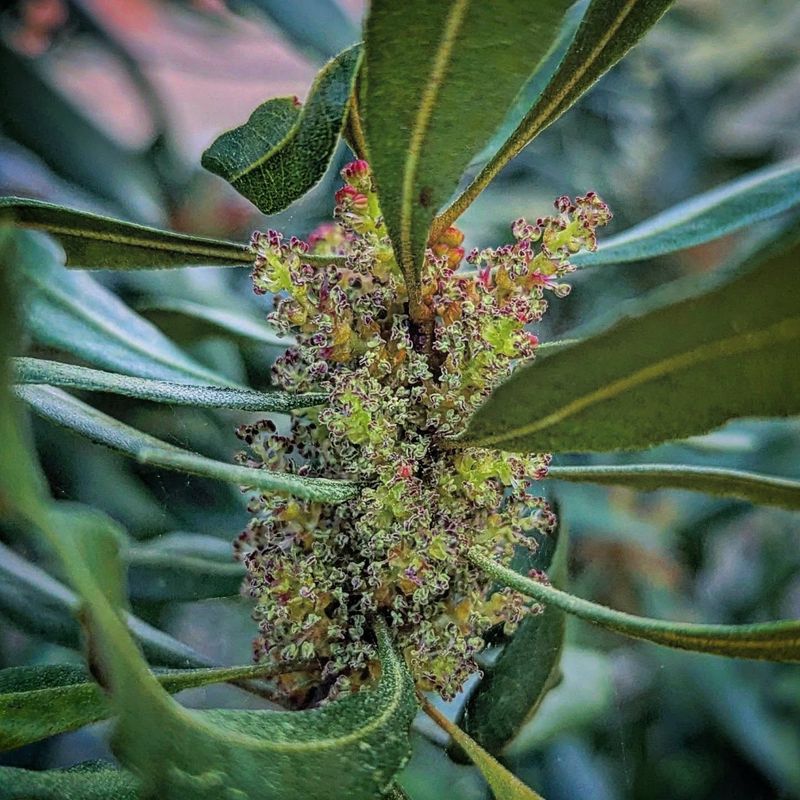
Crush a handful of wax myrtle leaves and your fingers smell like a candle shop. That bayberry scent is the giveaway.
Morella cerifera is native to Coastal Virginia and grows throughout the Chesapeake Bay region. Expect 10 to 25 feet, depending on pruning and site.
Salt spray, wind, sandy soils, clay, and wet conditions are all situations wax myrtle can handle well once established.
Acidic soil is preferred, but the plant is relaxed about pH. Full sun produces the thickest growth, while partial shade still works.
Here is a bonus most gardeners miss: wax myrtle fixes nitrogen, quietly feeding the soil around it. Wax myrtle fixes nitrogen through root bacteria, helping it thrive in nutrient-poor coastal soils.
Foliage stays evergreen to semi-evergreen, creating year-round screening. Birds use that cover for roosting and hiding from hawks.
Female plants produce waxy blue-gray berries in late summer and fall. The fruit clings through winter and feeds yellow-rumped warblers and other hungry visitors.
Use it as a hedge, a privacy screen, an erosion buffer, or part of a wetland restoration planting. Space plants 6 to 8 feet apart for a solid wall.
Limb up the lower branches if you want a small multi-trunk tree instead of a thicket. Both looks are attractive.
Planting in autumn lets roots grab hold before the growing season, which matters on breezy lots. Colonists once boiled the berries for candle wax, giving the plant its old bayberry nickname.
Practical, fragrant, and genuinely tough.
4. Switchgrass Handles Wind And Wet Conditions
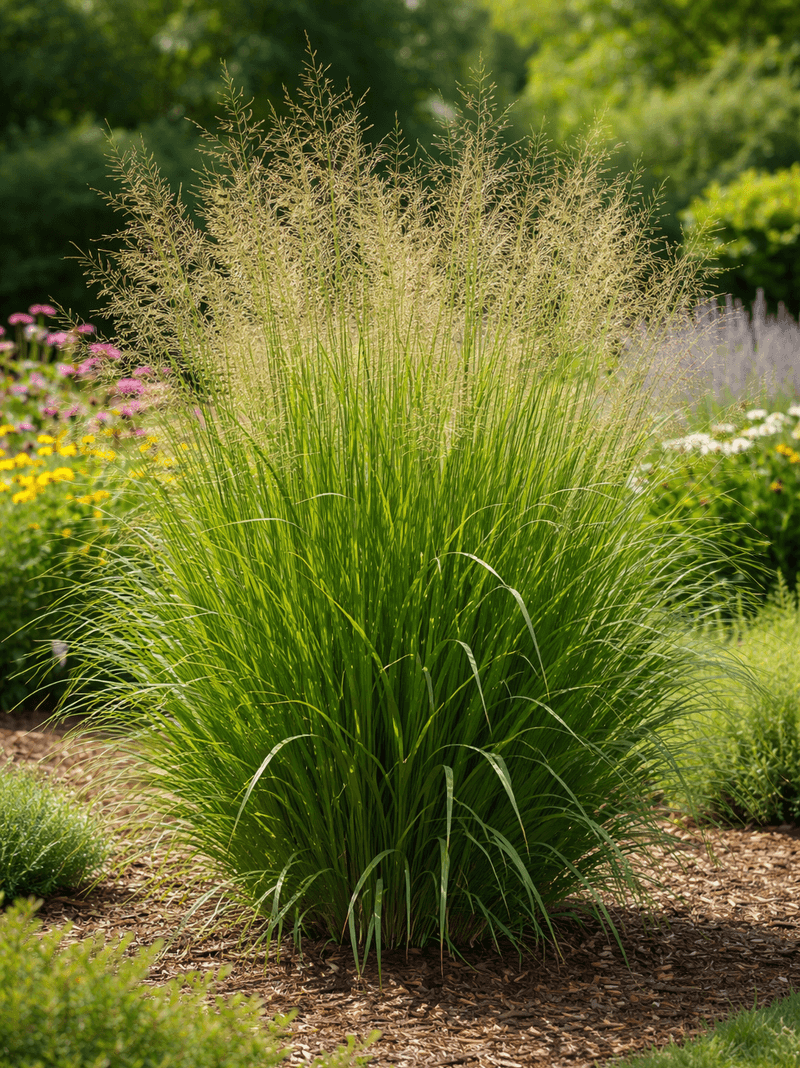
Roots reaching 5 to 6 feet down tell you everything about switchgrass. This grass anchors soil like rebar.
Panicum virgatum grows throughout the Chesapeake Bay watershed and across the eastern United States. Clumps rise 3 to 7 feet tall and about 2 to 3 feet wide.
Moisture range is wide, from dry sand to ground that stays damp for stretches. Full sun keeps the stems upright and sturdy.
Wind is where it really shines. Gusts off the water bend the stems into graceful waves instead of snapping them.
Switchgrass handles a wide range of moisture conditions, from dry soils to areas that stay damp for periods of time.
That deep root network also improves water infiltration, letting rain soak in rather than run off. Erosion control comes built in.
Birds shelter inside the clumps and pick at the seed. The plant also hosts hobomok skipper and Delaware skipper caterpillars.
Color shifts season by season: green in summer, warm golden yellow in fall, soft tan through winter. Leave the stems standing until March for winter interest and wildlife cover.
Choose a named variety if you want a narrower, more upright form for tight beds. Straight species works well in meadow plantings and rain garden edges.
Plant now, water through the first month, then step back. Established clumps rarely need watering in this region.
Cut everything back to a few inches in late winter and the fresh growth returns quickly.
Movement, sound, and habitat in one easy grass.
5. Black Eyed Susan Brings Long Lasting Native Blooms
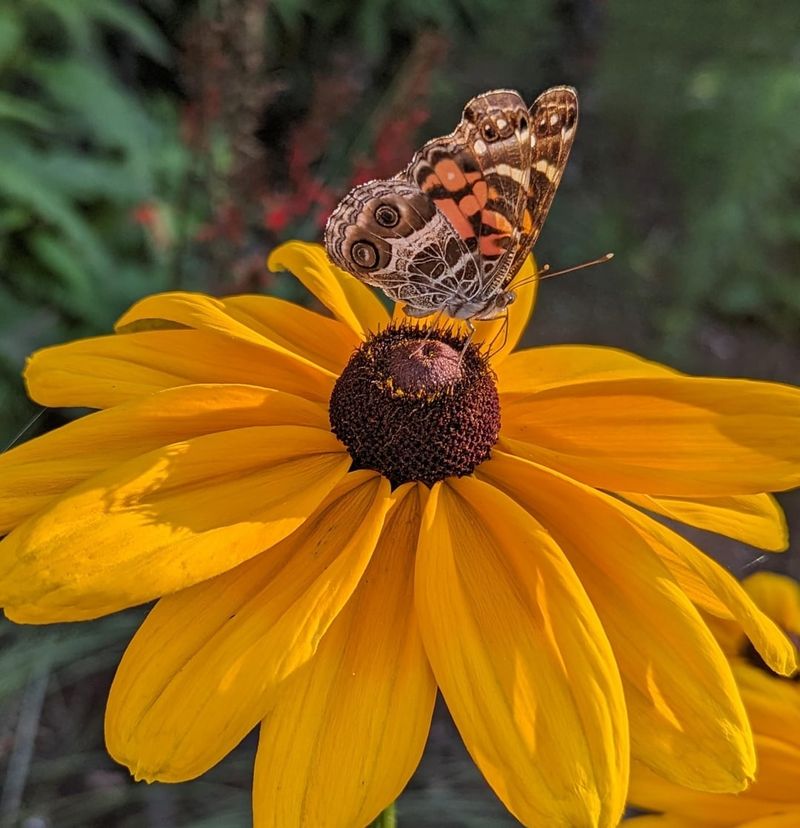
Golden petals, chocolate-brown centers, and a bloom season that stretches from June to October. Rudbeckia hirta simply refuses to quit.
Cherished across the Chesapeake Bay watershed, this wildflower thrives in Virginia and Maryland gardens alike. Depending on conditions it behaves as an annual, biennial, or short-lived perennial.
Height lands between 1 and 4 feet, so it fits front borders and meadow middles. Plants reseed freely, filling gaps on their own.
Six hours of direct sun or more brings the heaviest flowering. Partial shade still produces blooms, just fewer of them.
Well-drained soil is the main request, and clay, loam, sand, or the acidic coastal mixes common here all qualify. Once established, black-eyed Susan handles heat and occasional dry spells well.
Pollinators arrive constantly: bumblebees, sweat bees, skippers, and larger butterflies work the flat centers all summer. Goldfinches and sparrows crack the seeds later on.
Skip the trimming in autumn and let the seed heads stand. Birds will thank you, and volunteer seedlings appear next spring.
Autumn is prime time for direct sowing seed in the beds. Winter cold provides the natural chilling that triggers strong spring germination.
Scatter seed on raked soil, press it down gently, and skip the mulch so light reaches it. Nursery-grown plants can also go in now. Give plants about 18 inches of spacing for good airflow.
Cheerful, dependable, and about as low-maintenance as a flower gets.
6. Blue Flag Iris Thrives In Moist Garden Spots
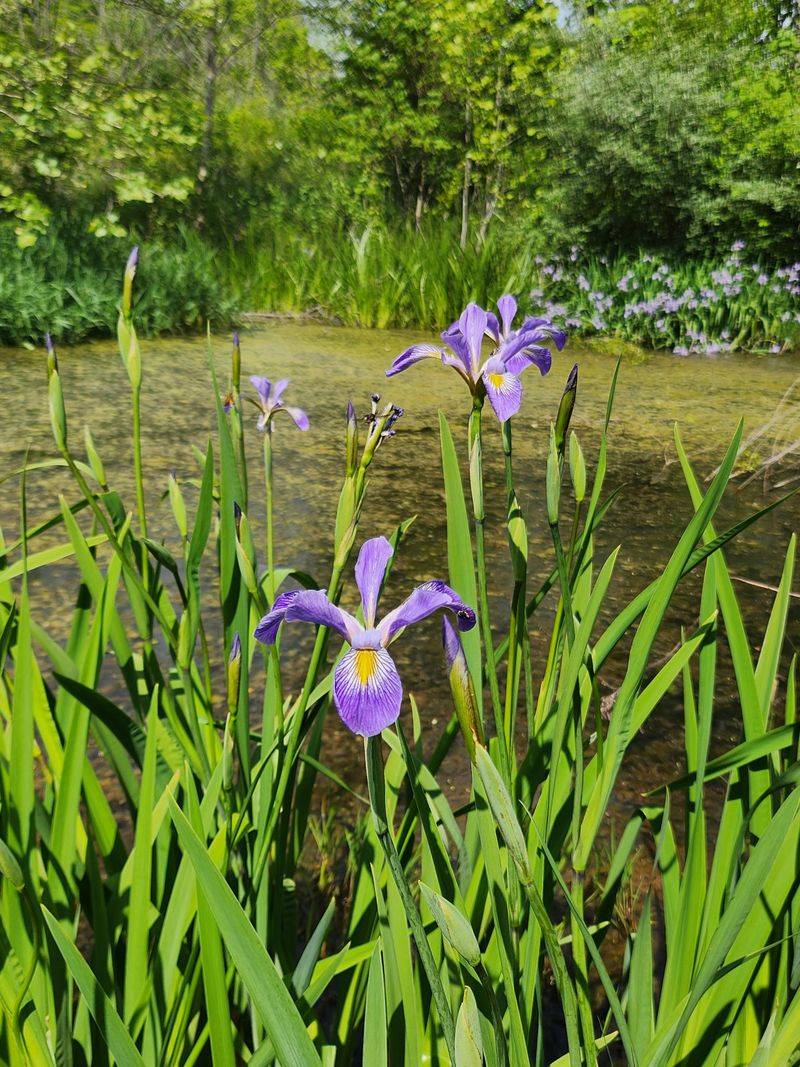
Sword-shaped leaves standing in ankle-deep water, topped with violet-blue flowers veined in purple. Blue flag iris looks expensive but grows like a weed in the right spot.
Iris versicolor and Iris virginica both range through much of the Chesapeake Bay watershed and across the state. Plants reach 2 to 3 feet tall with upright, architectural foliage.
Wet to moist soil is the sweet spot. Shallow standing water up to 6 inches deep is also fine.
Pond edges, bog gardens, streambanks, and rain gardens suit it perfectly. Soggy lawn corners work too.
Sun exposure drives the flower count, so aim for full sun where possible. Partial shade produces healthy leaves and fewer blooms.
Flowers open in spring, generally May into June, marked with yellow and white signals that guide insects inward. Bees, hummingbirds, and butterflies all visit.
Rhizomes establish best when planted from August through October here. Set them shallow, with the top just at the soil surface, and point the growing end where you want the clump to spread.
Potted plants transplant easily now or in early spring. Divide crowded clumps every few years to keep flowering strong.
Deer often show less interest in little bluestem than in many other garden plants, though browsing can still happen.
Pair it with switchgrass or buttonbush for a layered wet-edge planting. The vertical leaves contrast nicely with rounded shrubs.
Wear gloves when handling rhizomes, since the sap can irritate skin.
7. Eastern Red Cedar Builds Wildlife Friendly Screens
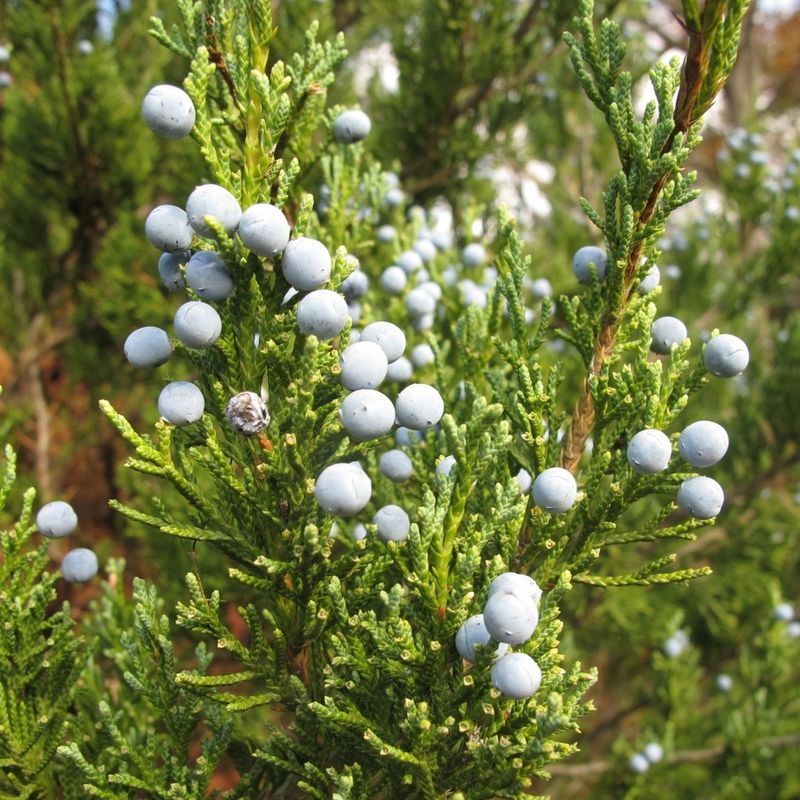
Cedar waxwings arrive in winter flocks and strip the blue cones clean. Watching that happen in your own yard is worth the planting effort.
Juniperus virginiana grows across Virginia and the wider Chesapeake Bay region. Mature trees reach 30 to 65 feet, offering serious year-round presence.
Well-drained soil is preferred, yet the tree adapts to poor, dry, rocky, sandy, clay, and moist ground. Drought tolerance becomes excellent once roots are established.
Wind and salt spray are handled with ease, which makes it a strategic choice for buffer plantings along exposed property lines. Full sun grows the densest form.
Wildlife leans on this conifer heavily. Evergreen branches provide nesting sites, winter roosting, and protection from storms.
Female trees produce clusters of powdery blue, berry-like cones. Robins, bluebirds, and waxwings feed on them through the cold months.
Use red cedar for privacy screens, windbreaks, clipped hedges, or a single specimen with character. Space trees 8 to 12 feet apart for a screen that fills in over time.
Eastern red cedar is sometimes less affected by deer than many broadleaf plants, but young trees may still need protection. Young trees benefit from a mulch ring and steady water the first season.
Keep it away from apple and crabapple trees, since the two share a rust fungus. A little distance solves the issue.
Fall planting lets roots settle securely before winter winds pick up.
Fragrant, aromatic wood is the same cedar used in closets and chests.
8. Little Bluestem Adds Texture To Coastal Yards
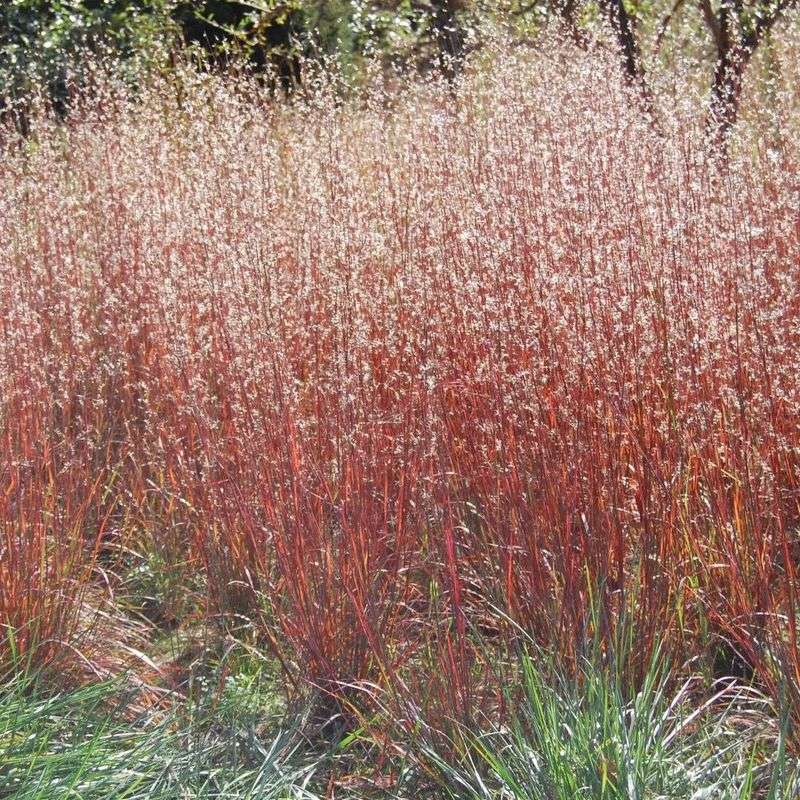
Late afternoon light hits little bluestem and the whole clump glows copper. Photographers love this grass for good reason.
Schizachyrium scoparium is a warm-season bunchgrass common in Virginia’s Coastal Plain. Tidy upright clumps reach 1.5 to 4 feet tall and roughly 1 to 2 feet wide.
Full sun and well-drained soil produce the sturdiest plants. Infertile sand, gravel, and clay are all acceptable.
Fibrous roots often push 5 feet deep, giving it strong erosion control ability and impressive drought tolerance. Overwatering is the main mistake gardeners make.
Summer foliage carries a soft blue-green cast. Autumn flips that to reddish-orange, mahogany, and bronze that holds through winter.
Wispy silver seed heads appear in late summer and catch every breeze. Sparrows, juncos, and small mammals feed on the seed during lean months.
Several skipper butterflies and the common wood nymph rely on it as a larval host. Native bees also nest and shelter among the stems.
Deer usually pass it by, which keeps plantings looking neat in suburban neighborhoods. Plant it in groups of five or more for real visual punch.
Containers, landscape plugs, or direct seeding into prepared beds all work well this season. Space plants about 18 inches apart.
Trim old growth to a few inches in early spring, just before new shoots emerge. Skip the fertilizer, since rich soil causes flopping.
Pair it with black eyed Susan for a prairie-style bed that feeds birds all winter.