This Region Explains Why Some Virginia Lavender Farms Thrive While Others Fail
Lavender shouldn’t flourish here, yet you’ll notice slopes that seem almost designed for it. Virginia hides pockets that feel unfamiliar to you. Elevation shifts temperature and moisture until you notice the change.
Rocky ground drains quickly, giving you roots that stay healthy. Dry air keeps disease away, letting you grow with ease. Farmers elsewhere manage conditions you rarely have to consider.
Somewhere in this state, terrain offers you an advantage most growers never receive. You start noticing patterns once you compare struggling farms to thriving ones.
Soil chemistry alone never fully explains what you’re witnessing here. Wind, stone, and altitude quietly work in your favor. Growers who understand this outperform everyone else you’ll meet in Virginia.
Your instincts about location matter more than fertilizer ever will. Nothing here stays still; the land keeps moving you forward. Once you see why this land favors you, you won’t stop asking how far.
Elevation Improves Natural Soil Drainage
Stand on a Blue Ridge hillside and you can feel the difference instantly. The air is lighter, the ground feels firmer, and water moves fast after any rain.
Elevation plays a huge role in how well lavender survives in any climate. The higher you go, the faster rainwater drains away from the root zone.
Lavender roots exposed to standing water for too long can begin to rot. Even a short stretch of waterlogged soil can stress the plant and invite disease.
Farms located at higher elevations in the Shenandoah Valley and surrounding ridges benefit from gravity doing the hard work. Water simply does not linger the way it does on flat lowland plots.
Most lavender varieties come from the Mediterranean hillsides of France and Spain. Those original growing conditions were steep, rocky, and fast-draining, much like the Blue Ridge terrain.
When you mimic those natural conditions here, the plant responds with stronger stems and more fragrant blooms. Growers in this region often skip the raised beds that flatland farmers depend on.
Elevation also means cooler overnight temperatures. Lavender prefers a clear difference between daytime warmth and nighttime cool, and the mountains deliver that naturally.
For home gardeners watching their lavender struggle in humid lowlands, moving to a higher spot on the property can make a surprising difference.
Even a gentle slope changes how water behaves around the roots. This region shows how much good drainage matters before you ever plant a single seed.
Rocky Terrain Stops Water Pooling At Roots
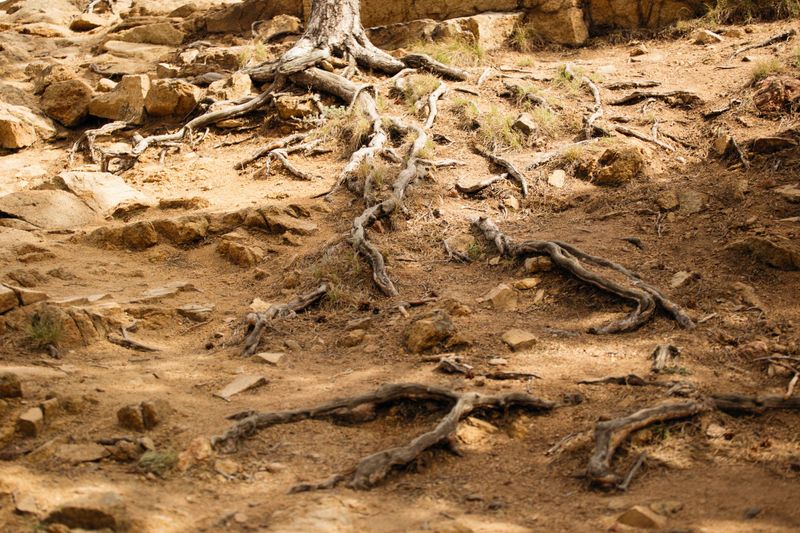
Rocks in the garden might seem like a nuisance, but lavender growers in this Virginia region treat them like gold. The natural rocky substrate found across the Blue Ridge acts as a built-in drainage system.
When rain falls on rocky ground, water moves between the stones and filters downward quickly. There is no chance for puddles to form and stress tender roots.
Clay soil is a common challenge for lavender almost everywhere else in the state. Clay holds water like a sponge and keeps roots cold and wet long after a storm passes.
Your Virginia Garden Changes Every Week. Your Plan Should Too.
Gardening in Virginia changes quickly throughout the season. Every Friday you’ll receive a simple weekly plan showing exactly what to plant, prune, fertilize, harvest, and protect so you never miss the right timing.
Rocky terrain breaks up that clay tendency completely. Stones create air pockets in the soil profile, allowing oxygen to reach the roots alongside moisture.
Lavender roots need oxygen just as much as they need water. A plant that cannot breathe at the root level will weaken and decline even if everything above ground looks fine.
Many successful lavender farms in this region intentionally leave native rocks in place rather than clearing them. The rocks also absorb heat during the day and release it slowly overnight.
That gentle warmth around the base of the plant helps extend the growing season slightly. It also reduces frost damage during surprise late-spring cold snaps.
Home gardeners can replicate this by mixing gravel or crushed stone into their planting beds. Even a thin layer at the base of each plant can make a difference in root health and bloom quality.
Rocky ground is not a problem here. It is a key factor behind thriving lavender in this Virginia region.
Slopes Shed Rain Instead Of Holding It
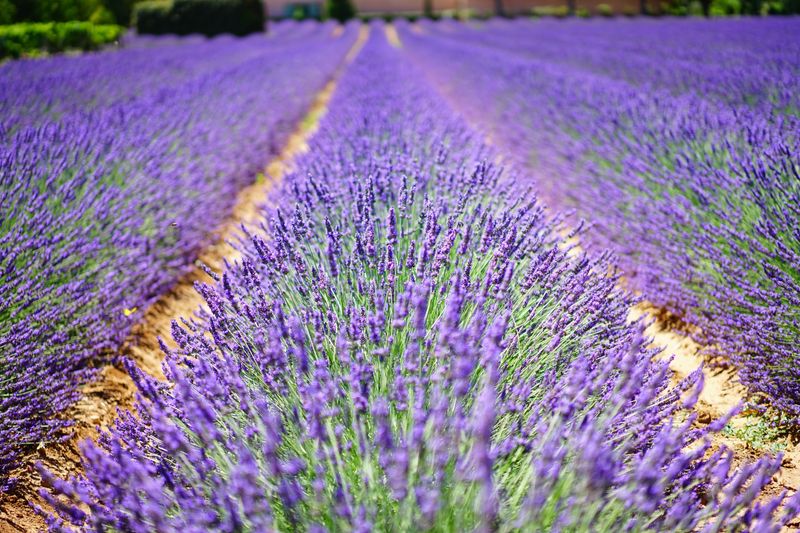
Picture a bowl versus a ramp. A bowl collects everything poured into it, while a ramp sends it flowing away fast. Lavender planted on a slope lives on the ramp side of that comparison.
Sloped terrain in the Blue Ridge naturally redirects rainfall away from the root zone. This passive drainage happens without any pipes, channels, or engineering needed.
Flatland growers spend real money on raised beds and drainage systems just to approximate what a gentle hillside provides for free. The slope does the work so the farmer does not have to.
Lavender roots exposed to standing water for even 48 hours can begin to rot. Slope reduces that risk almost entirely by keeping moisture moving downhill and away.
The angle of the land also affects how sunlight hits the plants. South-facing slopes in this Virginia region receive more direct sun hours per day than flat ground would at the same latitude.
More sun means faster evaporation of any surface moisture after rain. The combination of slope and sun exposure creates a cycle that keeps the soil in the ideal moisture range for lavender.
Growers here often notice their fields need less attention after a storm. The rain comes, the slope sheds it, and the soil returns to the right condition within hours rather than days.
For anyone planting lavender at home, a south-facing slope, even a subtle one, is worth seeking out.
Even a slight incline can change how your lavender handles a wet spring season. Slopes are nature’s drainage plan, and this Virginia lavender region has plenty of them.
Valley Air Cuts Summer Humidity Stress
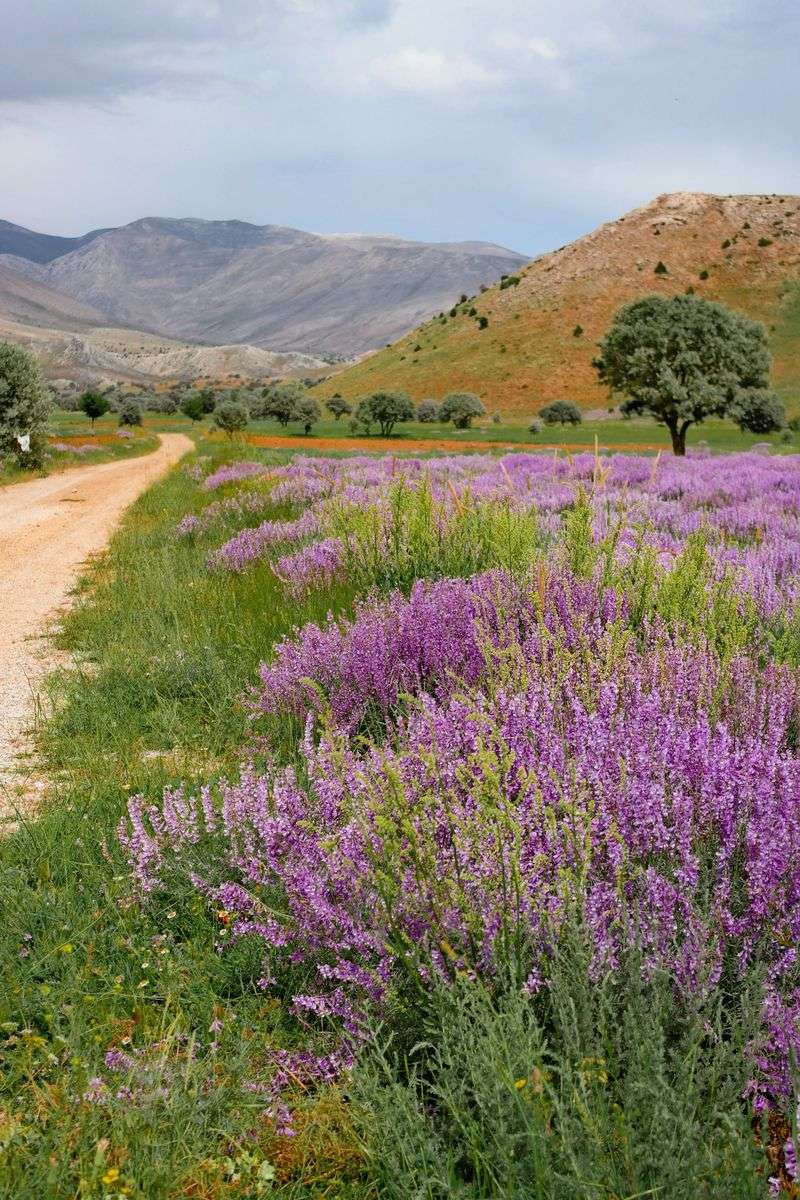
Summer humidity is one of lavender’s biggest seasonal challenges. Thick, sticky air traps moisture against leaves and stems, creating the perfect breeding ground for fungal problems.
The Shenandoah Valley and surrounding Blue Ridge hollows experience a unique airflow pattern that keeps humidity lower than the coastal plain. Cool air drains off the ridges each night and sweeps through the valley floor.
That nightly air movement acts like a natural fan for the lavender fields. Moisture on the foliage dries off faster, reducing the window where mold or mildew can take hold.
Coastal Virginia, by contrast, sits under humid maritime air for most of the summer. Growers there face constant challenges with botrytis, a gray mold that thrives in wet, warm conditions.
The valley air in this region breaks that cycle. Lavender plants here can go days after rain without showing signs of stress that would appear within hours closer to the coast.
Air circulation also affects how lavender smells and how potent its oils become. Plants stressed by humidity produce less aromatic oil, making their fragrance weaker and their commercial value lower.
Some farmers in this Virginia lavender region report higher oil yields compared to growers in more humid parts of the state. The air quality around the Blue Ridge offers a meaningful advantage.
Home gardeners can improve airflow by spacing plants properly and avoiding overcrowding.
But nothing beats the natural valley breeze that rolls through this region every single evening. Breathing room matters, and this valley delivers it in abundance.
Sandy Soil Resists Compacting, Unlike Clay
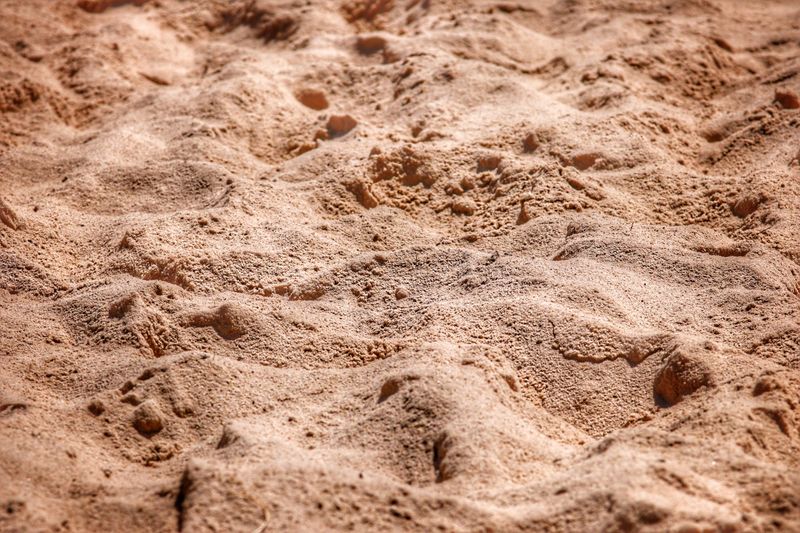
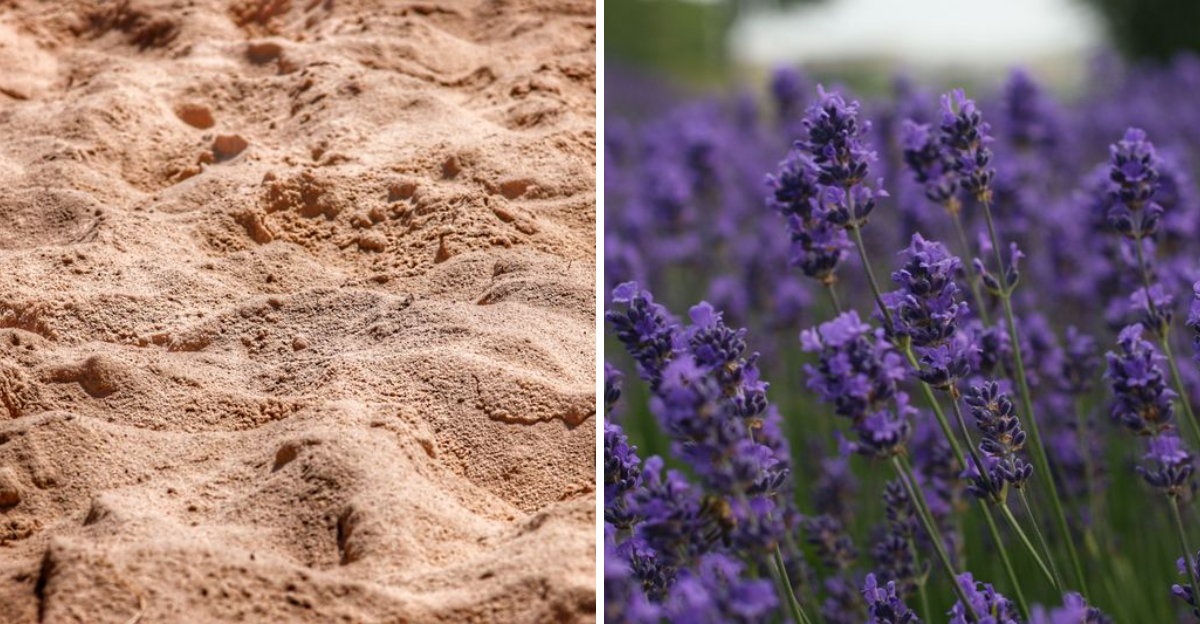
Squeeze a handful of clay soil and it holds its shape like modeling dough. Squeeze sandy soil and it falls apart immediately. That difference matters enormously for lavender root health.
Sandy and loamy soils found across parts of the Blue Ridge region stay loose and open even after heavy foot traffic or equipment use. Roots can push through easily without hitting compacted walls.
Compacted soil is one of the most overlooked threats to lavender health. When roots cannot spread outward, the plant cannot access the nutrients and moisture it needs to thrive through the summer heat.
Clay-heavy soils in lower Virginia elevations compact quickly and hold water at the surface. Lavender planted there often looks fine for a season before declining suddenly when root rot sets in.
Sandy soil in the Blue Ridge drains within minutes after a heavy downpour. The structure stays consistent regardless of season, giving roots a stable environment year after year.
This soil type also warms up faster in spring. Earlier soil warmth means earlier root activation, which leads to earlier and more vigorous blooms when the season arrives.
Lavender farmers in this region rarely need to till or aerate their fields the way growers on clay land do. The soil stays workable naturally, reducing labor costs and soil disturbance.
For home gardeners working with heavy clay, mixing in coarse sand and perlite can help. But matching the natural sandy conditions of this Virginia lavender region takes real effort elsewhere. Good soil is not just a detail here. It is the foundation everything else is built on.
Blue Ridge Climate Mimics Mediterranean Origins
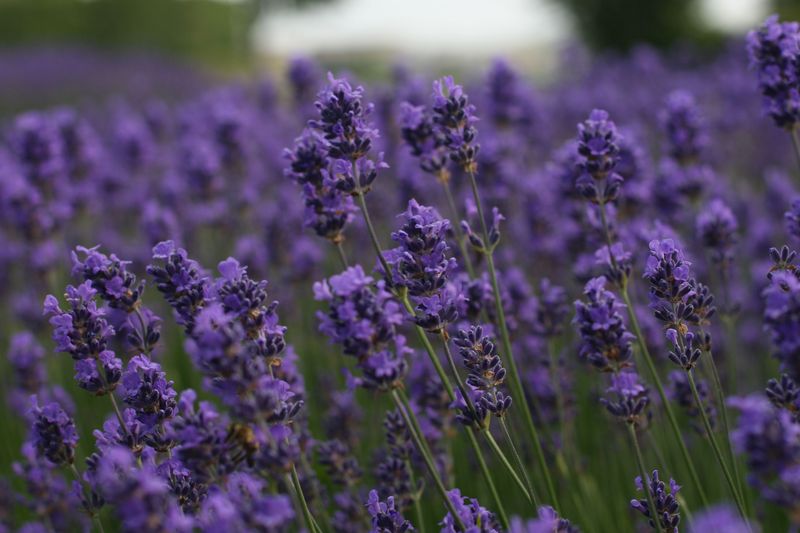
Lavender did not originate in Virginia. It comes from the rocky hillsides of France, Spain, and the wider Mediterranean basin, where summers are warm and dry and winters are mild but crisp.
The Blue Ridge region of Virginia mirrors those conditions more closely than almost any other part of the eastern United States. The elevation, the soil type, and the seasonal rhythm all align.
Summers here are warm but not excessively hot at elevation. The temperature swings between day and night are similar to what lavender experiences on a Provencal hillside in peak season.
Winters in the Blue Ridge bring enough cold to satisfy lavender’s chilling requirement without the extreme freezes that damage plants at lower elevations farther north. The balance is nearly ideal.
Lavender needs a dormancy period to reset and prepare for the next growing season. The Blue Ridge winter delivers that cold rest without the prolonged deep freezes that damage root systems.
Spring arrives gradually at elevation, which prevents the false starts that trick plants into early growth before the last frost. Lavender here wakes up on schedule rather than too early.
The Blue Ridge has a gradual, unhurried seasonal rhythm that Mediterranean climates are known for. Nothing happens too fast, which suits lavender’s growth rhythm perfectly.
Visitors to this Virginia lavender region often say the landscape feels European in character. The rolling ridges, the wildflower meadows, and the purple rows create a scene that could belong to southern France. The climate similarities are well documented.