Leaving the leaves this fall isn’t lazy – it’s the kindest thing you can do for Oregon pollinators
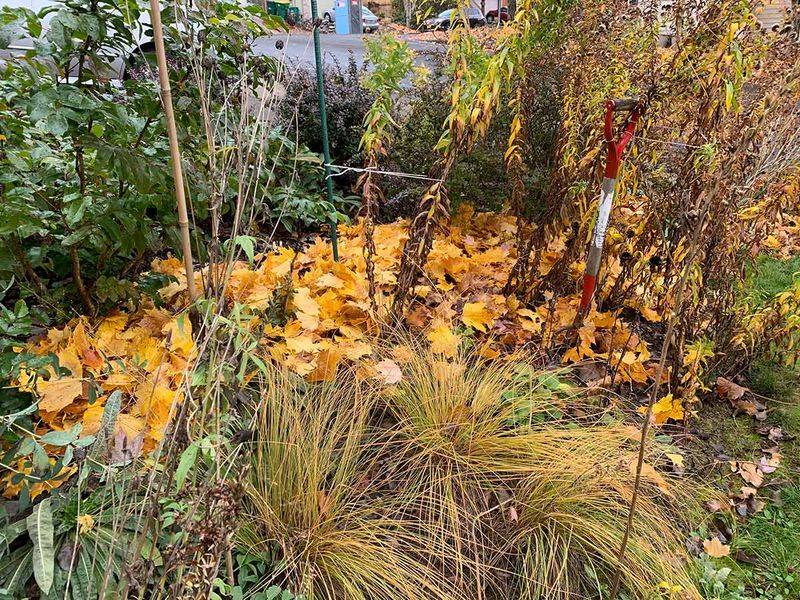
Every fall, the same quiet guilt creeps in: the neighbors are raking, the yard looks shaggy, and there you are, wondering if you should just leave those leaves alone. Here’s the thing – you don’t have to choose between a cared-for yard and a yard that supports wildlife.
Fallen leaves can act as overwintering shelter for some of Oregon’s native pollinators and beneficial insects, and leaving them in the right spots is one of the simplest habitat habits you can build. The catch is that “right spots” does real work in that sentence, and knowing where to leave, move, or remove leaves makes all the difference.
Leaves can help pollinators without making you a negligent gardener
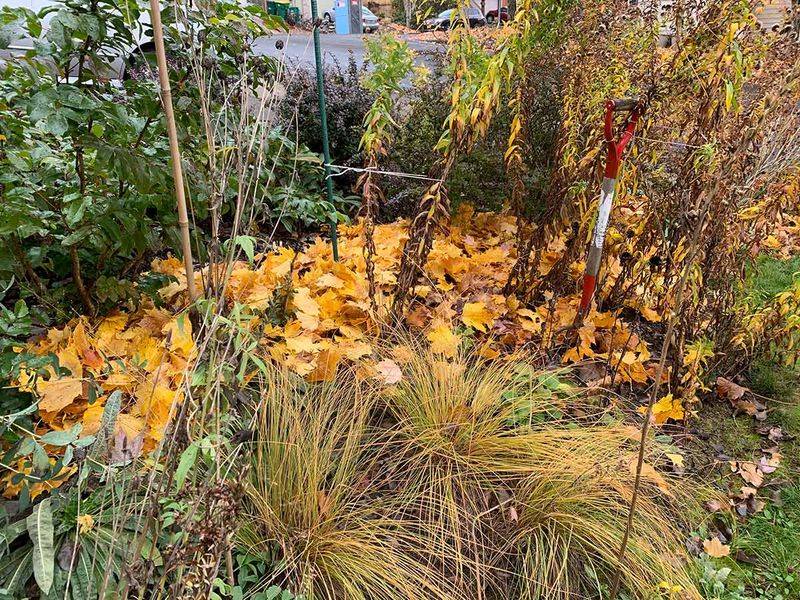
Fallen leaves have a reputation problem. They pile up on paths, clog gutters, and make a yard look like no one is paying attention – but that reputation misses what a quiet layer of leaf litter can do for the insects living in your garden.
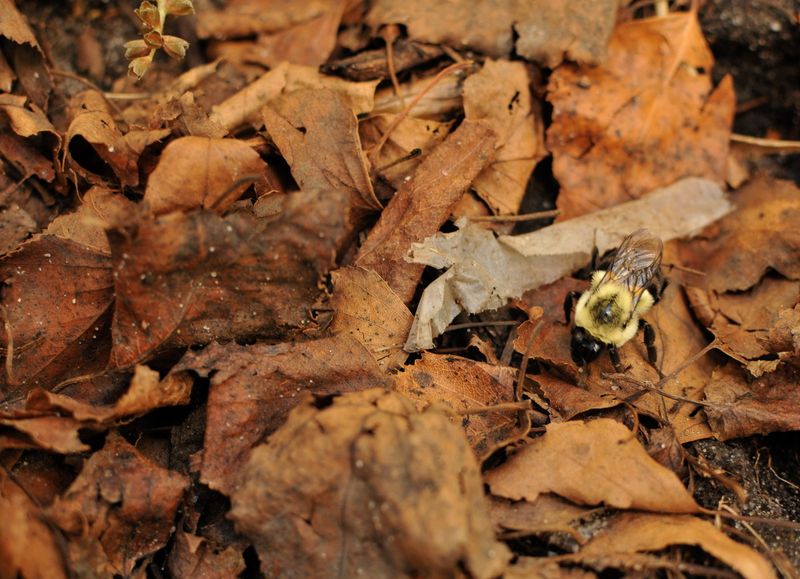
Oregon guidance specifically identifies leaf litter, woody debris, and dead plant stems as shelter for native pollinators, including bumble-bee queens that may overwinter in leaf mulch and stick piles. That is not a small thing when you consider how early those queens emerge in spring to start new colonies.
The goal here is not to abandon your yard to chaos or treat every cleanup task as harmful. Leaving some areas less disturbed – beneath shrubs, around perennial beds, or in a quiet back corner – is a practical habitat choice that fits into a normal yard-care routine.
You can still rake paths, clear drains, and keep the lawn tidy while letting other spots do quiet ecological work through winter.
Leaf retention is one helpful, low-effort habitat practice among several.
Oregon pollinator habitat guidance also points to flowering plants, larval host plants, undisturbed soil, hollow stems, and reduced pesticide use as important pieces of the same puzzle.Leaving some leaves in suitable spots contributes to that broader picture without requiring you to stop caring about your garden. The relief here is real: you can be a thoughtful, attentive gardener and still let a few corners stay a little wild.
What leaf litter can shelter over winter
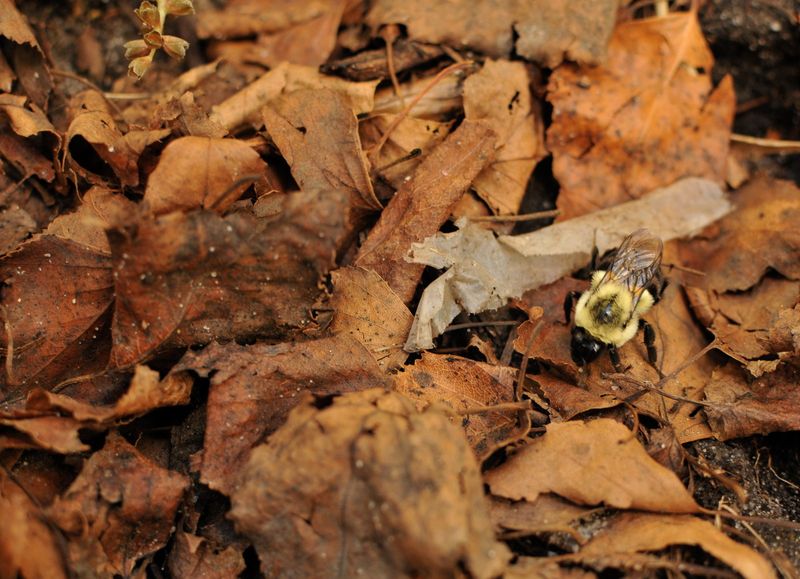
Scratch back a corner of a leaf pile in November and you might find more than dirt. Several groups of insects spend the winter tucked into or just beneath fallen leaves, relying on that layer for insulation, camouflage, and moisture regulation.
Pollinator habitat guidance from the USDA identifies leaf litter as overwintering cover for butterflies, moths, beetles, and hoverflies, among other beneficial insects.
Butterflies such as the mourning cloak and comma overwinter as adults, tucking themselves beneath bark, into brush piles, or among fallen leaves where their wing patterns provide camouflage against the debris. Some moths spend the cold months as pupae in the leaf layer, emerging in late winter or early spring.
Certain beetles and hoverflies – many of which are important predators of garden pests – also shelter in leaf litter and nearby organic material through winter.
Your Oregon Garden Changes Every Week. Your Plan Should Too.
Gardening in Oregon changes quickly throughout the season. Every Friday you’ll receive a simple weekly plan showing exactly what to plant, prune, fertilize, harvest, and protect so you never miss the right timing.
Bumble-bee queens are a particularly compelling example for Oregon gardeners. After mating in late summer, a queen searches for a sheltered spot to wait out winter, and Xerces Society overwintering habitat guidance notes that loose leaf mulch and debris piles can provide the insulation and cover she needs.
Without that shelter, a queen that cannot find a suitable site may not survive to found a new colony in spring.
Many other native bees tell a different story, though. Mason bees, leafcutter bees, and most ground-nesting species overwinter underground, in hollow stems, dead wood, or brush rather than in surface leaf litter.
Leaving leaves helps one part of the overwintering community; it does not replace the bare soil, standing stems, or dead wood that other species depend on. Oregon guidance on yard debris and bumble bees frames leaves as one element of a broader shelter network, not a complete solution on its own.
Choose habitat areas instead of leaving every leaf everywhere
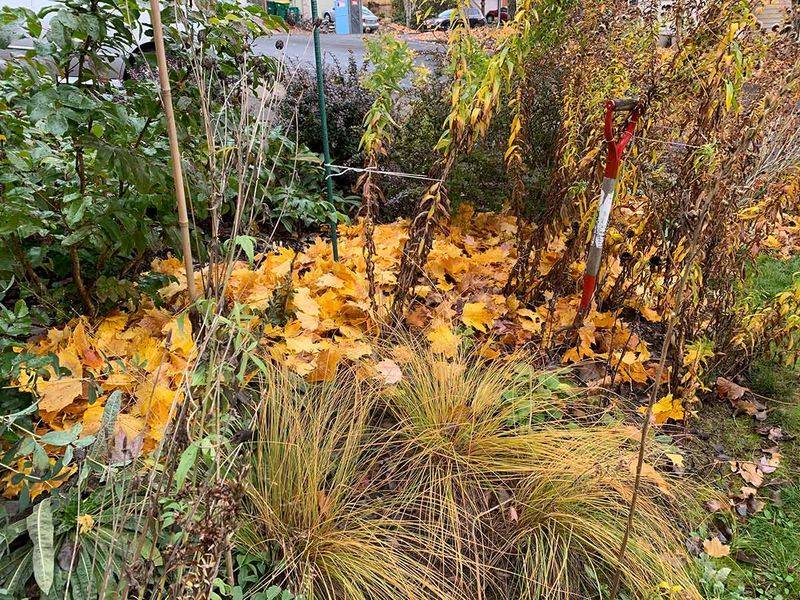
Raking everything up or leaving every leaf exactly where it falls are not your only two options. The more useful approach is selective management: clear the spots where leaves cause real problems, and move healthy leaves to places where they can do some good.
Xerces Society’s leave-the-leaves guidance describes this kind of deliberate placement as a practical way to support overwintering insects without letting the whole yard go untended.
Start by clearing leaves from paths, driveways, and steps where they become slippery. Clear them from drains and low spots where they collect water and create drainage problems.
Turf areas generally need attention too – a heavy mat of whole leaves sitting on lawn grass through a wet Oregon winter can smother the turf beneath it. These are not habitat losses; they are maintenance priorities that make the rest of your yard strategy more sustainable.
Once those spots are clear, you have good material to work with. Rake or gently move healthy leaves to spots beneath shrubs, around the base of trees, along perennial beds, or into a quiet back corner that does not need to look manicured.
Xerces overwintering habitat guidance describes a leaf layer a couple of inches thick as useful cover for insects in these less-disturbed areas.
Relocation is a practical compromise. Moving leaves from a lawn or path to a bed may not preserve every bit of the habitat value that an undisturbed pile would have, but it keeps the material in the garden rather than in a yard-waste bin.
Think of it as giving leaves a second assignment – one that suits both your maintenance needs and the insects looking for a winter address.
Leaves can protect soil as well as insects
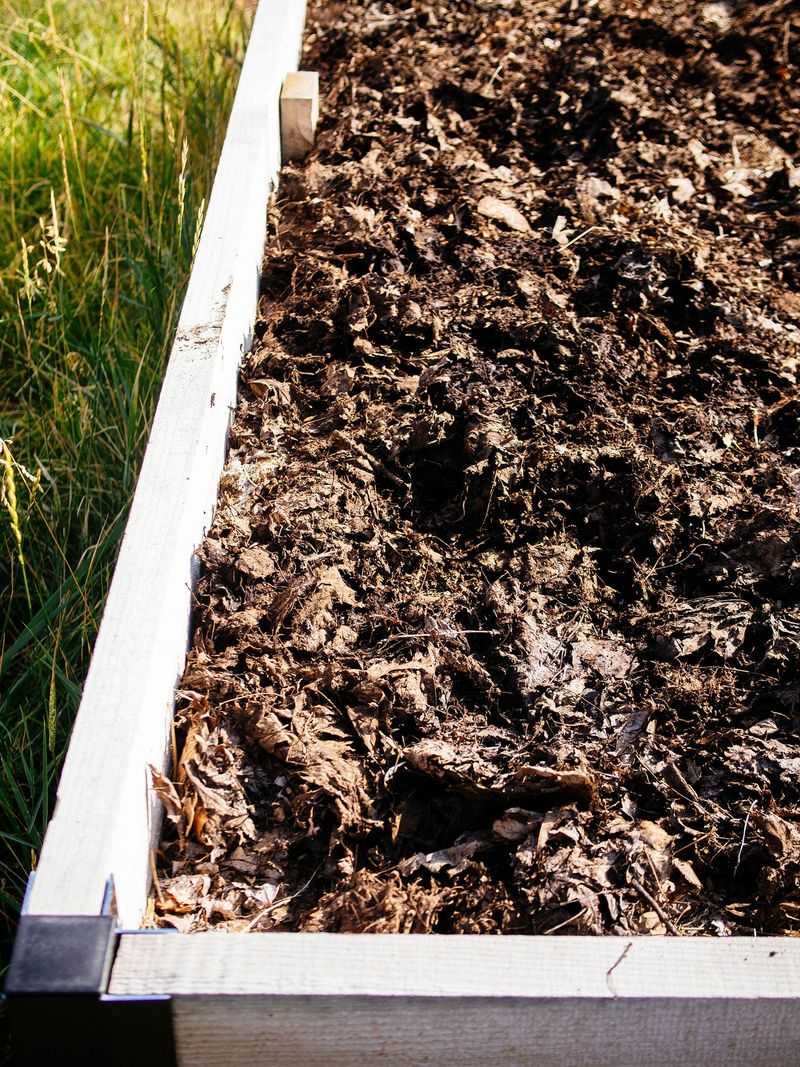
Leaf litter earns its place in the garden through more than just insect shelter. A modest layer of fallen leaves on a bed also works for the soil beneath it, and that soil benefit compounds over time in ways that matter to Oregon gardeners dealing with heavy winter rains and compaction-prone ground.
Oregon guidance on improving garden soils notes that 1 to 2 inches of leaves applied to vegetable and flower beds can add organic matter, cushion soil from the impact of winter rain, and suppress winter annual weeds. Each of those benefits addresses a real problem in western Oregon, where winter rain can pound bare soil into a crusted, compacted surface that sheds water and resists spring root growth.
Leaves also break down gradually through winter, feeding soil microbes and earthworms that work organic matter into the soil profile. By spring, a layer that looked untidy in November may have partially decomposed into something closer to a light dressing of compost.
That decomposition process is part of what makes leaves valuable rather than wasteful.
This guidance applies to beds where a leaf layer fits the plants and conditions. Not every bed benefits equally – dense planting, poor drainage, or specific plant sensitivities can change the calculation.
The 1-to-2-inch range is a useful starting point for annual vegetable beds and open flower beds, not a universal prescription for every corner of the yard. Match the layer to the site, and the soil payoff tends to follow.
Match leaf cover to the lawn, plants, and moisture
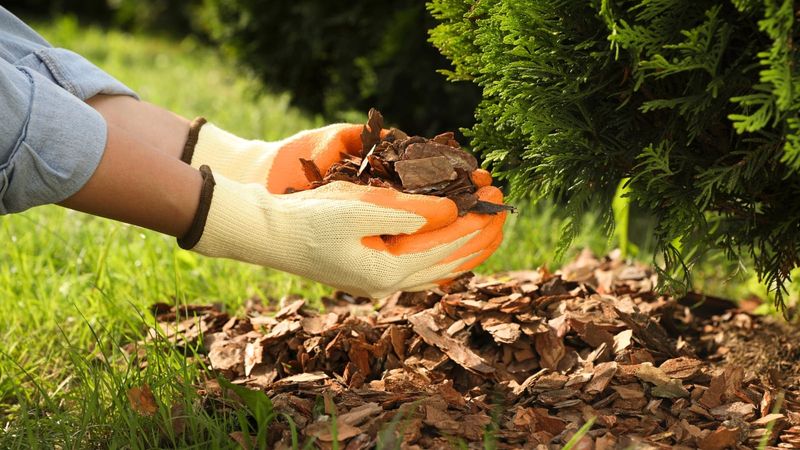
Habitat advice and maintenance reality need to fit the same yard, and leaf cover behaves differently depending on where it lands. A thick mat of whole leaves sitting on a lawn through a wet Willamette Valley winter is not a habitat feature – it is a turf problem.
Xerces overwintering habitat guidance acknowledges this directly, noting that heavy whole-leaf accumulations can smother grass, while a thin layer of shredded leaves may be compatible with lawn health.
Running a mower over fallen leaves to shred them before leaving a light covering on turf is one practical option for lawn areas. Shredded leaves break down faster, allow more light and air to reach the grass, and feed the lawn as they decompose.
Heavier accumulations belong in beds, beneath shrubs, or in a designated habitat area rather than on turf that needs to stay functional through winter and into spring.
Plant crowns and tree or shrub trunks need breathing room regardless of what the rest of the bed is doing. Oregon guidance on yard and garden care recommends keeping leaves and mulch a few inches away from crowns and trunks to preserve air circulation and reduce the risk of rot and some disease problems.
Piling material against a trunk traps moisture against bark that needs to stay relatively dry.
Mulch depth is not a one-size answer either. Oregon soil guidance supports roughly 1 to 2 inches for annual beds, while some perennial or shrub settings can handle a bit more – but thicker layers in wet spots can worsen slug pressure, slow drainage, or create conditions that favor root rot.
Oregon lawn guidance reinforces the point that turf and beds have different tolerances, and treating them the same leads to problems. Let the plant type, the moisture level, and the condition of the material guide how much cover makes sense in each spot.
Check western Oregon beds for slugs before adding more cover
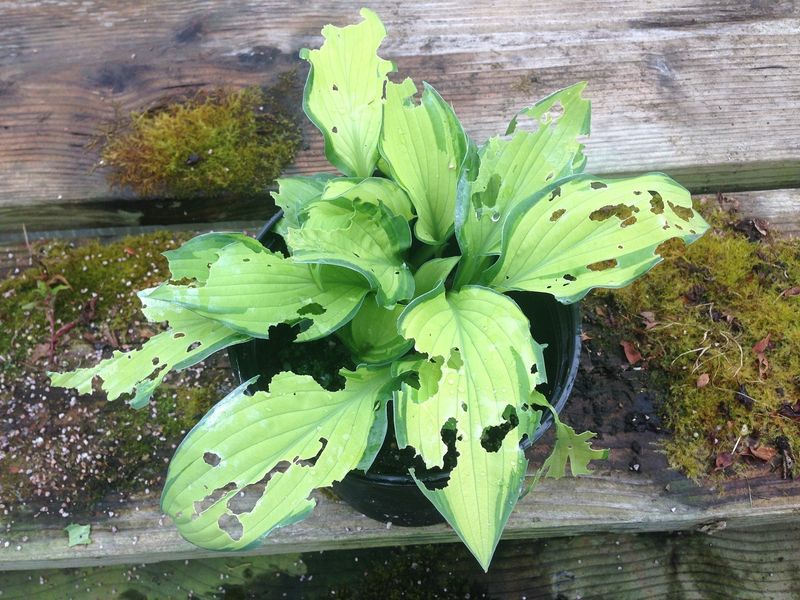
Western Oregon’s mild, wet winters are genuinely good for gardens in many ways – but they are also good for slugs, and slugs are good at finding cover. Before spreading leaves across every bed in the Willamette Valley or along the coast, it helps to think about which plants are already on a slug’s regular menu.
Oregon slug management guidance identifies moist, sheltered conditions as the primary driver of slug activity, and a thick layer of leaf litter provides exactly that environment. Hostas, young seedlings, strawberries, and many leafy vegetables are especially vulnerable.
If you have had slug damage in a bed before, adding more cover without monitoring is likely to make the problem worse, not better.
The practical step is to observe rather than assume. Add leaf cover in modest amounts, check those beds periodically through fall and winter, and pull back material in spots where slug damage appears.
A thin layer in a well-drained bed with slug-tolerant plants is a different situation than a thick layer in a low, shady spot full of hostas.
Conditions across Oregon vary considerably. Central and eastern Oregon gardeners deal with colder, drier winters where slug pressure is generally lower and other concerns – like hard freezes and wind exposure – shape plant protection decisions differently.
The slug caution is a western Oregon consideration, not a statewide rule. Whatever your region, the most useful approach is to watch what is actually happening in your specific beds rather than following a single prescription for the whole state.
Know when cleanup protects plants and waterways
Leaving leaves in the right places is a genuinely helpful habit, and removing them in the right places is equally important. A few situations call for cleanup without apology, and knowing them makes the rest of your leaf-retention strategy more credible and more effective.
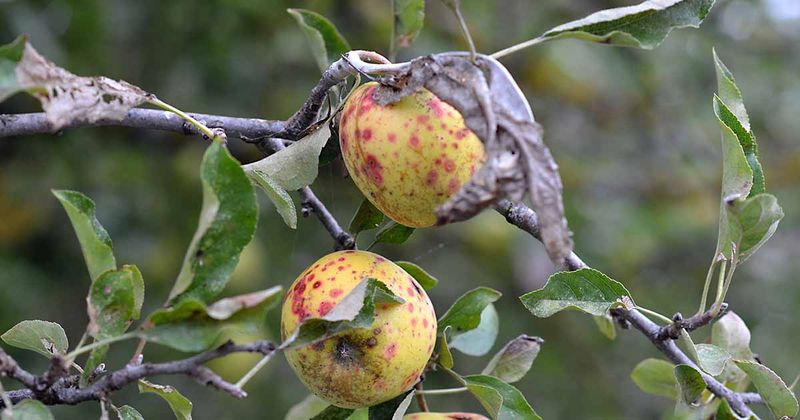
Fruit trees with disease problems are the clearest example. Oregon orchard management guidance recommends removing diseased leaves from beneath susceptible trees, including those affected by apple scab and other common fruit-tree diseases, because those leaves can carry infection that reactivates the following season.
Leaving them in place to support pollinators is not a sound trade when the result is a disease cycle that weakens the tree year after year. Remove them, bag them, or handle them according to local guidance – do not compost them in a backyard pile.
Leaves also do not belong in streets, gutters, or near storm drains. Federal environmental guidance identifies yard debris as a contributor to stormwater problems and nutrient runoff, and recommends using leaves as mulch or compost rather than allowing them to wash into waterways.
Blowing or sweeping leaves into the street shifts the problem downstream.
For healthy leaves that cannot go back into beds, composting is a good option. EPA composting guidance identifies dry leaves as a useful carbon-rich “brown” material for home compost piles, though diseased material, aggressive weeds, or herbicide-treated leaves should be kept out.
Burning leaves is not a safe or legal fallback in most of Oregon – Oregon DEQ outdoor burning rules vary by location and season, and smoke from yard debris creates real air-quality and fire-risk concerns.
One more consideration worth flagging: moving plant debris, wood, mulch, or green waste around Oregon is not always straightforward. Oregon Department of Agriculture guidance on invasive pests restricts movement of certain plant materials in affected areas.
If you are hauling material from one property to another or sourcing mulch from outside your immediate area, it is worth checking whether any restrictions apply to your region.
Build pollinator habitat with more than leaves
Fallen leaves are a good starting point, not a finish line. An Oregon yard that supports pollinators through the full year needs several things working together, and leaf litter fills one role in that larger system.
Oregon pollinator habitat guidance identifies native and regionally appropriate flowering plants, larval host plants, bare or lightly disturbed soil, hollow stems, dead wood, and reduced pesticide use as the building blocks of a genuinely supportive yard.
Leave or relocate healthy leaves into spots that can stay relatively undisturbed through winter – beneath shrubs, around perennial beds, or in a tucked-away corner. Clear the spots that need to stay open: paths, drains, turf, and any beds with disease history.
Let some stems stand through winter rather than cutting everything back in October. Oregon guidance on yard debris and bumble bees frames brush piles and stem bundles alongside leaf litter as part of the same overwintering shelter network.
A small brush pile in a back corner, a patch of bare soil in a sunny spot, a few native plants that bloom in early spring when queens first emerge – these additions compound the benefit of any leaf cover you leave in place. Xerces Society’s leave-the-leaves guidance puts it simply: the goal is a yard with some deliberate seasonal mess in the right places, not a yard that stops being maintained.
You can be a careful, attentive Oregon gardener and still give the insects a fighting chance at winter – those two things belong in the same yard.