An Arizona Native Vine That Covers A Modest Fence Without Getting Out Of Hand
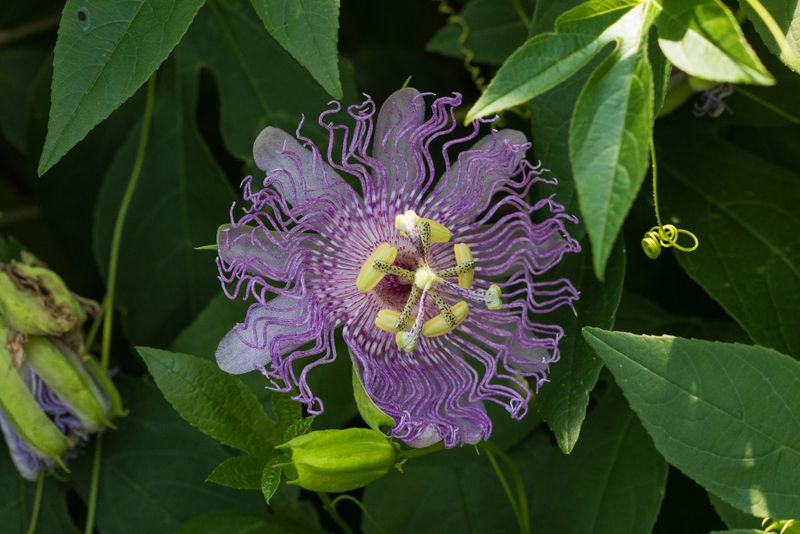
If you have a hot, sun-blasted fence in southern Arizona and want something native climbing up it, the options can feel surprisingly thin. Arizona passionflower, Passiflora arizonica, is a perennial tendril-climbing vine that checks a lot of boxes: native range, moderate size, wildlife value, and a manageable character that sets it apart from more aggressive relatives.
It is not a guaranteed fence-covering machine, but for a modest trellis or section of chain link with the right support and summer water, it can do real work. Knowing what it can and cannot do is what turns a good plant choice into a successful one.
Arizona passionflower fits the brief—but not the original speed promise
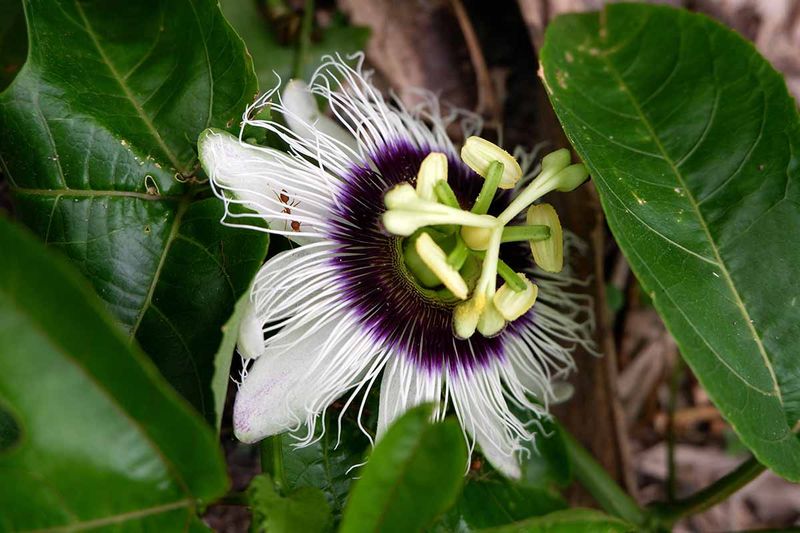
Gardeners searching for a native vine that will behave on a fence without requiring a removal crew two seasons later have a credible option in Passiflora arizonica. University of Arizona Campus Arboretum records classify it as a moderate-growing, low-water-use perennial with a benign rather than invasive character, reaching approximately 6 to 10 feet tall and wide.
Its range extends from southern Arizona into northwestern Mexico, making it a genuine regional native rather than a broadly adapted import.
The vine climbs using coiling tendrils, which means it needs something to grip. A fence or trellis with horizontal wires, chain link, or mesh gives it the purchase it requires to move upward instead of sprawling.
On a modest fence section, that growth habit translates into manageable seasonal coverage rather than an unchecked takeover.
That said, the case for this plant needs an honest qualifier from the start. Benign classification means the plant is not considered invasive, not that it will never reach into a neighboring shrub or tree if left untrained.
Gardeners who plant it and walk away will eventually find tendrils exploring beyond the intended space. The payoff for a little seasonal attention is a native vine that stays in the conversation as a practical fence plant rather than becoming a regret.
A modest fence offers the most realistic payoff
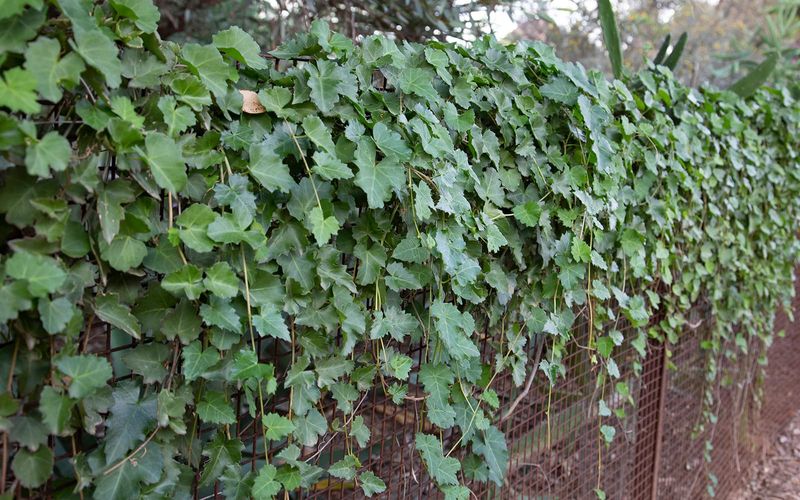
Expecting a single vine to blanket a long block wall by midsummer sets up a frustrating season. What Passiflora arizonica can realistically offer is coverage of a modest fence section, say a panel of chain link or a 6-to-8-foot trellis run, given adequate water and a full growing season to establish.
University of Arizona Cooperative Extension guidance on landscape vines identifies screening, shade, wind protection, and reduced glare or reflected heat as functional benefits that southern Arizona vines can provide, but those outcomes depend on the vine actually covering its support structure.
Because the plant tops out around 6 to 10 feet in both height and spread, a shorter fence panel or a decorative trellis near a patio is a better fit than a 30-foot stretch of property-line block wall. Moderate growth is not a flaw in this context.
A vine that puts on 6 to 10 feet of seasonal growth and stops there is one you can redirect with hand pruners rather than a reciprocating saw.
The shade and glare-reduction benefit is real but proportional. A vine covering a 6-foot trellis will take the edge off reflected afternoon heat from a nearby wall or patio surface.
Your Arizona Garden Changes Every Week. Your Plan Should Too.
Gardening in Arizona changes quickly throughout the season. Every Friday you’ll receive a simple weekly plan showing exactly what to plant, prune, fertilize, harvest, and protect so you never miss the right timing.
It will not cool a large south-facing yard on its own. Matching the plant’s actual dimensions to the fence section you want covered is the move that makes those benefits land.
Hot exposure still requires a moist root zone
Calling a plant drought tolerant is not the same as calling it zero-water. Passiflora arizonica is listed as low-water-use, but the Arizona-Sonora Desert Museum is direct on this point: passion flower will not grow unless the soil stays moist, and it needs more frequent watering during full sun exposure and the hottest periods of summer.
That kind of nuance matters in a Phoenix or Tucson yard where afternoon soil temperatures can cook an under-watered root zone.
For placement, full sun with some afternoon shade is the safer recommendation at low-desert elevations. A fence with western exposure in a Phoenix suburb can hit punishing reflected heat by 2 p.m., and a vine with no afternoon relief will show it in wilted or crispy foliage.
Well-drained soil with slightly alkaline chemistry suits the plant well, which aligns with the caliche-influenced profiles common across much of southern Arizona.
During establishment, water more often than you think you need to. Once the vine is actively growing and especially while it is fruiting, the University of Arizona recommends watering at least once a week.
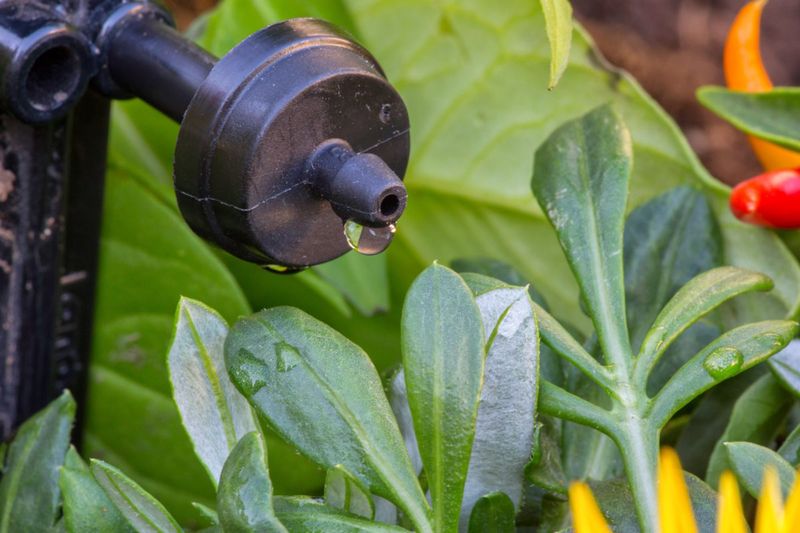
A drip emitter positioned at the root zone is more efficient than overhead spray in summer heat, and it keeps the foliage dry enough to reduce fungal issues. Seasonal moisture is not optional for this vine.
It is the input that converts a struggling transplant into a plant actually doing its job on the fence.
Install the support before seasonal growth begins
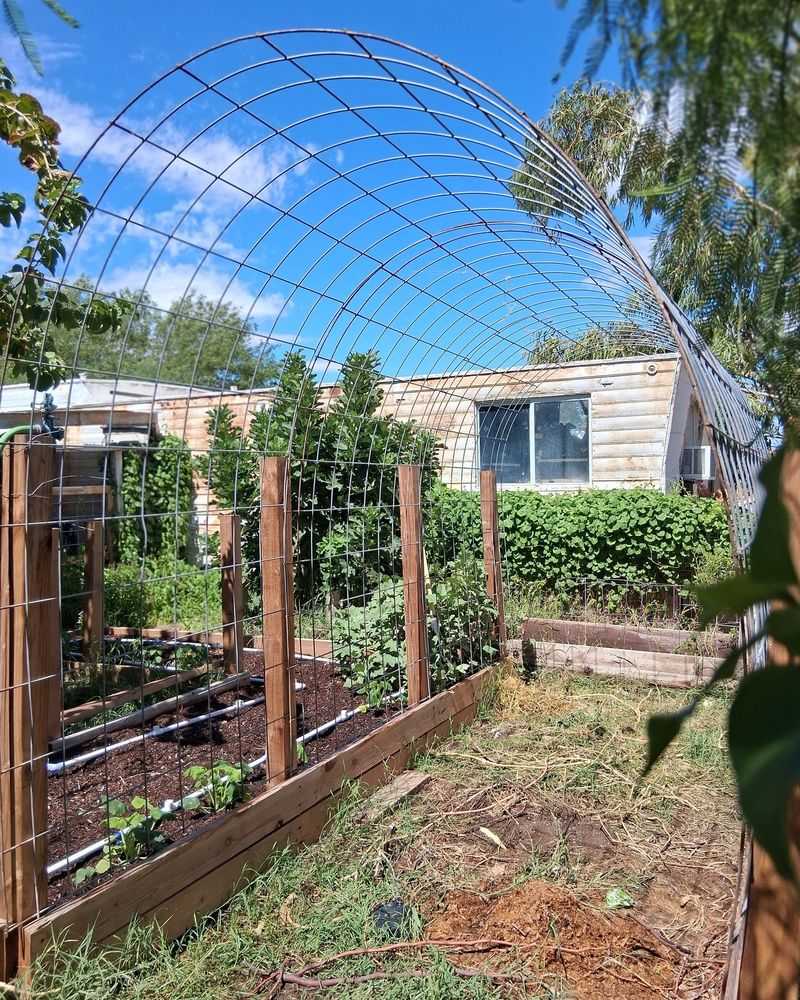
Tendrils cannot grip a smooth surface. Before Passiflora arizonica starts its warm-season push, the fence or trellis it will climb needs to offer real handholds, horizontal wires, mesh panels, chain link, or a lattice structure with openings the tendril can wrap around.
Installing or inspecting that support before vigorous growth starts saves the frustration of watching a vine sprawl sideways because there was nothing to grab.
Planting timing in Arizona does not follow the national spring-planting calendar. Arizona Native Plant Society guidance on fence vines notes that monsoon season is a useful time to look for and establish native passionvines, since the warm-season moisture reduces transplant stress.
Fall planting, roughly October through November, gives roots a chance to settle in before summer heat returns. The right window depends on your specific elevation and microclimate, so local conditions should guide the final call rather than a single statewide rule.
One structural detail worth planning for from the beginning: the support should be accessible enough that you can redirect or cut back the vine without trapping it permanently in the fence. A vine that has grown through a chain-link section and fruited for three seasons becomes difficult to remove cleanly if the fence itself is the only structure involved.
A removable trellis panel or a wire frame attached to the fence with clips gives you the option to detach and cut back without dismantling the fence.
Pruning keeps the vine on its assigned fence section
A benign classification from a botanical registry is not a maintenance exemption. Passiflora arizonica will not aggressively colonize the neighborhood, but its tendrils are opportunistic.
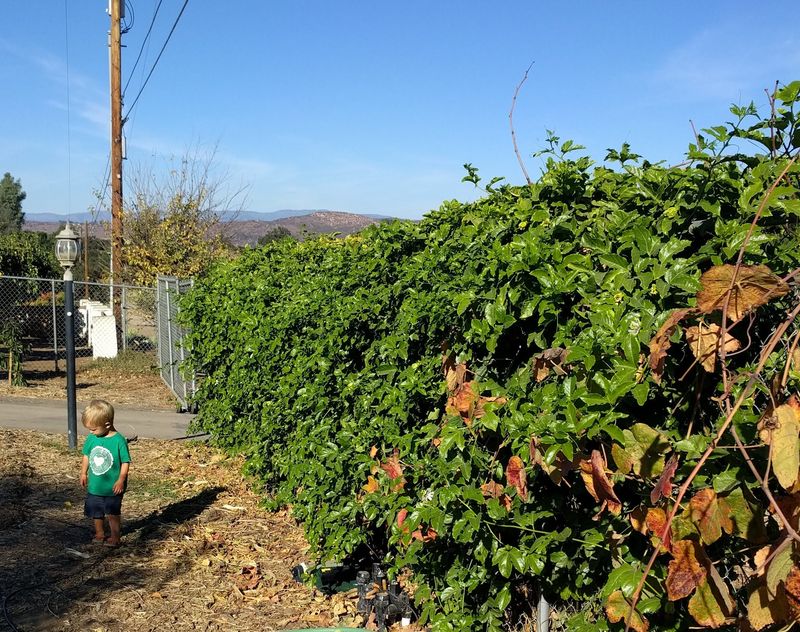
Given a nearby mesquite branch or a shrub growing against the fence, the vine will find it. Keeping the plant on its assigned fence section means checking it a few times during the growing season and redirecting or trimming any growth that has moved into unintended territory.
Early spring is the practical pruning window. After a hard freeze, the top growth may die back entirely while the roots survive and push new growth once temperatures rise.
Cutting away frost-damaged stems in late February or early March cleans up the structure and gives you a clear look at what the roots have in mind for the season ahead. At that point, you can also reduce the overall size if the vine got larger than intended the previous year.
One maintenance expectation worth setting now: the University of Arizona Campus Arboretum estimates a cultivation lifespan of roughly 5 to 7 years for this vine, with periodic replacement likely needed after that. That is not a short lifespan for a perennial in a hot-desert yard, but it does mean gardeners should treat the plant as a medium-term investment rather than a permanent fixture.
Knowing that ahead of time makes it easier to plan the next plant before the current one declines, rather than scrambling to fill a bare fence mid-season.
Read the plant tag before chasing faster coverage
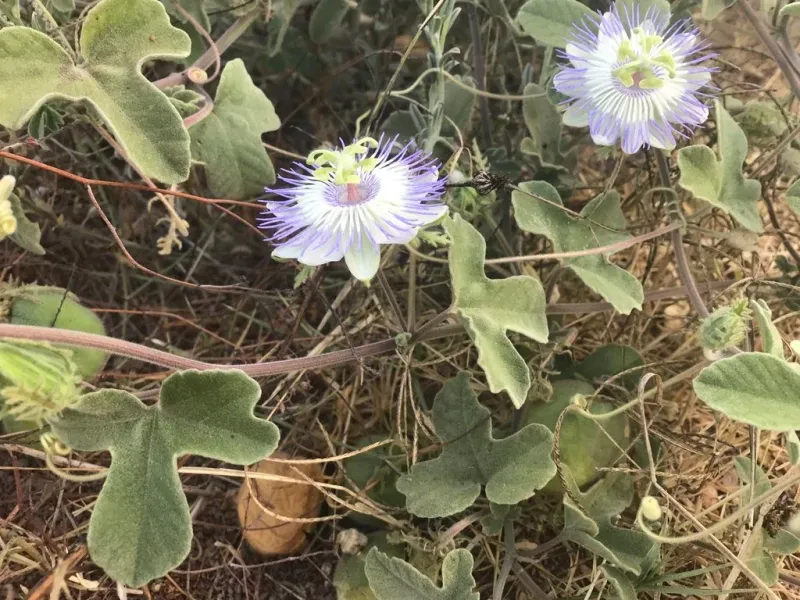
The single most consequential mistake a gardener can make with Arizona passionvines is buying the wrong one. Passiflora aridaP. arida is a related but distinct species, and the Arizona-Sonora Desert Museum assigns it a dramatically different growth profile: Desert Museum documentation on passion flower describes as capable of growing 15 feet or more in a single season and explicitly warns that it is aggressive and may overwhelm small shrubs or trees.
That is a different plant with different management needs, and the two are not interchangeable just because both carry the word passionflower on the tag.
Labels at nurseries are not always precise. Plants sold as passion vine, Baja passion vine, or even Passiflora foetida may be different species or regional forms.
The botanical name Passiflora arizonica is what you need on the tag, and even then, asking the nursery staff whether the plant was propagated from Arizona-native stock is worth doing. Native plant sales through Arizona Native Plant Society chapters or reputable desert-adapted nurseries are more reliable sources than general garden centers.
Arizona grape, Vitis arizonica, sometimes comes up as a native fence-vine alternative. It is native and can provide solid screening and wildlife value, but it is a weaker fit for a hot, low-water fence situation.
Canyon grape is associated with riparian corridors, canyons, and higher elevations. It is deciduous, moderate-growing, and generally needs more summer water than the low-fuss desert-vine framing implies.
Both the Arizona Native Plant Society plant list and the University of Arizona Arboretum describe it in terms that point toward shadier, moister conditions rather than a baking south-facing block wall.
Wildlife value comes with safety and care limits
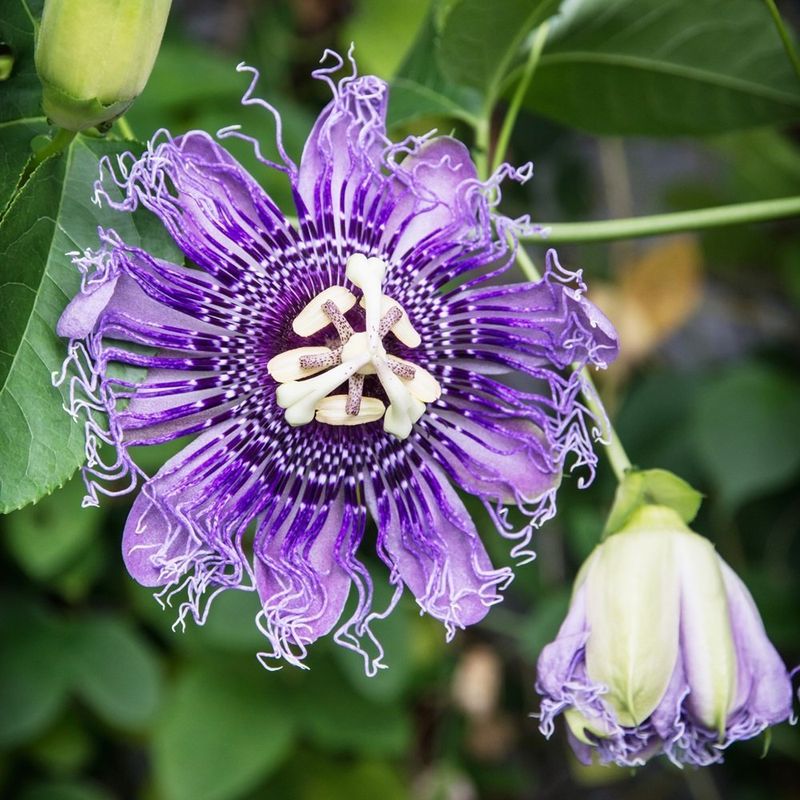
Passionvines have a well-documented role as larval host plants for fritillary butterflies, and planting one on your fence can create real habitat value in a yard that might otherwise offer very little for caterpillars. The Tucson Audubon Society’s caterpillar-approved habitat list and Arizona Native Plant Society guidance on native fence vines both identify passionvines as important butterfly host plants.
Whether fritillaries actually show up depends on whether they are present in your area, whether the vine is established enough to support larvae, and a range of other site conditions. Planting the vine is the right first step, but it is not a reservation for butterflies.
Pest control framing should stay modest. The vine may make the yard more interesting to insectivorous birds or other wildlife, but there is no direct evidence that Passiflora arizonica deters scorpions, mosquitoes, or ticks.
The habitat angle is honest and appealing without stretching into claims the plant cannot support.
Two safety points deserve plain language. The University of Arizona Arboretum states that green fruit and all other plant parts of this vine are poisonous, with only correctly identified ripe fruit described as edible.
Do not eat unidentified passionflower fruit based on appearance alone. For households with dogs, Arizona Native Plant Society guidance describes passionvines as dog-safe but notes that excessive consumption may cause stomach upset.
That is not a veterinary clearance. If a dog eats plant material and shows symptoms, contact a veterinarian rather than relying on general guidance.
Choose controlled seasonal coverage, not instant concealment
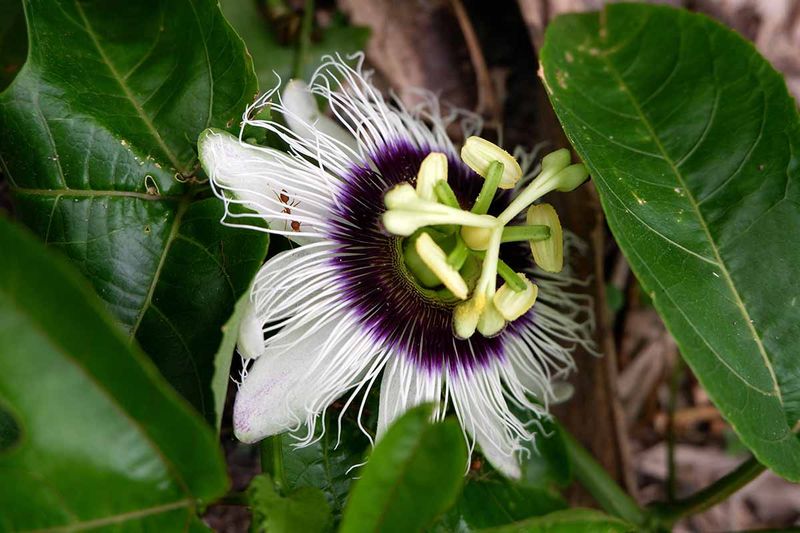
Passiflora arizonica earns a place in a southern Arizona yard when the gardener wants a native, wildlife-supporting vine for a modest fence or trellis and is willing to provide summer moisture, a gripable support structure, and occasional pruning. Its advantage is relative manageability and habitat value, not guaranteed speed, complete fence coverage, or zero maintenance.
A 6-to-10-foot perennial climber that hosts fritillary butterflies, tolerates desert soils, and stays classifiable as benign is a meaningful find in a region where the vine options that check all those boxes are genuinely limited.
The plant is not the right call for every situation. A large block wall needing full coverage fast, a yard without reliable summer irrigation, or a location well outside its documented southern Arizona range are all reasons to look at other options or adjust expectations significantly before planting.
Correct identification is the non-negotiable first step. The right vine on the right fence, matched to realistic site conditions, will outperform the fastest plant on a nursery label every time.
A native vine that stays where you put it is the one worth finding.