The Fall Vegetables New York Gardens Can Still Grow This Week
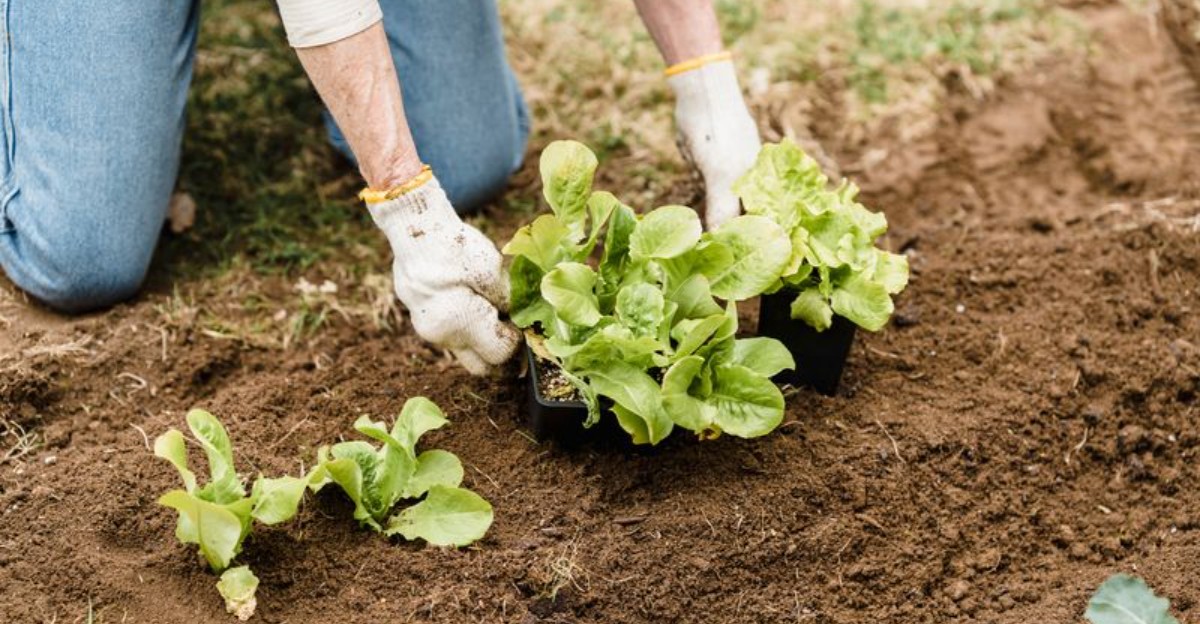
That first cool breeze across the backyard does not mean the growing season is over. For New York gardeners, it can mark the start of a second planting window.
Cooler air and warm soil create ideal conditions for crops that struggle in summer heat. Northern areas face frost sooner, but New York City and Long Island often have more planting time.
Seeds sown now can become crisp greens, sweet roots, and fresh herbs before winter arrives. With a little protection, some crops can keep producing even longer.
So grab those seed packets and look beyond the usual summer garden. These fall vegetables are still worth planting right now.
Spinach Handles Chilly Nights And Keeps Growing
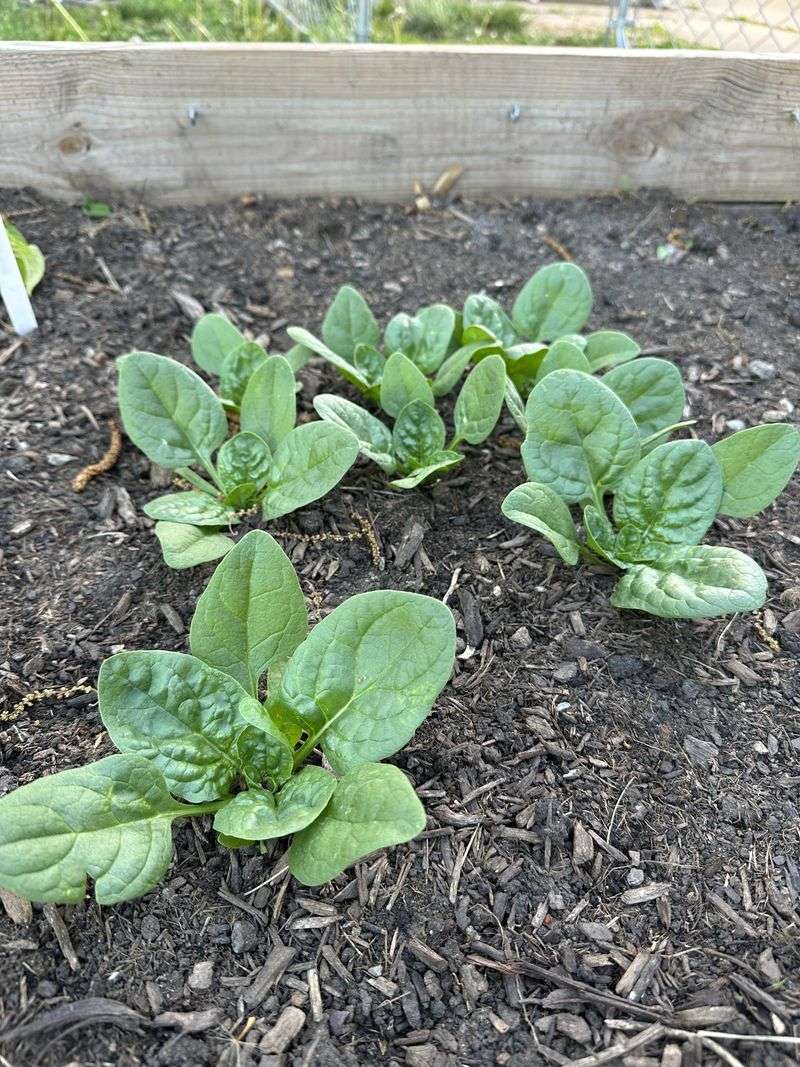
Few crops shrug off a cold snap like spinach does. Seedlings can handle light freezes down to roughly 21 degrees, which makes them tougher than most things in your garden.
Germination happens in soil as cool as 40 degrees, so chilly ground is not a problem. Sow seeds about half an inch deep and thin the young plants to three inches apart once they have two real leaves.
Mid-August is a common target for fall spinach crops in much of New York, while early September plantings are more likely to overwinter or need protection.
Gardeners who plant around September 18 to 20 often skip the fall harvest and aim for spring instead. Those plants can sit small through winter under mulch, then resume strong growth once March sunshine returns.
Variety choice matters more than people expect. Giant Winter, Winter Bloomsdale, Melody, and Tyee all handle overwintering well, especially when sown four to six weeks before your average hard frost date.
Harvest by picking outer leaves and leaving the center rosette alone. One plant can feed you repeatedly for weeks using that method.
Flavor is the real reward here. Cold weather nudges spinach toward a sweeter, nuttier taste that bagged supermarket greens rarely match.
Keep the bed evenly moist but not soggy, since soaked fall soil invites rot. A light straw mulch between rows keeps moisture steady and splashing mud off your leaves.
Radishes Deliver Quick Roots Before Frost Arrives
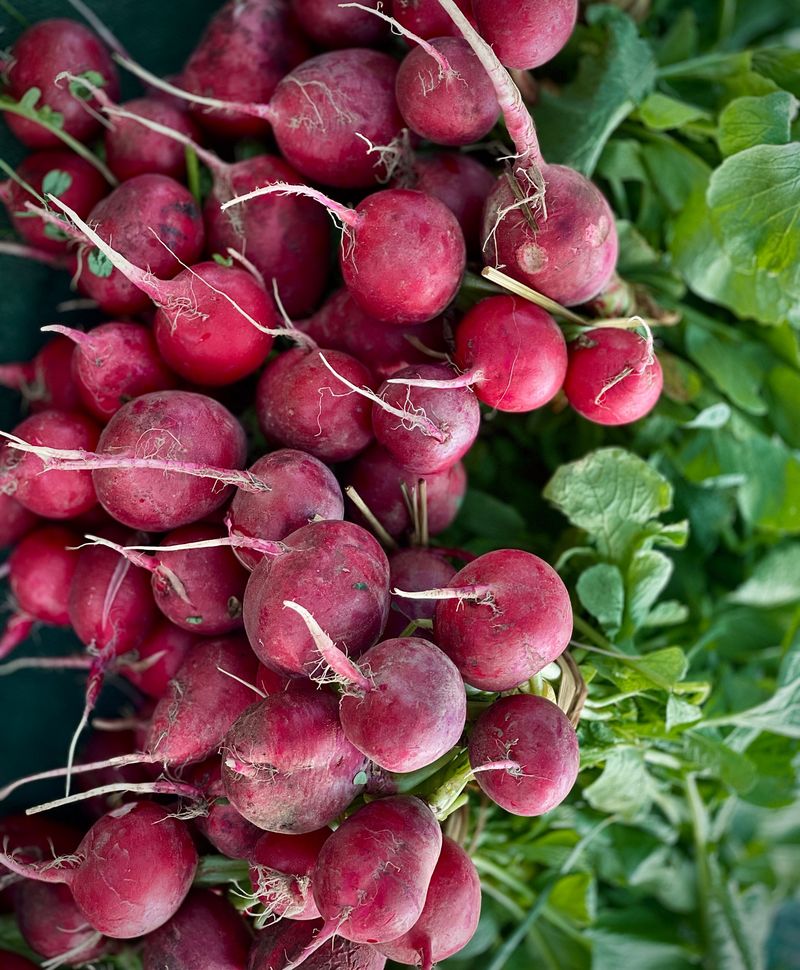
Impatient gardeners, meet your crop. Radishes move from seed to salad faster than almost anything else you can plant in fall.
Late summer is the main planting window for fall radishes, but some warmer areas can continue sowing into early fall. Roots are ready once they reach two to four inches long.
Sow seeds half an inch deep and about an inch apart in loose, rock-free soil. Compacted ground leads to twisted or stubby roots, so fluff the top few inches with a hand fork first.
Thinning feels wasteful but pays off. Crowded radishes push out leaves instead of bulbs, and nobody plants radishes hoping for greens.
Cool fall weather actually improves the eating quality. Summer radishes turn woody and fiercely hot, while autumn ones stay crisp with a milder bite.
Water steadily, because uneven moisture causes cracking and pithy centers. A deep soak twice a week beats daily sprinkles.
Your New York Garden Changes Every Week. Your Plan Should Too.
Gardening in New York changes quickly throughout the season. Every Friday you’ll receive a simple weekly plan showing exactly what to plant, prune, fertilize, harvest, and protect so you never miss the right timing.
Try scattering radish seeds between slower crops like kale or carrots. The radishes finish and come out long before their neighbors need the elbow room.
Round varieties such as Cherry Belle mature quickest, while longer French types add a pretty shape to a relish tray. Plant both and compare.
Check roots by brushing soil away from the shoulder of one plant rather than yanking randomly. Pulling on time keeps texture crisp instead of spongy.
Leftover greens are edible too, sauteed with garlic or blended into a peppery soup.
Kale Keeps Producing Through Cold Weather
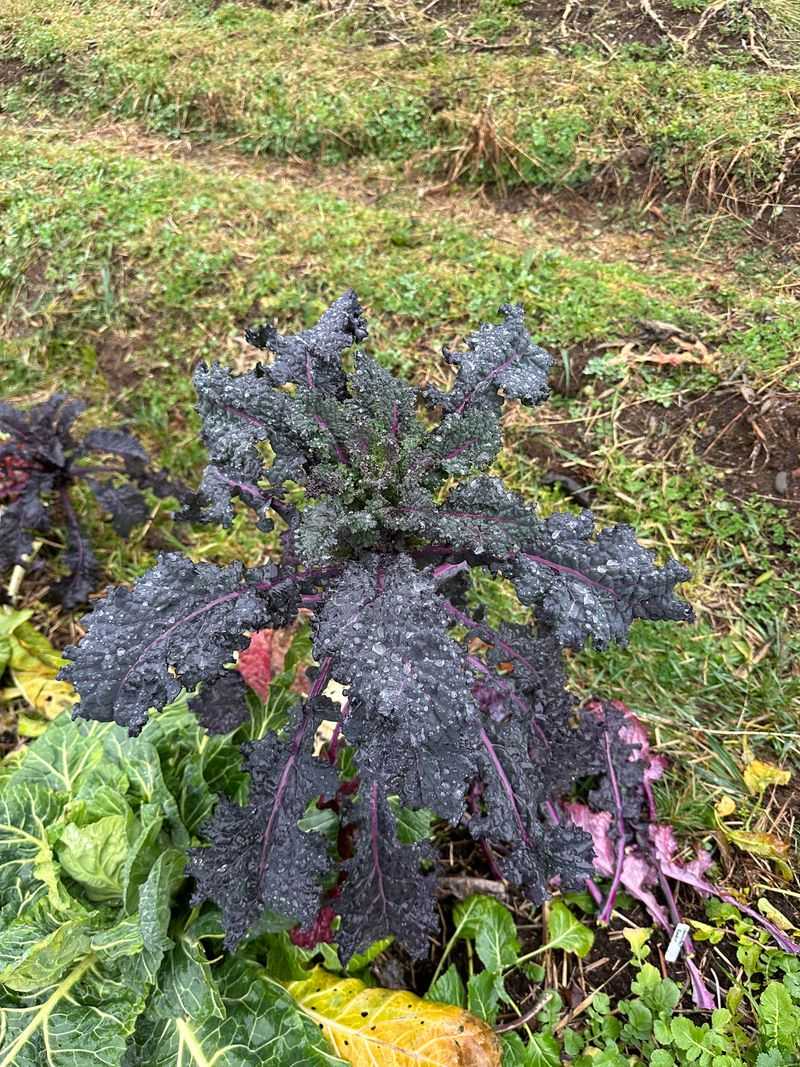
Frost does not damage kale so much as improve it. Cold nights trigger the plant to store sugars in its leaves, and the flavor shifts from grassy to genuinely sweet.
Planting runs from mid-August through mid-September across the state, so transplants tucked in now have plenty of runway. Starts from a garden center give you a head start over seed at this point in the season.
Roots need room, so give kale at least eight inches of soil depth. Shallow containers stunt the plants and leave you with sad, thumb-sized leaves.
Space plants 12 to 18 inches apart. They look lonely at first and crowded by November, which is exactly right.
Pile on mulch once temperatures drop. A thick blanket of straw or shredded leaves helps many gardeners extend their kale harvest into winter.
Harvest the lower outer leaves and let the growing tip continue upward. Plants treated this way produce for months rather than weeks.
Curly types like Vates handle cold especially well, while Lacinato offers flatter, tender leaves for chips and soups. Red Russian splits the difference with pretty purple stems.
Watch for cabbage worms early in fall and pick them off by hand. Populations fade fast once nights turn cold.
One more perk: kale looks handsome enough for a front walkway planter. Neighbors compliment the foliage, and you quietly harvest dinner from it.
Massage chopped leaves with olive oil and lemon to soften them for salads.
Carrots Sweeten As Temperatures Drop
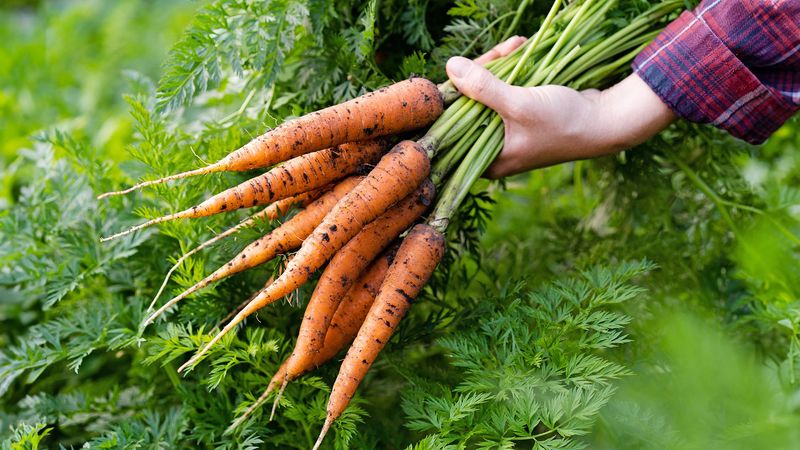
Ever wonder why autumn carrots taste like candy compared to summer ones? Cool soil pushes the plant to convert stored starches into sugar, and the difference is easy to taste.
Late July is the textbook sowing date for a fall harvest, roughly 70 days ahead of first frost. Seeds sown in September still sprout, since carrots germinate in soil as cool as 40 degrees, and those plants can overwinter for an early spring pull.
Patience is part of the deal. Carrot seeds take one to three weeks to emerge, and the bed must stay moist the whole time.
Cover the row with a thin board or damp burlap to hold moisture until sprouts appear. Peek daily and remove it the moment green shows.
Loose, stone-free soil produces straight roots. Rocks and heavy clay cause forking, so deep beds and raised boxes are your friends.
Thin ruthlessly to two inches apart. Crowded carrots stay pencil-thin no matter how long you wait.
Mature roots can sometimes sit in the ground under heavy mulch and be harvested later in winter, as long as conditions allow. Mark the row with a stake so you can find it under snow.
Shorter varieties such as Napoli or Danvers suit fall timing better than long storage types. They size up quicker and handle chill well.
Roast them whole with olive oil and thyme for the sweetest possible result.
Cilantro Thrives During Cooler Days
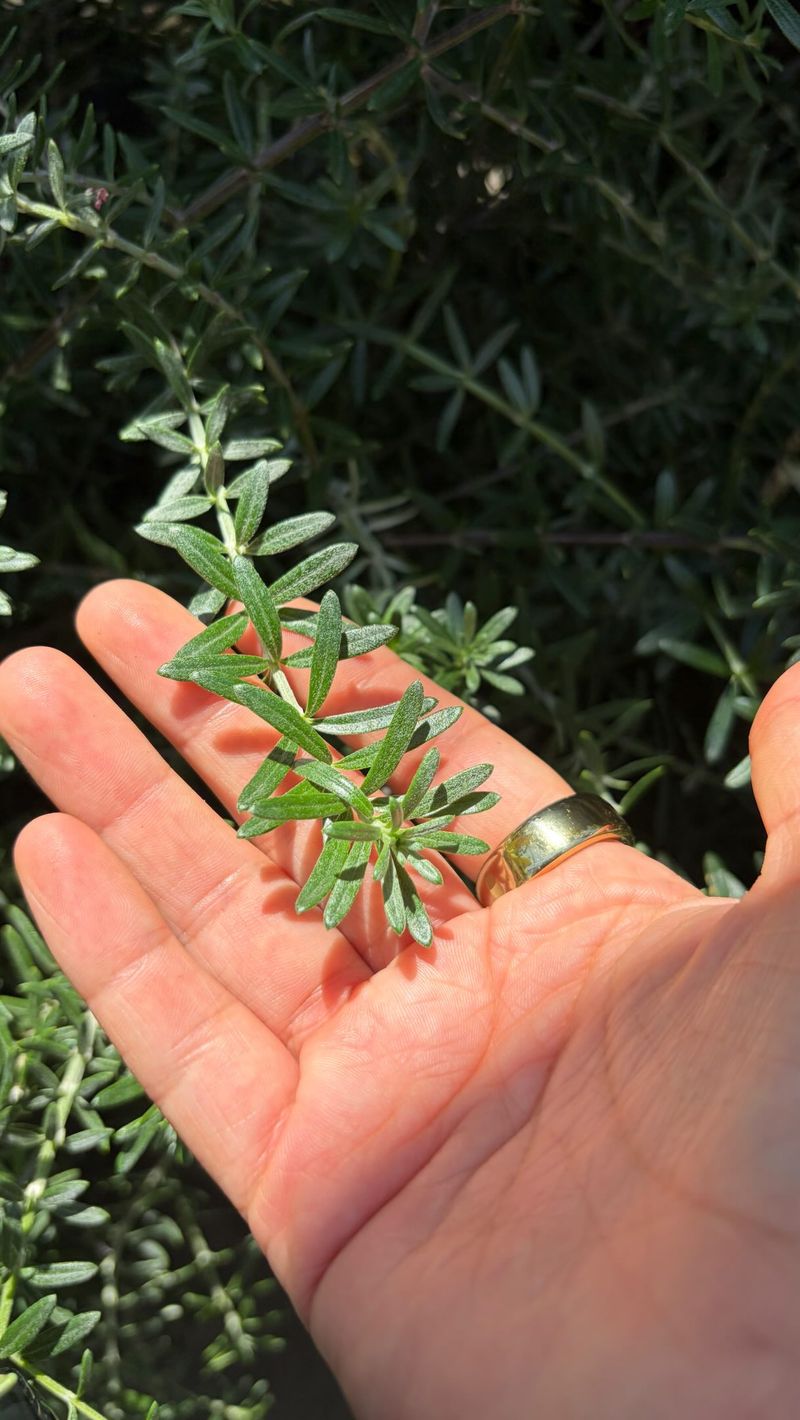
Summer cilantro bolts the second it gets warm, which frustrates just about everyone. Fall is its redemption arc.
Cooler fall temperatures suit this herb well, so September planting often hits a good growing window. Leaves stay broad and flavorful instead of turning feathery and bitter.
Sow seeds directly where they will grow, about a quarter inch deep. Cilantro dislikes having its taproot disturbed, so transplanting rarely goes well.
Half-hardy is the technical description, meaning young plants shrug off light frost and mature ones handle temperatures near 20 degrees. A cloche or plastic tunnel buys extra weeks past that.
Harvest begins around 50 days after sowing. Snip outer stems at the base and leave the crown to push new growth.
Succession sowing is the real trick. Plant a short row every two to three weeks and fresh leaves keep arriving through fall and into early winter.
Soak seeds overnight before planting to speed germination. Each seed actually holds two embryos, so expect doubled sprouts and thin accordingly.
Containers work great for apartment gardeners across New York City. A ten-inch pot on a fire escape or balcony grows enough for weekly salsa.
Let a few plants go to flower at season’s end. Bees love the tiny white blossoms, and the seeds that follow are coriander for your spice rack.
Chop the leaves fresh rather than cooking them long, since heat washes out that bright citrus punch.
Arugula Adds Peppery Leaves To Fall Gardens
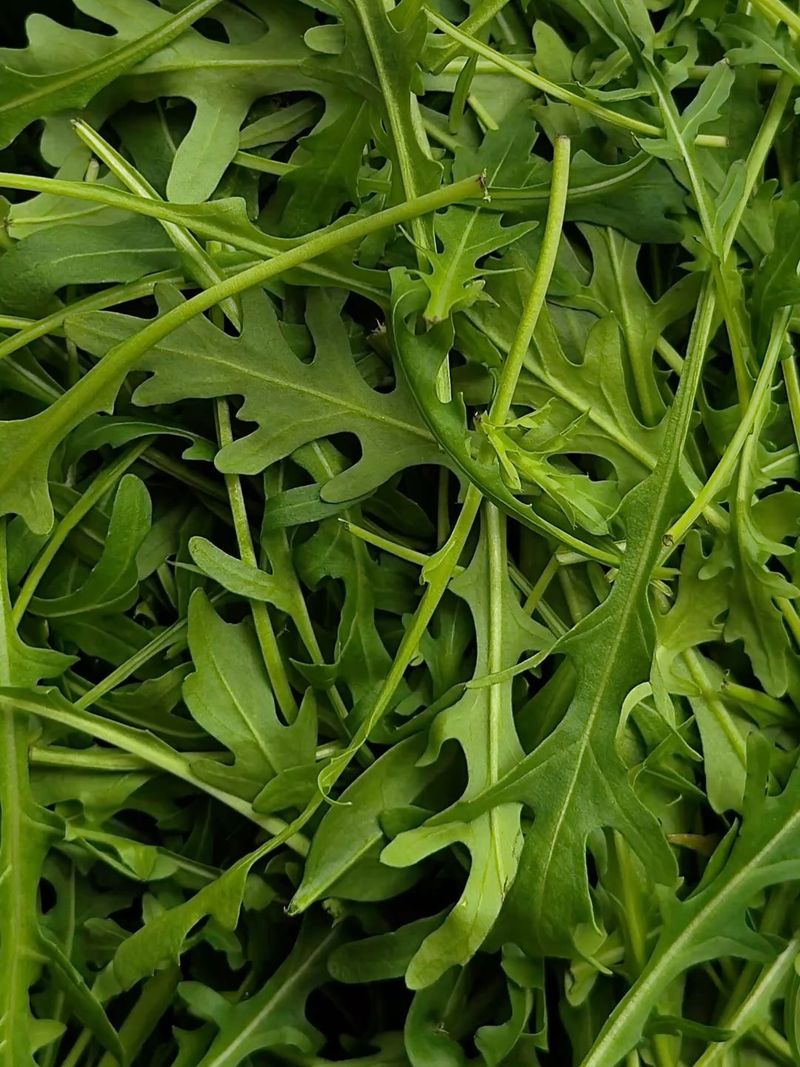
One bite of homegrown arugula and store-bought salad mix starts to feel dull. That sharp, mustardy kick shows up strongest in cool weather.
Late summer and early fall are the recommended sowing times, and this week fits nicely. Seeds sprout in just a few days, which keeps impatient gardeners happy.
Broadcast seeds thinly over a prepared bed and rake in a quarter inch of soil. No careful spacing needed if you plan to cut baby leaves.
Harvest once leaves reach two to three inches. Cut across the patch with scissors and the plants regrow for a second and third round.
Cold tolerance is impressive here. Established arugula can handle light freezes, though fresh seedlings appreciate a light cover during a sudden cold night.
New York includes several hardiness zones, and arugula can grow well across the state during the cool fall season. In warmer areas like New York City, protected plantings may continue producing later into the year.
Flea beetles leave tiny shot holes in the leaves early on. Floating row cover laid over the bed at planting prevents the damage entirely.
Flavor intensifies as plants mature, so pick young if you prefer a milder taste. Older leaves shine when wilted into pasta or blended with walnuts into pesto.
Wild or rustic varieties grow slower with narrow, deeply cut leaves and an even bolder bite. Try a row alongside the standard type for comparison.
Lettuce Grows Fast During Cool Fall Weather
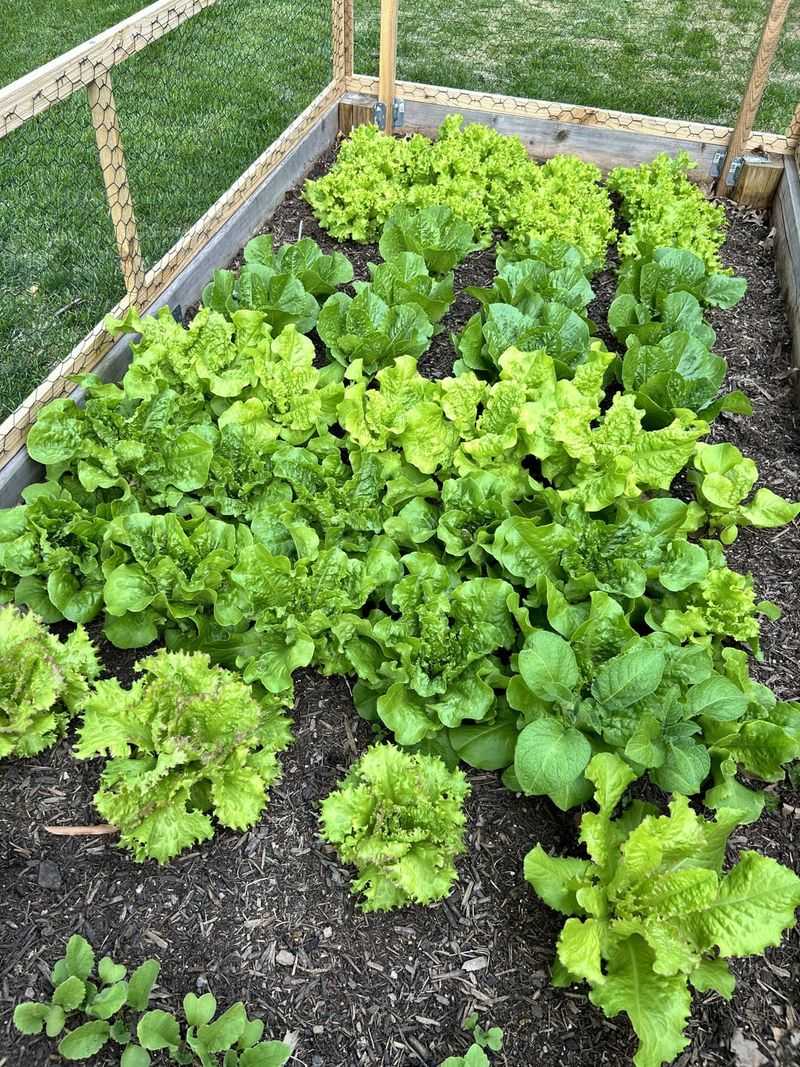
Bolting, bitterness, and bolting again: that is summer lettuce in a nutshell. Autumn flips the script entirely.
Ideal growing temperatures land between 45 and 65 degrees, which explains why gardeners can grow lettuce from March clear through November. Fall plantings stay tender and mild.
Mid-August is the standard sowing date for fall heads, but early September still works well. Seedlings handle light to moderate frost and keep growing while other crops slow down.
Choose loose leaf or Romaine types for best results. Both tolerate warm spells during establishment and stand up to a chilly night without complaint.
Scatter seeds shallowly, barely covering them, since lettuce needs light to germinate. Press gently rather than burying deep.
Cut-and-come-again harvesting stretches one planting a long way. Trim leaves an inch above the crown and new growth follows within days.
Row covers extend the season for less hardy varieties like butterhead. A simple hoop tunnel over the bed can push harvests weeks past your first frost date.
Watch for slugs in damp fall weather. A ring of crushed eggshells or a shallow dish of beer near the bed may help reduce some slug damage.
Containers on a patio or stoop work beautifully, and they let you move plants closer to a sheltered wall when a cold front rolls in.
Rinse and dry leaves well before dressing so the vinaigrette actually clings.