8 Storm Damage Signs New York Homeowners Should Check After A Nor’easter
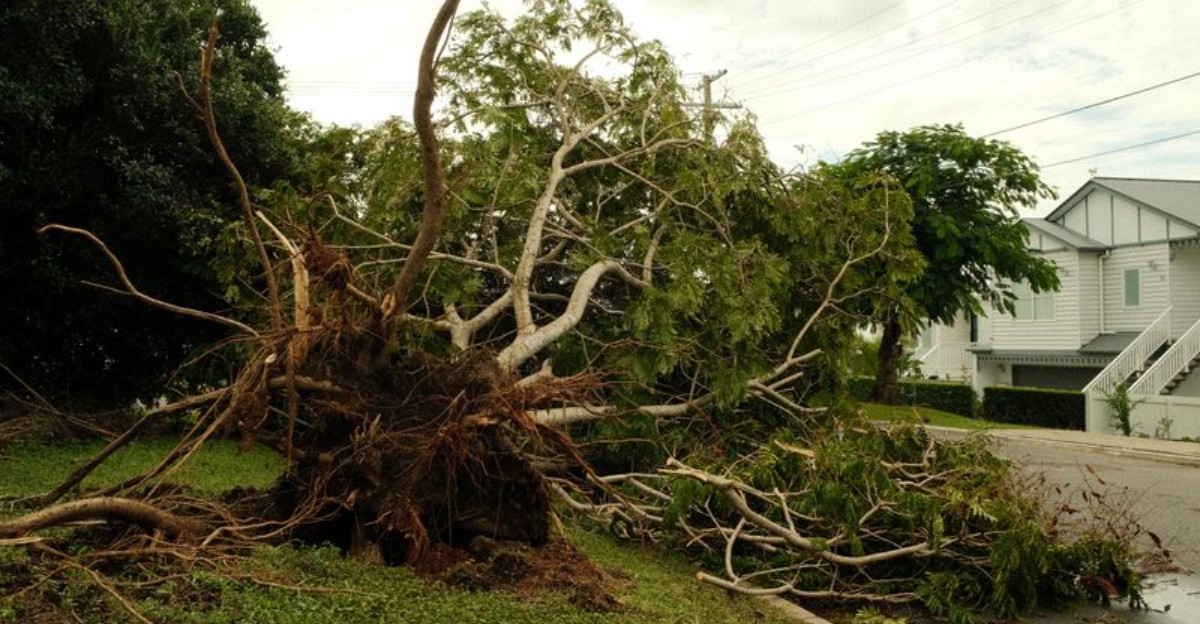
The morning after a fall Nor’easter has a strange, heavy kind of quiet. The rain finally stops, the wind backs off, and then you spot a branch dangling where it shouldn’t be.
That calm can fool you, because storm damage often hides in plain sight for days. A tree that looks fine on Sunday can drop a limb on Wednesday, usually onto something expensive.
Trees across New York still hold most of their leaves this time of year, so they catch every gust like a sail. Soaked soil loosens roots, while cracks and splits rarely announce themselves right away.
A slow walk around your property is one of the smartest moves after a big storm. You just need patience and a willingness to look up, look down, and study every trunk.
The warning signs below are worth checking before you grab a rake or a saw. Each one includes practical tips on what to do and when to call a certified arborist instead.
1. Look For Cracked Limbs Hanging Over Walkways
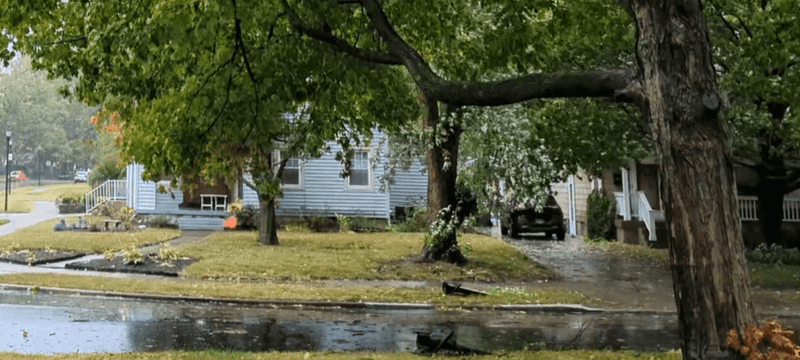
A dangling limb is the quiet troublemaker of any storm cleanup. It hangs there looking harmless, then lets go at the worst possible moment.
Start your walk-through by checking paths, driveways, and the spot where kids wait for the bus. Anything cracked and suspended overhead should be treated as an active hazard.
Arborists sometimes call these hangers, and they fall without warning. Wind, melting snow, or a simple shift in weight can release them in seconds.
The International Society of Arboriculture recommends handling split, torn, or broken branches promptly. Waiting rarely improves the situation and often makes it worse.
Look for bark peeled back where the limb joined the trunk. A pale, stringy tear means the wood has already given up.
Rope off the area with cones, chairs, or bright tape until help arrives. Neighbors and delivery drivers will thank you for the warning.
Plenty of homeowners try to knock hangers down with a rake or a pole. That puts you directly beneath hundreds of pounds of unpredictable wood.
Keep cars parked away from the drip line until the limb is removed. A dented hood beats a hospital visit, but you can avoid both.
Take a slow lap around each tree instead of glancing from the porch. Angles matter, and a broken limb often hides behind healthy growth.
Write down the location of each hanger you find. A short list saves time when you call a tree service.
Clear the walkway, not the branch. Safety first, cleanup second.
2. Check Trees For Newly Leaning Trunks
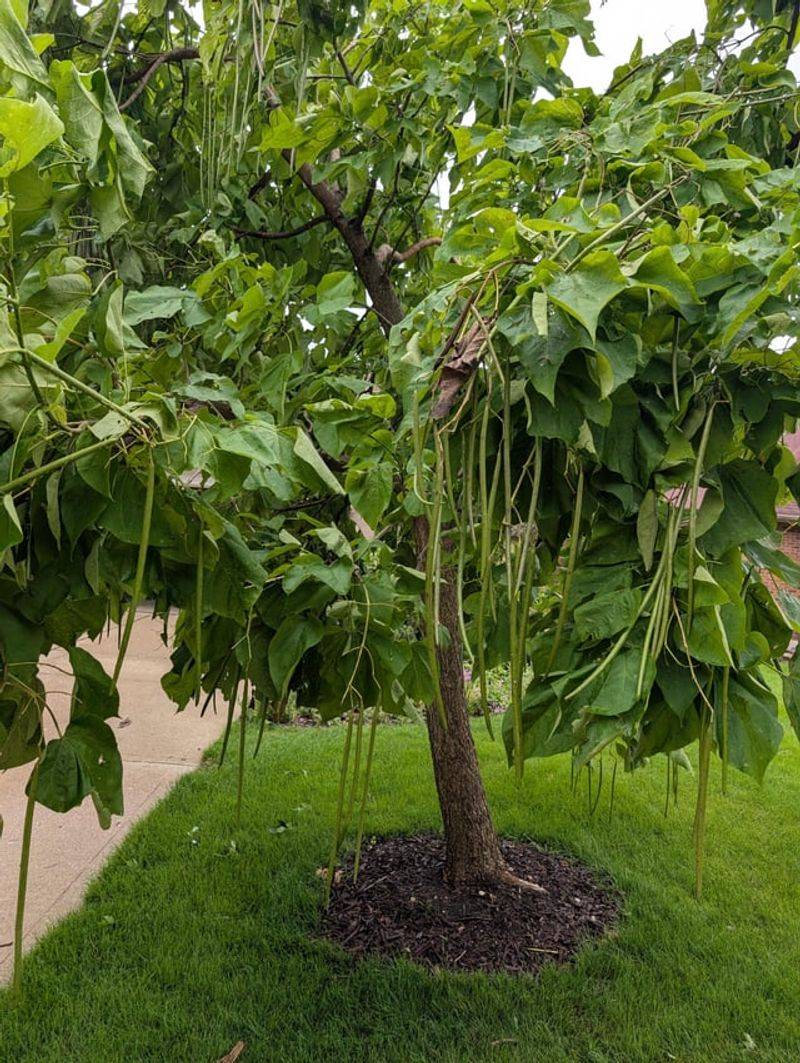
Trees lean for all sorts of reasons, and some leans are perfectly normal. A brand new tilt after a Nor’easter is a different story entirely.
Saturated soil is the culprit more often than wind alone. Water loosens the grip of roots, and the tree slowly loses its anchor.
Compare what you see now with old photos on your phone. Summer barbecue pictures are surprisingly useful evidence.
Walk to the base and study the ground carefully. Soil that has heaved, mounded, or cracked on one side signals roots pulling free underground.
Your New York Garden Changes Every Week. Your Plan Should Too.
Gardening in New York changes quickly throughout the season. Every Friday you’ll receive a simple weekly plan showing exactly what to plant, prune, fertilize, harvest, and protect so you never miss the right timing.
Grass lifting like a lid is a red flag. So is a fresh gap between the trunk and the surrounding earth.
Big trees near houses deserve the closest attention. A lean pointed toward your roof changes the urgency of the whole conversation.
Many New York properties sit on clay-heavy soil that holds water long after a storm passes. That slow drainage keeps roots vulnerable for days.
Resist the urge to straighten a leaning tree with straps or cables. Mature trees weigh far more than most people guess.
Mark the lean with a stake and string so you can track movement. Any increase over the following week means call someone quickly.
Keep foot traffic away from the side the tree leans toward. That zone is where things land if the root plate gives way.
A certified arborist can judge whether the tree stays or goes. Their assessment costs far less than the alternative.
3. Watch For Split Branches Near The Trunk
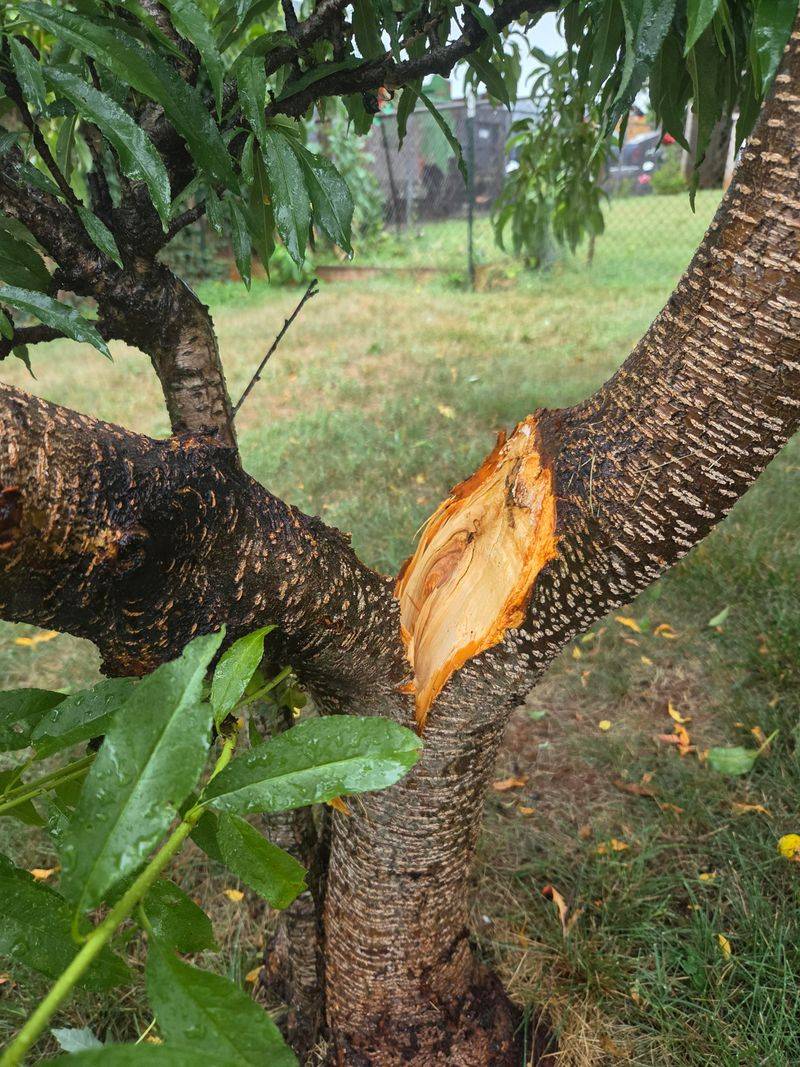
Here is a detail most people miss during cleanup. The scariest damage is not the branch on the lawn, it is the crack still attached to the tree.
Splits where a limb meets the trunk compromise the whole structure. The wood fibers that held everything together have torn apart.
Grab binoculars and scan the main union points. A dark seam or a gap you could slide a coin into tells you plenty.
Trees with V-shaped branch unions split more easily than those with sturdy U-shaped ones. Bradford pears and silver maples are famous offenders across neighborhoods.
Open wounds invite insects and fungus. Decay sets in quietly and weakens the limb from the inside out.
Failure does not follow a schedule. A split branch can hold for days or weeks, then come down on an ordinary afternoon.
Skip the wound paint and sealants you see at hardware stores. Research shows they trap moisture rather than helping the tree heal.
Photograph each split from two angles before anything changes. Insurance adjusters appreciate clear, dated evidence.
Small cracked branches within easy reach can be pruned cleanly back to the collar. Anything larger than your wrist or above shoulder height belongs to a pro.
Check again after the next windy day. Splits tend to widen, and measuring the change tells you how fast trouble is developing.
Trust your gut here. If a limb looks wrong, it probably is.
4. Inspect Roots Where Soil Has Shifted
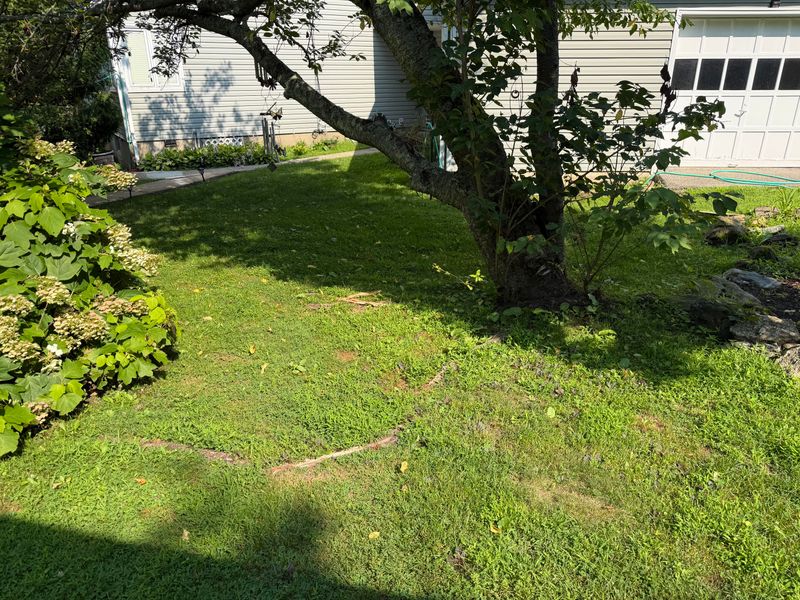
Roots do their work out of sight, which makes storm damage down there easy to overlook. The clues sit right at ground level if you know what to look for.
Mounded or heaved soil on one side of a trunk means roots have torn or shifted underground. The tree is telling you its foundation moved.
Get low and look at the whole circle around the base. Damage rarely shows up evenly.
Exposed roots deserve a careful look too, especially thick structural ones. Those are the cables holding a tall tree upright.
Standing water pooling near the trunk hints at a cavity where roots pulled away. That hollow fills fast during the next rain.
A tree that looks healthy above can still be unstable below. Root failure is a leading cause of trees toppling long after the wind subsides.
Older homes often have roots running under sidewalks and driveways. Cracked concrete that shifted during the storm is worth noting.
Avoid piling soil or mulch against the trunk to hide exposed roots. Buried bark rots and makes matters worse.
Keep heavy equipment and parked vehicles off the root zone while soil stays soft. Compaction adds stress the tree does not need.
Gentle watering during dry spells helps damaged roots recover. Slow and deep beats quick and shallow.
When in doubt, have an arborist probe the area. They can tell healthy roots from lost ones.
5. Look For Broken Branches Caught In The Canopy
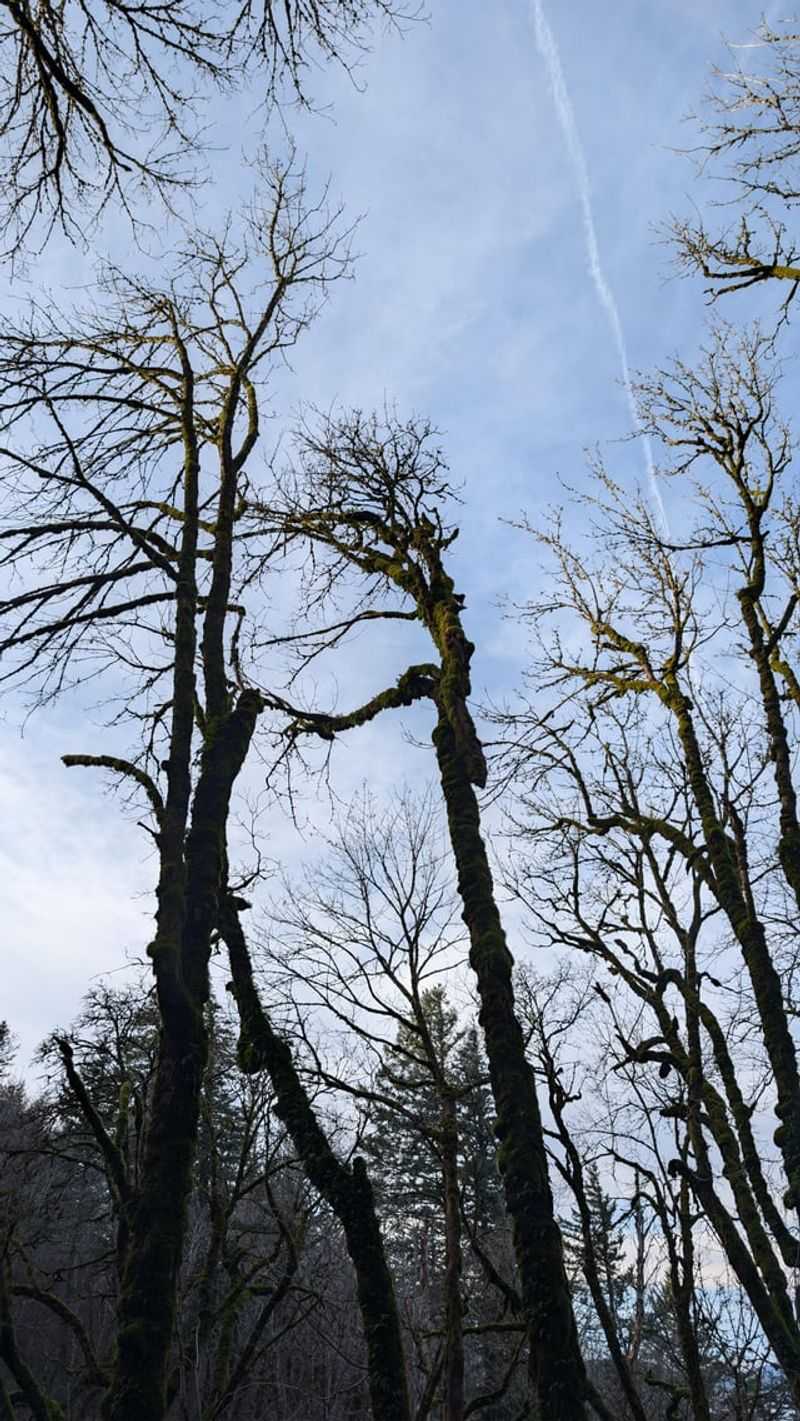
Tree crews have an old nickname for branches stuck up in the canopy, and it is not a cheerful one. Widowmaker says everything you need to know.
Broken limbs that never reached the ground sit wedged among other branches. Gravity is patient, and eventually it wins.
Scan upward slowly with the sun behind you. Snapped wood usually shows a pale, jagged end that stands out against darker bark.
Leaves can hide lodged limbs this time of year, so look from several angles. Check again once the leaves drop later this fall.
A lodged limb can shift with a light breeze. Direction and timing are anyone’s guess, which is exactly the problem.
Children’s play areas, dog runs, and patios under big trees should be off limits until the limb is down. Move furniture out of the strike zone.
Do not throw ropes, sticks, or snowballs at a suspended branch. People have been seriously hurt trying that shortcut.
Professional removal usually involves climbing gear or a bucket truck. Crews work from angles that keep them out of the fall path.
Around older properties with tall maples and oaks, one storm can leave several of these hidden overhead. Check every large tree, not just the obvious ones.
Flag the tree with tape so everyone in the household remembers. Memory fades fast once cleanup starts.
Call sooner rather than later. Good crews book up quickly after a Nor’easter.
6. Check Shrubs For Snow And Wind Damage
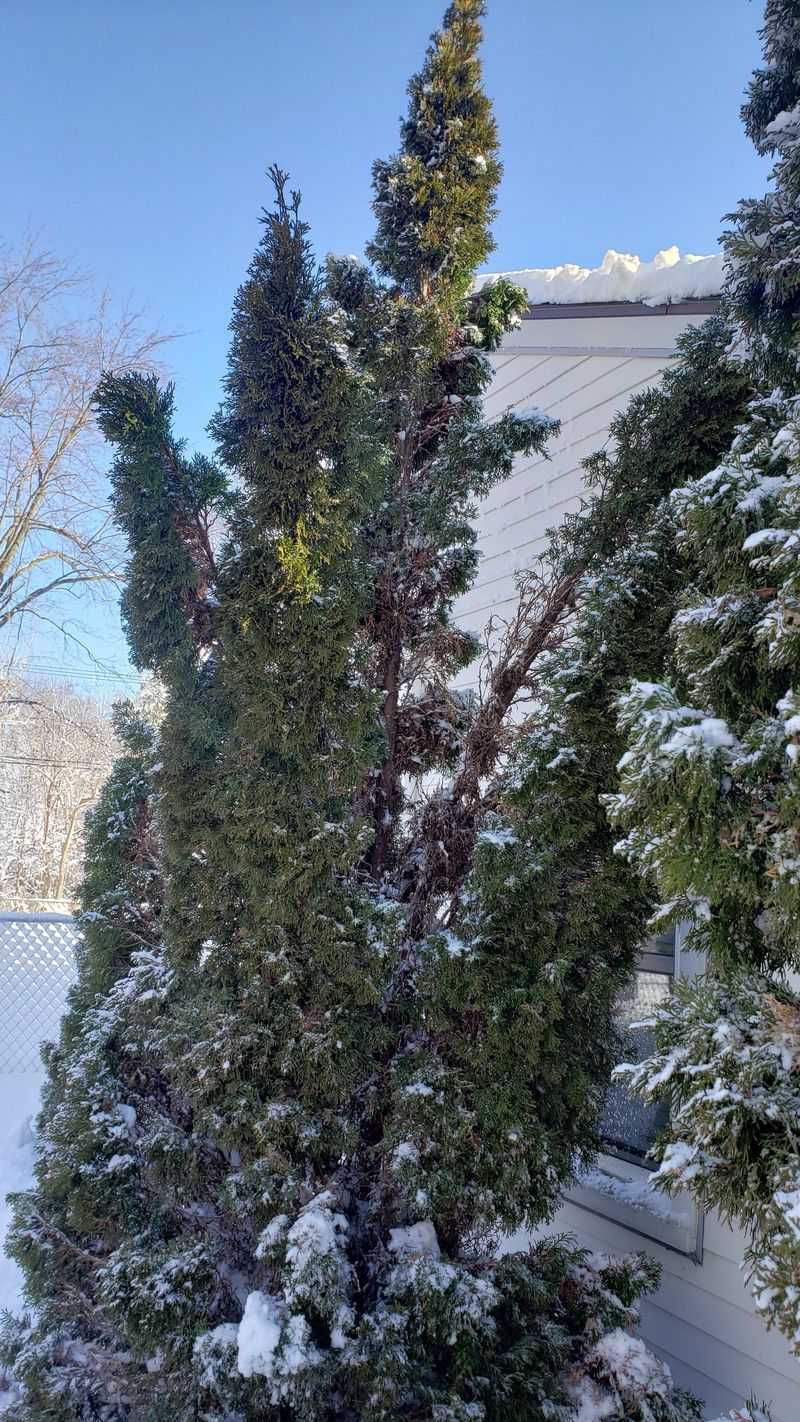
Shrubs take a beating during a Nor’easter, yet they get ignored while everyone stares at the trees. Foundation plantings sit right where snow slides off the roof.
Heavy wet snow and ice bend branches until they crack. Wind finishes the job by whipping them back and forth.
Evergreens suffer most because they hold snow like a shelf. Yew and arborvitae are especially prone to splaying open at the middle.
Brush snow off gently with a broom, sweeping upward instead of downward. Pushing down snaps the very branches you are trying to save.
Frozen branches turn brittle and break easily. If ice has locked everything solid, let it melt on its own.
Damaged shrubs often grow back lopsided. Bare patches and misshapen tops can linger for a couple of seasons.
Hold off on heavy pruning until late winter or early spring. Cutting now exposes fresh wounds to freezing temperatures.
Broken and hanging pieces can come off right away for safety and appearance. Clean cuts just outside the damaged area work best.
Multi-stem arborvitae benefit from soft ties that pull the trunks back together. Old pantyhose or wide strapping avoids cutting into bark.
Next season, wrap vulnerable shrubs with burlap before the first big storm. New York winters reward homeowners who plan ahead.
Give struggling shrubs a year before replacing them. Many bounce back better than expected.
7. Keep Clear Of Trees Near Power Lines
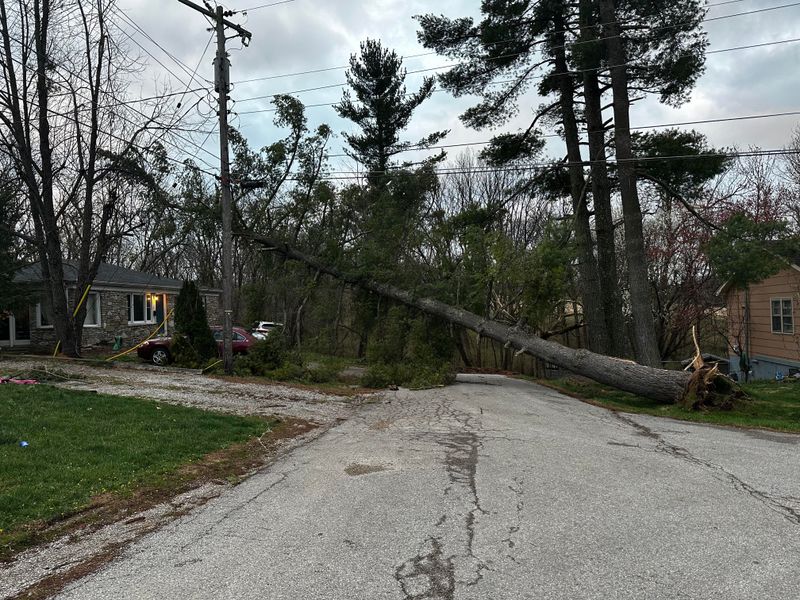
Some yard hazards give you a second chance. Anything touching a power line does not.
Limbs that fall across lines can bring wires down, trigger outages, or spark fires. Even a small branch resting on a conductor is dangerous.
Treat every downed wire as live, no matter how quiet or harmless it looks. Energized lines don’t always hum, spark, or announce themselves.
Stay at least thirty feet away and keep pets and children inside. Electricity can travel through wet ground and standing water.
Call your utility company right away, then let the fire department know if anything is smoking. Reporting fast helps crews prioritize.
Never prune, trim, or clear debris near overhead lines yourself. Ladders, poles, and metal tools conduct current instantly.
Utility companies serving New York handle vegetation on their side of the equipment. The rules vary, so a quick phone call clarifies who does what.
Fence sections, gutters, and metal railings touching a fallen wire become dangerous too. Give the whole area a wide berth.
If a line falls on your parked car and someone is inside, they should stay put until help arrives. Leaving the vehicle is the risky part.
Photograph the scene from a safe distance for your records. Zoom lenses exist for exactly this reason.
Patience beats heroics here. Wait for trained crews with the right gear.
8. Leave Large Dangerous Limbs To A Professional
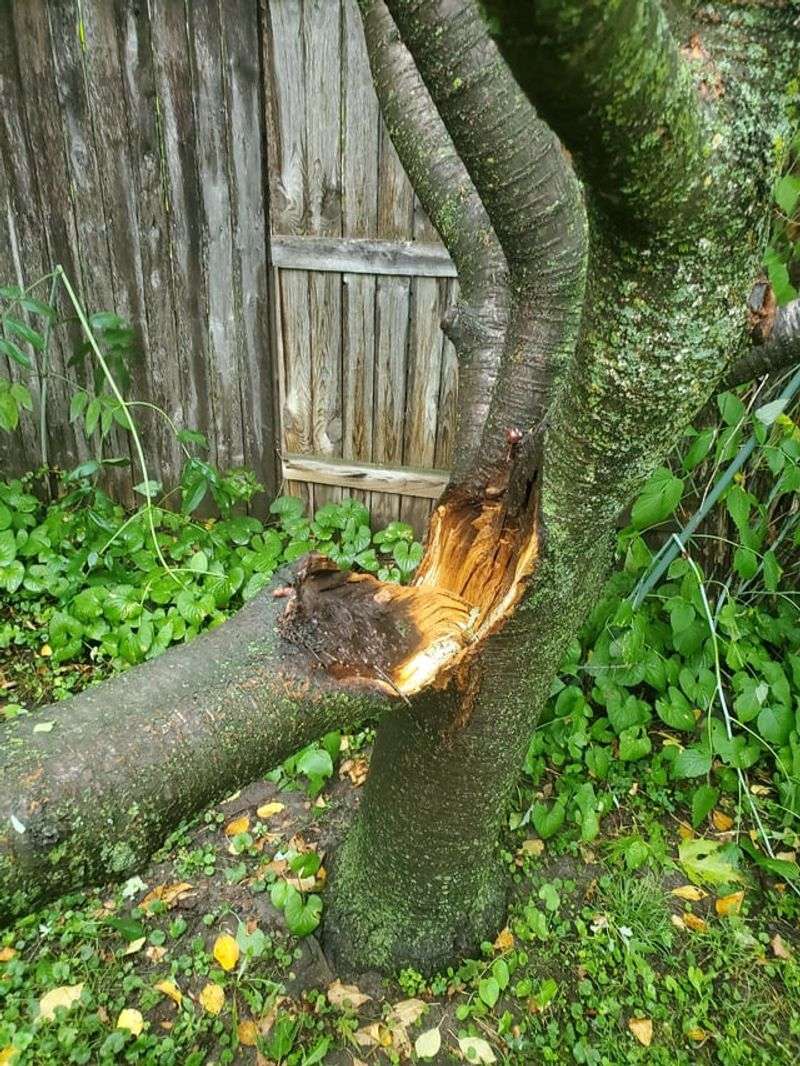
Chainsaw confidence peaks the morning after a storm, and emergency rooms notice. Storm-damaged wood behaves nothing like a firewood log.
Broken limbs hold hidden tension. Cut the wrong spot and the branch springs, pinches the bar, or swings back hard.
Height multiplies every risk. Working from a ladder with a running saw removes your balance and both hands at once.
Certified arborists train for exactly these situations. They read tension, plan cuts, and rig heavy pieces down instead of dropping them.
Look for ISA certification and proof of insurance before hiring anyone. Ask for the certificate directly from the insurer if a crew seems vague.
Storm chasers roam New York neighborhoods after every big weather event. Door-knockers demanding cash upfront are worth skipping.
Get estimates in writing, even during a busy week. A clear scope prevents surprise charges once the work starts.
Reputable companies explain what they will remove and what stays. Honest crews sometimes tell you a tree can be saved.
Small branches you can reach with both feet planted are fair game for a homeowner. Set your limit and stick to it.
Keep the work zone empty while crews operate. Watching from a window is safer than supervising from the driveway.
Hiring help costs money, but roof repairs cost considerably more. The math usually favors the professional.