The September Task That Helps Michigan Ninebark Thrive Next Year
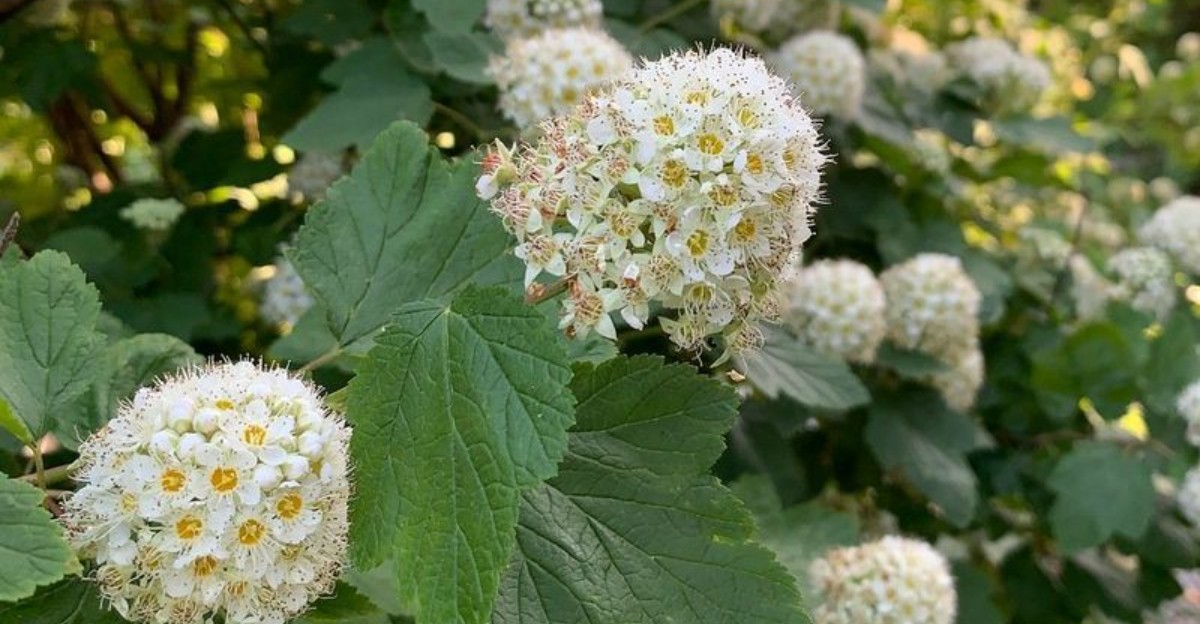
Ninebark has become a popular choice in Michigan landscapes for its colorful foliage and hardy nature, but one task this September plays a real role in how well it performs next year.
As the shrub transitions out of active summer growth, its needs shift in ways that are easy to overlook if care simply continues as it did all season.
Skipping this step can leave ninebark more stressed heading into winter, even if it looked completely healthy just weeks earlier.
Because this shrub responds well to attentive fall care, addressing its needs now can set it up for fuller, more vibrant growth once spring arrives. A little effort this September pays off in a stronger, healthier ninebark next year.
1. Check Soil Moisture Before Winter
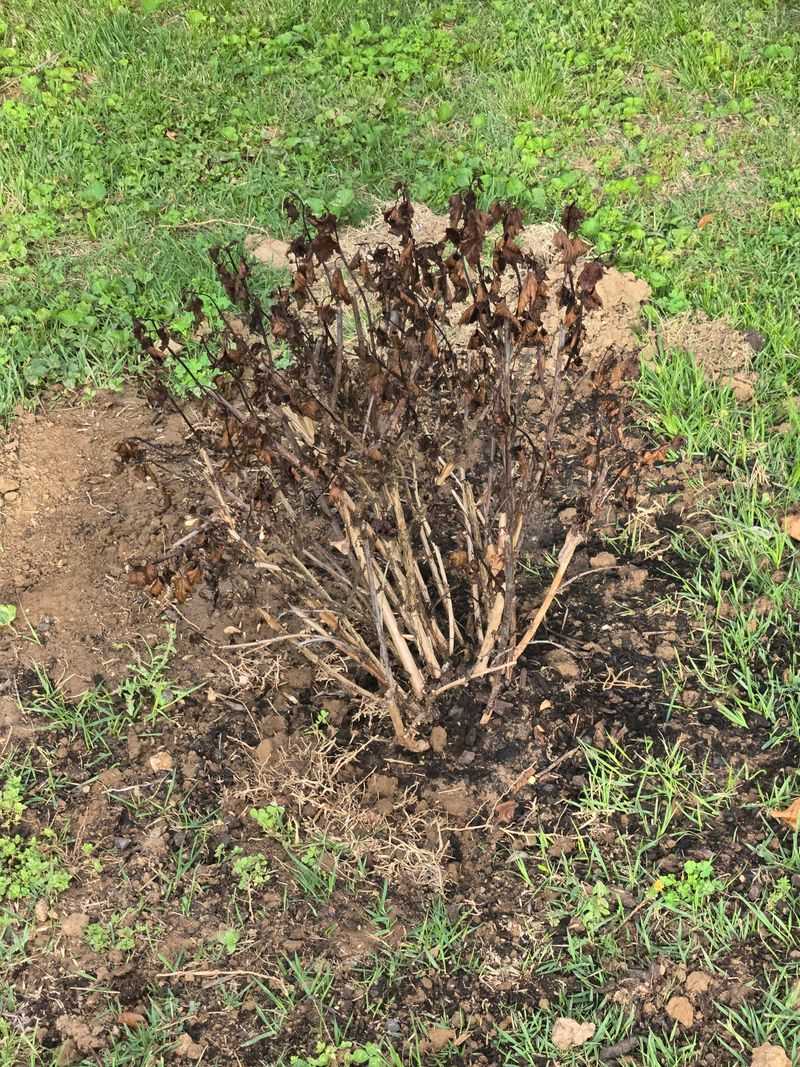
Roots that go into winter thirsty have a much harder time bouncing back in spring. Michigan often has dry stretches in late summer and early fall, and that dryness can stress your ninebark right when it needs to store energy.
Give the soil a quick test by pushing your finger a few inches down near the base of the shrub. If it feels dry and crumbly, your ninebark is asking for a drink. Moist soil, on the other hand, means the roots are already in good shape.
Watering deeply before the ground freezes helps the plant hold on to what it needs during the cold season. A slow, steady soak works far better than a quick splash, since it lets water sink down where the roots live.
Well-hydrated roots handle freezing temperatures with far less trouble. They stay plump and healthy instead of drying out when cold winds blow across your yard.
Aim to water once a week if rain has been scarce, and stop once the ground starts to freeze solid. This timing gives the shrub a strong start without leaving water sitting around during a hard freeze.
Think of this step as filling the tank before a long road trip. A ninebark that heads into winter with plenty of moisture will reward you with fuller leaves and stronger stems when the warm days return.
2. Avoid Heavy Fall Pruning
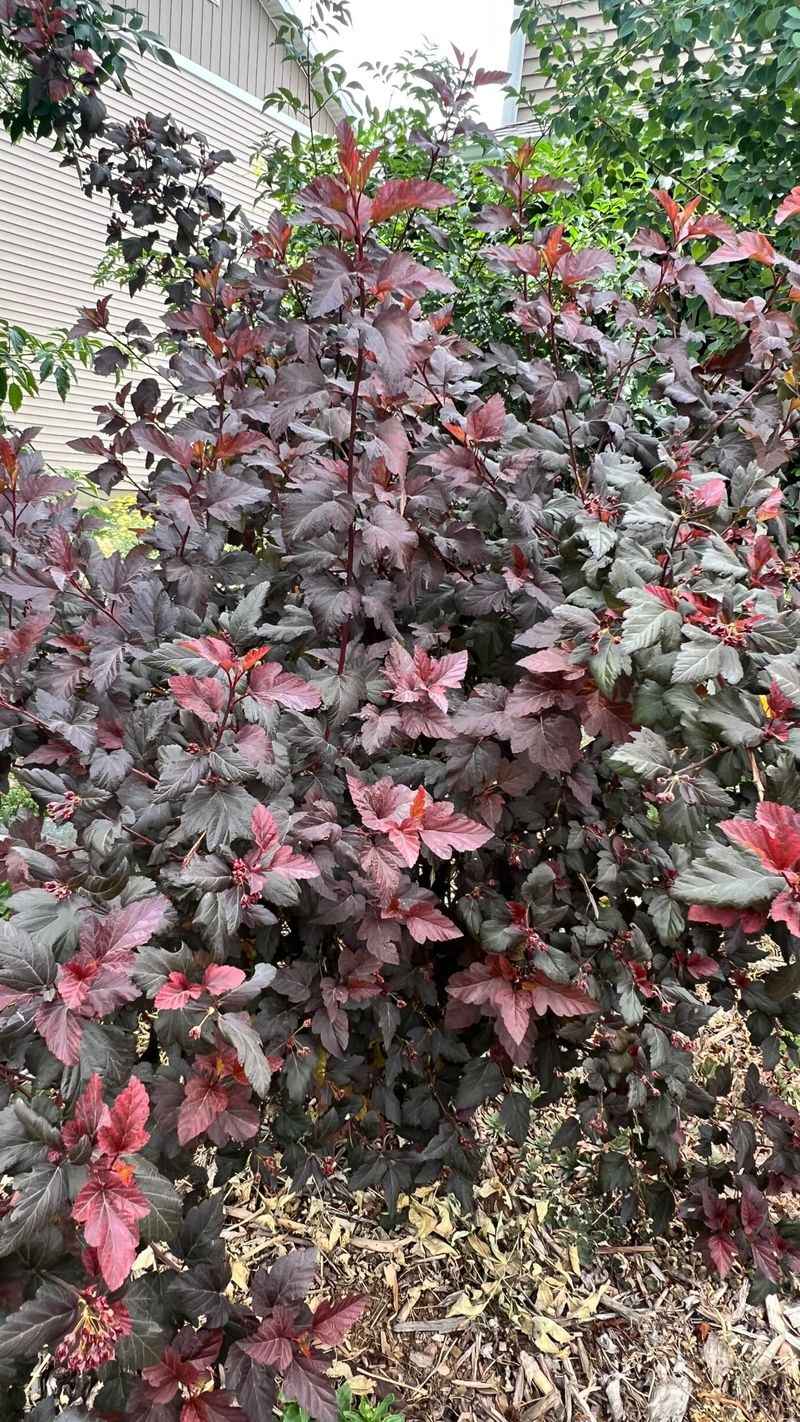
It can be tempting to grab the shears and shape your shrub before winter, but September is the wrong time for big cuts. Heavy pruning now can do more harm than good.
When you trim large amounts in fall, you remove healthy growth that the plant worked all summer to build. That growth holds energy the shrub needs to survive the cold months ahead.
Big cuts can also lower the number of flowers you see next year. Ninebark sets some of its buds early, and slicing away branches means slicing away future blooms.
Another problem is timing. Pruning tells the plant to grow, and new shoots that pop up in fall are too tender to handle frost. Soft young growth gets damaged quickly once the temperature drops.
Save your shaping work for late winter or early spring instead. During that window, the shrub is resting and can heal cuts without wasting stored energy.
Your Michigan Garden Changes Every Week. Your Plan Should Too.
Gardening in Michigan changes quickly throughout the season. Every Friday you’ll receive a simple weekly plan showing exactly what to plant, prune, fertilize, harvest, and protect so you never miss the right timing.
If your ninebark looks a little wild right now, try to be patient. A slightly messy shape in fall is completely normal and will not hurt the plant at all.
Think of September as a time to observe rather than snip. Walk around your shrub, notice its shape, and jot down what you might trim later.
By holding off on heavy pruning, you let your ninebark keep its full strength. Come spring, it will reward your patience with thick, healthy growth and plenty of cheerful blooms.
3. Remove Only Dry Or Damaged Branches
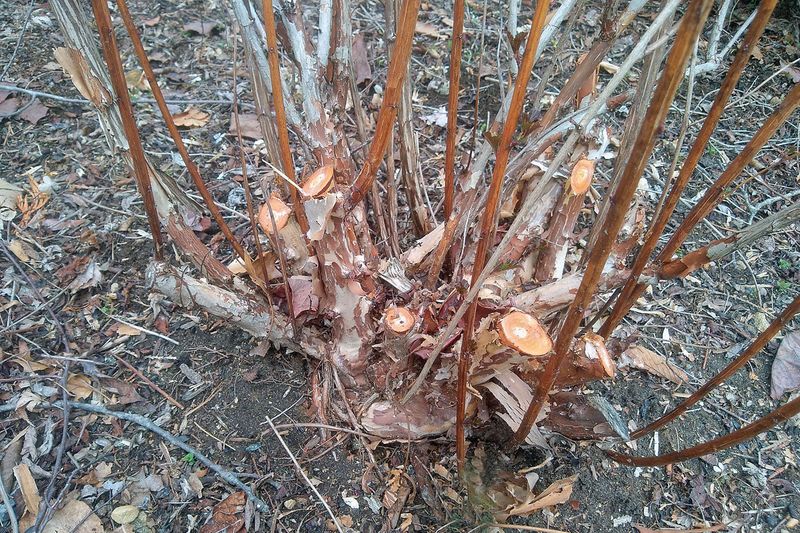
Not all cutting is off-limits in September. There is a big difference between shaping a shrub and simply cleaning it up.
Broken, damaged, or diseased branches do nothing good for your ninebark. They drain energy and can spread problems to healthy parts of the plant if you leave them alone.
Look for branches that snapped in a storm, ones with strange spots, or stems that feel dry and brittle. These are the pieces worth removing before winter settles in.
Taking out troubled branches lets the shrub focus its energy where it counts. Instead of trying to support weak wood, the plant sends its strength to the parts that will thrive.
Cleaning up diseased stems also helps stop the spread of trouble. Fungus and pests often hide in damaged wood, so clearing them out keeps your whole shrub healthier.
Use clean, sharp tools when you cut. Wiping the blades with rubbing alcohol between snips keeps you from moving disease from one branch to another.
Make your cuts close to a healthy joint or the main stem, but do not tear the bark. A smooth cut heals faster and looks tidier too.
Toss the removed branches in the trash rather than the compost pile, especially if they carried disease. That small step keeps problems from circling back around.
This kind of gentle cleanup is safe any time of year. By pulling out only the troubled wood, you help your ninebark head into winter clean, strong, and ready for spring.
4. Add A Protective Mulch Layer
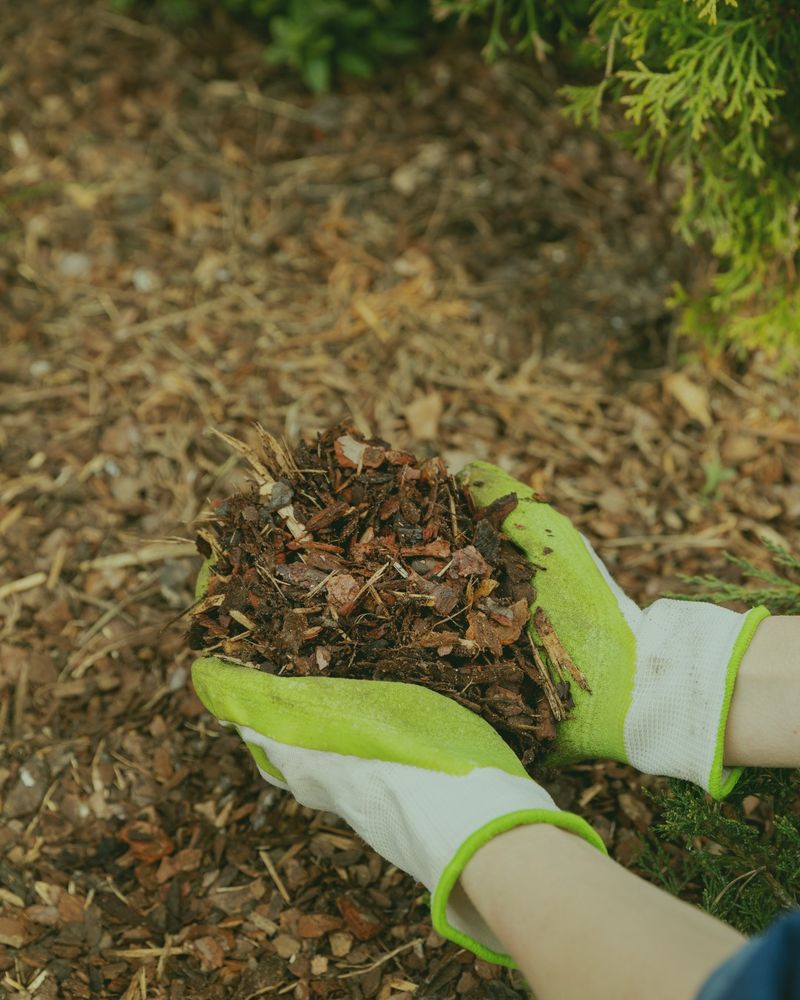
A cozy blanket of mulch is one of the kindest things you can give your ninebark before winter. It works quietly all season to protect the roots.
Organic mulch, like shredded bark or wood chips, holds moisture in the soil. That means the roots stay hydrated even when rain becomes rare.
Mulch also acts like insulation. It keeps the soil temperature steady, so the roots do not swing wildly between warm and cold as the weather changes.
Michigan winters bring plenty of freeze-and-thaw cycles. When soil freezes and thaws over and over, it can shift and push roots around, which stresses the plant.
A good mulch layer softens those swings. It slows the freezing and thawing, giving roots a calmer, more stable place to rest through the cold months.
Spread a layer about two to three inches thick around the shrub. Too little will not help much, and too much can trap moisture in ways you do not want.
Fall is a great time to refresh old mulch that has broken down over the summer. A fresh top-up keeps the protection strong all winter long.
As a bonus, mulch slowly feeds the soil as it breaks down. That means better dirt and happier roots for years to come.
By tucking your ninebark in with a fresh mulch layer, you give it a real head start. When spring arrives, those well-protected roots will push out healthy new growth with ease.
5. Keep Mulch Away From The Stem Base
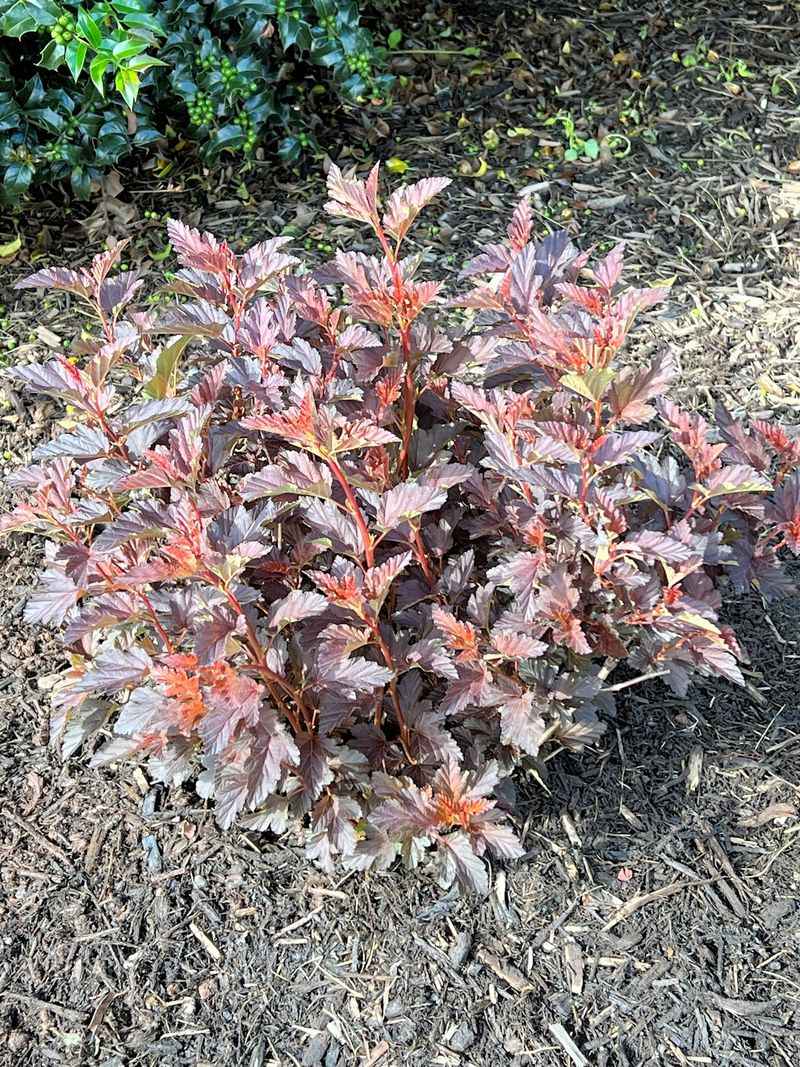
Mulch is wonderful, but where you place it matters just as much as how much you use. Piling it against the stems can cause trouble you did not expect.
When mulch touches the crown or base of the shrub, it traps moisture right where the stems meet the soil. That constant dampness can lead to rot and soft, weak wood.
Think of a donut shape instead of a volcano. Spread the mulch in a wide ring around the plant, but leave a small open gap right around the stem.
That little gap lets air reach the base of the shrub. Good airflow keeps the crown dry and lowers the chance of disease sneaking in.
Wet, packed mulch against the stems can also invite pests. Insects and rodents love to hide in that cozy, damp spot close to the plant.
Keeping mulch pulled back a couple of inches solves all of these problems at once. It is a tiny change that makes a big difference.
Take a moment to check your mulch after you spread it. If any has drifted against the stems, gently pull it away with your hands or a rake.
This simple habit protects the most important part of your ninebark. A healthy crown means strong stems and a shrub that stands up well to winter.
By keeping mulch in a neat ring, you get all the moisture and warmth benefits without the risks. Your ninebark stays dry where it counts and protected where it needs it.
6. Avoid Late Fertilizer Pushes
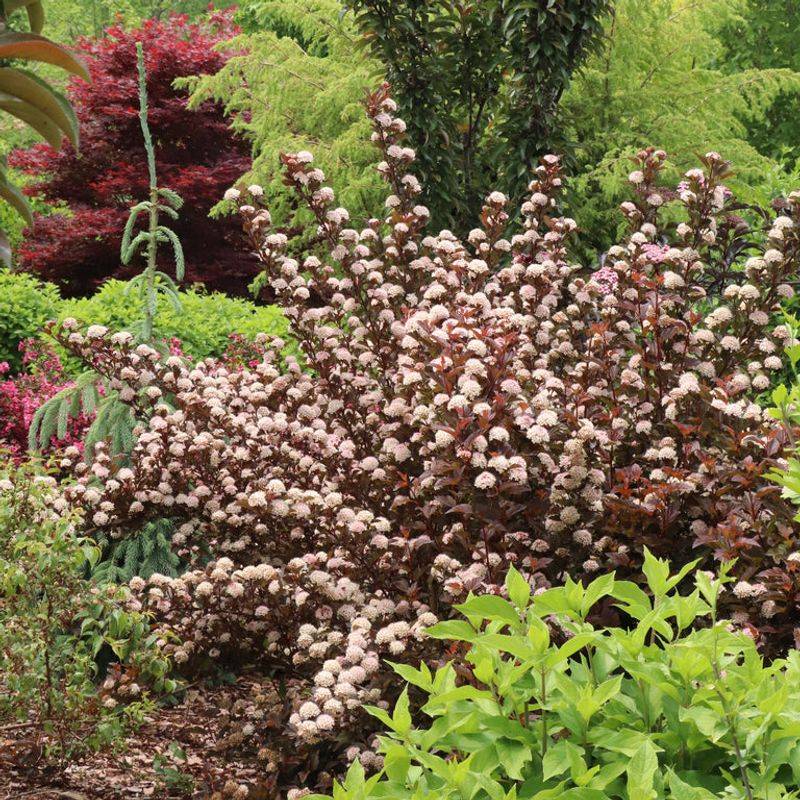
Feeding your plants sounds helpful, but in September it can backfire on your ninebark. Established shrubs simply do not need a big meal this late in the year.
Fertilizer tells a plant to grow, and fresh growth in fall is exactly what you want to avoid. Those tender new shoots have no time to toughen up before frost arrives.
Soft, young growth gets damaged quickly by cold weather. Instead of helping, a late feeding can leave your shrub weaker heading into winter.
A healthy, established ninebark already has what it needs stored in its roots. It is getting ready to rest, not to sprint into a growth spurt.
Pushing new growth also wastes the plant’s energy. That energy would be far better saved for surviving winter and bursting out strong in spring.
If your shrub looks pale or struggled all summer, wait until spring to feed it. That is the natural time for a growth boost, when new shoots can grow safely.
Compost is a gentler option if you feel the urge to nourish the soil. A thin layer works slowly and will not force a sudden growth push.
Let your ninebark follow its natural rhythm instead. Fall is for slowing down, and forcing the opposite only creates problems.
By skipping the late fertilizer, you help your shrub settle into a calm, restful state. When warmer days return, it will wake up ready to grow strong and full, right on its own healthy schedule.
7. Check For Stress From Summer Conditions
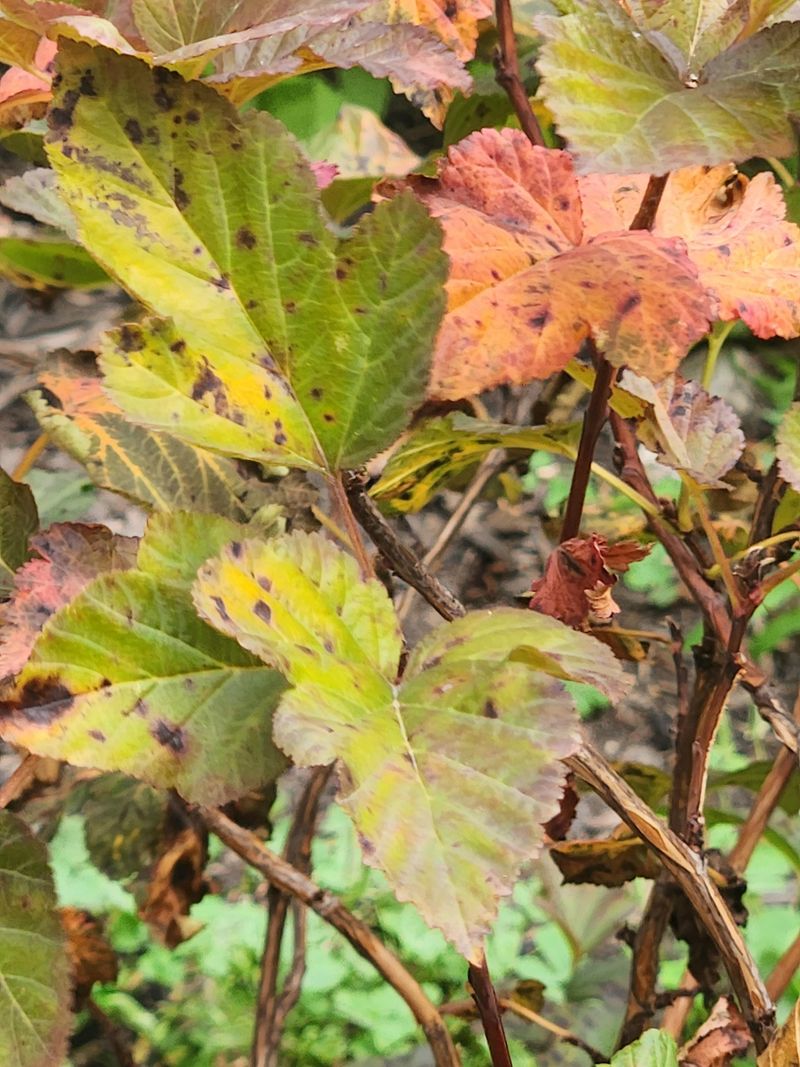
Summer can be rough on shrubs, and September is the perfect time to see how your ninebark held up. A quick health check now can save you headaches later.
Long dry spells, blazing heat, hungry pests, and disease all leave clues behind. Spotting those clues early gives you a chance to help before winter makes things worse.
Start by looking at the leaves. Wilting, curling, or odd-colored spots can point to drought stress or a disease that needs attention.
Next, check the stems and undersides of leaves for pests. Tiny bugs, webbing, or chewed edges tell you something has been snacking on your shrub.
Drought-stressed plants often look tired and thin. If yours does, deep watering can help the roots recover before the cold sets in.
Disease shows up as spots, powdery coatings, or branches that look off. Removing affected parts keeps trouble from spreading during winter.
Taking notes during your check is a smart move. Writing down what you see helps you plan better care for next season.
A stressed shrub heading into winter is more likely to struggle. A healthy one, on the other hand, has a much easier time resting and recovering.
Think of this as a yearly wellness visit for your ninebark. A few minutes of looking closely can catch small problems before they grow big.
By checking for summer stress now, you give your shrub the support it needs. Addressing issues in fall means a stronger, happier plant waiting for you in spring.
8. Let The Shrub Prepare Naturally For Winter
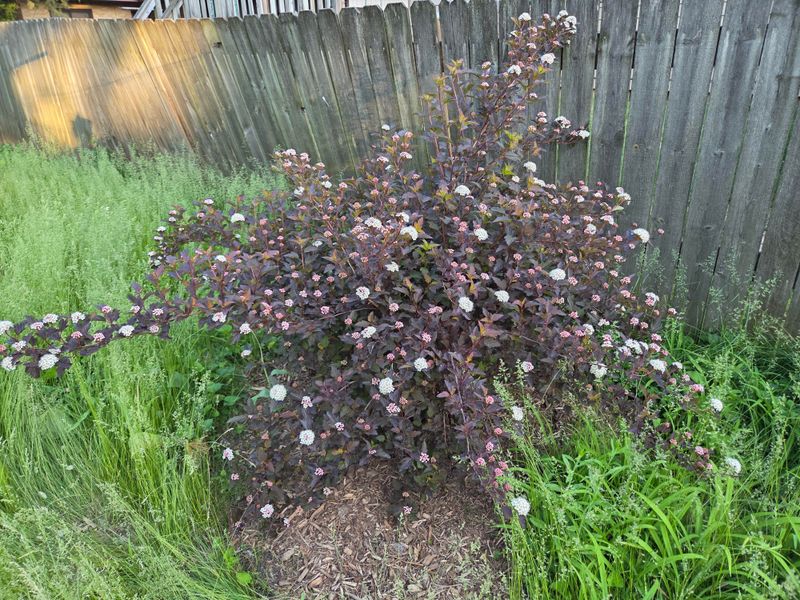
After all your careful work, the best final step is often to step back. Your ninebark knows how to get ready for winter, and it does this best when you let nature lead.
Everything you have done so far sets the stage. Steady moisture, protected roots, gentle cleanup, and no heavy pruning all work together to support the plant.
As the days grow shorter, the shrub naturally slows down. This resting state, called dormancy, helps it save energy for the season ahead.
Fighting that natural rhythm only causes stress. Constant fussing, extra feeding, or big cuts can throw off the plant’s careful preparation.
Trust the process instead. A ninebark that enters dormancy calmly will store up strength and wait quietly through the cold months.
Fallen leaves and slowing growth are normal signs, not warnings. Your shrub is simply doing what it has done for ages to make it through winter.
The care you gave in September pays off when spring arrives. Well-hydrated roots and protected crowns push out fresh, healthy growth once the warmth returns.
You might even notice stronger stems and fuller foliage than the year before. That is the reward for letting the plant follow its own path.
Gardening is often about knowing when to act and when to wait. Fall is one of those times when patience truly matters.
By preparing well and then stepping aside, you give your Michigan ninebark the best of both worlds. It rests safely now and returns lively, colorful, and full of life next spring.