These Are The Yard Conditions That Make Michigan Gardens A Perfect Habitat For Ticks
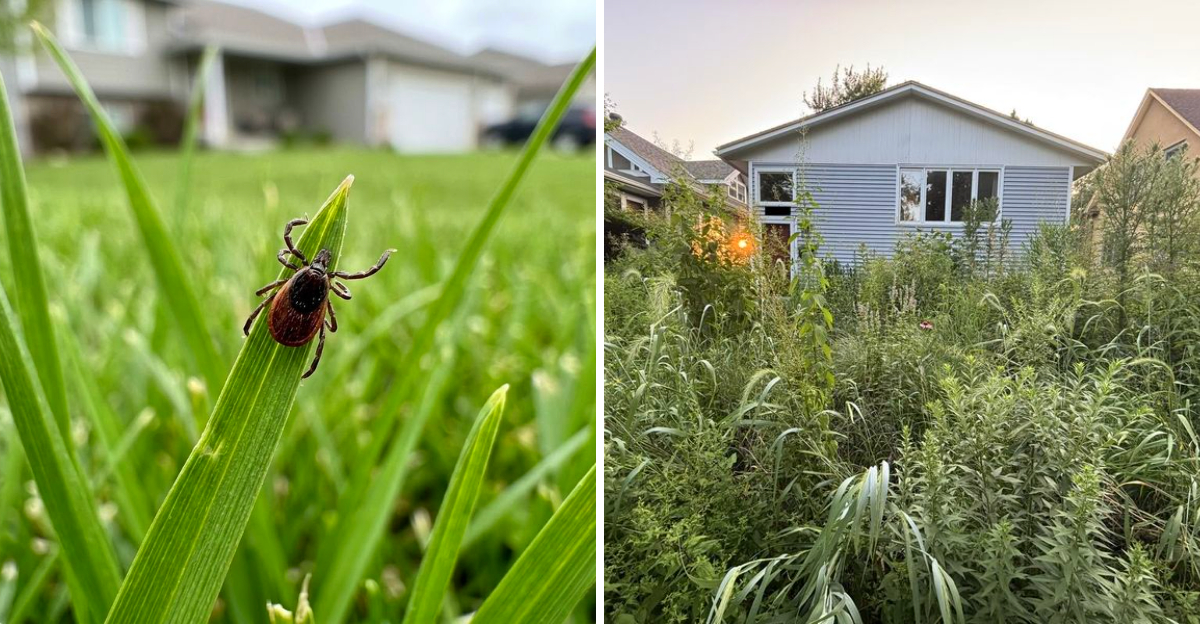
Most Michigan homeowners picture a tick problem as something that happens in deep woods or on overgrown rural properties. Then they find one on the dog after an afternoon in the backyard and the whole assumption falls apart.
Average yards in average neighborhoods can offer ticks a surprisingly comfortable setup, and it usually comes down to a handful of conditions working together rather than any single obvious problem.
Shaded spots that stay damp, leaf litter that piles up along garden edges, brushy corners that wildlife move through regularly – these are not dramatic landscaping failures.
They are just ordinary yard features that happen to work in a tick’s favor. Recognizing them is the first step toward making small adjustments that add up to a noticeably safer outdoor space.
1. Tall Grass Along Yard Edges
Long, unmowed grass along the edges of a yard is one of the most common conditions that can make a Michigan outdoor space more welcoming to ticks.
Grass that reaches several inches tall creates a shaded, humid microenvironment at ground level, which is exactly the kind of shelter ticks tend to seek out between hosts.
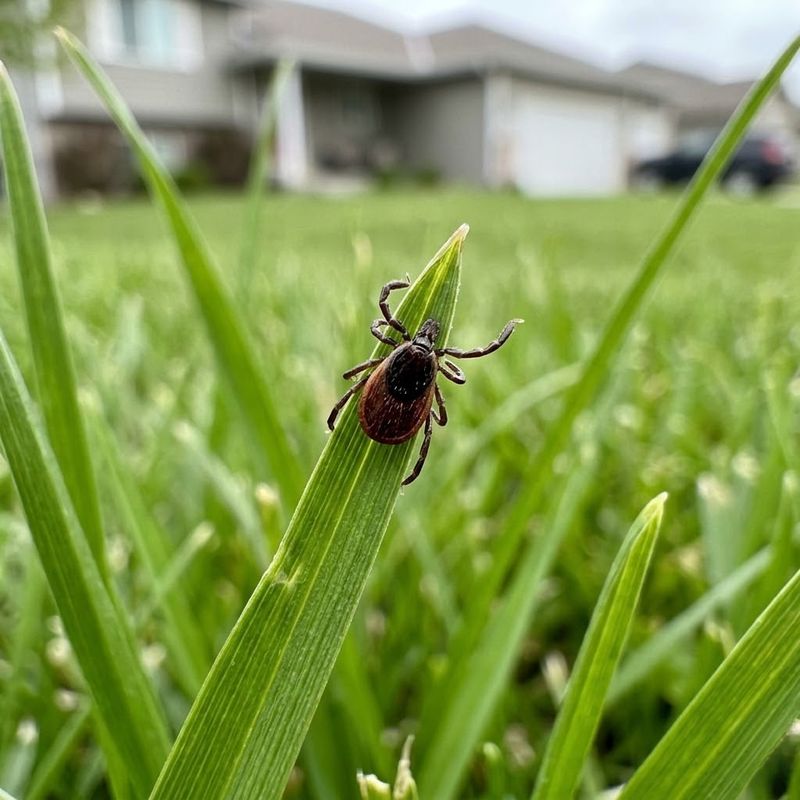
Ticks do not jump or fly. They practice a behavior called questing, where they climb grass blades or stems and wait with their legs extended, ready to grab onto a passing person or animal.
Tall grass near yard edges, fence lines, or garden borders gives them an ideal launching point for that kind of contact.
In Michigan, these grassy edges often develop along back fence lines, around utility boxes, near garden beds, or beside driveways where mowing is easy to skip.
Even a narrow strip of tall grass can serve as a bridge between natural areas and the lawn spaces where people and pets spend time.
Keeping grass mowed to a consistent height, especially along borders and transition zones, can help reduce the amount of sheltered habitat available near high-use areas.
2. Brushy Borders Near Lawns
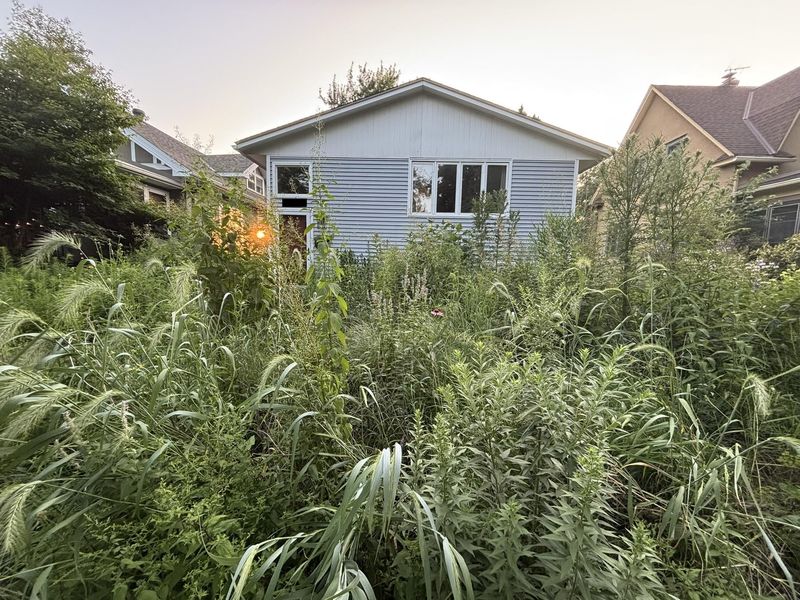
Brushy, overgrown border areas where shrubs, weeds, and low vegetation grow together without much management are some of the most tick-friendly spots a Michigan yard can have.
These tangled zones hold moisture, block sunlight, and provide cover for both ticks and the small animals that may carry them.
When a brushy border sits right next to a lawn, it creates a very short distance between where ticks rest and where people walk, play, or let their dogs roam.
That edge between maintained and unmanaged vegetation is often called a transition zone, and it tends to concentrate tick activity in a relatively small area.
Many Michigan homeowners have these kinds of borders without realizing how tick-friendly they can be.
They often develop naturally along property lines, beside garden sheds, around old stumps, or where ornamental plantings have grown together and spread over time.
Trimming back overgrown shrubs, removing weedy growth, and keeping some open space between managed plantings and wilder areas can help reduce the appeal of these borders.
The goal is not to clear everything, but to reduce dense, low-lying cover near places where people and pets move through regularly.
Your Michigan Garden Changes Every Week. Your Plan Should Too.
Gardening in Michigan changes quickly throughout the season. Every Friday you’ll receive a simple weekly plan showing exactly what to plant, prune, fertilize, harvest, and protect so you never miss the right timing.
3. Leaf Litter Under Trees And Shrubs

Few yard features create as comfortable a tick environment as a deep layer of undisturbed leaf litter. Fallen leaves trap moisture, block wind, and stay cool and shaded even on warm days, making them a reliable resting spot for ticks waiting between hosts.
Under trees and shrubs, leaf litter can build up quickly, especially in Michigan where autumn leaf drop is heavy and garden beds often go untouched through the colder months.
By spring, that accumulated layer can be several inches thick and home to all kinds of small invertebrates, including ticks that have been sheltering through winter.
The challenge is that many Michigan gardeners leave leaf litter in place intentionally because it provides habitat for beneficial insects and helps insulate plant roots.
That is a reasonable and ecologically sound choice in areas of the yard away from paths, patios, and play areas.
However, in spots where people or pets regularly pass through, raking out heavy leaf accumulations or using them as mulch in lower-traffic garden beds can reduce the amount of sheltered, damp habitat right where contact is most likely.
Even small adjustments in high-use areas can make a meaningful difference over a season.
4. Shady Moist Garden Pockets
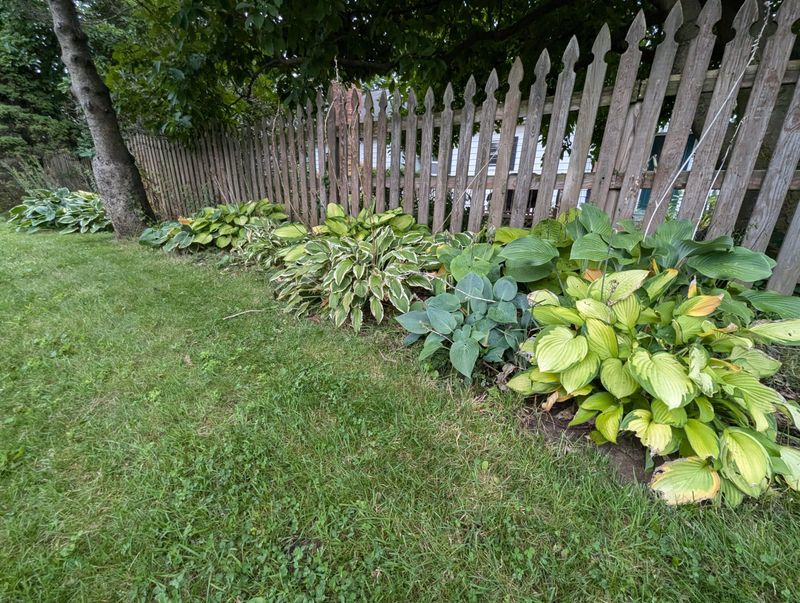
Shaded garden pockets that stay consistently damp are genuinely attractive to ticks.
Unlike open sunny areas where heat and dryness can be hard on them, shady spots with moist soil and dense ground cover offer the kind of stable, humid conditions that allow ticks to survive and remain active longer.
In Michigan gardens, these pockets tend to form on the north side of structures, under large shade trees, in low-lying areas where water collects, or in heavily planted beds filled with hostas, ferns, or other moisture-loving plants.
They are common features in well-established home landscapes and are not inherently problematic on their own.
The concern rises when these shady, moist areas sit close to paths, garden gates, seating areas, or spots where children and pets spend time.
A damp, shaded garden bed right beside a frequently used patio or walkway puts tick habitat in close contact with human activity.
Improving drainage in persistently wet spots, thinning out overcrowded ground covers, and creating a bit of airflow through dense plantings can help reduce moisture levels.
These adjustments do not require removing the garden, just managing it in a way that keeps conditions a little less hospitable to ticks near high-traffic zones.
5. No Dry Barrier Between Lawn And Woods
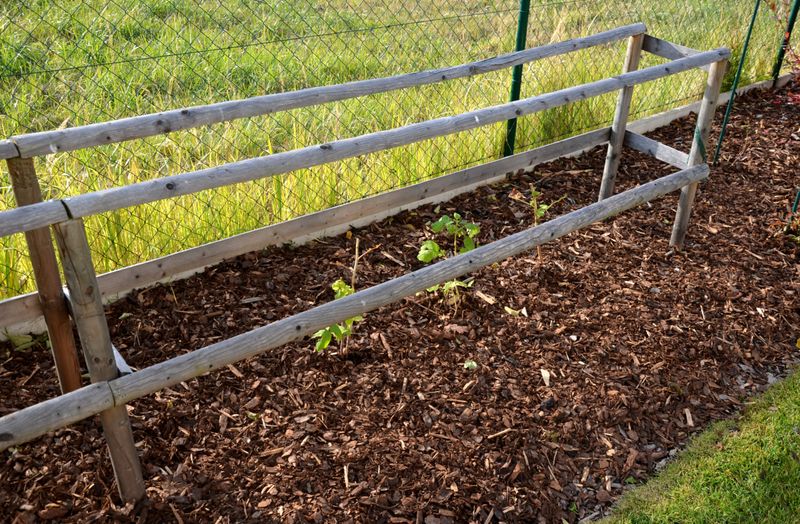
A yard that transitions directly from mowed lawn to wooded area without any kind of dry barrier in between offers very little resistance to tick movement.
Ticks associated with wooded or brushy areas can move gradually into lawn spaces, especially when there is nothing to slow them down or create an unfavorable environment at the boundary.
Public health and extension guidance often recommends placing a strip of wood chip mulch or gravel between lawn areas and wooded borders. That kind of dry barrier creates a zone that ticks tend to avoid because it is exposed, warm, and lacks the moisture they need.
It also signals a clear visual boundary that reminds people and kids to stay on the lawn side when possible.
In Michigan, where many residential lots edge up against natural areas, this kind of barrier is a practical and low-effort option that fits well into a normal yard maintenance routine.
The strip does not need to be wide to be useful, though a few feet of coverage is generally more effective than a narrow line.
Keeping the barrier free of leaf debris and maintaining the mowed lawn edge beside it helps preserve its effectiveness over the growing season. It is one of the simpler structural adjustments a homeowner can make.
6. Wood Piles Or Debris In Damp Shade
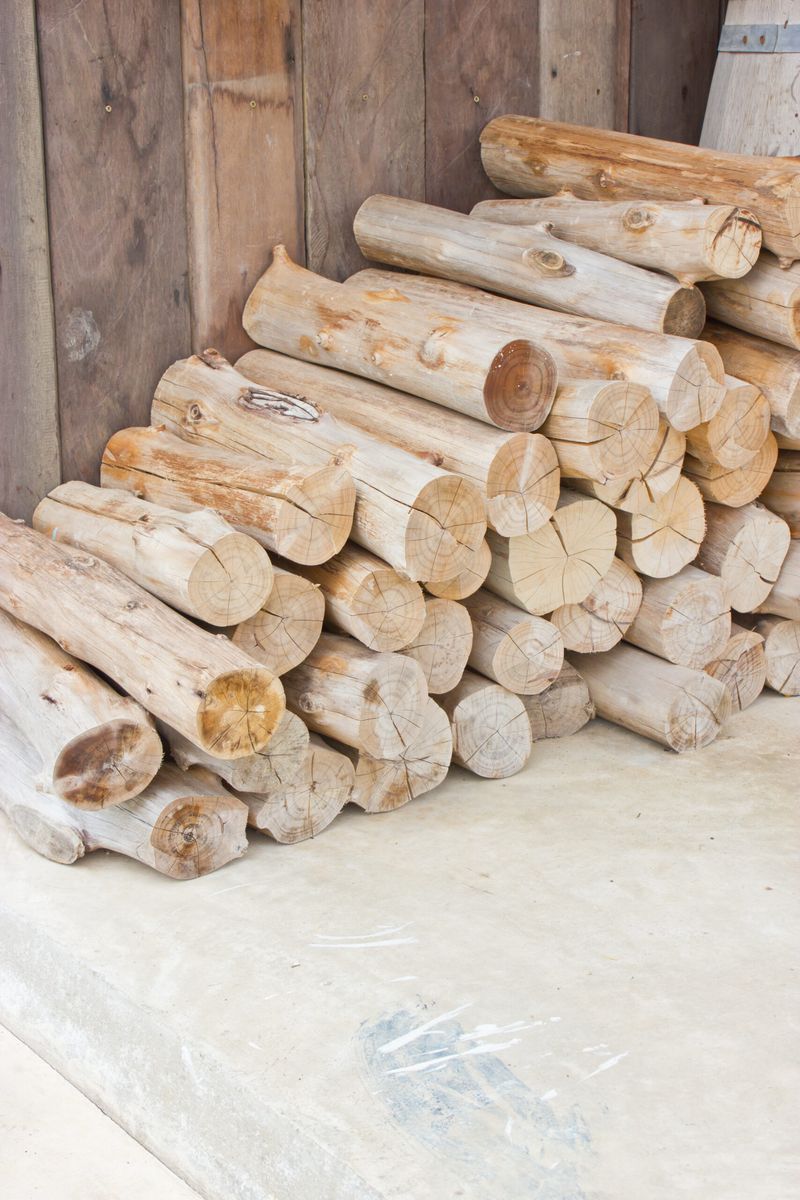
Stacked firewood, old lumber, and yard debris stored in shaded, damp corners of a yard can quietly become some of the most tick-friendly spots on the property.
The spaces between stacked wood create sheltered, humid hiding spots that both ticks and small rodents tend to use, and that combination is worth paying attention to.
Small mammals like mice and chipmunks are known to use wood piles for shelter, and they can carry ticks that later move into the surrounding yard.
When wood piles sit in shaded, moist areas close to the house, garden beds, or spaces where children and pets play, that proximity increases the chance of tick contact during normal outdoor activity.
Moving firewood storage to a sunnier, drier location and keeping it elevated off the ground can help reduce how hospitable the pile is to both rodents and ticks.
Clearing out old debris, unused lumber, and accumulated yard waste from shaded corners removes shelter that would otherwise go unnoticed.
In Michigan, where firewood storage is a seasonal reality for many households, choosing where and how to stack it can be a simple but genuinely useful part of reducing tick-friendly habitat around the yard and garden.
7. Frequent Wildlife Traffic Through The Yard

Deer, raccoons, opossums, and other wildlife that pass through Michigan yards on a regular basis can introduce ticks into spaces that might otherwise have lower exposure.
Wildlife movement through a yard brings tick-carrying hosts into close contact with garden beds, lawn edges, and the areas near patios and paths where people spend time.
Deer are particularly well known for carrying certain tick species across large distances, and Michigan has a substantial deer population that moves through suburban and rural neighborhoods, especially during dawn and dusk hours.
A yard that deer visit frequently, whether to graze on garden plants or simply cut through on a regular route, may see higher tick pressure over time than a yard with less wildlife activity.
Noticing signs of wildlife traffic, such as tracks, browsed plants, or worn paths through garden borders, can help homeowners understand which areas of the yard may be seeing more host activity.
Fencing off kitchen gardens and ornamental beds can reduce deer browsing and limit how often large animals move through the most-used parts of the yard.
Keeping the yard tidy and reducing dense ground cover near entry points can also make the space a little less inviting to the smaller mammals that ticks commonly rely on between larger hosts.
8. Dense Unmanaged Plantings Near High-Use Areas
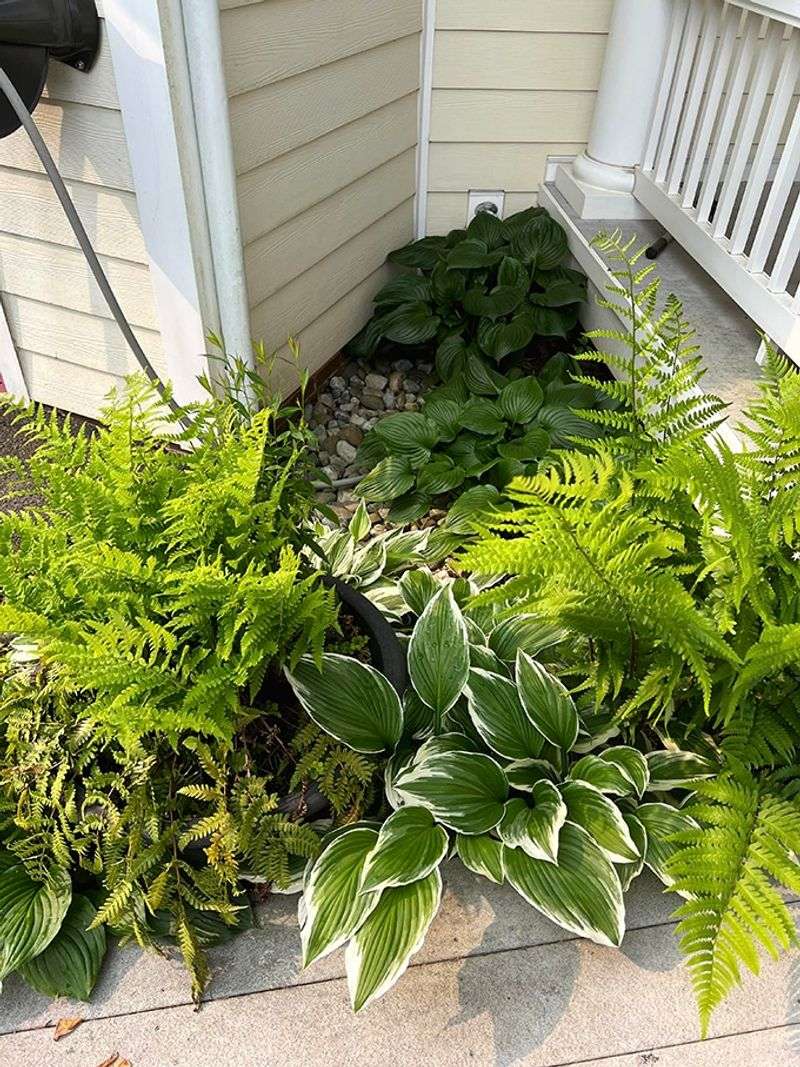
Ornamental gardens are one of the things that make Michigan yards beautiful, but dense, unmanaged plantings near patios, play areas, and frequently used paths can create pockets of sheltered, shaded habitat right where people and pets are most active.
When plantings become crowded and overgrown, they hold moisture, reduce airflow, and create layered ground-level cover that ticks can use comfortably.
The issue is not the plants themselves but how close that dense, sheltered growth gets to high-contact areas.
A heavily planted border that crowds a garden gate, a perennial bed that spills over a path, or foundation shrubs that have grown together into a continuous wall of foliage near a doorway all create conditions that bring tick-friendly habitat into routine human contact.
Thinning crowded plantings, cutting back shrubs that overhang paths or patios, and keeping some open space between garden beds and seating areas can help reduce this kind of exposure.
Michigan gardeners do not need to sacrifice a lush, layered garden to manage tick risk near their outdoor living spaces.
The goal is simply to keep the densest, most sheltered growth a reasonable distance from where people and pets spend the most time, especially during the warmer months when tick activity tends to be at its highest.
9. A Yard In A Higher-Risk Michigan Area
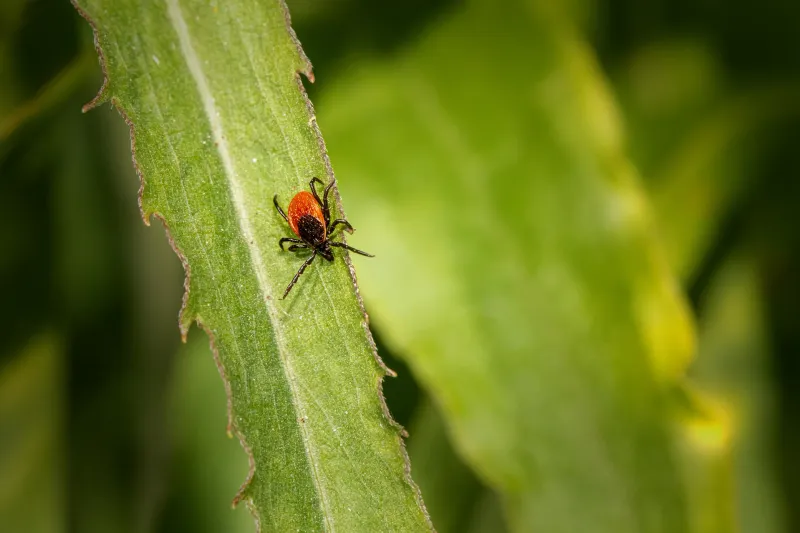
Where a yard is located in Michigan can influence how much tick pressure a homeowner might reasonably expect over the course of a season.
Some parts of the state, particularly areas with abundant wooded habitat, high deer populations, and favorable climate conditions, tend to see more tick activity than others.
The western and northern Lower Peninsula, along with parts of the Upper Peninsula, have historically reported higher concentrations of certain tick species, though tick populations can shift over time as climate conditions and wildlife ranges change.
A yard that sits near nature preserves, state forests, or large wooded neighborhoods may see more tick movement than a yard in a more developed, open area.
That does not mean a yard in a higher-risk Michigan area is impossible to enjoy safely. It does mean that the other conditions on this list carry a bit more weight when they are present together.
A shaded yard with leaf litter, a wood pile, brushy borders, and frequent deer visits in a part of Michigan with known tick pressure is a combination worth taking seriously.
Addressing even a few of those conditions thoughtfully, while staying aware of local tick activity through state and county public health resources, can help Michigan homeowners feel more confident spending time in their outdoor spaces through the full growing season.