Florida September Garden Cleanup Mistake That Removes Food Cardinals Were About To Eat
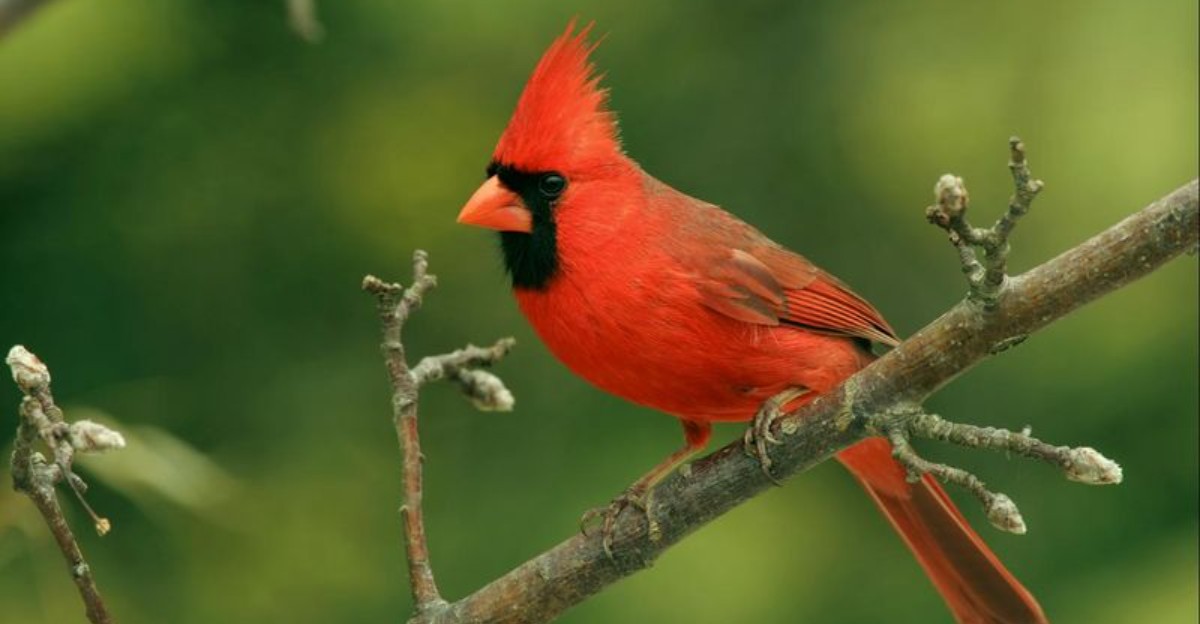
You grab your rake and clean up the yard like always, and without realizing it, you just took dinner off a cardinal’s menu.
You’ve probably been trained to treat a tidy September yard as a job well done, but that instinct works against the birds counting on what’s still sitting in your beds.
Cardinals time their fall feeding around specific seed heads and berries that homeowners routinely clear out during a standard cleanup, right when birds need that food source the most.
What looks like leftover mess to you reads as a fully stocked pantry to them.
You toss it in a yard bag without a second thought, and just like that, a food source disappears from your property for the rest of the season. Cardinals don’t wait around either.
They move on to Florida yards that still have something worth showing up for.
Hold off on clearing everything this week. What you’re about to bag up might be exactly what’s keeping these birds coming back to your yard at all.
1. The Cleanup Habit That Clears Away Cardinal Food
Tidiness feels productive. You rake, you bag, you shape the hedge into a neat green box, and the yard looks photo ready by lunchtime.
The trouble is what leaves with those bags. Horticulturists in South Florida point out that routine thinning, shaping, and formal hedging strip away the flowers and fruit birds were counting on.
Frequent shearing also cuts down insect numbers, and insects are a huge part of a cardinal’s diet during cooler months. Fewer bugs means a thinner menu right when families of birds are stocking up.
Raking and bagging leaves does something similar at ground level. Leaf litter shelters beetles, spiders, and larvae, and cardinals hop through that layer looking for exactly those snacks.
None of this means letting the yard run wild. Try shifting your cleanup from every corner to just the paths, patios, and spots near the house where neatness actually matters.
Rake leaves off the walkway and tuck them under a shrub instead of hauling them to the curb. The pile breaks down, feeds the soil, and keeps a buffet open at the same time.
A small change in habit, honestly, does more for your local birds than any feeder you hang. The food was already there before you touched a thing.
2. Leave Seed Heads Standing Before The Mower Arrives
Those brown, crispy flower tops you want to snip off? They are basically granola bars on a stick.
Once blooms fade, plants pour their energy into seeds packed with fats, oils, and protein. Cardinals, sparrows, and finches all work these stalks over as temperatures drop and easy meals get harder to find.
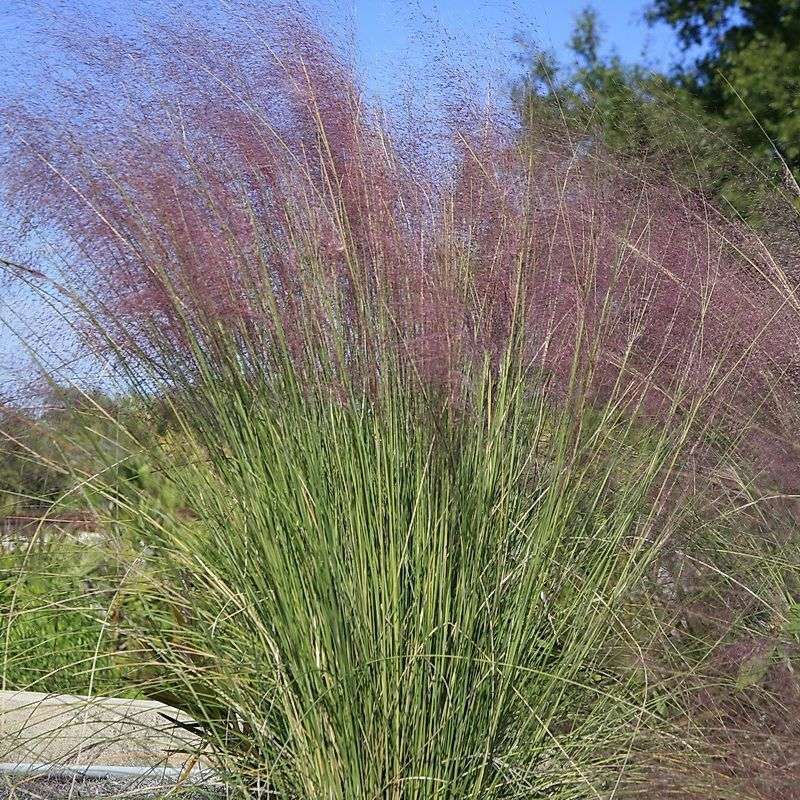
Florida-friendly plants that shine here include Black-Eyed Susan, Coreopsis, Blanket Flower, Muhly Grass, and native sunflowers. Let them stand and you have built a feeding station that refills itself.
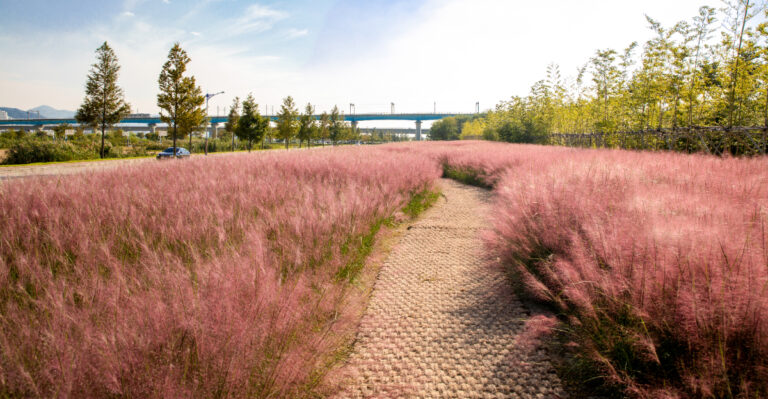
Muhly Grass deserves special mention because it looks gorgeous in September anyway. That pink haze doubles as cover and a seed source, so leaving it alone is the lazy gardener’s win.
Your Florida Garden Changes Every Week. Your Plan Should Too.
Gardening in Florida changes quickly throughout the season. Every Friday you’ll receive a simple weekly plan showing exactly what to plant, prune, fertilize, harvest, and protect so you never miss the right timing.
If a bed truly looks too shaggy, compromise. Cut the front row for a clean edge and leave the back two thirds standing where it reads as intentional texture.
Mowing is where good intentions go sideways. A single pass through a wildflower patch takes out months of seed production in about four minutes.
Walk the area first and flag anything still holding seed. Then mow around it, or raise the deck height and save the low cut for late winter.
By spring, most of those seeds will have been eaten or scattered. The plants come back, and so do the birds that remember the address.
3. Save Native Berries From A Too-Early Fall Trim
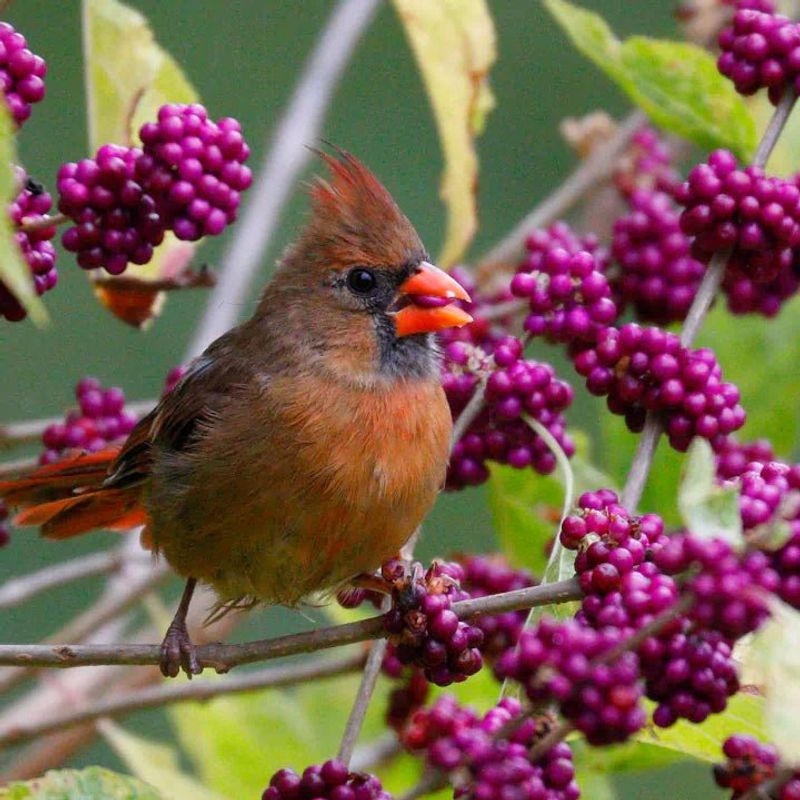
Picture a cardinal eyeing a branch heavy with red berries, waiting for them to sweeten. Now picture that branch in a yard-waste bin.
Native Florida plants carry a serious share of the fall and winter bird menu. Hackberry, dogwood, holly, mulberry, elderberry, sumac, and viburnum all show up on the list of fruits cardinals seek out.
Pruning those shrubs in autumn removes the fruit at the exact moment migrating birds pass through hungry. The plant survives, but the meal is gone.
Timing fixes most of the problem. For many berry producers, late winter or early spring is the smarter window for real cutting, once the fruit has been picked clean.
There is a bonus for you, too. Fall pruning can trigger tender new growth and shave off buds that would have become next season’s flowers and fruit.
If a branch is broken or rubbing against a roofline, take that one out and leave the rest. Safety trims are different from cosmetic ones.
A quick trick: tie a ribbon on berry-bearing shrubs in September as a reminder to yourself. Future you, shears in hand, will pause instead of charging ahead.
Fun detail worth knowing. Elderberry fruits in Florida can appear across much of the year, so that shrub may be feeding birds long after your neighbors’ hedges go bare.
4. Stop Removing The Backyard Buffet Too Soon
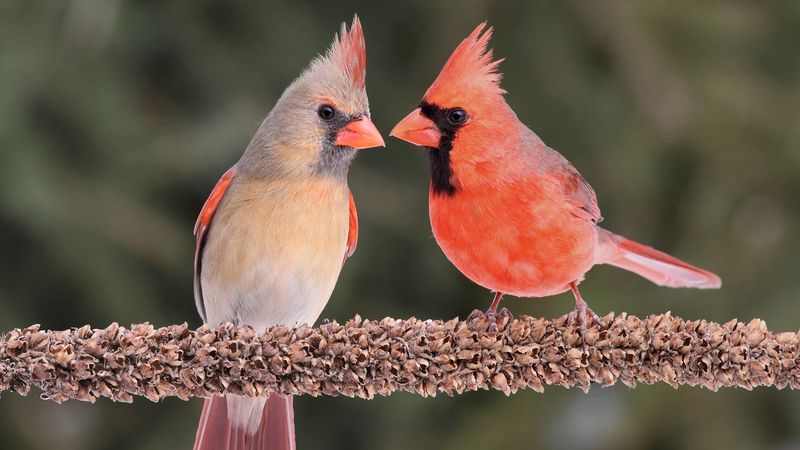
Think of your garden beds as a restaurant with two seating areas. Upstairs, birds cling to stalks and pick seeds straight from the source.
Downstairs, the ground crew works. Cardinals belong to that group, scratching through soil and mulch for fallen seeds and the insects hiding underneath.
Clearing beds in September shuts both floors at once. The stalks go, the litter goes, and the birds move on to search somebody else’s yard.
Letting plants finish their cycle keeps that service running. Seeds ripen, drop, and scatter, which stretches the food supply across weeks instead of days.
The timing matters more than people expect. Insect activity dips as evenings cool, and seeds help bridge that gap until bugs bounce back.
Goldfinches are the showoffs here, hanging sideways off dried stems like tiny acrobats. Cardinals prefer the quieter approach, hopping below and cleaning up what falls.
You can absolutely keep things looking cared for. Edge the bed crisply, pull genuine weeds, top off mulch, and leave the seed-bearing skeletons where they stand.
Anyone who complains that it looks unfinished has probably never watched a cardinal pair work a bed at 7 a.m. It is better entertainment than most feeders deliver.
Hold off until late winter for the big cut. By then, the buffet has been picked over and nobody goes without.
5. Let Fallen Seeds Feed Cardinals Through The Season
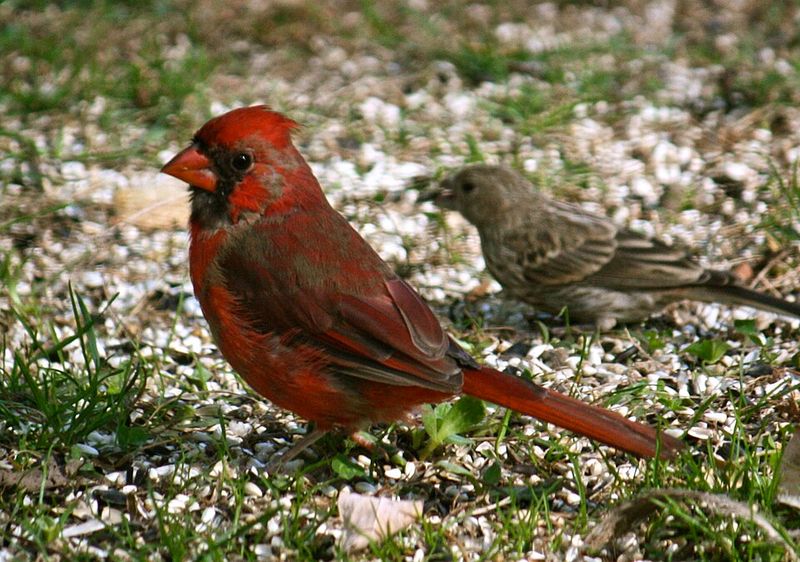
Cardinals are not fussy about elegance. Watch one for five minutes and you will see a bird happy to hop around in the dirt.
Ground foraging is their specialty. They work low bushes and bare soil, picking up weed seeds, leaf buds, flower buds, and whatever insects turn up along the way.
Fallen seed is a bigger deal than most gardeners realize. Plant debris on the surface holds moisture, shelters invertebrates, and keeps a steady food layer active at bird level.
Which is why blowing everything down to bare soil backfires. A clean, swept bed offers roughly nothing to a bird that eats from the ground up.
Try leaving organic matter under trees and shrubs where it looks natural anyway. Nobody inspects the space beneath a viburnum for tidiness.
Chopped leaves work great as a top layer. Run the mower over a small pile, then spread it a few inches deep around the drip line.
That layer feeds soil life, holds water during dry stretches, and keeps roots cooler. Your plants benefit while the birds forage.
One small caution: keep debris pulled back a few inches from trunks and house walls. Good airflow prevents rot and keeps pests away from siding.
Everything else can stay put. What looks like litter is really a pantry with the door left open.
6. Keep Dense Shrubs Where Cardinals Feel Protected
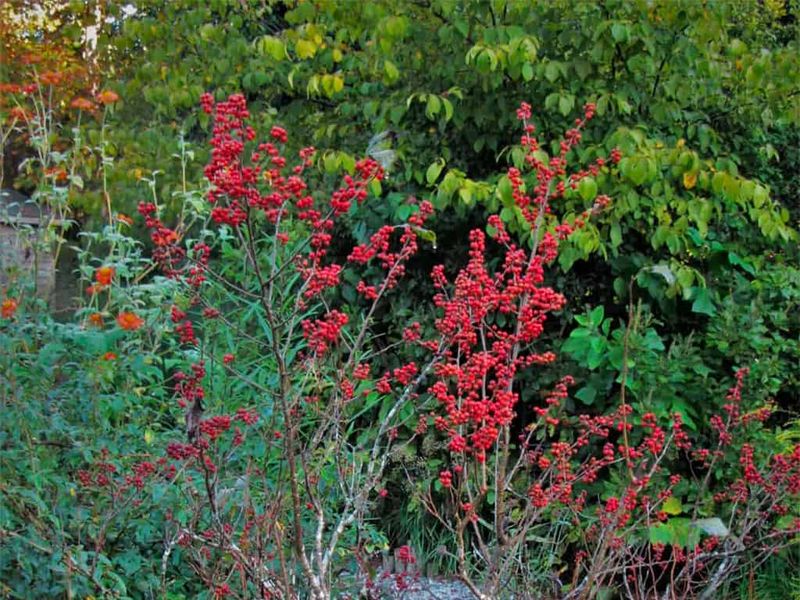
Ask a cardinal what it wants from your landscape and the answer would probably be a tangle. Thick, messy, hard-to-see-into cover.
Dense shrubbery lets these birds move and eat without feeling exposed. They nest in thickets of brambles, shrubs, and vines, usually low and well hidden.
Hard shearing erases that structure. A shrub clipped into a tight ball has a shell of leaves outside and empty air inside, which offers little real shelter.
Allowing plants to grow into their natural shape does the opposite. Branches layer, interior twigs stay alive, and the whole thing becomes usable habitat.
Selective pruning is your friend here. Reach inside and remove a few crossing or damaged branches rather than running a hedge trimmer across the surface.
Florida gardeners have great options for this, from Walter’s viburnum to wild coffee and simpson’s stopper. Each one fills in nicely without constant shaping.
Group shrubs in clusters instead of spacing them like soldiers. Overlapping branches create corridors birds can travel through safely.
Here is a detail that surprises people. Cardinal pairs often stay together year round and defend a home territory, so good cover means the same birds keep showing up at your window.
Skip a shearing cycle this fall and watch what happens. That shaggy corner becomes the busiest real estate in the yard.
7. Skip The Perfect Yard That Removes Every Food Source
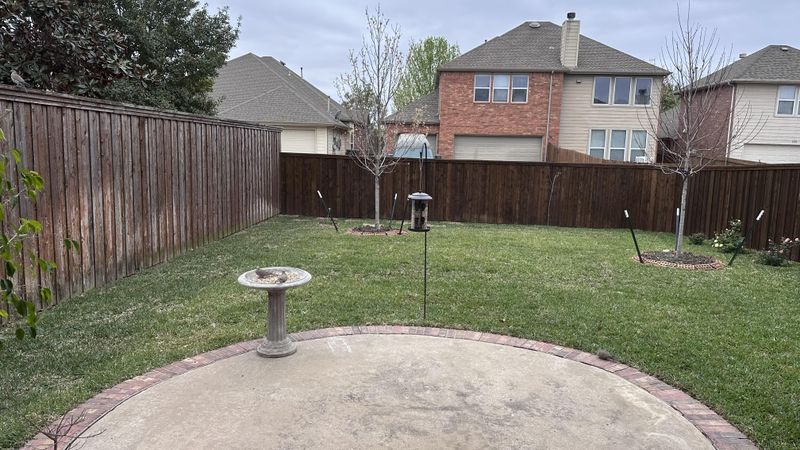
A flawless carpet of turf photographs beautifully. To a hungry bird, though, it reads like a parking lot with better landscaping.
Wide lawns and paved surfaces offer very little food and almost no shelter. There are no seeds to gather, no berries to pick, and nowhere safe to hide.
Shrinking the lawn changes the math fast. Replacing even a section with layered plantings adds trees, shrubs, vines, and groundcover, which multiplies feeding and nesting spots.
Layers matter because different birds use different heights. Cardinals favor the low and middle zones, so shrubs and groundcover pull real weight in the design.
Start small if the idea feels overwhelming. Convert one sunny strip along a fence into a mixed native bed and see how it fills with activity.
Chemical habits deserve a second look, too. Heavy spraying knocks back the insects birds depend on, and leaning toward natural balance keeps the food chain intact.
Letting plants reach mature size also saves you work. Fewer trims, less watering, and a landscape that handles Florida weather with less fuss.
Your yard can still look sharp. Clean edges, a defined path, and thoughtful groupings read as designed, not neglected.
Perfection is overrated anyway. A yard with a little wildness in it tends to be the one people stop and admire.
8. Choose Fall Pruning Dates More Carefully
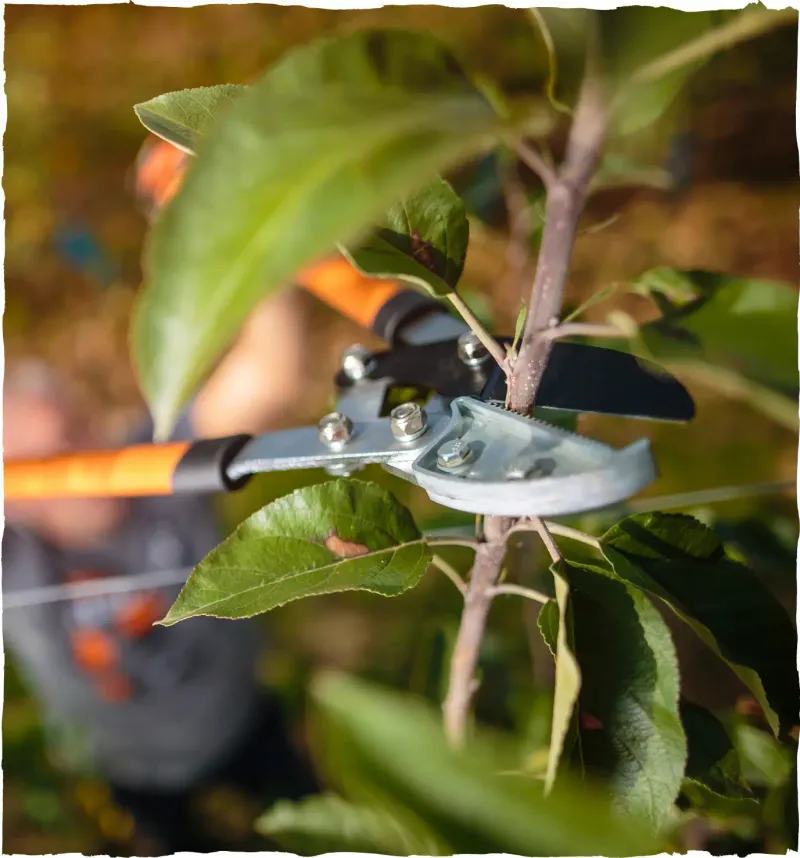
Grabbing the shears and cutting everything on the same Saturday is the most common fall slip-up. Plants do not all run on one schedule.
Some perennials genuinely benefit from a fall haircut. Others are still holding next year’s flower buds or this season’s fruit, and cutting removes both.
Berry producers are the big ones to protect. Late winter or early spring is generally the better moment for meaningful pruning on those plants.
Wrong-season cuts can also stress a plant. Fresh growth pushed out at the wrong time is tender, and stressed plants become easier targets for problems.
Making a simple list helps more than you would guess. Write your shrubs in two columns, one for fall-safe trims and one for late-winter jobs.
Then set a phone reminder for February. Future cleanup happens on purpose instead of on impulse.
September work can focus on the easy stuff. Pull weeds, clear storm damage, refresh mulch, and cut back anything that already finished fruiting.
Florida’s long growing season gives you flexibility most gardeners envy. There is rarely a rush to do everything at once.
Patience pays twice here. Birds get their fall meals, and your shrubs bloom and fruit more heavily next year because you left the buds alone.
9. Turn Garden Debris Into A Bird-Friendly Resource
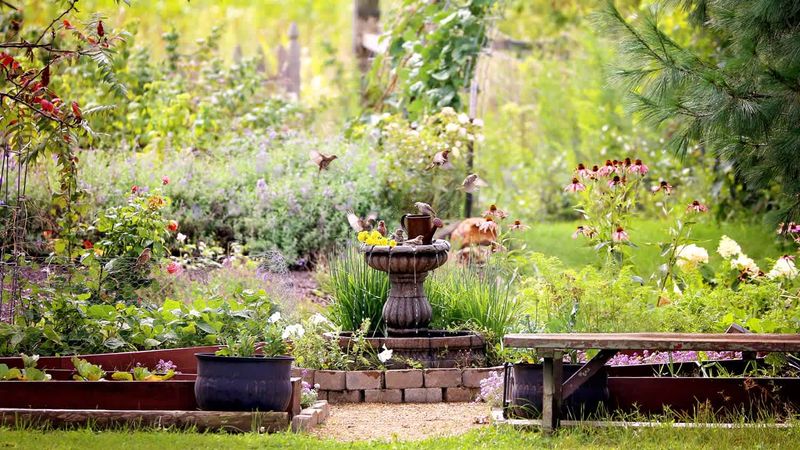
That pile of clippings by the driveway is not trash. It is building material, and the local birds would happily sign a lease.
Leaf litter, fallen fruit, and spent stems house the insects and invertebrates cardinals hunt. Hauling it all away removes both the shelter and the snacks in one trip.
Brush piles are the easiest upgrade you can make in an afternoon. Stack larger branches at the bottom, pile smaller cuttings on top, and let the whole thing settle.
Tuck it in a back corner or behind a shed where it stays out of the sightline. Birds use it for cover, and beneficial insects overwinter inside.
Leaving a few spent plants standing works alongside the pile. Hollow stems shelter native bees while the seed heads keep feeding whoever stops by.
Debris pulls double duty as mulch, too. As it breaks down it holds moisture, cools roots, and feeds your soil without a single bag of amendment.
Keep the pile a reasonable distance from the house and away from anything wooden you care about. Common sense placement handles most concerns.
Refresh it each season with new prunings and let the old layers sink into soil. Zero cost, zero hauling, real habitat.
Your curb will thank you, and so will the pair of cardinals that suddenly treat your yard like home base.