The Ohio Tree That Looks Like Sumac But Smells Very Different When You Crush A Leaf
That tall, fast-growing tree at the edge of your Ohio yard might have you convinced it’s sumac, right up until you crush a leaf between your fingers.
Sumac and this tree share a similar look. Long compound leaves, a spreading canopy, quick growth along fence lines and disturbed soil.
Crush a leaf from the wrong one, though, and you get hit with a smell most people compare to burnt peanut butter or old socks, nothing like the mild, almost pleasant scent sumac gives off.
That smell test matters more than it seems. This tree spreads aggressively through root suckers and windblown seeds, crowding out native species and cracking through sidewalks and foundations along the way.
Mistake it for sumac and skip removal, and you’re looking at a problem that multiplies fast, sometimes by the hundreds from a single parent tree.
Crush a leaf before you decide this one stays. Your nose knows something your eyes might be missing.
1. Meet Tree-Of-Heaven, The Sumac Lookalike
Picture a tree that hitched a ride from Asia in the late 1700s and decided Ohio was a fine place to settle. Ailanthus altissima, better known as tree-of-heaven, arrived as a fashionable ornamental and quietly made itself at home.
Height is the first clue that something unusual is going on. Mature specimens can become very large, often reaching 60 feet or more in favorable conditions.
Around the state, you will find it in alleys, along railroad tracks, at the edges of parking lots, and on neglected lots nobody mows. It shrugs off compacted soil, exhaust fumes, and road salt without much complaint.
Confusion happens because the long, feather-like leaves resemble staghorn sumac, black walnut, or butternut from a distance. Folks walking their dogs often assume they are passing a native shade tree.
Learning the name matters because identification shapes every choice that follows. Once you know what you are looking at, you can decide whether to leave it, report it, or plan a careful removal with help from a local expert.
Fun fact: this tree earned a starring role in the novel A Tree Grows in Brooklyn, where it stood for stubborn survival in tough city soil.
2. Use The Leaf Smell To Spot The Difference
Crush a leaflet between your fingers and your nose will file a complaint. The odor gets compared to rotting peanuts, stale peanut butter, scorched popcorn, and cat litter that needs changing.
That smell is the fastest field test most people can use. Leaves, twigs, and freshly cut wood carry it, so you do not need a hand lens or a field guide to get an answer.
Native lookalikes smell nothing like it. Black walnut leaves give off a warm, nutty, almost spicy scent, and staghorn sumac smells green and mild, a little like fresh-cut grass.
A quick tip for doing it right: pick one leaflet, fold it, roll it hard, then sniff from a few inches away. Strong smells hit harder up close, and some people find this one genuinely unpleasant.
Your Ohio Garden Changes Every Week. Your Plan Should Too.
Gardening in Ohio changes quickly throughout the season. Every Friday you’ll receive a simple weekly plan showing exactly what to plant, prune, fertilize, harvest, and protect so you never miss the right timing.
Wash your hands afterward, especially before eating. Because the sap can be irritating for some people, gloves are a smart move if you plan to handle branches or pull seedlings.
Keep a mental note of where you smelled it. Odor plus location gives you a head start on the other clues in this list, and it helps if you later report the find to a county extension office.
3. Check Leaf Shape And Branch Growth Patterns
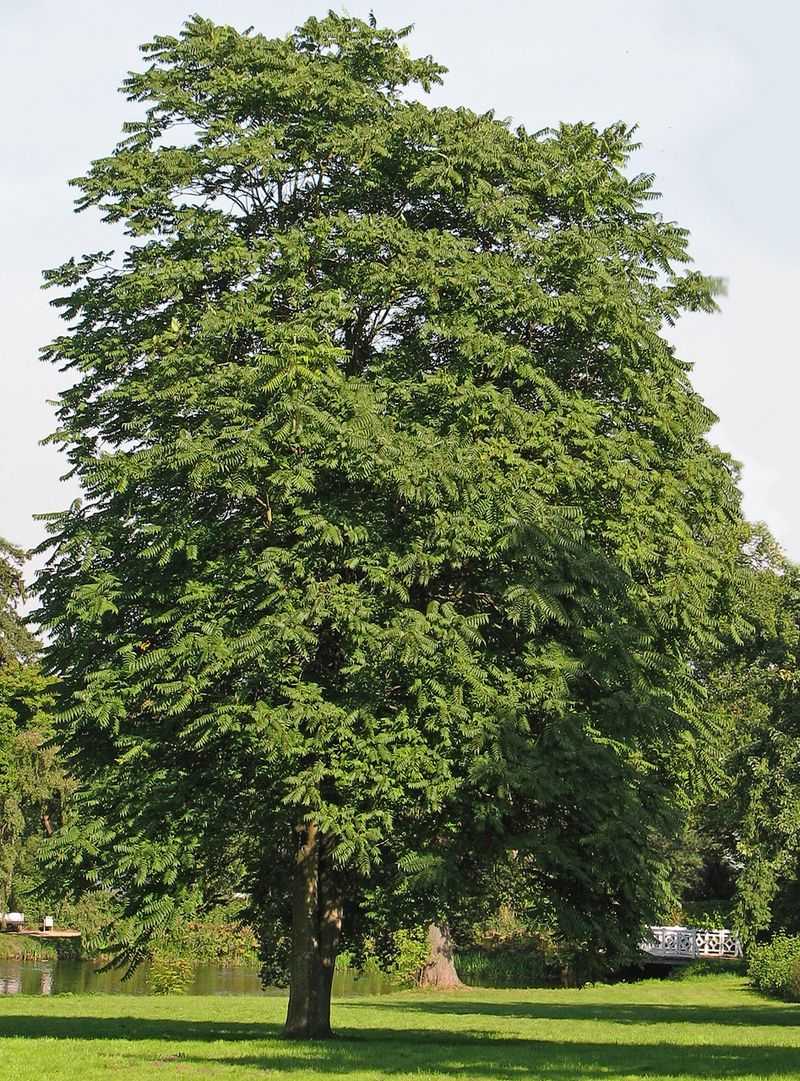
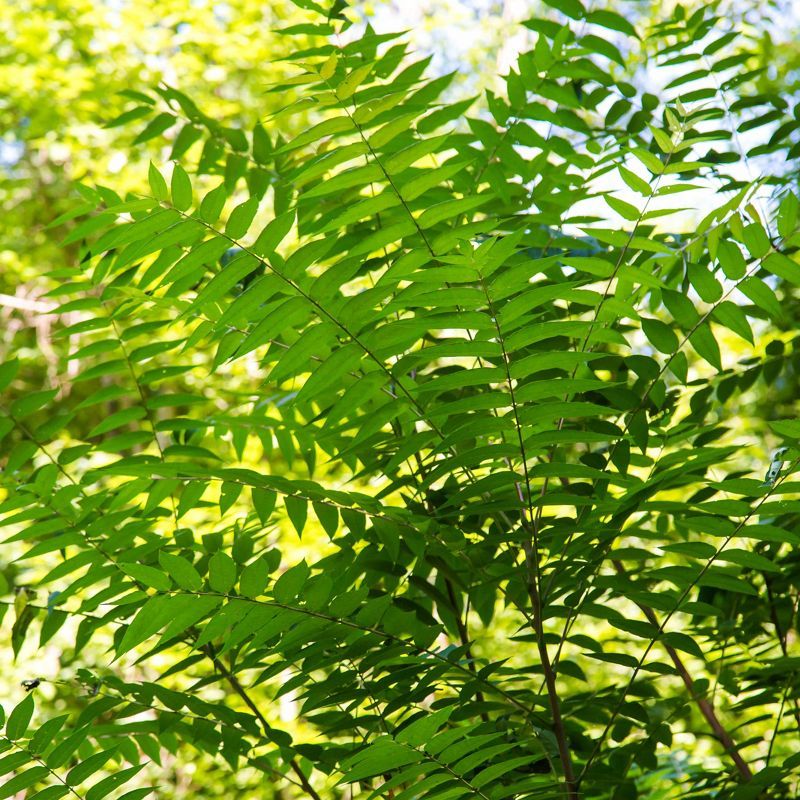
Leaves here are the giants of the neighborhood. Pinnately compound and often 1 to 4 feet long, they rank as the largest leaves of their kind in Ohio, carrying anywhere from 11 to 41 lance-shaped leaflets.
Edges tell the real story. Leaflet margins stay mostly smooth, with just one to four small teeth near the base, and each of those teeth holds a tiny gland.
Staghorn sumac, by contrast, has saw-toothed edges running the full length of every leaflet. Run a fingertip along the margin and you can feel the difference without even looking.
Twigs are stout, snap easily, and wear a light chestnut-brown skin. Break one open and the pith inside looks spongy and salmon to brown, while the leaf scars left behind are large and shaped like hearts or the letter U.
Bark shifts with age. Young trunks stay pale gray and smooth, then mature bark develops light tan fissures and vertical streaks that many people compare to cantaloupe rind.
Put those clues together on a walk and identification gets easy. Smooth leaflet edges, enormous leaves, spongy pith, and cantaloupe bark form a combination native trees do not match.
Snap a photo of the leaf base if you want a second opinion later.
4. Watch For Fast Growth In Disturbed Areas
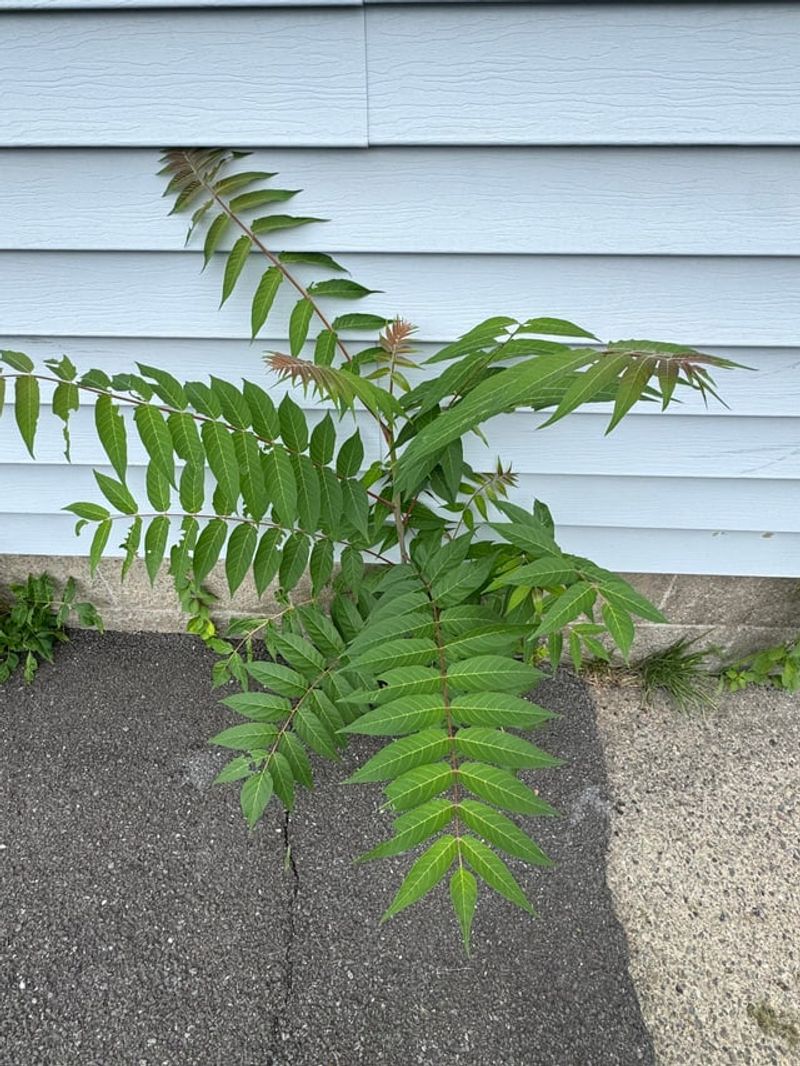
Speed is this tree’s superpower. Fresh sprouts can shoot up 6 to 12 feet in a single season, then add 3 feet or more every year after that.
Sunlight fuels the sprint. Open, disturbed ground is where it thrives, which explains why you spot it along highway shoulders, fence lines, vacant lots, and the sunny edges of woodlots.
Poor soil barely slows it down. Construction fill, gravel, compacted clay, and city air pollution are all tolerated, and seedlings turn up rooted in sidewalk cracks and gutter seams.
For homeowners, that pace works as a warning sign. A stem you ignore in May can stand taller than your fence by September, and a small cluster may become a shady thicket within a couple of summers.
Check the spots where soil gets churned up. New garden beds, storm-damaged fence rows, and the weedy strip behind the shed are prime real estate for a fast colonizer like this one.
Walking your property line twice a year pays off. Spring and late summer strolls catch young stems while they are still easy to handle, long before their roots spread wide.
Neighbors appreciate a heads-up too, since seeds ride the wind and a problem on one lot rarely stays there for long.
5. Understand Why Ohio Tracks This Invasive Tree
Ohio lists tree-of-heaven as a highly invasive species, and the reasons stack up fast. Rapid growth lets it shade out seedlings of oak, maple, and other natives before they get going.
Chemistry gives it an extra edge. Roots and leaves release compounds, including one called ailanthone, that make it harder for nearby plants to grow.
Infrastructure feels the pressure too. Aggressive roots get blamed for lifting sidewalks, cracking pavement, invading sewer lines, and pressing against building foundations.
Then there is the insect connection.
Dense stands can provide additional host habitat for spotted lanternfly, an invasive pest that affects some agricultural crops.
Ecologically, the result is less variety. Thickets crowd out wildflowers and shrubs that pollinators and songbirds depend on, leaving woodland edges simplified and out of balance.
Knowing the stakes helps you decide how much effort to spend. Reporting locations to the Ohio Department of Natural Resources or your county extension office adds your yard to a much bigger map.
That data guides road crews, park staff, and volunteer groups. Community-scale tracking works better than one property owner battling stems alone, and it explains why removal projects sometimes qualify for grant support.
6. Look For Seed Clusters After Summer
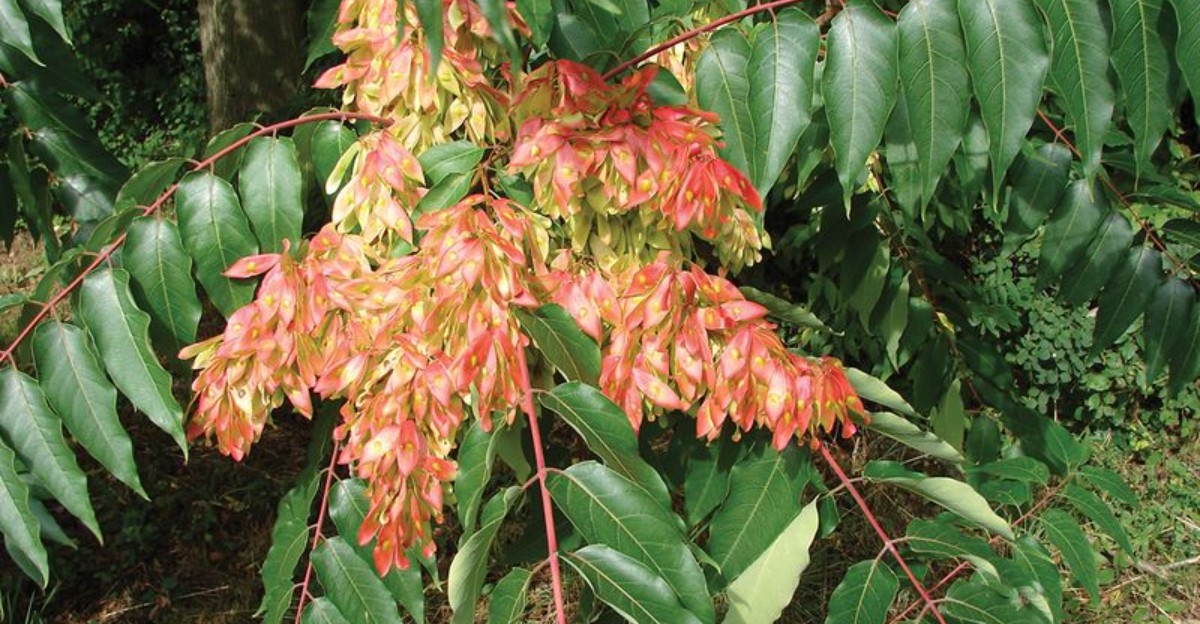
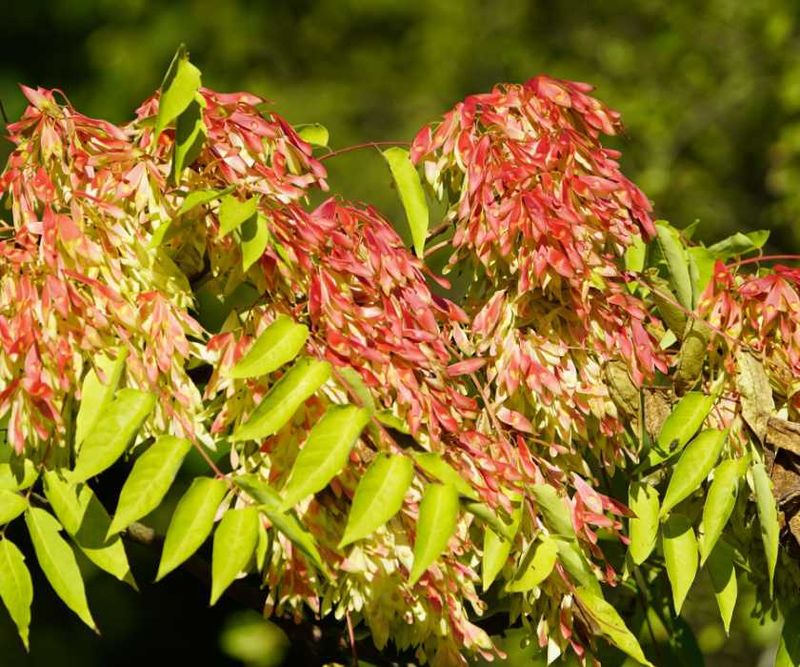
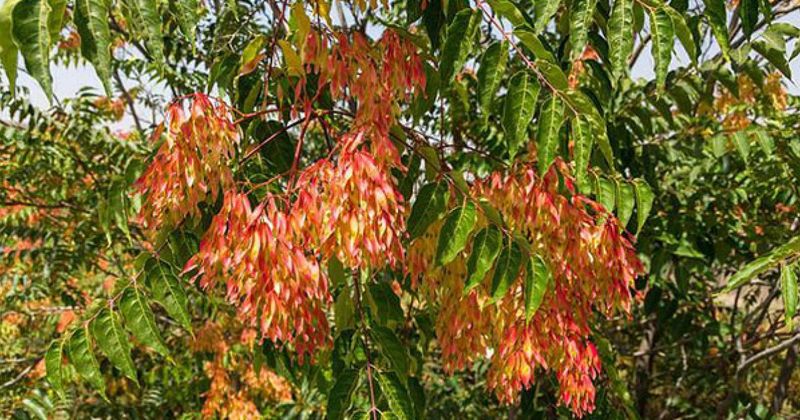
Late summer turns female trees into seed factories. A single mature tree can release more than 300,000 winged seeds, called samaras, in one year.
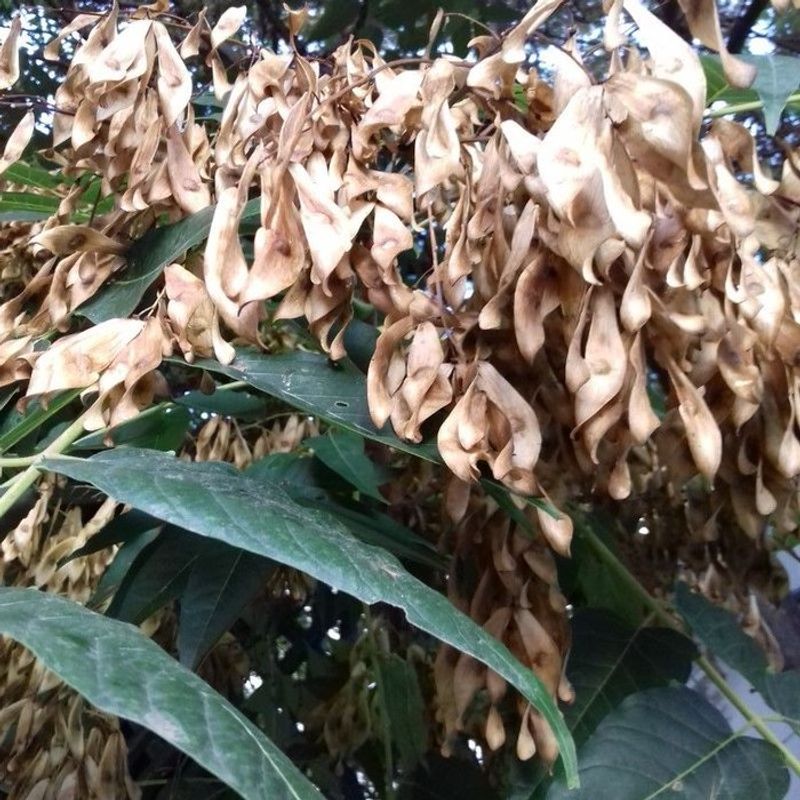
Each samara is a slim, twisted blade with one seed in the middle. Colors run from yellow-green in summer to reddish-brown by autumn, and the big clusters, known as panicles, sit near the branch tips.
Those clusters stay put for months. Many hang on through late winter and into early spring, which makes them a handy identification clue once the leaves are gone.
Wind handles delivery. Seeds glide into gutters, flower beds, and ditches, sometimes landing far from the parent tree, and water carries them farther along storm channels.
Trees can begin fruiting at just 2 or 3 years old. That short timeline explains why a sapling you shrug off today might seed your whole block within a few seasons.
If you spot heavy seed clusters, note the tree and plan treatment for the following summer. Clipping panicles before they dry reduces how many seeds scatter, though it does not address the roots.
Bag what you cut instead of composting it. Seeds are tough, and a compost pile can turn into an unexpected nursery, so label the bag for yard waste pickup.
7. Avoid Cutting Without A Removal Plan
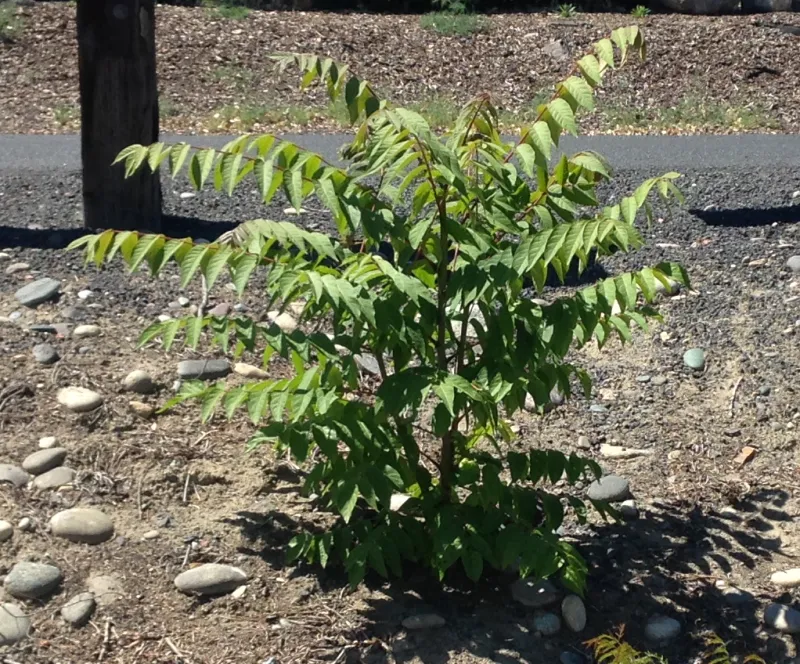
Here is the trap most people fall into: they grab a chainsaw, drop the trunk, and feel victorious for about three weeks. Then the stump and roots answer back with a burst of vigorous sprouts.
Root suckers can pop up as far as 50 feet from where the original trunk stood. One tree becomes a dense thicket, and the job gets harder than it was at the start.
Successful management targets the root system, not just the visible stem. That usually means a systemic herbicide applied properly, often as a basal bark, hack-and-squirt, or cut-stump treatment.
Timing matters as much as method. Late-season treatment timing can improve movement into the root system, but follow product labels and local recommendations for the specific method being used.
For small plants, mechanical removal works if you lift the whole root. Leftover root fragments are famous for resprouting, so dig wide and shake the soil loose to check what you got.
Read herbicide labels closely and follow every restriction, especially near water, gardens, or wells. Your county extension office can suggest products cleared for Ohio use.
Large trunks near sidewalks, power lines, or foundations deserve a certified arborist. Hiring help costs money up front and saves years of chasing sprouts.
Patience beats brute force here.
8. Replace It With Ohio Native Trees
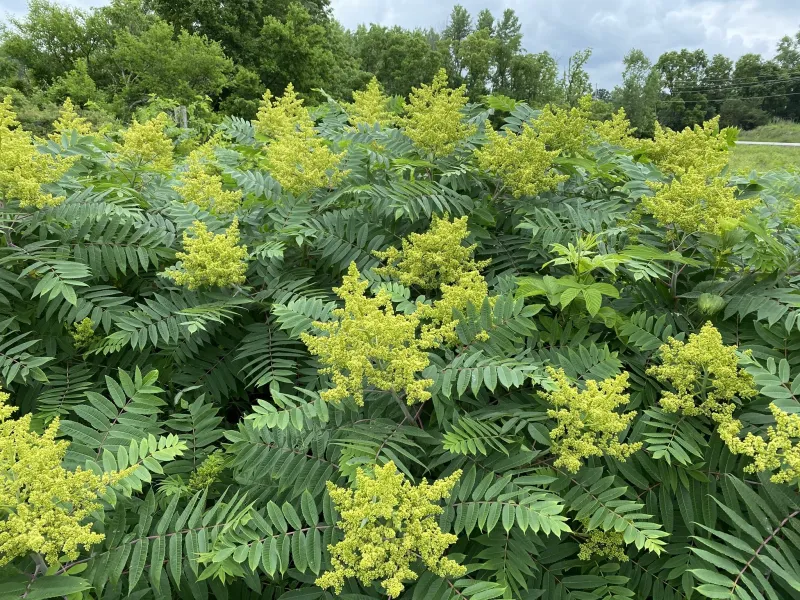
Empty space fills itself, so give it something better. Planting natives after removal shades out returning sprouts and gives local wildlife something useful.
Want the sumac look without the odd smell? Staghorn sumac (Rhus typhina) delivers the same feathery leaves plus fiery fall color and red fruit clusters that birds pick at through winter.
For a tall shade tree, tulip-tree (Liriodendron tulipifera) grows quickly and offers orange-and-green flowers in late spring. Yellow buckeye (Aesculus flava) brings bold leaves and early blooms that hummingbirds visit.
Smaller yards have options too. Redbud (Cercis canadensis) lights up April with pink blossoms, pawpaw (Asimina triloba) produces custardy fruit, and cucumber magnolia (Magnolia acuminata) adds big tropical-looking foliage.
Understory choices round out the list. American hophornbeam (Ostrya virginiana), American hornbeam, pagoda dogwood, arrowwood viburnum, and sugar maple all handle Ohio conditions well.
Match the plant to the site before you buy. Note sun hours, drainage, and how much room the mature canopy needs, then check the nursery tag rather than guessing.
Mulch the new planting with a few inches of wood chips, keeping them off the trunk. Water deeply through the first two summers while roots settle in, and shop local nursery or conservation district sales for affordable native stock.
9. Stop New Seedlings Before They Spread
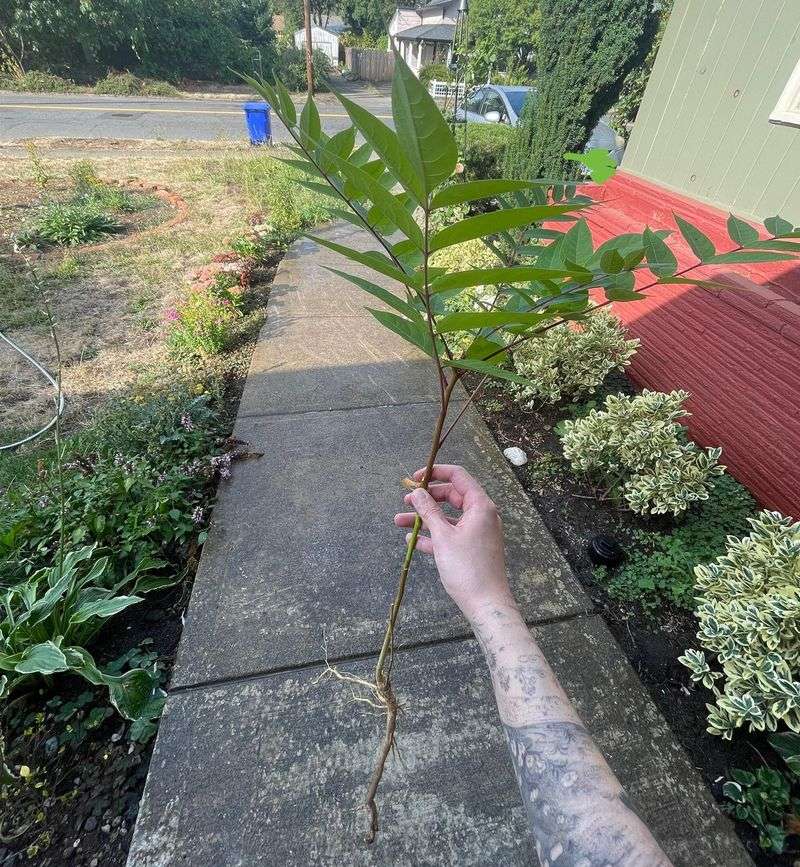
Tiny seedlings are the easiest version of this problem you will ever meet. Pull them after rain, when moist soil releases the whole root instead of letting the stem snap off.
Learn the difference between a seedling and a root sucker first. Seedlings have their own small root, while suckers connect to a thick underground root from a parent tree and resist hand pulling.
Give the stem a gentle tug to test it. If it feels anchored to something beefy below, you are dealing with a sucker, and simply cutting it will likely invite more.
Foliar herbicide sprays work on short plants once leaves are fully open. Wet the foliage evenly without letting the spray run off, and choose a calm day to limit drift.
Systemic products land best in mid to late summer, before fall color appears. Roots are pulling sugars down then, and the treatment travels along with them.
Plan on watching the same spot for several years. New sprouts show up in waves, and catching them at ankle height keeps the work small.
Keep a simple log with dates, locations, and what you did. Patterns become obvious after two seasons.
Mulch, dense groundcover, and healthy shade also make it harder for new seeds to get started.