5 bare-root fruit trees worth ordering now for an Oregon backyard. Which one would you plant?
Winter in the Willamette Valley is quiet season for gardeners, but it is secretly the best time to plant. Bare-root fruit trees show up dormant, affordable, and ready to sink their roots before spring wakes everything up.
If you have ever felt that happy little tug at the garden center to bring one more thing home, this list is your permission slip. Here are five bare-root trees worth adding to your cart right now, and a real question at the end: which one would you plant?
1. Apple (Malus domestica)
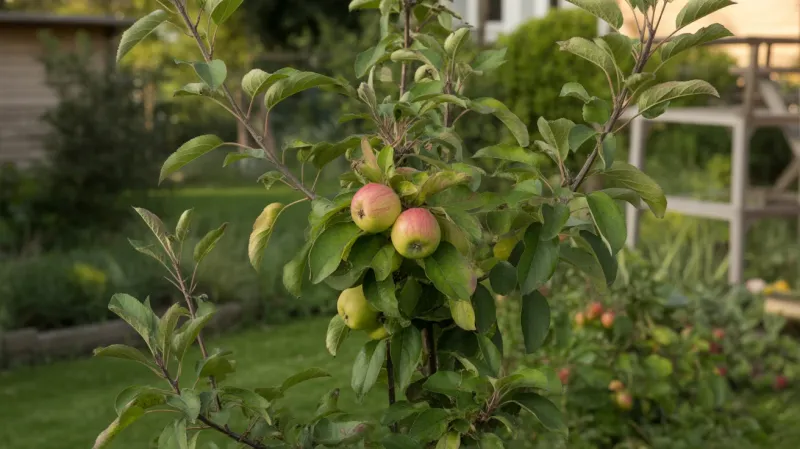
Nothing says Oregon backyard quite like an apple tree you planted yourself. West of the Cascades, our wet springs are famously friendly to apples, as long as you pick your variety with a little care.
The main headache here is apple scab, a fungal spotting that loves our damp climate. Choosing naturally resistant varieties like ‘Liberty’, ‘Akane’, or ‘Enterprise’ can save you a lot of fussing and spraying down the road.
Beyond the fruit, an apple in bloom is a spring buffet for bees and other pollinators, so you get to feel good about doing right by the wildlife too. And there is a special kind of pride in hauling in a bucket of your own crisp apples in fall, maybe turning a few into a pie.
Plant one bare-root now, and it settles its roots quietly through winter, ready to leaf out when the mid-April frost window passes.
2. Pear (Pyrus communis and Pyrus pyrifolia)
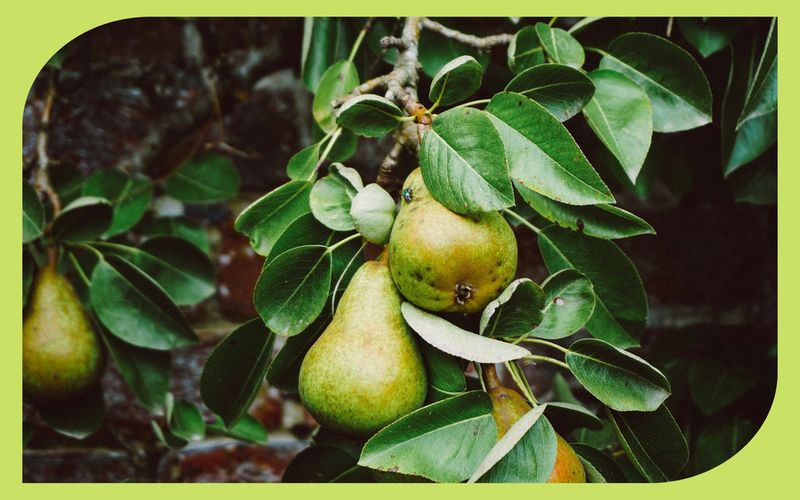
Oregon and pears go together like rain and rubber boots. Our region is one of the country’s pear strongholds, which means you are planting a tree that genuinely belongs here.
You have two lanes to choose from. European pears like the classic ‘Bartlett’, which happens to be self-pollinating, and crisp Asian pears like ‘Hosui’ and ‘Chojuro’ that conveniently ripen right on the branch, making them forgiving for first-timers.
One honest caution: European types can catch fire blight during warm, wet springs, so a tougher pick like ‘Seckel’ can spare you some worry. Pears reward patience more than most trees on this list, sometimes taking a few seasons to hit their stride.
But when a mature pear finally loads up with fragrant, buttery fruit, that slow wait suddenly feels like the whole point.
3. Plum (Prunus domestica and Prunus salicina)
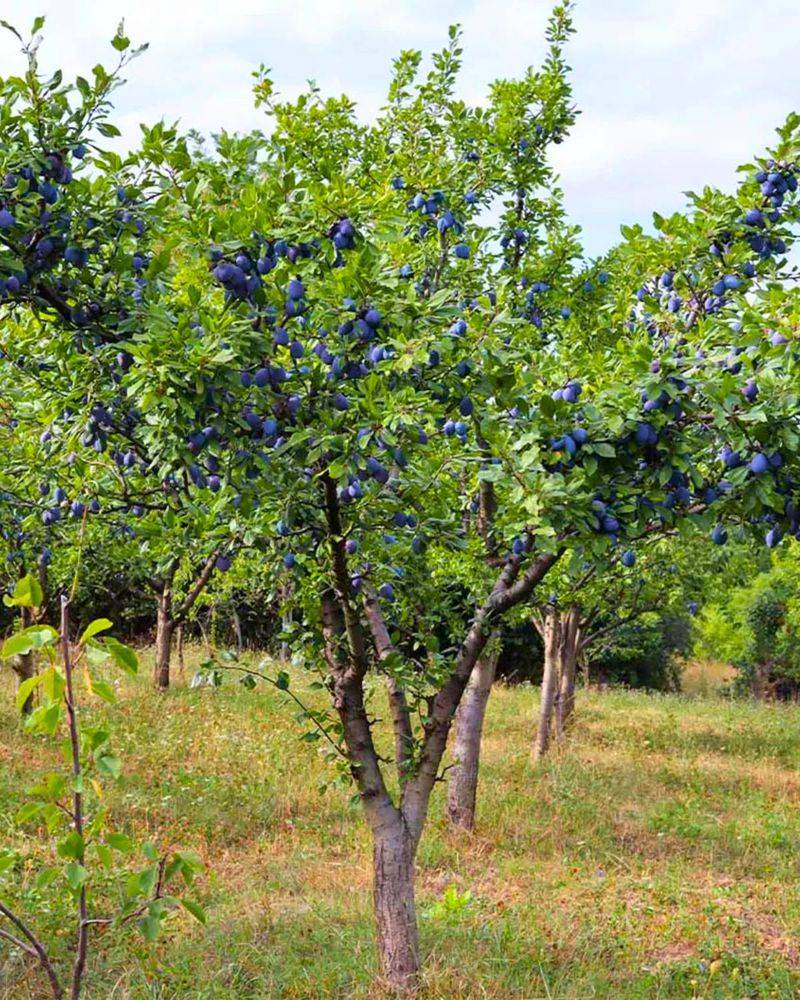
For gardeners who want a stone fruit that shrugs off our cold, wet moods, plums are the easygoing answer. They tend to handle Oregon’s damp winters with far fewer disease dramas than their fussier stone-fruit cousins.
The ‘Italian Prune’ is the local legend here, thriving across nearly the whole state and practically begging to be dried, canned, or baked into something. If you want fruit a little earlier, Japanese plums like ‘Shiro’ step up, though they do wish for warmer summers to reach their sweetest.
Their spring blossoms pull in pollinators and add a soft layer of life to your yard. Best of all, plums are dependable producers, which makes them a quiet joy for anyone who loves filling a pantry shelf with preserves.
Your Oregon Garden Changes Every Week. Your Plan Should Too.
Gardening in Oregon changes quickly throughout the season. Every Friday you’ll receive a simple weekly plan showing exactly what to plant, prune, fertilize, harvest, and protect so you never miss the right timing.
Order one bare-root and you are basically signing up for future jam.
4. Cherry (Prunus avium and Prunus cerasus)
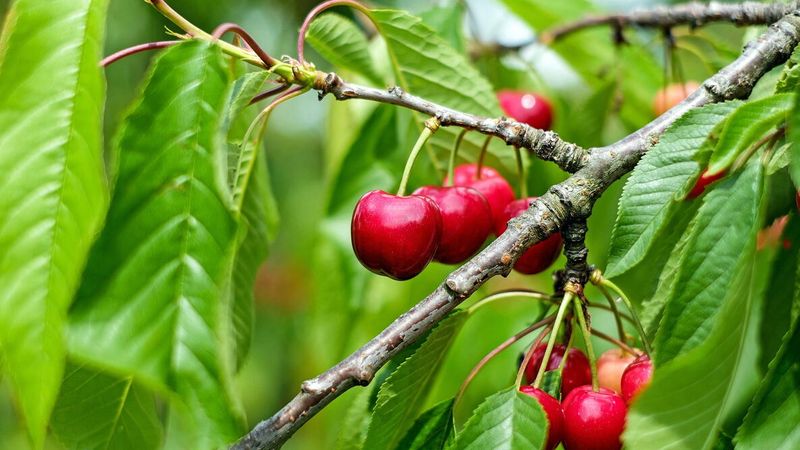
Few things announce that the garden is waking up like a cherry tree bursting into white blossom. Those flowers are more than pretty, they roll out the welcome mat for bees, birds, and butterflies right when they need it.
Sweet cherries love our cool springs, but here is the catch: harvest-time rain can crack the fruit. Choosing rain-tolerant varieties like ‘Lapins’ or ‘Sweetheart’ instead of the famous but touchy ‘Bing’ can save your crop.
Short on space for two trees? The self-fertile ‘Stella’ fruits happily on its own.
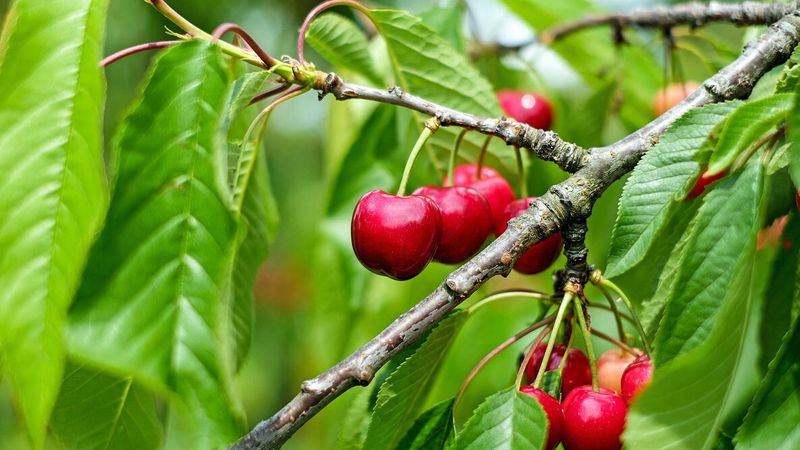
And if you are the type who dreams in pie, plant a ‘Montmorency’ sour cherry, tart and perfect for baking and preserving. A cherry is a bit of a gamble against our weather, but the payoff, both the blossoms and the bowls of fruit, is hard to resist.
5. Fig (Ficus carica)
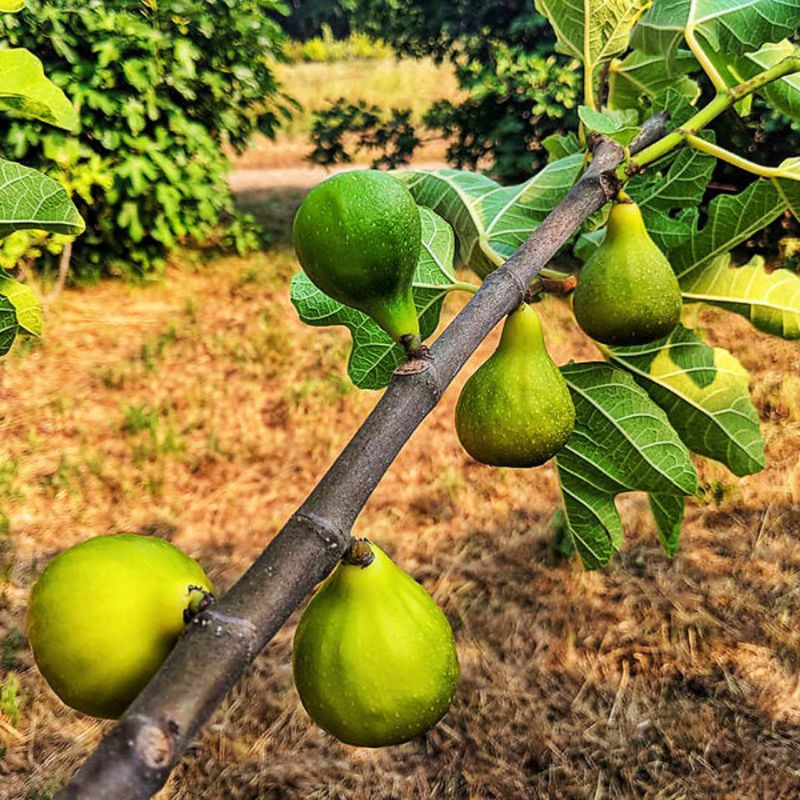
Here is the plant twist nobody expects: figs actually thrive in the maritime Pacific Northwest. Growing one feels a little rebellious, like sneaking a Mediterranean vacation into your Oregon backyard.
West of the Cascades, ‘Desert King’ is the reliable star, thanks to its early breba crop that ripens before the autumn rains roll in. Varieties like ‘Lattarula’ and ‘White Kadota’ also earn their keep if you want to branch out.
Figs do have a dramatic streak. If temperatures crash near zero, the branches may die back, but the tree usually bounces back from its base within a couple of years, which is honestly kind of inspiring.
Tuck one against the south side of a house or wall, and the reflected heat helps those figs ripen sweet. Of all the trees here, this is the one that makes visitors do a double take, and gives you a quiet bragging right.