7 shrubs that give Oregon yards real winter color when everything else goes bare
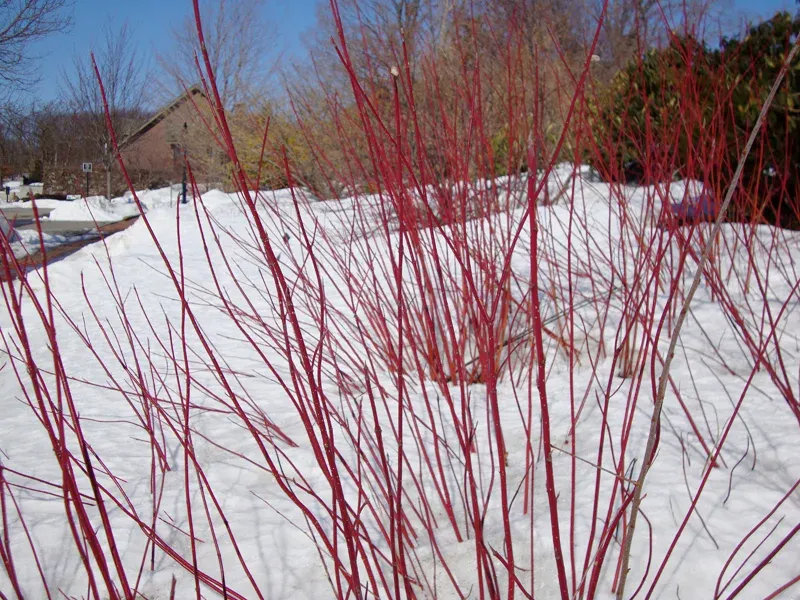
Winter west of the Cascades can feel like one long gray drizzle, and a bare yard only makes it grayer. The good news is that a few well-chosen shrubs light up the cold months with red stems, glowing berries, or surprise blooms that even feed hungry hummingbirds.
Whether you rescued a clearance plant last fall or you are just tired of staring at brown, these picks earn their spot. Here are seven shrubs that keep Willamette Valley gardens interesting when almost nothing else is.
1. Red Twig Dogwood
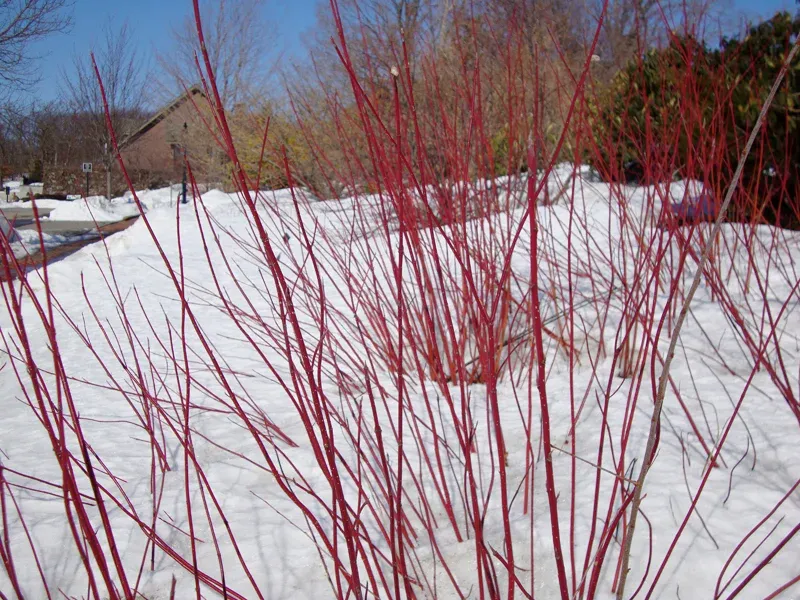
Nothing punches through a soggy PNW winter quite like a thicket of glowing red stems. Red twig dogwood drops its leaves and then reveals what it was hiding all along: bark the color of a fire truck, blazing against gray skies and wet lawns.
It loves the very thing our region hands out for free, moisture, so a low, damp corner where other shrubs sulk is exactly where this one thrives. Full sun deepens the color, but it tolerates partial shade too.
Varieties like ‘Arctic Fire’ stay compact, while ‘Cardinal’ leans toward a warmer red.
Here is the insider trick most Oregon gardeners learn the hard way: the brightest stems are the youngest ones. Cutting back about a third of the oldest branches in late winter keeps fresh, vivid growth coming each year.
Skip that pruning and the color slowly fades to a dull brown.
Plant a small grove rather than a single stem for real impact, and you will have living winter fireworks right outside the window.
2. Oregon Grape (Mahonia)
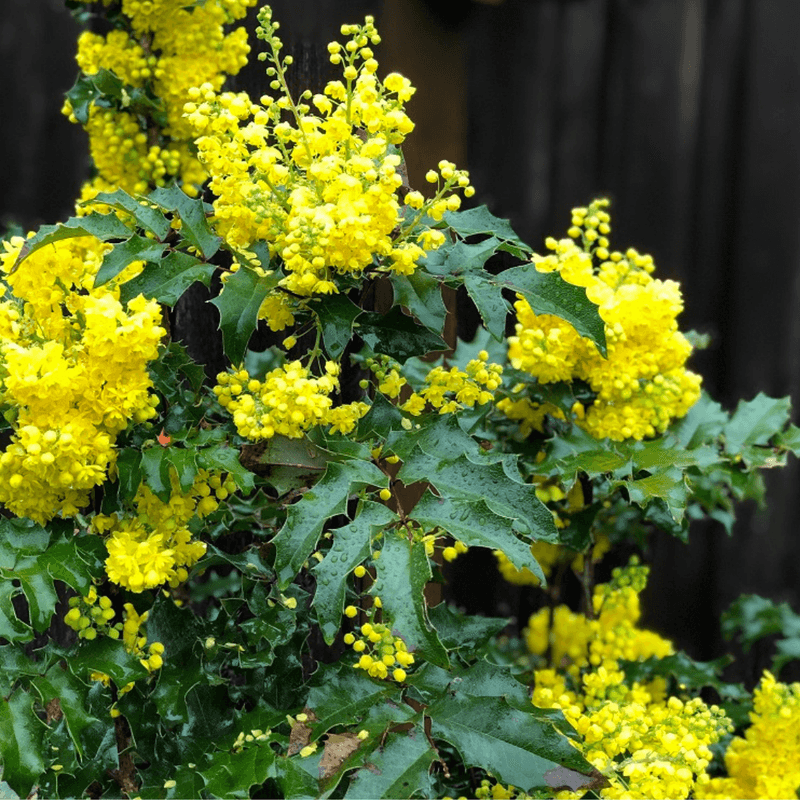
If any plant deserves a hometown parade, it is this one, our very own state flower dressed up as a shrub. Oregon grape is a true native, which means it already knows how to handle our wet winters and dry summers without much fussing from you.
The holly-like leaves stay evergreen and often flush bronze or burgundy in the cold, so it never leaves a bare gap in the border. Then, in late winter into early spring, it throws out cheerful clusters of fragrant yellow flowers when almost nothing else is blooming.
Those blossoms matter for more than looks. Early pollinators and overwintering critters can use the nectar and the blue-black berries that follow, which can help feed birds through the leanest stretch of the year.
For a taller, more dramatic form, ‘Charity’ reaches up with bold, architectural foliage. Tuck it into part shade, that awkward spot under bigger trees, and let a native do the heavy lifting.
3. Camellia Sasanqua
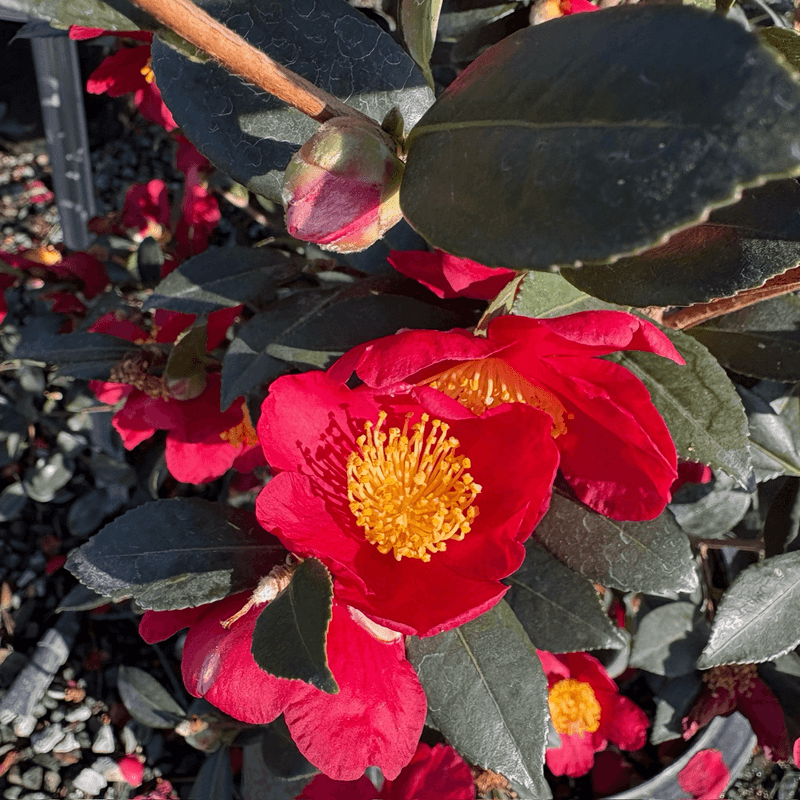
Imagine flowers in your yard while your neighbors are still scraping frost off the windshield. That is the quiet magic of Camellia sasanqua, which blooms from fall straight through mid-winter instead of waiting for spring like most camellias.
The petals come in rosy pinks, crisp whites, and holiday reds, often centered with a burst of bright yellow stamens. ‘Setsugekka’ offers elegant white ruffles, while ‘Yuletide’ lives up to its name with cheery Santa-suit red right around the holidays.
Your Oregon Garden Changes Every Week. Your Plan Should Too.
Gardening in Oregon changes quickly throughout the season. Every Friday you’ll receive a simple weekly plan showing exactly what to plant, prune, fertilize, harvest, and protect so you never miss the right timing.
There is a wildlife bonus too. Anna’s hummingbirds tough it out here all winter, and these open blooms can offer them nectar during a season when food is genuinely scarce.
Watching one hover at a camellia in December feels like a small gift back for planting it.
Give it acidic, well-drained soil and a bit of shelter from harsh wind, and it rewards you with blossoms exactly when you crave them most.
4. Witch Hazel
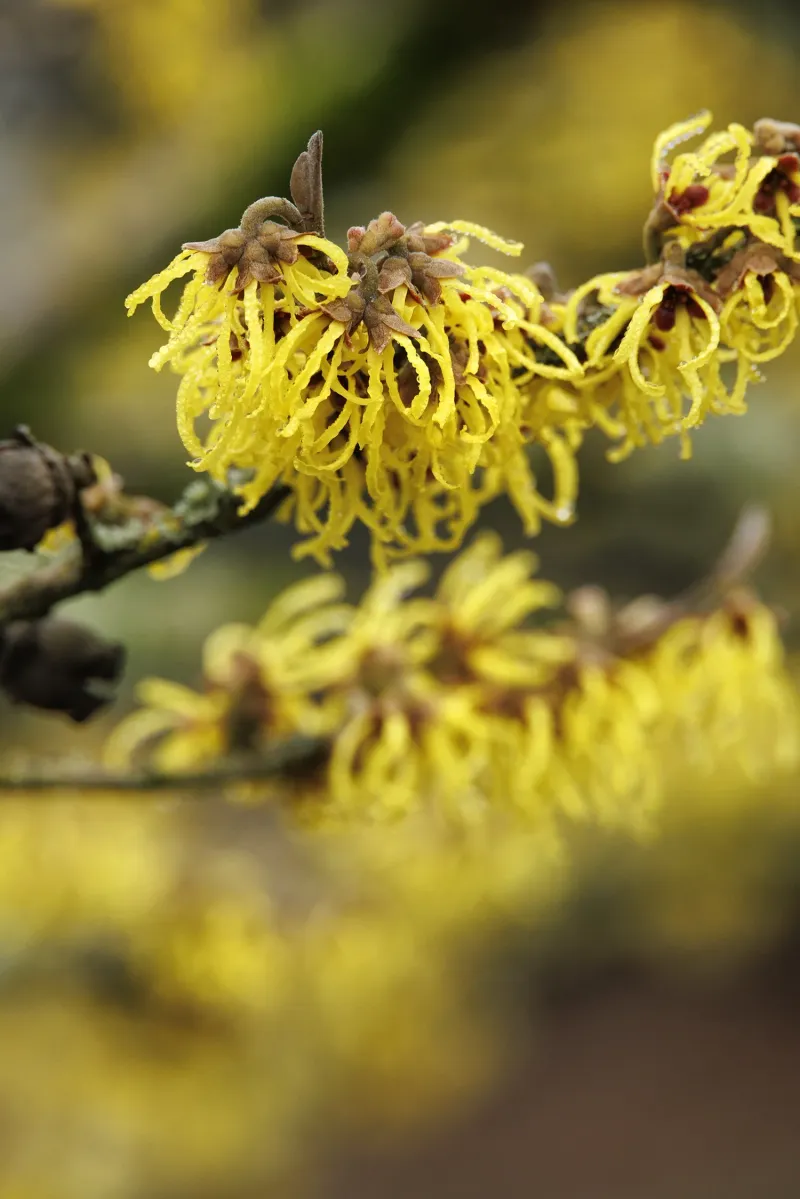
Some shrubs whisper their arrival; witch hazel practically does jazz hands. In the dead of winter, its bare branches erupt with spidery, ribbon-like flowers in yellow, burnt orange, or coppery red, looking like tiny bursts of confetti frozen mid-air.
The show comes with a scent, a soft spicy-sweet fragrance that carries on cold, still air and stops you in your tracks on a gray afternoon. Cut a branch or two and the perfume fills a room.
It appreciates moist, well-drained soil and full sun to part shade, both easy to find in a typical valley yard. Fall brings a second act, when the same shrub often turns gold and amber before the leaves drop.
Plant it somewhere along a path you actually walk in winter, near the mailbox or front door, so you catch both the color and the fragrance on the darkest days.
5. Sweetbox (Sarcococca)
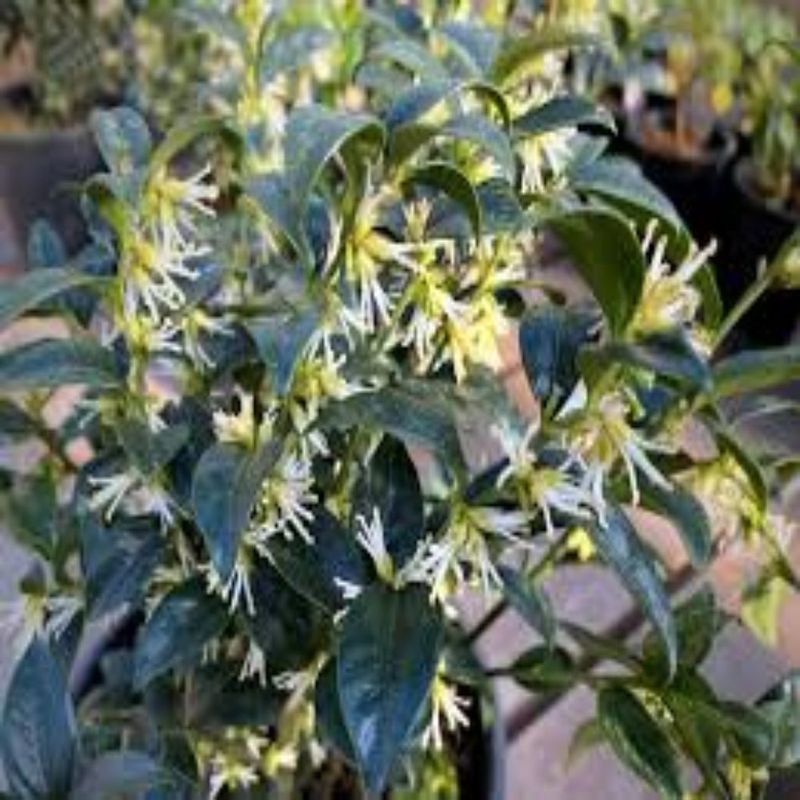
You will smell this one long before you spot it. Sweetbox is the shy overachiever of the winter garden, a modest evergreen that hides tiny white flowers under glossy, boxwood-like leaves and then perfumes the whole yard with an intense vanilla-honey scent.
Those little blooms open in the darkest stretch of winter, often before the holidays, sending fragrance drifting on cold, damp air in a way that feels almost unfair for something so small.
What makes it a true problem-solver is where it grows. Sweetbox actually likes the shady, dry spots under eaves and big trees where so many plants give up, turning your worst gardening real estate into a fragrant win.
Keep it neat as a low hedge or let it spread as quiet groundcover. Either way, it asks for almost nothing and pays you back on the very days you least expect a treat.
6. Winterberry Holly
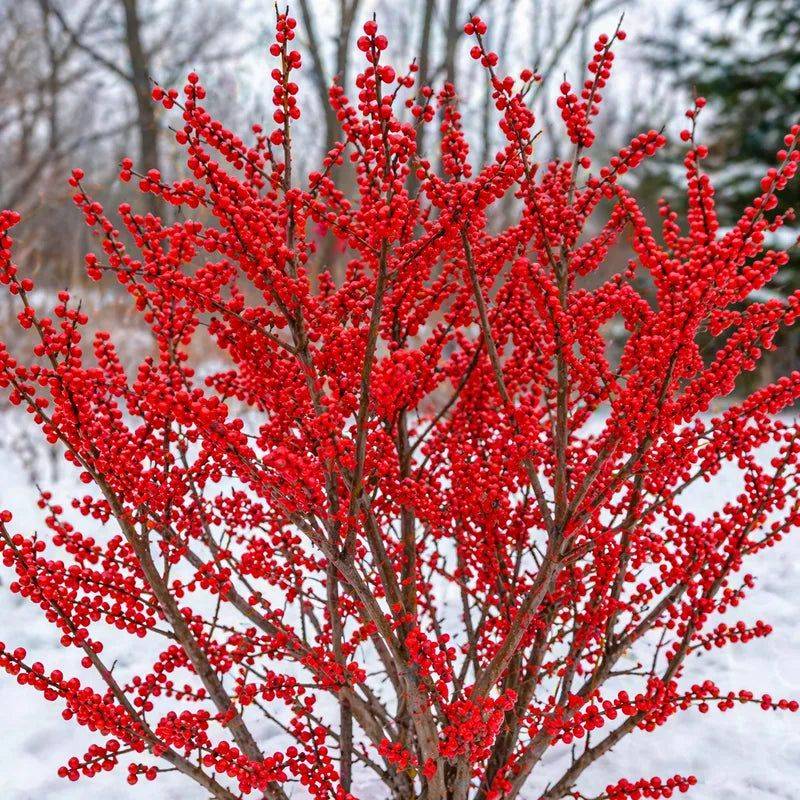
Picture leafless branches absolutely dripping with fat red berries, and you have the winterberry holly in its glory. Unlike its prickly evergreen cousins, this holly drops every leaf and lets the fruit take center stage, so the color practically vibrates against a gray sky or a dusting of snow.
The berries do double duty. They look like something out of a holiday card, and they can be a lifeline for robins, cedar waxwings, and other birds foraging when food runs thin.
One catch worth knowing before you buy: winterberry needs both a male and a female plant to set fruit. The female does all the berry-bearing, but she needs a male nearby to pollinate, so plan on planting a pair or a small group.
Give it damp, acidic soil, exactly the kind our winters tend to create, and it settles right in. Cut a few berried branches for a vase and you have instant December decor straight from the yard.
7. Paperbush (Edgeworthia chrysantha)
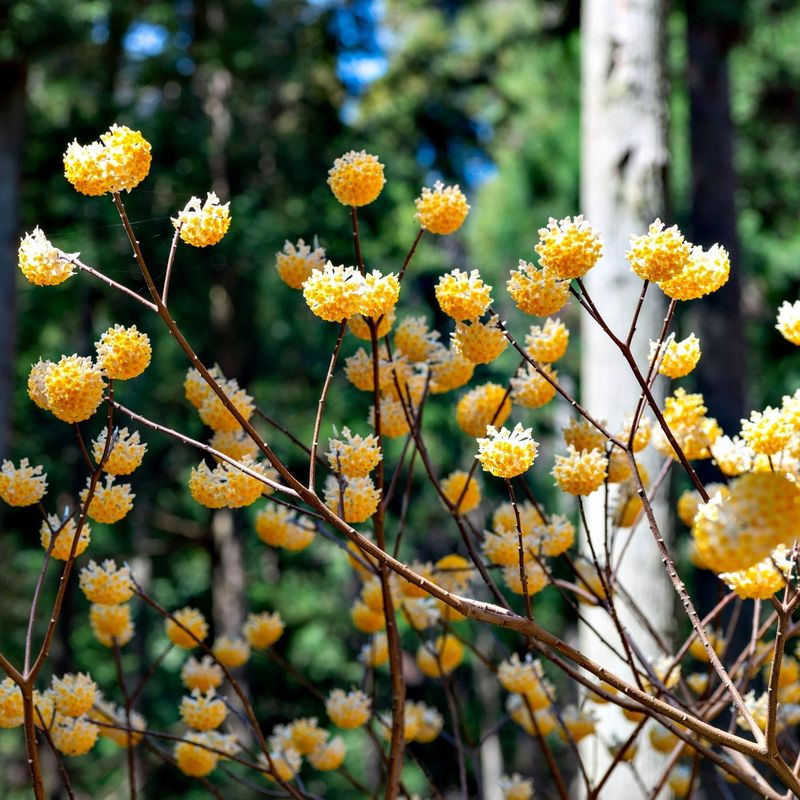
Here is the shrub that makes garden-club friends stop and ask, “Okay, what is that?” Paperbush is still a rare sight in Oregon yards, which is exactly why planting one feels like a delicious little flex.
Even before it blooms, the bare branches earn their keep with a bold, symmetrical structure and dangling silvery buds that catch winter light like ornaments. It has real sculpture to it, the kind of shape that looks intentional against a foggy morning.
Then late winter arrives and those buds burst open into rounded clusters of soft, buttery-yellow flowers with a fragrance so sweet it seems to hang in the cold air. It is the reward for months of anticipation.
Plant it in rich, moist, well-drained soil with a bit of shelter, and give it room to show off that branching. If your winter shopping cart keeps mysteriously filling up, consider this the good kind of impulse buy, the one that pays off every single January.