The Oregon Clematis Mistake That Stops Flowers From Returning
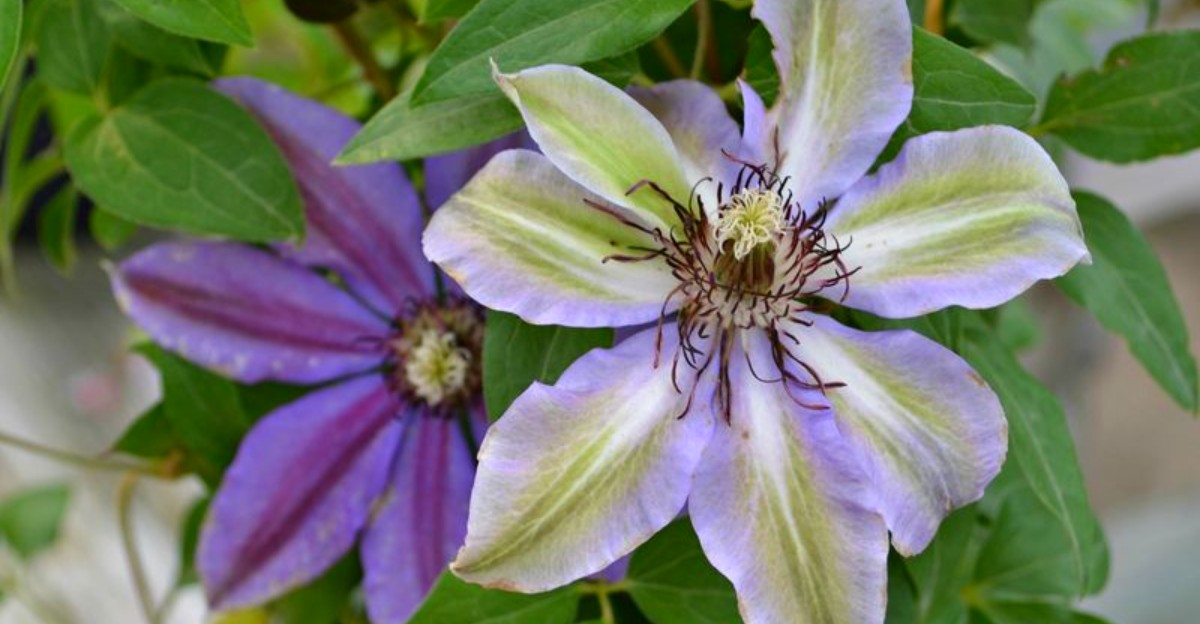
A clematis covered in flowers can be one of the highlights of an Oregon garden, so it is frustrating when the blooms disappear and never seem to return.
If your vine looks healthy but produces little or no color, the problem may have started with something you did months earlier.
Clematis varieties do not all bloom on the same type of growth, which makes their care a little different from other flowering vines.
A routine that works beautifully for one plant can remove the stems another variety needs for its next display. That is why knowing your clematis and understanding how it flowers matters before you cut anything back.
Get that detail right, and you can encourage healthier growth while giving your vine a much better chance of putting on the show you expect next season.
1. Pruning The Wrong Clematis At The Wrong Time
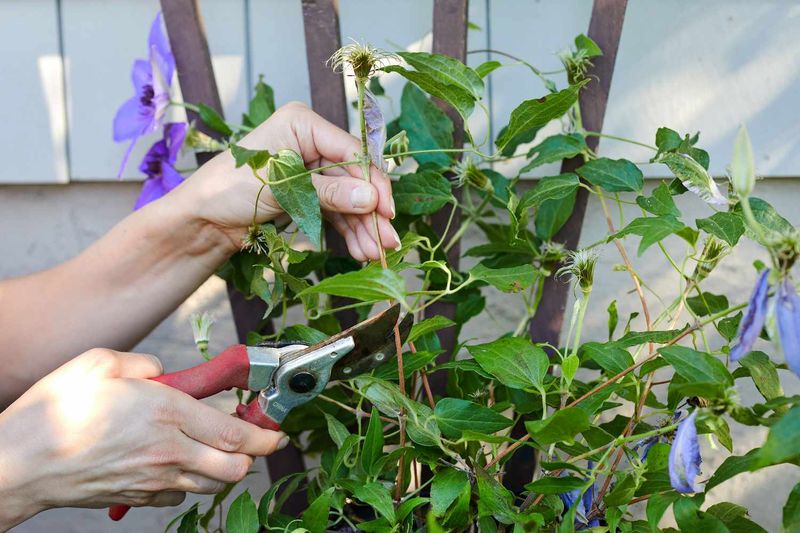
Timing is everything when it comes to clematis, and getting it wrong is the number one reason flowers vanish. Cut at the wrong moment, and you remove the exact stems that were about to bloom.
Many Oregon gardeners tidy up their vines in late winter without checking the type. That habit works fine for some clematis but strips the flower buds off others. The result is a healthy-looking green vine with almost no color.
Weather plays a role too, since Oregon springs can be cool and wet. Pruning too early can leave fresh cuts exposed to damp conditions that slow the plant down.
The smart move is to figure out your vine’s schedule before you reach for the shears. A quick pause to observe can save an entire season of blooms.
Watch when your clematis flowers each year and jot it down. Early bloomers and late bloomers need very different treatment.
If you are unsure, wait and watch for one full year before making big cuts. Light shaping is safer than a heavy trim when you do not know the group.
Getting the timing right feels like a small thing, but it makes a huge difference. Once you match your pruning to the plant’s natural rhythm, those flowers come back strong and reliable every single season.
2. Some Clematis Bloom On Older Stems
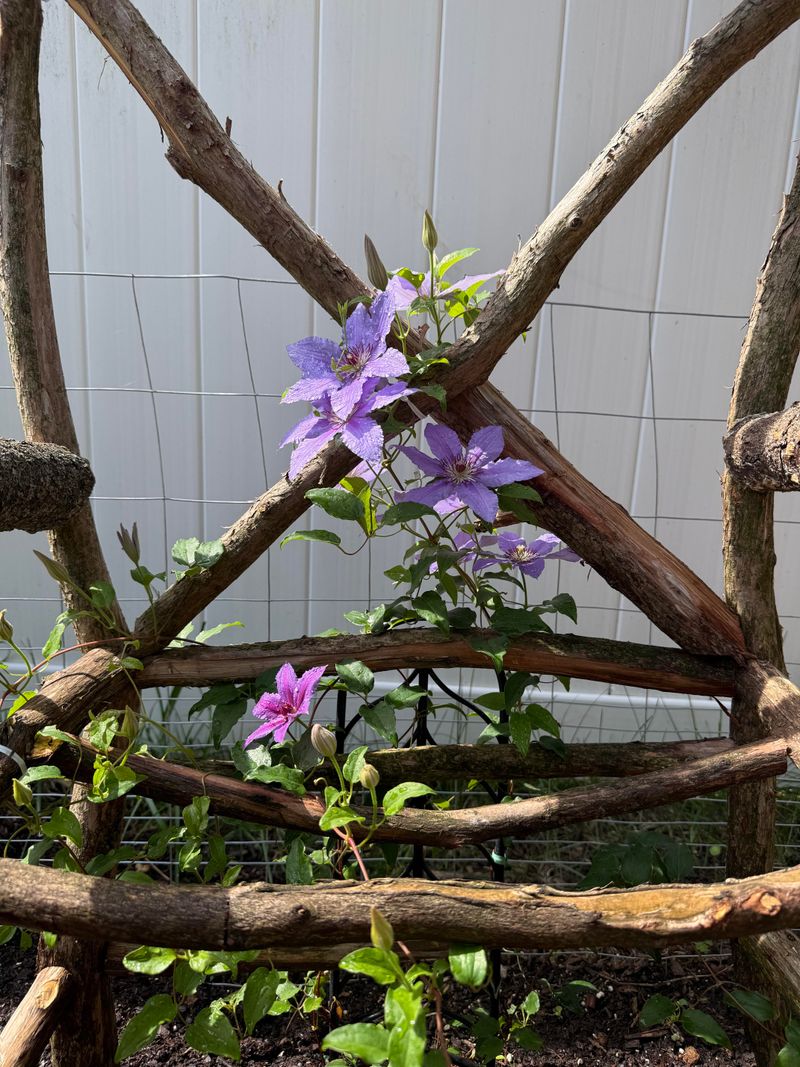
Certain clematis save their energy from one year and use it the next. Their flowers appear on stems that grew the season before, which changes everything about how you should trim them.
These early-flowering types often burst into color in spring. The buds sit quietly on last year’s wood all winter, waiting for warmer days.
Cut those old stems back hard, and you toss out the very buds that were ready to open. That is how a promising vine ends up bare.
Popular spring bloomers like the Montana group fall into this category. They reward patience and gentle care rather than aggressive cutting.
The best approach is to prune right after they finish flowering. That gives the plant plenty of time to grow new stems that will carry next year’s blooms.
Your Oregon Garden Changes Every Week. Your Plan Should Too.
Gardening in Oregon changes quickly throughout the season. Every Friday you’ll receive a simple weekly plan showing exactly what to plant, prune, fertilize, harvest, and protect so you never miss the right timing.
Light trimming to remove tangled or weak growth is usually all these vines need. There is no reason to go overboard with the shears.
Think of the old wood as a savings account full of future flowers. Spending it too early leaves you with nothing to show.
Once you recognize an old-wood bloomer, caring for it becomes simple. Wait, watch it flower, then tidy up, and you will enjoy a full display in Oregon spring after spring.
3. Others Flower On New Growth
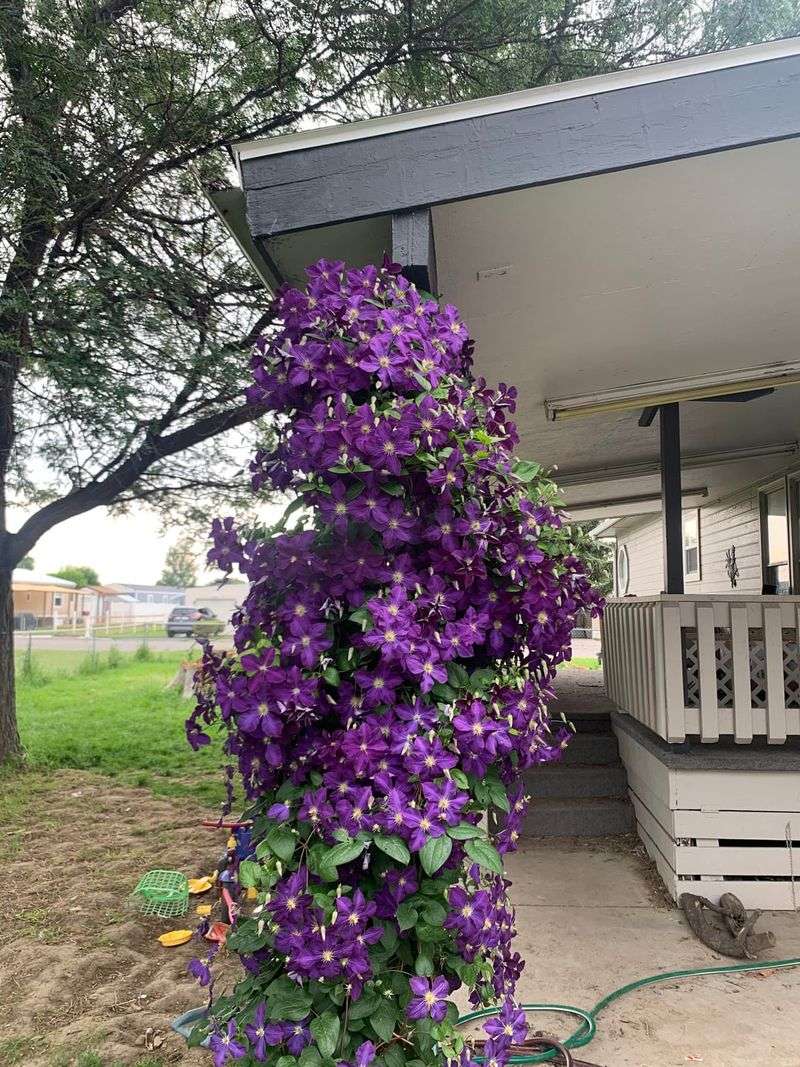
Not every clematis clings to the past. A whole group produces flowers on stems that sprout brand new each spring, and these plants love a good haircut.
These late-blooming vines send up fresh shoots when the weather warms. Buds form on that new growth, so the flowers show up later in the season.
Because the old stems do not carry the blooms, you can cut them back without losing anything. In fact, cutting encourages more shoots and more color.
Types like the Jackmanii group are famous for this habit. They put on a big show in summer and handle bold pruning with ease.
The ideal time to trim is late winter or very early spring, before the new shoots take off. A hard cut down low keeps the vine tidy and full.
Skipping the trim on these plants leads to a messy tangle with flowers only at the top. Nobody wants blooms they cannot even see.
Regular cutting keeps the flowers down where you can enjoy them. It also stops the vine from turning into a bird’s nest of withered stems.
For Oregon gardeners who worry about pruning too much, these vines are forgiving friends. Cut them back, and they bounce right back with fresh growth and plenty of new flowers.
4. A Hard Cut Can Remove Future Flowering Wood
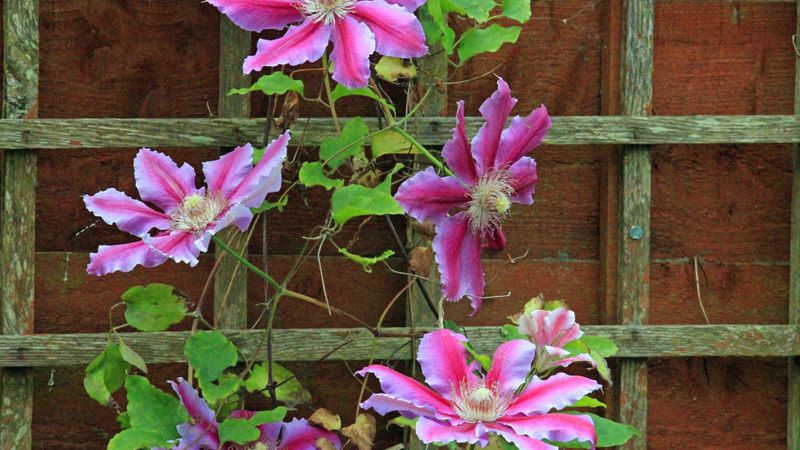
A heavy trim feels satisfying, like giving the garden a fresh start. But on the wrong clematis, that big cut takes away every flower you were hoping for.
Flowering wood is the part of the stem where buds will form. On old-wood bloomers, that wood grew last year and holds all the coming flowers.
Slice it off, and there is nothing left to bloom until the plant rebuilds. That rebuild can take a full season or more.
Gardeners often make this mistake when a vine looks messy in winter. The urge to clean it up leads to cutting way too deep.
Before any hard cut, ask yourself which group your vine belongs to. That one question can save an entire year of color.
If you must control size on an old-wood type, do it lightly and right after flowering. Save the big shaping for plants that bloom on new growth.
Think of each stem as carrying a promise of future flowers. Removing it breaks that promise before it can be kept.
Restraint really pays off here. A careful, thoughtful trim keeps the flowering wood safe and your vine loaded with buds.
Once you learn to spot which stems matter, you will cut with purpose. Your Oregon clematis stays covered in blooms instead of standing empty and green.
5. Know Which Pruning Group Your Clematis Belongs To
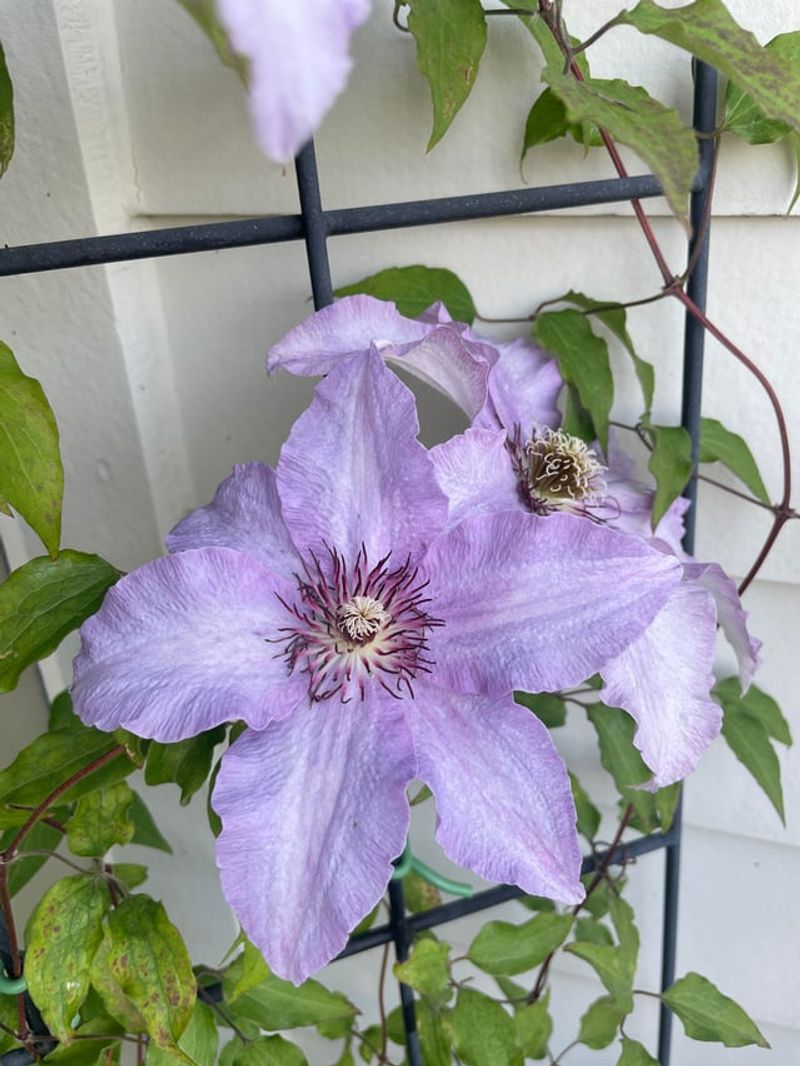
Clematis are sorted into three main pruning groups, and knowing yours is the secret to endless flowers. Each group has its own simple set of rules.
Group one covers the early spring bloomers that flower on old wood. These need only light pruning after they finish showing off.
Group two includes vines that bloom on both old and new stems, often twice a season. They get a gentle trim in early spring and another after the first flush.
Group three is made of the late bloomers that flower on new growth. These enjoy a hard cut in late winter to spark fresh shoots.
When you buy a clematis, the plant tag usually lists the group. Snap a photo of it or save the label so you do not forget.
Lost the tag? No problem. Watching the bloom time and stem type helps you figure out the group on your own.
Oregon nurseries and local garden clubs are great places to ask if you are stuck. Someone there has likely grown the same variety.
Once you match the plant to its group, pruning stops being scary. You will know exactly when and how much to cut.
That little bit of knowledge turns guesswork into confidence. Your vine responds with steady, dependable flowers year after year.
6. Look At Where This Year’s Flowers Appeared
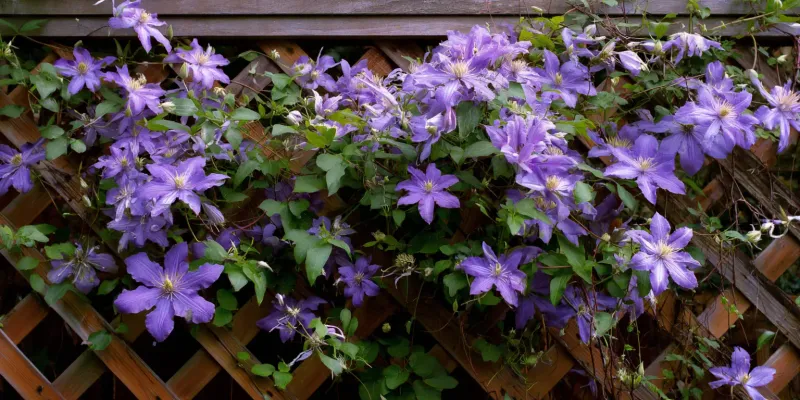
Your own vine holds all the clues you need. Paying attention to where the flowers show up tells you how to prune next time.
If blooms open on stems that grew last year, you have an old-wood bloomer. Those stems will be woody and a bit tan or brown.
When flowers appear on soft green shoots that just sprouted, you are looking at a new-growth type. That tells you a hard cut is safe.
Some vines flower in two waves, one on old wood and one on new. That double show points to the middle group.
Grab a notebook or your phone and take pictures during bloom season. A quick record makes next year’s pruning a breeze.
Mark on a calendar when the first flowers open. Early spring, late spring, or summer each hints at a different group.
This little bit of detective work costs nothing but a few minutes. Yet it protects your blooms better than any expensive tool.
Over time, you will read your vine like an old friend. The patterns become obvious once you start looking.
Trusting what your own plant shows you beats guessing every time. With Oregon’s mild seasons, careful watching gives you all the answers you need to keep flowers coming back.
7. Do Not Treat Every Clematis The Same
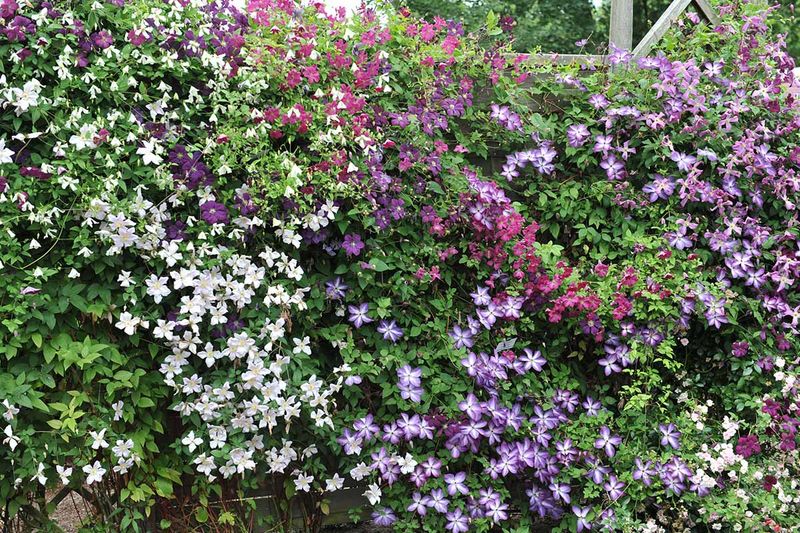
The biggest lesson of all is that clematis are not one-size-fits-all plants. Treating them the same is exactly how flowers stop coming back.
What helps one vine bloom can strip another one bare. A trim that thrills a summer bloomer can ruin a spring bloomer’s whole show.
Mixing several types in one garden is common and lovely. Just remember that each one may need its own schedule and style of cut.
Keep a simple chart or a few notes on which plant is which. Label the trellises if that makes life easier.
When you prune, slow down and think about the plant in front of you. A moment of care prevents a season of regret.
Oregon gardens often hold a colorful mix, from early Montana types to bold summer varieties. Each deserves its own gentle attention.
Grouping plants by their pruning needs can also make chores simpler. You tackle all the new-growth vines at once, then handle the old-wood ones later.
The reward for this effort is a garden that never goes quiet. There is almost always something in bloom when you match care to plant.
Treat each clematis as its own character, and they will fill your fences and arbors with color for years. That small shift in thinking makes all the difference.