The Hummingbird Food Mistakes Oregon Gardeners Should Never Make
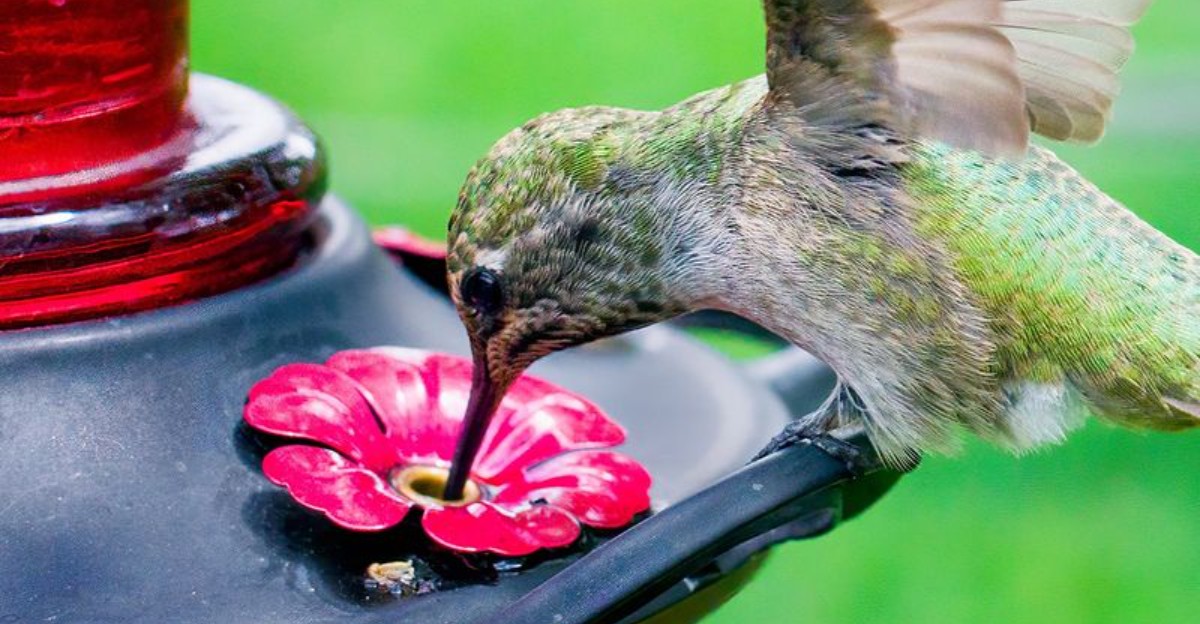
A hummingbird feeder looks like an easy way to bring more tiny visitors into your Oregon yard, but a few simple mistakes can turn a helpful food source into a health hazard.
Sugar water can spoil quickly, especially when temperatures rise, and a neglected feeder can attract mold, insects, and other unwanted problems.
You do not need a complicated setup to feed hummingbirds safely. Fresh nectar, clean feeders, and the right placement can make your yard a much better stop for these energetic birds.
It is also important to know what should never go into a feeder, since ingredients like honey, artificial sweeteners, and red dye can cause serious problems.
Getting the basics right protects hummingbirds while making it easier for you to enjoy their visits throughout the season.
1. Letting Nectar Sit Too Long In Warm Weather
Warm sunshine feels great to us, but it turns sweet nectar sour fast. When temperatures climb, sugar water spoils in just a day or two.
Oregon summers can get surprisingly hot inland, especially in places like Medford or Bend. Fermented nectar smells off and can make birds sick. A hummingbird’s tiny body cannot handle spoiled food well.
During hot weather, plan to change the nectar every one to two days. In cooler spring or fall temperatures, every three or four days works fine. A simple sniff test helps you decide.
Hang your feeder in a shady spot to slow spoiling. Morning sun with afternoon shade is a great balance. Trees, porches, and eaves all provide good cover from harsh rays.
Filling only halfway also helps in summer. Birds drink less than you might think, so a smaller batch stays fresher. You waste less sugar too.
Keep track of the days with a small note or phone reminder. It sounds silly, but busy weeks make it easy to forget. Fresh nectar is the single kindest thing you can offer.
Your reward is a steady stream of happy visitors. Healthy birds return again and again to a feeder they trust. A little attention goes a long way each week.
2. Using The Wrong Sugar-To-Water Ratio
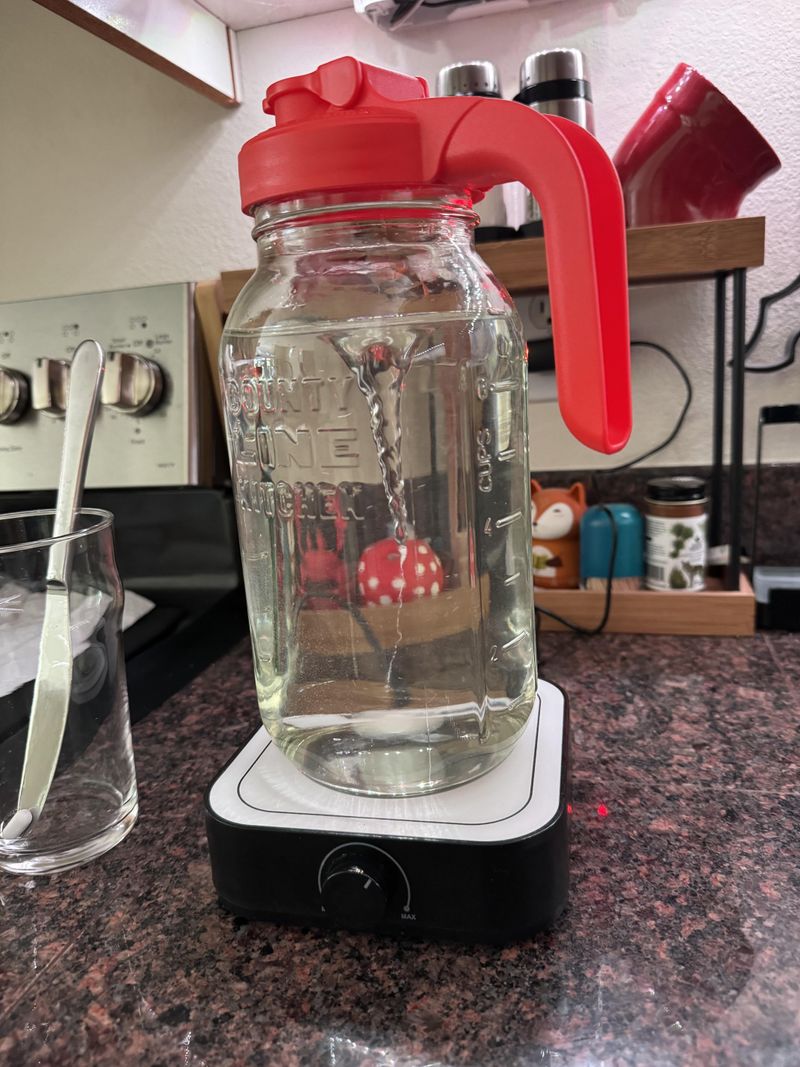
Getting the recipe right is easier than baking cookies. The magic mix is one part plain white sugar to four parts water.
That ratio closely matches the natural nectar found in flowers. Too much sugar can harm a bird’s liver and kidneys. Too little sugar leaves them without enough energy to fly.
Stick with regular white table sugar every time. Skip honey, brown sugar, and any fancy substitutes. Honey grows harmful mold, and brown sugar has ingredients birds cannot process well.
To make it, stir sugar into warm water until it fully dissolves. Boiling is not required, but heating helps the sugar blend smoothly. Let the mixture cool before you fill the feeder.
Measuring matters more than guessing. Use a real measuring cup instead of eyeballing amounts. A quarter cup of sugar with one cup of water makes a small, fresh batch.
Never add extra sugar hoping to attract more birds. Sweeter is not better and can quietly harm your visitors. The four-to-one balance is proven and trusted by experts.
Your Oregon Garden Changes Every Week. Your Plan Should Too.
Gardening in Oregon changes quickly throughout the season. Every Friday you’ll receive a simple weekly plan showing exactly what to plant, prune, fertilize, harvest, and protect so you never miss the right timing.
Store leftover nectar in the fridge for up to a week. That way you always have some ready to pour. Simple, safe, and steady is the goal here.
Your hummingbirds will thank you with frequent, cheerful visits.
3. Adding Red Dye To Homemade Nectar
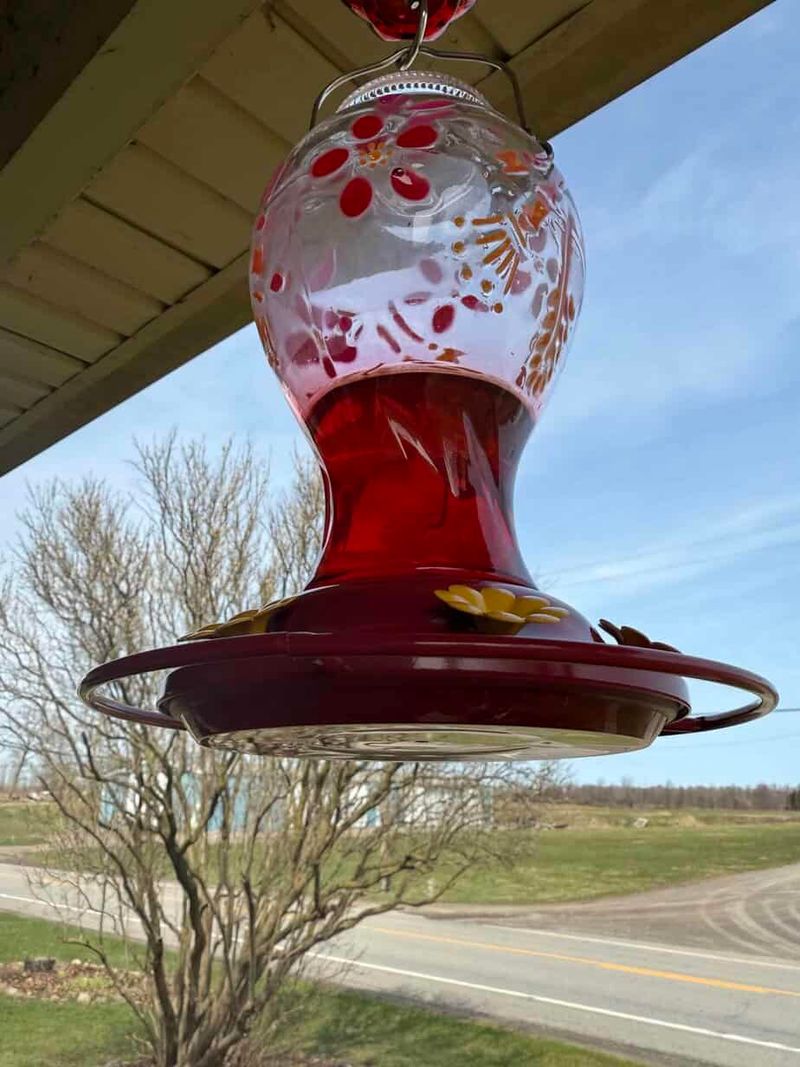
That bright red liquid in store-bought nectar looks festive, but it is not needed. Hummingbirds are drawn to the color of the feeder itself, not the water.
Red dye offers zero nutrition and may harm these delicate birds. Their bodies are tiny, so even small amounts of chemicals add up. Clear nectar is always the safer choice.
Most feeders already have plenty of red on the base or feeding ports. That color alone is more than enough to catch a hummingbird’s eye. You do not need to color the water at all.
If you want extra appeal, tie a red ribbon nearby. Plant red flowers close to the feeder too. These tricks attract birds naturally and safely.
Reading labels helps when buying premade mixes. Look for products that clearly say dye-free. Better yet, make your own at home with just sugar and water.
Homemade nectar costs pennies and takes minutes to prepare. You control exactly what goes into it. That peace of mind is worth the small effort.
Oregon gardeners who skip the dye often notice no drop in visitors. The birds keep coming, healthy and bright as ever. Clear water works beautifully.
Keep it simple, keep it clear, and let the birds shine instead.
4. Placing Feeders Where Predators Can Hide
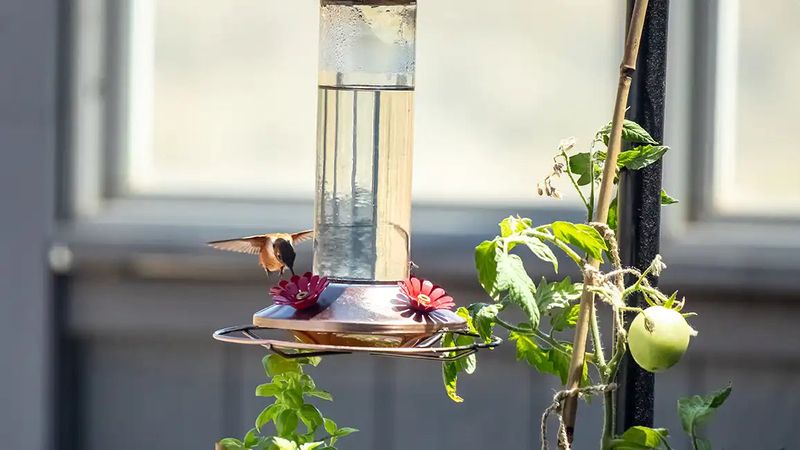
A feeding spot can quickly turn dangerous if predators lurk nearby. Cats, hawks, and even praying mantises target busy hummingbird feeders.
Placement is your best defense. Hang feeders away from dense bushes where cats can crouch and pounce. Open space around the feeder gives birds room to escape.
Height helps too. Position feeders at least five feet off the ground. That keeps prowling pets from reaching hungry visitors easily.
Watch out for spots near fences or low branches. These give predators a launch point for surprise attacks. A little distance makes a big difference.
At the same time, birds still need cover somewhere close. The trick is balance, with escape routes but no hiding places for hunters. Place perching branches about ten feet away.
Around Oregon, outdoor cats are a common backyard concern. A bell on a cat’s collar can warn birds in time. Keeping pets indoors during peak feeding hours also helps.
Check your feeder area from a bird’s point of view. Ask yourself where a sneaky cat might wait. Then adjust the location to close those gaps.
Smart placement keeps mealtime calm and safe. Hummingbirds relax when they feel secure, and relaxed birds visit more often. A safe feeder is a popular feeder every single day.
5. Skipping Regular Feeder Cleaning
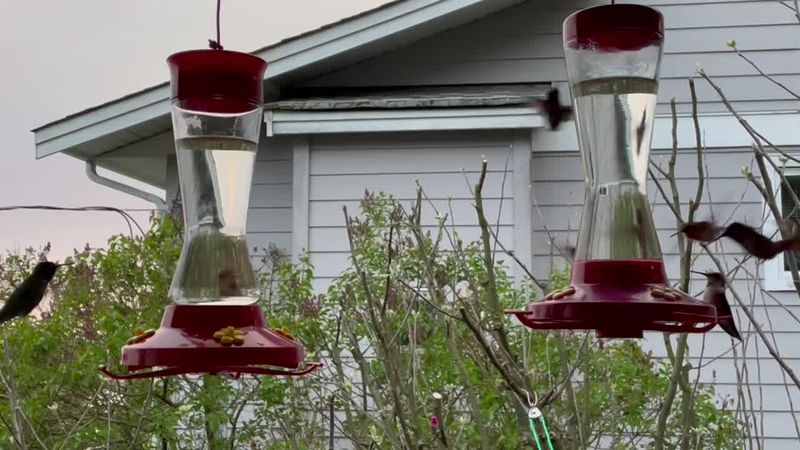
A dirty feeder is one of the biggest problems in backyard bird care. Leftover sugar builds up and grows harmful bacteria and mold.
Cleaning should become a regular habit, not an afterthought. In hot weather, wash the feeder every time you refill it. In cooler seasons, aim for twice a week.
Start by taking the feeder fully apart. Rinse each piece with hot water to loosen sticky residue. A small bottle brush reaches into narrow ports and tubes.
Skip harsh soaps that leave a slippery film behind. A mix of hot water and white vinegar cleans well and rinses clean. Let everything dry before you refill it.
Those tiny feeding holes hide the most gunk. Pipe cleaners or special port brushes work wonders there. Ignoring them lets grime spread into the nectar.
Oregon’s damp climate makes mold especially eager to grow. Even winter feeders need steady attention. Cold weather slows spoiling but does not stop it.
Set a cleaning reminder so it never slips your mind. Pairing it with refills keeps the routine simple. Ten minutes now saves your birds from getting sick.
Sparkling feeders attract more visitors and keep them healthy. Clean gear is quiet proof that you truly care about your tiny guests.
6. Using Moldy Or Cloudy Nectar
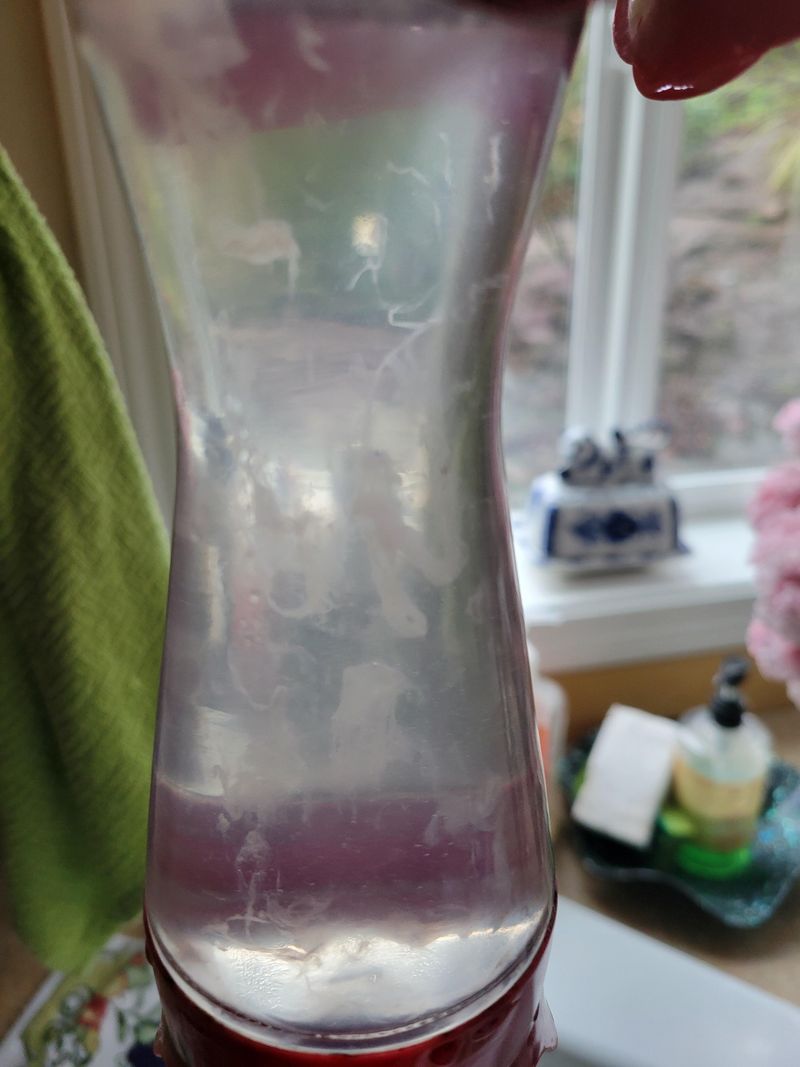
Cloudy nectar is a clear warning sign that trouble is brewing. Fresh sugar water should look crystal clear, just like plain water.
When it turns hazy or milky, harmful stuff is growing inside. Black spots along the glass mean mold has taken hold. That mold can seriously harm hummingbirds.
Trust your eyes and nose here. If the liquid looks off or smells sour, pour it out right away. Never top off old nectar with fresh batches.
Cloudiness often shows up faster in warm, sunny spots. Oregon’s wet weather also feeds mold growth quickly. Checking daily keeps you one step ahead.
After dumping bad nectar, give the feeder a deep clean. A quick rinse is not enough once mold appears. Scrub every part and let it dry fully.
Making smaller batches prevents a lot of waste. Birds drink only so much, so a half-full feeder often stays fresher. Fresh and small beats big and spoiled.
Some folks keep two feeders and rotate them. One stays in use while the other dries after cleaning. This simple swap keeps clean nectar always ready.
Catching cloudy nectar early protects your whole flock. A moment of inspection is easy insurance. Your birds count on you to serve only clean, clear meals.
7. Putting Out Feeders Without Nearby Cover
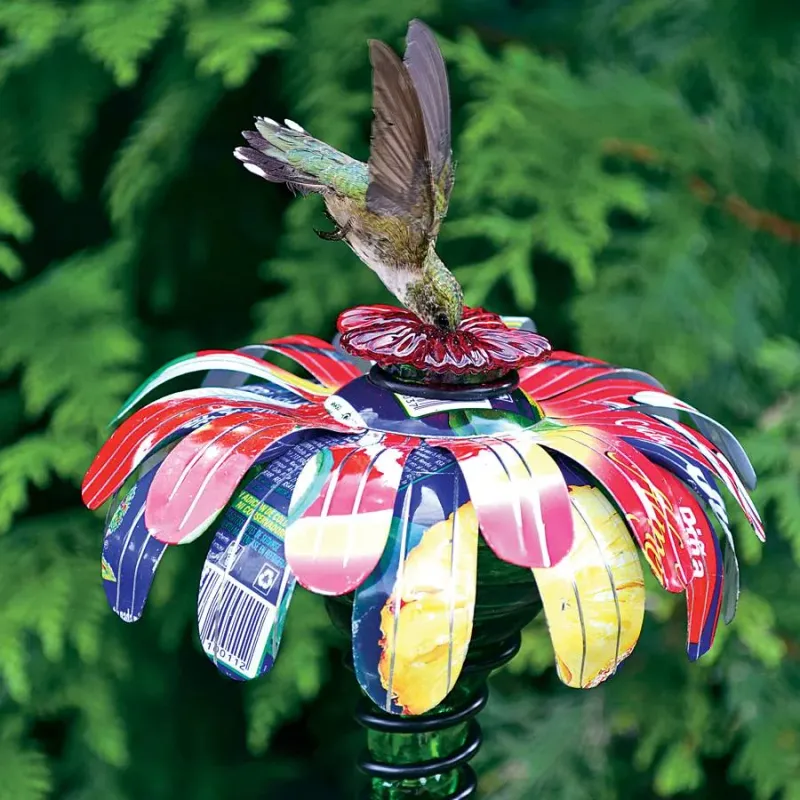
Hummingbirds need more than just food to feel at home. Nearby cover gives them safe spots to rest and watch over the feeder.
Without shelter, birds feel exposed and nervous. They may zip in for a quick sip and leave fast. A jittery bird visits far less often.
Trees, shrubs, and tall plants make perfect resting perches. Position these about ten feet from the feeder. That distance keeps predators at bay while offering safety.
Between sips, hummingbirds love a quiet branch to guard their territory. From a perch, they spot rivals and threats easily. Cover turns your yard into a comfortable base.
Oregon backyards often have native plants that work great for this. Red flowering currant and salmonberry offer both food and shelter. Planting these does double duty for your birds.
Shade from nearby leaves also keeps nectar cooler. That slows spoiling on warm days. So cover helps in more ways than one.
If your yard is open, add a small potted tree or trellis. Even a tall garden stake with vines can help. Birds appreciate any nearby resting spot.
Balancing cover and open space is the sweet spot. Give shelter close by, but keep the feeder itself in the open. Comfortable birds stick around and return daily.
8. Forgetting That Flowers Are Their Natural Food Source
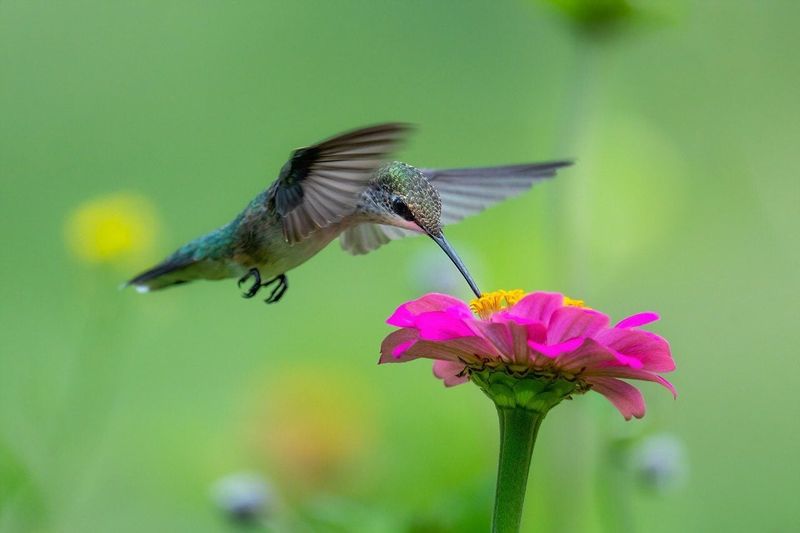
Feeders are helpful, but flowers are the real deal for hummingbirds. In the wild, blooms provide nectar plus tiny insects for protein.
Relying only on sugar water misses part of the picture. Nectar gives energy, while insects give the nutrients birds truly need. A flower-filled garden offers both naturally.
Native Oregon plants are perfect partners for feeders. Red flowering currant blooms early and feeds returning migrants. Columbine, penstemon, and fuchsia keep the buffet going all season.
Tubular, brightly colored flowers attract the most visitors. Reds, oranges, and pinks catch a hummingbird’s sharp eye. Planting clusters creates a feeding hotspot.
Blooming plants also draw small bugs that birds snack on. This gives hummingbirds a more complete diet. Feeders alone cannot match that variety.
Try to have something flowering from spring through fall. Overlapping bloom times prevent hungry gaps. A little planning keeps nectar flowing naturally.
Skip pesticides in these garden areas. Chemicals remove the insects birds depend on. Letting nature stay balanced helps everyone.
Pairing feeders with flowers makes your yard irresistible. Birds get reliable sugar plus fresh natural food. It is the best of both worlds.
A garden designed for hummingbirds becomes a lively, buzzing haven. Flowers do work no feeder ever could on its own.
9. Letting Multiple Feeders Become Overcrowded
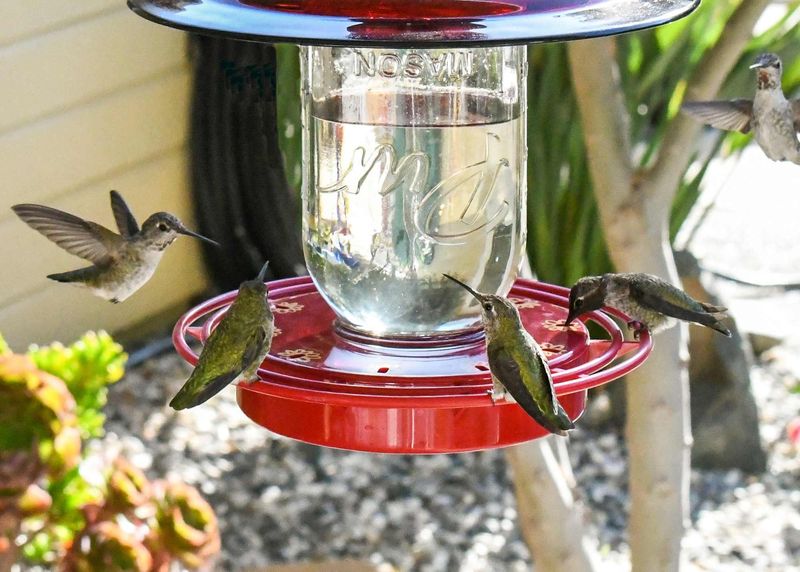
More hummingbirds should mean more joy, but crowding causes chaos. These tiny birds are fiercely territorial and chase each other away.
One busy feeder often gets guarded by a single bossy bird. That bully blocks others from feeding at all. Everyone else goes hungry while it hovers on watch.
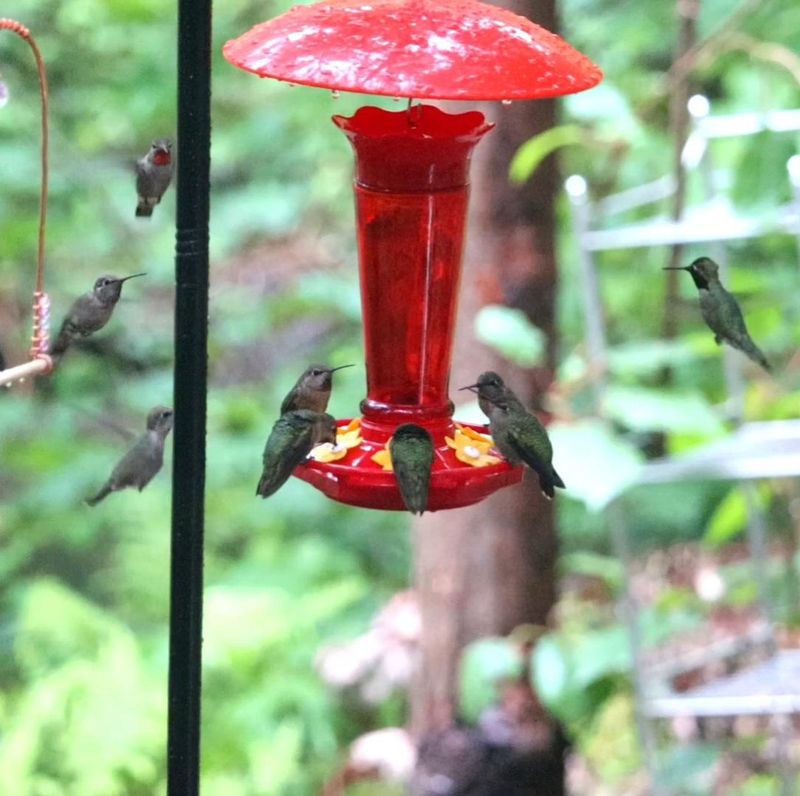
Spreading out several feeders solves the problem nicely. Place them far apart, out of sight from one another. When a bully cannot see every station, more birds sneak in to eat.
Around the corner of a house or across the yard works well. Blocking sightlines is the secret trick. Birds relax when they cannot spot every rival at once.
During busy migration, Oregon yards can fill with Rufous hummingbirds. Extra feeders ease the competition during these peak times. More stations mean more peaceful meals.
Keep each feeder clean and full, even the extra ones. A neglected backup feeder helps no one. Fresh nectar at every spot keeps things fair.
Watch how the birds behave and adjust as needed. If one feeder stays empty, move it somewhere calmer. Small tweaks make a big difference.
Giving everyone room to feed keeps your flock content. Less fighting means more time enjoying the show. A well-spread setup welcomes the whole neighborhood of birds.