Fall Is When Georgia Homeowners Should Install Bat Houses
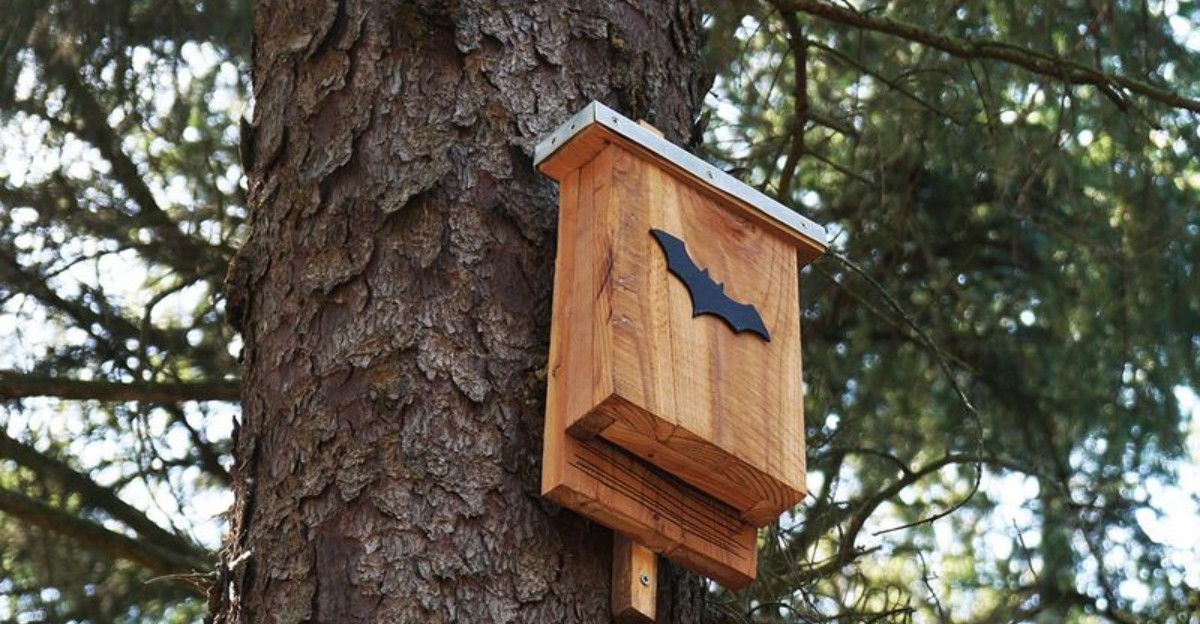
Step outside at dusk this September and Georgia still hums with small creatures you cannot quite see. Something up there works the night shift, and the porch light crowd rarely stands a fair chance.
Most homeowners only think about backyard wildlife when the weather turns friendly and the azaleas start showing off. By then the best real estate is claimed, and the waiting list stretches clear into June.
Autumn is oddly generous around here, offering cool ladders, open weekends, and soil that digs without complaint. Projects finished now tend to pay quiet dividends about the time your tomatoes ripen.
Yards have quietly shed an enormous amount of natural shelter over the last several decades. Somebody around here has to play landlord, and these tenants settle their rent in insects.
Cooler Months Give New Roosts A Head Start
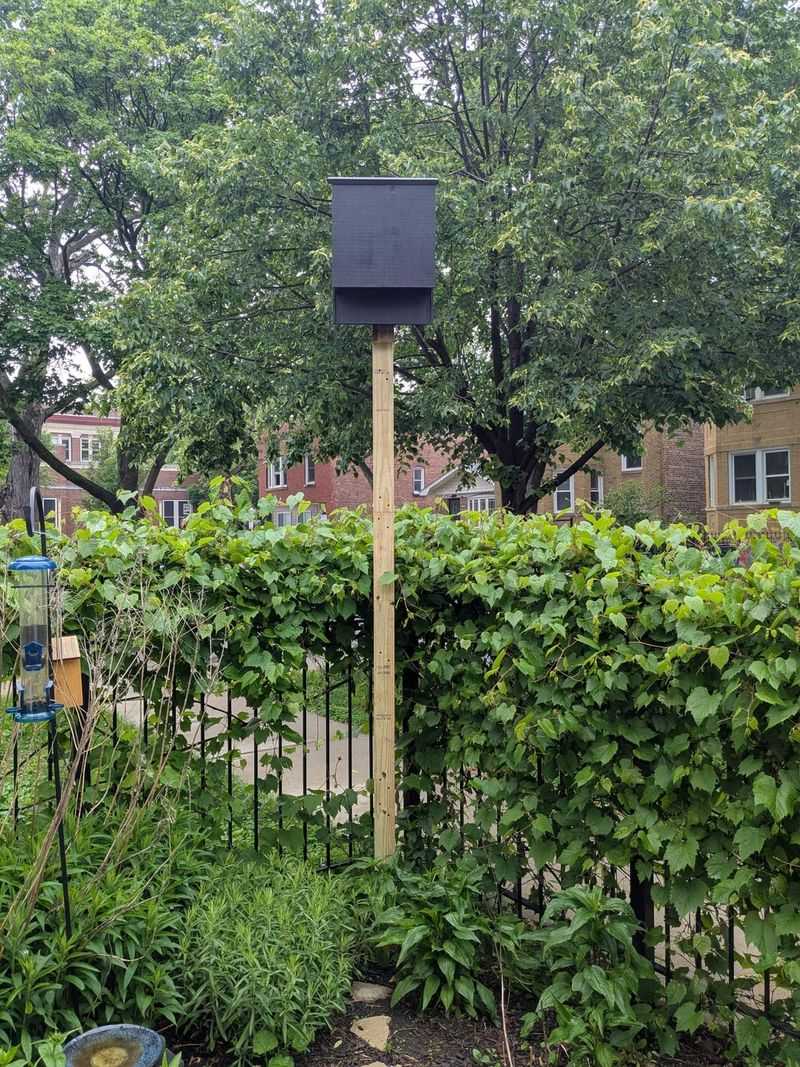
Autumn hands Georgia homeowners a quiet window that frantic spring weather rarely offers anyone. A box hung in September airs out and loses its factory smell by March.
Fresh lumber, glue, and sealant give off odors that cautious colonies tend to avoid. Six months of rain, sun, and yellow pollen soften those smells into something natural.
Bats shift roosts through October while hunting warm, sheltered quarters for the cold stretch. Plenty of them scout buildings during those trips and remember promising spots next season.
Spring installation forces you to compete with a calendar that already started without you. Mothers pick nursery sites in April, so a box raised in May sits empty.
Cooler weather makes the work safer for whoever ends up on the ladder. September afternoons in Macon beat July afternoons by roughly twenty sweaty degrees.
Wasps and hornets slow down in fall, so chambers stay clear during mounting. You can caulk, paint, and level the box without insects circling your head.
Handymen and contractors are easier to book before the holiday rush swallows their schedules. If a pole needs concrete, autumn soil digs far easier after a good rain.
Occupancy often takes one or two full seasons, even with flawless placement. Hanging early nudges your yard toward the front of that slow, patient line.
Think of it as planting a bulb that flies instead of blooms. The reward shows up at dusk rather than in a flower bed.
Georgia’s Winter Roosting Patterns
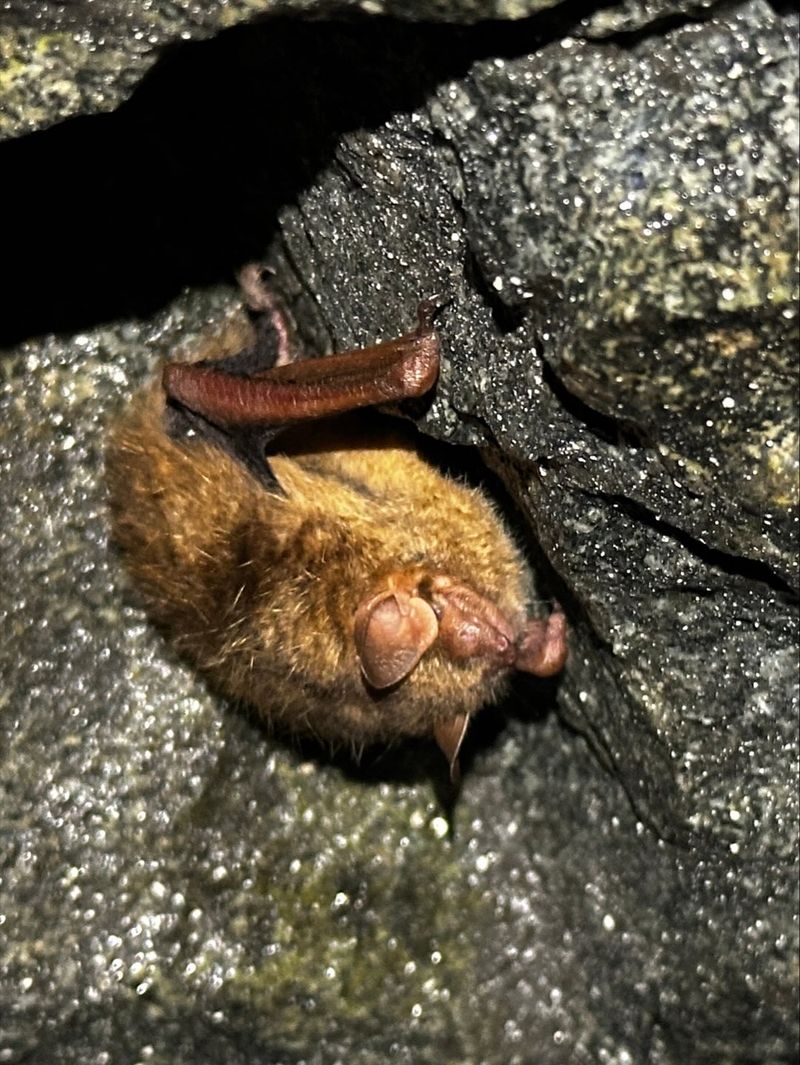
Bats in Georgia do not spend winter the same way across the state. North Georgia species retreat into caves and old mines, while southern colonies often stay closer.
Tricolored bats tuck into damp culverts and cave passages from November through March. Big brown bats handle cold better and sometimes settle inside attics or barn walls.
Brazilian free-tailed bats dominate warmer counties and remain active on mild winter evenings. A sixty degree January night in Valdosta can bring a few of them out hunting.
White-nose syndrome has pushed several cave species into steep decline since 2013. Biologists now count far fewer tricolored and northern long-eared bats than before.
Backyard boxes cannot replace a cave, yet they matter enormously during summer. Warm season roosts are where females raise pups, and those sites keep disappearing.
Your Georgia Garden Changes Every Week. Your Plan Should Too.
Gardening in Georgia changes quickly throughout the season. Every Friday you’ll receive a simple weekly plan showing exactly what to plant, prune, fertilize, harvest, and protect so you never miss the right timing.
Old snags get cut, barns come down, and shutters get replaced with vinyl. Each loss removes a pocket of warmth that a small colony once depended upon.
Understanding the calendar helps you set realistic hopes for a new box. Nobody moves in during December, and that silence means nothing about your carpentry.
March and April bring the real audition, when females search for warm nursery space. A box that has weathered all winter looks far more convincing than fresh plywood.
Georgia’s seasons basically hand you a construction window and a leasing window. Fall is for building, spring is for filling vacancies, and summer collects the rent.
Placement Rules For A Georgia Yard
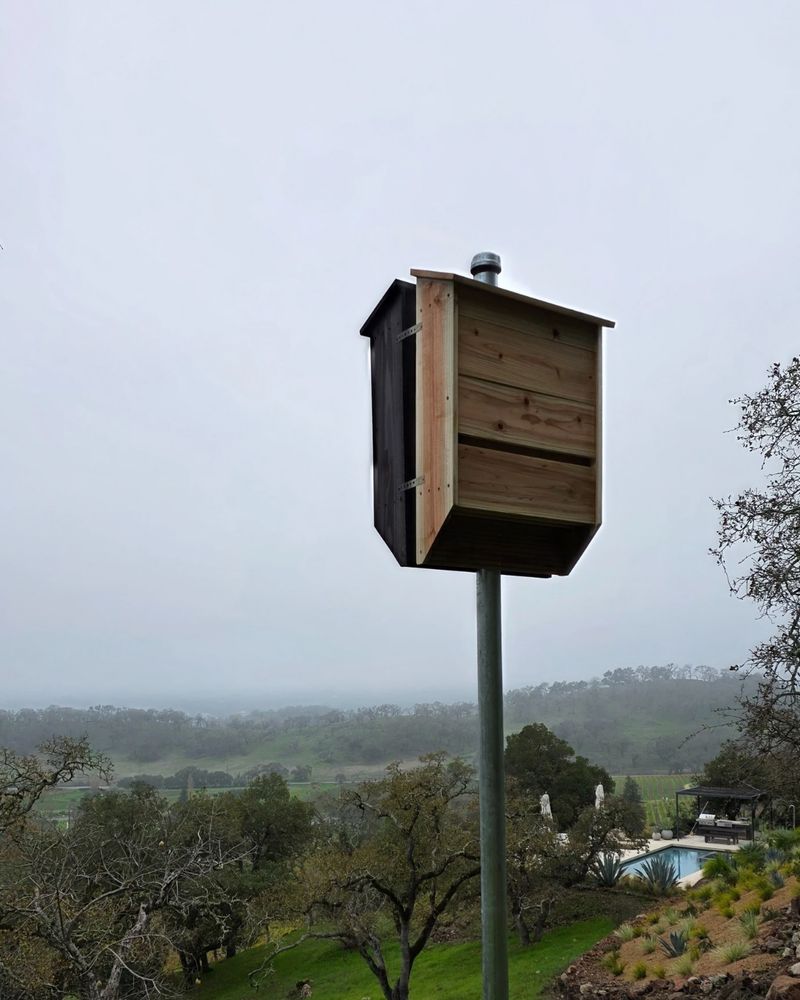
Placement decides everything, and a perfect box in a shady oak stays vacant. Local colonies want heat, height, and a clean drop into open air.
Aim for four to six hours of direct morning sun on the front panel, since summer heat can overheat a box that gets too much afternoon sun. South or southeast facing walls and poles catch that light best in most yards.
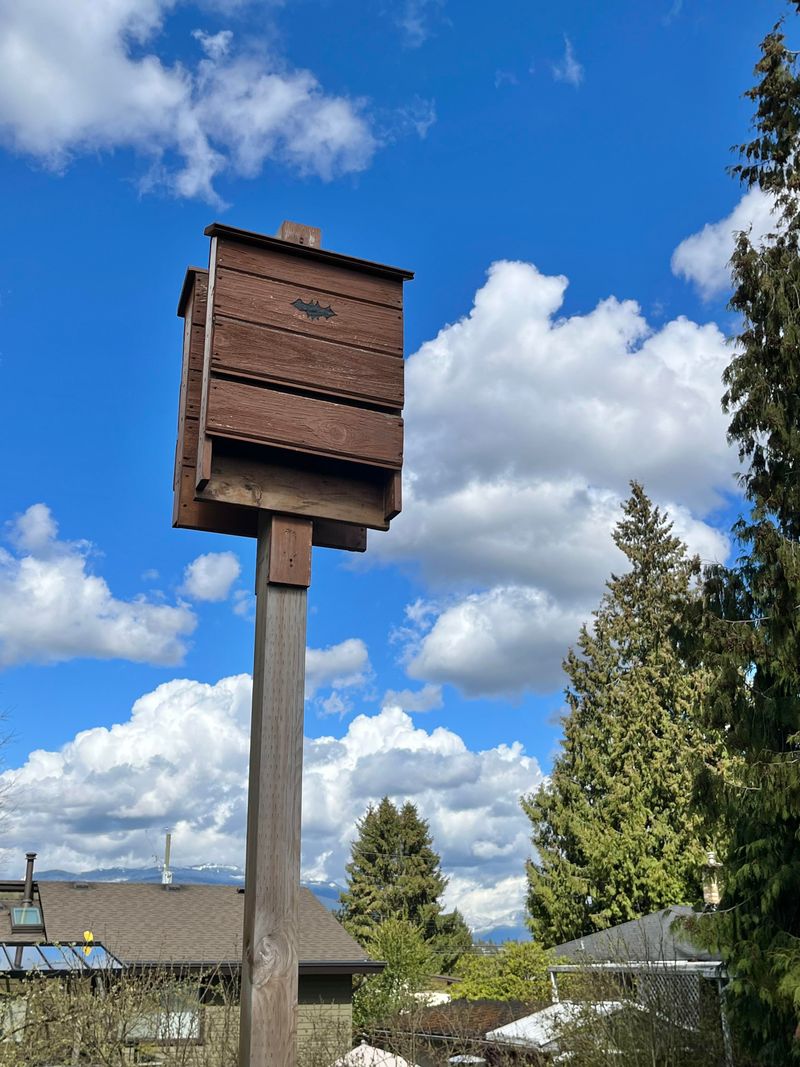
Height matters just as much as light, so mount twelve to twenty feet up. Higher boxes stay beyond the reach of cats, snakes, and curious raccoons.
Poles and building walls beat tree trunks by a wide margin. Branches block the exit, shade the box, and give climbing predators an easy path.
Georgia summers run hot, so paint choice needs some thought. Medium brown or gray exterior latex suits most of the state, with white better south of Macon.
Keep a twenty foot clear drop below the entrance for easy takeoff. Bats fall before they fly, and clutter under the box discourages landings.
Water within a quarter mile improves your odds considerably. Ponds, creeks, retention basins, and even a neighbor’s swimming pool count toward that.
Bright security floodlights aimed at the entrance send the wrong message entirely. Shift the fixture, add a shield, or move the box to a darker wall.
Two boxes mounted back to back on one pole double your chances. Bats can then slide around to whichever side holds the better temperature.
Driveways, patios, and porch entries are poor neighbors for a roost. Guano piles up quickly, so choose a spot over mulch, lawn, or garden beds.
Common Mounting Mistakes That Leave Boxes Empty
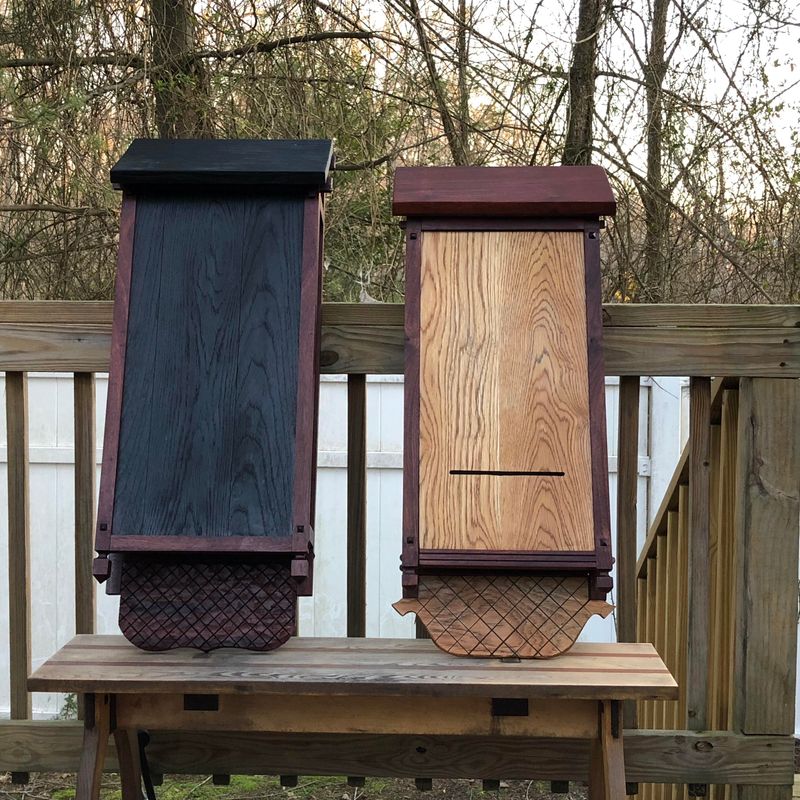
Most empty boxes fail for reasons that have nothing to do with luck. The little decorative units sold at garden centers cause more disappointment than anything else.
A proper roost runs at least twenty-four inches tall and fourteen inches wide. Tiny novelty boxes cannot hold enough warmth to satisfy a nursery colony.
Interior walls need a rough, grippy surface for tiny claws to hold. Scored wood or plastic mesh works, while nylon window screen can snag limbs.
Sealing counts too, since drafts through the seams drain heat overnight. Caulk the top joints, then check the box again after its first winter.
Painting the inside chambers seems tidy but ruins the texture bats grip. Leave the interior bare and save the exterior latex for outside surfaces only.
Pressure-treated lumber belongs on your deck, not inside a roosting chamber. Untreated cedar, cypress, or exterior plywood serves the colony far better.
Mounting low is the second most common error I hear about. A box at eight feet feels exposed, and most colonies pass it by.
Impatience ranks right behind that, especially among folks who move boxes yearly. Give each location two full summers before deciding the spot truly failed.
Hardware gets overlooked as well, and a wobbling box loses tenants fast. Use lag screws and washers instead of nails, then re-tighten every autumn.
Every one of these slips is fixable with a screwdriver and an afternoon. Fall gives you that afternoon before the March house hunters start touring.
Midsummer Garden Payoffs From Bat Patrols
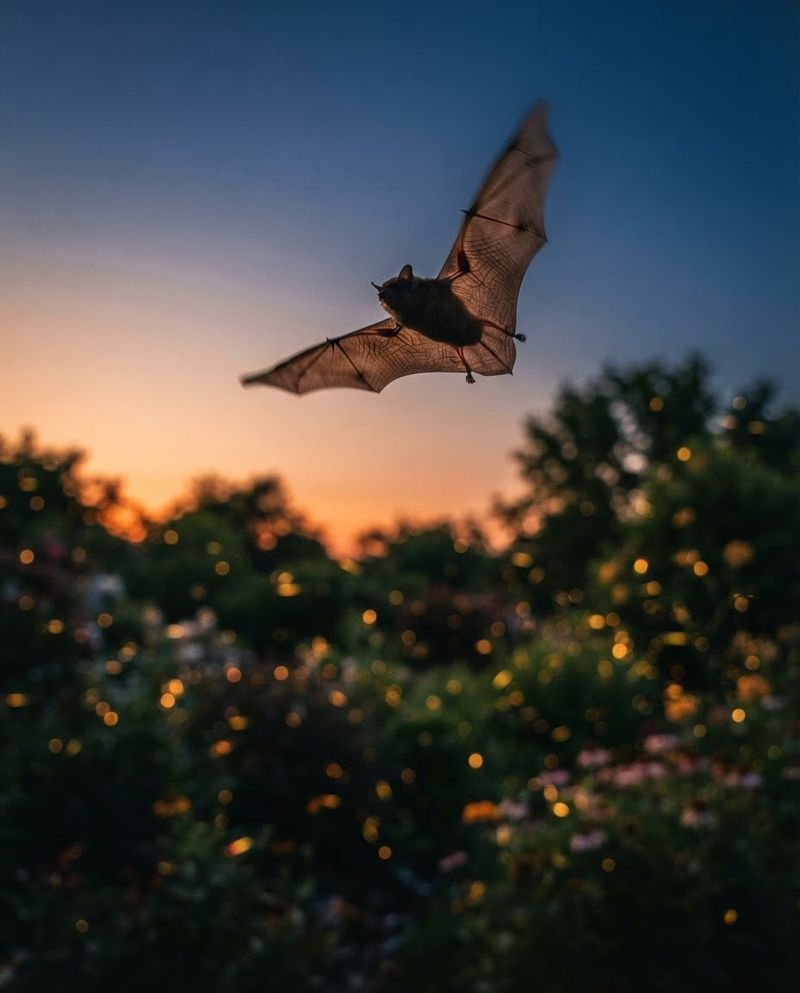
A single little brown bat can snap up hundreds of small insects each hour. Multiply that by a colony of thirty, and your July evenings change noticeably.
Georgia’s warm nights produce moths that lay eggs on tomatoes, corn, and pecans. Bats intercept many of those adults before a single egg reaches your garden.
Researchers estimate bats save American farmers billions of dollars in pest control yearly. Backyard math works the same way, just scaled down to a quarter acre.
Mosquitoes make up a modest slice of the menu, despite popular claims. Beetles, leafhoppers, and moths dominate, which still helps vegetable beds tremendously.
Guano collected under the box makes a nitrogen rich addition to compost. Sprinkle it thinly, wear gloves, and let your roses take the credit.
Fewer pests often means fewer sprays, which protects bees and butterflies too. The chain reaction reaches every corner of a yard within a season or two.
Kids love the show, and dusk becomes a small nightly event. Chairs come out, and silhouettes cut across a pink sky right on schedule.
Pecan and peach growers across the state have long valued nighttime insect patrols. Home orchards get the same service without a single invoice.
Neighbors usually notice the difference before they notice the box itself. Expect a few questions about that odd wooden shape on your pole.
None of that arrives in November, which is exactly the point. Work done this fall buys you a calmer porch next July.
Attic Exclusion Timing For Bat Season
Homeowners with bats already in the attic have a narrow legal window each year. Georgia wildlife rules protect maternity colonies from April through late July.
Sealing an attic during that stretch traps flightless pups behind the drywall. Late August through mid October is the humane and lawful time for exclusion.
Hanging a box before the exclusion gives the colony somewhere else to go. Evicted bats accept a nearby roost far more readily than a stranger’s yard.
One-way doors over the gap let bats leave without letting them return. Seal the opening after several bat-free nights, then patch every other gap you find.
Annual upkeep keeps a working box working for fifteen years or longer. Check hardware, scrape wasp nests, and inspect seams once the box empties in fall.
Repainting every three to five years protects the plywood from Georgia humidity. Use exterior latex only, and keep every drop out of the interior chambers.
Leave an occupied box undisturbed during the hot summer months. Disturbing mothers can scatter a colony you spent two years attracting.
Grounded bats deserve distance, since a small percentage carry rabies. Call a licensed wildlife operator rather than reaching for a bare hand.
Guano under the box can be raked into beds or compost. Wet it first, wear a mask, and the cleanup takes ten easy minutes.
Georgia counties from Rabun to Camden host bats worth keeping around. A little autumn maintenance keeps your yard on their short list of favorites.