These Root Vegetables Can Still Be Planted In October In Georgia
Radishes sown now in a Georgia garden can be ready to pull before Thanksgiving.
Not every root crop works on such a short timeline, but several still have room in the schedule.
Cool soil helps many of them develop sweeter flavor than they would in summer. Some even hold in the ground through mild winter weather until you are ready to harvest.
Timing varies across the state, and the mountains run out of room sooner than the coast.
Seed packets list days to maturity, which shows what still fits before the first hard freeze. A few crops grow from sets or cloves instead of seed, giving you a head start.
Loose, sunny soil and a packet of seeds are about all it takes to get a crop going this month.
1. Carrots Can Still Be Sown During The Early Part Of October
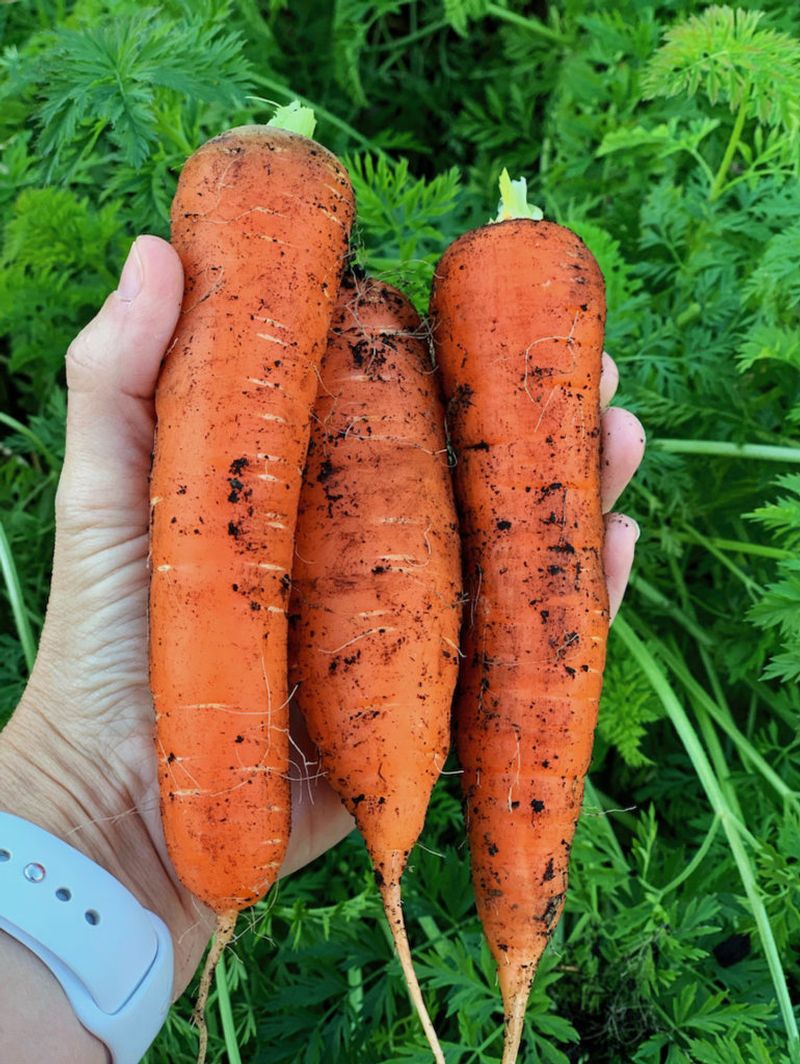
Timing is everything with fall carrots. In much of Georgia, especially the middle and southern parts, early October still works for a sowing if you move quickly.
Gardeners in the northern counties and mountains should be more careful, since their cold weather arrives sooner and roots may not size up before growth slows.
Carrot seeds are tiny and slow to sprout. They can take one to three weeks to come up, and they need steady moisture the whole time.
A light sprinkle of water every day or two helps keep the soil surface from crusting over, which can block weak seedlings.
Loose soil makes a big difference. Rocky or heavy clay can cause forked or stubby roots, so raised beds or well-worked soil tend to give better shapes.
Shorter types like Danvers, Chantenay, or round carrots are good choices this late in the season because they mature faster than long varieties.
Thin seedlings once they are a couple of inches tall. Crowded carrots compete for space and often stay small.
Cool weather can bring out a sweeter flavor in the roots as they grow. A layer of straw or a frost cloth can help protect them during sudden cold snaps, though results will vary depending on how harsh your winter turns out.
Check the soil regularly as temperatures begin to drop, since slower growth can make harvest timing less predictable.
Gently brush soil away from the top of one carrot to check its size without disturbing the entire row.
If roots are still small when colder weather arrives, leave them in place during mild conditions and harvest as needed. Avoid pulling every carrot at once unless a prolonged freeze is expected.
2. Beets Can Still Be Planted At The Very Start Of October
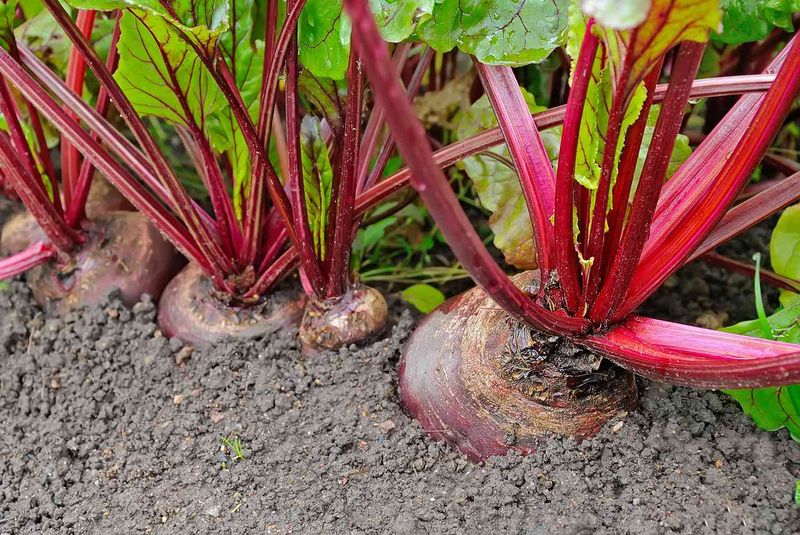
Red stems poking through dark soil are a cheerful sight in fall. Beets give you two harvests in one, since both the roots and the leafy greens are good to eat.
Planting at the very start of October is the safer bet here.
Gardeners in south and coastal Georgia usually have more wiggle room than those up north. Mountain areas may find it is already too late for a full-sized root, though young greens are still possible.
Your Georgia Garden Changes Every Week. Your Plan Should Too.
Gardening in Georgia changes quickly throughout the season. Every Friday you’ll receive a simple weekly plan showing exactly what to plant, prune, fertilize, harvest, and protect so you never miss the right timing.
Each beet seed is really a small cluster that holds several seeds. That means more than one sprout may pop up in the same spot, so thinning is a must.
Snip the extra seedlings with scissors instead of pulling them out. Pulling can disturb the roots of the plant you want to keep.
Soaking seeds in water for several hours before planting may help them sprout a bit faster in drying fall soil.
Beets prefer soil that is not too acidic. A soil test through your county Extension office can tell you whether adding lime makes sense before you plant.
Expect harvest in roughly two months, depending on the variety and the weather. Smaller roots, about the size of a golf ball, are often the most tender, so there is no need to wait for giant ones.
Keep an eye on the leaves as your beets develop, since healthy foliage helps support the growing roots below.
Remove only a few outer leaves at a time if you want to enjoy the greens before harvest.
Cooler temperatures may slow their growth, especially in northern gardens. Check root size occasionally rather than relying entirely on the maturity date printed on the seed packet.
3. Radishes Grow Quickly From Seeds Sown During The Cooler Weeks
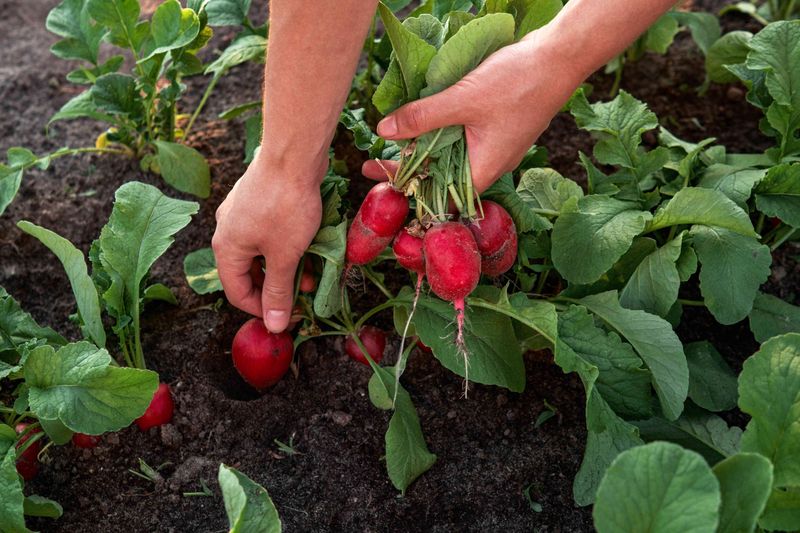
Impatient gardeners, meet your new favorite crop. Many common radish varieties can be ready to pull in about three to four weeks.
That speed makes them a great fit for October planting across most of Georgia.
Cool weather actually helps radishes. When it gets hot, they can turn woody, spicy, or go to seed before forming a good root.
Sow seeds about half an inch deep and an inch apart. Rows can go in between slower crops like carrots, since the radishes will be gone before the carrots need the space.
Steady water is the secret to crisp, mild radishes.
Letting the soil dry out and then soaking it can lead to cracked roots. A thin layer of mulch can help hold moisture in place between waterings.
Try planting small batches every week or two instead of all at once. You will get a steady supply rather than a huge pile that goes soft in the fridge.
Winter types, like daikon, take longer to mature, often closer to two months. They may still work with an early October start in warmer parts of the state.
Check your radishes often once they near maturity. Left in the ground too long, they can become pithy and hollow inside.
Radishes are also useful for filling small gaps in raised beds after summer vegetables have been cleared away.
Their compact growth makes it easy to fit another short harvest into a space that would otherwise remain empty.
Check the soil surface after heavy rain, since exposed roots can develop unevenly. Cover any exposed shoulders lightly with soil and continue checking their size as harvest approaches.
4. Turnips Have One Of The Longest Fall Planting Windows
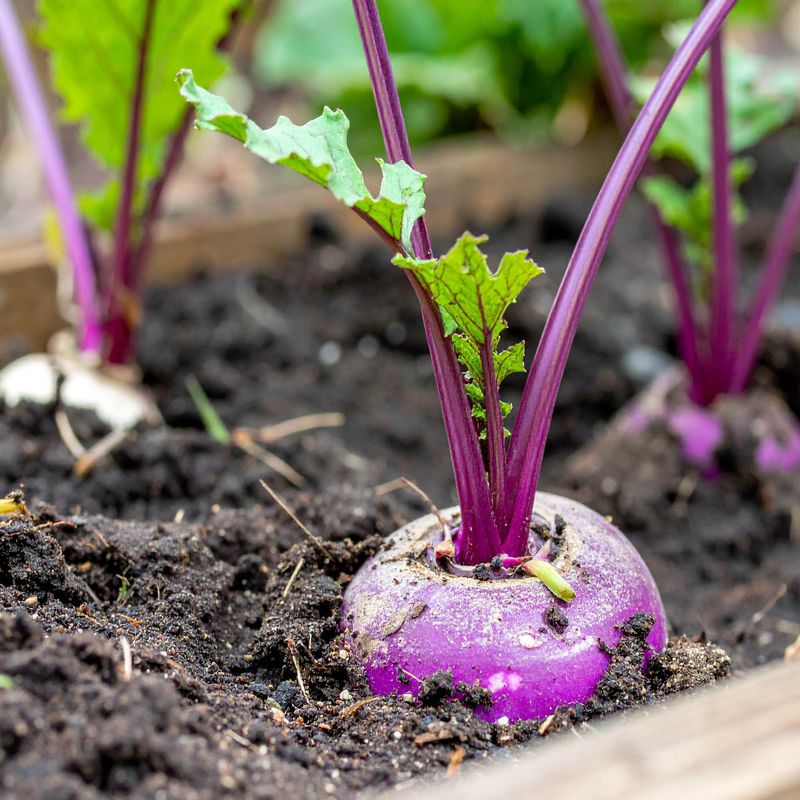
Ask an old-time Southern gardener about fall crops, and turnips will come up fast. They are tough, forgiving, and well suited to cooler months.
Across much of Georgia, turnips can often be sown through October, and sometimes later in the southern half if the weather stays mild.
Not everyone grows them for the roots. Plenty of people plant turnips mainly for the greens, which can be picked young and cooked just like collards.
Varieties such as Purple Top White Globe are a common pick for roots. Seven Top is grown for greens and does not form much of a root at all.
Scatter the seeds lightly and cover them with a thin layer of soil.
Thin plants to a few inches apart if you want decent roots. If greens are your main goal, you can leave them a little closer together.
Roots are usually best when picked small, around two to three inches across. Larger ones can turn tough and stronger in taste.
Light frosts usually do not bother turnips much, and some folks think the greens taste better afterward. A hard freeze, however, can damage roots near the surface.
Watch for aphids on the leaves during warm spells, since they sometimes show up in fall.
If you want both roots and greens, choose a variety that produces a good harvest of each.
Harvest outer leaves sparingly while the roots are developing, since removing too much foliage can slow their growth.
Keep the bed free of weeds during the first few weeks. Young turnip seedlings establish quickly, but competition for sunlight and nutrients can still affect the size of the final harvest.
5. Garlic Cloves Planted In Fall Develop Roots Before Winter
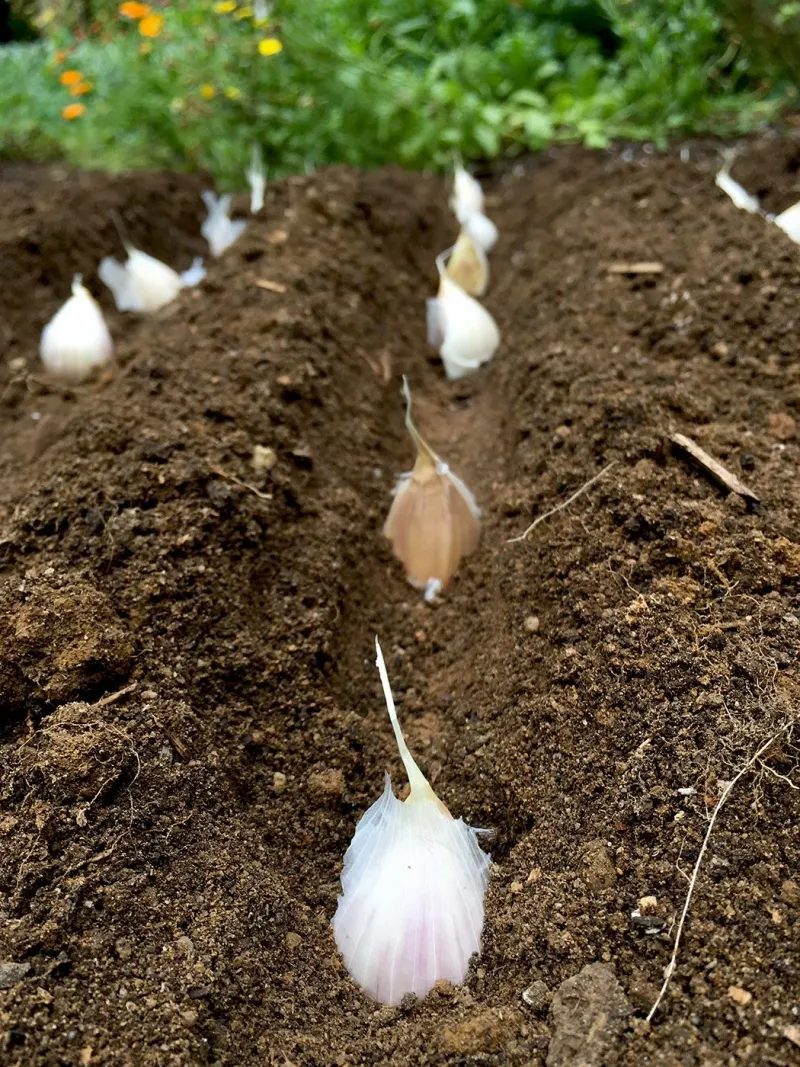
Garlic plays the long game. You plant it in fall, and then you wait until late spring or early summer to dig it up.
October and November are common planting months in Georgia, with northern areas often planting a bit earlier than the south.
Once in the ground, cloves usually send out roots while the soil is still warm. Some green shoots may also appear before winter, which is normal.
Choosing the right type matters a lot in a warm climate.
Softneck varieties and certain Creole or Asiatic types tend to do better in the South. Many hardneck types prefer longer, colder winters, so they may struggle in the warmer parts of the state.
Grocery store garlic is sometimes treated to stop sprouting. Buying bulbs from a seed supplier or garden center is usually a more reliable choice.
Split the bulb into cloves just before planting. Set each one pointed end up, about two inches deep, and roughly six inches apart.
Well-drained soil helps prevent rot during wet winter stretches. A layer of straw mulch can keep weeds down and hold moisture steady.
Patience pays off here. Harvest often comes when about half of the leaves have turned brown in late spring.
Mark your garlic rows after planting so you can recognize them when other garden growth appears. This is especially helpful if you plan to add more cool-season vegetables nearby.
Avoid disturbing the planting area during winter, even when little growth is visible above ground.
6. Fall Planted Onions Get Their Start During The Cooler Season
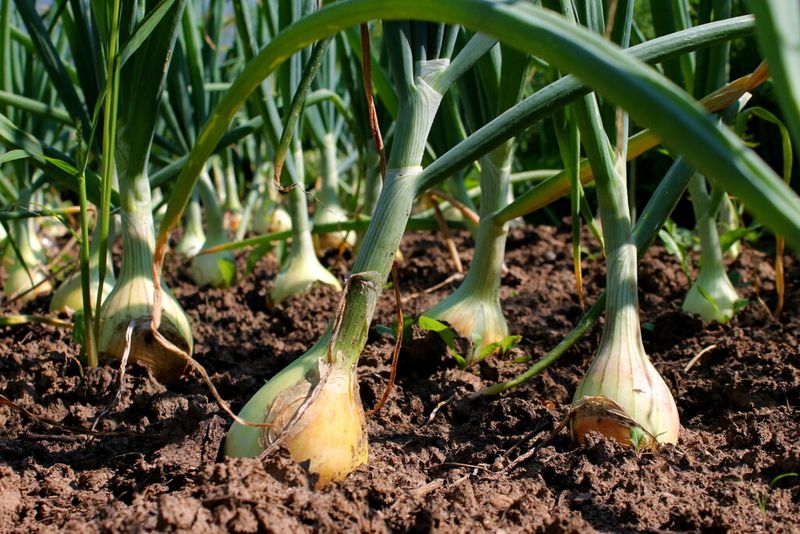
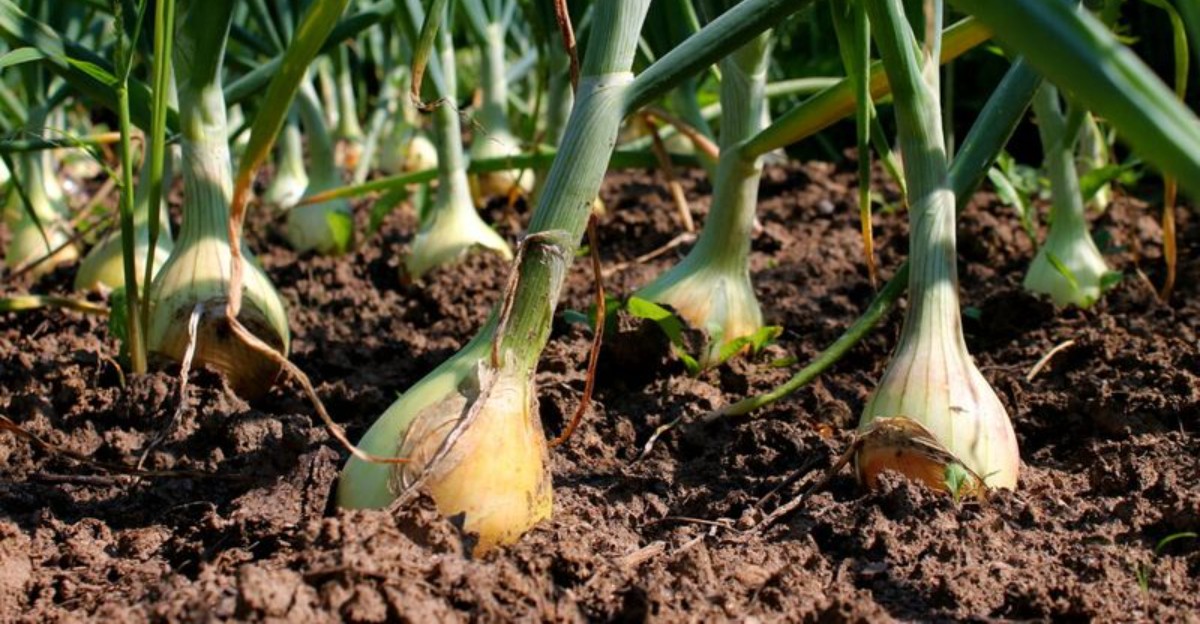
Vidalia country knows a thing or two about onions. Short-day onions, the type grown in southeast Georgia, are often started in fall and harvested the following spring.
Home gardeners can follow a similar pattern.
Day length plays a big role in onion bulbing. Short-day and some intermediate-day varieties are generally better suited to Southern gardens than long-day types meant for northern states.
Seeds sown in fall can grow into small plants that spend winter in the bed. Onion sets or transplants are another option, and timing for those can vary by region and supplier.
Gardeners in the mountains may face harder freezes that can harm young onions.
Local advice from your county Extension office can help you choose a variety and planting time that fits your area. Results can change a lot from one part of the state to another.
Onions do not like competition. Their thin leaves cannot shade out weeds, so regular weeding is important through the cool season.
Keep the soil evenly moist but not soggy. Too much water can lead to rot, while dry spells can slow growth.
Bulbs usually swell as days lengthen in spring, so most of the visible growth happens later. Fall is mainly about getting healthy roots and leaves started.
Pay attention to the size of young onion plants as winter approaches.
Excessively large plants may be more likely to bolt after exposure to cold weather, depending on the variety and growing conditions.
7. Shallots Can Be Planted In Fall For A Later Harvest
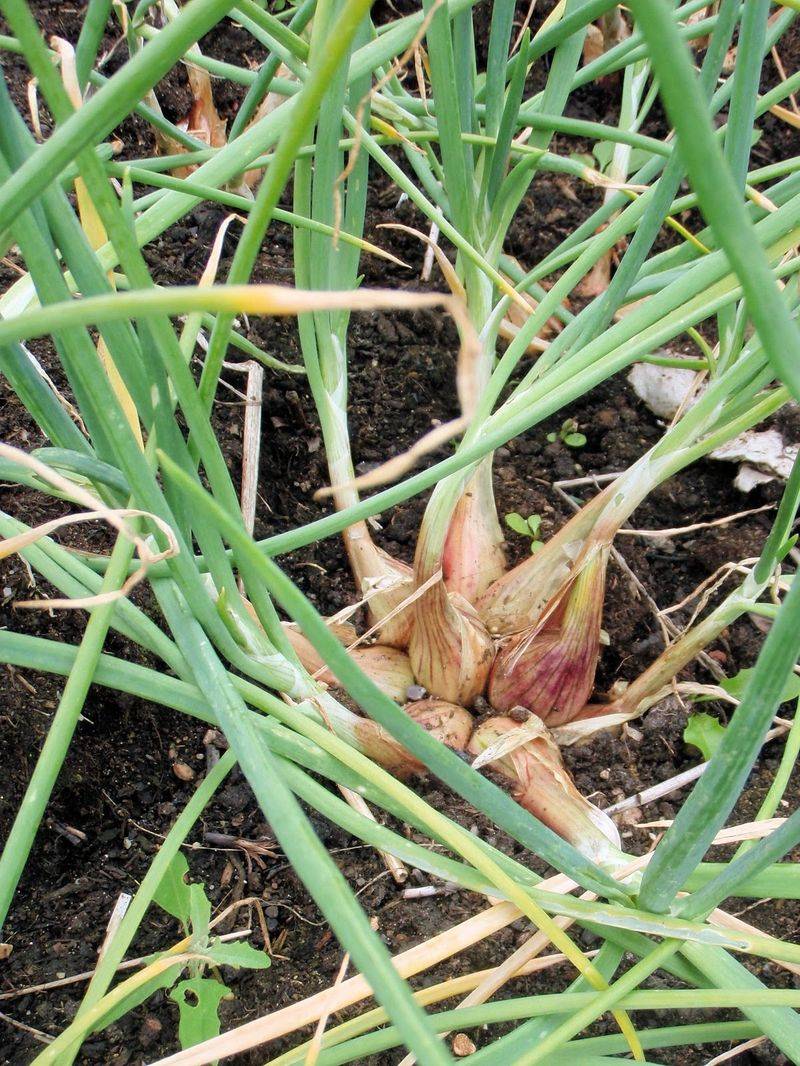
Small but full of flavor, shallots deserve more space in backyard gardens. Their taste is milder and sweeter than many onions, and cooks love them in sauces and dressings.
Fall is a common time to plant them in the South.
Growing shallots feels a lot like growing garlic. You usually start with a single bulb, and it splits into a cluster of several new bulbs by harvest time.
Plant each bulb with the tip just at or slightly below the soil surface. Space them about six to eight inches apart so the clusters have room to form.
Many gardeners in Georgia plant shallots from October into November, depending on location and weather. Southern areas tend to have a longer window than the north.
Loose, well-drained soil keeps bulbs from sitting in water during rainy months.
Like onions, shallots struggle with weeds. Mulching with straw or shredded leaves can save you time and help hold moisture through dry spells.
Harvest typically arrives in late spring or early summer once the tops start to yellow and fall over. Timing will depend on the variety and how the season goes.
After digging, let the bulbs dry in a shady, airy spot for a couple of weeks. Properly cured shallots can store for several months.
Keep track of where each shallot bulb is planted, especially if you grow several varieties in the same bed.
Their early leaves can look similar to young onions, making labels useful during the cooler months.