The One Thing You Must Do To Pennsylvania Garlic Before September Ends
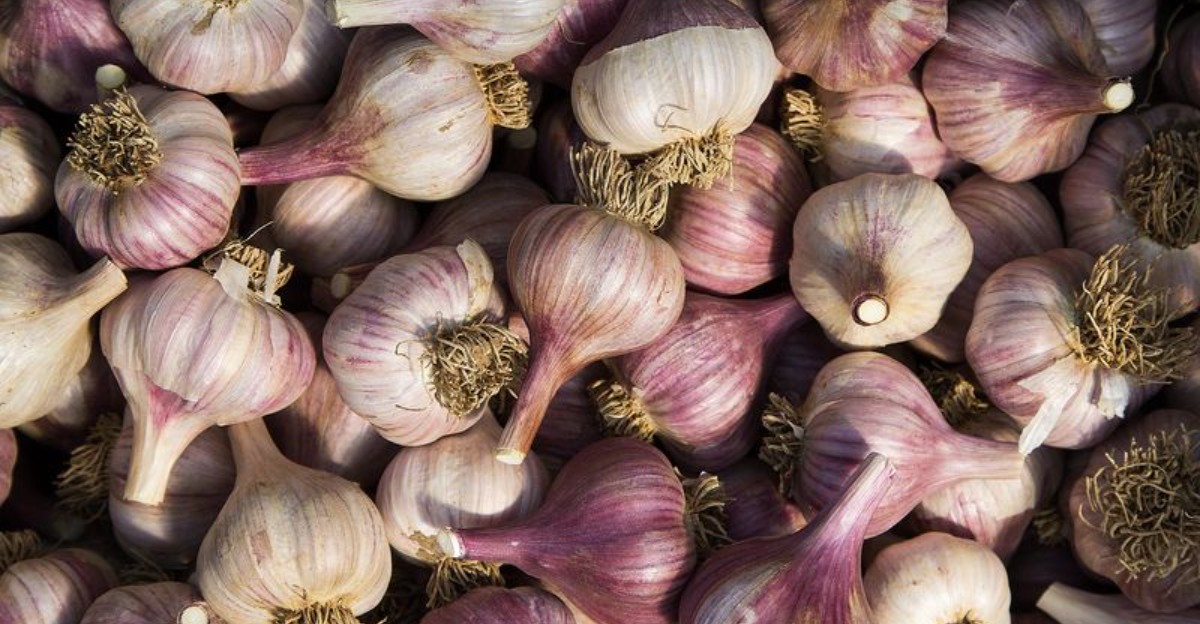
September in Pennsylvania smells like damp leaves, cold morning air, and somebody’s woodstove getting its first test run. Out in the shed, something has been hanging and drying quietly since the humid weeks of July.
Most gardeners stroll right past it, certain there is plenty of time before the real work starts. The calendar has other opinions, and it is honestly not being very subtle about them.
When the last warm stretch fades, your window narrows quickly, and nobody hands out extensions here. The small chores squeezed into these final September days quietly decide what next summer looks like.
Ignore that quiet reminder, and next July may hand you shrunken bulbs that barely fill one palm. Meanwhile your neighbor’s braid hangs on the porch all winter, smug as a barn cat.
Seed Garlic Selection Before The Calendar Turns
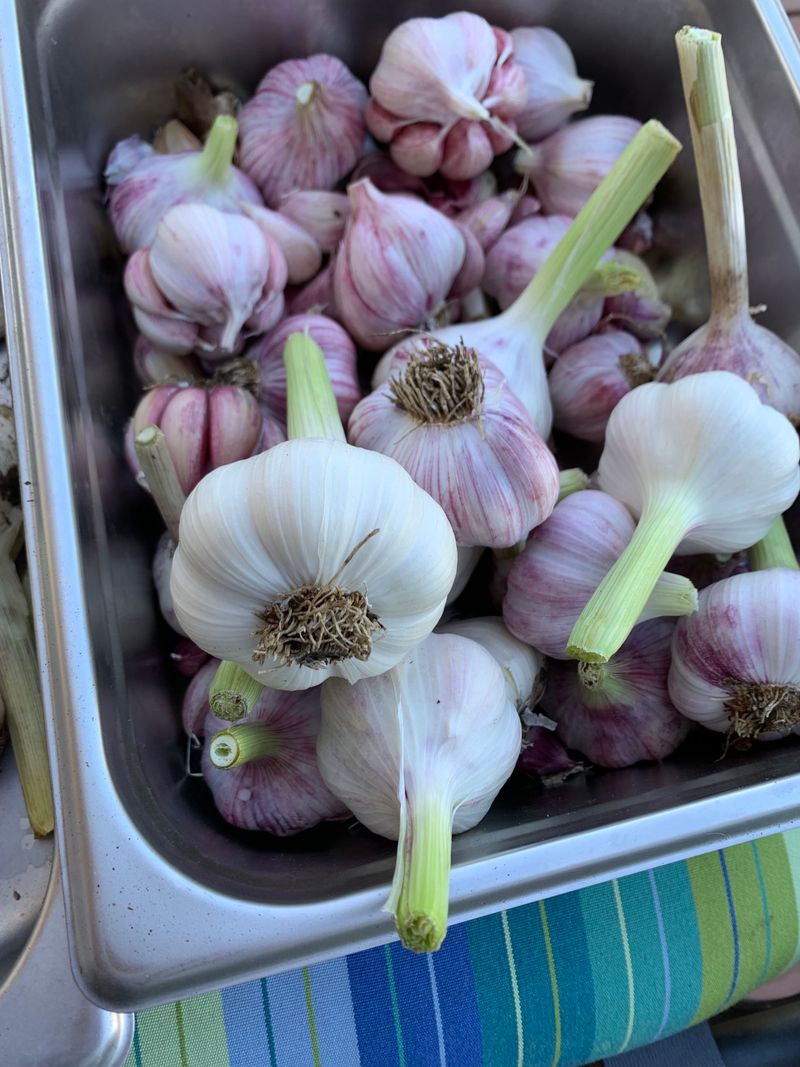
Late September is when smart Pennsylvania growers stop admiring their cured bulbs and start choosing the future. Pick the largest, firmest heads with tight wrappers, then set them aside strictly for planting.
Big cloves grow big bulbs, so the kitchen gets the small heads and the seed pile gets champions. Mark that container clearly before someone roasts your best genetics.
Leave the heads whole for now, since cloves separated early dry out and lose vigor fast. Crack them apart a day or two before planting, not sooner.
If you are buying seed, September is the month growers sell out of popular hardneck varieties. Music, German Extra Hardy, and Chesnok Red all handle Pennsylvania winters well.
Choose ground where onions, leeks, or garlic have not grown for three or four seasons. Rotation keeps soil-borne trouble from settling in permanently.
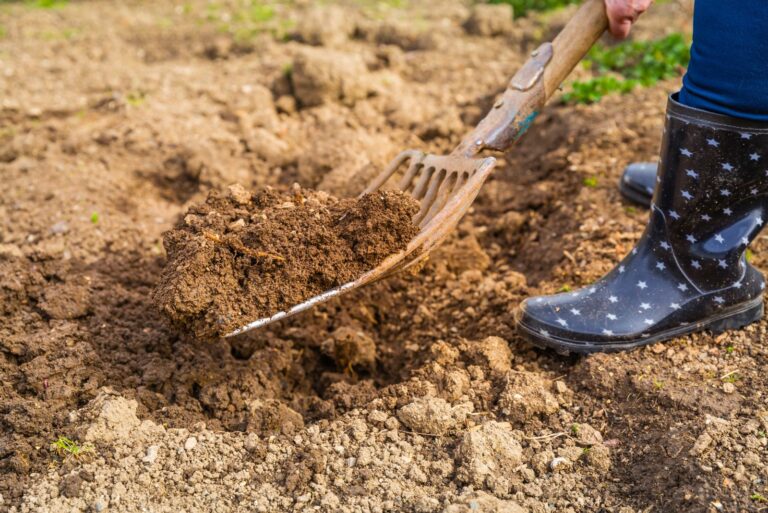
The second half of this job happens outside, where next month’s bed needs attention now. Pull weeds, loosen the top ten inches, and work in finished compost.
A quick soil test is worth the wait, since results take a couple of weeks. Aim for a pH near 6.5 and add lime only if numbers say so.
Settled soil beats fluffy soil for fall roots, so prepping two or three weeks early pays off. Rain will pack it down naturally before cloves go in.
Handle both halves before October arrives and planting day turns into a relaxed afternoon. Skip them, and you will be digging cold clay in a heavy jacket.
Pennsylvania’s Tight Window Between Cure And Cold Ground
That seed you just set aside still has a clock running on it. Garlic pulled in July has been curing on a rack for weeks, and its clock keeps ticking. Cured bulbs hold well, but seed stock loses spark the longer it waits around.
Planting in Pennsylvania usually lands between mid-October and the first week of November. Cloves want four to six weeks of root growth before the ground stiffens.
Count backward from that and September becomes prep month, not planting month. Everything you decide now removes guesswork from a chilly October weekend.
Northern counties like Potter, Tioga, and Erie freeze earlier, so their growers plant nearer mid-October. Around Philadelphia and Lancaster, late October or early November works fine.
Your Pennsylvania Garden Changes Every Week. Your Plan Should Too.
Gardening in Pennsylvania changes quickly throughout the season. Every Friday you’ll receive a simple weekly plan showing exactly what to plant, prune, fertilize, harvest, and protect so you never miss the right timing.
Planting too early in warm September soil pushes green shoots up before winter. Those tender leaves get battered by cold and waste stored energy.
Waiting too long is the other trap, since roots cannot anchor in frozen ground. Cloves then heave to the surface during winter freeze and thaw cycles.
September gives you the calm middle, the stretch where nothing is urgent yet everything is possible. Use it to line up straw, labels, and a garden fork.
Watch the extended forecast around the last week of the month for early cold snaps. Pennsylvania autumn changes its mind often, and plans should bend with it.
Mark a planting date on the calendar now. Soil near fifty degrees is the signal most Pennsylvania growers trust.
Growers who treat September as the setup stage rarely scramble later. The ones who wait usually plant in the rain with numb fingers.
The Humid Barn Air Bulb Problem
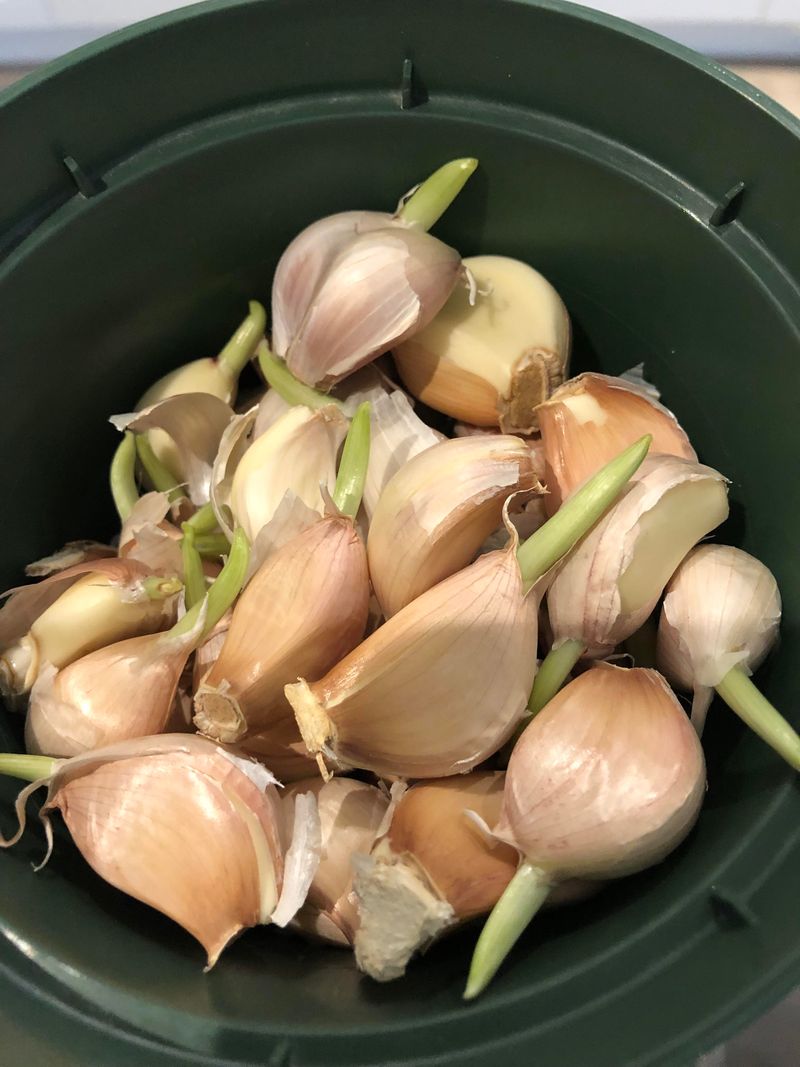
Even perfectly chosen seed heads can fall apart if storage air works against them. Pennsylvania’s late summer air carries moisture the way a sponge carries water. Bulbs stored in a damp basement or closed shed feel the difference quickly.
Wrappers turn spotty, necks soften, and blue-green mold shows up on a clove or two. That mold, usually Penicillium, spreads easily once bulbs are cracked apart.
Seed garlic keeps best around fifty to sixty degrees with moderate, moving air. A screened porch, unheated spare room, or open barn loft usually fits.
Skip the refrigerator, tempting as it looks on a muggy afternoon. Cold storage tricks cloves into sprouting early and can produce odd, misshapen bulbs later.
Airflow matters more than temperature in a Pennsylvania September. A small fan in a closed space does more good than any fancy container.
Plastic bins and sealed buckets trap humidity against the wrappers and invite trouble. Mesh bags, slatted crates, and old onion sacks let bulbs breathe.
Give the whole batch a careful look before the month ends, bulb by bulb. Any head that feels spongy, smells sharp, or shows mold gets pulled.
Set questionable bulbs aside for the kitchen rather than the planting bed. Soft cloves carry problems straight into soil you will farm for years.
Hang hardneck stems in loose bundles if space allows, keeping heads off flat surfaces. Contact points hold dampness longer than the rest of the bulb.
Growers sometimes say garlic forgives almost everything except wet storage. September humidity is exactly the test that proves the saying true.
Grocery Store Bulbs Undermine Late September Planting
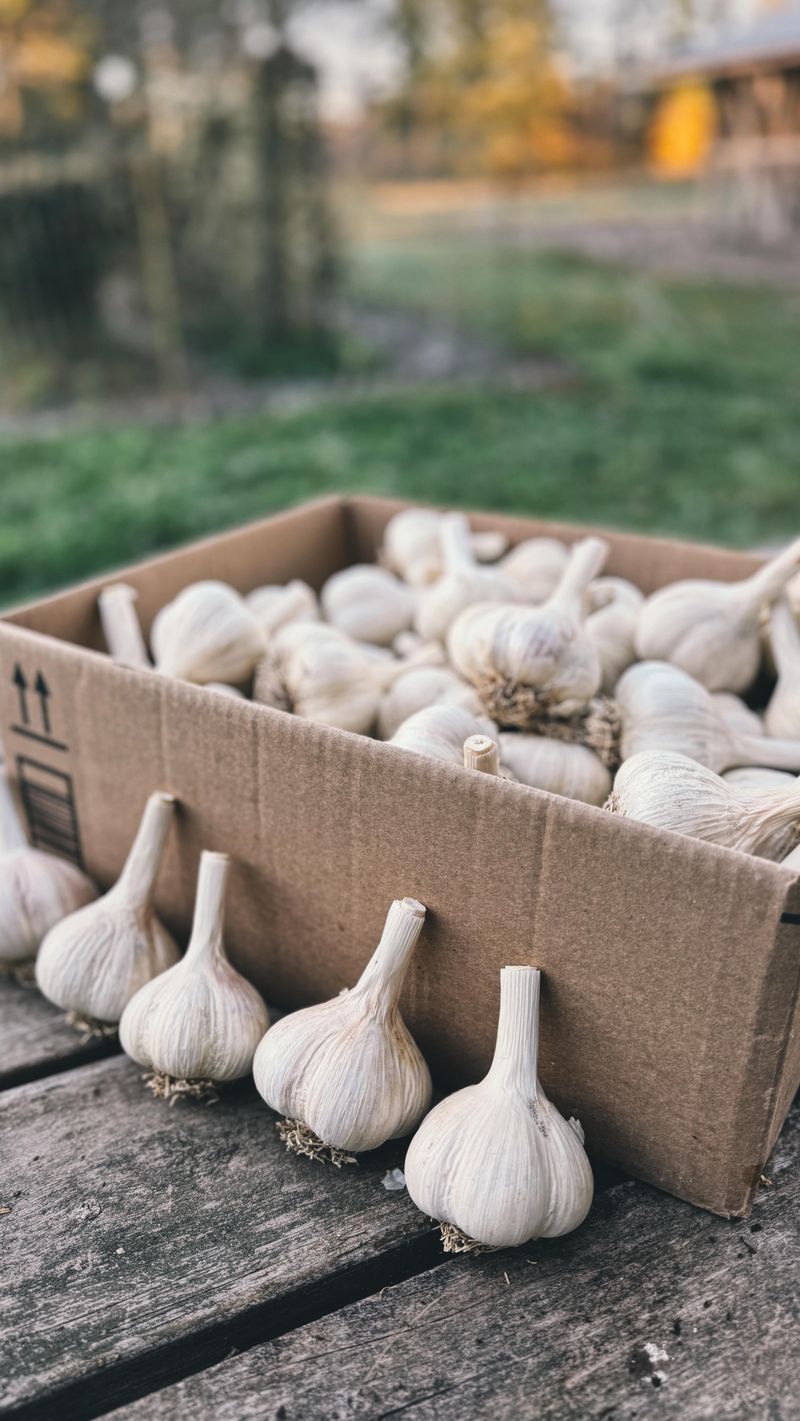
Skipping the selection step for a shortcut at the store undoes everything September was supposed to fix. Supermarket garlic looks like a bargain in late September, and that is the trap. Much of it is softneck stock grown in mild climates far from here.
Some imported bulbs are treated to slow sprouting, which works against you in a garden bed. Others carry problems you cannot see on a clean white wrapper.
Pennsylvania growers, seed companies, and fall festivals sell adapted hardneck varieties for good reason. Bulbs raised in similar winters simply perform better in your ground.
Another slip is cracking every head into cloves the moment September ends. Exposed basal plates dry out, and vigor drops before planting day arrives.
Saving only kitchen leftovers is a quiet mistake with slow consequences. Small cloves grow small bulbs, and that shrinking trend repeats each season.
Skipping labels seems harmless until spring, when four varieties look identical in the row. A permanent marker and a few plastic tags solve it in minutes.
Working heavy Lancaster or Chester County clay while it is soggy creates concrete-like clods. Wait a day or two after rain before turning the bed.
Ordering late ranks high on the regret list every autumn. Popular varieties like Music and Georgian Crystal disappear from small farm shops by early October.
Reusing the same patch year after year lets soil-borne fungi build quietly underground. White rot in particular can linger in Pennsylvania soil for decades.
Fixing any of these takes one focused afternoon before the month closes. Ignoring them costs you a full growing season you cannot rewind.
Building A Ready Bed For October Cloves
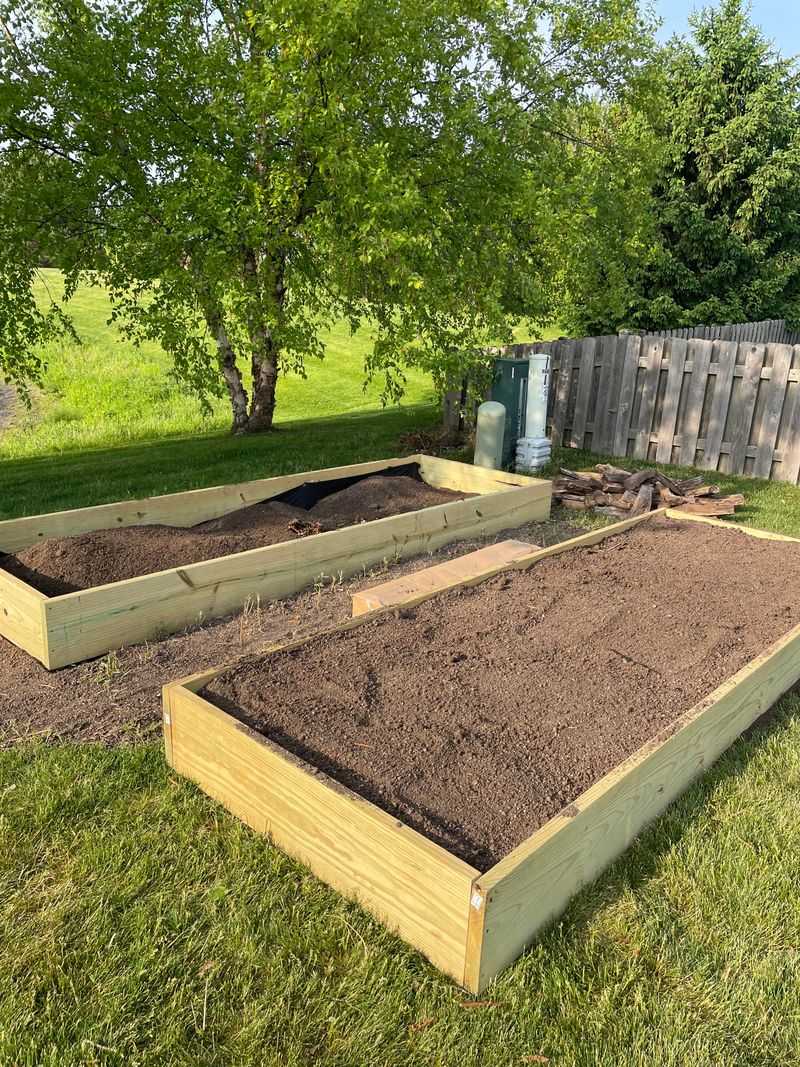
Good seed still needs the right ground waiting for it. Good garlic starts with loose, well-drained ground, and Pennsylvania clay rarely offers that naturally. Raising the bed four to six inches solves most winter drainage headaches.
Spread two or three inches of finished compost across the surface before you loosen anything. A broadfork or digging fork mixes it without destroying soil structure.
Garlic feeds heavily through fall and spring, so nutrients need to be there early. A balanced organic fertilizer worked in now beats a rescue attempt in April.
Bone meal or rock phosphate at the bottom of the row supports root growth. Roots do the real work between October and the first hard freeze.
Aim for soil that drains after a storm rather than holding puddles for hours. Standing water in February rots cloves faster than any cold snap.
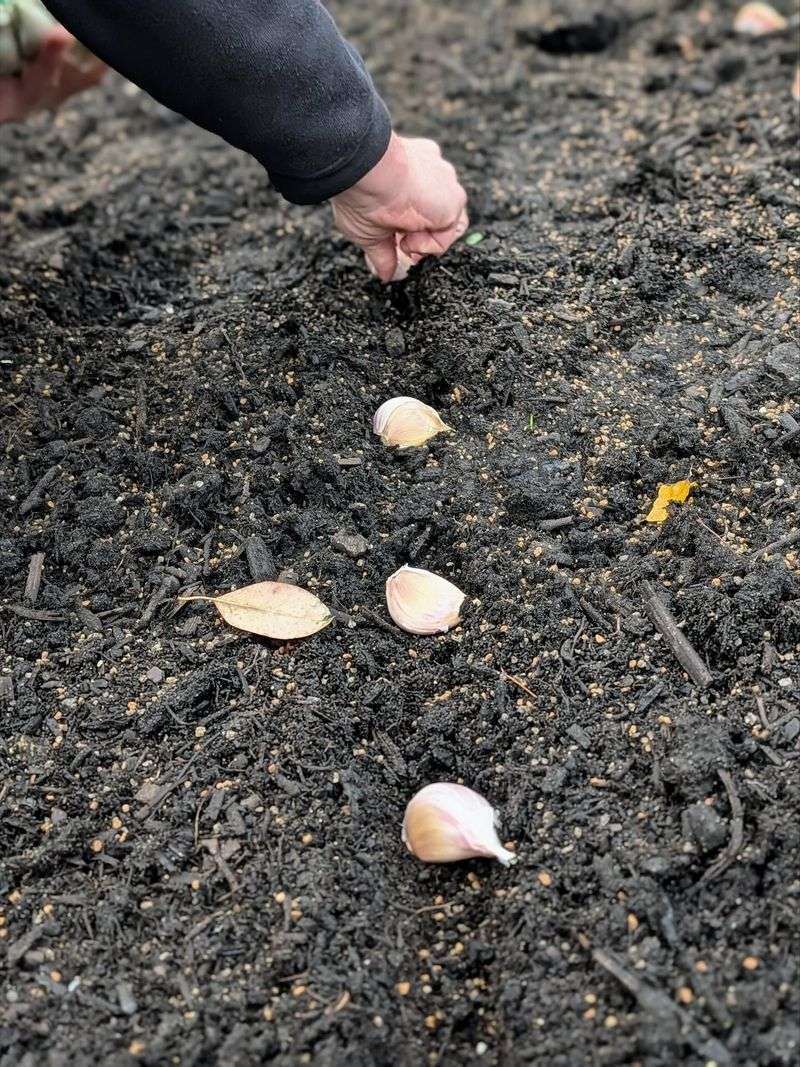
Sketch your spacing before planting so the bed layout is settled. Six inches between cloves and eight to twelve inches between rows suits most varieties.
Stack straw or shredded leaves nearby while the weather is still pleasant. Four inches of mulch protects cloves through Pennsylvania’s freeze and thaw swings.
Avoid fresh manure, which brings weed seeds and burns tender young roots. Aged compost from last season is the safer, friendlier choice.
A bed finished in September settles nicely and warms slowly, which suits cloves perfectly. October planting then takes an hour instead of a whole Saturday.
Neighbors may wonder why you are fussing over an empty patch of dirt. They will understand next July, when your bulbs come out fist-sized.
Bigger Bulbs Next July, Cleaner Ground For Years
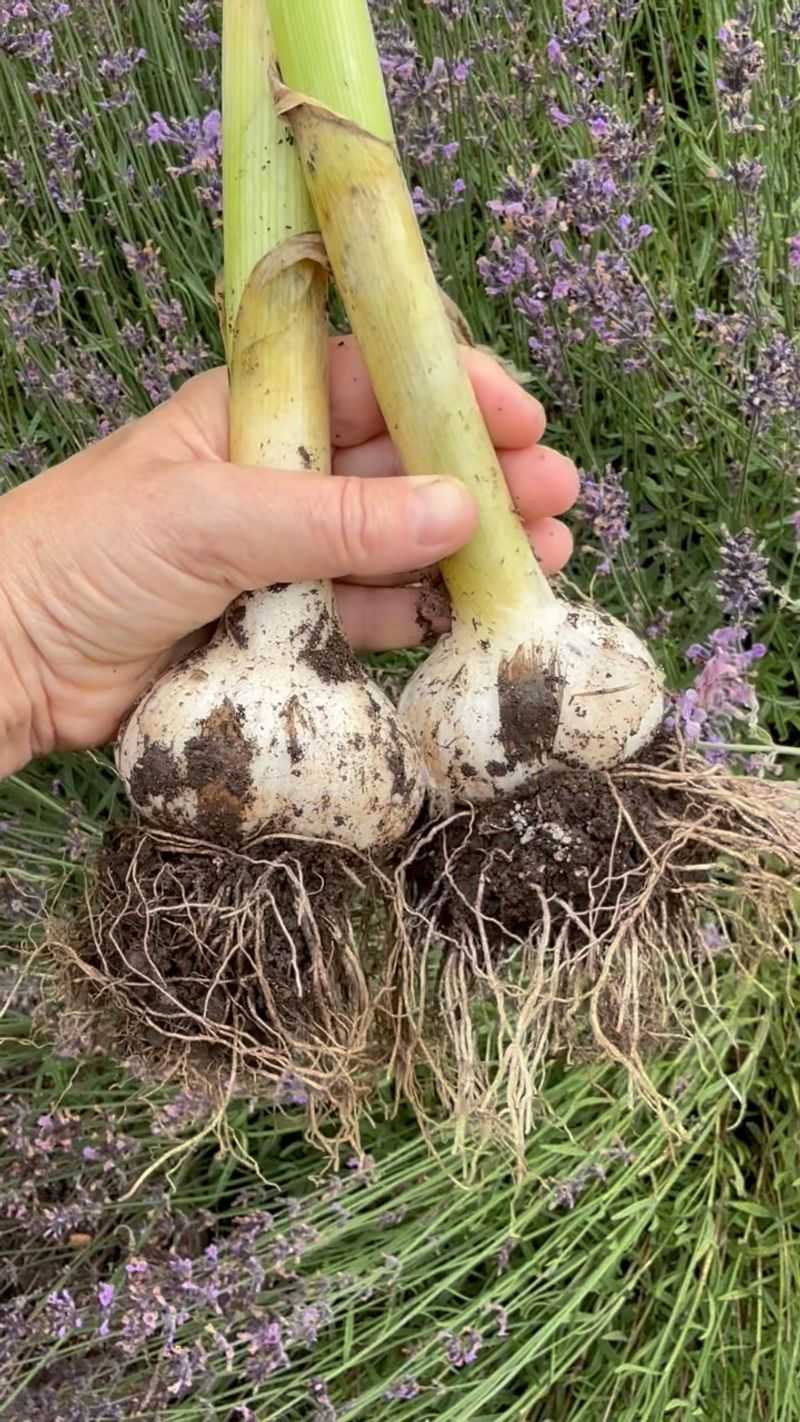
This is where that first careful selection actually pays off. Payoff arrives slowly with garlic, which is part of its charm. Work done in September shows up as heavy heads pulled in July.
Cloves planted from well-chosen seed size up noticeably over one season. Growers often see heads jump a full size grade after one careful year.
Healthy seed also means cleaner ground, since most garlic troubles ride in on infected cloves. Keeping problems out is far easier than removing them later.
Bloat nematode and white rot both arrive that way, hidden inside ordinary looking bulbs. Once either settles into a bed, that spot stays off limits for years.
Saving your own seed each season builds stock suited to your exact soil. After three or four years, that strain quietly outperforms anything you can buy.
Keep a simple notebook with variety names, planting dates, and harvest weights. Memory fades, but a page from last September tells you the truth.
June brings scapes from hardneck types, and snapping them off sends energy back to the bulb. Those curly stems also make excellent pesto.
Harvest usually lands in July when lower leaves brown and upper ones stay green. Bulbs cured properly then hold in the pantry through winter.
The cycle closes right where it started, with September sorting and a fresh bed. Each pass makes the next one easier and the bulbs a little bolder.
One autumn afternoon of effort echoes for years in a garden. Few chores pay that kind of interest, and fewer smell as good.