A Fast-Spreading Vine Is Crowding Out Milkweed Across New Jersey Yards
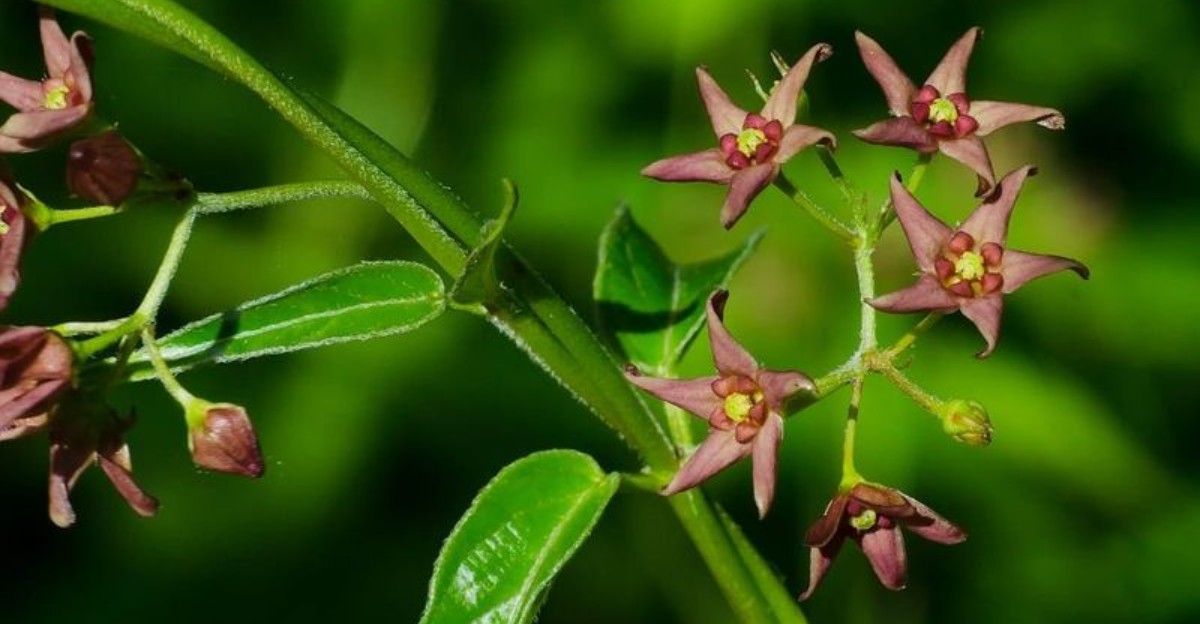
You notice it before you understand it, climbing steadily upward. New Jersey gardens are losing ground to this exact vine. Butterflies trust it the same way they trust milkweed. Eggs land on leaves that cannot support a caterpillar’s life.
Caterpillars struggle to survive, unable to process the plant’s chemistry. Researchers call this a trap crop, a lure with no payoff. Imported decades ago, this vine now spreads without much resistance.
Your instincts say milkweed, but your eyes are wrong. Identifying the difference takes seconds once you know the signs. Gardeners across New Jersey are pulling roots they did not plant.
Vines like this spread fast, wrapping fences, shrubs, and stems alike. Patios stay sunny while the vine tightens its grip below. Removing it early saves you weeks of tangled frustration later.
Waiting only gives it more time to spread and thrive. What you discover next could change how you garden.
The Copycat Climber Fooling Monarch Butterflies
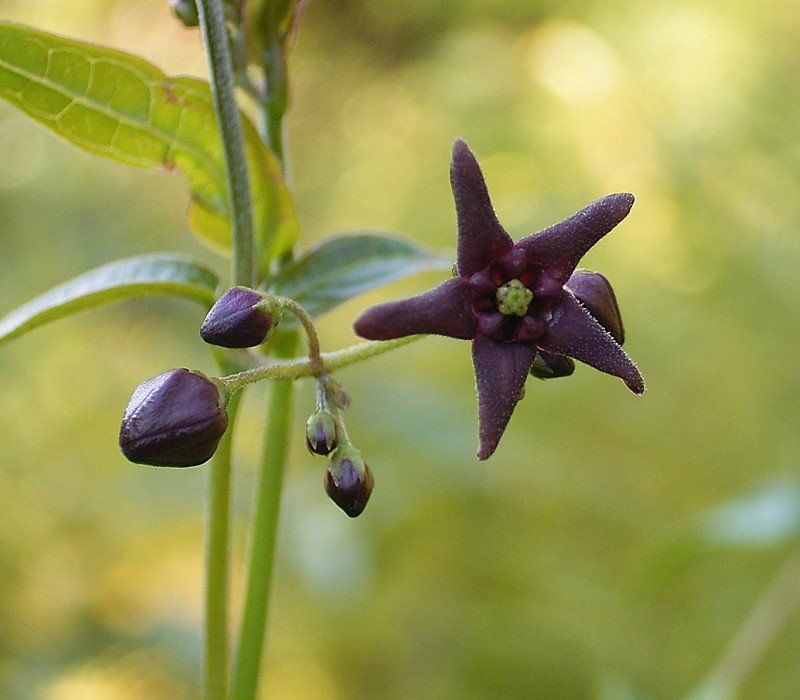
Black swallow-wort, sometimes called dog-strangling vine, belongs to the same plant family as milkweed. That family connection is the whole problem, because monarch butterflies read chemical signals from leaves and mistake this vine for a safe nursery.
Female monarchs will land on the glossy leaves and lay eggs there. The caterpillars that hatch cannot survive on the foliage, so the eggs are essentially wasted effort for a butterfly population that already faces a tough road.
Researchers call setups like this an ecological trap. The plant sends out signals that say host plant while offering none of the nutrition a growing caterpillar needs.
You can spot the vine by its slender twining stems, opposite leaves with a waxy shine, and small five-pointed flowers in a deep maroon or near-black purple.
Bloom time runs from late spring into midsummer, so by September you are usually looking at pods instead of petals.
Those pods are slim, green, and pointed, resembling skinny milkweed pods. When they split open, they release seeds attached to silky white fluff that catches the wind easily.
New Jersey gardeners often notice the vine only after it has scrambled six or eight feet up a shrub. By then the roots are well established and the seed supply is already in motion.
Learning the leaf shine and the dark flower color early in the season gives you a real head start. Once you recognize it, you tend to see it everywhere.
How It Sneaked Into Garden State Landscapes
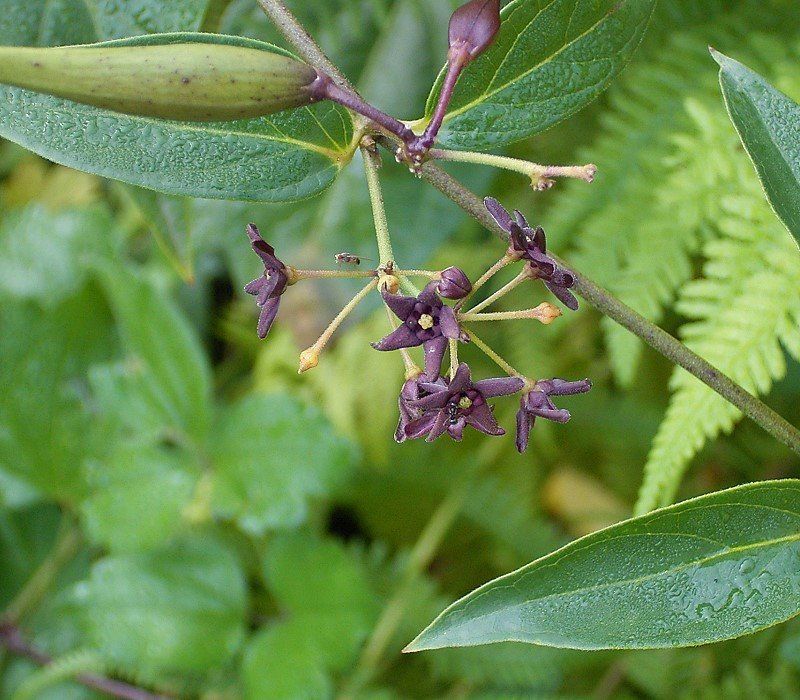
Here is a bit of history that surprises people. The vine arrived in North America in the early 1900s, imported from Europe for its ornamental appeal.
Nobody expected much from it. Gardeners of the era traded unusual plants the way people trade recipes now, and a hardy climbing vine with odd little star flowers seemed like a fine addition to a stone wall.
Then it escaped. Fluffy seeds rode the wind out of tidy gardens and into fields, woodland edges, railroad corridors, and eventually the fencerows of suburban New Jersey.
Your New Jersey Garden Changes Every Week. Your Plan Should Too.
Gardening in New Jersey changes quickly throughout the season. Every Friday you’ll receive a simple weekly plan showing exactly what to plant, prune, fertilize, harvest, and protect so you never miss the right timing.
Its spread across the Northeast has been steady rather than dramatic, which is part of why it went unnoticed for so long. A vine that gains ground slowly does not trigger alarm the way a sudden outbreak does.
New Jersey offers nearly ideal conditions. Mild winters, plenty of disturbed edges from development, and a patchwork of small yards give the seeds endless landing spots.
The state has flagged it as a concern on invasive species lists, and county extension offices field questions about it regularly. Conservation crews at preserves and parks spend real hours pulling it out of restoration sites.
Knowing the backstory helps because it explains the plant’s stubbornness. A species that survived shipping, transplanting, and a century of neglect is not going to quit after one weekend of weeding. Patience matters more than force with a plant this well settled.
Why Your Milkweed Patch Keeps Losing Ground
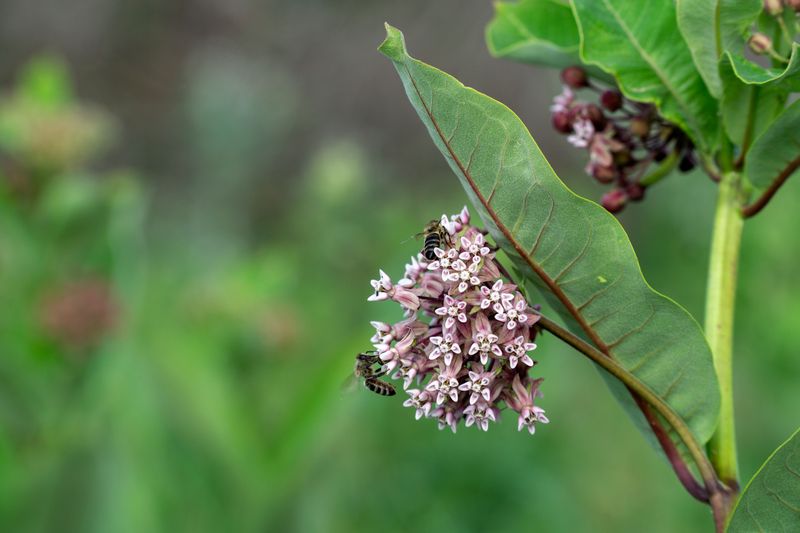
Picture a milkweed stand you planted three springs ago. It thrived, then last year it thinned, and this September half the stems look shaded and floppy.
Competition is the usual culprit. The vine climbs milkweed stalks, drapes leaves over them, and steals the sunlight those broad milkweed leaves depend on.
Below the surface the contest continues. A thick root crown pulls moisture and nutrients from the same patch of soil, leaving less for slower-growing natives.
Some studies from northeastern sites suggest that dense swallow-wort stands can reduce plant diversity, though the exact scale varies by location. Milkweed, goldenrod, asters, and young tree seedlings all lose ground in that scramble.
Deer generally walk past it, which tilts the field even further. Browsing animals nibble native plants while the vine keeps growing untouched, a quiet advantage that compounds year after year.
There is also evidence the roots alter soil chemistry and the fungal communities around them. Native seedlings trying to establish in that soil face a tougher start than they would in untouched ground.
For a home gardener, the practical takeaway is simple. If your pollinator patch is fading without an obvious cause, get down on your knees and trace the stems.
Often you will find one vine feeding a dozen climbing shoots. Removing that single root crown can help your milkweed recover by next season.
Spotting The Slim Pods Before They Burst Open
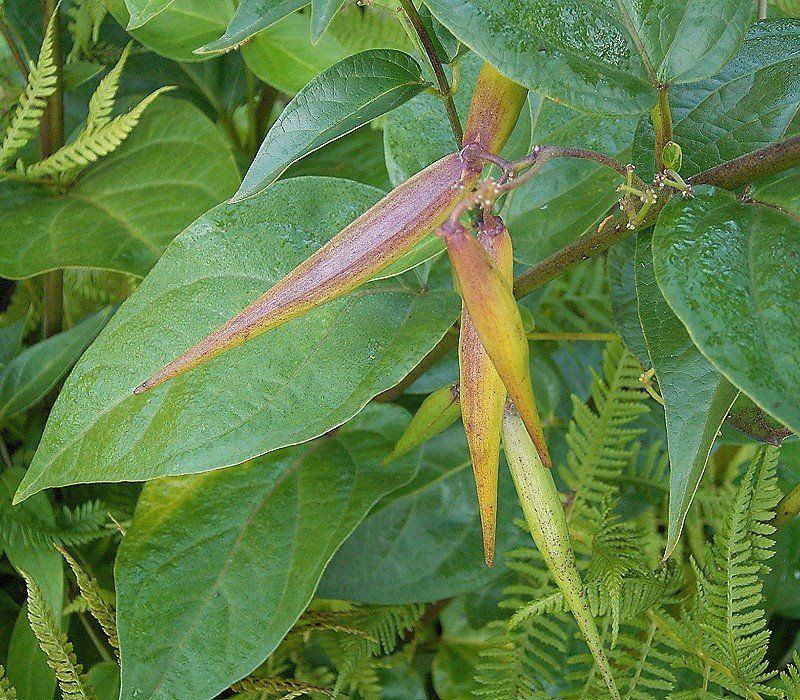
September is pod season, and that makes it the single most useful month for slowing this vine down. Each pod is narrow, smooth, and about two inches long, tapering to a point like a skinny green bean.
Pods form in pairs or small clusters along the stem. Green at first, they fade to tan and brown as the weeks go on.
When a pod splits, dozens of flat brown seeds float out on silky parachutes. A single plant can release hundreds of seeds, and the wind carries them across fences, streets, and entire neighborhoods.
Here is the detail worth circling on your calendar: the seeds can finish maturing even after you cut the pods, so tossing snipped stems on a brush pile still spreads the problem.
Bag them instead. Clip pods into a paper or plastic bag, seal it, and put it out with household trash rather than yard waste or compost.
Some New Jersey gardeners walk their fence lines every week or two from late August through October. It takes ten minutes and can prevent a lot of future work.
Check the places seeds love to land. Along hedges, under bird feeders, beside downspouts, and around the base of mature shrubs are all reliable hot spots.
One more helpful habit is marking spots with a stake or ribbon. Next April, when the shoots are tiny and easy to pull, you will know exactly where to look first.
Digging Out the Root Crown Without Straining Your Back
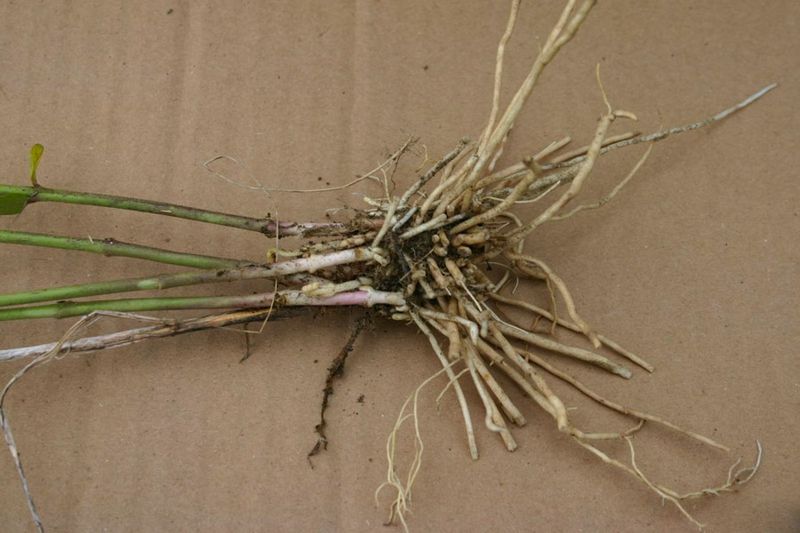
Pulling this vine by hand feels productive for about four seconds. Then the stem snaps at the soil line and the root crown stays behind, ready to send up fresh shoots within weeks.
The crown is the target. It sits an inch or two below the surface, woody and knobby, with pale roots branching outward.
Water the area first if the ground is dry. Damp soil releases roots far more willingly than baked September clay.
A narrow spade, a soil knife, or a sturdy garden fork works better than a trowel. Cut a circle around the plant about six inches out, then lever the whole clump upward in one piece.
Shake the soil off and inspect what you pulled. Any chunk of crown left in the ground can resprout, so a second pass a few weeks later is smart rather than pessimistic.
For vines tangled into shrubs, snip the stem at ground level first. Let the upper growth dry and loosen for a week, then unwind it gently instead of yanking and damaging your shrub branches.
Mulch the cleared spot with three inches of wood chips or leaf mulch. Shade slows any seed sitting in the soil bank from getting started.
Follow-up beats intensity here. Fifteen minutes of checking each month keeps a cleared area clear, while one heroic afternoon of digging rarely settles the matter on its own.
Filling The Empty Space With Plants Monarchs Can Trust
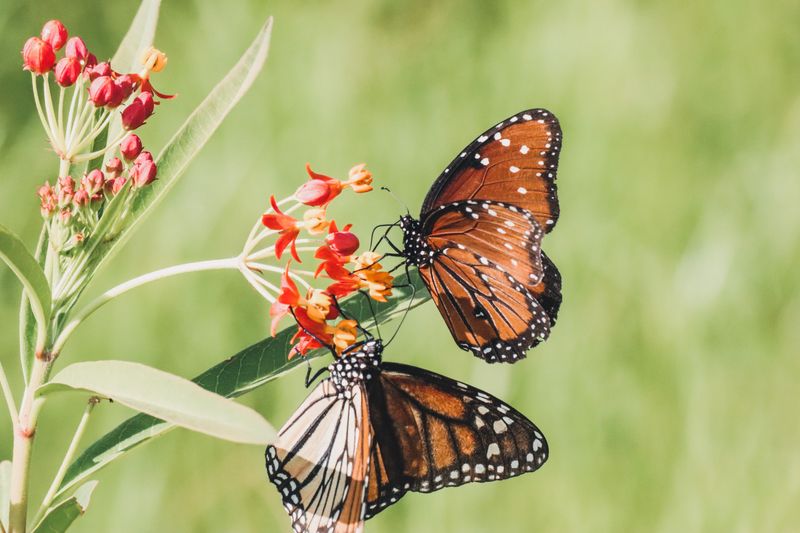
Bare soil is an open invitation, and the vine is very good at accepting invitations. Anything you clear should be replanted fairly quickly with something you actually want there.
Native milkweeds are the obvious anchor. Common milkweed handles dry sun, swamp milkweed likes damp low spots, and butterfly weed brings orange color to sandy or gravelly ground.
Plant in groups of three to five rather than single stems. Clustered plantings shade the soil, compete better, and are easier for monarchs to find from above.
September is genuinely good planting weather in New Jersey. Soil is still warm, nights are cooler, and roots get established before the ground hardens.
Mix in fall bloomers alongside the milkweed. New England aster, smooth aster, and goldenrod give migrating monarchs the nectar they need for the long trip south.
Shrubs help too on property edges. Gray dogwood, arrowwood viburnum, and spicebush build a thick layer that crowds out climbing vines over time.
Keep an eye on the new bed for the first couple of seasons. Young plantings need the space to themselves while their roots fill in.
A friendly note for anyone with neighbors: this vine spreads easily across property lines. Sharing a photo and a short explanation over the fence often accomplishes more than years of solo weeding.
Restored patches tend to recover well over time, and many gardeners report seeing more butterflies return as native plants establish.