Your New Jersey Irises Are Not Blooming And Here Is Why
You prep the bed, you plant with care, and New Jersey rewards you with green leaves and not a single bloom.
You spend two full seasons watching rhizomes sit shallow in raised soil before realizing they are practically drowning in afternoon shade.
That single fix changes everything. Blooming irises are not a mystery, but they do keep score on your conditions.
Poor sunlight, crowded rhizomes, heavy soil, and overzealous fertilizing are quiet bloom-stoppers hiding in plain sight. The fix is rarely dramatic.
You are likely just one small adjustment away from a garden that finally delivers on its springtime promise. Pull back the layers, look at what your soil and sun are actually doing, and the answer usually surfaces fast.
Irises do not quit on you. They wait, they store energy, and they bloom the moment New Jersey gives them a reason to. Your irises are not done. They are just waiting for you.
1. Overcrowded Rhizomes Shut New Jersey Iris Blooms Down
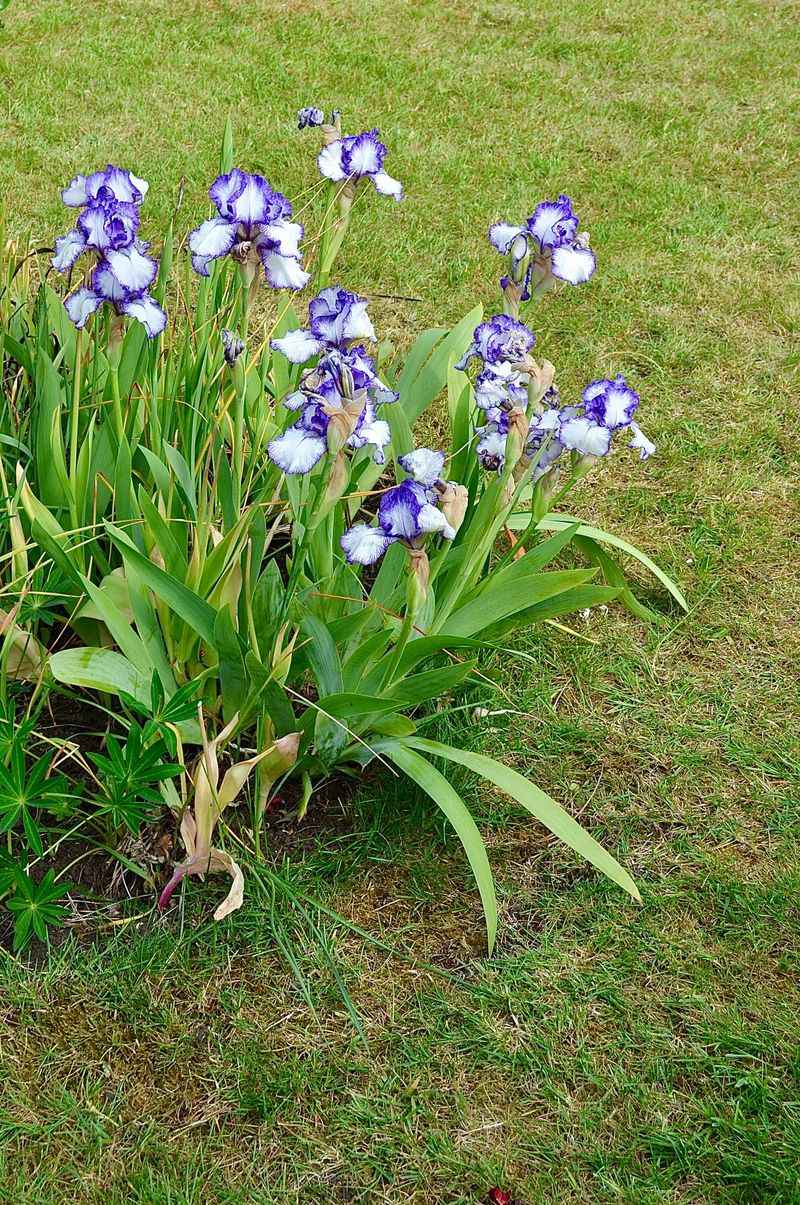
Packed too tight, irises simply stop performing. When iris rhizomes crowd together, they compete fiercely for water, nutrients, and space.
The result is a thick mat of roots with almost minimal flowering energy left over.Think of it like trying to sleep in a bed with five other people, nobody rests well, and nobody thrives.
Overcrowding is one of the most common reasons New Jersey irises won’t flower, yet it sneaks up on gardeners slowly over several seasons. Each year, the clump expands outward while the center becomes woody and exhausted.
The outer edges may still look green and healthy, but flowering becomes sparse or stops completely. Fixing this problem is surprisingly satisfying.
Dig up the entire clump, shake off the soil, and inspect each rhizome carefully. Discard any that feel mushy, shriveled, or hollow.
Do not compost them, as diseased rhizomes can spread problems. Replant only the firm, healthy fans with roots attached, spacing them about 12 to 18 inches apart.
Give them room to breathe, and you will be amazed at how quickly they reward you with blooms the following spring. Space is not a luxury for irises, it is a necessity.
This covers mainly bearded irises. All parts of the iris plant are toxic to dogs, cats, and livestock if ingested. The rhizomes carry the highest concentration. Keep pets away from freshly dug beds.
If you have yellow flag iris (Iris pseudacorus) growing near water, be aware it is invasive in New Jersey wetlands. Do not divide or replant it without guidance from your local cooperative extension office.
2. Not Dividing Your New Jersey Irises Stops The Blooms
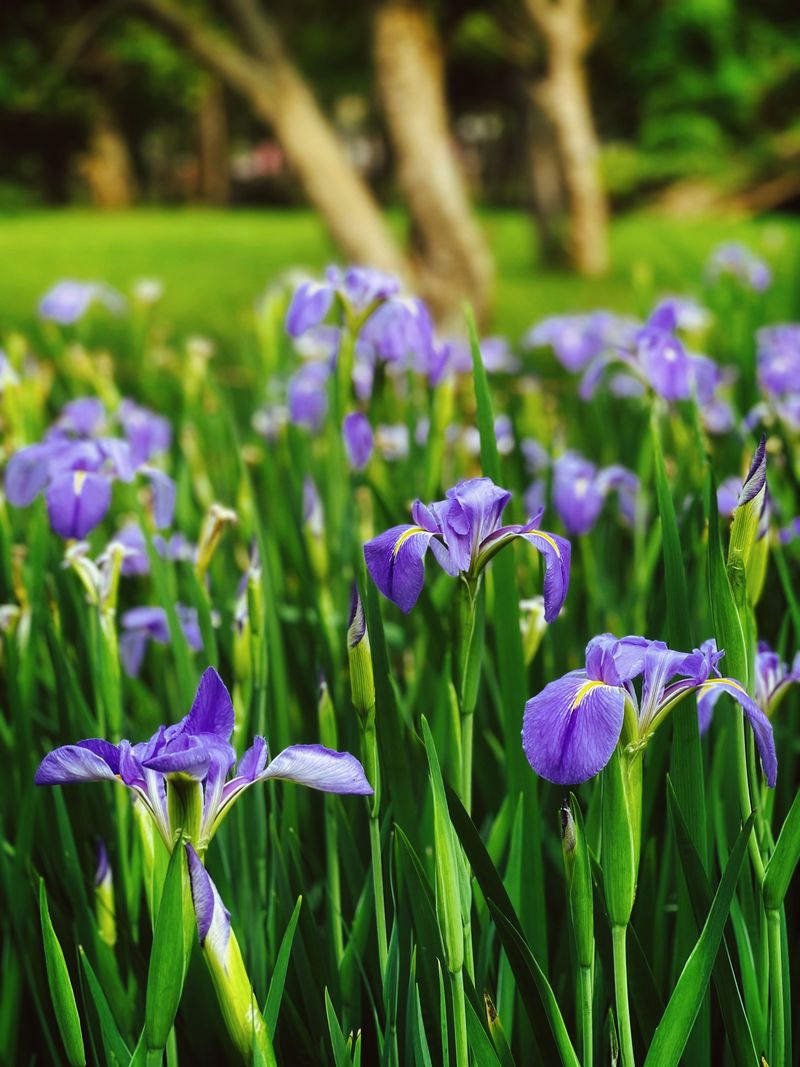
Irises need a breakup every few years to keep blooming. Skipping division is one of the sneakiest reasons your flowers disappear without warning.
Left undisturbed for too long, iris clumps become so dense and root-bound that the plants shift all their energy into survival rather than reproduction. Blooms are the first thing to go.
The general rule of thumb is to divide irises every three to five years, ideally in late summer after the blooming season wraps up. In New Jersey, late July through August is the sweet spot.
Your New Jersey Garden Changes Every Week. Your Plan Should Too.
Gardening in New Jersey changes quickly throughout the season. Every Friday you’ll receive a simple weekly plan showing exactly what to plant, prune, fertilize, harvest, and protect so you never miss the right timing.
The soil is warm, the plants are in a natural rest phase, and new roots establish before winter sets in. When you divide, use a sharp spade or garden fork to lift the clump cleanly.
Slice through the rhizomes with a clean knife, keeping sections that have at least one healthy fan of leaves. Replant the divisions promptly, water them in well, and resist the urge to fertilize right away.
A little patience now means a strong return of color the following spring, though some divisions may take an extra season to hit their stride. That payoff is worth the afternoon of work.
3. Iris Borers Could Be Ruining Your New Jersey Blooms
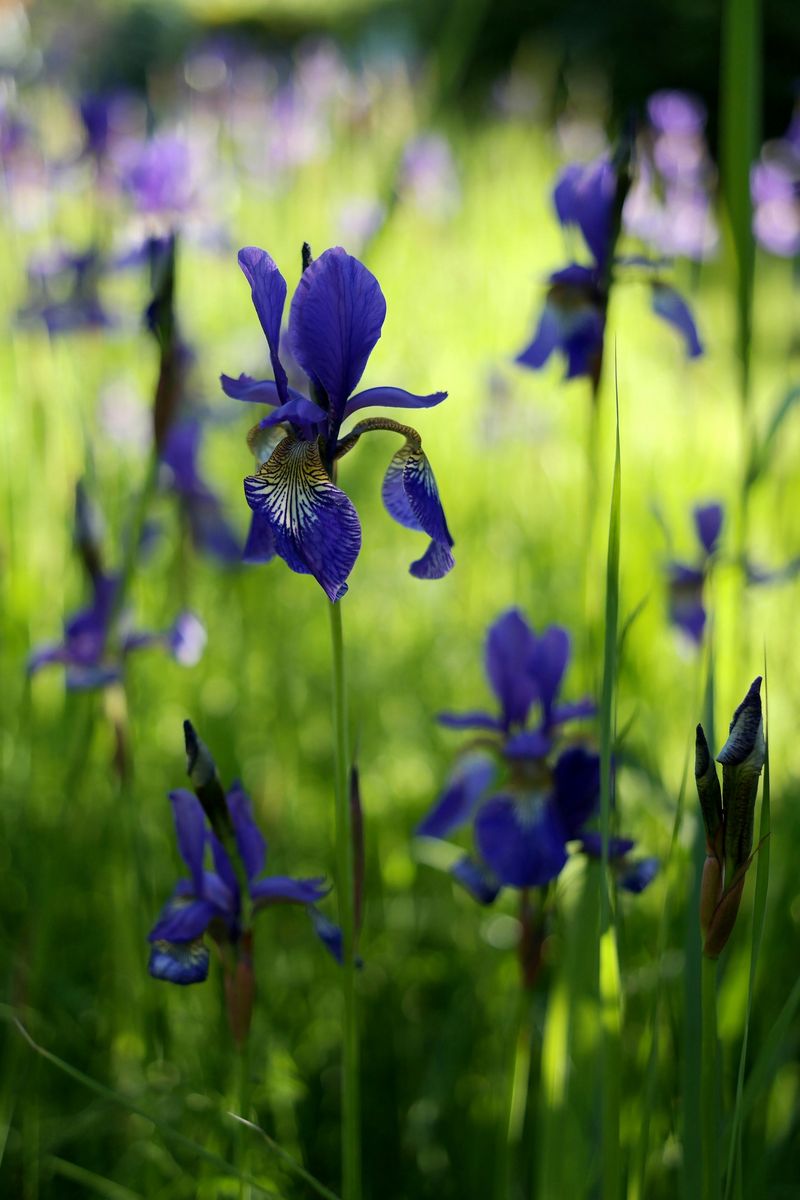
Something is eating your irises from the inside out, and you might not even know it yet. Iris borers are the most destructive pest affecting irises across the northeastern United States, and they operate quietly and efficiently.
The adult moth lays eggs on old iris foliage in late summer or fall. Come spring, the tiny larvae hatch and begin chewing their way down through the leaves, eventually burrowing into the rhizomes themselves.
By the time you spot the damage, the borer has often already hollowed out a significant portion of the root. Infected rhizomes smell foul, feel mushy, and cannot support bloom production at all.
Early detection is your best defense. Look for tan or dark streaks on leaves in early spring. That is a reliable sign of borer activity.
Squish any caterpillars you find inside the leaves before they reach the rhizome. In fall, clean up all spent foliage thoroughly to remove overwintering eggs.
Some gardeners also apply a soil drench with beneficial nematodes in early spring to target larvae before they tunnel deep. Staying one step ahead of borers is the key to keeping your irises healthy and blooming season after season.
4. Rhizomes Are Planted Too Deep
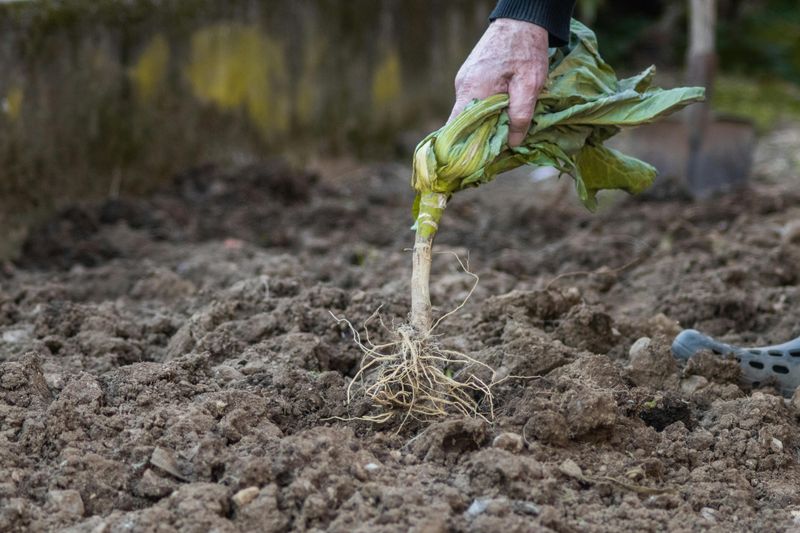
Planting an iris too deep is like burying a solar panel underground, it simply cannot do its job. Iris rhizomes need sunlight to trigger blooming, and when they are buried beneath too much soil, they stay in a permanent vegetative state.
Many well-meaning gardeners assume that deeper planting means better protection, but with irises, the opposite is true.
The top of the rhizome should sit at or just slightly below the soil surface, almost peeking out like a lazy sunbather. In warmer climates, rhizomes are often planted completely on top of the soil.
In New Jersey, where winters can be harsh, a very shallow covering of soil is fine, but going deeper than one inch spells trouble. If your irises have been planted too deep, the fix is straightforward.
Carefully dig them up in late summer, brush away excess soil, and replant them at the correct depth. Make sure the planting area has good drainage, since rhizomes sitting in wet soil at any depth are prone to rot.
A little sunlight on those rhizomes goes a long way toward triggering the bloom cycle your garden has been missing.
5. Mulch Buildup Covering Rhizomes
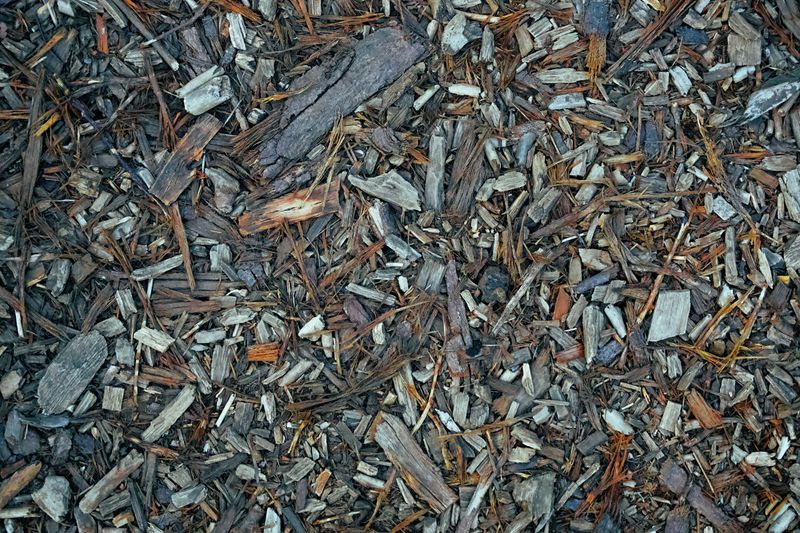
Mulch works against irises when it piles up. A thick layer blocks the sunlight rhizomes need and creates the moist conditions that invite rot.
Mulching beds in fall without pulling it back from the rhizomes is essentially tucking your irises into a dark, suffocating blanket.
If the mulch layer is more than an inch deep over the rhizomes, you are likely suppressing bloom production. Pull back the mulch from around the base of your iris plants each spring to expose the rhizomes to air and sun.
Keep mulch several inches away from the crown of the plant, using it only between clumps to suppress weeds and retain soil moisture.
A light, airy mulch like pine straw works better around irises than heavy bark chips, which tend to compact and hold too much moisture.
Once you clear that buildup away, you may be surprised to find rhizomes that were struggling beneath the surface are suddenly energized. Letting your irises breathe is one of the simplest fixes in the garden.
6. There Is Not Enough Sun
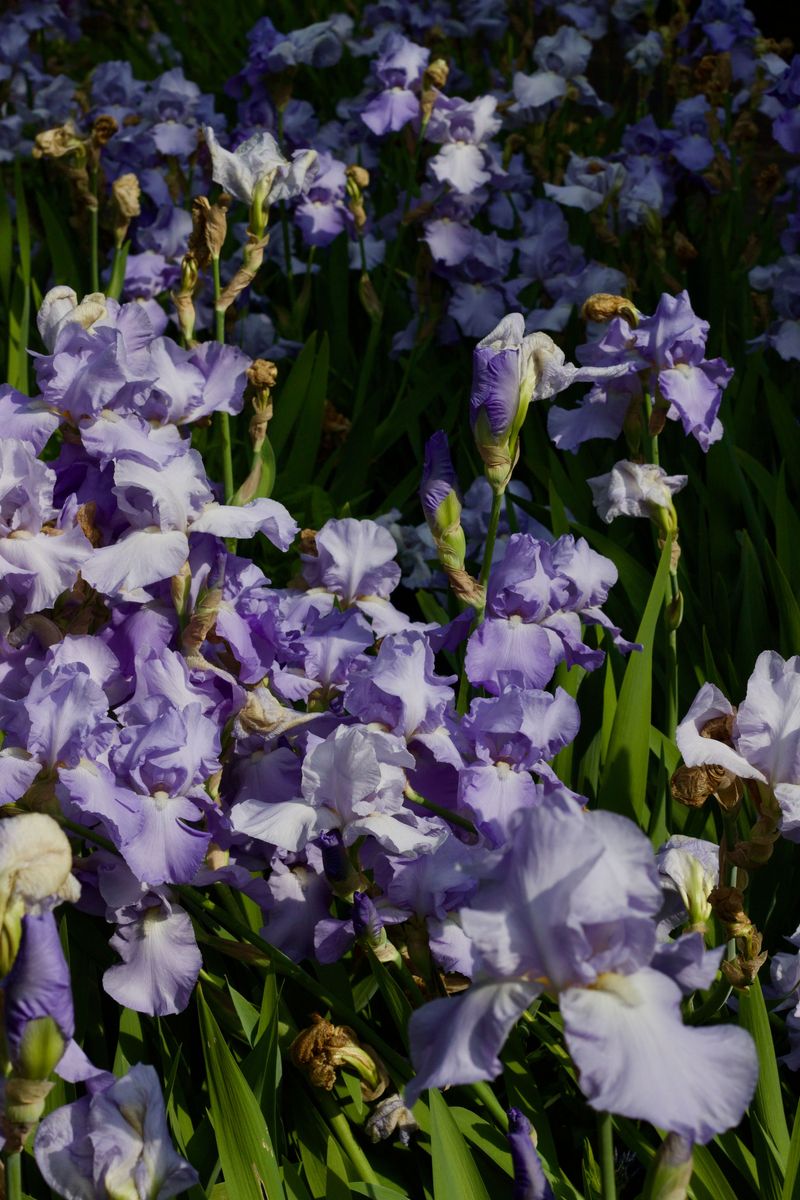
Irises run on sunlight, and six to eight hours a day is non-negotiable for consistent blooms. A growing tree or a new fence can quietly steal the sun from a bed that was once bright.
The irises slowly stop flowering, with no other obvious sign of distress. The leaves stay green, the plants look alive, but the blooms simply never come.
Walk your garden at different times of day to map out where the sun actually falls. You might be surprised to find that a bed you thought was sunny only gets two or three hours of direct light by midsummer once nearby trees leaf out fully.
If shade is the culprit, you have two practical options: relocate the irises to a sunnier spot or prune back the trees or shrubs causing the shadow. Transplanting irises is best done in late summer, giving them time to settle before the ground freezes.
New Jersey irises that get full sun consistently reward gardeners with bold, abundant blooms that make the whole yard feel alive. Sunlight is not optional. It is the single biggest factor in whether your irises bloom.
7. Too Much Nitrogen In Your New Jersey Iris Beds
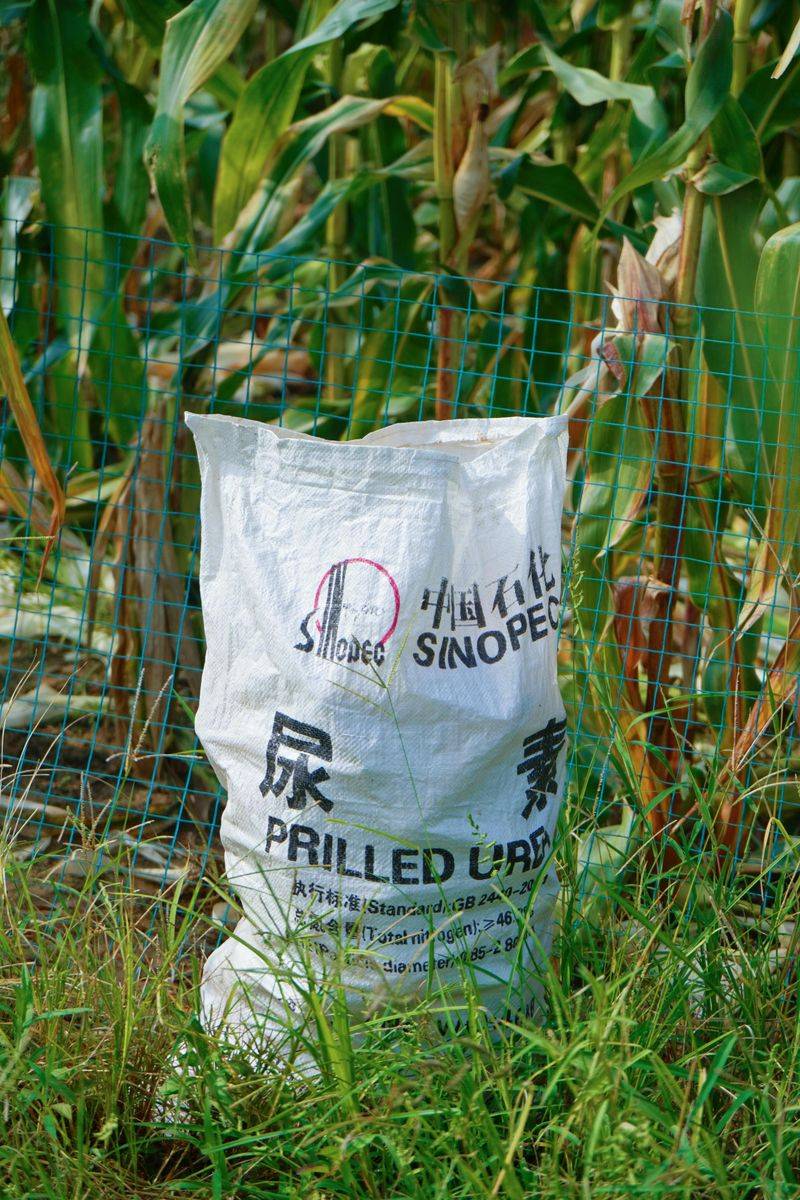
Your irises look thriving on the surface. All leaves, not a single flower, and a whole lot of stored energy going nowhere.
Too much nitrogen is one of the most common mistakes home gardeners make, and it leads directly to lush, leafy plants that never bother to bloom.
Nitrogen fuels leaf and stem growth, which sounds helpful until you realize that excessive green growth comes at the direct expense of flower production.
If you have been feeding your irises with a standard lawn fertilizer or a high-nitrogen blend, that is almost certainly the problem.
Irises prefer a low-nitrogen fertilizer with higher phosphorus content, since phosphorus is the nutrient that supports root development and flowering.
Look for a fertilizer labeled something like 5-10-10 or similar, and apply it sparingly in early spring and again right after blooming ends.
Avoid fertilizing in late summer or fall, which can push tender new growth that gets damaged by cold weather. If your soil is already rich with organic matter, your irises may not need supplemental feeding at all.
A simple soil test from your local cooperative extension office can tell you exactly what your garden bed needs. Sometimes less truly is more.
8. Soft Rot Beneath Your New Jersey Iris Garden
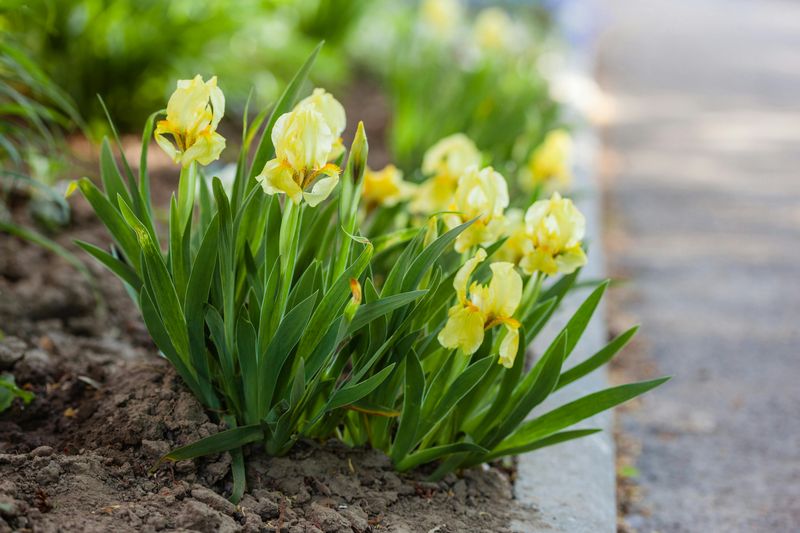
That foul smell coming from underground has a name: bacterial soft rot. This aggressive disease causes rhizomes to turn mushy, brown, and foul-smelling, essentially destroying the plant’s ability to store energy and produce blooms.
Bacterial soft rot thrives in wet, poorly drained soil and often enters through wounds left by iris borers or careless cultivation.
Once it takes hold, it can spread through a clump, and in wet conditions may reach plants nearby through shared soil and water.
Catching it early makes a significant difference in how much of your planting you can save. Dig up affected rhizomes and cut away all the rotted tissue until you reach firm, healthy flesh.
Dust the cut surfaces with powdered sulfur or let them air-dry in the sun for several hours before replanting. Improving drainage in the bed is equally important, since standing water is what allows the bacteria to flourish in the first place.
Raised beds or amended soil with added compost and coarse sand can dramatically reduce the risk of future outbreaks.
Healthy irises in well-drained soil are naturally more resistant to bacterial problems, making good drainage your most powerful long-term prevention strategy.
9. Cold Snaps End New Jersey Iris Seasons Early
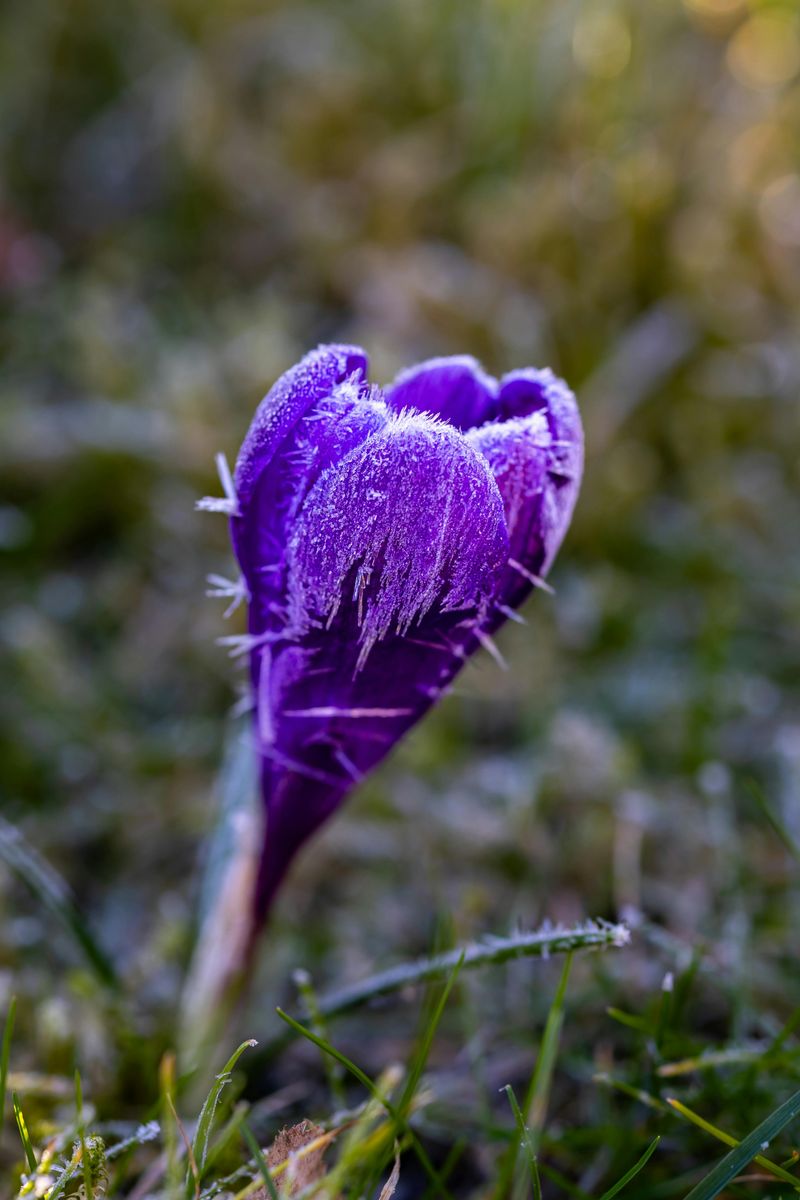
One cold night in April can end an entire season of iris blooms. You may not even realize what happened until morning.
Late spring frosts are a real threat in New Jersey. Temperatures can drop unexpectedly even after weeks of warm weather have nudged the buds out early.
Iris buds are tender and highly susceptible to frost damage, especially once they have begun to swell and show color.
A hard freeze at that stage can blacken the buds completely, leaving you with nothing but leaves for the rest of the season.
Watching the forecast closely in April and early May is one of the smartest habits a New Jersey gardener can develop.
When frost is predicted, cover your iris beds with a lightweight row cover or even old bedsheets to trap ground heat overnight.
Remove the covers promptly the next morning to allow sunlight and airflow back in. Avoid using heavy plastic, which can trap moisture and cause additional problems.
If the buds do get nipped, do not panic, the plants themselves are usually fine and will return healthy the following year. One bad frost season does not mean your irises have given up on you for good.
10. Foliage Cut Back Too Soon After Blooming
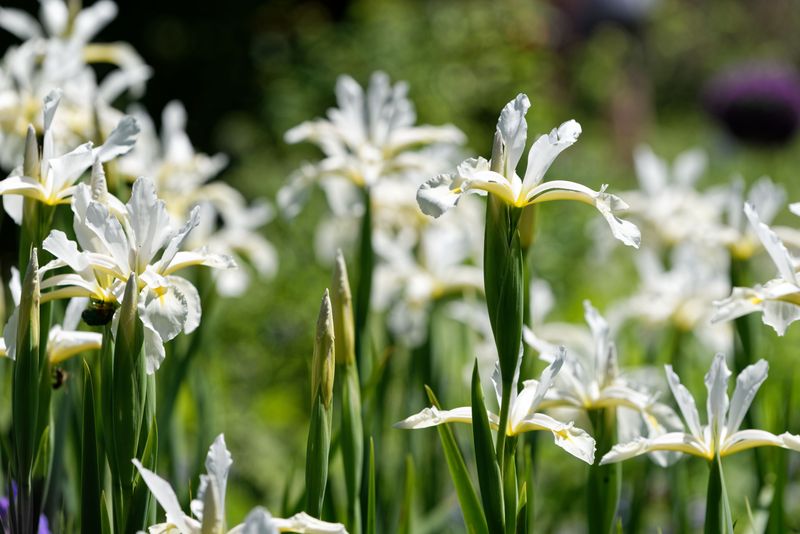
Cutting iris leaves right after blooming feels tidy, but it costs you next year’s flowers. That foliage is still working, sending energy back into the rhizomes for the next bloom cycle.
Cut those leaves too soon, and you interrupt that process at exactly the wrong moment. New Jersey irises need their foliage to remain intact through at least midsummer, even after the flowers are long gone.
Trimming the leaves into a fan shape, cutting them at an angle to about one-third of their original height is perfectly fine once they begin to yellow or brown naturally.
That slight trim improves airflow and reduces the risk of fungal issues without robbing the plant of its energy-gathering capacity.
Fall is the right time for a more thorough cleanup, cutting foliage down to about four to six inches before winter sets in.
This step also removes potential overwintering spots for iris borer eggs, giving you a cleaner start in spring. Patience with your foliage is one of the simplest and most powerful things you can do to keep your irises blooming year after year.