The Post-Summer Camellia Task That Sets Up Better Blooms Come Spring
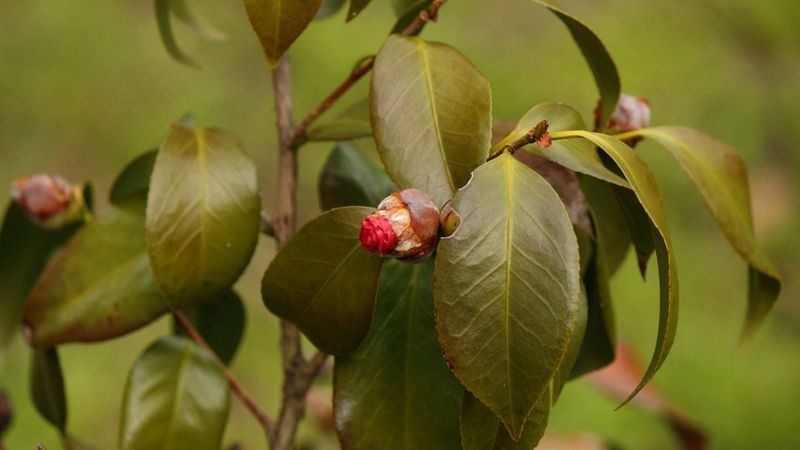
Late in August, if you look closely at a camellia, you can already see tiny buds swelling along the stem tips, fat and green and full of promise.
Those buds will not open for months, yet the care they receive right now decides whether they survive the wait ahead.
Gardeners often blame a disappointing spring on something that happened in February, when the real trouble started back in the heat of late summer.
Most people never think to connect a thin bloom season with anything that happened months earlier, assuming the problem lives entirely in the spring itself.
Understanding that delay changes how you water, where you plant, and what you expect when the flowers finally arrive.
Camellias Set Next Season Buds Right Now
Walk past a camellia in July or August, and it looks like nothing much is happening on the surface at first glance.
Behind the glossy leaves, though, the plant is doing its most important work of the entire year without much visible sign of it.
Camellias form their flower buds during late summer, generally from midsummer through early fall depending on the variety and your local climate conditions.
Those buds then sit tight through autumn and winter, waiting for the right signal to open once conditions finally turn favorable again.
Telling flower buds from leaf buds is easier than people expect once you know what to look for. Flower buds are rounder and fatter.
Once you can spot the difference, late summer stops feeling like a quiet stretch in the garden entirely without much happening at all.
You start seeing the plant as a factory that is assembling next season’s display right in front of you the whole time.
University of California Agriculture and Natural Resources guidance stresses this timing because it explains so much about camellia problems gardeners struggle to diagnose.
Whatever stress the shrub experiences during this bud-building window gets locked in permanently, with no chance to fix it once the damage happens.
Dry Spells Cause Buds To Drop Later
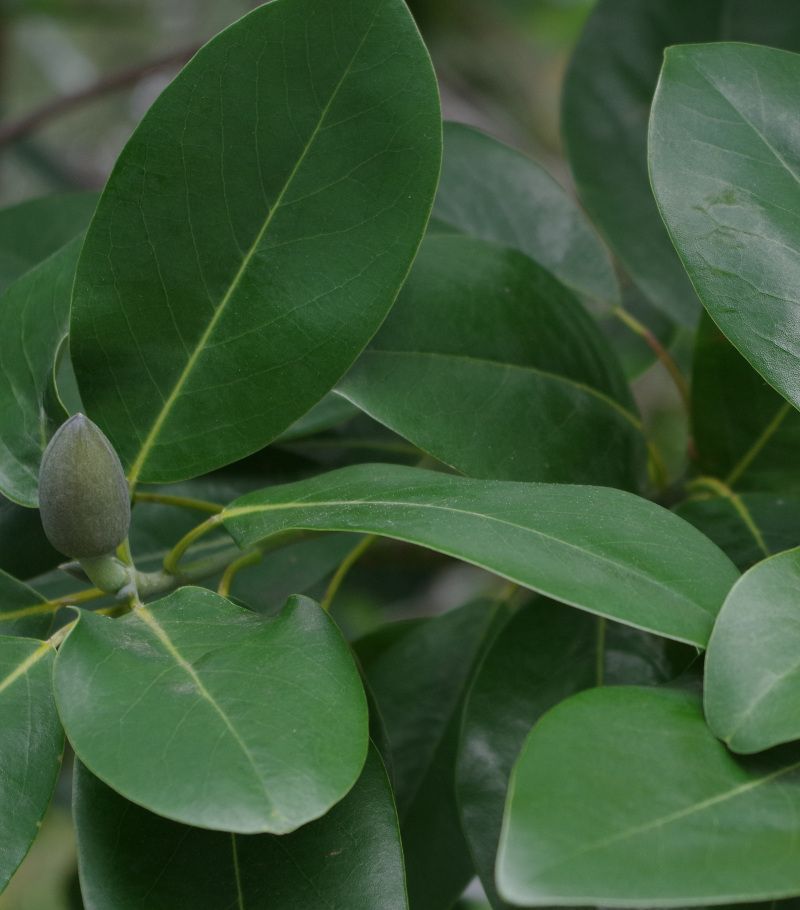
Here is the frustrating part about letting a camellia go thirsty in August. The plant rarely complains right away when conditions turn dry.
It just quietly decides it cannot support everything it started building, cutting losses somewhere the gardener will not notice until much later on.
When soil dries out during bud formation, the shrub loses the water pressure it needs to develop those buds fully and completely.
UC ANR points to inconsistent watering as a leading cause of camellia bud drop, sometimes called bud blast among experienced growers.
Camellias have shallow, fibrous root systems that sit near the soil surface, drying fast in hot weather especially in containers or sandy soil.
A plant can look perfectly healthy, with firm green leaves, while the top few inches of soil have gone bone dry between waterings unnoticed.
Wilting is a late signal, not an early one, in this whole process. By the time foliage droops, the buds have already felt the shortage.
Your California Garden Changes Every Week. Your Plan Should Too.
Gardening in California changes quickly throughout the season. Every Friday you’ll receive a simple weekly plan showing exactly what to plant, prune, fertilize, harvest, and protect so you never miss the right timing.
Checking soil moisture with your finger, two or three inches down, is a more honest test than looking at the leaves alone.
Think of a summer dry spell as writing a note to your spring self, and that note usually reads fewer flowers than hoped for.
Overwatering Creates The Same Problem
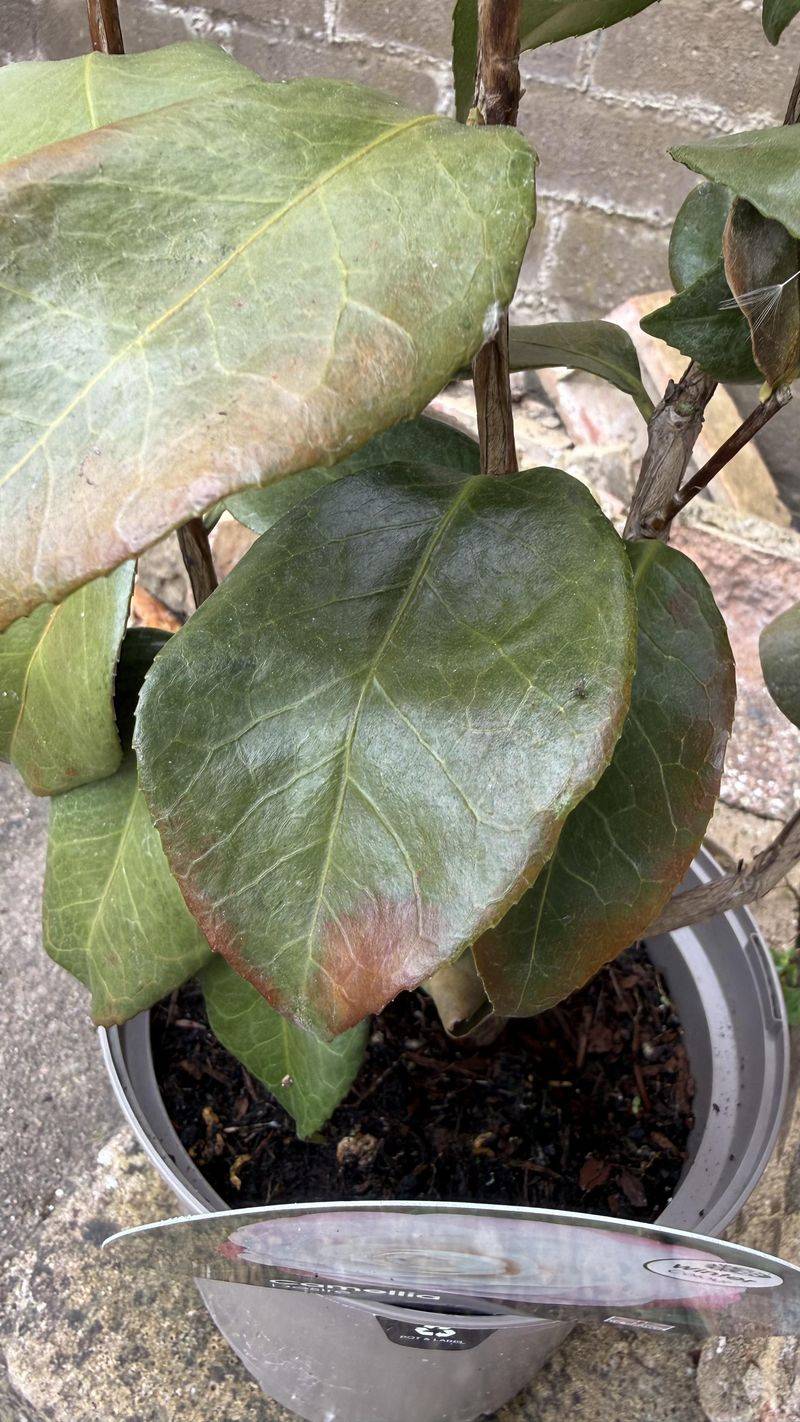
Plenty of well-meaning gardeners respond to the dry-soil warning by soaking their camellia every single day without fail, overcorrecting the original problem.
The plant reacts almost exactly the same way though, which surprises people every single time they encounter this particular outcome unexpectedly.
Soggy soil suffocates roots entirely. Roots need air pockets in the soil to function properly, and when water fills every gap, feeder roots fail and decline.
A camellia with damaged roots cannot move water upward no matter how wet the ground actually is around the base of the plant.
The result looks like drought stress even though the soil is thoroughly drenched, confusing gardeners trying to figure out what actually went wrong here.
Root rot organisms thrive in constantly wet conditions, and camellias are known to be vulnerable to them throughout the growing season each year.
Yellowing leaves, a sour smell near the soil, and buds that brown and drop are all possible outcomes of that waterlogged root zone.
The fix is drainage before volume matters at all. Planting slightly high and using containers with real drainage holes matter more than gallons poured.
Both extremes, bone dry and permanently soaked, damage roots during the exact weeks buds are forming without much visible warning beforehand.
Buds Fall Months After The Real Stress
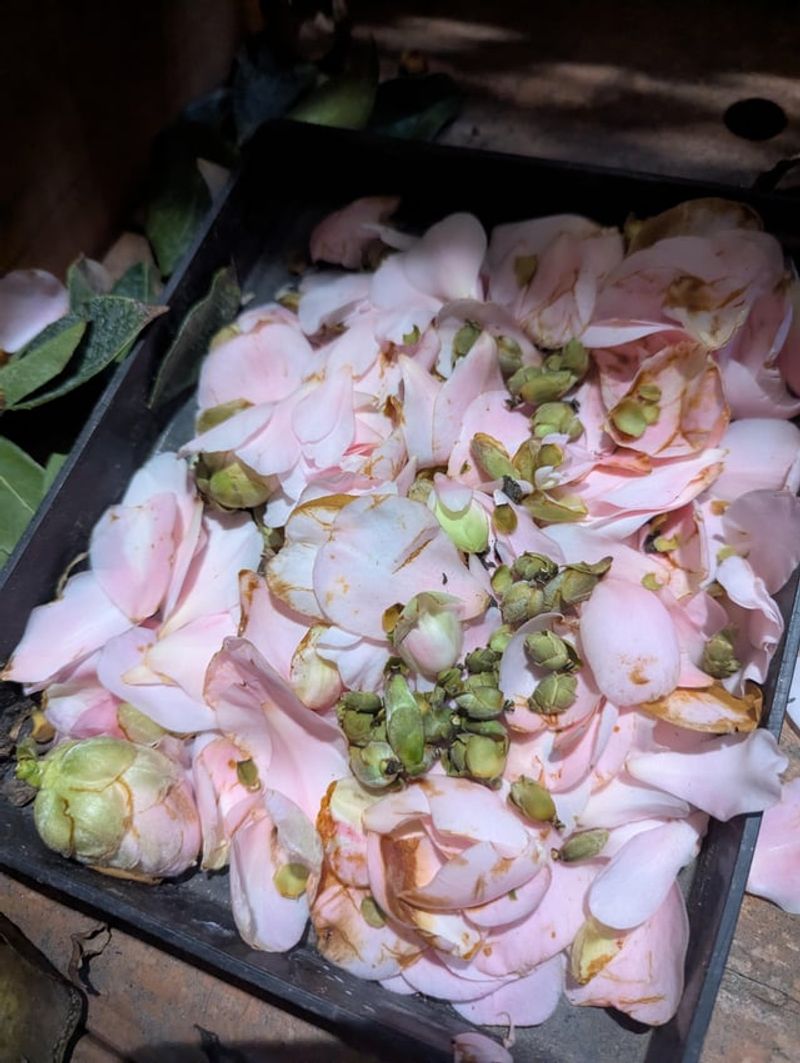
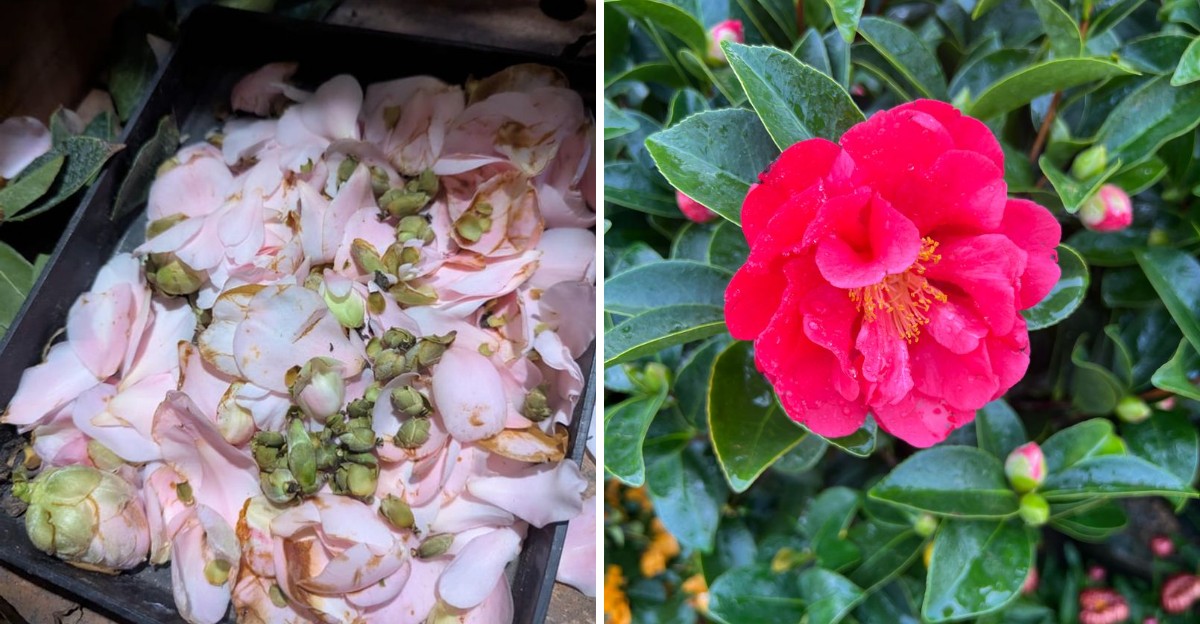
Picture a gardener in February, staring at a pile of brown buds scattered on the mulch, wondering what went wrong just this week.
Almost nothing went wrong this particular week at all. The delayed response is the single most confusing thing about camellia bud drop overall.
Stress that happened in August shows up as browning, falling buds in winter or early spring, long after the cause has already passed.
Nothing in the current conditions needs to be wrong for the buds to fail, since the damage was already recorded inside the bud itself.
Distinguishing environmental bud drop from other problems saves a lot of wasted effort chasing the wrong solution entirely without realizing it.
Bud mites cause bud scales to look rough or dried at the edges, and affected buds often fail to open properly come spring.
Botrytis blight, by contrast, attacks open or opening flowers, turning petals brown and mushy with a papery texture after wet weather passes through.
Environmental bud drop is different from both of those. Buds simply turn brown, then detach cleanly and fall while still closed up tight.
Once the connection clicks, your gardening calendar shifts completely. You stop troubleshooting in spring and start protecting the crop back in late summer instead.
Sheltered Spots Reduce Temperature Swings
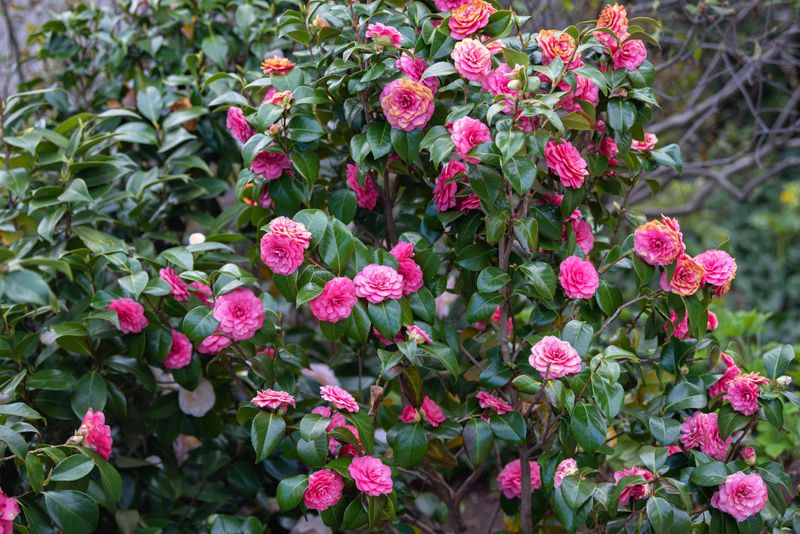
Location does half the work before you ever pick up a hose at all throughout the growing season each year.
A camellia baking against a west-facing wall lives a much harder life than one tucked into filtered shade nearby instead.
Temperature swings stress the plant in two distinct ways worth understanding clearly. Rapid heating dries the shallow root zone fast during hot afternoons.
Overnight cooling after a scorching day adds another jolt too, and steady conditions simply produce steadier bud development throughout the whole formation period.
Camellias evolved as woodland understory shrubs in East Asia, growing beneath taller trees that filtered the harshest sunlight naturally without much direct exposure.
Recreating that setting means dappled light, protection from harsh afternoon sun, and shelter from drying winds wherever possible in a home garden.
Morning sun with afternoon shade is the classic recommendation, and it holds up well in California gardens where inland heat can be brutal.
For plants already in a rough spot, you have options short of digging them up entirely and starting over somewhere else in the yard.
Wind deserves attention too, since moving air pulls moisture from leaves and soil faster than most gardeners realize during a typical hot spell.
Steady Moisture Beats Occasional Deep Soaks
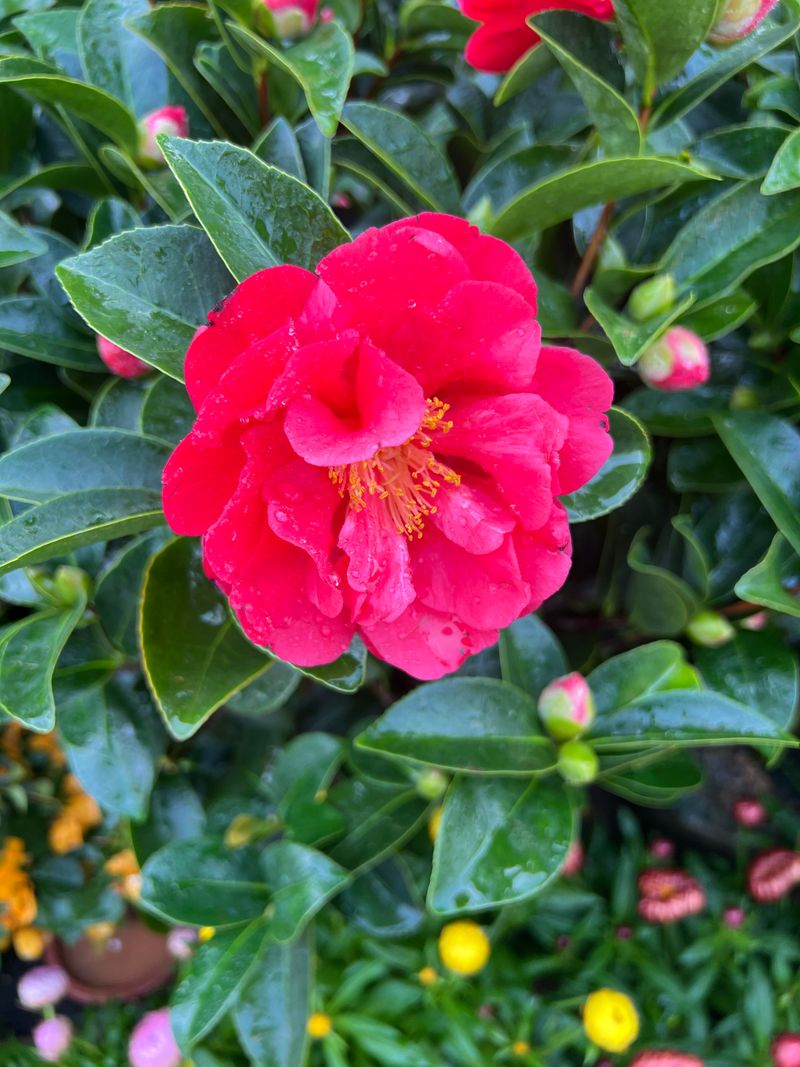
Ask most gardeners how they water, and you will hear something like a good long soak once a week or so.
For camellias in bud-formation season, that rhythm can be the problem itself rather than the solution most people assume it provides.
Flooding and drying repeatedly puts the root zone through a cycle of feast and famine that shallow camellia roots feel every single swing of.
Consistency matters more than volume here overall. A moderate amount of water applied often enough to prevent the soil from drying out works best.
Mulch is the cheapest tool for the job available to any gardener. Two to four inches of bark, kept away from the trunk, helps considerably.
Drip irrigation or soaker hoses on a timer take human forgetfulness out of the equation entirely, which is honestly where most inconsistency comes from.
Frequency depends on your conditions, not on a fixed rule applied blindly regardless of the actual site conditions surrounding each individual plant.
The finger test remains the most reliable guide available. Water when the top two to three inches feel dry, not before and not much after.
Vacations are the classic disruption point worth planning around. Arranging coverage for August is a small thing that quietly protects the entire spring display.
This Season Decides Next Spring’s Display
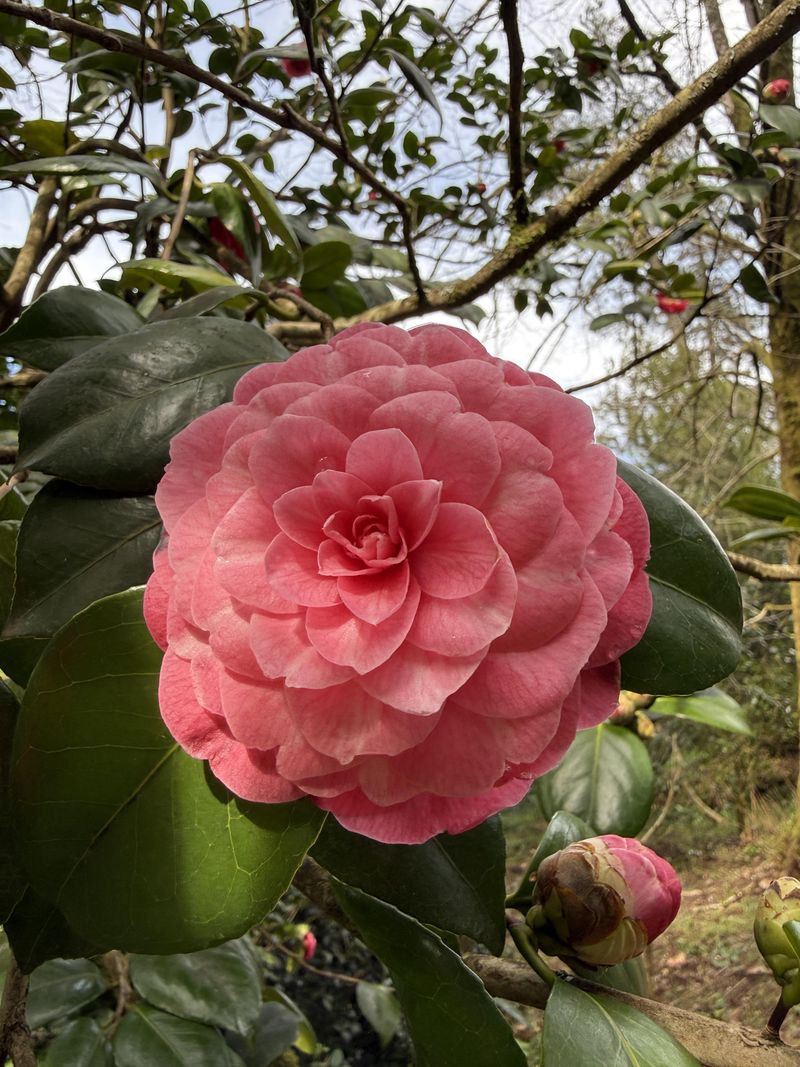
Gardening rewards patience in odd ways, and camellias may be the clearest example of that principle worth understanding fully before judging results too early.
The flowers you admire in spring were earned during weeks nobody photographs or pays much attention to at the time they actually happen.
Every steady watering in late summer is a small deposit toward that display, building up slowly over the whole bud-formation period each year.
Every forgotten week or flooded weekend is a withdrawal you will not notice until the buds start browning months later without warning.
Framing it that way makes routine care feel less like a chore and more like an investment with a scheduled payout eventually.
Practical steps for the rest of the season stay simple overall. Check soil moisture every few days, maintain mulch, and avoid heavy pruning after buds set.
Pruning, if needed, belongs right after flowering ends, not during bud formation, since cutting then removes the very buds you actually want.
Keeping a short garden note helps more than people expect throughout this whole process. Jotting down watering dates gives you real information to compare later.
Over two or three seasons, patterns become obvious, and your care improves considerably without much guesswork involved in the process anymore.