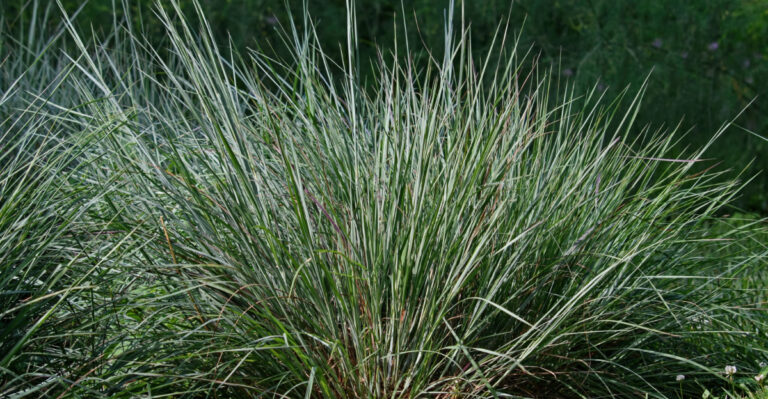
White Webbing Is Wrapped Around Missouri Tree Branches This Month
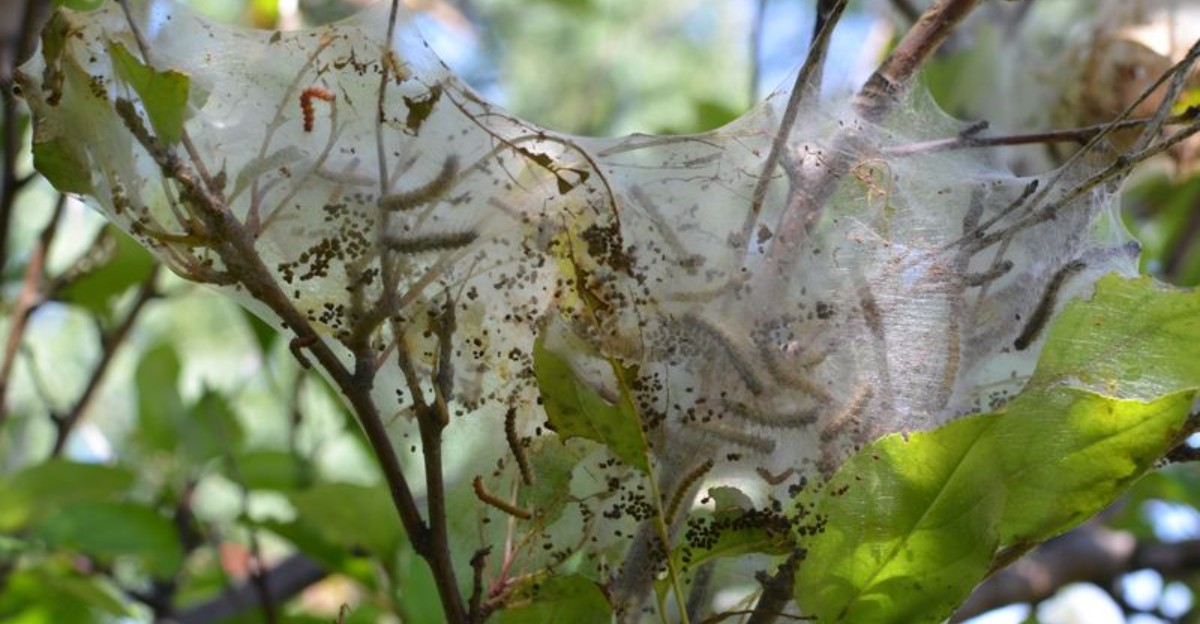
Something unusual is hanging in Missouri trees this month, catching neighbors off guard. Drivers slow down, squint up at the branches, then wonder if Halloween decorations somehow arrived weeks early.
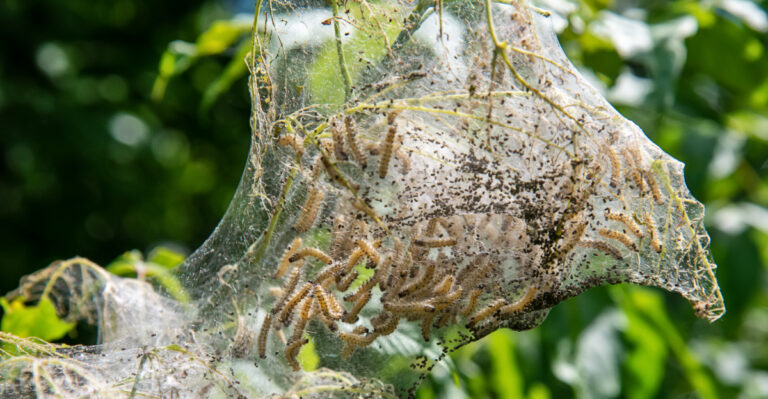
The silky patches appear near branch tips, catching morning light like tiny hammocks stretched between leaves. Some are small as a fist, while others swallow whole limbs in pale, papery, drooping layers.
Neighbors trade theories over fences, blaming spiders, frost, sticky sap, or the weird weather we had. Meanwhile the trees just stand there quietly, wearing their odd September fashion without a single complaint.
Missouri yards see this same puzzle nearly every autumn, yet it still surprises folks all over again. Honestly, those branches look like they’re wearing a strange, oversized costume.
Fall Webworm Nests Behind The Silky Gray Patches
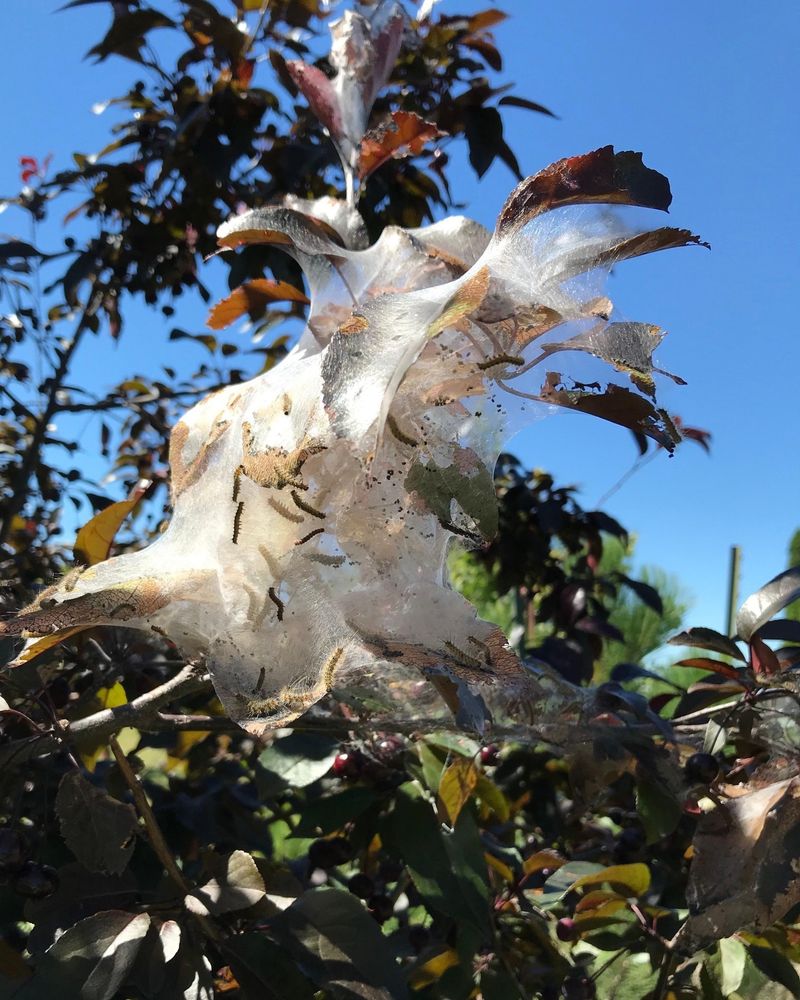
Those messy tents belong to the fall webworm, a native caterpillar with a taste for shade trees. Adults are small white moths that most people walk right past in July.
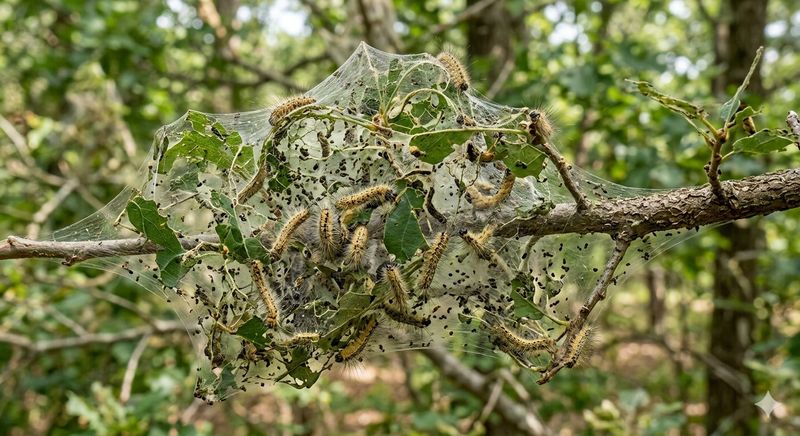
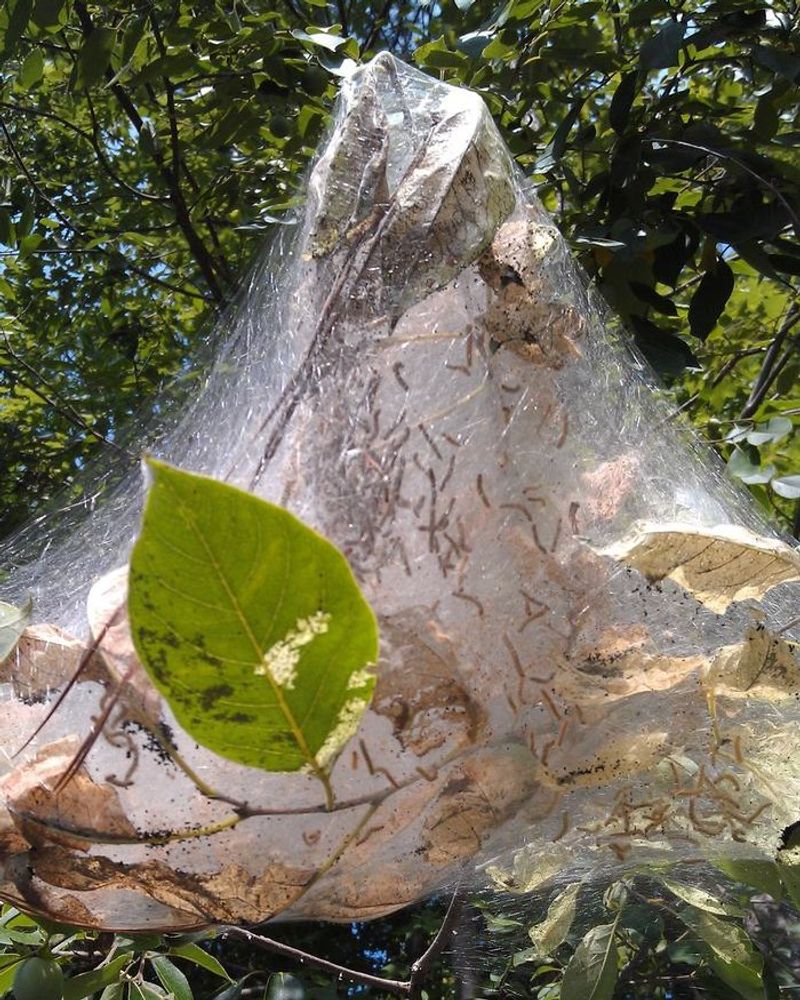
Unlike tent caterpillars of spring, webworms build their silk at the ends of branches. The nest grows outward as the caterpillars eat, trapping chewed leaves and dark specks inside.
Persimmon, walnut, hickory, pecan, and mulberry rank among their favorite Missouri hosts. Crabapple, elm, and river birch also get decorated when populations run high.
Peek closely and you will see pale caterpillars covered in long hairs and tiny dark dots. They wiggle in unison when something taps the silk, which looks unsettling but harmless.
The webbing works like a shield, protecting soft bodies from birds, wasps, and rough weather. Caterpillars feed inside that shelter, so the mess keeps expanding for two or three weeks.
Missouri trees have handled these visitors for generations without lasting trouble. Leaves lost in September were already scheduled to drop within a few short weeks.
Folks often confuse the nests with spider webs, though spiders build flat sheets or spirals. Webworm silk looks lumpy, cloudy, and stuffed with leftovers, a bit like discarded cotton candy.
Recognizing the culprit takes pressure off the whole situation. Once you know a small moth started it, the branches feel far less spooky.
Neighbors may point and worry, but the tree keeps doing its job under the silk. By October, those tents look tattered and empty, just weathered reminders of a busy summer.
Egg Masses, Warm Nights, And Hungry Caterpillars
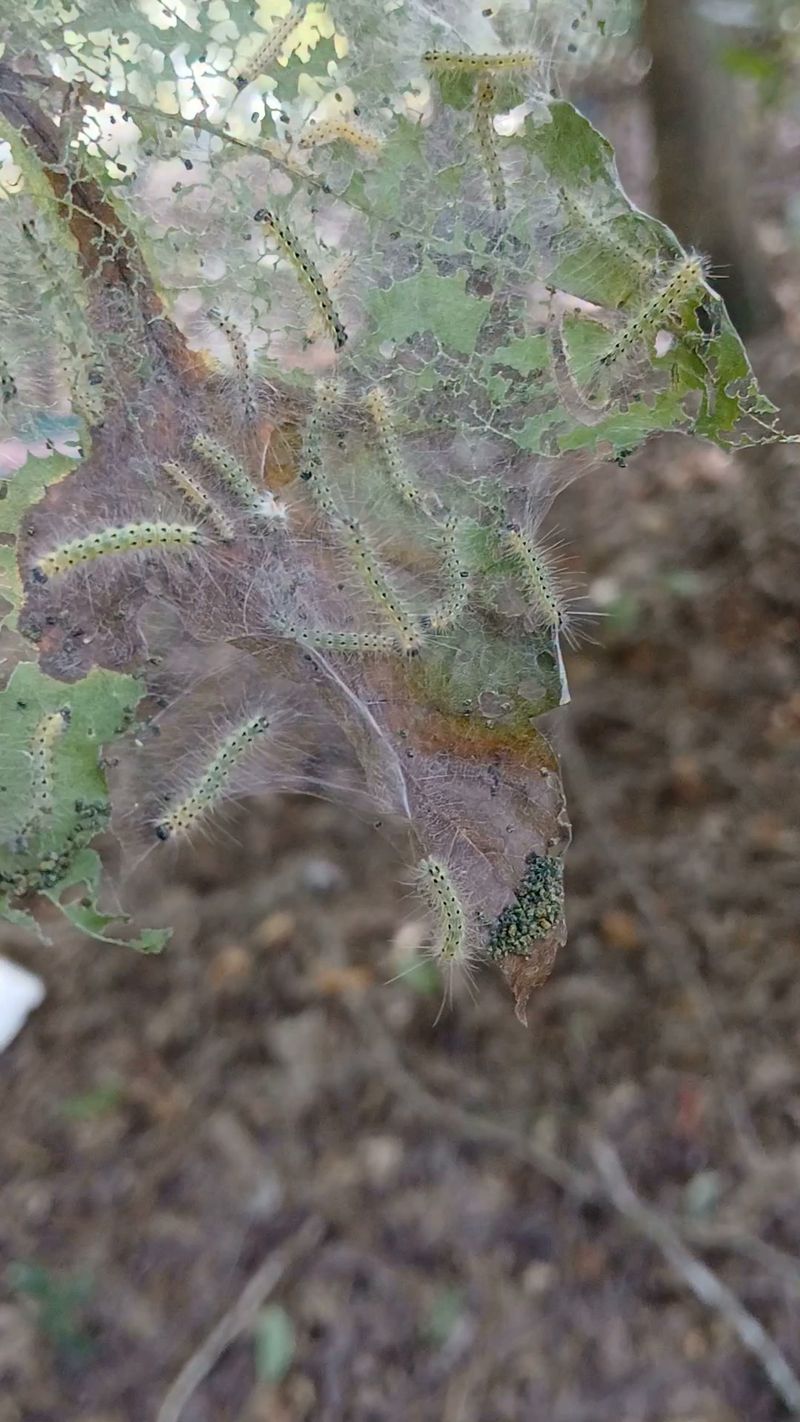
Everything starts with a female moth laying a fuzzy patch of eggs on a leaf underside. She covers the cluster with pale scales from her own body for extra protection.
Hundreds of eggs can sit in one small mass, which explains the crowded nests. Hatching takes about a week when nights stay warm and humid.
Newly hatched caterpillars stay together, spinning silk over the leaf they are chewing. As appetites grow, they stretch the tent farther down the branch.
Missouri summers usually allow two generations, sometimes a partial third in the southern counties. The first batch passes quietly in June, while the second one draws all the attention.
Your Missouri Garden Changes Every Week. Your Plan Should Too.
Gardening in Missouri changes quickly throughout the season. Every Friday you’ll receive a simple weekly plan showing exactly what to plant, prune, fertilize, harvest, and protect so you never miss the right timing.
Warm, dry stretches favor caterpillar survival because fungus and disease spread slowly. Heavy storms and cool spells knock numbers down without any help from gardeners.
Populations swing wildly from year to year, so a heavy season rarely repeats. One summer brings tents on every corner, and the next one looks oddly bare.
Roadside trees, fence lines, and yard edges show damage first because moths favor sunny spots. Forest interiors, shaded and less exposed, tend to stay clear.
Mature caterpillars leave the nest and wander off to spin cocoons in bark cracks or leaf litter. They pass the winter tucked away, then emerge as moths the following summer.
Knowing that cycle helps you predict the pattern instead of reacting each September. The calendar, not the caterpillar, really runs this show.
Late Season Timing Across Missouri Yards
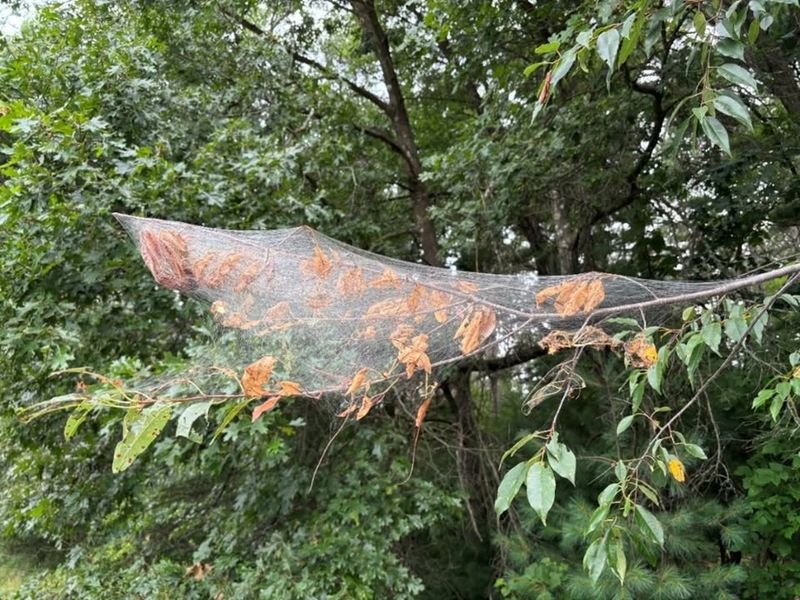
September is prime viewing season because the second generation reaches full size right now. Nests that started as thumb-sized pouches in August can stretch several feet by month’s end.
Caterpillars eat more during their final stages, so the silk expands quickly. Growth looks dramatic, which is why trees seem fine one week and draped the next.
Warm afternoons speed feeding along, while cool nights slow the whole process down. A mild autumn can stretch activity into early October across central Missouri.
Timing matters for anyone thinking about treatment, since sprays work best on small caterpillars. Once the tent is large and tough, chemicals rarely reach the residents inside.
Late season damage also arrives when leaves have nearly finished their yearly work. Trees have already stored energy for winter, so lost foliage costs them little.
Younger nursery stock deserves a closer look because small canopies lose a bigger share. A sapling with three branches feels the difference more than a towering hickory.
Watch for chewed, skeletonized leaves near the silk, plus dark crumbs on lower foliage. Those clues confirm active feeding rather than an abandoned shell left from earlier weeks.
By late October the tents fade, tear apart, and collect rain like old tissue. Winter winds finish the cleanup that many homeowners rush to do themselves.
Patience pays off more than panic during these final warm weeks. The season has an expiration date, and it is closer than the webs suggest.
Common Homeowner Mistakes And Backyard Overreactions
Every September someone reaches for a propane torch and aims it at a branch. Burning nests out of trees causes real harm and has started house fires.
Scorched bark opens wounds that invite decay, wood borers, and years of slow weakness. The caterpillars would have left on their own, so the tree pays for nothing.
Shooting nests down with a garden hose seems harmless, yet it splatters caterpillars everywhere. Many simply crawl back up the trunk and rebuild within a couple of days.
Heavy pruning ranks as another regret, especially when people remove thick, healthy limbs. Cutting a major branch to erase one tent trades a small problem for permanent loss.
Broad insecticide sprays reach far beyond the target and hit helpful insects hard. Ladybugs, lacewings, and parasitic wasps take the hit, which can worsen future pest trouble.
Some homeowners treat tall trees themselves, then discover spray drift coating cars and vegetable beds. Reaching a forty-foot canopy with a hose-end sprayer rarely ends well.
Ladders leaned against limbs create the biggest risk of all during nest removal attempts. A fall from twelve feet costs far more than a few chewed leaves.
Ignoring the calendar counts as a subtle mistake worth naming. Treating in September gives poor results, while a quick look in June prevents the whole spectacle.
Restraint feels strange when something looks wrong, but it usually works best here. Trees have survived webworms far longer than we have owned pruning saws.
Safe Pruning And Simple Hands-On Cleanup
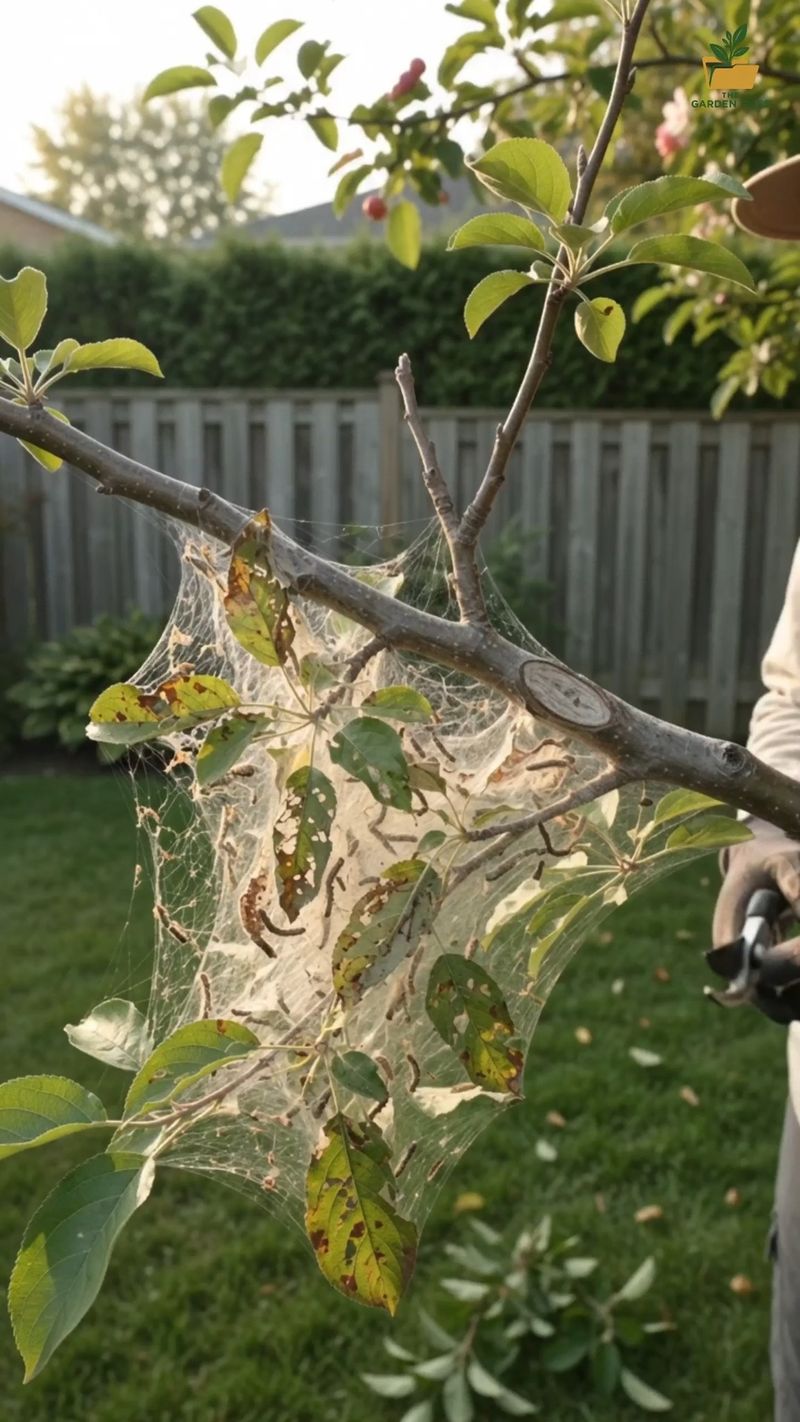
Reaching a nest with your hands is easier than most people expect, gloves and all. Pull the silk free, drop it in a bucket of soapy water, and finish.
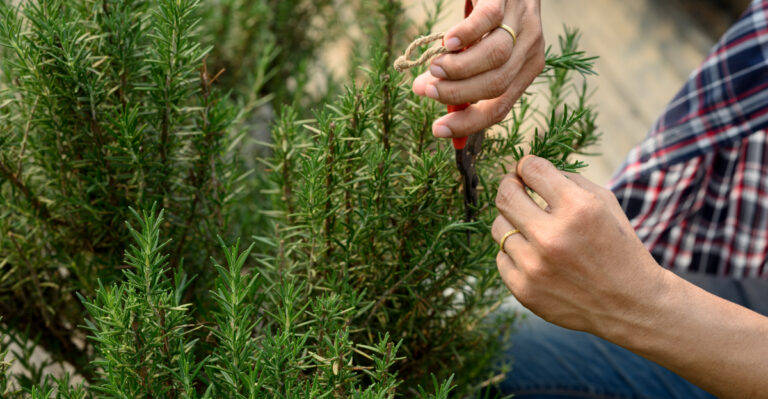
A long pole pruner handles nests just above head height without a ladder. Clip the small twig holding the tent, then lower the whole bundle gently.
Try cutting only thin branch tips rather than structural limbs you will miss later. One pencil-width twig is a fair trade, while a forearm-thick branch is not.
For tall canopies, hiring a certified arborist beats improvising with ladders and extensions. Professionals carry proper climbing gear and know exactly which cuts a mature tree can handle.
If numbers feel overwhelming, products containing Bacillus thuringiensis target young caterpillars specifically. Coverage must soak through the silk, so opened nests respond better than sealed ones.
Spray early in the season while tents stay small and leaves remain tender. Follow label directions closely and treat on calm, mild days to limit drift.
Dispose of collected nests away from the tree, either bagged or deeply buried. Leaving the pile at the trunk simply invites a return trip next summer.
Honestly, a bucket, gloves, and ten quiet minutes solve most backyard cases. The fanciest tool in this whole job is usually your own outstretched arm.
Natural Helpers And Long-Term Tree Health
More than eighty species of predators and parasites hunt fall webworms in North America. Birds, stink bugs, paper wasps, and tiny parasitic flies all join the effort.
Chickadees and vireos tear into nests for a protein-packed snack during migration season. Yellowjackets and paper wasps chew through the silk with surprising determination on warm afternoons.
Encouraging that free labor costs nothing beyond leaving the spray bottle on the shelf. Flowering plants like goldenrod and aster feed adult wasps that patrol your trees.
Healthy soil, decent mulch, and steady watering matter far more than nest counts. A vigorous tree replaces chewed leaves easily and shrugs off a rough September.
Mulch rings keep mowers away from trunks and hold moisture through dry late summer. Skip volcano-shaped piles against the bark, since that invites rot and rodents.
Scouting branch tips in June gives you the real advantage for the following year. Check branch tips on favorite hosts and pinch off tiny nests while they stay small.
Raking leaves and clearing loose bark debris removes some overwintering cocoons near the tree. Results are modest, yet the habit tidies your yard at the same time.
Expect webworms to return in cycles because their predators rise and fall too. A quiet year often follows a heavy one, thanks to all those hungry wasps.
Over decades, Missouri shade trees keep growing right through these silky interruptions. The webs come and go, while the hickory just gets taller and wider.