9 California Garden Changes That Help Plants Through Fall Weather
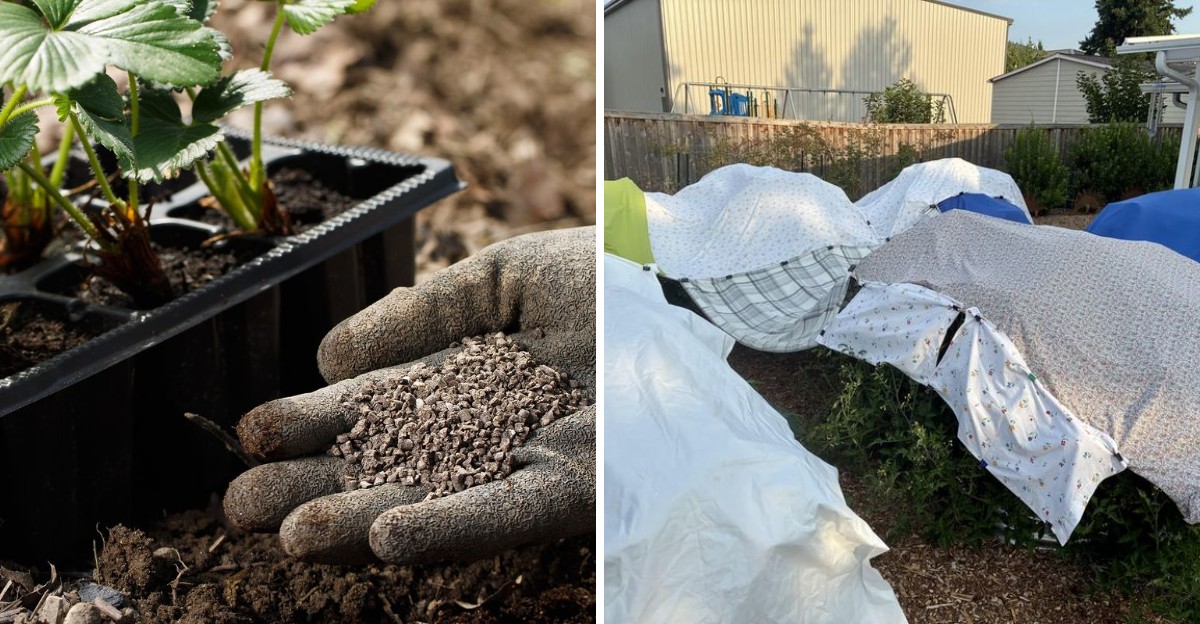
It is mid-October, and the sprinklers are still running four days a week, the fertilizer bag is still sitting by the shed door, and the tomato vines are hanging on mostly out of habit.
Meanwhile the sun sets earlier, mornings feel sharper, and the soil stays damp far longer than it did in August without much change to the routine.
California fall rarely arrives with a dramatic freeze, so it is easy to keep gardening like it is still summer without realizing conditions have already shifted.
Most gardeners never adjust their routine until problems force the issue, missing the small changes that could have prevented trouble in the first place.
A handful of small adjustments right now will protect roots, cut down pest problems, and save you from scrambling when the first cold night finally shows up.
1. Reduce Watering Frequency As Temperatures Drop
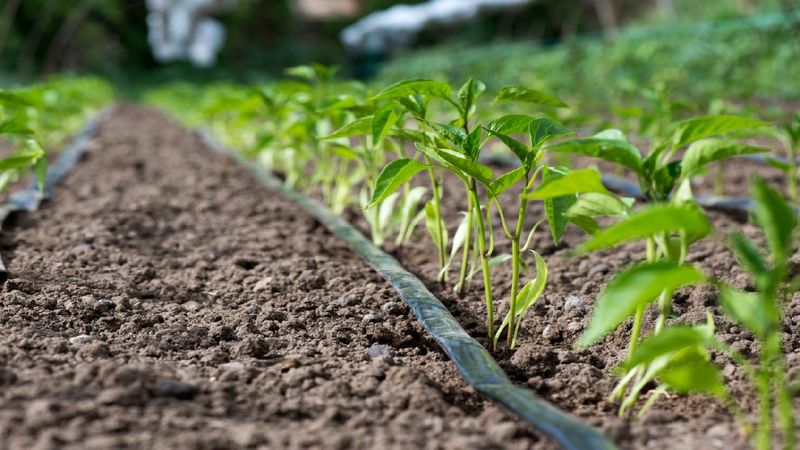
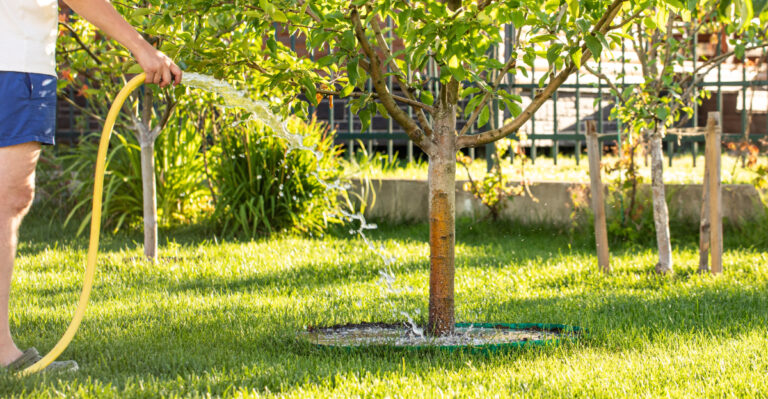
Sprinklers still running on a July schedule are one of the most common sights in California yards come October without much thought given.
Shorter days and cooler air mean plants simply drink less, and soil holds moisture far longer between soakings than it did during summer.
UC ANR irrigation guidance ties watering to evapotranspiration, which is the combined loss of water from soil surfaces and plant leaves overall.
That number drops sharply once temperatures ease, so the same weekly run time can quietly drown roots without anyone noticing the change.
The smarter move is cutting frequency first, not duration. Stretching the gap between waterings encourages deeper roots throughout the whole root zone.
Check before you water by pushing a finger or a screwdriver about two inches into the bed to test actual moisture levels.
Lawns usually need the biggest cut, often dropping from three or four days a week to one or two days total.
Established trees and shrubs can go even longer, especially in coastal counties where fog returns regularly to provide additional moisture naturally.
Once winter rains arrive, shut the system off entirely and turn it back on only during dry stretches throughout the wetter months ahead.
2. Add Mulch Before Nights Turn Cold
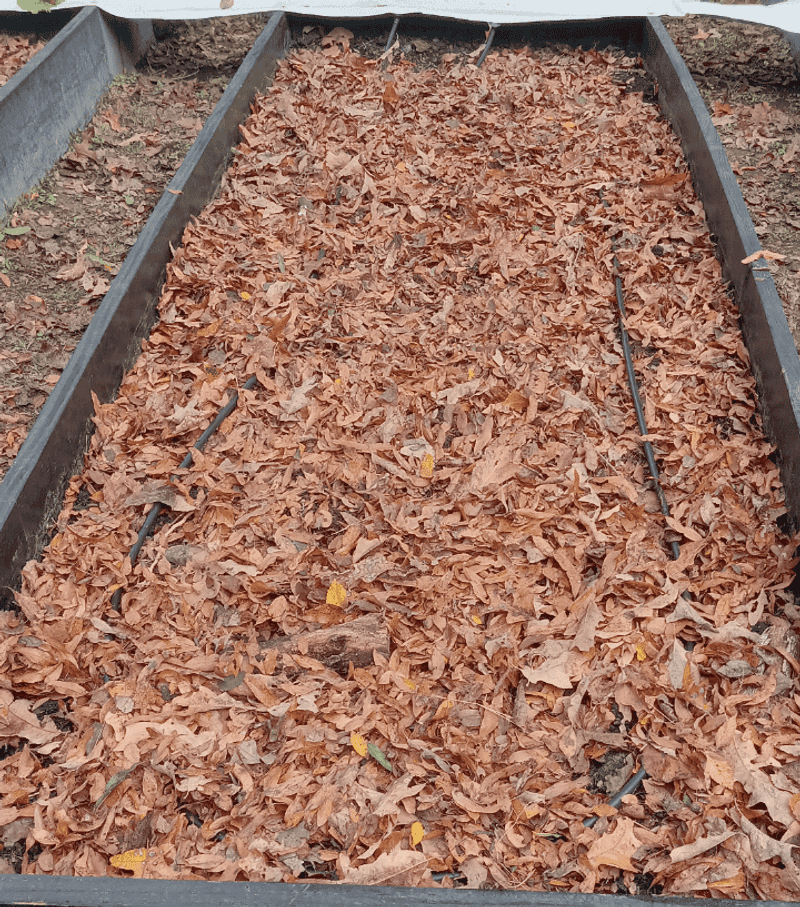
Timing is what separates mulch that works from mulch that just sits there looking tidy without doing much real good.
Spreading it while the soil still carries summer warmth locks that heat in, buffering roots against the swing between mild afternoons and chilly nights.
A layer of three to four inches of coarse organic material, like shredded bark, does the heavy lifting throughout the whole bed area.
Keep it pulled back two or three inches from trunks and stems so bark stays dry and rot-free during the wetter months ahead.
Beyond temperature, mulch slows evaporation, which pairs perfectly with the reduced watering schedule you just set up across the garden.
It also blocks winter weeds from sprouting once the rains begin, saving hours of pulling weeds later come February and March.
UC ANR notes mulch improves soil structure as it breaks down, feeding earthworms and microbes that keep beds loose and workable.
Your California Garden Changes Every Week. Your Plan Should Too.
Gardening in California changes quickly throughout the season. Every Friday you’ll receive a simple weekly plan showing exactly what to plant, prune, fertilize, harvest, and protect so you never miss the right timing.
Water the ground first, then mulch afterward. Spreading over bone-dry soil can keep light rain from reaching roots at all effectively.
Vegetable beds appreciate a lighter hand, roughly two inches, so seedlings can push through without much resistance from the mulch layer above.
3. Watch For Pest Shifts As Weather Changes
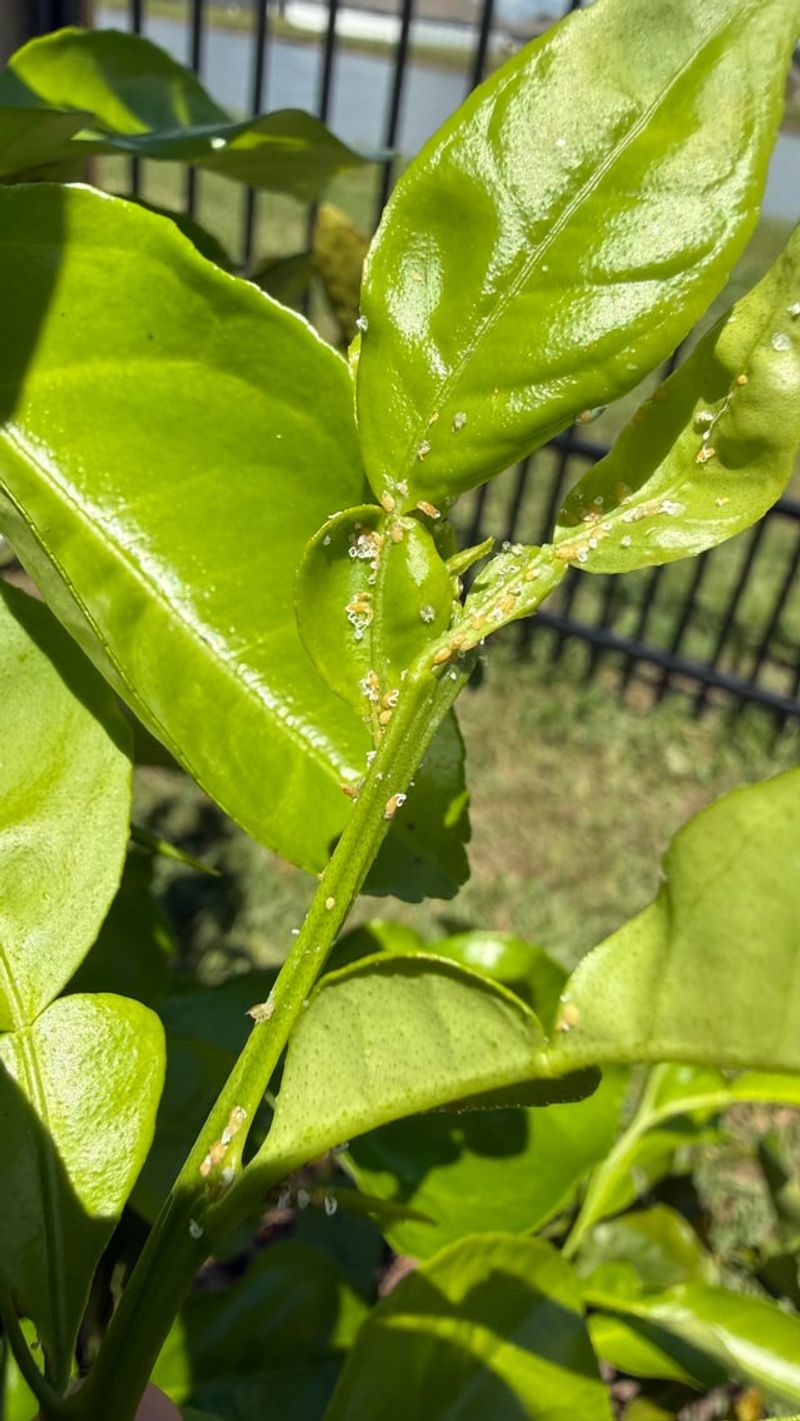
Aphids that seemed to vanish during August heat often come roaring back once temperatures settle into the seventies without much warning beforehand.
Cooling weather resets pest life cycles, and the cast of characters in your garden changes with it throughout the fall transition period.
Soft-bodied feeders like aphids and whiteflies frequently rebound on tender fall growth, especially on citrus flushes and cool-season vegetables planted recently.
Check the undersides of new leaves weekly, since that is where colonies start building up before spreading further across the plant.
Meanwhile, snails and slugs become far more active once moisture returns to the garden after the dry summer stretch finally ends.
They shelter under pots and leaf litter by day, then feed on seedlings after dark without much visible activity during daylight hours.
Hand-picking at night with a flashlight sounds old-fashioned, but UC ANR still rates it among the most effective controls available to home gardeners.
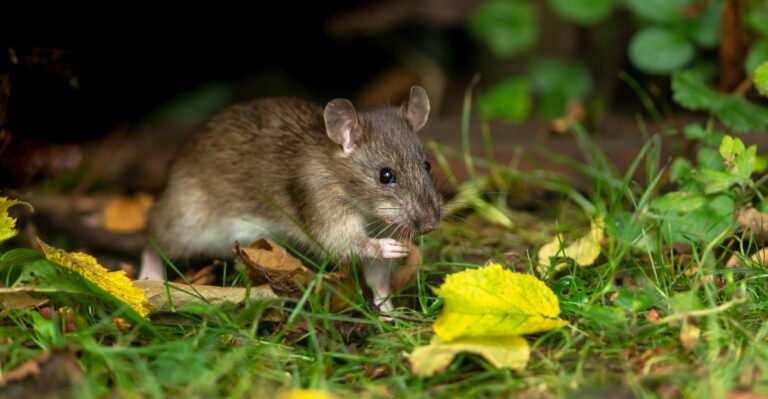
Rodents also start scouting for warm shelter around this time, so clear ivy and dense ground cover near the house proactively.
On the friendly side, many beneficial insects stay active through a mild California fall, handling a lot of aphid pressure naturally on their own.
4. Adjust Fertilizer To Match Slower Growth
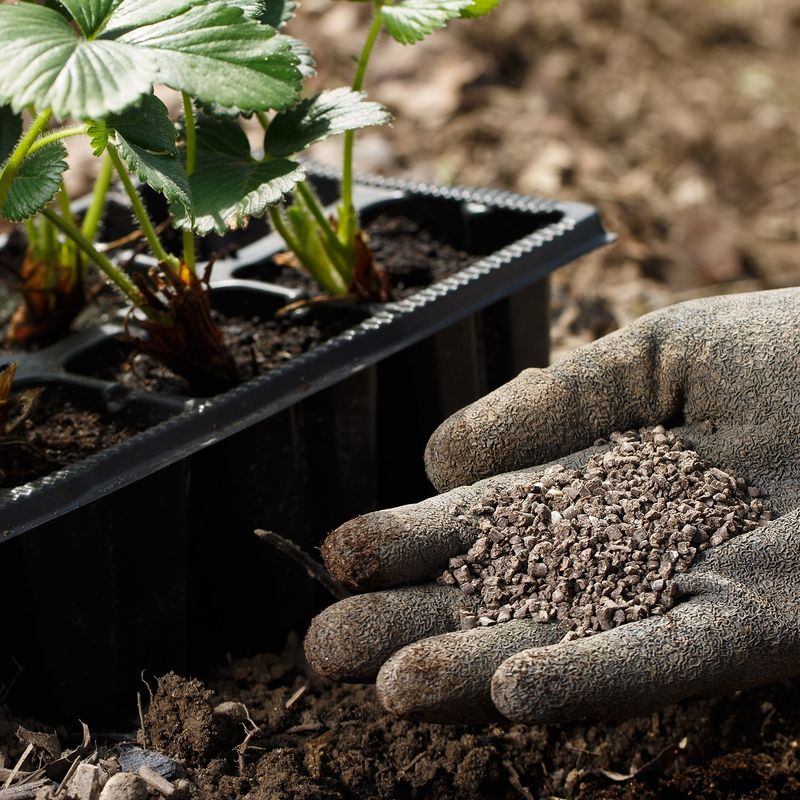
Plants are not being lazy in fall, they are following daylight patterns closely throughout the whole season as days shorten naturally.
With shorter days and cooler roots, growth slows naturally, and heavy feeding at that point does more harm than good overall.
Nitrogen pushes soft, leafy growth that has no time to harden before the first cold nights arrive unexpectedly during this transition.
That tender tissue is exactly what frost damages first, and what aphids find most appealing among all the growth on a plant.
UC ANR guidance generally advises stopping high-nitrogen applications on citrus and most ornamentals by late summer or early fall at the latest.
Cool-season vegetables are the exception worth remembering here. Lettuce and broccoli are actively growing now and benefit from modest, steady nitrogen.
Lawns follow their own rules depending on grass type present. Cool-season fescue appreciates a fall feeding, while warm-season Bermuda should be left alone.
If you want to improve soil rather than force growth, compost is the safer choice overall for this time of year.
Phosphorus and potassium behave differently from nitrogen, supporting root strength and stress tolerance rather than leafy surges that frost could damage.
5. Bring Sensitive Container Plants Closer To Shelter
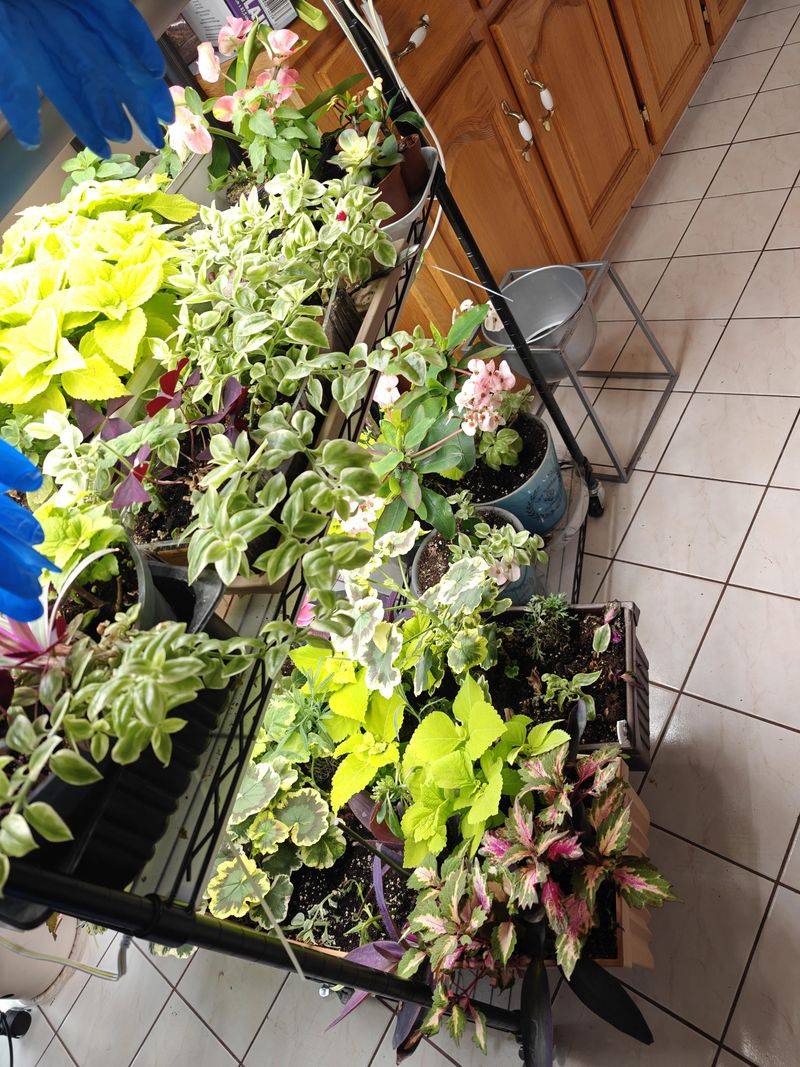
Pots are the first casualties of a cold night, and the reason is simple physics worth understanding before disaster strikes unexpectedly.
Roots in containers are surrounded by air on all sides, so they chill far faster than roots tucked into garden soil directly.
Move tender favorites before the forecast forces your hand into a rushed response. Plumeria and young citrus in pots appreciate early relocation.
A south-facing wall or a covered porch creates a surprisingly warm microclimate for these sensitive plants throughout the cooler months ahead.
Masonry and stucco soak up daytime heat and release it slowly after dark, providing extra warmth right where plants need it most.
Overhead cover matters too, since plants under eaves or tree canopies lose less heat to the open sky above them at night.
Group pots together so they share warmth and shield each other from wind, creating a more stable microclimate collectively than individually.
Give plants a week or two to adjust before hauling them fully indoors, checking carefully for hitchhiking pests first before bringing anything inside.
Water lightly and less often once temperatures drop, because soggy cold soil rots roots quickly during this vulnerable transition period.
6. Clean Up Debris That Hides Disease
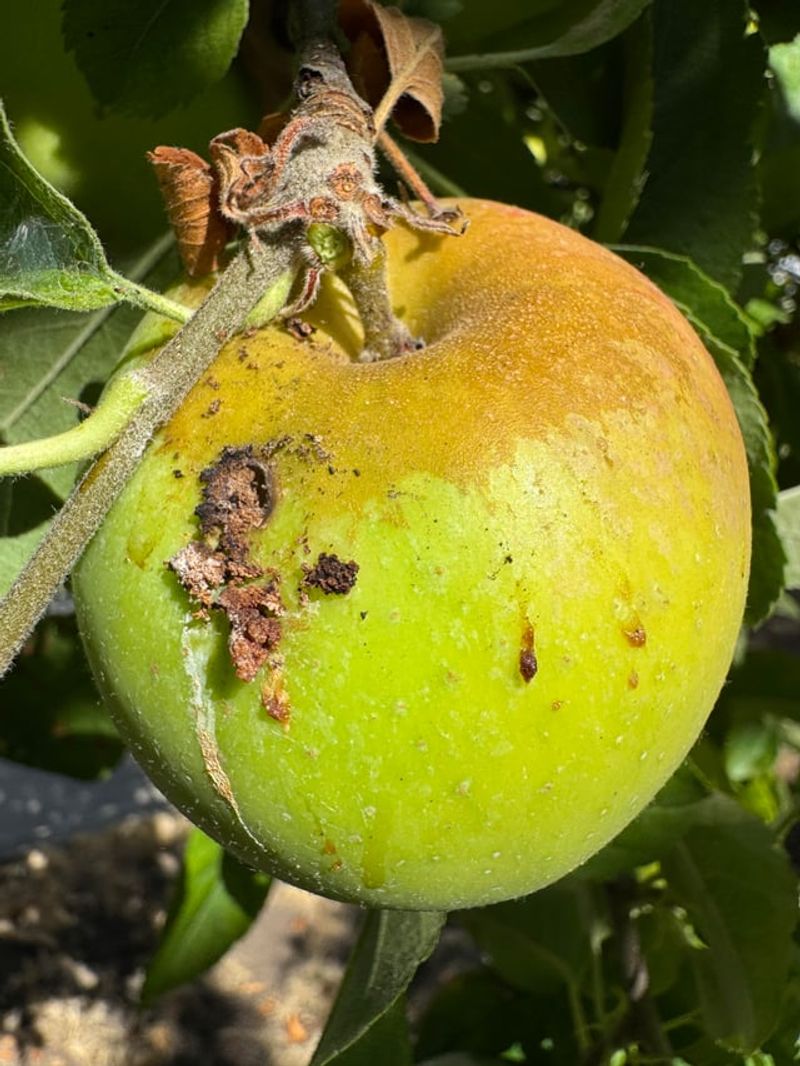
Fallen leaves look harmless piled under a rose bush, yet they are often a spore hotel waiting to cause trouble later.
Black spot, rust, and powdery mildew all overwinter on infected plant material left on the ground throughout the cooler months ahead.
Once California rains arrive, splashing water lifts those spores straight back onto new growth, restarting the whole infection cycle again unfortunately.
Raking now breaks that cycle before it restarts come spring when new growth emerges and becomes vulnerable to the same old problems.
Pay special attention under fruit trees specifically. Mummified fruit still hanging in the branches are classic disease reservoirs worth removing promptly.
Clear out spent tomato and pepper plants too, since they harbor mildew organisms that can persist through winter without proper cleanup.
Diseased material should not go in the home compost pile at all. Backyard piles rarely get hot enough to break down pathogens reliably.
Healthy leaves are a different story entirely and make excellent free mulch or compost feedstock for the rest of the garden.
Sanitize pruning tools between plants with rubbing alcohol when cutting out infected wood, preventing yourself from spreading problems around the yard.
7. Plan Ahead For The First Cold Snap
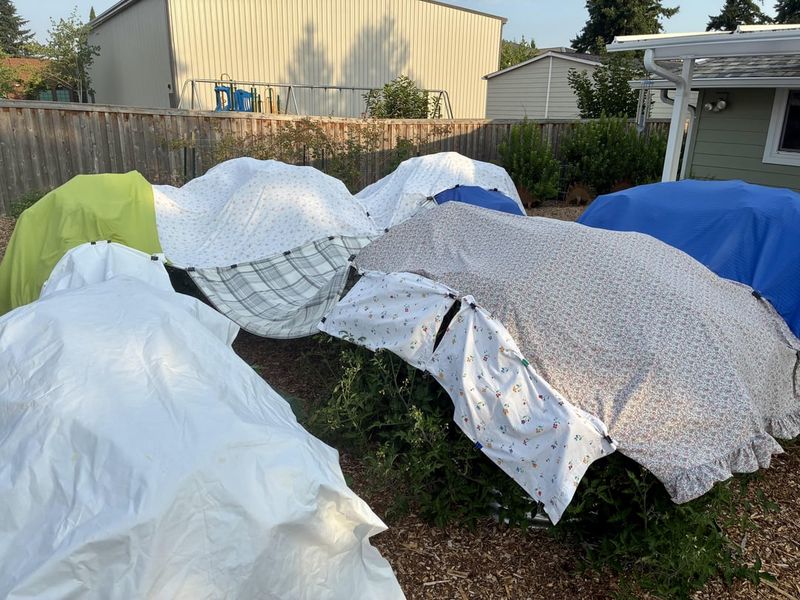
The first real cold night in California rarely announces itself politely to gardeners caught off guard by the sudden temperature drop.
Inland valleys can slide from a pleasant afternoon into a frosty dawn within hours, and gardeners who wait for the forecast often move too late.
Gather supplies while the weather is still mild and manageable. Frost cloth and stakes stored in one bin means a quick response.
Know your local pattern too. Frost dates vary enormously between coastal San Diego and the Central Valley, so check a regional average carefully.
Cover plants in the late afternoon while ground warmth is still radiating upward, draping fabric all the way to the soil below.
Remove covers the next morning to prevent overheating and moisture buildup underneath the fabric once the sun comes back out again.
Avoid plastic touching foliage directly, because it conducts cold and causes burn wherever it rests against the leaves themselves.
Watering soil a day before a freeze helps considerably, since moist ground stores and releases more heat than dry ground does overall.
Hold off on pruning frost-damaged growth until spring arrives properly. Damaged tissue shields the healthy wood beneath it from further cold exposure.
8. Prepare Fall Vegetable Beds For A Late Planting Push
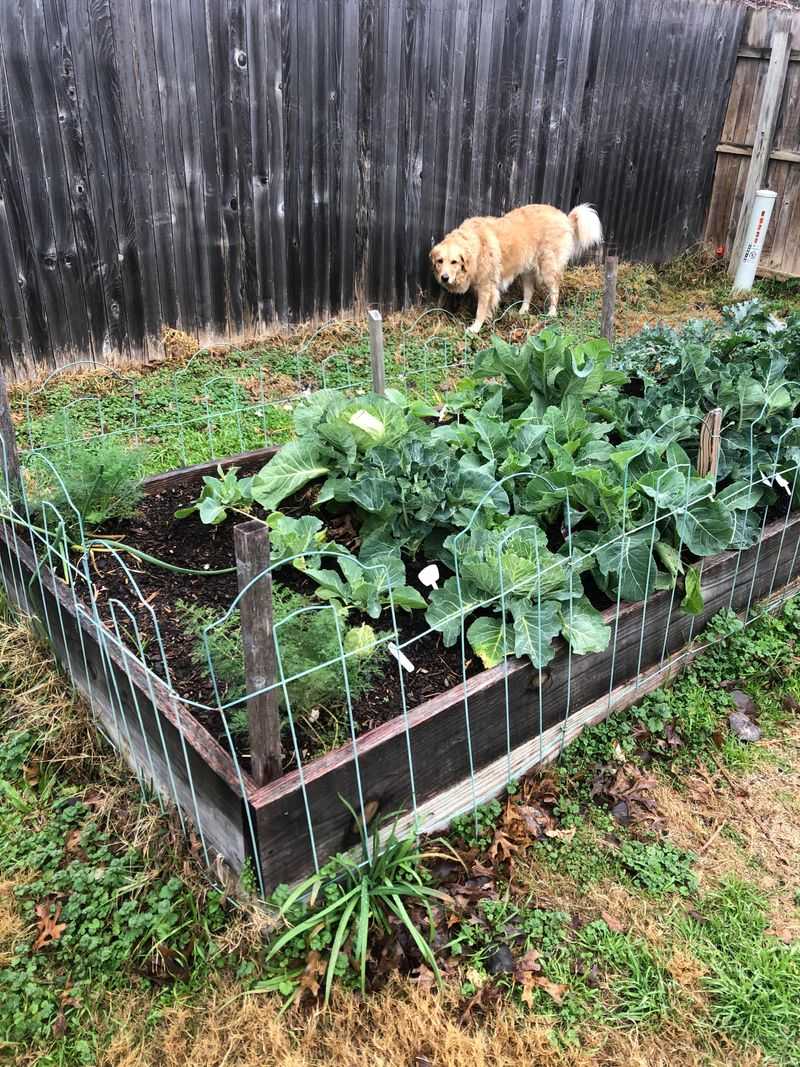
October offers a genuine second chance to plant cool-season vegetables across most of California, yet many gardeners assume the growing season has already ended once summer crops start winding down naturally.
Lettuce, spinach, and other quick-maturing greens still have plenty of time to establish and produce before the coldest stretch of winter settles in across most regions of the state.
Clearing out spent summer plants, already covered in the debris section above, opens up bed space that can go straight into fall planting rather than sitting empty through the cooler months ahead.
Working a modest amount of compost into these cleared beds before planting gives fall crops the nutrient boost they need without the heavy nitrogen application already discouraged elsewhere in this piece.
Direct-seeded crops like carrots and beets benefit from soil that has cooled somewhat from summer highs, since warm soil can actually slow or prevent proper germination for several cool-season varieties.
Checking your specific region’s average first frost date before finalizing a fall planting schedule matters considerably, since coastal, valley, and mountain gardeners all work within genuinely different timelines this time of year.
Transplants generally outperform direct seeding for slower crops like broccoli and cabbage at this point in the season, since they arrive already established and skip the vulnerable germination window entirely.
Pairing this fresh planting push with the reduced watering and mulching adjustments already covered gives new seedlings the steady, moderate conditions they need to establish before real cold weather arrives.
9. Check Structural Supports Before Winter Wind And Rain
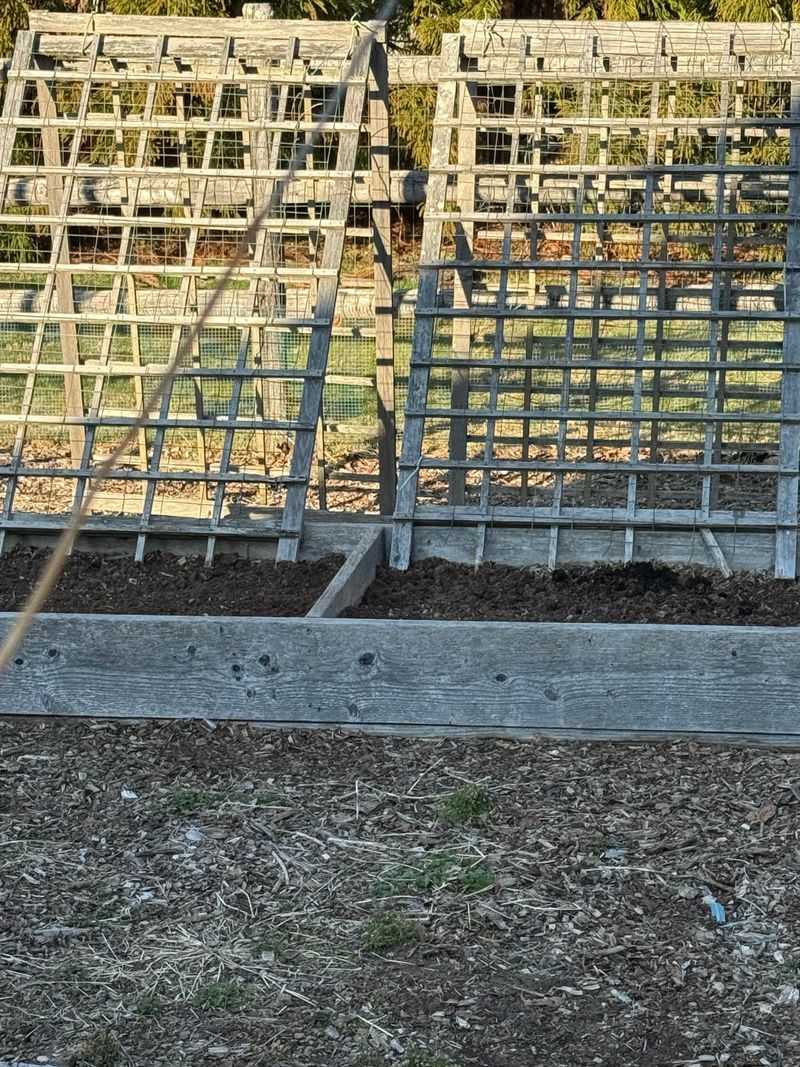
Trellises, stakes, and plant supports that held up fine through a calm California summer sometimes reveal weaknesses only once wind and rain actually arrive together during the wetter fall and winter months.
Wooden stakes that spent months in warm, dry soil can rot faster than expected once consistent moisture returns, so checking their condition now beats discovering a collapsed tomato cage during an actual storm later.
Tall perennials and young trees benefit from a quick inspection of their ties and stakes, since a support that worked fine in still summer air may prove inadequate once genuine wind picks up through fall.
Loose or overly tight ties deserve attention here too, since a tie that has girdled a stem slightly over the growing season can become a real problem once wind adds mechanical stress the plant was not built to handle.
Fences and trellises supporting vining plants like beans or cucumbers, if still standing after this season’s harvest, are worth reinforcing or removing depending on whether they will host fall crops or simply sit unused through winter.
Checking that drainage around any structural supports still works properly matters too, since a post sitting in a puddle after every rain will weaken and fail faster than one positioned where water actually moves away.
This kind of structural check pairs naturally with the general fall cleanup already covered throughout this piece, since walking the garden for debris removal offers a convenient opportunity to also test stakes and supports along the way.
A few minutes spent tightening, replacing, or removing unstable supports now prevents the frustration of a broken trellis or toppled young tree discovered only after a windy winter storm has already done its damage.