This Is What California Gardens Need To Survive This Week’s Record Heat Wave
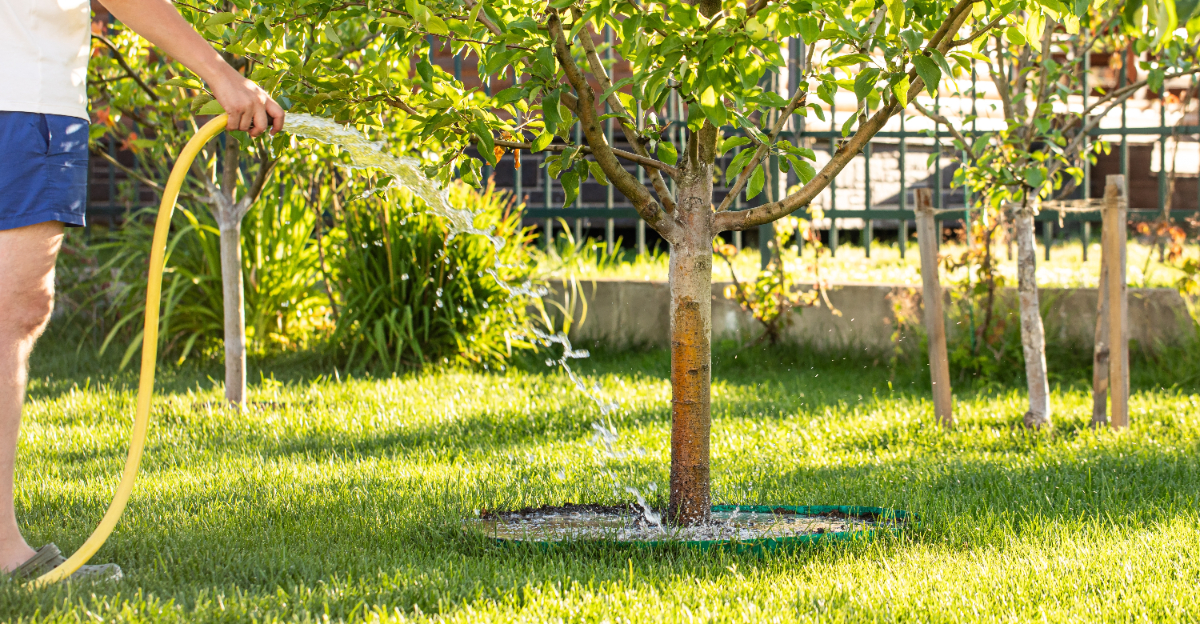
California gardens are tough, but this week’s record heat wave is basically walking in like a blow dryer with an attitude.
Tomatoes are wilting, hydrangeas are fainting, lawns are crunching, and even the “I’m drought-tolerant, relax” plants may be side-eyeing the forecast.
When temperatures spike hard, your garden does not need random panic watering, heroic pruning, or a dramatic fertilizer pep talk. It needs smart triage.
Think deep morning watering, quick shade, extra mulch, skipped feeding, and a little mercy for plants that look messy while they are just trying to survive.
Heat stress can show up fast in California yards, especially in containers, raised beds, young plantings, and anything sitting near concrete or reflective walls.
The goal is not to make everything look perfect by Friday. It is to keep roots cool, moisture steady, and plants alive until the weather stops acting personally offended by your landscaping.
1. Deep Watering Matters More Than Daily Sprinkling
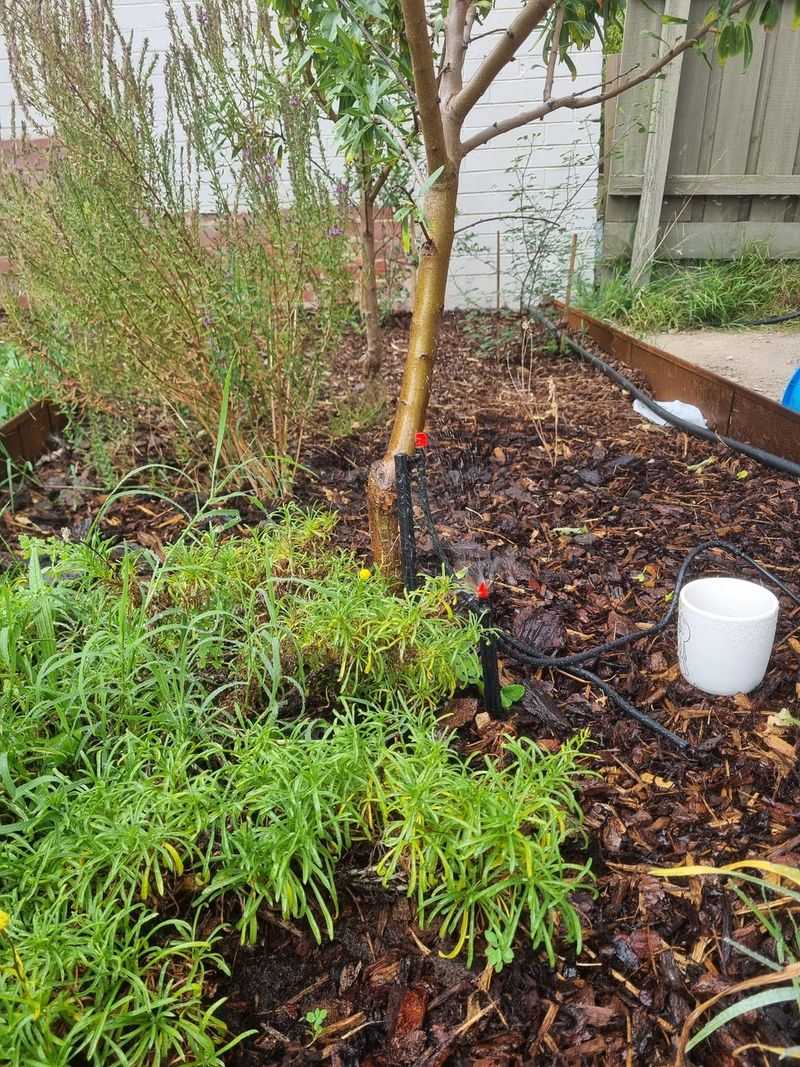
Frequent light watering during a heat wave can actually make things worse for your plants. When you sprinkle just the surface, roots stay shallow because that is where the moisture is.
Shallow roots have a much harder time surviving extreme heat.
Deep watering encourages roots to grow down into the soil where temperatures are cooler and moisture lasts longer.
A good deep watering means letting water soak in slowly for 20 to 30 minutes in one spot. You want the water to reach at least 6 to 8 inches below the surface.
Soaker hoses and drip systems work really well for this. They deliver water directly to the root zone without wasting it on leaves or pavement.
If you only have a regular hose, try using a slow trickle and moving it around every 15 minutes.
Sandy soils in southern parts of California drain faster, so they may need watering more often. Clay-heavy soils in inland valleys hold water longer but can get crusty on top.
Breaking up that crust with a hand tool before watering helps moisture get in faster.
During a record heat wave, deep watering every two to three days is usually better than a quick sprinkle every single day.
Your plants will respond better, their roots will be stronger, and they will have a much easier time getting through the hottest part of the week.
2. Morning Irrigation Gives Roots A Fighting Chance
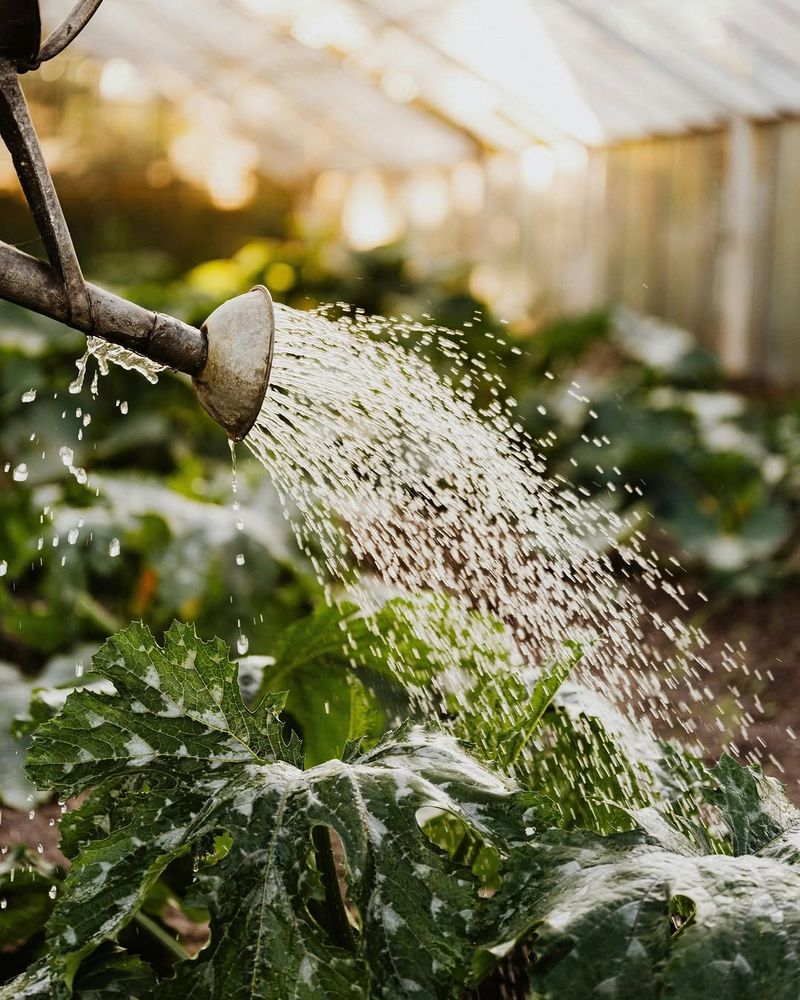
Timing your watering can be just as important as how much water you give. Early morning, ideally between 5 and 9 a.m., is the best window to irrigate during a heat wave.
The air is cooler, the sun is low, and water has time to soak into the soil before the heat of the day kicks in.
When you water in the afternoon during peak heat, a lot of that moisture evaporates before it even reaches the roots. You end up using more water and getting less benefit.
Watering in the evening can work in a pinch, but it leaves foliage wet overnight, which can invite fungal problems.
Morning watering gives your plants a full tank before they face the hardest part of the day. Think of it like eating a solid breakfast before a long, tough hike.
Your California Garden Changes Every Week. Your Plan Should Too.
Gardening in California changes quickly throughout the season. Every Friday you’ll receive a simple weekly plan showing exactly what to plant, prune, fertilize, harvest, and protect so you never miss the right timing.
Your plants draw on that stored moisture all day as temperatures climb.
If you have an irrigation timer, now is the time to use it. Set it to run in the early morning hours so you do not have to wake up before dawn.
Even a basic mechanical timer from a hardware store can do the job well.
In northern regions of California, mornings can still be cool enough that plants perk up quickly after watering.
In hotter inland zones, getting water down before 8 a.m. is especially critical during a record-breaking heat event like this one.
3. Mulch Keeps Soil From Baking
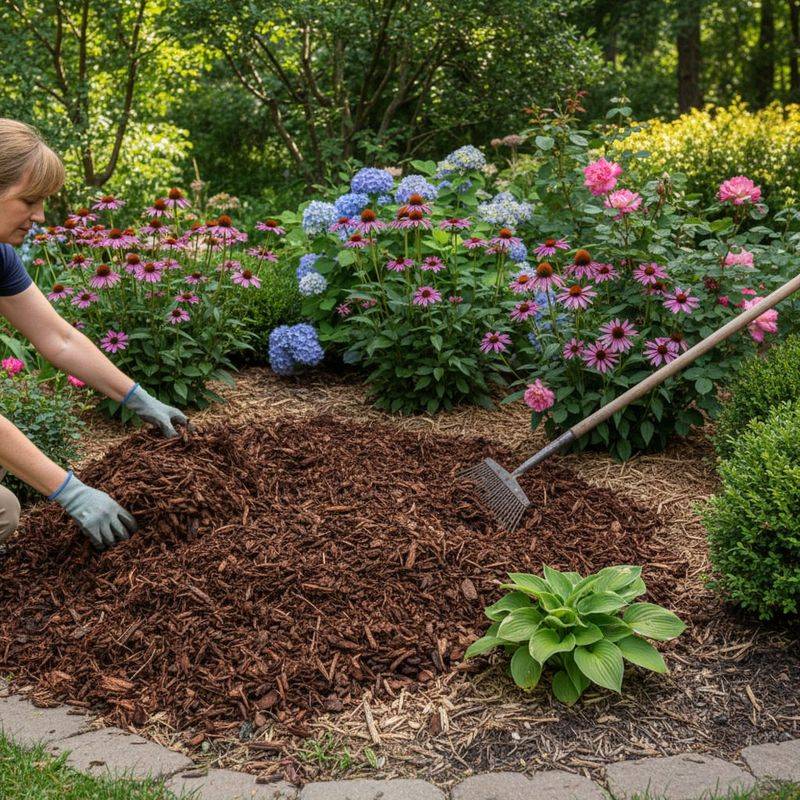
Bare soil in summer heat acts like a frying pan. It absorbs heat all day and stays hot long into the night.
That trapped heat stresses roots and dries out the soil much faster than you might expect.
A thick layer of mulch changes everything. Wood chips, straw, shredded leaves, or even grass clippings spread 3 to 4 inches deep can cut soil temperatures by 10 to 20 degrees.
That is a massive difference for roots trying to stay cool and hydrated.
Mulch also slows evaporation, which means you water less often and your plants stay moist longer between sessions.
During a week of record heat, that extra moisture retention can be the difference between a garden that bounces back and one that struggles for weeks.
Apply mulch around the base of plants but keep it a few inches away from the main stem or trunk. Piling mulch right up against a stem can trap moisture there and cause rot over time.
A donut shape around each plant works well.
You can find wood chip mulch free or cheap from local tree trimming companies. Many of them are happy to drop off a load rather than haul it away.
Straw bales from a garden center are another affordable option that breaks down over time and adds nutrients back into the soil. Mulching right now, even mid-week, will still make a real difference for your garden.
4. Containers Need Emergency Attention First
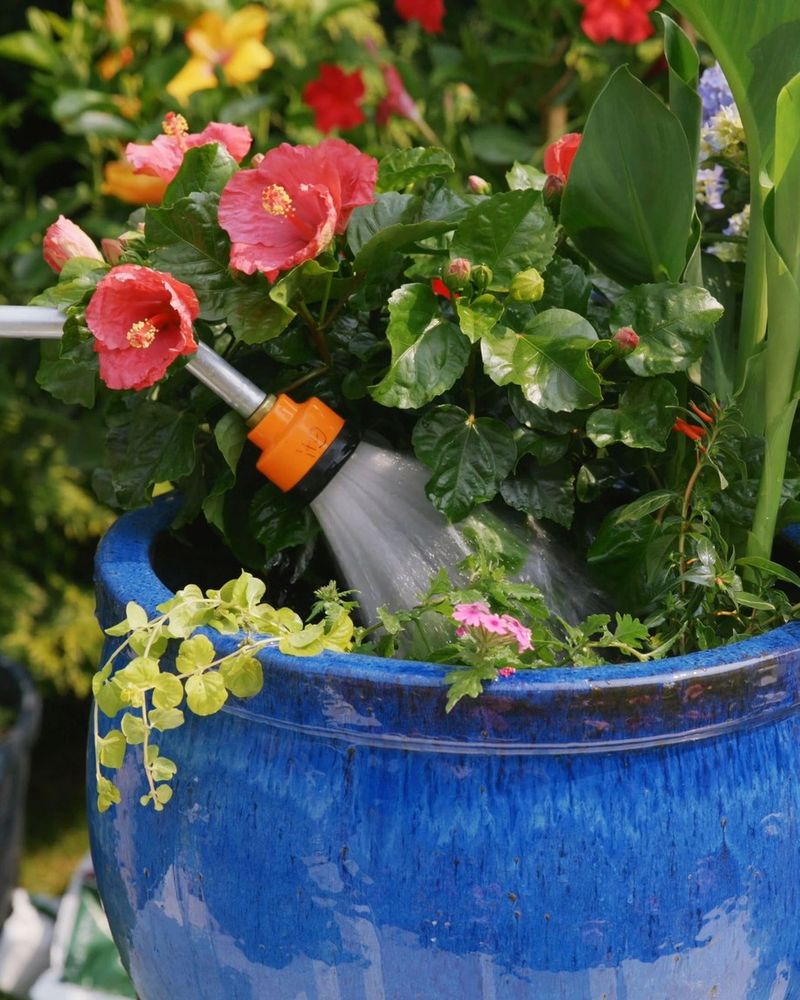
Potted plants are in a tougher spot than anything growing in the ground. The soil in a container heats up much faster because it is surrounded by air and direct sun on all sides.
On a 105-degree day, a dark plastic pot can get hot enough to cook roots from the outside in.
Check your containers at least twice a day during a heat wave. Morning and late afternoon are both good times.
Stick your finger about an inch into the soil. If it feels dry, water right away. Small pots may need water every single day, and sometimes twice.
Moving containers to a shadier spot is one of the fastest ways to protect them. A spot that gets morning sun but afternoon shade is ideal.
If you cannot move them, group pots together so they shade each other and hold moisture a little better.
Light-colored pots reflect more heat than dark ones. If you have a dark pot that you cannot move, try wrapping it in a light-colored cloth or burlap to reduce heat absorption.
It sounds simple, but it actually works.
Terra cotta pots dry out especially fast because the clay is porous and pulls moisture away from the soil.
During a heat wave, consider placing terra cotta pots inside a larger pot or container to add an extra layer of insulation.
Your potted herbs, flowers, and vegetables will thank you for the extra care this week.
5. New Plantings Need More Help Than Established Shrubs
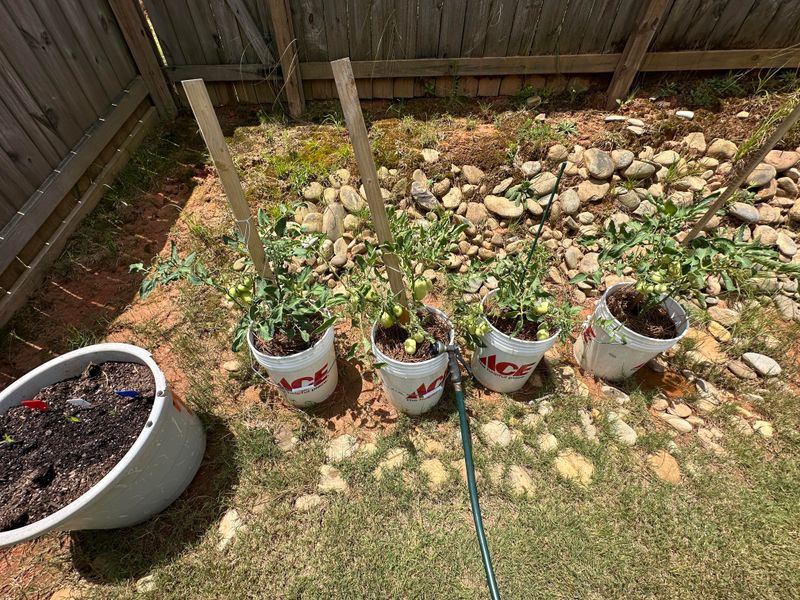
Anything planted in the last six months has not had time to build a strong root system yet.
Those young roots are shallow and limited in reach, which makes new plants far more vulnerable during extreme heat than older, well-established ones.
During a heat wave, new plantings may need water every single day. Even plants that are considered drought-tolerant once established can struggle badly in their first summer if they do not get enough support.
Do not assume a native plant or a tough succulent is fine just because it looks okay in the morning.
Temporary shade cloth can be a lifesaver for new plantings. A 30 to 50 percent shade cloth draped over young plants during the hottest part of the afternoon gives them a real break from the intensity.
You can find it at most garden centers, and it is easy to set up with a few stakes.
Avoid transplanting anything new right now. Moving a plant during a heat wave adds stress on top of stress and makes survival much harder.
Wait until temperatures drop back to a more normal range before moving or installing new plants.
Check new plantings in the evening, too. Wilting in the afternoon is normal for many plants as a way to conserve water.
But if they are still wilted in the cool of the evening, that is a sign they need more water soon. Acting fast helps them recover before the next hot day hits.
6. Trees Need Slow Water, Not A Quick Splash
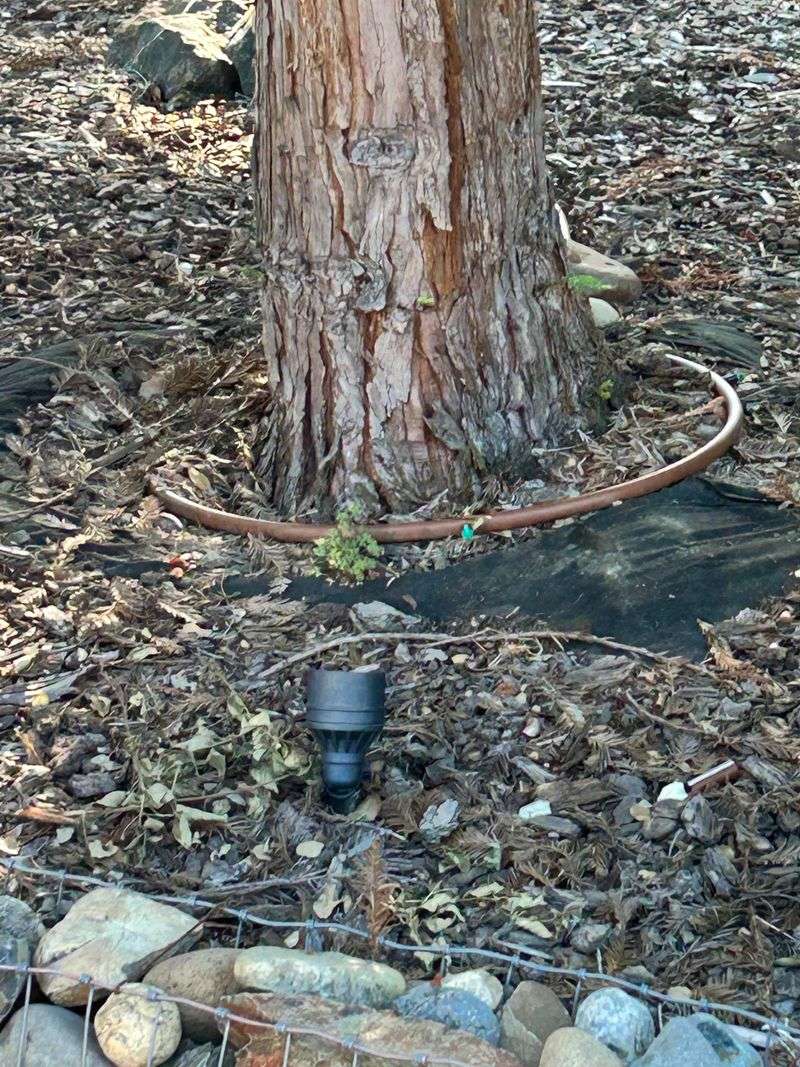
Trees might look tough, but they feel the heat just like everything else in your yard. The difference is that their roots spread out wide and deep, so they need water delivered across a larger area and at a slower rate than smaller plants.
A quick blast from a hose near the trunk does very little for a mature tree. Most of a tree’s feeder roots are located out near the drip line, which is the outer edge of the canopy.
That is where you want to focus your water. Slow, deep watering works best for trees. A soaker hose laid in a ring around the drip line and left to run for an hour or two is one of the most effective methods.
You can also use a five-gallon bucket with a small hole drilled in the bottom as a slow-drip tool.
Newly planted trees need even more attention. Water them deeply every two to three days during a heat wave, making sure the root ball stays moist.
A berm of soil built up around the base of a young tree can help hold water in place while it soaks in slowly.
Signs that a tree is stressed by heat include curling or yellowing leaves, premature leaf drop, and wilting branches. If you notice any of these signs, increase watering right away.
California trees are already dealing with years of drought stress, so giving them extra support during record heat is truly worth the effort.
7. Skip Fertilizer Until The Heat Breaks
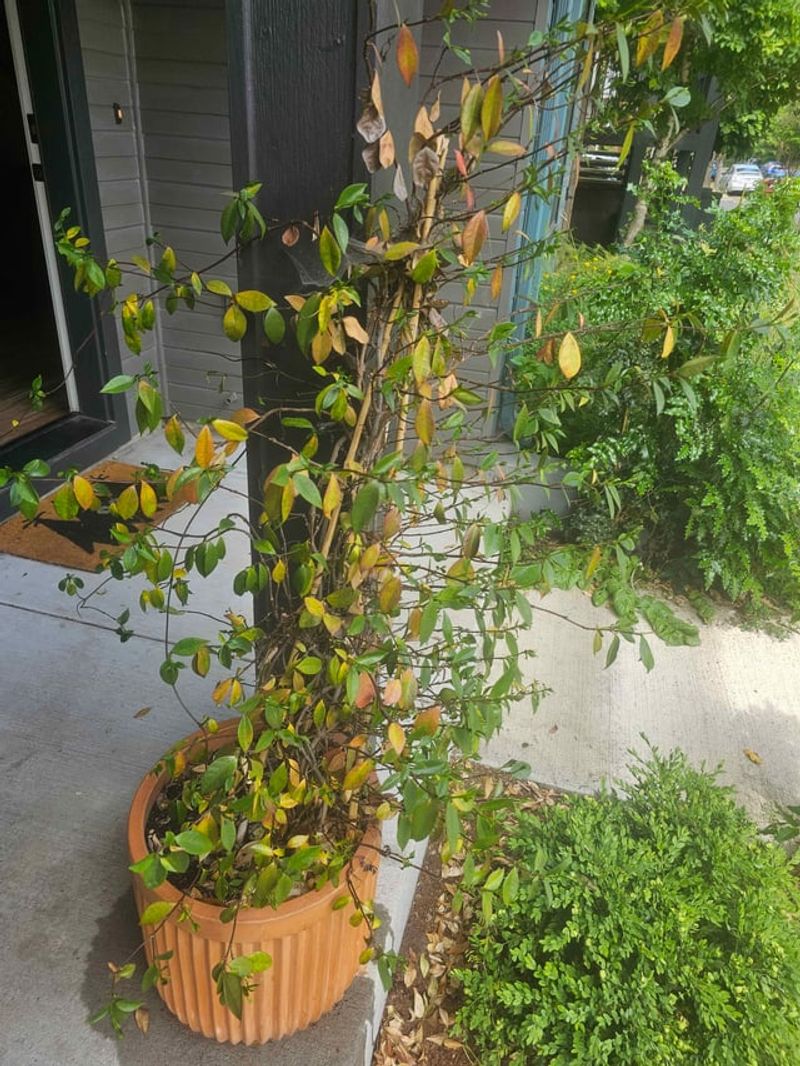
It might seem like a good time to give your struggling plants a nutrient boost, but fertilizing during a heat wave can actually make things much worse.
Most fertilizers work by encouraging new growth, and new growth is extremely sensitive to heat and sun stress.
Pushing a plant to grow when it is already working hard just to stay hydrated puts it under serious strain. The tender new shoots that fertilizer triggers can wilt, scorch, or turn brown within hours in extreme heat.
That sets the plant back even further than if you had done nothing at all.
Fertilizer also draws water out of the soil through a process called osmosis. When soil moisture is already low due to heat, adding fertilizer salts can actually pull water away from roots instead of helping them.
That is the opposite of what you want right now. The best approach is to hold off on any fertilizing until temperatures come back down to a more comfortable range, usually below 85°F.
Once the heat breaks and your plants start showing signs of active growth again, that is the right time to feed them.
If you have already fertilized recently and a heat wave hit shortly after, water deeply and frequently to help flush excess salts through the soil.
Compost tea or liquid kelp can offer a very light, gentle nutrient boost that is less likely to cause harm during hot conditions. Patience is the smartest move right now.
8. Hold Off On Pruning Sunburned Growth
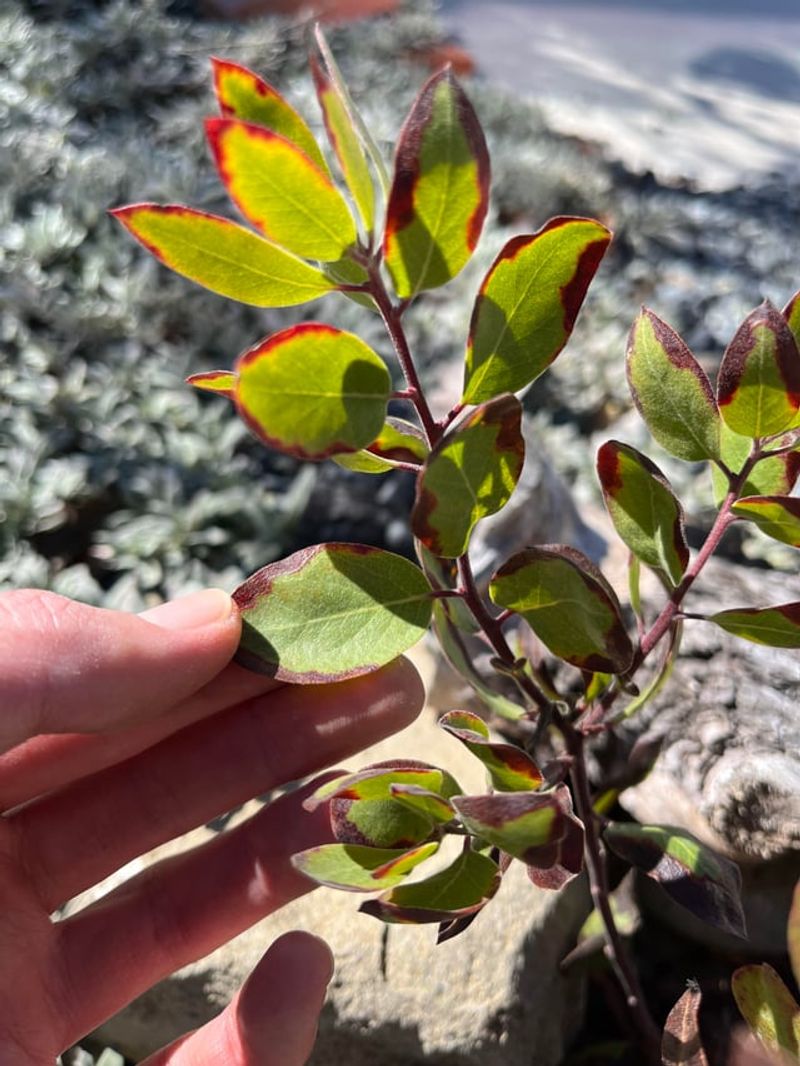
After a brutal heat wave, it is tempting to grab your pruning shears and clean up all that brown, crispy foliage. It looks bad, and the urge to tidy things up makes total sense.
But cutting off that damaged growth too soon can actually hurt your plants.
Scorched leaves, even though they look terrible, still serve a purpose. They act as a kind of shield, protecting the healthier tissue underneath from direct sun exposure.
Remove them too early, and you expose fresh growth to the same intense rays that burned the outer leaves in the first place.
Wait until the heat wave is fully over and temperatures have returned to normal for at least a few days. Then take a close look at each plant before making any cuts.
Some plants will push out new growth on their own once conditions improve, and you may need to prune less than you thought.
When you do prune, use clean, sharp tools to make smooth cuts. Ragged cuts take longer to heal and can open the plant up to pests and disease.
Cut just above a healthy node or bud to encourage strong new growth in the right direction.
In coastal California, plants tend to recover faster from heat stress because the marine layer brings cooler nights. In hot inland valleys, recovery takes longer.
Either way, a little patience after a heat event leads to a much healthier outcome for your shrubs, perennials, and ornamentals.
9. Watch For Spider Mites After Hot, Dry Days
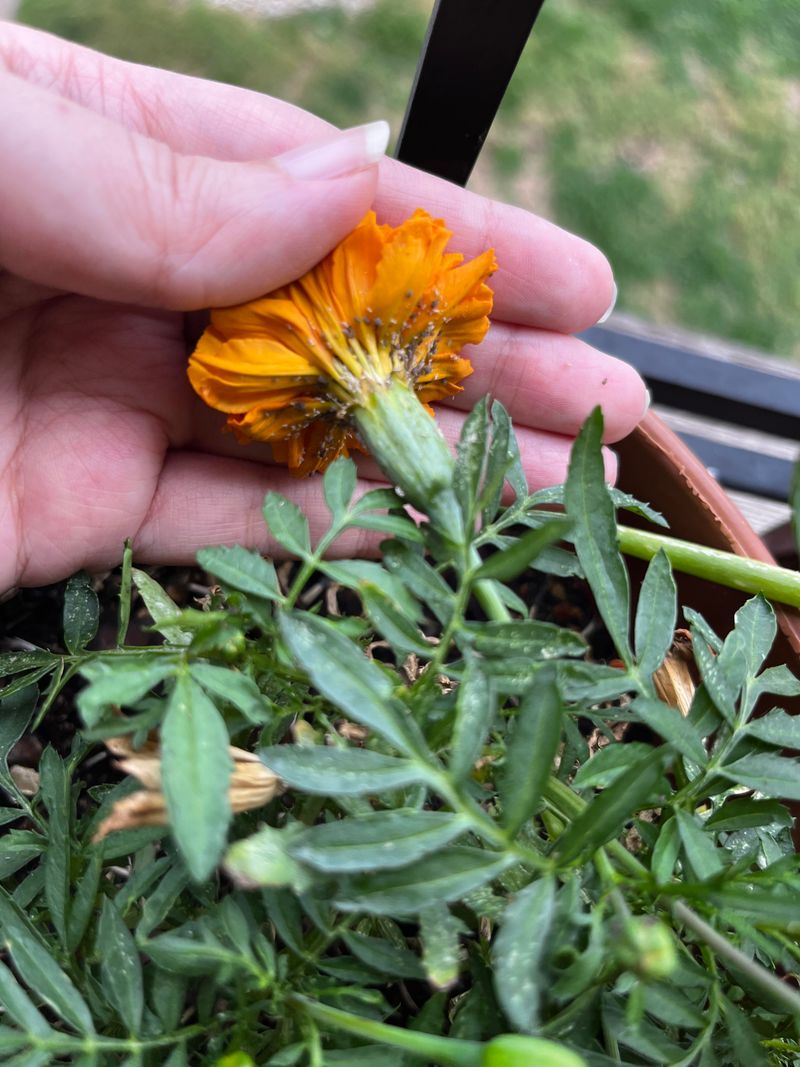
Hot, dry weather is prime time for spider mites, and a heat wave like this one creates perfect conditions for them to spread fast.
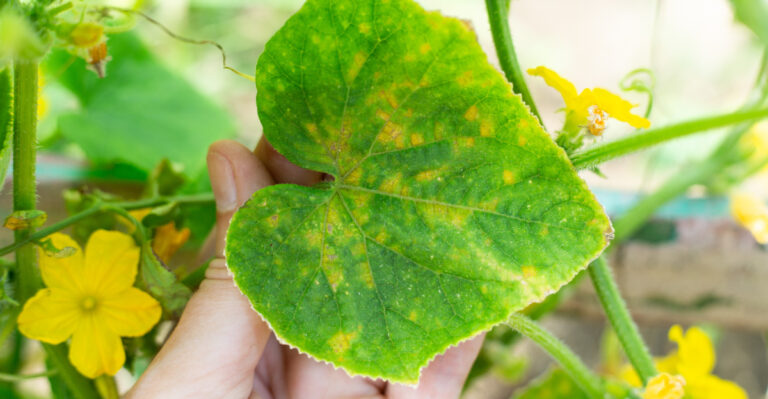
These tiny pests are barely visible to the naked eye, but the damage they cause shows up quickly as yellowing, stippled, or bronzed leaves.
Spider mites thrive when temperatures are high and humidity is low. A few days of record heat can lead to a full-on infestation in less than a week.
They reproduce incredibly fast in warm conditions, which means a small problem can become a big one almost overnight.
Check the undersides of leaves on roses, tomatoes, beans, and fruit trees first. Those are the plants spider mites love most.
Look for fine webbing between leaves and stems. If you see it, act right away before the population explodes further.
A strong spray of water on the undersides of leaves can knock mites off and reduce their numbers quickly. Do this in the morning so the plant dries before the heat of the day.
Neem oil or insecticidal soap also work well and are safe to use around kids and pets.
Keeping plants well-watered and healthy is one of the best defenses against spider mites. Stressed, dry plants are much easier targets.
During and after a heat wave, inspect your garden every couple of days. Catching spider mites early makes them far easier to manage before they spread across your entire garden.