The Fastest Arizona Natives To Plant Now For A Yard That Comes Alive Once The Heat Breaks
Once the brutal summer heat finally loosens its grip, fall becomes the sweet spot for planting in the low desert. Cooler air and still-warm soil help roots settle in fast, so your yard explodes with color and life just as the weather turns pleasant.
The plants below grow quickly, sip very little water, and pull double duty by feeding birds, drawing pollinators, and making your space less welcoming to scorpions. Grab a shovel and set your yard up to shine.
1. Blue Palo Verde
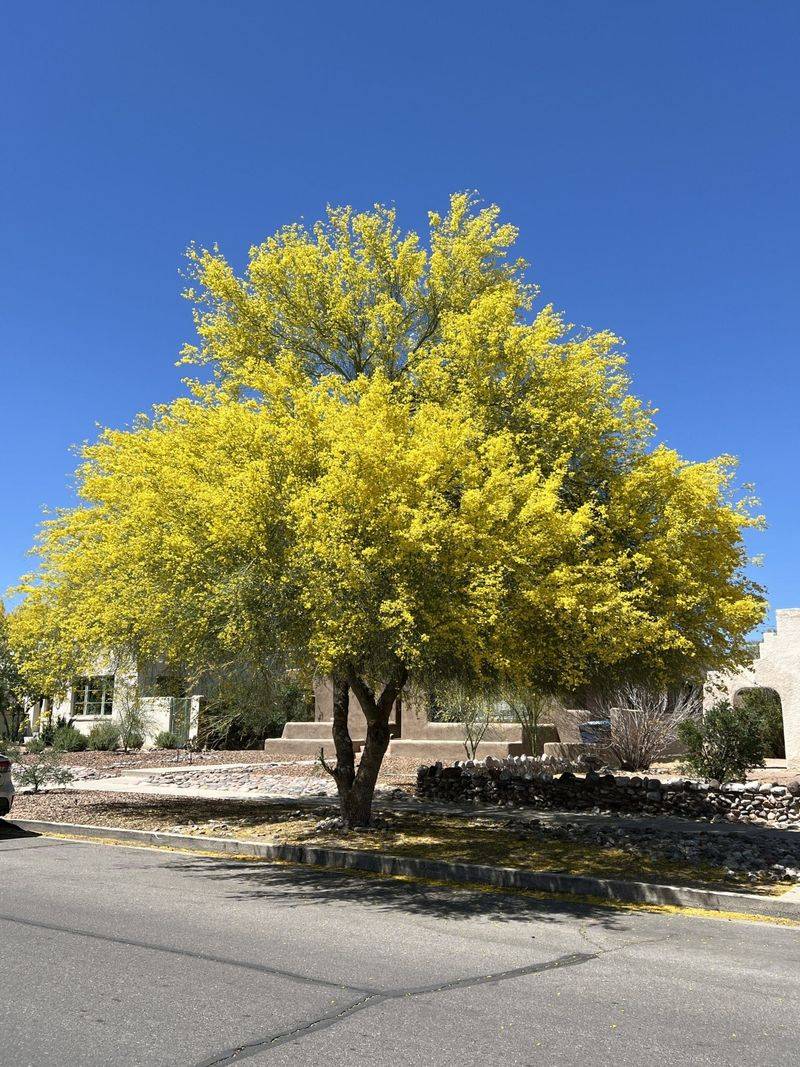
Nothing says Arizona quite like the green-barked tree that doubles as the state’s official emblem. Blue Palo Verde races upward faster than most desert trees, throwing down welcome shade in just a few seasons.
Its trick is that green bark, which photosynthesizes right through drought when the leaves drop to save water. Come spring, the whole canopy erupts in electric yellow blossoms that bees, butterflies, and hummingbirds swarm.
For homeowners worried about scorpions, this tree earns points. Its open, airy structure and low water needs create a dry, uncluttered zone underneath that scorpions tend to avoid, unlike dense, moist ground cover.
Plant it in fall so the roots grip the warm soil before next summer’s blast. Give it room away from the house, and prune branches so they never brush your walls, which keeps pests from using them as a bridge indoors.
Thornless varieties exist if you want a friendlier tree near walkways. Once established, it practically ignores the water bill, rewarding you with quick cover and a spring show that hums with life.
2. Desert Willow
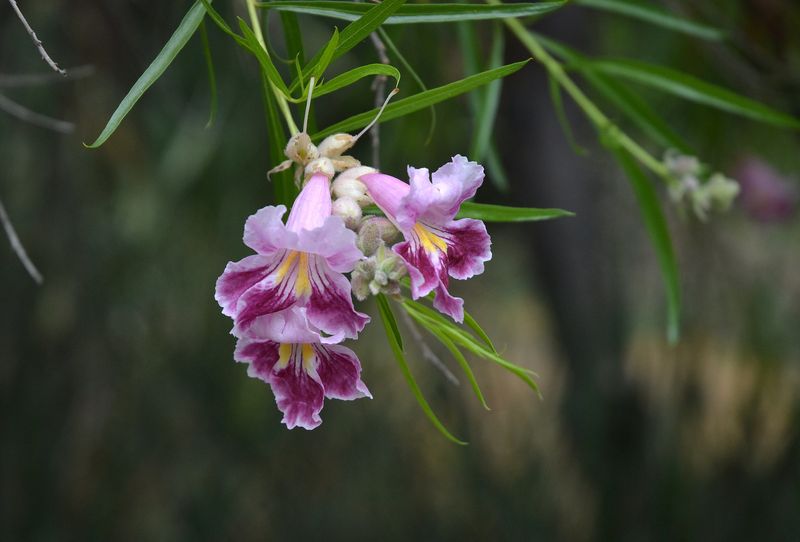
Don’t let the name fool you, because Desert Willow is no thirsty water hog. Slender leaves give it a graceful, willowy look, but it thrives on the barest sips of moisture.
What makes it a standout is the marathon bloom season. From late spring clear through fall, it pumps out fragrant, trumpet-shaped flowers in pink, purple, and white that hummingbirds and bees simply can’t resist.
Growth is fast, and you get flexibility with the shape. Let it stretch into a small tree for light, dappled shade, or prune it into a rounded shrub for a border.
Either way, it stays thornless, so it plays nice near patios and paths.
Winter brings a leafless rest as it goes deciduous, then it bounces back with the warm weather. Plant in October or November to let those roots dig in during the mild months ahead.
If your goal is a yard buzzing with pollinators and scented with blooms most of the year, this native delivers big personality with almost zero fuss and remarkably little water.
3. Fairy Duster
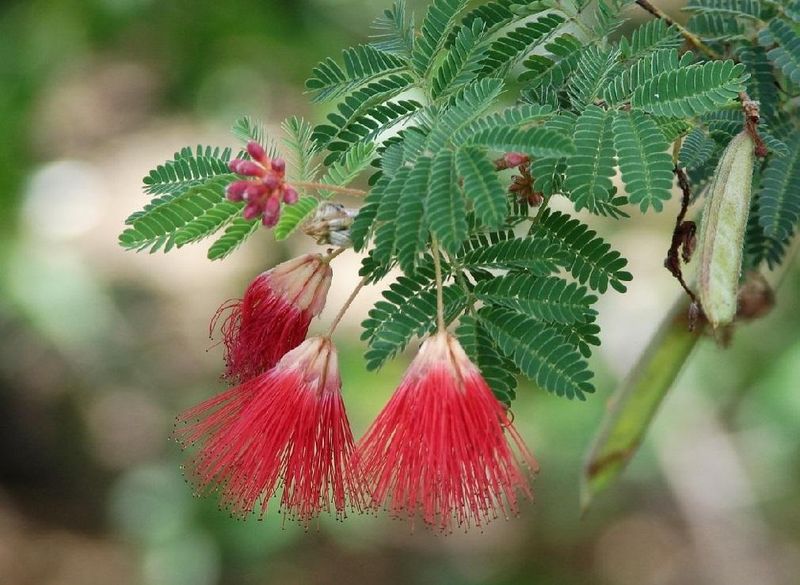
Imagine tiny fireworks frozen mid-burst, and you’ve pictured Fairy Duster in bloom. Its powder-puff flowers, fluffy bursts of pink or red, look almost too whimsical for the tough desert.
Yet tough it is. Once its roots settle, this low, spreading shrub laughs off drought and bakes happily in full sun without complaint.
Your Arizona Garden Changes Every Week. Your Plan Should Too.
Gardening in Arizona changes quickly throughout the season. Every Friday you’ll receive a simple weekly plan showing exactly what to plant, prune, fertilize, harvest, and protect so you never miss the right timing.
The real magic is the bloom calendar. Fairy Duster flowers nearly year-round in mild spells, turning it into a hummingbird magnet and a reliable bee stop when little else is offering nectar.
Because it grows fast and stays compact, it fills gaps in a new landscape quickly without crowding neighbors. Tuck it along a path, at the base of a taller tree, or in a rock garden where its silhouette softens hard edges.
Fall planting sets it up for a strong first year, and after that your watering can mostly stays in the shed. For anyone who wants constant color and constant wing-visitors without babysitting a plant, this fuzzy-flowered native punches way above its modest size.
4. Brittlebush
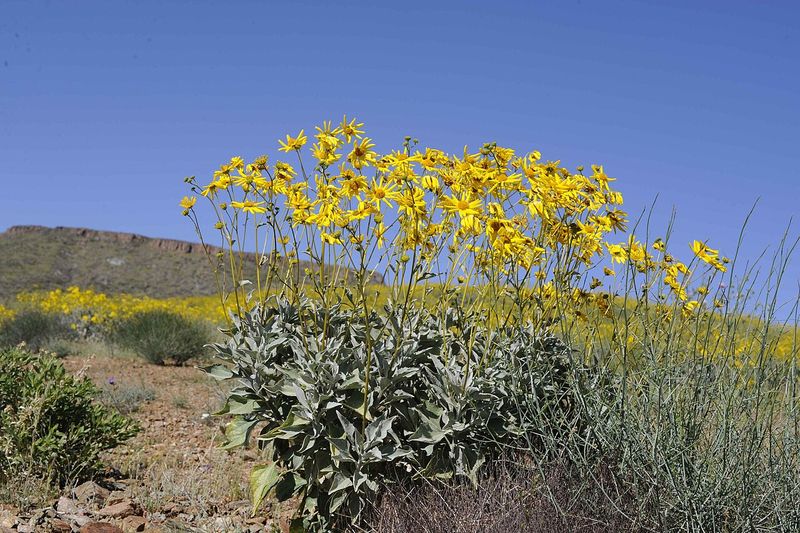
Come spring, entire desert hillsides glow gold, and Brittlebush is usually the culprit. Its cheerful yellow daisies rise on tall stems above a mound of soft, silver-gray leaves.
That silvery foliage isn’t just pretty. The pale fuzz reflects harsh sunlight and cuts water loss, which is exactly why this hardy shrub shrugs off heat and drought like a champ.
Pollinators adore the blooms, and gardeners battling scorpions appreciate what it doesn’t do. Because it needs little water and forms a loose, open shape rather than a damp, dense mat, it counts among the go-to picks for scorpion-resistant landscaping.
It grows quickly and reseeds, so a few plants can naturalize into a drift of color over time. It also helps hold soil in place, making it handy on slopes prone to erosion.
Set it out in fall in a sunny, well-drained spot, then step back. Beyond a light trim after flowering, Brittlebush wants to be left alone, rewarding your neglect with one of the desert’s brightest displays.
5. Desert Marigold
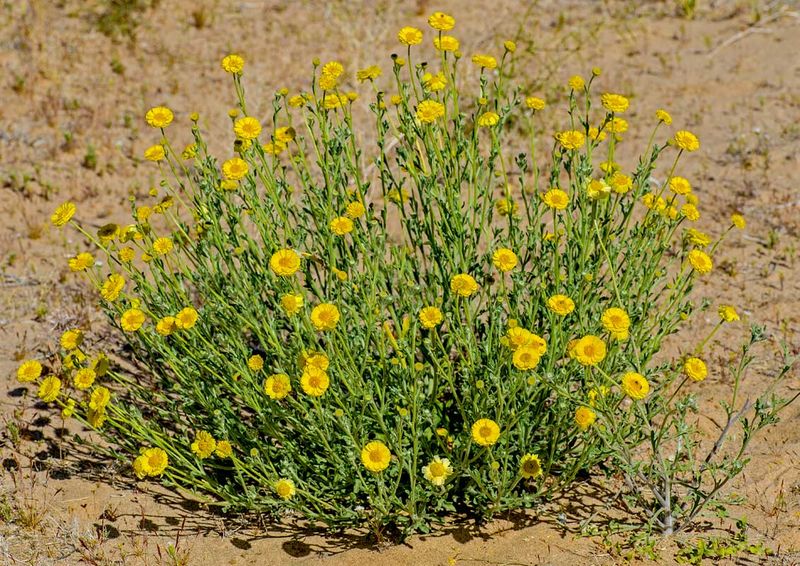
Few plants work as hard for as little as Desert Marigold. Its sunny yellow blooms hover on wiry stems almost all year, giving your yard a cheerful pulse even in off-seasons.
Birds line up for the payoff too. Doves, sparrows, and finches feast on its seeds, turning this humble plant into a tiny bird feeder that never needs refilling.
Here’s the bonus that Arizona homeowners love: its scent is known to discourage aphids, nematodes, and whiteflies, and it lands on the list of scorpion-resistant plants thanks to its low water needs and airy growth.
Growth is speedy and self-sustaining. It readily reseeds, so a small planting quietly spreads into a bright colony without any effort from you.
Drop it into a sunny, well-drained spot in fall and forget about pampering. It asks for almost no water once rooted and rarely needs more than a quick cleanup of spent stems.
For a plant that feeds birds, may nudge pests away, and blooms nearly nonstop, this little native is one of the smartest, lowest-fuss choices you can make.
6. Desert Milkweed
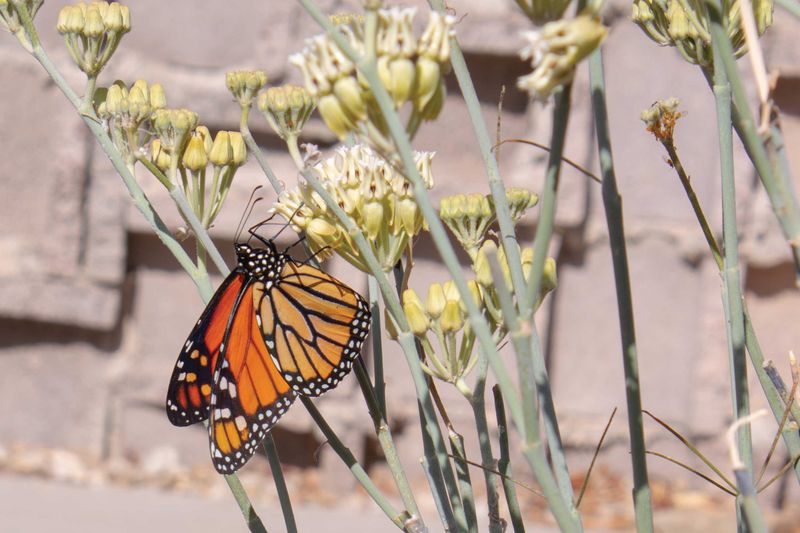
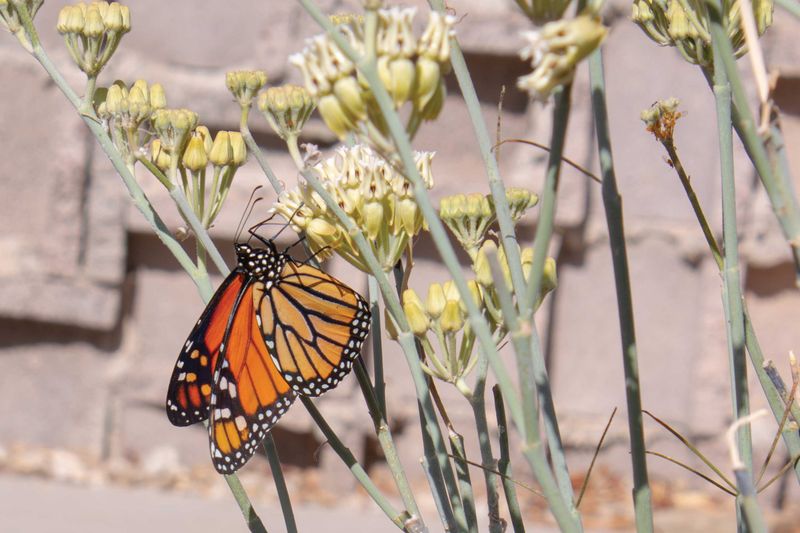
Monarch butterflies would be lost without it, and that alone makes Desert Milkweed a must-have. As these iconic orange travelers migrate through the Southwest, this native is one of the few plants that supports them along the way.
Its look is unusual and modern. Slim, upright, nearly leafless green stems form a sculptural clump topped with small clusters of yellow blooms, giving beds a clean architectural edge.
Best of all, it’s about as close to plant-and-forget as gardening gets. Once its roots take hold, it shrugs off drought and heat and asks for almost nothing in return.
Fall is the ideal time to tuck it in, letting the roots establish while temperatures stay kind. Choose a sunny spot with good drainage and give it a little room to form its distinctive vertical shape.
Beyond feeding monarchs, it draws other pollinators and adds year-round structure when many plants fade. If you want a low-maintenance native that turns your yard into a genuine wildlife pit stop, this quietly heroic milkweed earns its place with almost no upkeep at all.
7. Globe Mallow
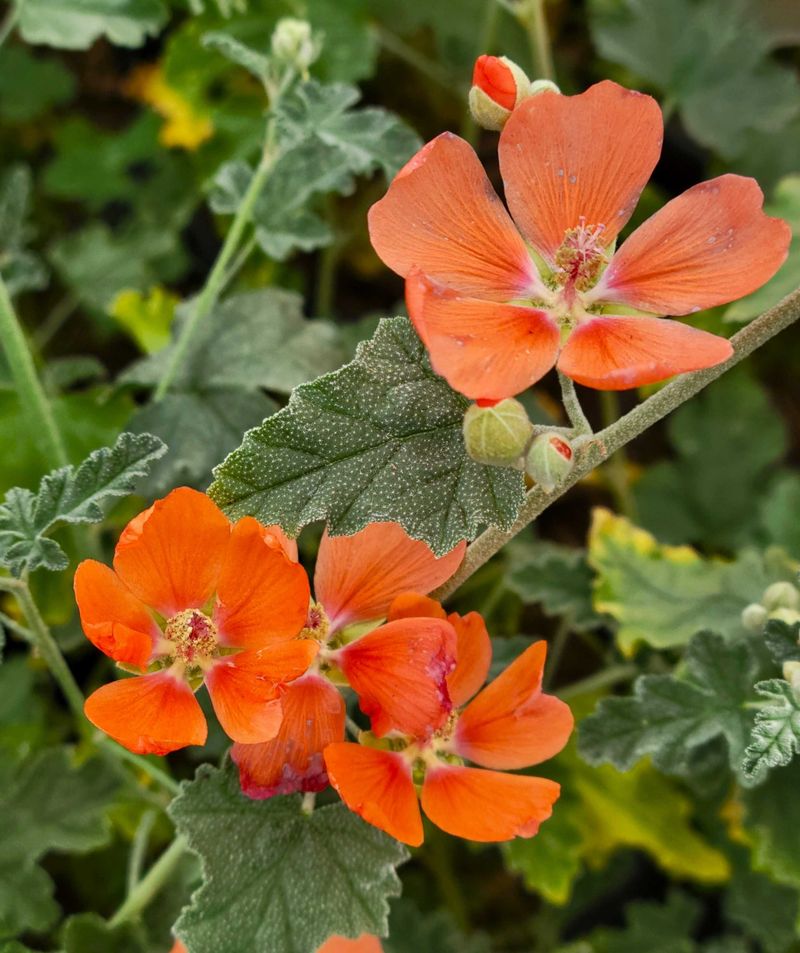
Wander any desert roadside in spring and you’ll spot Globe Mallow waving its warm orange cups, though it also shows up in pink and white. That flexible color palette makes it easy to slot into almost any yard scheme.
This hardy perennial blooms from early spring through fall, keeping bees and butterflies busy for months. Every flower is a small invitation to pollinators, which quietly boosts the whole ecosystem in your yard.
Tough as nails, it favors full sun and sandy, well-drained soil, which makes it perfect for the dry, rocky corners where fussier plants give up. Its water needs stay refreshingly low once it settles in.
Fall planting gives it a head start, so it can grow fast and bounce back reliably year after year. A quick trim after a bloom flush encourages even more flowers.
For gardeners who want long-lasting color that thrives on neglect and supports local wildlife, this native perennial checks every box. It brings the wild desert’s springtime glow right up to your doorstep with barely any effort on your part.