This Is How To Get Zinnias Reblooming Like Crazy In Ohio
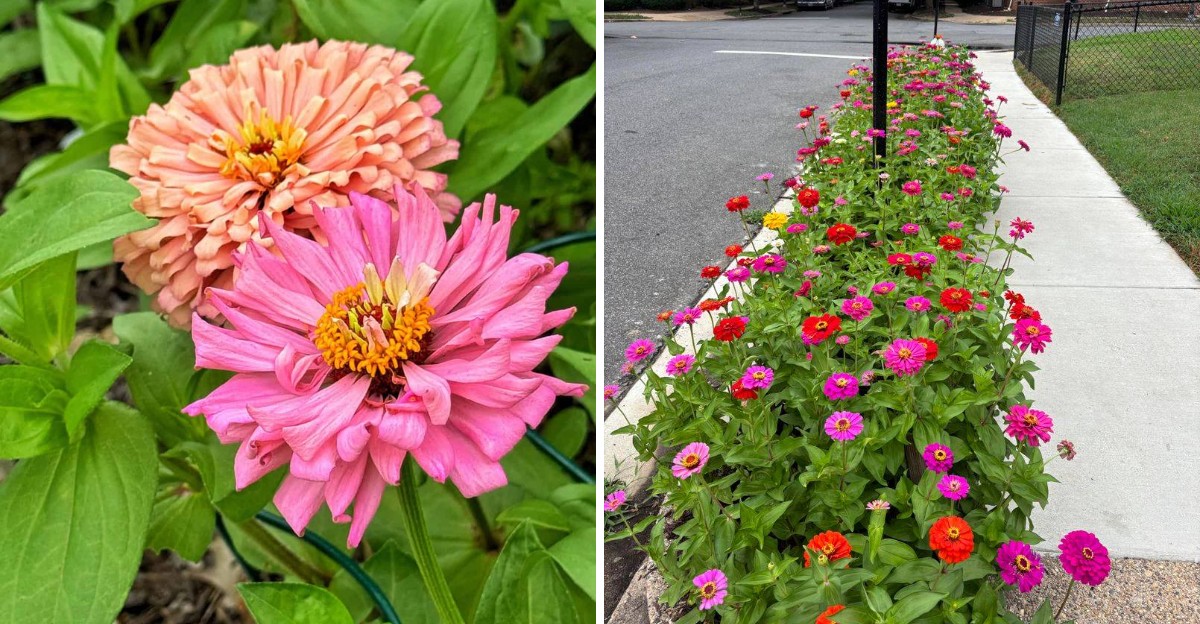
The zinnia bed along a driveway in Dayton exploded with color in early July, then went quiet by the first week of August, leaving its owner staring at leggy stems.
Nothing was wrong with the soil or the seeds at all. The plants had everything they needed from the start.
Zinnias respond directly to how you treat them throughout the season, and a few small habits separate one short show from flowers that keep coming until frost.
Most gardeners never realize how much a handful of small choices, made week after week, decide whether a zinnia bed fades early or keeps going.
What follows leans on Ohio State University Extension guidance and the everyday experience of Ohio growers who have figured out what actually works.
1. Trim Spent Blooms Every Few Days
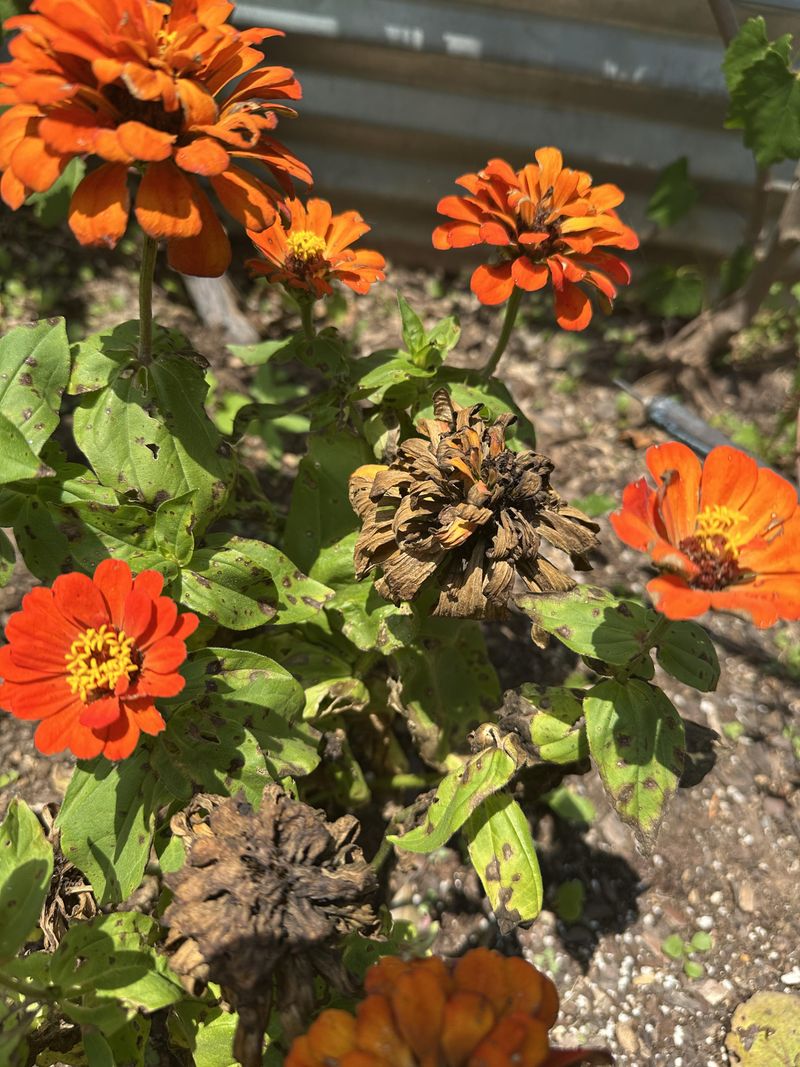
Zinnias operate on a simple deal at their core. They bloom to make seeds. Once a flower starts fading and setting seed, the plant eases off on producing new buds entirely.
Checking the bed every two or three days keeps that seed signal from ever taking hold in the first place.
Ohio summers move fast, and a zinnia flower can go from perfect to papery in under a week. During July and August heat, plan on a quick pass through the bed twice a week.
Morning works best for this task, since stems are firm and you can spot tired petals in good light before the heat sets in.
What counts as spent exactly? Look for petals that have lost their color, curled at the edges, or turned crisp to the touch. The center cone often darkens and starts looking bristly.
OSU Extension lists zinnias among annuals that respond strongly to regular trimming, and gardeners across Ohio see the difference within a week or two of starting.
Plants that get combed over regularly keep pushing side shoots into September, while neglected plants stall out by mid-August without much warning.
Keep a small bucket or bag with you so clippings do not pile up under the plants, where they can trap moisture and invite mildew later on.
2. Cut Stems Just Above A Leaf Set
Here is where most gardeners lose bloom power without ever realizing it. Snapping the faded flower head off the top of the stem leaves behind a bare, hollow stalk that just sits there.
That stub rarely produces anything useful, and it slowly browns while the plant waits for something to happen.
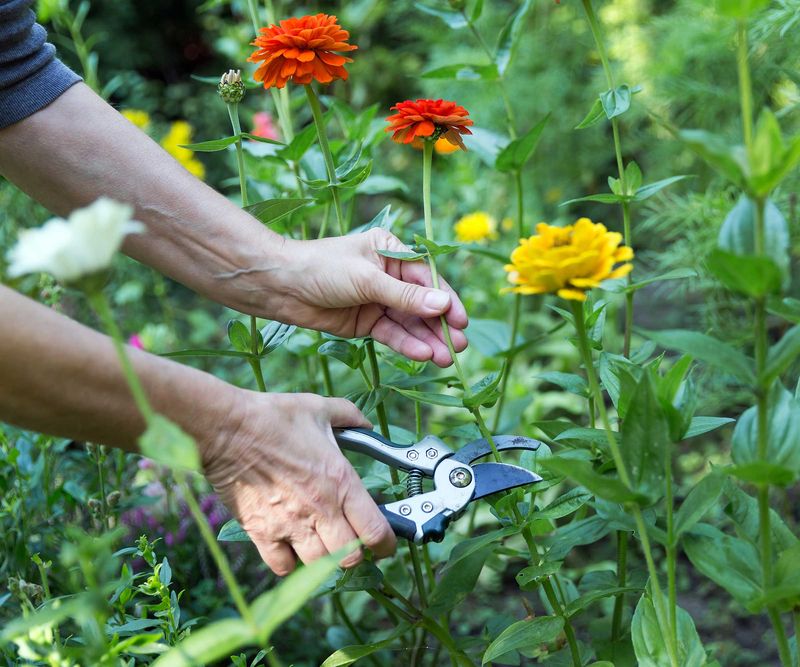
The better move is to follow the spent flower down the stem and cut just above a set of leaves or a visible side bud instead. Zinnias branch from the leaf nodes.
Usually you will get two new stems from that one cut, each carrying its own flower down the line.
How far down should you cut? Anywhere from a few inches to a foot, depending on the plant’s overall size. Longer cuts feel drastic, but they produce sturdier, longer stems on the next round.
Use sharp bypass pruners or floral snips rather than your fingers for this job. A clean cut heals fast, while a torn, crushed stem invites rot.
Your Ohio Garden Changes Every Week. Your Plan Should Too.
Gardening in Ohio changes quickly throughout the season. Every Friday you’ll receive a simple weekly plan showing exactly what to plant, prune, fertilize, harvest, and protect so you never miss the right timing.
Angle the cut slightly so water runs off rather than pooling in the hollow stem itself.
Watch the plant for about ten days after a round of cuts like this. You should see small green shoots swelling at the nodes right below each cut.
3. Feed Lightly Every Few Weeks
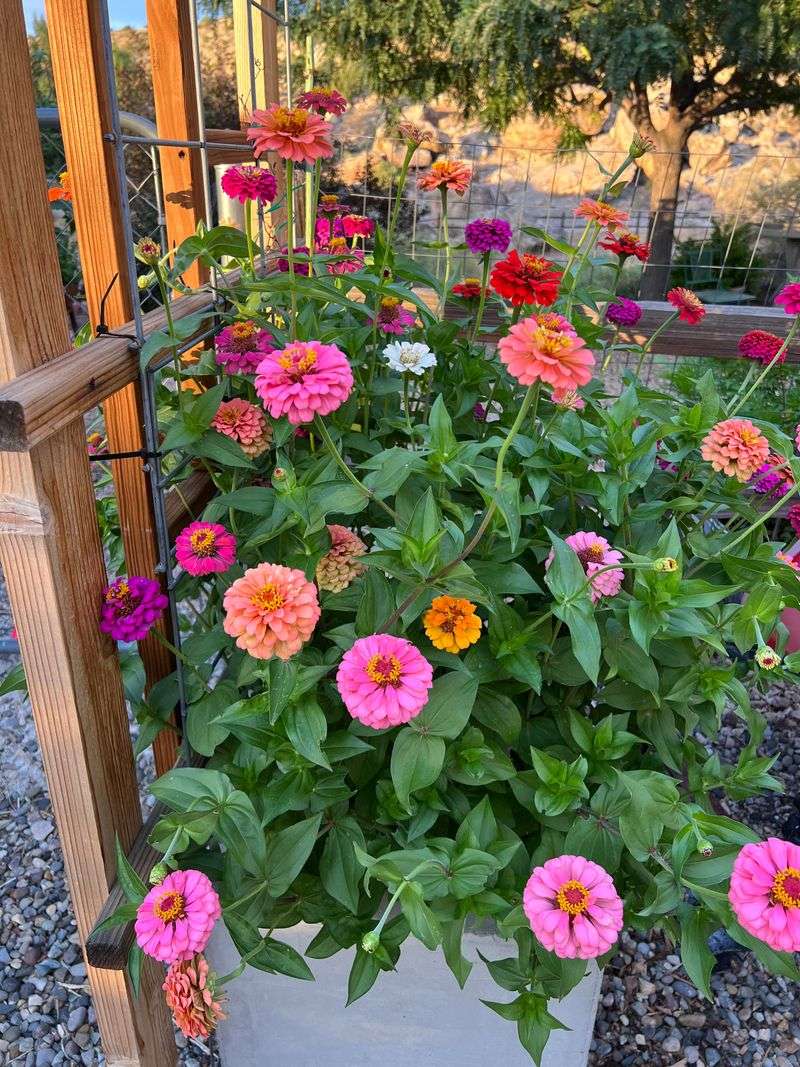
A neighbor once dumped a full scoop of high-nitrogen lawn fertilizer around her zinnias and ended up with waist-high plants carrying about six flowers total for the whole season.
Too much nitrogen builds leaves at the expense of buds every time. Zinnias are not heavy feeders, and treating them like tomatoes backfires quickly.
Ohio soils, especially the heavier clay found across much of the state, usually hold enough nutrition to carry zinnias through the first month on their own.
After that, a light feeding every three to four weeks keeps the bloom machine running smoothly. A balanced water-soluble fertilizer mixed at half the label strength works well here.
Look at the label numbers before choosing a product. Something with a middle and last number equal to or higher than the first, such as 5-10-10, favors flowers over foliage growth.
Signs you have overdone it show up fast. Dark green leafy growth, floppy stems, and few buds are the telltale signs of too much nitrogen in the soil.
Signs you have underdone it look different entirely. Pale, yellowish lower leaves and small, thin-petaled flowers point toward a plant that needs more nutrition.
Water the bed before and after feeding so nutrients move into the root zone instead of burning roots directly.
4. Water At The Base Not The Leaves

Powdery mildew loves an Ohio August, and overhead sprinklers hand it an invitation without you even realizing it. Zinnia leaves that stay wet into the evening turn gray-white with fungus.
Aim the water at the soil, and that whole problem shrinks considerably over the season.
Soaker hoses and drip lines are the easy answer here because they put moisture exactly where roots live. A watering can with the rose removed does the same job in a small bed.
Slide the spout under the foliage and count to five at the base of each plant while watering.
Depth matters more than frequency with this crop. One long soak that wets the soil six to eight inches down beats daily sprinkles that only dampen the top inch.
Most Ohio gardens need roughly an inch of water per week from rain or hose, and more during a hot, dry stretch in late July.
Morning watering gives any splashed leaves hours of sun to dry out before evening arrives. Evening watering in humid weather is the fastest route to mildew and leaf spot.
Mulch with two inches of shredded bark or straw to hold moisture and block soil from splashing onto lower leaves, where fungal spores usually start their spread.
5. Space Plants For Better Airflow
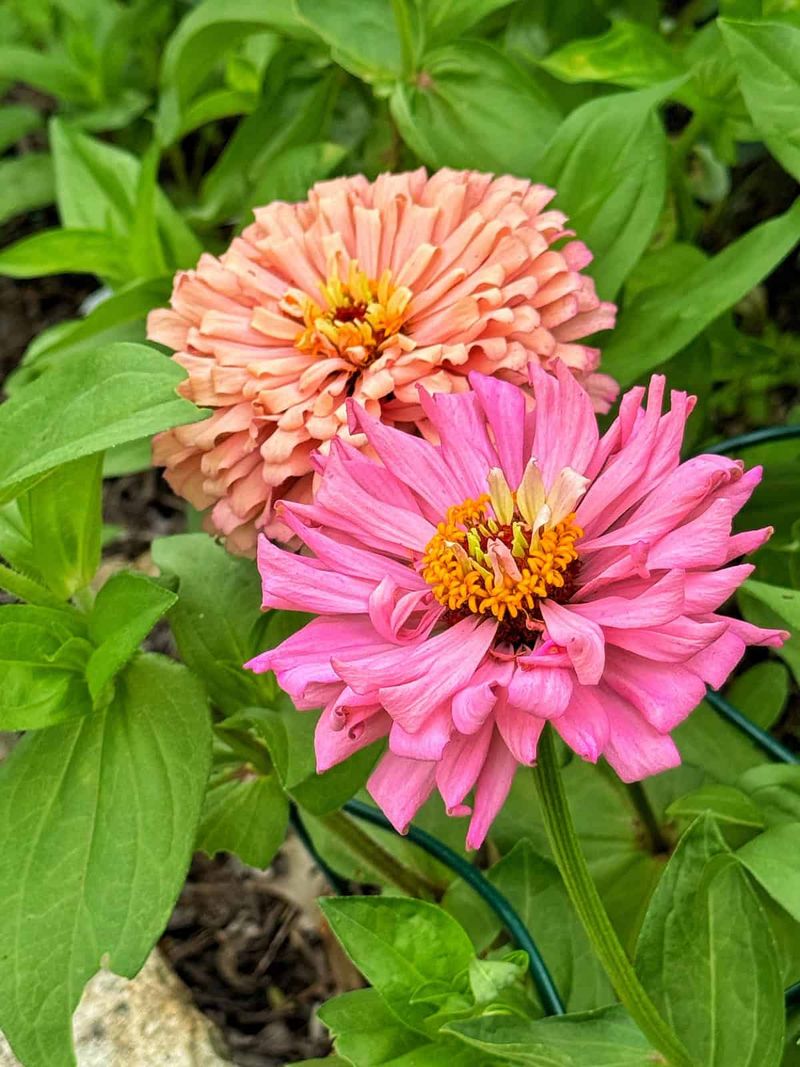
Crowded zinnias look great in June and sad by the first week of August without fail. Packed shoulder to shoulder, they trap humid air between their leaves.
Ohio supplies plenty of humidity on its own, and mildew moves in fast once conditions turn favorable for it. Lower leaves drop, and bud production grinds down considerably.
Spacing depends on the type you planted originally. Tall cutting varieties such as Benary’s Giant or State Fair want 12 to 18 inches between plants for best results.
Compact bedding types like Profusion or Zahara are happy at 8 to 12 inches instead, needing less room overall.
Seed packets list the number, and following it honestly is harder than it sounds when the seedlings are two inches tall and crowded together.
Thinning feels wasteful in the moment, but it pays off later in the season. Snip extras at soil level with scissors instead of yanking them out.
Consider the site too when planning your bed. Full sun, at least six to eight hours, dries foliage quickly and fuels bud production throughout the summer.
Mid-season, strip the bottom four to six inches of leaves from each plant to improve airflow near the base.
6. Pinch Young Plants For More Stems
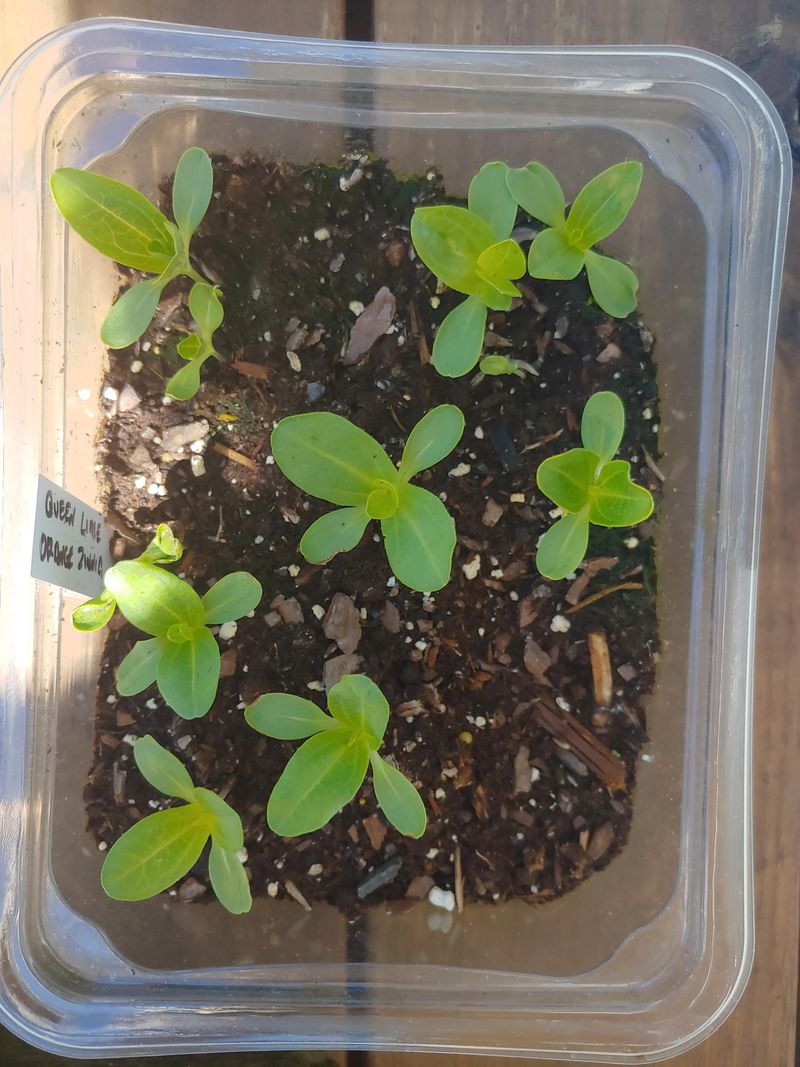
Snapping the top off a healthy young zinnia feels wrong the first time you do it, honestly. Do it anyway. That one small pinch can double or triple the number of flowers a single plant produces.
Timing is simple to remember here. Wait until the seedling stands about 8 to 12 inches tall with three or four sets of true leaves showing.
Pinch or snip the central growing tip back to just above the second or third leaf set from the bottom of the plant. Removing the top bud releases the side buds below it.
Instead of one thick central stalk topped by a single showy bloom, you get four to six branches, each carrying flowers of its own eventually.
The individual blooms may run slightly smaller after pinching, though stems come out longer and straighter, which flower farmers actually prefer for bouquets.
Skip pinching on dwarf and compact series like Profusion or Zahara, since they branch freely on their own without any help needed.
Tall cutting types are the ones that reward the effort most clearly. Ohio gardeners planting in late May or early June should have plants ready to pinch by mid-June.
7. Keep Picking Blooms To Keep Them Coming
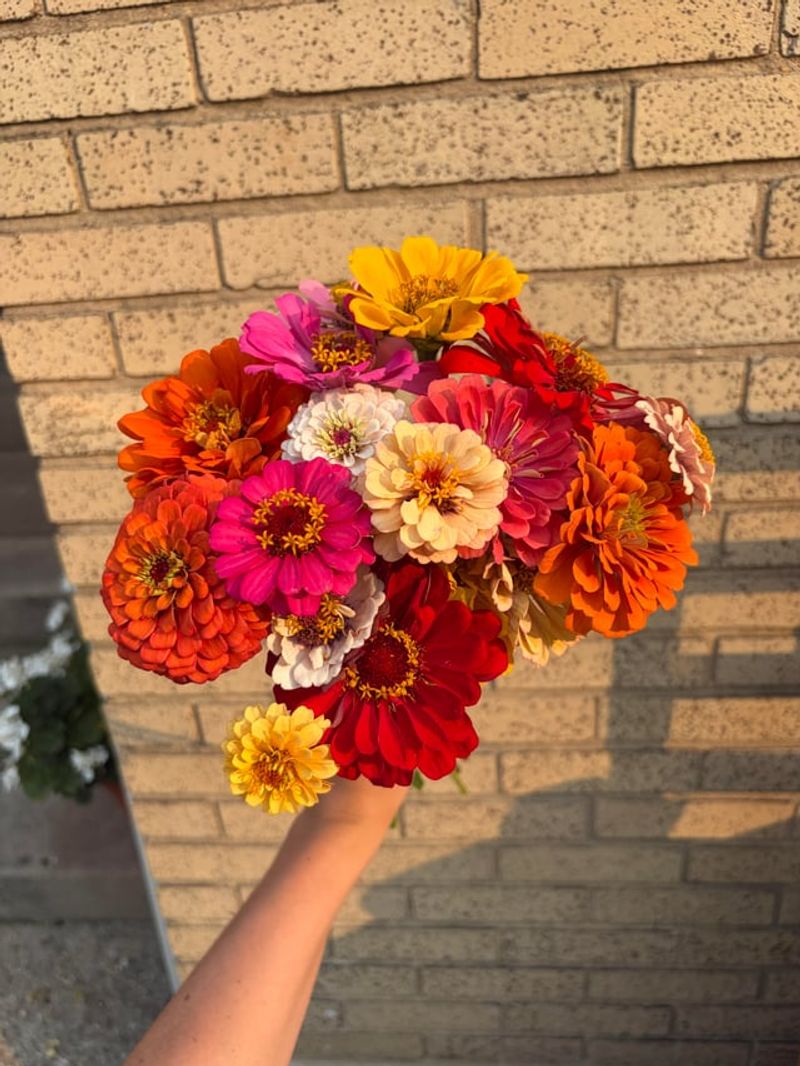
Cutting flowers for the kitchen table is not stealing from the garden at all. It is feeding it directly. Every stem you take triggers the same response as trimming.
The plant still reads it as a lost chance to set seed, so bouquets and bloom counts rise together throughout the season.
Harvest in the cool of the morning, before the sun pulls moisture out of the stems and weakens them.
Use the wiggle test that cut-flower growers swear by for checking readiness. Hold the stem about eight inches below the flower and shake gently to test it.
A floppy, nodding stem is not ready yet, while a stem that stays stiff is fully mature and will last in a vase.
Cut deep, down to a leaf node or side bud, the same way you would trim a spent bloom. Strip the leaves that would sit below the water line afterward.
Zinnias do not continue opening after they are cut, so pick them fully open rather than in bud.
A well-tended Ohio patch can supply a bouquet a week per few plants from early July until frost arrives sometime in October.
8. Rotate Cutting Angles To Extend Vase Life
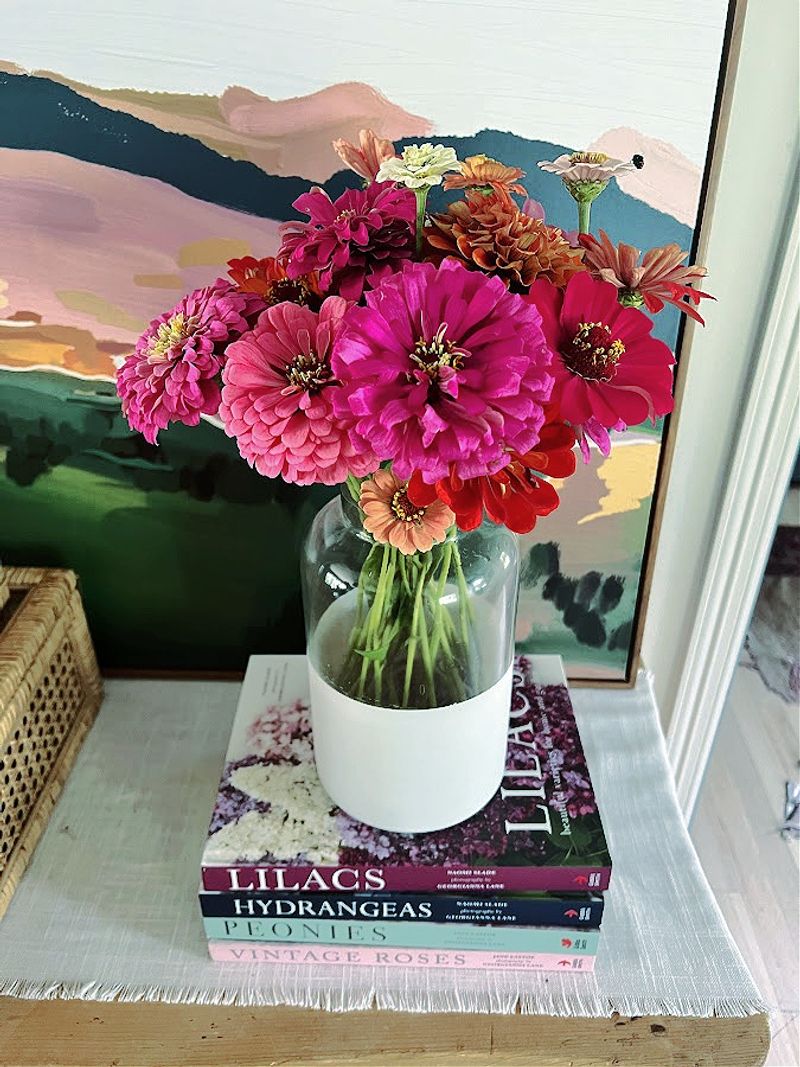
Most gardeners cut every stem the same way without thinking twice, snipping straight across at whatever height feels convenient at the moment. A small adjustment to that habit pays off both in the garden and in the vase afterward.
Cutting stems at a 45-degree angle, rather than straight across, exposes more surface area for water uptake once the flower sits in a vase. That extra intake keeps blooms firmer for longer, especially during Ohio’s humid August stretches when flowers wilt fast.
The angle also matters back on the plant itself. A slanted cut sheds rainwater more efficiently than a flat one, reducing the chance of moisture pooling in the hollow stem and inviting rot during a wet week.
Rotating which side of the plant you cut from during each harvest, rather than always working from the same angle or direction, also encourages more even branching across the whole plant instead of lopsided growth favoring one side.
Recutting stems at that same angle right before placing them in a vase, even if they were already cut properly in the garden, refreshes the exposed surface and removes any tissue that started sealing over during transport.
This habit costs nothing extra in time once it becomes routine, and it stacks neatly on top of the leaf-node cutting technique already covered, since both aim at the same goal of a healthier plant and a longer-lasting bouquet.
Gardeners who combine both habits together often report noticeably fresher cut flowers lasting into a second week, well beyond what a hastily snapped stem ever manages on its own.
9. Rotate Planting Location Each Year
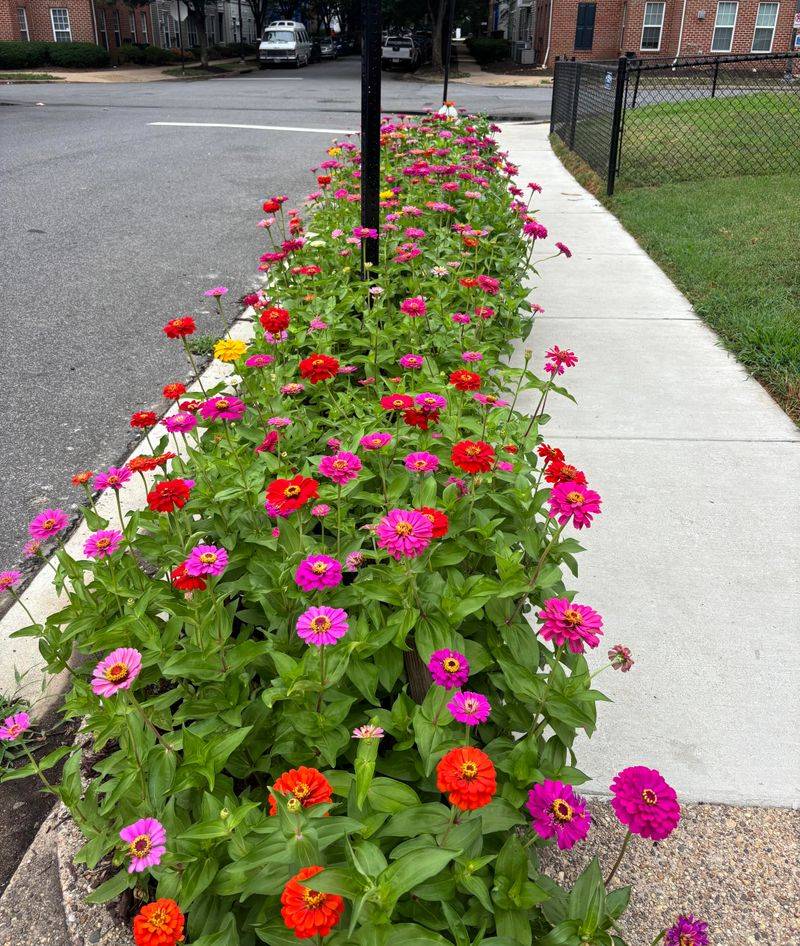
A zinnia bed that looked spectacular for three straight summers can suddenly underperform in year four, even with identical care, watering, and feeding, and the soil itself is usually why.
Zinnias are susceptible to soilborne pathogens that build up gradually when the same species grows in the same spot season after season, particularly fungal issues related to the same powdery mildew problems already discussed throughout this article.
Moving the zinnia bed to a different section of the yard, or rotating with an unrelated annual or vegetable for a season, interrupts that buildup before it becomes a visible problem affecting bloom count or plant health.
This does not need to mean a dramatic redesign of the whole yard every year. Even shifting a bed a few feet over, or swapping which side of a walkway hosts zinnias versus another annual, breaks the cycle enough to matter for soil health.
Ohio gardeners working with limited space can rotate zinnias with something in an entirely different plant family, like lettuce or marigolds, rather than another member of the aster family that might share similar vulnerabilities.
Soil testing every few years through a county Extension office helps confirm whether nutrient depletion is compounding the problem alongside any pathogen buildup, since heavy annual feeding in one fixed spot can also draw down specific nutrients unevenly over time.
Combined with the trimming, spacing, and watering habits already covered, rotating location rounds out a full-season strategy that keeps a zinnia patch performing well not just through one summer, but reliably year after year.