What Is Really Behind Arizona Geranium Wilting Every Afternoon Even After Watering
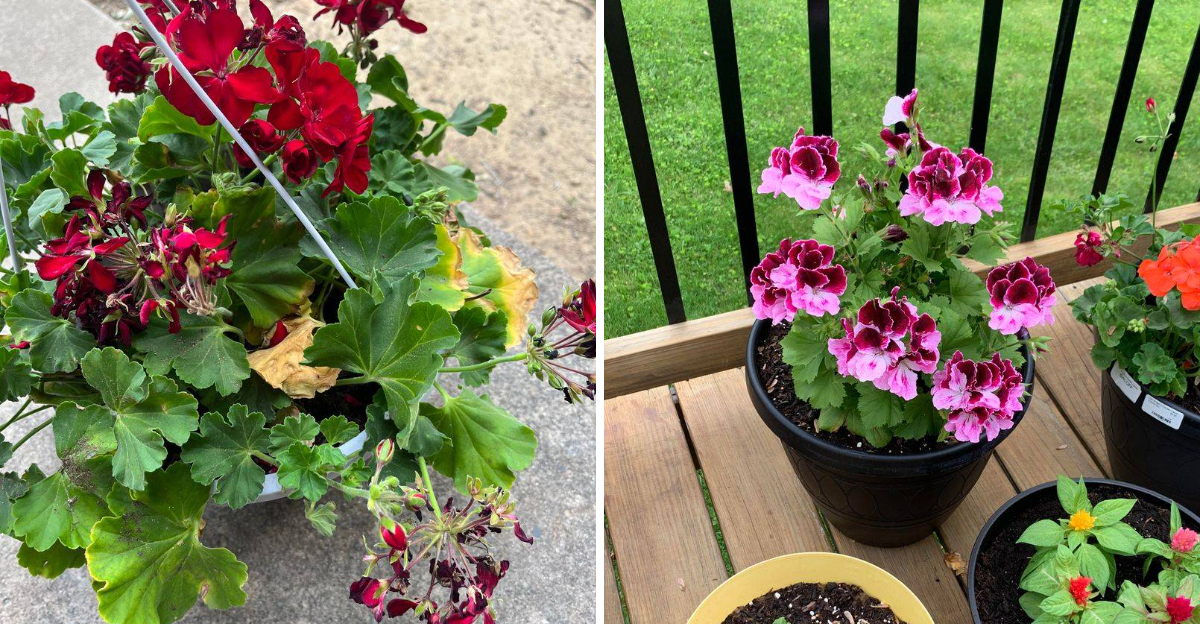
You step outside at 3 p.m., see your geraniums flopped over like wet noodles, and immediately reach for the hose.
But the soil is already soaking wet.
Sound familiar? Arizona summers are brutal on container plants, and geraniums on hot patios face a daily heat battle that has nothing to do with being thirsty.
Before you add more water and accidentally make things worse, it helps to understand what is really going on between your plant, the pot, the pavement, and that relentless afternoon sun.
Arizona gardeners often discover that shade, airflow, and smarter timing matter far more than extra watering.
The University of Arizona Extension reminds us that wilting in extreme heat can be a protective response, not always a cry for water.
Most gardeners who struggle with this problem keep solving for thirst when the actual answer is heat, root temperature, wind exposure, or overwatering in disguise.
Once you know the real reasons behind that afternoon droop, you can stop second-guessing yourself and start giving your geraniums exactly what they actually need.
Eight reasons your Arizona geranium wilts every afternoon even after watering.
1. Afternoon Heat Triggers The Drama
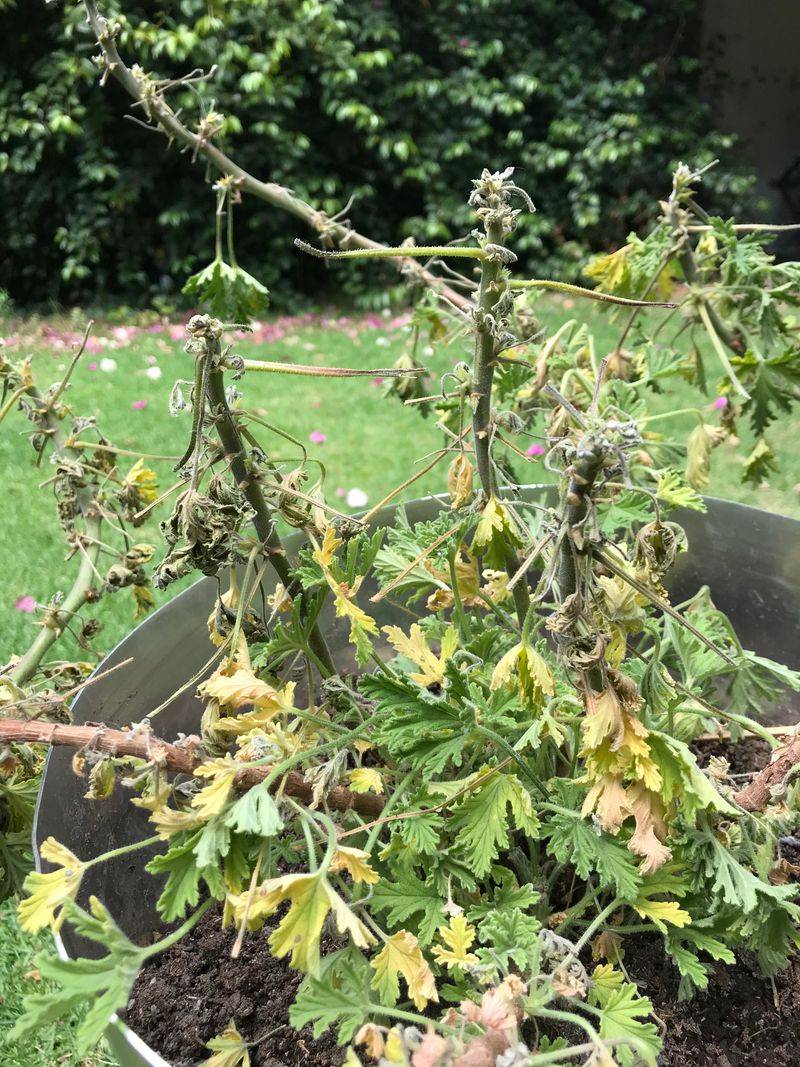
A drooping geranium at 3 p.m. on an Arizona patio is not necessarily a plant in trouble.
It may simply be a plant doing exactly what plants do when the thermometer climbs past 100 degrees Fahrenheit.
Geraniums go into a kind of self-protective mode during peak heat hours, closing their stomata and letting leaves go limp to reduce moisture loss.
Arizona summers regularly push afternoon temperatures well above what geraniums prefer.
Their sweet spot for healthy growth sits between 65 and 80 degrees. Once heat climbs past 90, the plant struggles to move water from roots to leaves fast enough to keep up with evaporation happening at the leaf surface.
The result looks like thirst but is actually heat stress working in real time.
The good news is that afternoon wilt caused by heat alone almost always reverses itself once temperatures drop in the evening.
If your geranium perks back up by sunset or early morning, heat stress is almost certainly the main culprit.
Knowing this one clue saves you from over-watering and gives you confidence that your plant is tougher than it looks on a scorching Arizona afternoon.
2. Wet Soil Points Away From Thirst
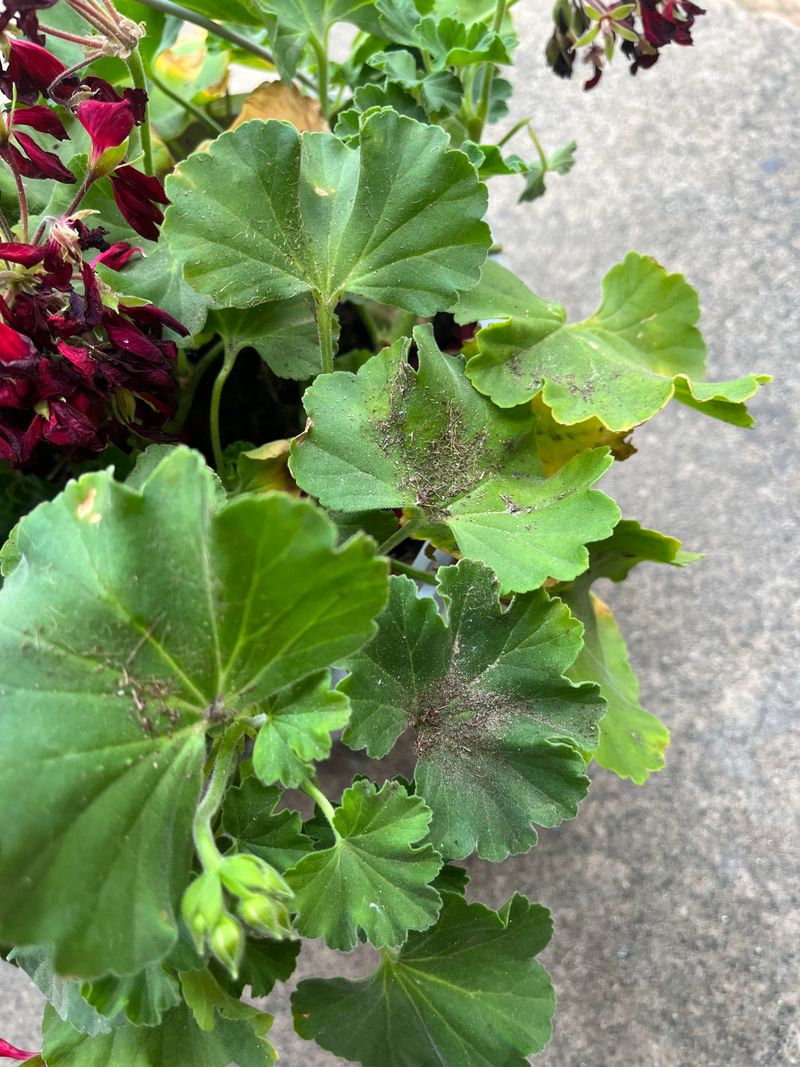
Heavy pot, wet soil, drooping plant. That combination is a signal worth paying close attention to before reaching for the hose again.
Picking up the container and feeling its weight is one of the fastest and most reliable ways to know whether your geranium actually needs water or whether something else is causing the afternoon sag.
The University of Arizona Extension recommends checking soil moisture before every single watering session, especially in summer.
Push your finger about two inches into the soil. If it feels cool and damp, the plant does not need more water. Watering anyway adds to the problem rather than solving it.
Wet soil in a hot container can actually become oxygen-poor, making it harder for roots to absorb the water that is already there.
Your Arizona Garden Changes Every Week. Your Plan Should Too.
Gardening in Arizona changes quickly throughout the season. Every Friday you’ll receive a simple weekly plan showing exactly what to plant, prune, fertilize, harvest, and protect so you never miss the right timing.
Roots need air pockets in the soil to function properly. When those pockets fill with water, the roots start to struggle even though the soil looks perfectly moist from the outside.
A simple squeeze test on a handful of soil tells you a lot.
Soil that clumps and holds its shape is already moist enough. Soil that crumbles dry between your fingers is ready for water.
Trust the soil, not just the sad-looking leaves.
3. Hot Pots Cook The Roots
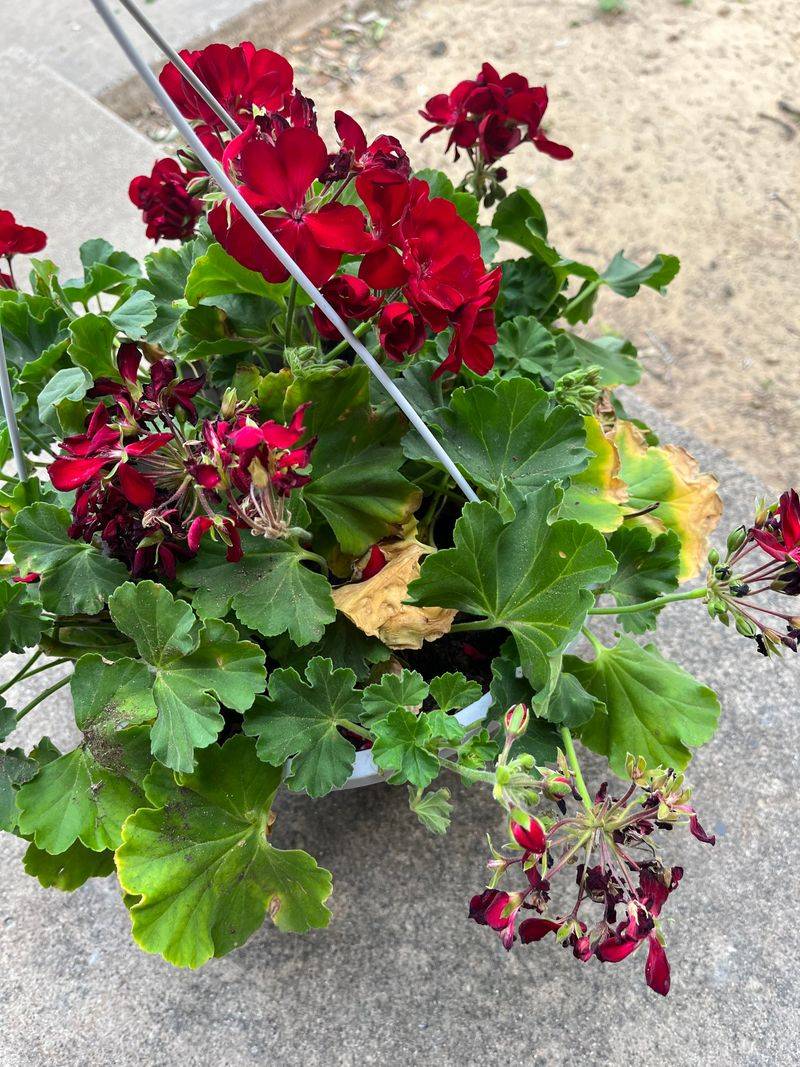
That dark plastic nursery pot sitting on a concrete patio in full Arizona sun is basically a slow cooker for your geranium roots.
Container color and material matter enormously in desert climates.
Black and dark-colored pots absorb solar heat aggressively, and concrete acts like a giant heat battery, storing warmth and radiating it back upward all afternoon long.
Root-zone temperatures inside dark containers on concrete can easily reach 140 to 160 degrees Fahrenheit during peak summer hours.
Geranium roots are not built to survive those conditions. When roots cook, they lose their ability to pull water up into the plant, which means the leaves wilt even when the soil has plenty of moisture sitting right there.
Switching to a light-colored or white container makes a surprisingly big difference.
White pots reflect sunlight instead of absorbing it, keeping root-zone temperatures significantly cooler.
Terracotta pots also breathe and shed heat better than plastic, though they dry out faster and need more frequent watering checks in Arizona summers.
Elevating pots off concrete using pot feet, a wooden slat, or even a small piece of foam board creates an air gap that blocks conducted heat from the ground.
These small tweaks cost almost nothing but can drop root-zone temperatures by 20 to 30 degrees, which is a game-changing difference for a struggling geranium.
4. Wind Pulls Moisture Fast
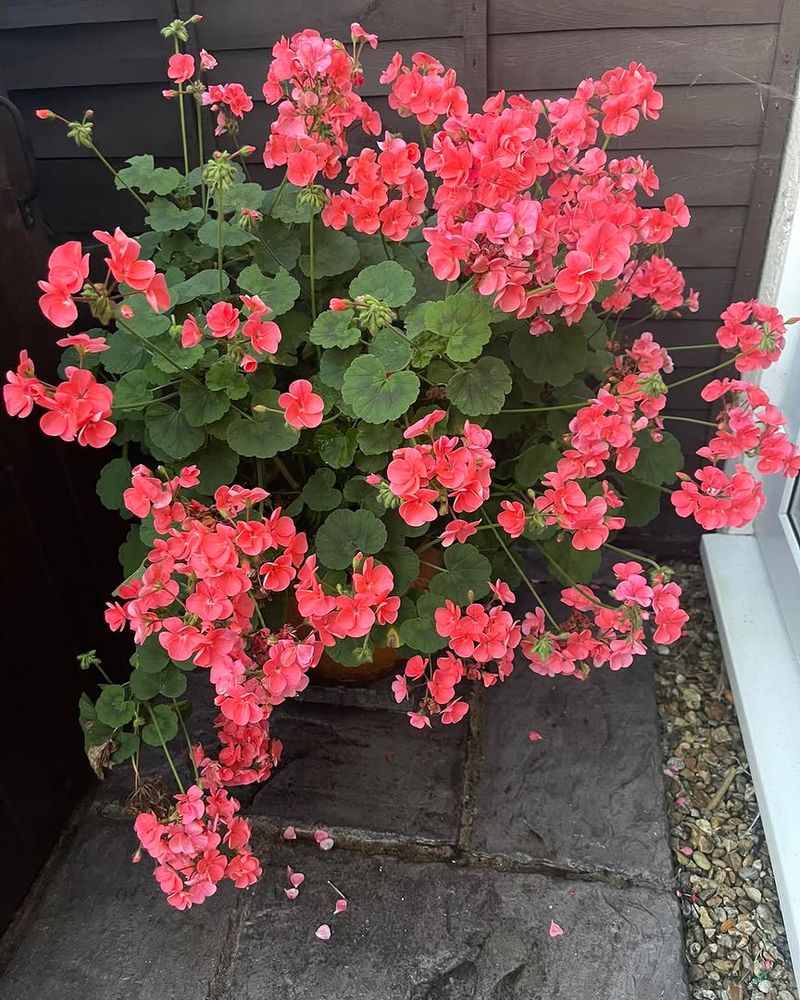
Arizona desert wind is sneaky.
It does not feel dangerous the way a heat wave does, but it pulls moisture out of geranium leaves at a startling rate.
This process, called transpiration, speeds up dramatically when dry air moves across leaf surfaces. The plant loses water faster than its roots can replace it, and wilting follows quickly even in a well-watered pot.
Low humidity makes the problem worse.
Phoenix and Tucson summer air before monsoon season can have relative humidity in the single digits on windy days. That bone-dry air acts like a sponge, drawing moisture out of every exposed leaf surface at maximum speed.
Placing pots near a wall, fence, or tall shrub can block the worst of the wind without cutting off all airflow.
A little air circulation is actually healthy for geraniums since it reduces fungal issues. The goal is to block the relentless dry gusts while still letting gentle breezes pass through.
Grouping containers together also helps.
Plants create a small zone of shared humidity around their leaves, which slightly softens the effect of dry desert wind.
Even three or four pots clustered on a patio corner can show noticeably less wind stress than solo pots left out in the open.
5. Full Sun Becomes Too Much
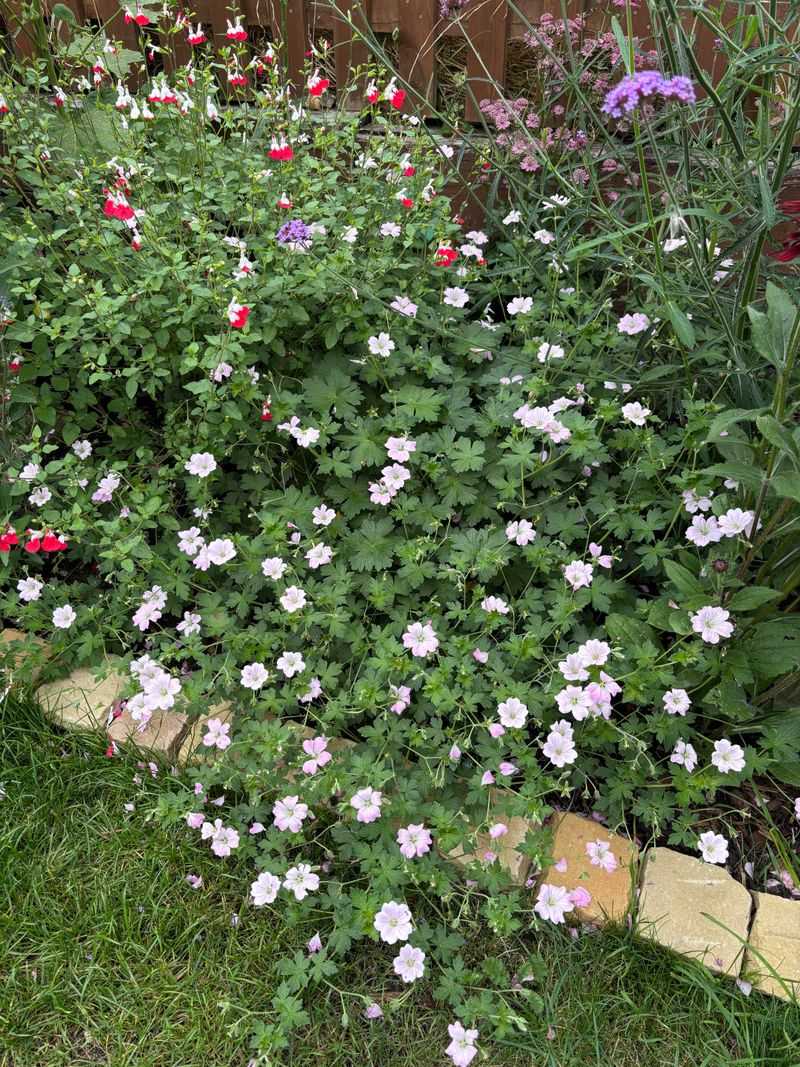
Geraniums love sunlight, but Arizona afternoon sun is a different beast entirely. Morning sun in Arizona is gentle, warm, and exactly what geraniums need to bloom and grow.
Afternoon sun from about noon onward hits with an intensity that geraniums simply were not designed to handle, especially during June and July when UV levels peak.
Full afternoon exposure on an Arizona patio can feel more like a blowtorch than sunshine.
Leaves bleach, curl at the edges, and wilt under sustained direct radiation even when roots have adequate water. The plant is not being dramatic. It is genuinely overwhelmed by light energy it cannot process fast enough to stay upright and hydrated.
Moving pots to a spot that gets morning sun but afternoon shade is one of the single most effective changes an Arizona geranium grower can make.
East-facing walls and patios are ideal. A shade cloth rated at 30 to 40 percent also works beautifully and can be draped or hung without blocking all the light geraniums need to flower.
Some Arizona gardeners move their pots seasonally, shifting them to shadier spots from May through September and then back to fuller sun for fall and spring growing seasons.
Adjusting light exposure costs nothing and delivers results faster than any fertilizer or special watering routine ever could.
6. Overwatering Can Mimic Drought
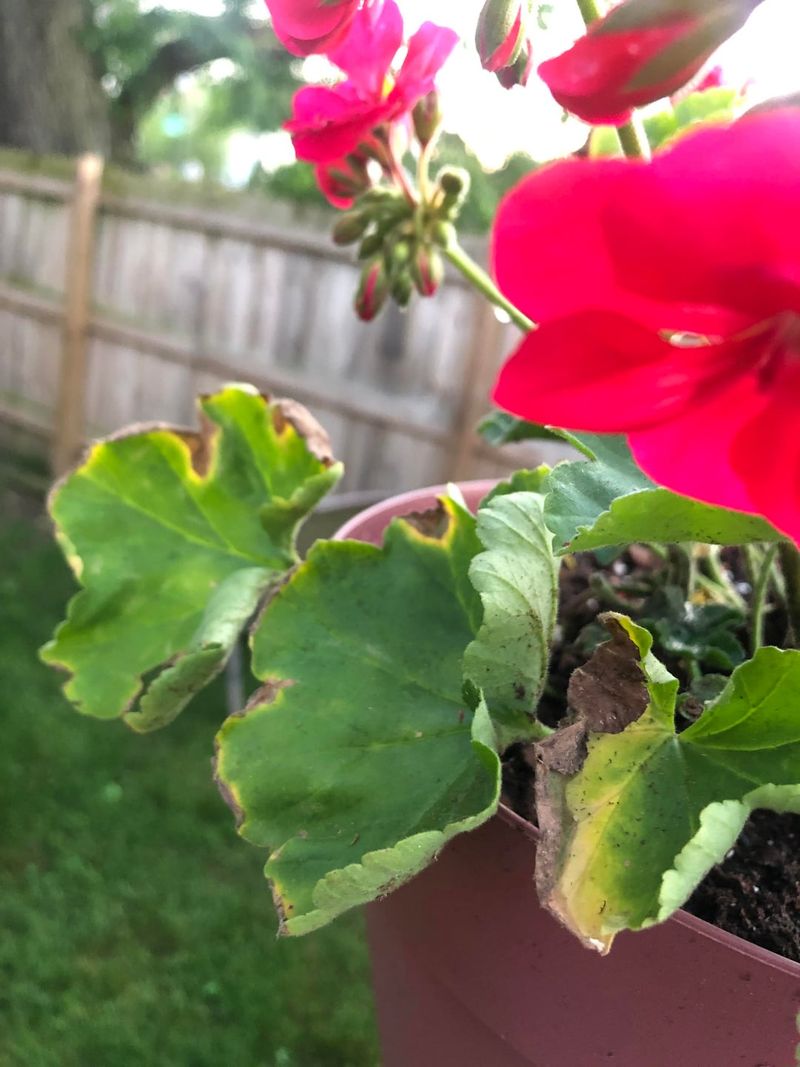
Here is the twist that surprises most gardeners: a plant sitting in soggy, waterlogged soil can look exactly like a plant that desperately needs a drink.
Overwatering is one of the most common mistakes made with Arizona container geraniums, and the symptoms are almost identical to drought stress.
Drooping leaves, limp stems, and dull coloring show up in both cases.
When soil stays too wet for too long, roots begin to suffocate.
They need oxygen to function, and constantly saturated soil pushes all the air out of the root zone. Once roots are compromised, they cannot deliver water to leaves no matter how much moisture surrounds them.
Root rot can develop quickly in Arizona summer heat when containers lack proper drainage.
Always check that your pot has drainage holes that are not clogged with roots or debris. Lifting the pot and looking at what drains out after watering tells you a lot about whether water is moving through freely or pooling inside.
Letting the soil dry slightly between waterings is not cruelty. It is actually what geraniums prefer.
Allowing the top inch or two of soil to dry before watering again encourages roots to grow deeper and stronger.
Healthier roots handle heat stress far better than shallow, waterlogged roots that have been kept constantly soaked by well-meaning but overly generous watering habits.
7. Morning Checks Tell The Truth
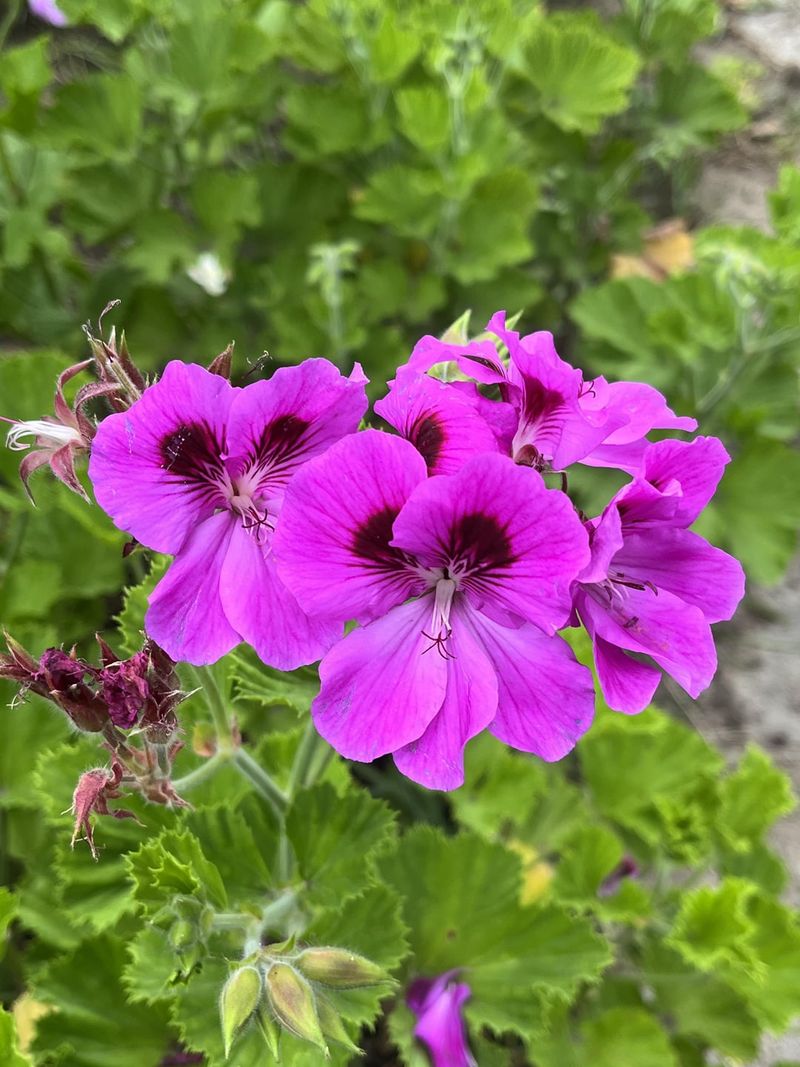
Early morning is the most honest time to check on your geraniums.
Before the heat builds, before the wind picks up, and before the sun angles in hard, your plants show you their true recovery status.
A geranium that wilted at 3 p.m. but stands fully upright and perky by 7 a.m. is almost certainly dealing with heat stress rather than a watering or root problem.
Morning recovery is the key diagnostic tool that experienced Arizona gardeners rely on.
If leaves are firm, green, and standing tall in the morning, the plant is fundamentally okay. It is simply responding to extreme afternoon conditions the same way it would in any desert climate.
A plant that is still wilted in the morning after a cool night is sending a different message.
Persistent morning wilt suggests a root problem, overwatering damage, or a disease issue that needs closer attention.
Check soil moisture, look at drainage, and inspect roots if the problem continues for more than two or three consecutive mornings.
Making morning checks a daily habit takes about two minutes and gives you a clear picture of your geranium’s actual health over time.
You start to notice patterns, like which pots recover fastest and which spots on the patio seem harder on plants.
That knowledge builds confidence and makes you a much smarter Arizona container gardener without spending a single extra dollar.
8. Shade Gives The Best Clue
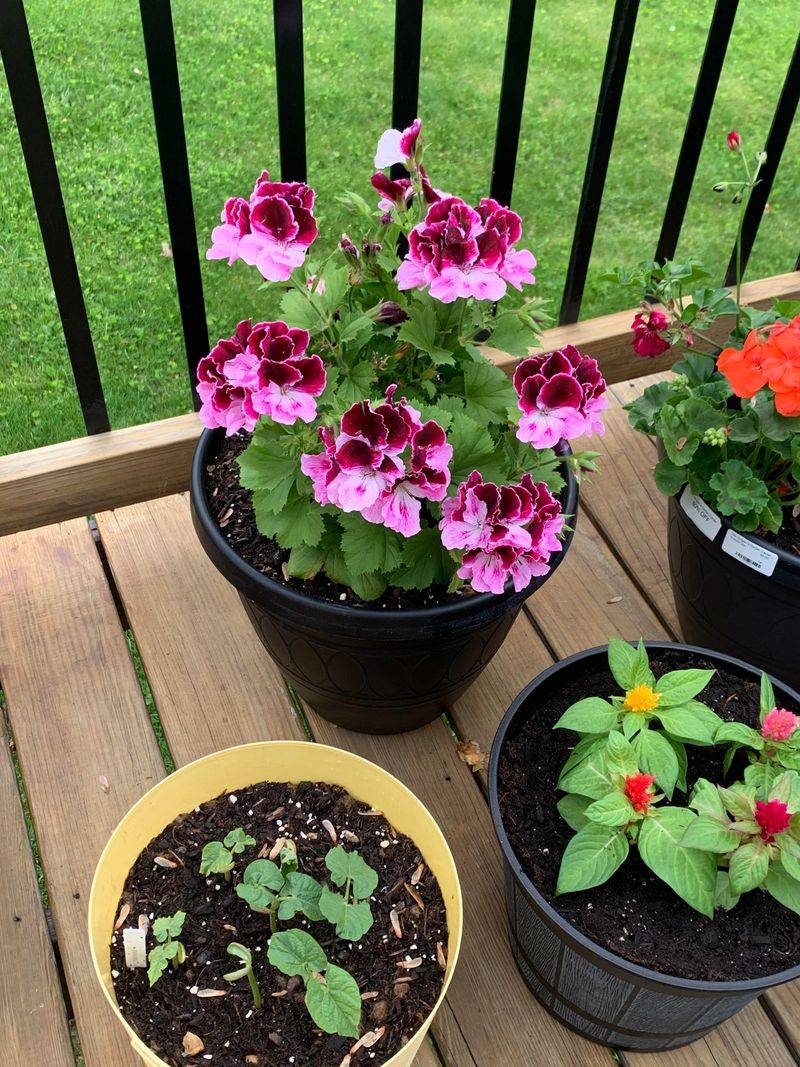
Moving a struggling pot into shade for one afternoon is one of the simplest and most revealing experiments you can run in your Arizona garden.
If the geranium stops wilting or recovers noticeably faster after just a few hours in a shadier spot, heat is almost certainly the main cause of your afternoon drama.
No guessing, no expensive fixes, just one easy test.
Shade cloth is an affordable and practical solution for Arizona patios.
A 30 to 40 percent shade cloth hung on the west-facing side of a patio blocks the most intense afternoon sun while still letting enough light through for healthy growth and flowering.
Patio umbrellas, pergola covers, and even tall potted shrubs used as living screens all work as shade tools.
The goal is to interrupt direct sun between about noon and 5 p.m., which are the hottest hours in most Arizona locations. Morning sun can continue unblocked since geraniums genuinely need it to set flower buds and stay compact.
Once you find a shaded spot where your geranium thrives through the afternoon without wilting, you have cracked the code for your specific patio microclimate.
Every Arizona patio is different depending on wall color, surrounding surfaces, and orientation.
Paying attention to where shade falls and when it arrives is the most powerful free tool any Arizona geranium grower has access to all summer long.