8 Cool Season Vegetables Louisiana Gardeners Can Plant Right Now
Heat still slams you hard the instant you step outside in September. Louisiana refuses to loosen its stubborn hold until dusk finally arrives. Gardeners notice this shift early, standing barefoot on warm concrete outside.
Soil suddenly smells darker and sweeter, like it remembers real rain again. Your fading summer bed still holds a genuinely useful trick left. Empty rows aren’t failure; they’re an invitation arriving with excellent timing.
Neighbors already carry seed packets rattling loudly around crowded truck consoles. Tomato plants wait quietly in the corner, sensing their coming replacement soon.
Cooler nights push gardeners toward decisions that shape the coming harvest ahead. This soil, unlike anywhere else in Louisiana, rewards those who move fast.
Waiting simply costs you seasons you cannot easily reclaim later. What you plant this very week decides exactly what lands on your table by winter.
1. Broccoli For Thick Fall Crowns
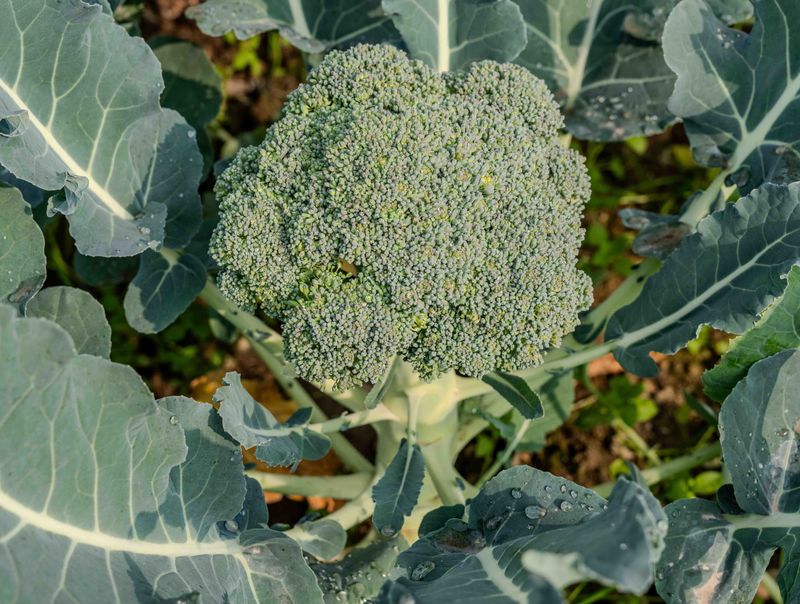
Few things beat slicing a homegrown broccoli crown in December while the neighbors buy theirs wrapped in plastic. September is exactly when that whole delicious story quietly starts in a Louisiana garden bed.
Transplants work better than seeds this time of year because the soil is still stubbornly warm. Set them out anytime from mid September through late October for the steadiest early results.
Space plants about eighteen inches apart, since crowded broccoli produces small heads and plenty of regret. Give each plant room to spread those big gray green leaves in every direction.
Water steadily and feed with a nitrogen rich fertilizer roughly three weeks after the transplants settle in. Uneven moisture creates tiny buttoned heads that disappoint everyone standing around the dinner table.
Watch for cabbage loopers chewing ragged green holes through the leaves during warm October afternoons. A simple spray of Bt handles them quickly without bothering the bees or ladybugs nearby.
Harvest once the central head feels tight and the individual flower buds are still firmly closed. Waiting a few extra days lets yellow flowers open and flatten that sweet flavor.
Cut the main crown and leave the whole plant standing right there in the ground. Side shoots keep producing smaller clusters for several more weeks of genuinely easy weeknight meals.
Varieties like Packman and Green Magic handle unpredictable Louisiana winters with genuinely impressive patience. Frost actually sweetens the flavor, so a sudden cold snap counts as very good news.
2. Cabbage For Heavy Winter Heads
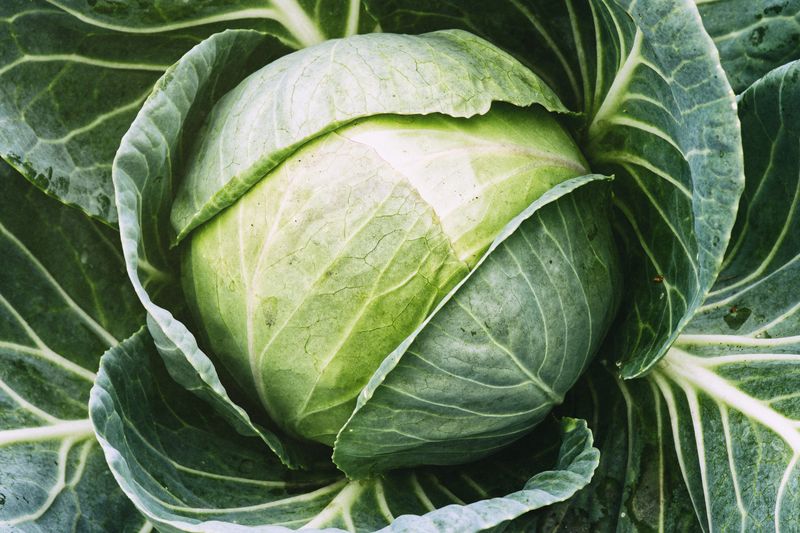
Cabbage has quietly fed Louisiana families through lean winters for generations, and it still earns its space. September planting sets you up for solid heavy heads right around Christmas dinner time.
Start with sturdy transplants from a local garden center rather than seeds sown directly outdoors. Warm September soil pushes tiny seedlings too quickly, and they stretch out thin and leggy.
Space your plants twelve to fifteen inches apart in rows measuring roughly three feet wide. Crowding produces small heads that love to split open at the worst possible time.
Steady water matters most once those tight heads actually begin forming during cool November weather. One sudden soaking after a long dry spell makes the whole head crack right open.
Your Louisiana Garden Changes Every Week. Your Plan Should Too.
Gardening in Louisiana changes quickly throughout the season. Every Friday you’ll receive a simple weekly plan showing exactly what to plant, prune, fertilize, harvest, and protect so you never miss the right timing.
Aphids love to cluster underneath the outer leaves where almost nobody ever thinks to look. Flip a few leaves weekly and blast any colonies off with a strong hose stream.
Bolero, Rio Verde, and Early Jersey Wakefield all perform dependably across most of the state. Red varieties add gorgeous color and handle winter cold just as reliably as green ones.
Harvest by squeezing the head and checking for firmness, much like testing a ripe melon. Cut low with a sharp knife and leave the loose outer wrapper leaves behind.
Leftover stumps often push out small secondary heads that are perfect for quick slaw. Free food from a plant you already harvested honestly feels like winning the same game twice.
3. Collard Greens For Cold Weather Sweetness
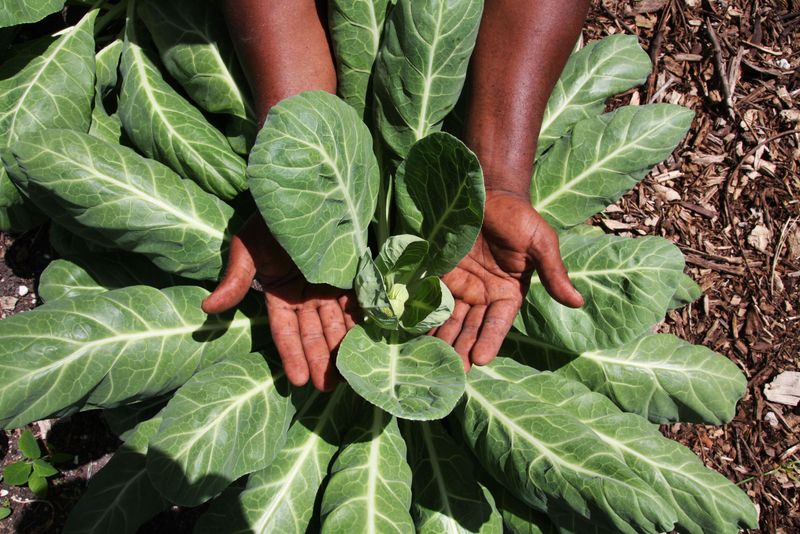
Every Louisiana cook knows collards taste better after the first real cold snap of the season. Sugar quietly builds inside those thick leaves whenever the temperature finally drops below fifty degrees.
Seeds or transplants both work well in September, which makes collards forgiving for nervous beginners. Sow seeds about half an inch deep and thin the crowded seedlings out a bit later.
Give each plant a full eighteen inches of elbow room because mature collards get large. Some plants stretch nearly three feet across by the middle of a mild winter.
Harvest from the bottom up, snapping off older leaves and leaving the growing tip untouched. A single healthy plant can keep feeding your kitchen steadily for several months straight.
Georgia Southern, Vates, and Top Bunch all remain reliable old choices for southern vegetable gardens. Champion is often noted for resisting bolting when spring warmth arrives early, though it’s worth confirming with a local extension source.
Feed with a nitrogen source every few weeks to keep the leaves tender and dark green. Pale yellowish leaves usually mean the plant is simply hungry for a nitrogen boost.
Cabbage worms nibble small holes, but collards shrug off far more damage than broccoli ever does. Handpicking works perfectly fine in a small backyard plot or a single raised bed.
Collards shrug off hard freezes down into the low twenties without any real complaint. Toss an old bedsheet over them if a genuinely hard freeze shows up in the forecast.
4. Mustard Greens For Fast Peppery Harvests
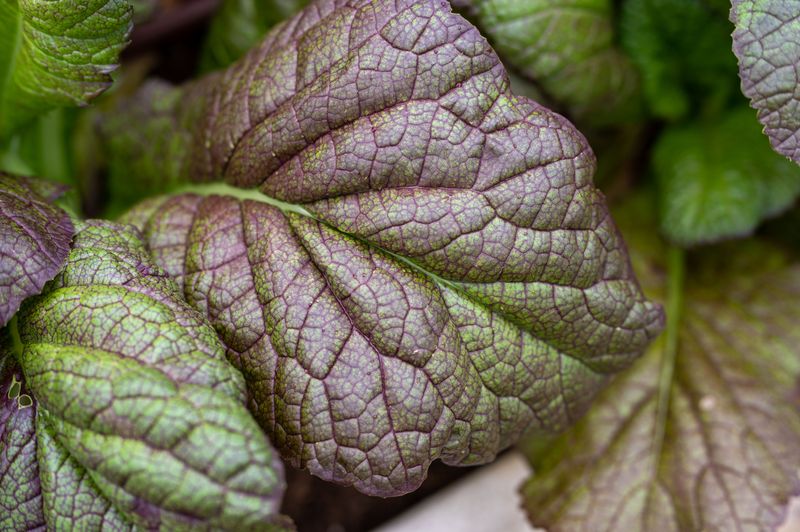
Mustard greens grow so quickly they almost feel like cheating at the whole gardening thing. Seeds sown in September can reach your dinner table within about thirty short days.
Sprinkle seeds directly into loose soil and cover them lightly with roughly a quarter inch. Thin the crowded seedlings to about six inches apart once the true leaves appear.
Peppery bite is the entire point, and cool weather keeps that flavor pleasant instead of harsh. Lingering September heat can turn young leaves sharp, tough, and unpleasant to chew.
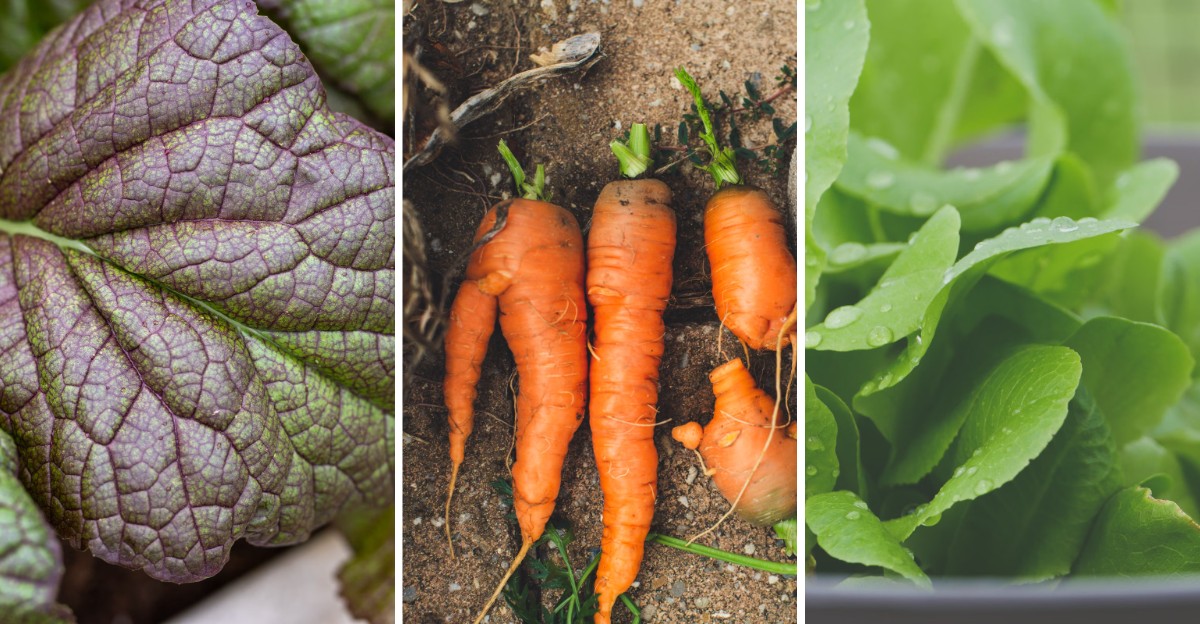
Southern Giant Curled, Florida Broadleaf, and Red Giant all perform beautifully in Louisiana gardens. Red Giant adds deep purple streaks that look striking tossed in a salad bowl.
Snip outer leaves while young and tender for salads, saving the older ones for the pot. Steady picking pushes plants to keep pumping out fresh new growth for weeks.
Flea beetles punch tiny shotgun holes through young leaves during warm early fall afternoons. Floating row cover blocks them out while your tender young seedlings get properly established.
Water on a regular schedule, since thirsty mustard plants turn bitter faster than most greens. A light layer of mulch helps hold that precious soil moisture nice and steady.
Cooked down slowly with a little smoked turkey, mustard greens carry serious old fashioned flavor. Plenty of folks mix them with turnip greens for a milder tasting pot.
Let a couple of plants bolt next spring and collect the dried seeds for later. Louisiana gardeners have been quietly saving mustard seed this way for many generations.
5. Carrots For Sweet Sandy Soil Rows
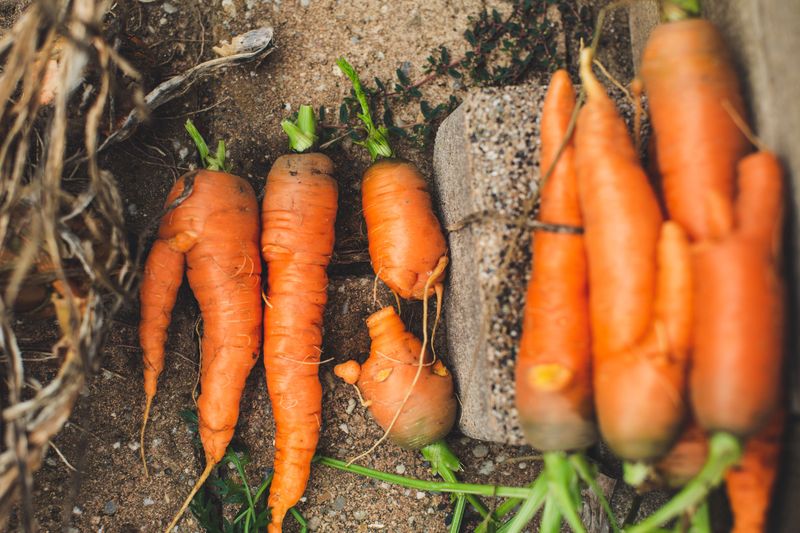
Nothing humbles a gardener quite like pulling up a carrot shaped like a wrestling octopus. Loose, rock free soil prevents that particular kind of disappointment almost every single time.
Carrots flatly refuse to be transplanted, so the seeds go straight into the garden bed. Sow them anytime from September through early November for the sweetest possible winter roots.
Work the soil at least ten inches deep and break up every clod you find. Raised beds quietly solve the heavy clay problems that plague so many Louisiana yards.
Seeds need constant surface moisture for two or three weeks before they finally sprout. Lay a damp board or burlap strip over the row to hold that moisture.
Thin the seedlings to three inches apart once they stand about two inches tall. Crowded carrots twist around each other and stay stubbornly skinny all season long.
Danvers 126, Scarlet Nantes, and Thumbelina handle southern soil conditions with genuine ease. Short, stubby varieties work best in yards where heavy clay sits near the surface.
Skip the heavy nitrogen fertilizer, which grows gorgeous leafy tops and sadly forked little roots. Phosphorus and potassium do the real work happening quietly down below the soil surface.
Roots are ready around seventy days, and a cold snap makes them noticeably sweeter. Pull a test carrot to check size before harvesting the entire row at once.
Fun fact: legend says Dutch growers popularized orange carrots centuries ago, though the story is more folklore than documented history. Purple and yellow types actually came first, and they still grow well down here.
6. Turnips For Roots And Tender Greens
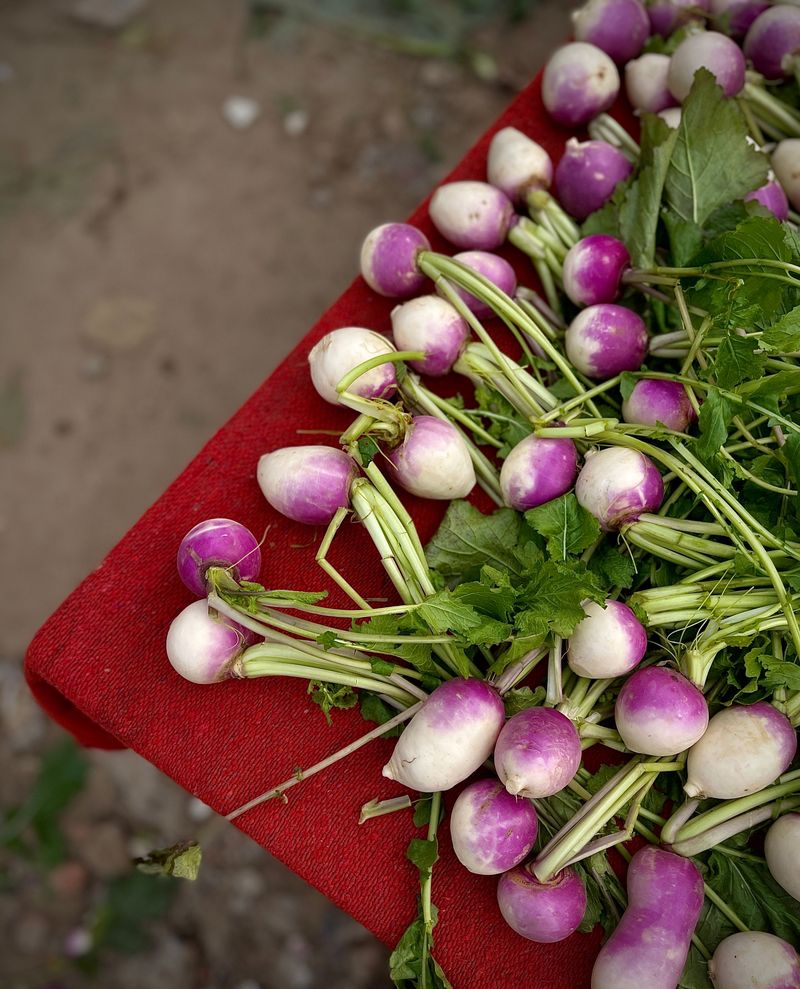
Two vegetables for the price of one seed packet sounds like a sales pitch. Turnips honestly deliver sweet roots below the ground and tasty greens standing above it.
Broadcast seeds across a prepared bed and rake them in about half an inch. Germination happens fast, often within just four or five warm September days and nights.
Thin the plants to four inches apart, and toss those tiny thinnings into a salad. Nothing much gets wasted in a well run turnip patch during fall.
Purple Top White Globe remains the classic choice across the entire Gulf South. Tokyo Cross matures remarkably quickly, while Seven Top gets grown strictly for its greens.
Pull the roots once they measure two or three inches across at the shoulders. Larger turnips turn woody, stringy, and frankly not worth the cooking trouble.
Most varieties finish in forty to sixty days, which suits impatient gardeners nicely. Stagger your plantings every two weeks for a steady supply running through winter.
Flea beetles and aphids show interest early, so check the undersides of leaves. Insecticidal soap handles most of these problems without harming the rest of your garden.
Frost turns turnip starch into sugar, and the difference genuinely surprises first time growers. Roots also keep well in the ground for weeks during mild Louisiana winters.
Old timers planted turnips as a hedge against lean months, and the habit stuck. Plenty of Louisiana tables still feature them at New Year dinners.
7. Lettuce For Quick Cut And Come Again Bowls
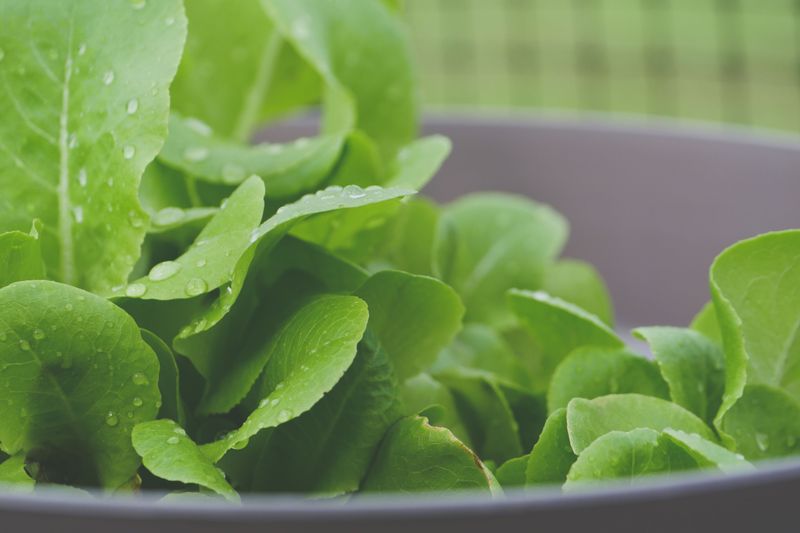
Salad from your own backyard in November tastes noticeably better than anything sealed in plastic. September is exactly when that quiet little miracle begins down here in Louisiana.
Loose leaf types consistently outperform tight heading varieties throughout our unpredictable southern climate. Black Seeded Simpson, Red Sails, and Buttercrunch rarely disappoint backyard growers around this state.
Press seeds into the surface without burying them, because lettuce needs light to sprout. A whisper thin dusting of fine soil is honestly all those seeds require.
Early September afternoons still scorch, so give young plants some shade until October. A shade cloth or the cool east side of a fence works perfectly fine.
Containers on a shady porch suit lettuce beautifully, especially for gardeners short on space. Just move the whole pot whenever the weather turns extreme in either direction.
Harvest outer leaves instead of pulling entire plants, and the center keeps growing back. A single planting can supply several weeks of fresh salads exactly that way.
Keep the soil evenly moist, since stressed lettuce quickly turns bitter and unpleasantly tough. Those shallow roots dry out remarkably quickly in sandy Louisiana garden beds.
Slugs sometimes show up after rainy stretches and chew ragged edges overnight. A ring of crushed eggshells or a shallow beer trap slows them down.
Sow a short new row every two weeks through late winter for continuous harvests. Running out of fresh salad in February feels completely unnecessary around here.
8. Radishes For Nearly Instant Garden Wins
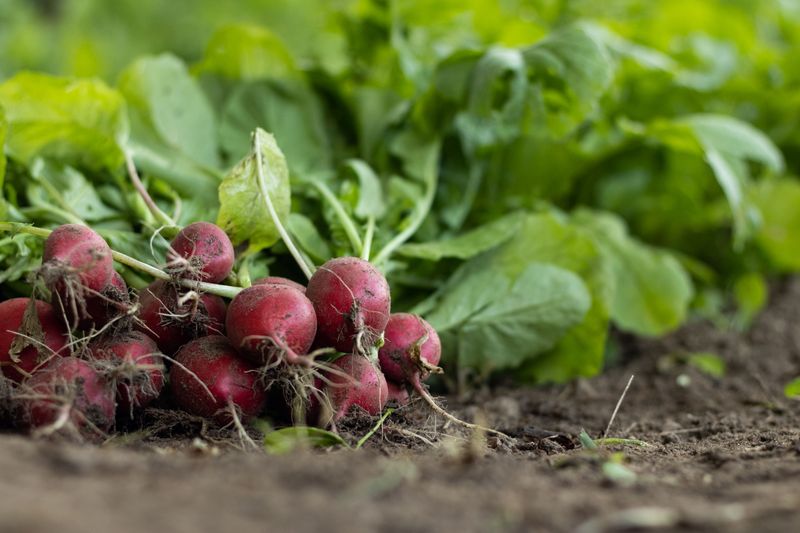
Impatient gardeners and small children both love radishes for the same excellent reason. Seeds planted this weekend can honestly become part of dinner in under four weeks.
Scatter seeds half an inch deep in loose soil and water them in gently. Green sprouts usually appear within three or four days, sometimes even faster than that.
Thin seedlings to two inches apart or you will harvest leaves instead of roots. Crowding remains the single biggest reason backyard radish crops quietly fail around here.
Cherry Belle, Champion, and French Breakfast all mature fast in Louisiana fall weather. Daikon types take longer but grow enormous roots that are worth the extra patience.
Skip the heavy fertilizer, since rich nitrogen produces lush green tops and tiny roots. A modest amount of compost worked into the bed beforehand is plenty.
Pull them promptly once the roots reach roughly an inch across at the top. Leaving radishes in too long makes them spongy, hollow, and uncomfortably hot tasting.
Plant a short row every ten days instead of one long row at once. Twenty radishes maturing at once helps nobody, as plenty of gardeners eventually learn.
Radish seeds mixed with carrot seeds mark the row while slow carrots germinate. Harvesting the radishes loosens the soil nicely for the neighbors still growing underground.
Those peppery green tops are edible too, sauteed or blended into a simple soup. Tossing them into the compost wastes roughly half of the plant you just grew.