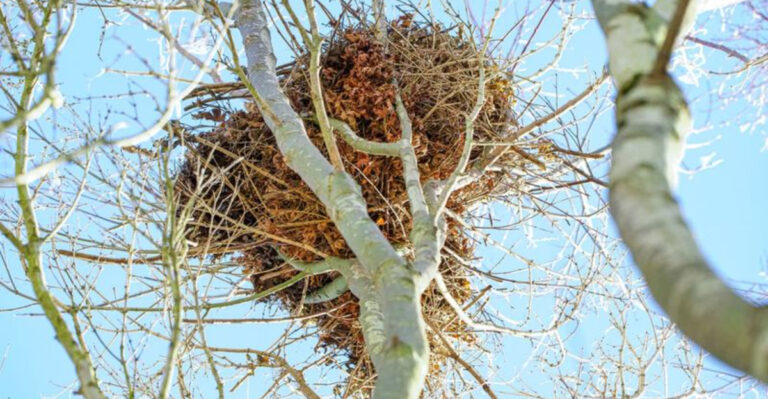
Louisiana Wildlife Officials Want Help Finding A Rare Skunk Nobody Has Seen In Years
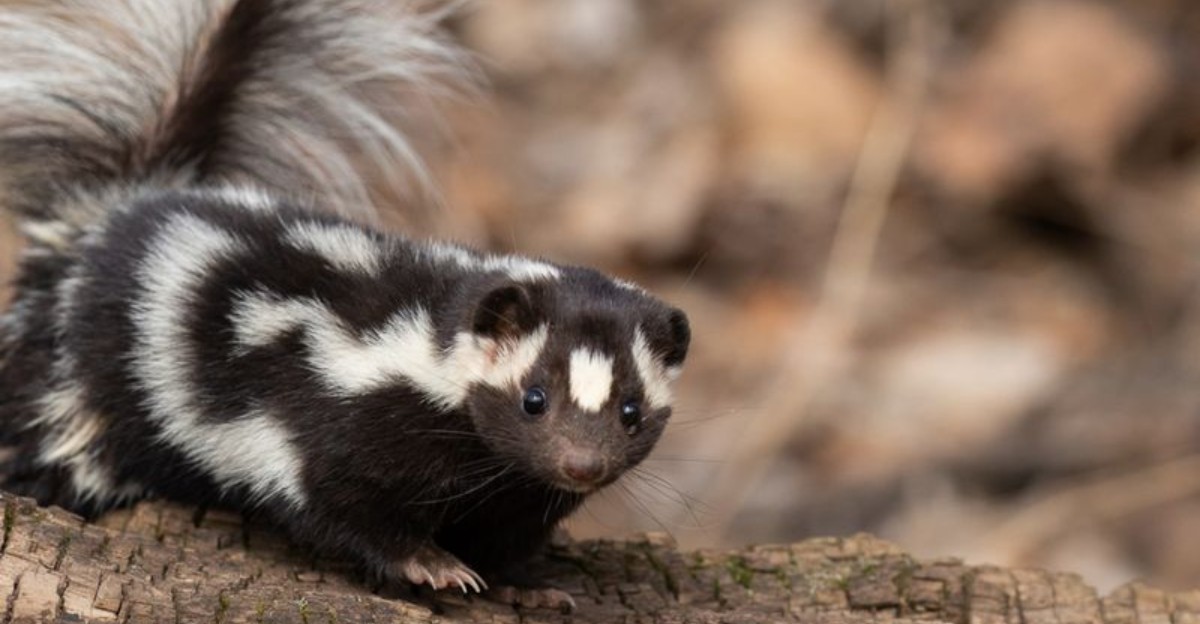
Picture a striped predator slipping through Louisiana’s pine forests, unseen for decades. You might live closer to this mystery than you realize. Wildlife officials call it the spotted skunk, now gone quiet.
Weighing about as much as a bag of sugar, it moves quickly and erratically. Cornered, it flips into a handstand and sprays without hesitation. Farmers once spotted it near barns and brush piles across rural Louisiana.
Those encounters have faded, leaving biologists searching for answers. Trail cameras catch flickers of movement, but rarely proof. Researchers need eyes they don’t have, scattered across backyards and fields.
Your porch light or barn corner could hold the next clue. Reports from residents now carry real scientific weight. Biologists are asking you to watch closely this season.
Each sighting nudges the search forward, however small. This creature hasn’t disappeared for good, only hard to find. What happens next depends on what you notice tonight.
The Handstand Artist Of The Southern Woods
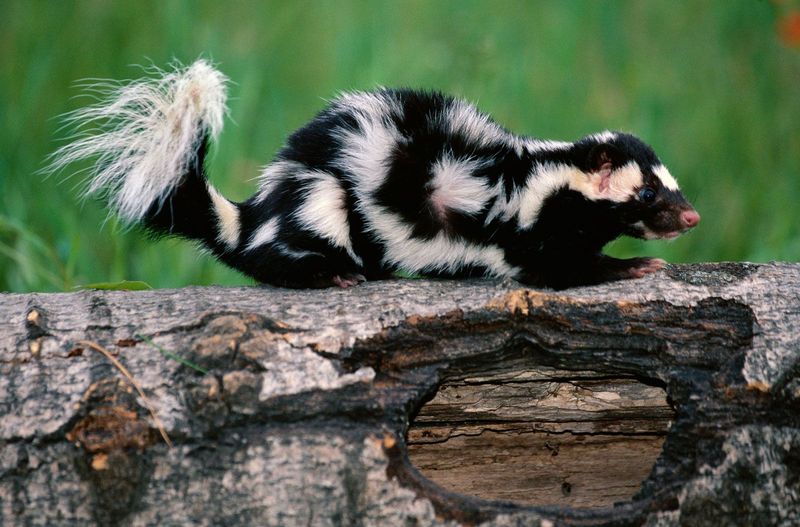
Picture a skunk about the size of a grey squirrel, wearing a swirl of broken white stripes instead of the two neat lines everybody expects. That is the eastern spotted skunk, and it looks like someone shook a paintbrush over a black coat.
Weighing roughly one to two pounds, it is far smaller than the striped skunk found in most Louisiana neighborhoods. Its face carries a white triangle between the eyes, almost like a tiny mask marking.
The famous move is the handstand. When something startles it, the animal pops up onto its front paws, tail flared straight up, and waves that warning flag before deciding whether to spray.
Wildlife watchers who have witnessed it describe the display as equal parts comedy and clear caution. The message is simple: it’s a clear signal to retreat.
Unlike its bigger cousin, the spotted skunk climbs remarkably well. It scrambles up tree trunks, slips into hollow logs, and squeezes through gaps a house cat would refuse.
Its diet leans toward insects, mice, eggs, fruit, and whatever else it can dig up after sundown. Farmers once welcomed them around corn cribs because they handled rodents quietly and efficiently.
Fur trapping records from past decades suggest the animal was once far more common across the South. That history tells us the species used to range across a wide stretch of country.
Understanding what it looks like matters, because plenty of possible sightings get brushed off as a young striped skunk in poor lighting.
Why Louisiana Biologists Want Answers
Records tell a quiet story. The Louisiana Department of Wildlife and Fisheries has not confirmed a sighting of this small skunk since 1985, and that gap concerns researchers tracking the species.
Across its full range, from the Gulf states up through the Midwest and Appalachians, numbers have declined since the middle of the last century.
Some regions report drops steep enough that federal reviewers have evaluated protective listing for a related subspecies, the plains spotted skunk.
Louisiana sits at an interesting spot on the map. Historic accounts suggest spotted skunks once ranged across parts of the state’s upland pine country, yet recent verified evidence is thin.
Your Louisiana Garden Changes Every Week. Your Plan Should Too.
Gardening in Louisiana changes quickly throughout the season. Every Friday you’ll receive a simple weekly plan showing exactly what to plant, prune, fertilize, harvest, and protect so you never miss the right timing.
Part of the challenge is that nobody was really watching. Small, secretive, nighttime animals rarely get counted unless someone funds a survey, and survey money tends to follow deer, ducks, and fish.
State biologists have started filling that gap with camera arrays, scent stations, and outreach to landowners. A single confirmed photo can reshape a range map and unlock resources for further study.
There is also honest uncertainty in the mix. Researchers are not claiming the species has disappeared from the state, only that they cannot currently prove it is here.
That distinction matters for conservation planning. Protecting habitat for an animal you can document is far easier than arguing for one that exists only in old ledgers.
Public reports help close the gap between suspicion and evidence, which is precisely why the request went out.
Where The Little Skunk Might Be Hiding
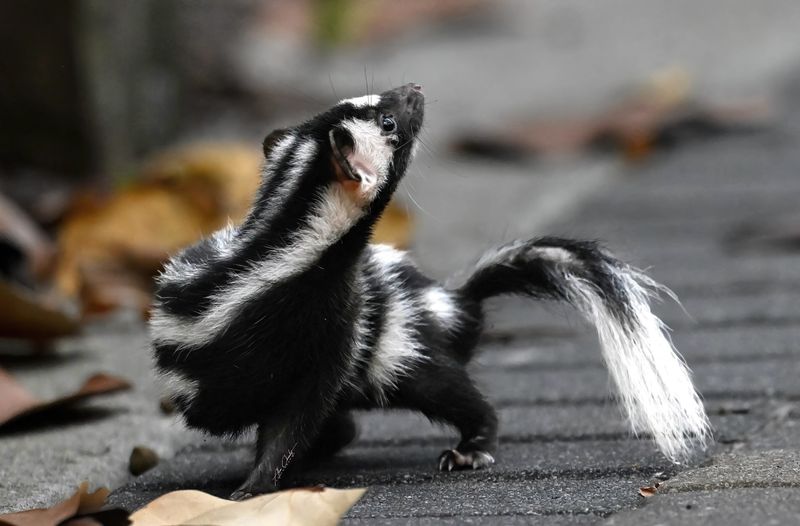
Brush piles are the secret handshake. Spotted skunks favor tangled, messy cover where a small animal can slip out of sight in half a second.
Think overgrown fencerows, rock outcrops in the hill parishes, hollow logs, dense briar thickets, and the crawl space under an old barn. Tidy, manicured land offers them very little.
In Louisiana, the likeliest spots include the upland pine and hardwood mix of the northern parishes, along with brushy edges near creek bottoms.
Kisatchie National Forest and surrounding private timberland fall within the kind of habitat researchers consider promising.
Agricultural shifts changed the picture over decades. Clean farming practices, fewer barns with open foundations, and the loss of brushy field borders all trimmed away the cover these skunks relied on.
Landowners who want to help can leave a corner wild. Stacking limbs into a loose pile, keeping a few standing hollow trees, and letting a fencerow grow shaggy costs almost nothing and creates real shelter.
Cooler fall mornings tend to make brush stacking more pleasant work, and cover built up now has time to settle before animals seek denning spots for winter.
Water sources nearby help too, since insects and small prey concentrate around damp edges.
A property with varied structure, tall trees, low tangles, and open feeding ground, checks more boxes than a single habitat type. Small changes across many properties add up faster than one large preserve ever could.
Telling It Apart From The Skunk You Already Know
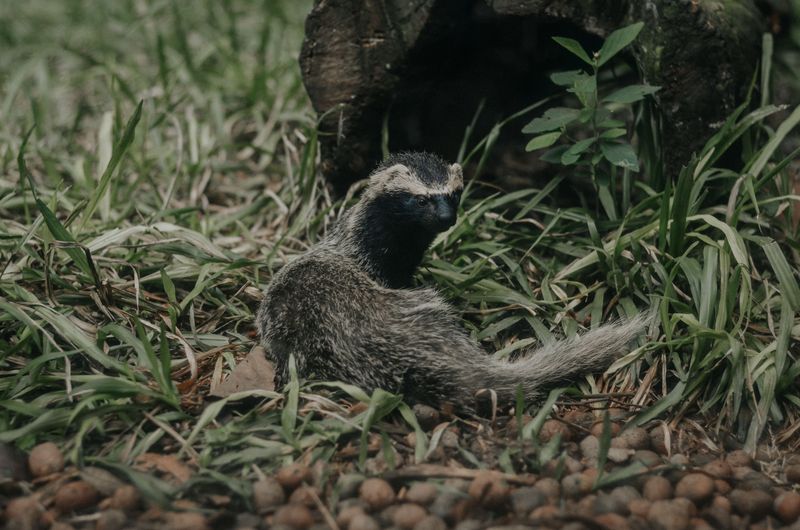
Mistaken identity is the biggest hurdle in this whole search. Most reported sightings turn out to be striped skunks, and that is completely understandable in dim light.
Size is your first clue. A striped skunk runs six to ten pounds and moves with a slow waddle, while the spotted version is roughly a quarter that weight and moves quickly and erratically.
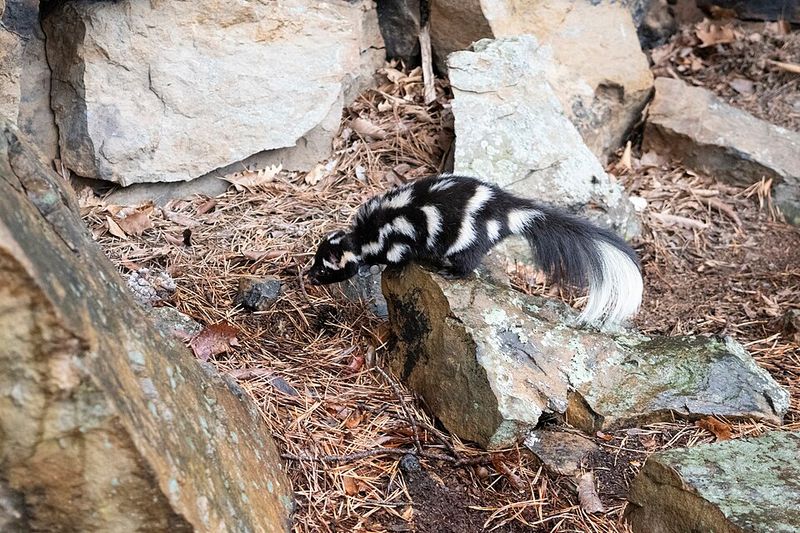
Pattern is the second clue. Striped skunks wear two bold white bands running down the back, clean and continuous, plus a thin white line on the forehead.
Spotted skunks look scrambled. Broken white streaks and blotches run in different directions across the body, with a distinct white patch between the eyes and often a white tail tip.
Behavior gives a third hint. If the animal climbs a fence post or scoots up a tree trunk, you are probably watching the rarer species.
Young striped skunks confuse people the most, since their smaller bodies suggest the wrong species at a glance. Look closely at the stripes rather than the size alone.
Trail camera photos in black and white infrared can still work if the pattern is sharp. Zoom in on the shoulders and hips, where the spotted skunk shows that scattered arrangement.
When in doubt, submit the photo anyway. Biologists would rather sort through a hundred striped skunk pictures than miss the one image that changes the map.
Your Backyard Can Join The Search
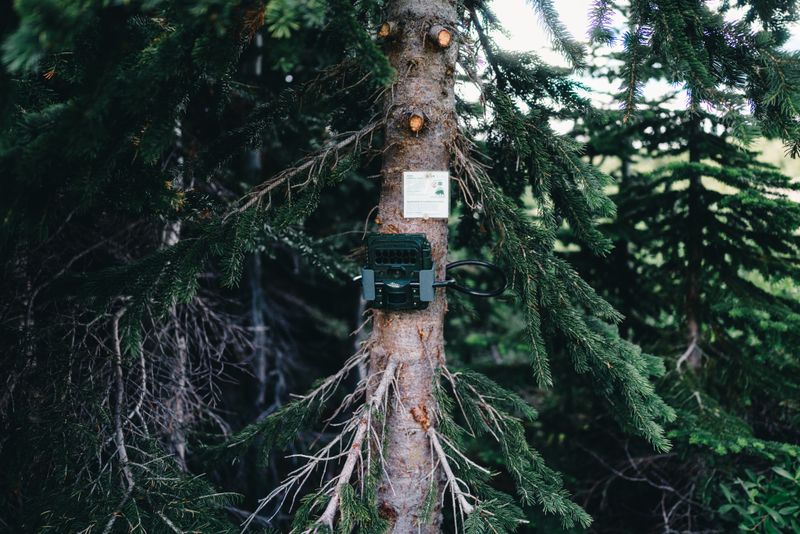
Hunters already have the gear. Countless trail cameras sit strapped to trees across the South each autumn, and any one of them could capture the photo biologists are hoping for.
Placement makes the difference. Mount the camera low, roughly a foot to eighteen inches off the ground, since a two-pound animal will not trip a sensor aimed at deer shoulder height.
Point it toward structure rather than open ground. Log piles, rock ledges, barn foundations, and the base of hollow trees all give better odds than a wide food plot.
Set the camera to take a burst of photos plus a short video clip. A quick clip showing the animal climbing or bounding often confirms identification when a still image stays ambiguous.
Bait can help, though check your parish and state rules first. Sardines, canned cat food, or a smear of peanut butter on a log have all pulled small carnivores into frame elsewhere.
Check cards every couple of weeks and keep the date stamp accurate. Location coordinates and a timestamp turn a fun picture into usable scientific data.
Fall is a practical time to prepare camera sites, since research shows detection rates often rise into early spring. Setting cameras up now means they’re ready before that peak activity window.
Even photos of other critters have value. Documenting what shares the woods helps researchers understand the whole neighborhood, not just the missing tenant.
How To Report A Sighting The Right Way
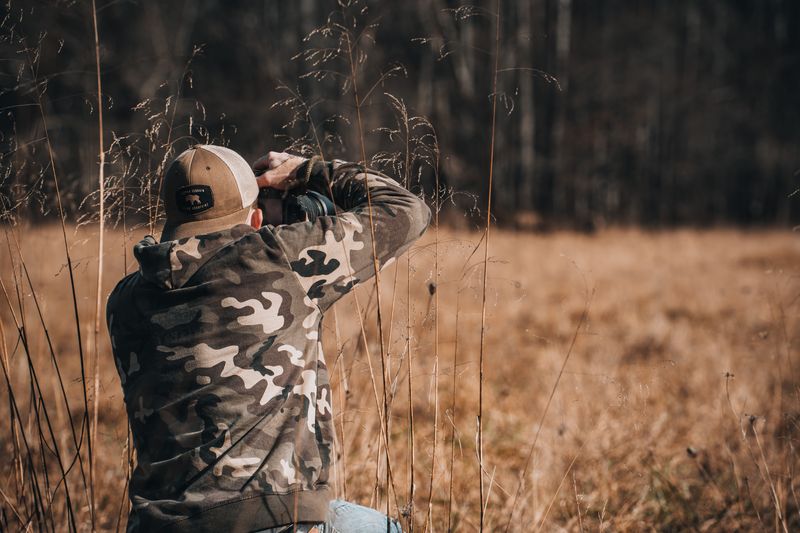
A blurry photo beats no photo. Wildlife staff would much rather squint at a grainy image than hear a secondhand story with no evidence attached.
Contact the Louisiana Department of Wildlife and Fisheries directly, or submit sightings through its Eastern Spotted Skunk Project on iNaturalist. Include the photo or video, the date, the time of day, and the most precise location you can share.
Describe what the animal was doing. Climbing, digging, foraging near a structure, or moving along a fencerow all give researchers useful context beyond the picture itself.
Keep the original file rather than a screenshot from a text message. Compressed images lose the fine detail that helps confirm a broken stripe pattern.
Road observations count too, including animals seen crossing at night. Note the highway and nearest mile marker if you can do so safely.
Give the animal space. Skunks carry a well-earned reputation for chemical defense, and a handstand display is a clear signal to step back and admire from a distance.
Landowners can also volunteer property for survey work. Researchers frequently need permission to place cameras on private acreage, and access is often the limiting factor in these projects. Word of mouth spreads fast in rural parishes.
Mentioning the search at a hunting camp, feed store, or church supper may reach exactly the person who noticed something odd last winter. One good report could bring a species back onto Louisiana’s map after decades of quiet.