The Ohio September Raised-Bed Cleanup That Can Reduce Problems Next Spring
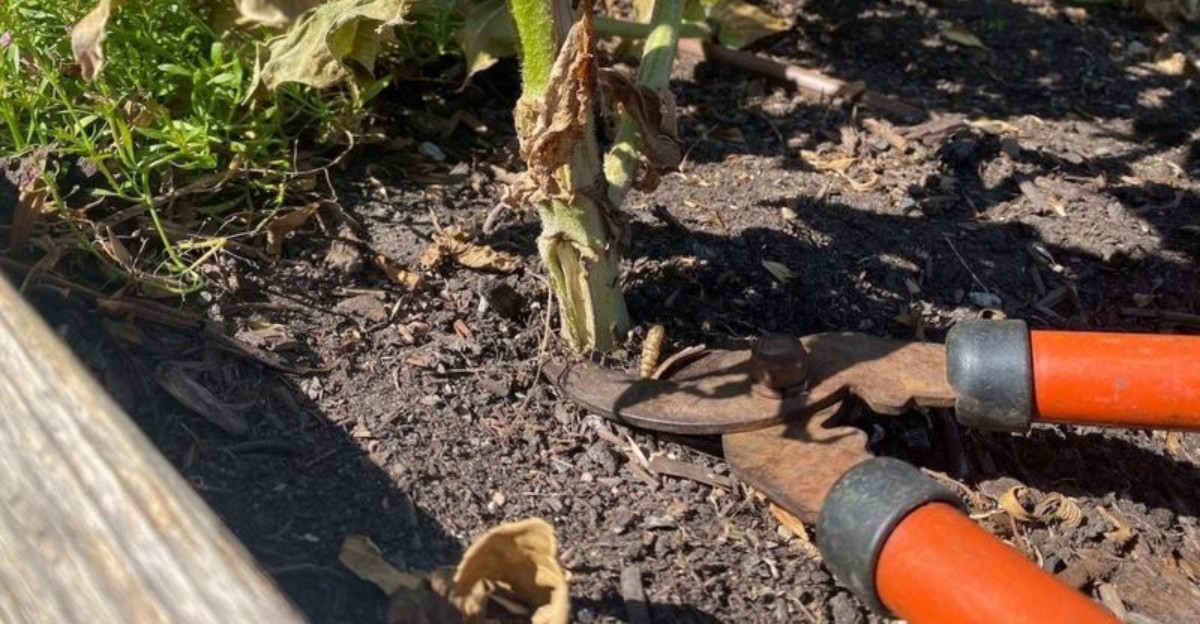
One overlooked task in your raised beds this month could save you a spring full of headaches you haven’t even met yet.
Ohio gardeners often call it done once the last tomato comes off the vine, but leaving beds untouched through fall sets up trouble that doesn’t show itself until next year.
Old roots, dropped fruit, and leftover debris create the exact conditions certain pests and diseases need to stick around all winter, just waiting for warmer soil to wake back up.
A specific cleanup habit breaks that cycle before it starts, and it takes far less effort than most people assume once they finally get around to it.
Clear out your beds properly this September instead of letting them sit. Next spring’s harvest might depend on what you do with this one right now.
1. Start With Spent Plants That Already Finished Producing
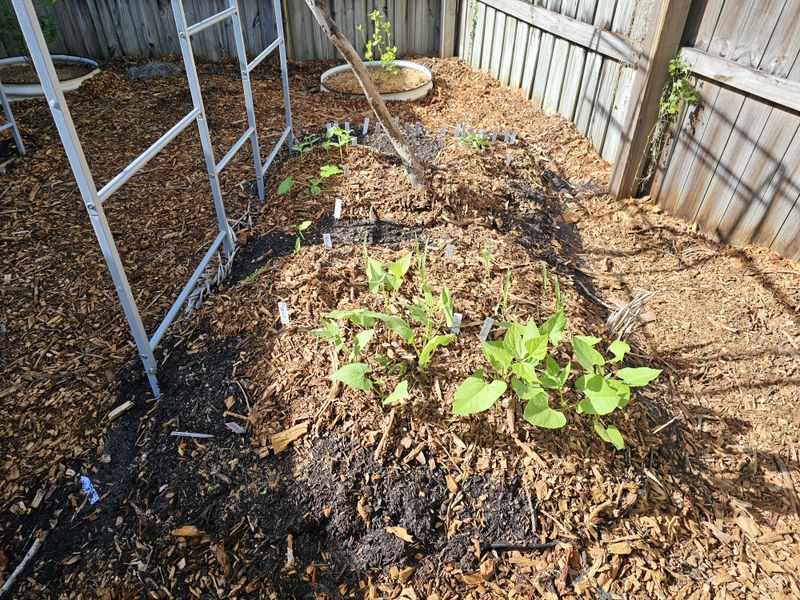
That cucumber vine stopped giving you anything two weeks ago, and you know it. September is the moment to admit the season is over for the plants that already did their job.
Pull out beans, squash, cucumbers, and any tomato plants that have quit setting fruit. Grab low on the stem and rock gently so the roots come loose instead of snapping off underground.
Clearing these worn-out plants takes away the shelter that overwintering insects and disease spores like to settle into. It also opens up light and airflow for whatever is still growing, like kale, carrots, or a late planting of lettuce.
Work bed by bed rather than trying to strip the whole garden in one afternoon. A tarp or a big tub parked beside you makes hauling easier and keeps stray leaves from scattering across the paths.
Toss anything that looks healthy onto the compost pile and set aside anything spotted or moldy for separate handling. Sorting as you go saves you from second-guessing later.
One small bonus: empty September beds are the perfect landing spot for garlic in October, so clearing now buys you options. A cleared bed also dries and warms faster, which matters more than most gardeners expect.
2. Diseased Foliage Has No Place In The Bed
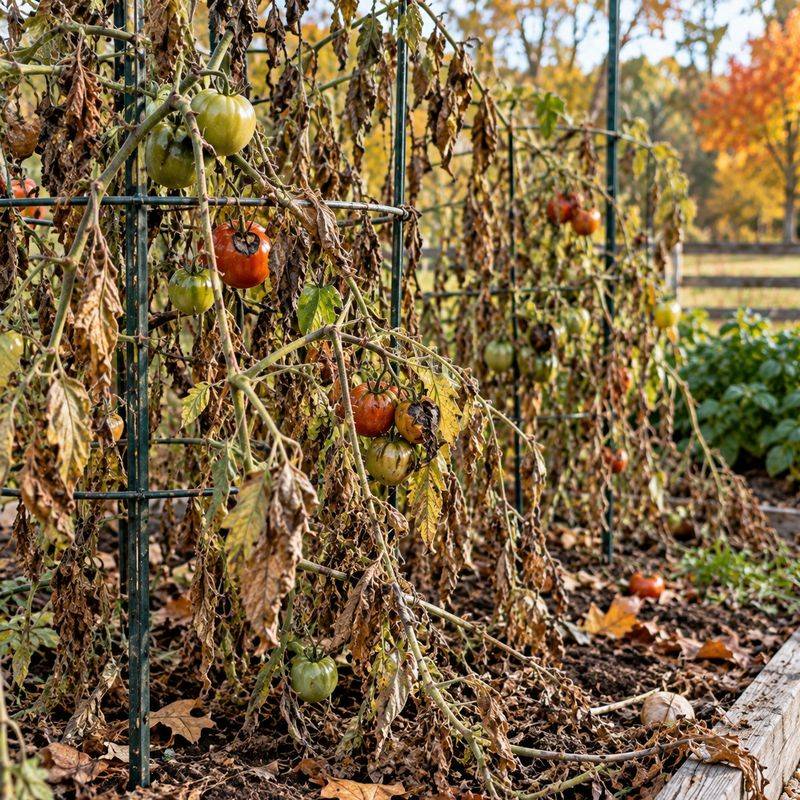
Powdery mildew on squash leaves looks almost pretty, like someone dusted them with flour. It is not pretty news for next year’s garden.
Leaves carrying trouble such as black spot, leaf spot, or Septoria leaf spot on tomatoes hold onto those organisms through winter. If the foliage stays in the bed, spring rain splashes the problem right back onto fresh growth.
Skip the compost pile with this material. Unless your compost pile reliably reaches appropriate temperatures, diseased plant material is better kept out of a home compost pile.
Bag infected leaves and stems and put them out with household trash. Some Ohio communities accept yard waste for municipal composting that reaches higher temperatures, so a quick call to your service provider is worth the minute.
Wipe or rinse your pruners, loppers, and garden knife after cutting into affected plants. A simple rubbing alcohol wipe between beds keeps you from carrying spores on the blade.
Your Ohio Garden Changes Every Week. Your Plan Should Too.
Gardening in Ohio changes quickly throughout the season. Every Friday you’ll receive a simple weekly plan showing exactly what to plant, prune, fertilize, harvest, and protect so you never miss the right timing.
Look at the soil surface too, since fallen leaves hide under stems and drip lines. A light rake catches what your hands miss.
Gardeners who stay strict about this one step often notice their tomatoes hold clean lower leaves much longer the following July.
3. Pests Can Overwinter In Forgotten Plant Debris
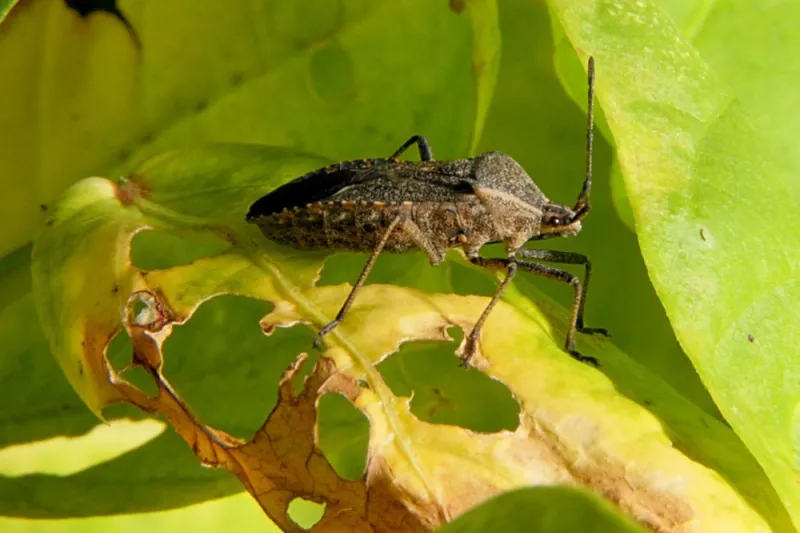
Picture a squash bug tucked under a curled leaf, waiting out January like a guest who never got the hint. That is exactly what leftover debris offers.
Squash bugs and squash vine borer pupae settle into old vines and loose soil. Japanese beetle larvae move down into the root zone, and chinch bugs hunker into leaf litter and thatch around the edges of beds.
Every handful of crumbled stems and papery leaves you remove takes away a hiding spot. Removing those hiding spots can reduce some of the places pests use to overwinter before next season.
Pay special attention to squash and pumpkin beds, since borers leave sawdust-like residue near the base of stems. Those crowns deserve a careful dig rather than a quick tug.
Check the inside corners of your bed frames and under any boards, pots, or row cover hoops stacked nearby. Insects love a sheltered seam.
Do leave a few flowering stems and some standing perennial stalks elsewhere in the yard, because native bees nest in hollow stems and ladybugs need winter cover. Vegetable beds can be tidy while the border stays a little wild.
Balance is the goal here, not sterility. Clean where crops grow, generous everywhere else.
4. Healthy Plant Material Can Become Useful Compost
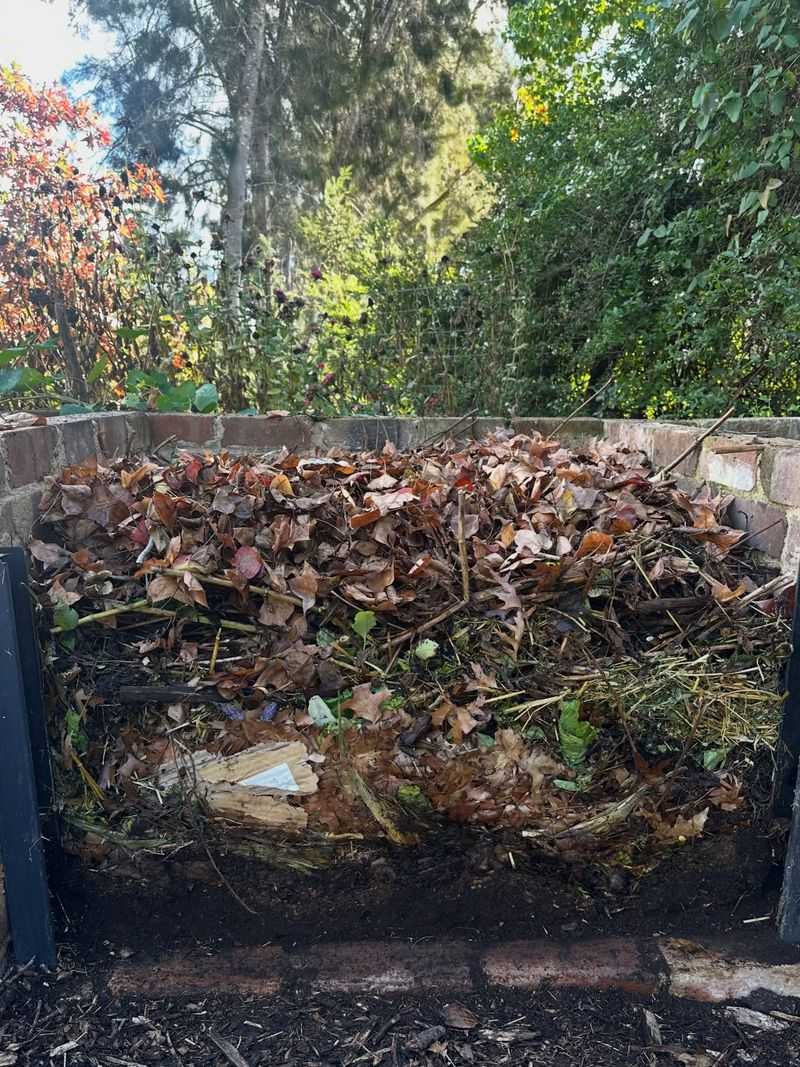
Here is a satisfying trade: yesterday’s bean vines become next summer’s soil. Composting turns cleanup waste into something genuinely valuable.
Healthy spent plants, fallen leaves, grass clippings, and kitchen vegetable scraps all belong in the pile. Ohio hands you an enormous leaf supply in October, which is lucky, because leaves are the backbone of good compost.
Shred bulky material before it goes in. Running the mower over a leaf pile cuts decomposition time dramatically, since smaller pieces give microbes more surface to work on.
Balance matters more than any fancy technique. Aim for roughly three parts carbon-rich browns, meaning dry leaves and straw, to one part nitrogen-rich greens like fresh trimmings and vegetable peels.
Keep the pile about as damp as a wrung-out sponge and turn it every couple of weeks while temperatures stay mild. Once Ohio winter arrives the pile slows down, then picks right back up in March.
The finished product improves soil structure, feeds earthworms, and helps beds hold water through those dry August stretches.
Fun bit of history: composting is roughly as old as farming itself, with written instructions dating back thousands of years. Your leaf pile is part of a very long tradition.
5. Weeds Get Harder To Manage Once Fall Arrives
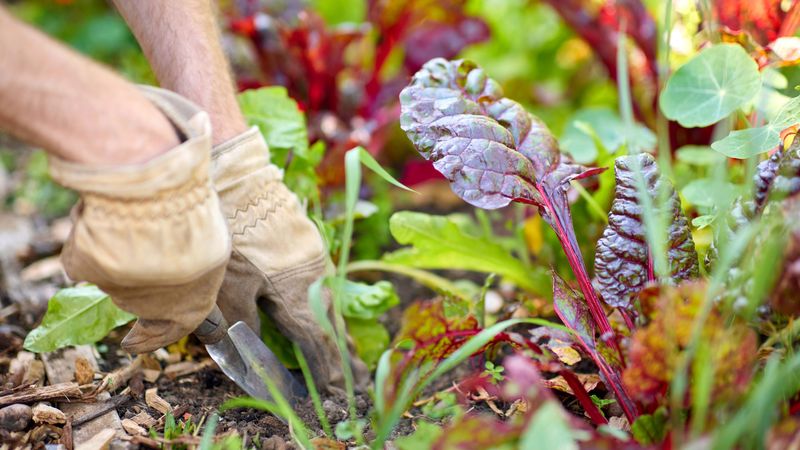
Weeds in September are sneaky, because they look small and harmless. Underneath, they are busy stuffing their roots with energy for next year.
Chickweed, henbit, dandelion, plantain, wild violet, and creeping Charlie all show up in Ohio beds this time of year. Broadleaf weeds actively pull nutrients downward in fall, which is exactly why addressing them now works so well.
Pull after a rain when soil is soft and roots slide out instead of breaking. A narrow weeding fork or hori-hori knife helps with taproots like dandelion.
Get the whole root when you can, especially on creeping Charlie, since leftover pieces happily sprout again. Wild violet is stubborn too, so expect a return visit.
Any weed that has already set seed deserves the trash bag rather than the compost pile. One chickweed plant can scatter thousands of seeds, and those seeds wait patiently in soil for years.
Finish by smoothing the surface so you can see new sprouts easily during warm October days. A quick five-minute walk-through each week catches stragglers before they settle in.
Gardeners who handle weeds in fall often report spending half the time weeding come May. The workload simply shifts to a season when you are not also planting.
6. A Layer Of Mulch Protects Bare Garden Soil
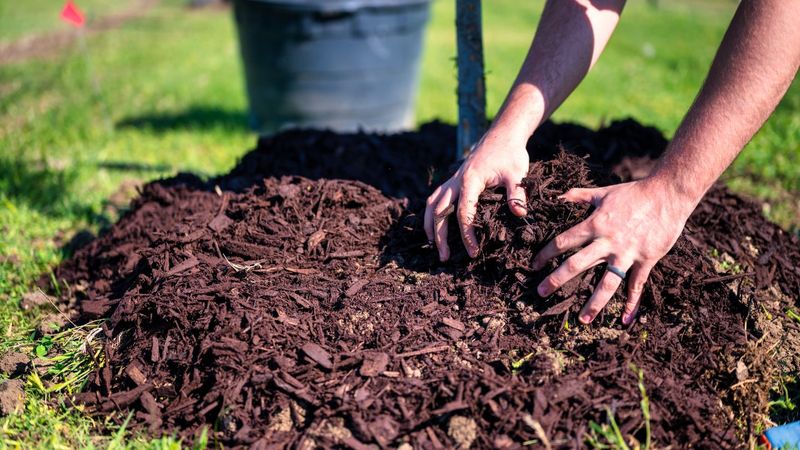
Bare soil through an Ohio winter is a rough deal. Rain pounds it, wind dries it, and freeze-thaw cycles shove it around like a restless sleeper.
Mulch fixes most of that. A blanket of shredded leaves, straw, or fine wood chips insulates roots, steadies soil temperature, and reduces the heaving that pushes perennials and garlic upward.
Timing is worth noting for our region. Late fall, once plants are entering dormancy and the soil has cooled, is generally a better time to apply winter mulch.
Spread two to four inches across the bed surface, keeping material slightly pulled back from the crowns of any overwintering plants. Crowded mulch against stems traps moisture where you do not want it.
Shredded leaves are the local bargain of the year, free and everywhere. Run them through the mower first so they knit together instead of matting into slick sheets.
Beyond winter protection, mulch smothers early weed seedlings and keeps fall rains from carrying soil out through the bed corners. By spring, the bottom layer will already be crumbling into humus.
Come April, rake the mulch aside for a week to let soil warm, then tuck it back around your new transplants. Same material, second job.
7. Cover Crops Can Keep Nutrients From Washing Away
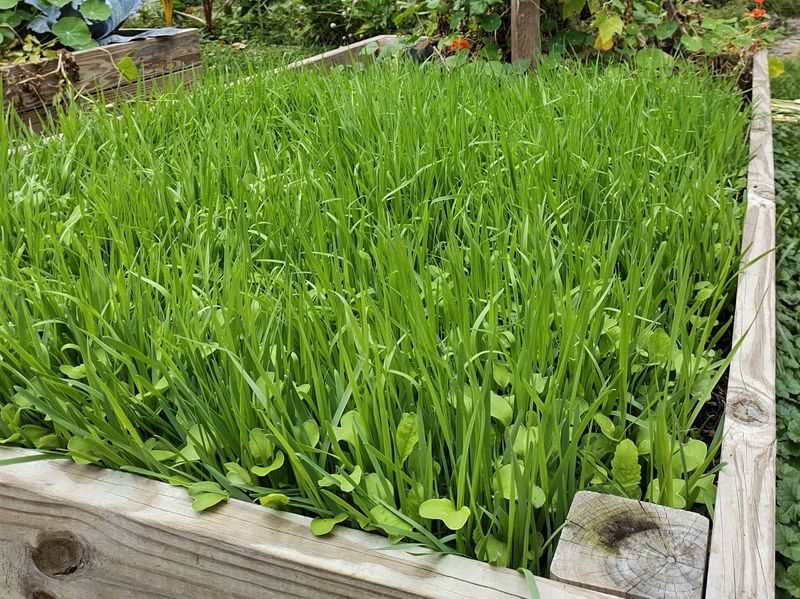
Some gardeners plant one last crop they have no intention of eating. That is the quiet genius of cover crops.
Grown for the soil rather than the kitchen, these plants hold ground in place through winter rain and keep nutrients from draining out the bottom of the bed. Their roots also loosen compaction and feed soil life.
Good picks for Ohio raised beds include oats, which usually winter-destroy and leave an easy mat to plant through. Field peas and crimson clover add nitrogen, and daikon radish drills deep channels through tight soil.
Plant from late September through the end of October so seedlings get real growth before hard cold. Earlier in that window gives better results, especially north of Columbus.
Rake the bed smooth, broadcast seed fairly thickly, then scratch it in and water. Raised beds drain fast, so check moisture for the first week or two.
In spring, cut winter-hardy crops down before they flower and either turn the residue in shallowly or let it sit as mulch. Wait two or three weeks before seeding vegetables.
Farmers in Ohio have used clover this way for well over a century, long before the phrase green manure showed up in catalogs.
8. Soil Amendments Work Best Before Winter Settles In
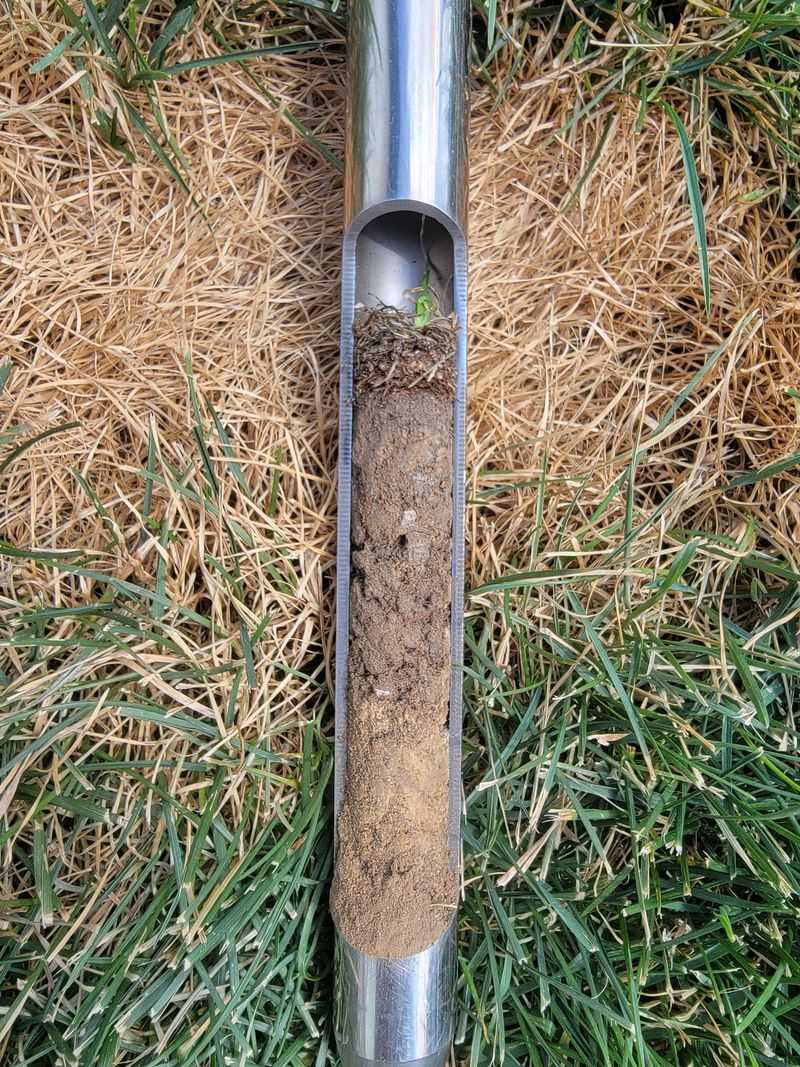
Think of fall amendments as a slow cooker for soil. You add ingredients now, winter does the work, and spring serves the results.
Compost and well-aged manure top the list. Both replace nutrients that a summer of tomatoes and sweet corn pulled out, while improving structure so beds drain well yet still hold moisture.
Spread a layer over cleared beds and incorporate it according to the amendment and your soil needs. Rain, soil organisms, and winter weather will continue working on the material over time.
A soil test is the smartest few dollars you can spend this month. Ohio State University Extension offers testing information, and results tell you whether your bed actually needs phosphorus or just organic matter.
Use those numbers to adjust pH if needed. Lime raises pH and takes months to react, which is precisely why autumn application beats a rushed spring attempt, while peat moss or elemental sulfur lowers it.
Leaf mold, worm castings, and greensand are nice additions too, though none replace plain good compost.
Skip fresh manure on beds you will plant early, since it needs time to mellow. Aged material avoids that whole complication and smells far friendlier.
9. A Cleaner Bed Makes Spring Planting Easier
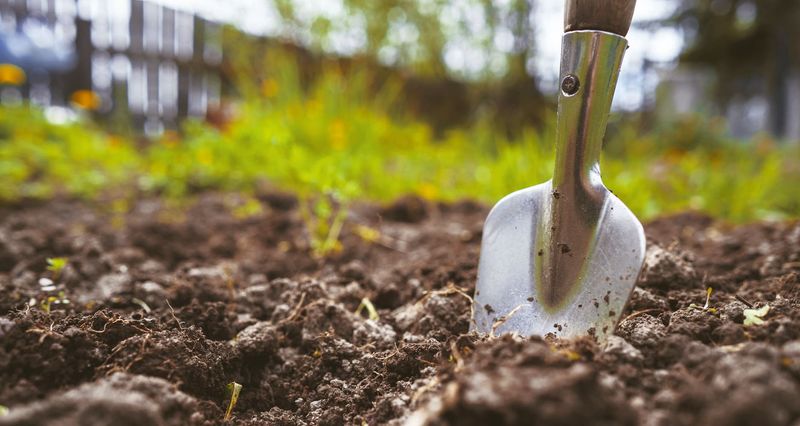
Ask any gardener about their favorite spring moment and plenty will say it is walking out to a bed that needs nothing. That feeling is built in September.
Every task handled now removes one from the busiest month of the year. Instead of pulling old vines while seedlings wait in flats on the porch, you simply rake, plant, and water.
Tidy beds also warm up faster. Soil free of heavy soggy debris responds to March sunshine sooner, which lets you sneak in peas, spinach, and radishes weeks ahead of neighbors still cleaning up.
Young plants meet less competition too. With weeds reduced, pest hideouts cleared, and diseased material gone, roots get room and nutrients without a fight.
Take ten extra minutes to label beds or jot down what grew where. Crop rotation notes are much easier to trust than memory after five snowy months.
Wash and oil your hand tools before storing them, and coil the hose somewhere it will not freeze solid. Small habits, real payoff.
Then go inside, put your feet up, and let Ohio winter do its thing. Your garden is quietly getting ready without you.