Why Tree-Of-Heaven Seedlings In Ohio Yards Are A Bigger Problem Than Free Shade
That fast-growing tree popping up near your fence line in Ohio? It’s not a gift from nature.
It’s tree-of-heaven, and it spreads faster than gossip in a small town. One tree can send up hundreds of root suckers, colonizing your lawn, your neighbor’s property, and every crack in the sidewalk in between.
Homeowners see free shade and think they’ve struck gold. What they’ve actually got is a plant that muscles out native species, cracks foundations, and drags along an unwelcome guest: the spotted lanternfly, a pest that treats this tree like a five-star hotel.
Pull one sapling and three more show up out of spite. This isn’t a shade tree.
It’s a takeover plan, and your backyard is ground zero. Know the signs before it gets a foothold you can’t undo.
1. Recognize Tree-Of-Heaven Before It Takes Over
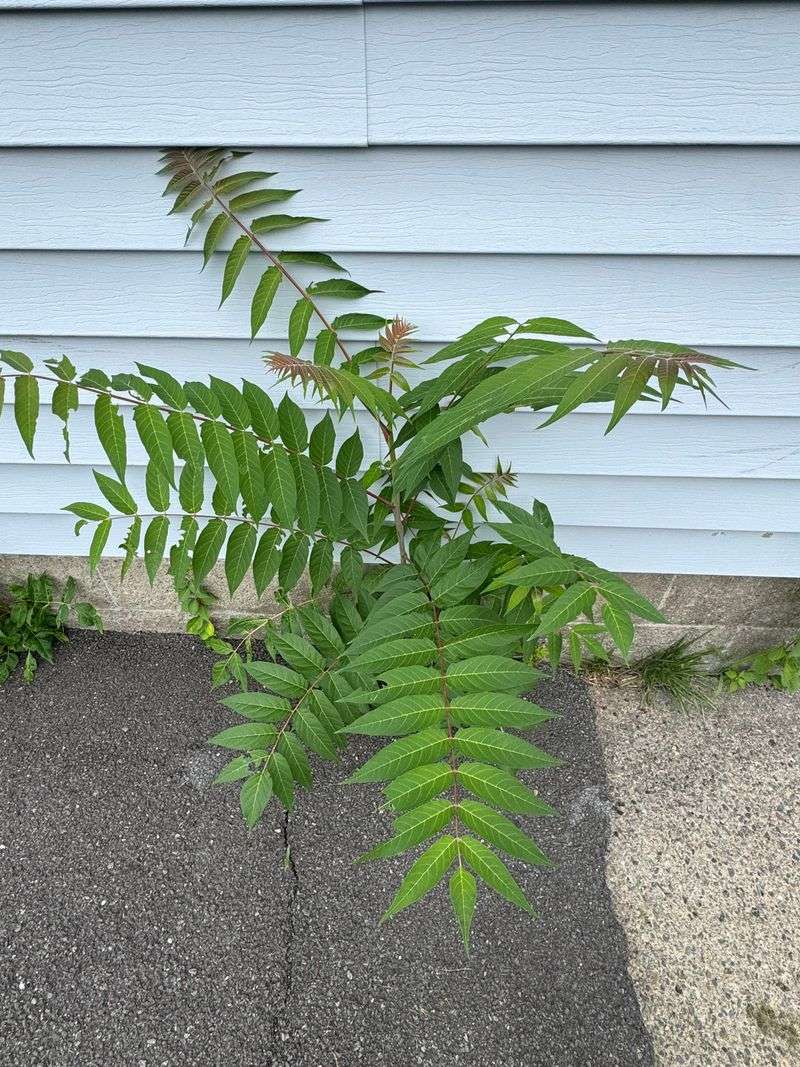
Crush a leaflet between your fingers and the mystery solves itself fast. People compare the odor to stale peanut butter or cat urine, and once you smell it you will remember it.
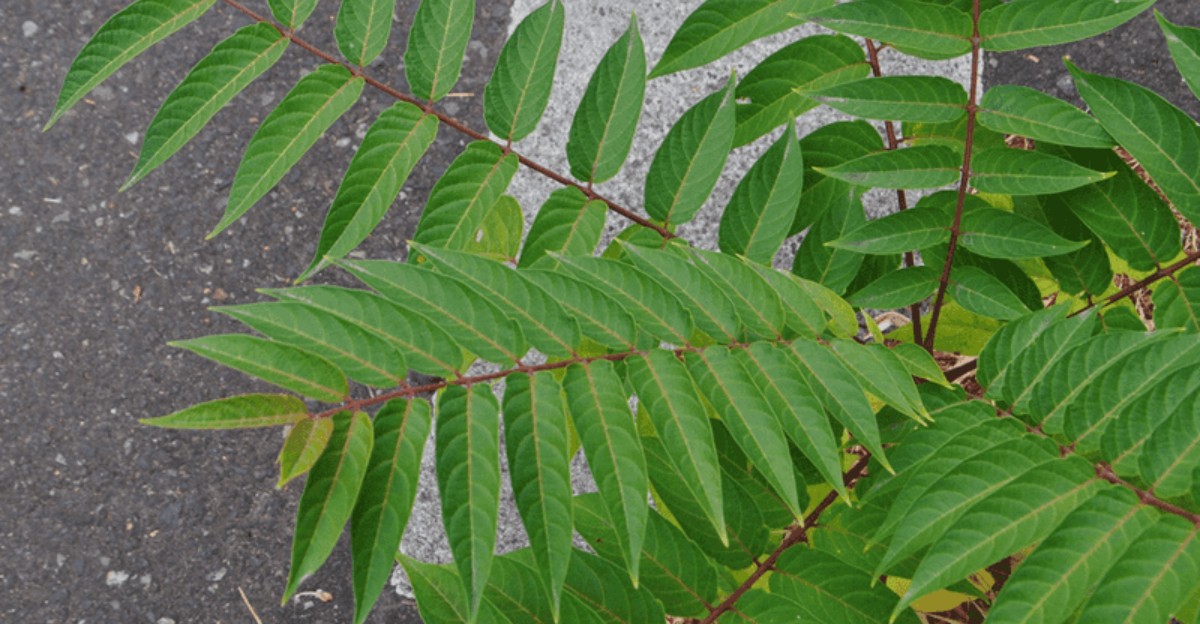
Tree-of-Heaven, or Ailanthus altissima, is known for having very large compound leaves that stand out among many Ohio trees.
They are pinnately compound, which means leaflets line up along a central stalk, and the whole leaf can stretch 12 to 36 inches with anywhere from 11 to 41 leaflets.
Look closely at each leaflet. The edges are smooth except for one to several bumpy glandular teeth right near the base, a detail that separates it from lookalikes.
Winter twigs are stout, olive-tan, snap easily, and leave big heart-shaped or U-shaped scars. Young bark is smooth and pale gray, while older trunks develop light-tan fissures and streaks that many folks say resemble a cantaloupe rind.
Female trees hang heavy clusters of winged seeds called samaras. They shift from green, yellow, orange, or red in summer to beige and brown by early winter, often clinging on until spring.
Black walnut and sumac get blamed by mistake. Walnut leaflets are serrated all the way around, and sumac shows fuzzy branches plus red berry clusters, so check those clues before you reach for the loppers.
2. Spot Fast Growth That Outpaces Native Trees
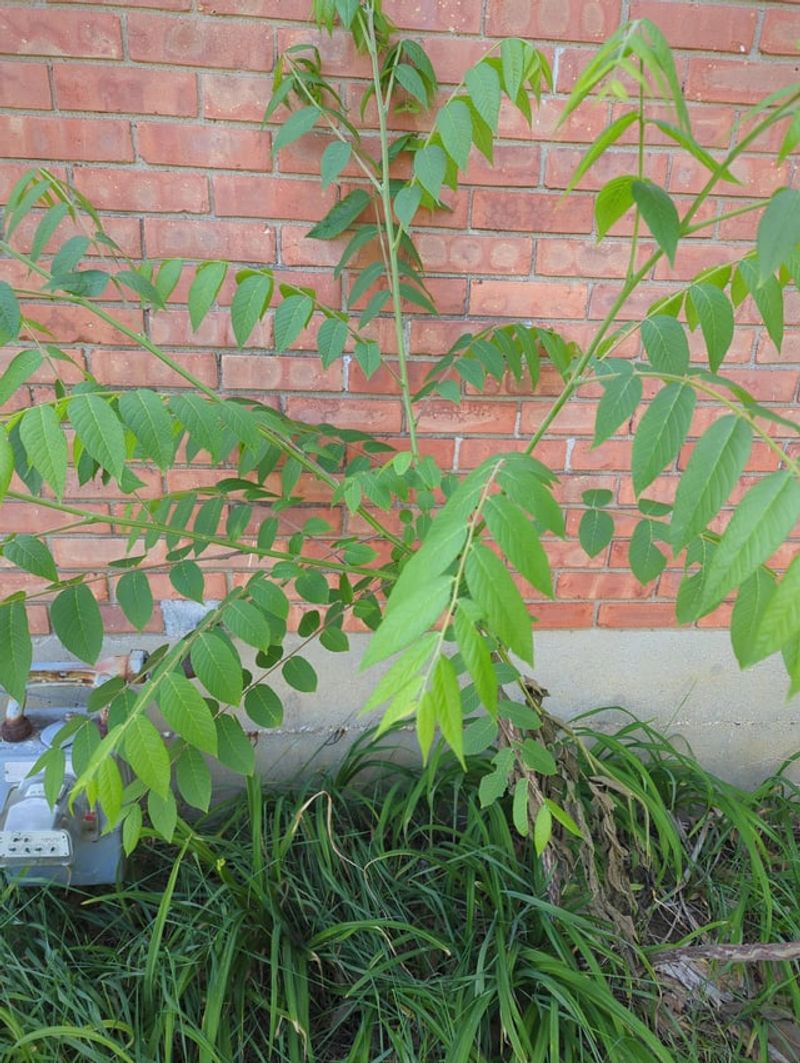
Three hundred thousand seeds. That is what one mature female Tree-of-Heaven can toss into the wind in a single year, and the wind carries them cheerfully over fences and rooftops.
Growth speed is the other half of the story. A fresh sprout can gain 6 to 12 feet in its first season, then keep adding 3 feet or more every year after that.
Mature specimens reach 60 to 80 feet tall with trunks 3 to 6 feet across. Seed production can begin when the tree is only two or three years old, so a sapling you ignored last spring may be seeding the neighborhood by the time it clears the garage roof.
Compare that with a young oak or sugar maple. Those natives take their time, building dense wood and deep partnerships with local wildlife, which means they simply cannot win a footrace against this newcomer.
Your Ohio Garden Changes Every Week. Your Plan Should Too.
Gardening in Ohio changes quickly throughout the season. Every Friday you’ll receive a simple weekly plan showing exactly what to plant, prune, fertilize, harvest, and protect so you never miss the right timing.
Disturbed ground gives the invader its biggest head start. Fresh trenches, storm-damaged corners, and bare soil from a construction project are exactly the openings it exploits before slower neighbors get established.
If a volunteer tree seems to be growing at a suspicious pace, treat that vigor as a clue rather than a bonus and check the leaves.
3. Remove Seedlings Before Roots Spread Further
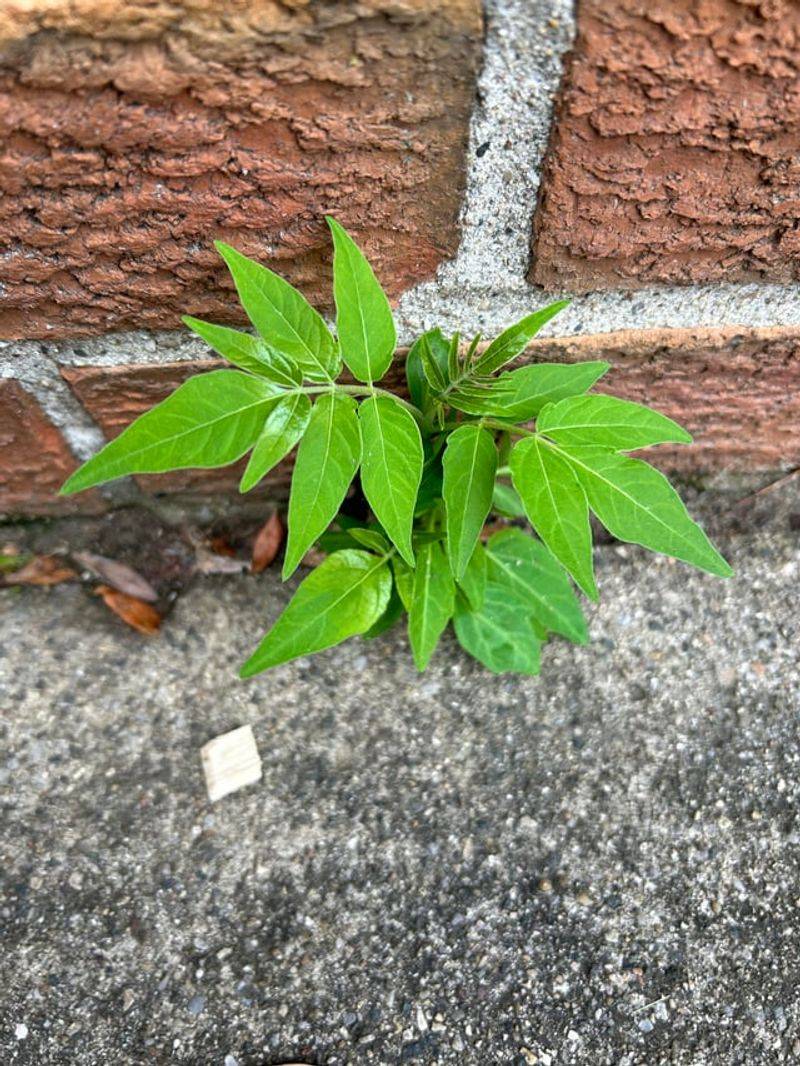
Timing beats muscle with this one. A finger-thin seedling in damp spring soil slides out with a steady pull, while the same plant a year later will fight you and probably win.
Spreading happens two ways: wind-blown seeds and an ambitious root system that pushes up new shoots. Those root sprouts can pop up 50 feet or more from the parent, which is why a single tree can turn a fence line into a thicket.
Hand pulling works nicely on small infestations, but the whole root has to come along. Leaving portions of the root system behind can allow new shoots to appear later, making complete removal much harder.
Water the spot first if the ground is hard. Loosening the soil with a hand fork gives you a better grip on the taproot and reduces snapping.
One tricky detail trips up plenty of homeowners. Root suckers look almost identical to seedlings, yet they are anchored to a big underground network and rarely surrender to hand pulling.
The quick test is resistance. If the stem feels tethered to something thick and stubborn below, you are tugging on a sucker, and the real target is the parent plant somewhere nearby.
Walk your yard monthly, bag what you pull, and the population stays manageable.
4. Watch For New Shoots Around Mature Trees
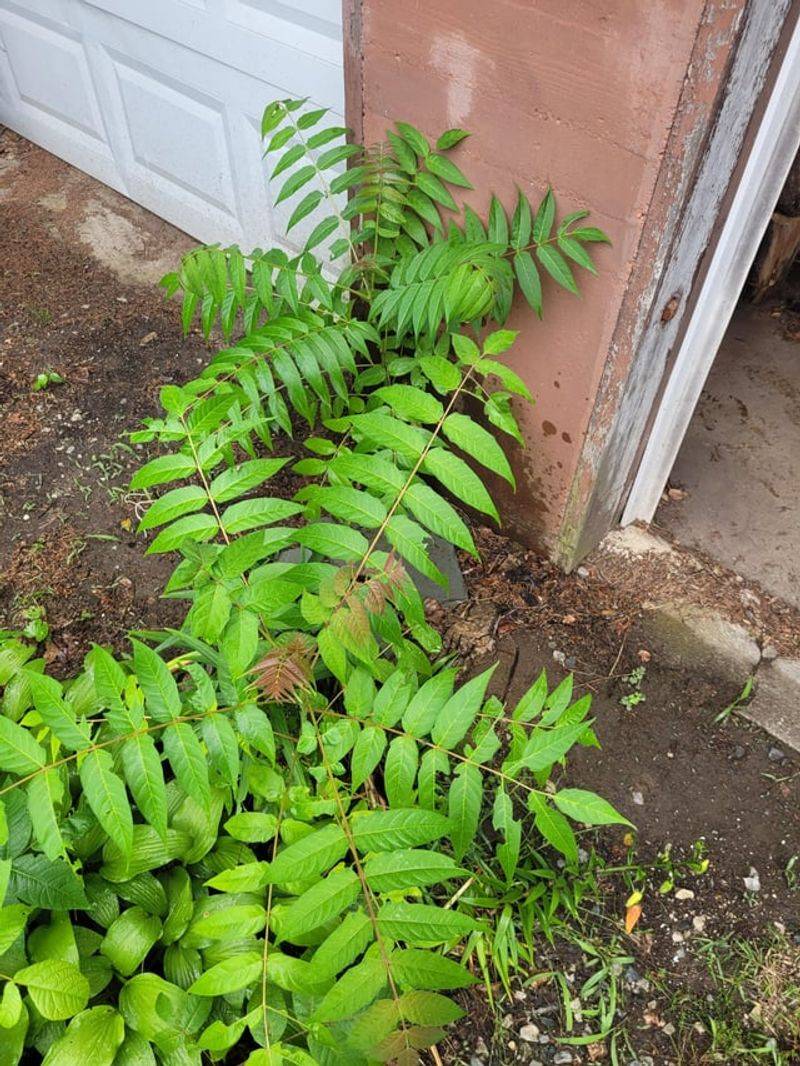
Cut the trunk and the yard answers back. Homeowners often report a ring of fresh green shoots showing up within weeks, some of them a surprising distance from the original stump.
That reaction has a name: root suckering. Damage to the main stem from sawing, storms, or fire signals the root system to push replacements up through lawn, mulch, and even flower beds.
Suckers grow far faster than seedlings because they tap into an established root network already stocked with stored energy. Yearly gains of 6 to 10 feet are common, which is why last month’s tidy lawn edge can look like a hedge by August.
Scan the ground in widening circles around any suspected parent tree. Check under decks, beside downspouts, and along the base of privacy fences where mowers cannot reach.
Keep a simple record. Jotting down where sprouts appear helps you map the root spread and shows whether your management plan is gaining ground.
Resist the urge to chop everything in sight. Repeated cutting without follow-up treatment mostly teaches the roots to send up more shoots, and each round of clipping can multiply your workload.
Noticing the pattern early gives you a real advantage, because a small cluster of suckers is far easier to handle than a full thicket.
5. Understand Why This Tree Crowds Out Natives
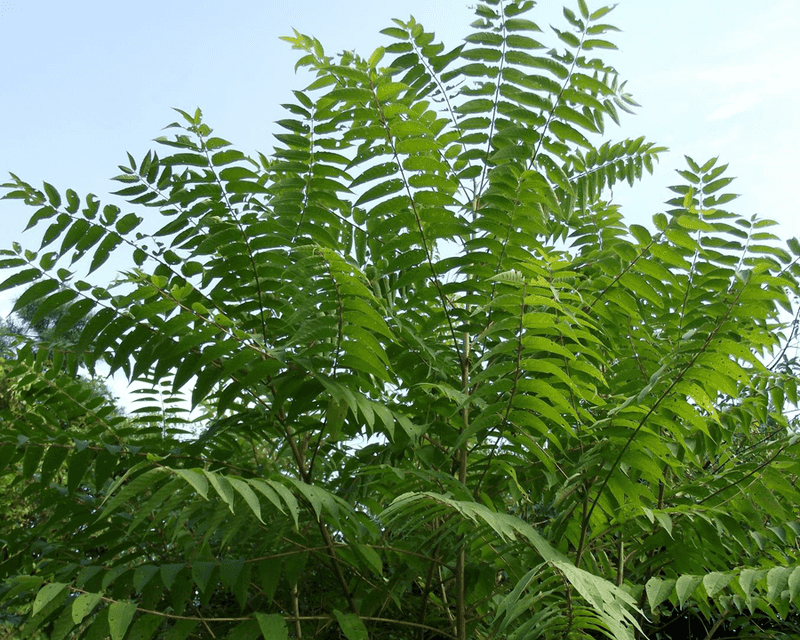
Chemistry, not just shade, explains the empty ground beneath these trees. Roots, bark, and fallen leaves release a compound called ailanthone into the soil, and it interferes with the sprouting and growth of neighboring plants.
Scientists call that trick allelopathy. In plain terms, the tree quietly tilts the playing field so competitors struggle before they ever get tall enough to compete for light.
Resource grabbing does the rest of the work. Water and sunlight both get claimed, and dense single-species colonies throw so much shade that desirable natives fade out underneath.
Toughness makes the whole strategy work. Drought, road salt, air pollution, compacted ground, poor soil, and baking summer heat barely slow it down, which is how it thrives where fussier trees give up.
Disturbance is the invitation. Full sun on freshly churned soil is practically a welcome banner, so construction zones and cleared lots become launch pads.
Wildlife gets very little in return. Local birds, insects, and mammals find minimal food value here, unlike an oak or a hackberry that feeds dozens of species.
So the shade you thought you were gaining comes with a bill. Soil conditions shift, plant variety shrinks, and the yard slowly becomes a one-tree show with fewer visitors worth watching.
6. Check Cracks, Alleys, And Fence Lines For Seedlings
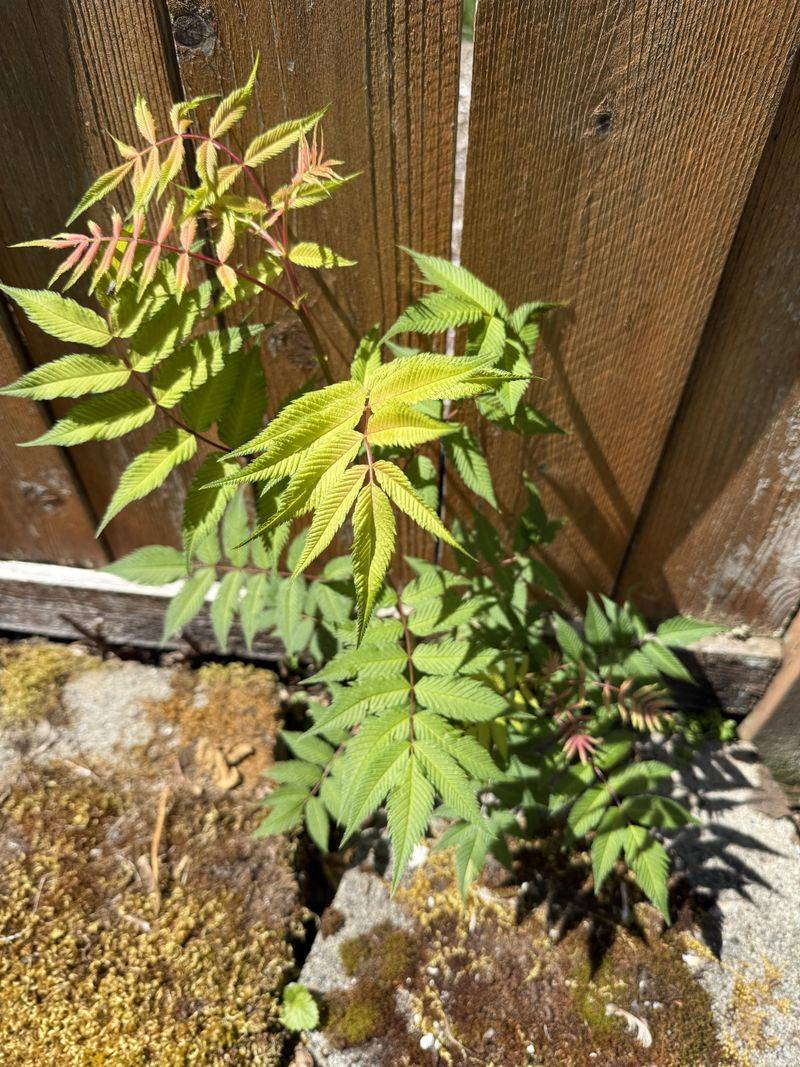
Sidewalk cracks are prime real estate for this plant. So are alley edges, vacant lots, roadsides, foundation seams, and that skinny gap between a garage and a chain link fence.
Neglected corners are where scouting pays off most. Nobody mows there, nobody weeds there, and a seedling gets a full season of quiet growth before anyone glances its way.
Soil quality hardly matters. Shallow, infertile, oddly acidic or alkaline, gravelly, or packed hard as a driveway, the seedlings settle in anyway, and urban smog does not bother them either.
Old construction areas and rubble piles deserve a look too. Bricks, broken concrete, and leftover fill create warm pockets where seeds catch and germinate.
One helpful quirk: shaded natural woodlands are rarely invaded. Sunlight is the requirement, so your scouting should focus on bright, open, beat-up ground rather than the shady back corner of a wooded lot.
Make a loop part of your routine. Walk the property line, peek behind the shed, check the alley side of the fence, and look along the base of retaining walls twice a season.
Neighbors matter here as well. A seeding tree two doors down keeps restocking your cracks, so a friendly conversation can save everyone a lot of future pulling.
7. Avoid Simple Cutting That Triggers More Sprouts
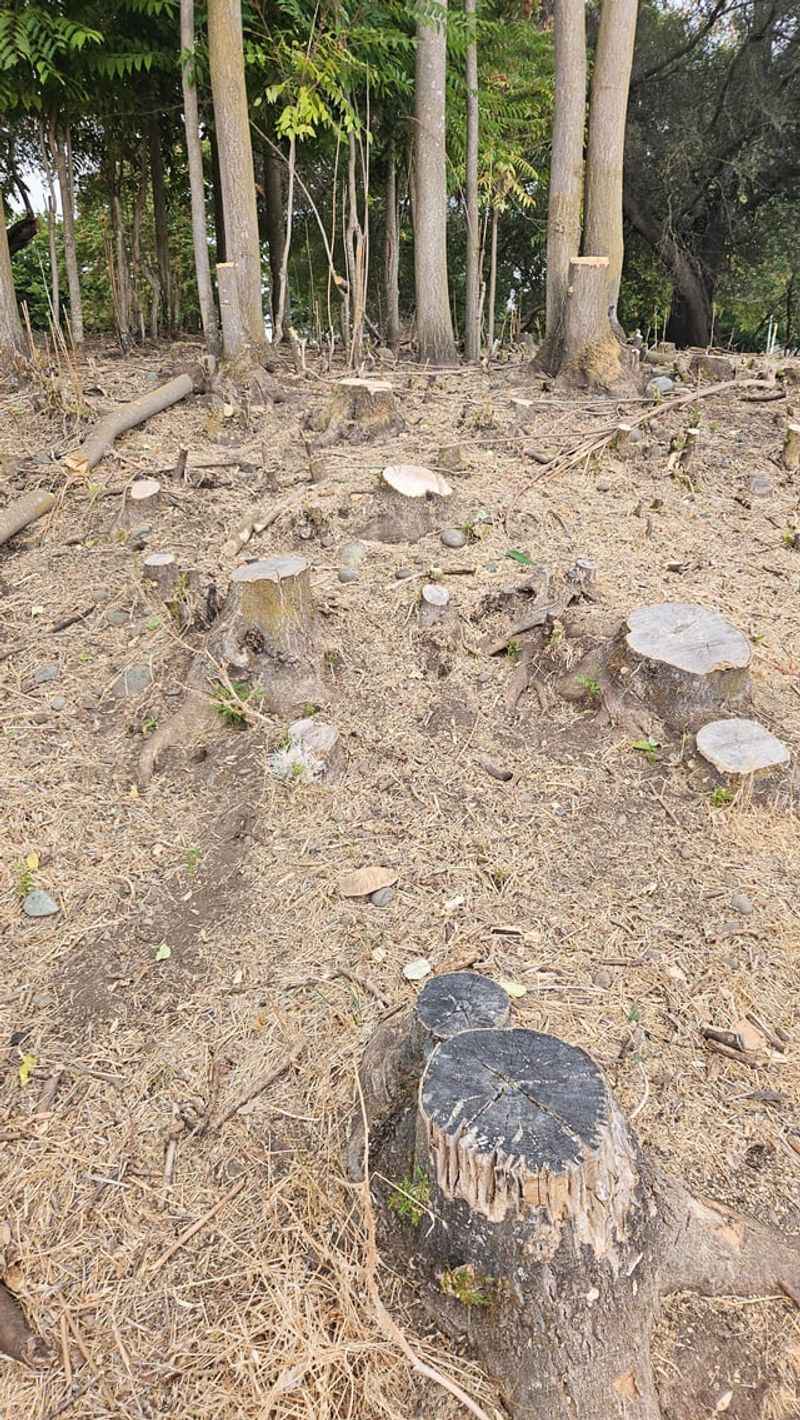
Reaching for the chainsaw feels satisfying and usually backfires. The visible trunk is only the tip of a large living root system, and removing the top without treatment sets off a sprouting spree.
Dozens of new shoots can appear, some many feet from where the tree stood. Suddenly one problem stem becomes a scattered crowd, and each shoot has that turbocharged root network behind it.
Mowing and repeated cutting alone can eventually drain the plant’s stored food, but it takes a lot of seasons and a lot of persistence. Resprouting from stump and roots keeps testing your patience the whole way.
Treating only the cut stump often falls short too. The chemical may handle that one spot while distant roots keep pushing shoots up elsewhere in the yard.
Timing is the real lever. Systemic treatments are often most effective when the plant is actively moving resources into its roots, so timing should follow the product label and local recommendations.
Read labels carefully and follow them exactly. For big trees, near water, or close to a property line, hiring a licensed applicator or calling your county extension office is a smart move.
Patience plus proper timing beats brute force here, and it saves you years of chasing sprouts.
8. Replace Invaders With Better Ohio Native Trees
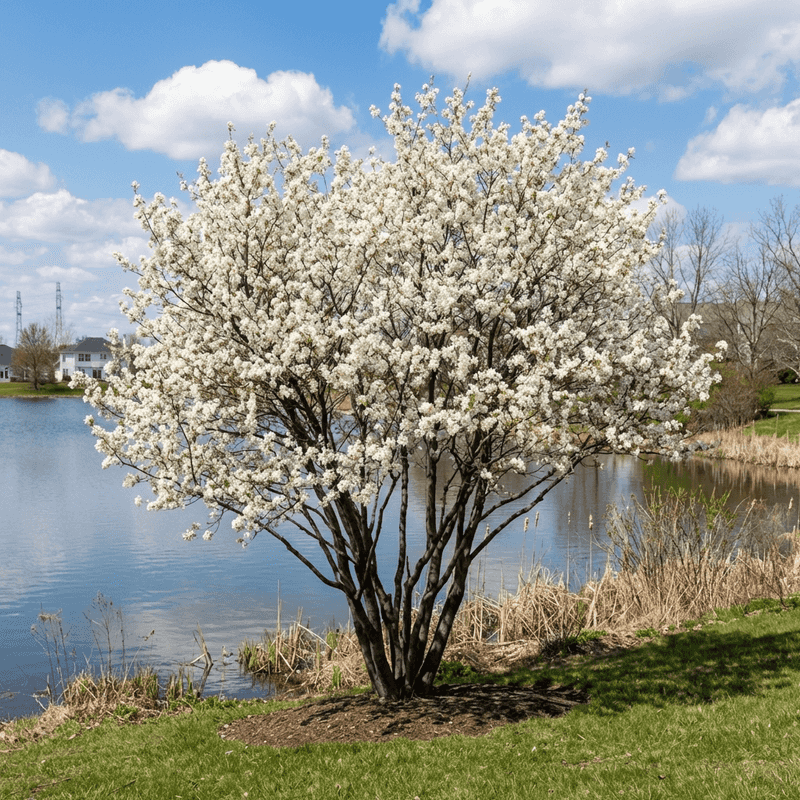
Bare spots do not have to stay bare. Swapping an invader for an Ohio native gives you shade plus a yard that actually feeds the birds and butterflies you enjoy watching.
For shade and structure, consider hackberry, American basswood, American sycamore, black walnut, shagbark hickory, tulip tree, or one of the native oaks. Ohio buckeye brings state pride along with early spring flowers.
Smaller yards have great choices as well. American hophornbeam, redbud, flowering dogwood, and serviceberry stay modest in size while offering blooms, fruit, and lovely fall color.
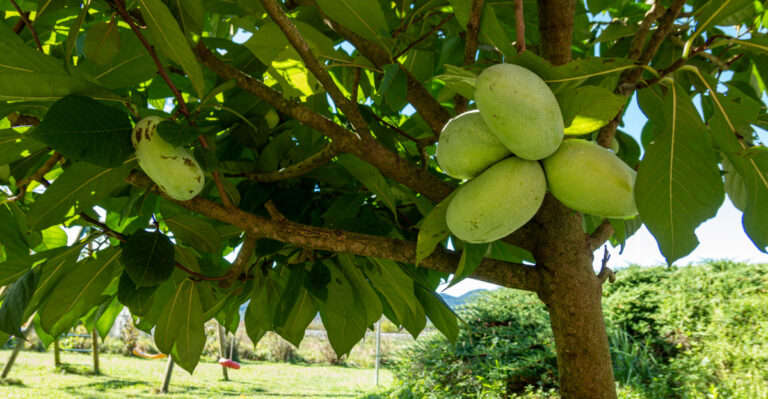
Fancy something edible? Pawpaw produces custardy tropical-tasting fruit and hosts the zebra swallowtail butterfly, while northern pecan eventually delivers nuts worth waiting for.
Cucumber magnolia and sweetbay magnolia add big bold leaves and fragrance. American beech offers smooth gray bark and golden autumn leaves, and eastern red cedar or white pine keep things green all winter.
Maples round out the list. Red maple handles damp ground well, and sugar maple gives you that classic October glow.
Plant in fall or early spring, water through the first two summers, and mulch in a wide ring while keeping it off the trunk. A native tree may grow slower at first, but it pays dividends for generations.
9. Reduce Lanternfly Habitat Around Your Property
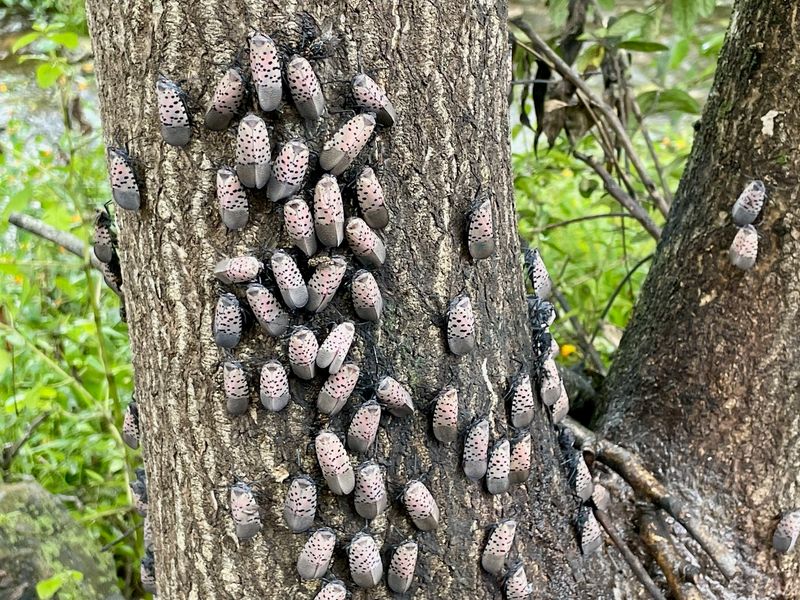
Here is the twist that changes the whole conversation. Tree-of-Heaven is the favorite host plant of the spotted lanternfly, an invasive insect that has been detected in parts of Ohio and continues to be monitored by state officials.
Late-stage nymphs and adults pile onto the trunks, stems, and branches in startling numbers. That crowding seems to help the insects reproduce and spread into surrounding neighborhoods.
The insects do not stop at one plant, though. Grapes, hops, fruit trees, and various hardwoods all show up on their menu, which worries Ohio growers and orchard owners.
Feeding damage comes from sap sucking, which stresses trees over time. The bugs also excrete a sticky substance called honeydew that coats leaves, decks, and patio furniture, then grows sooty mold and draws in wasps and ants.
Reducing the host plant on your property is one recommended step. Fewer preferred trees means fewer gathering spots, and that helps protect your grapes, garden, and neighbors too.
Land managers sometimes keep a few stems on purpose as trap trees, treating them with systemic insecticide so visiting lanternflies are drawn in and removed. That approach belongs in trained hands, not casual weekend projects.
Report sightings to the Ohio Department of Agriculture, and check vehicles and firewood before travel to avoid hitchhikers.