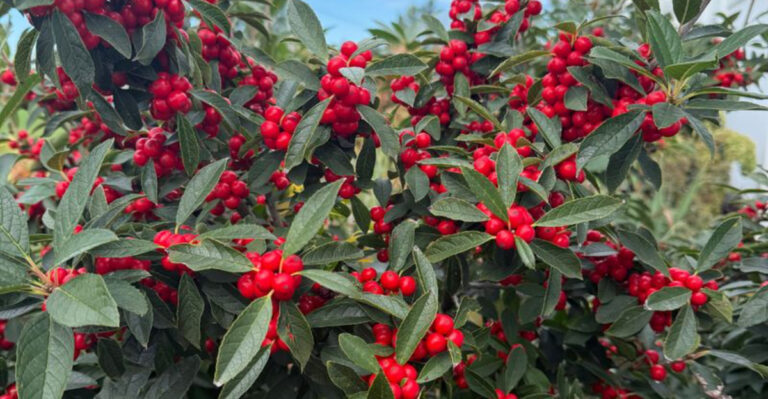
9 New York Vegetables To Harvest Before September Ends
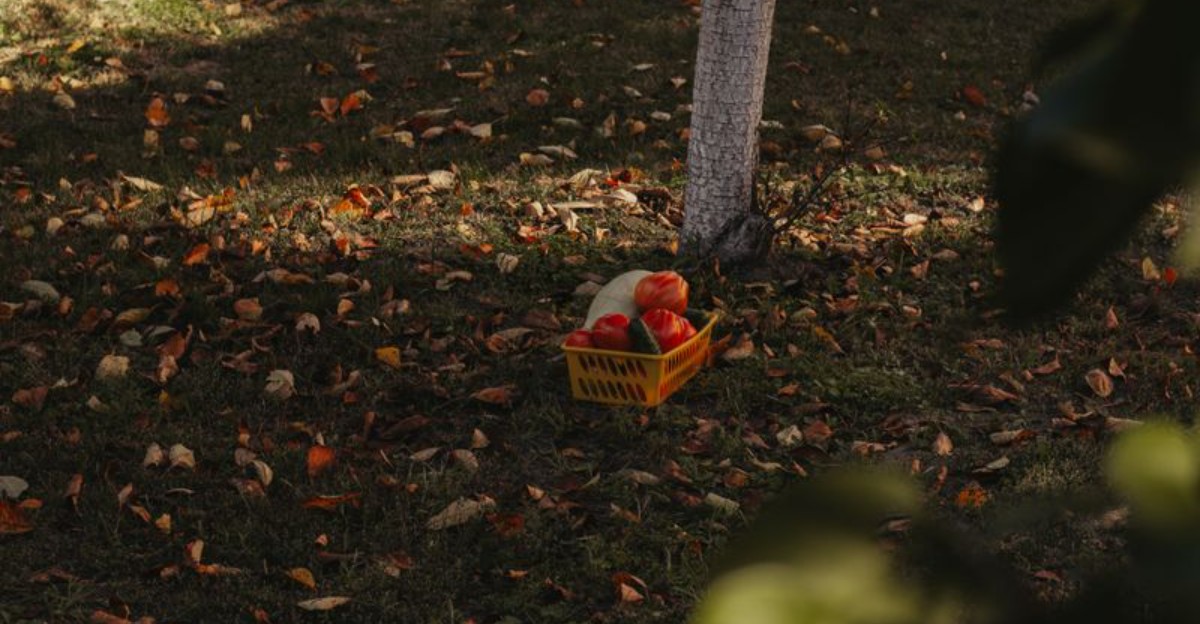
Cool mornings have arrived, and the garden is starting to feel the shift. Leaves droop earlier, the light turns golden, and summer crops are running out of time.
September brings one of New York’s final big harvest windows. Wait too long, and tomatoes soften, cucumbers become oversized, and sweet corn loses its peak flavor.
Most crops give you clues when they are ready. A brown silk, glossy skin, or firm stem can tell you when to pick.
Knowing those signs makes the final harvest feel less rushed. Grab a basket and a pair of sharp pruners, then take one last walk through the garden before October arrives.
1. Tomatoes Need Picking Before September Ends
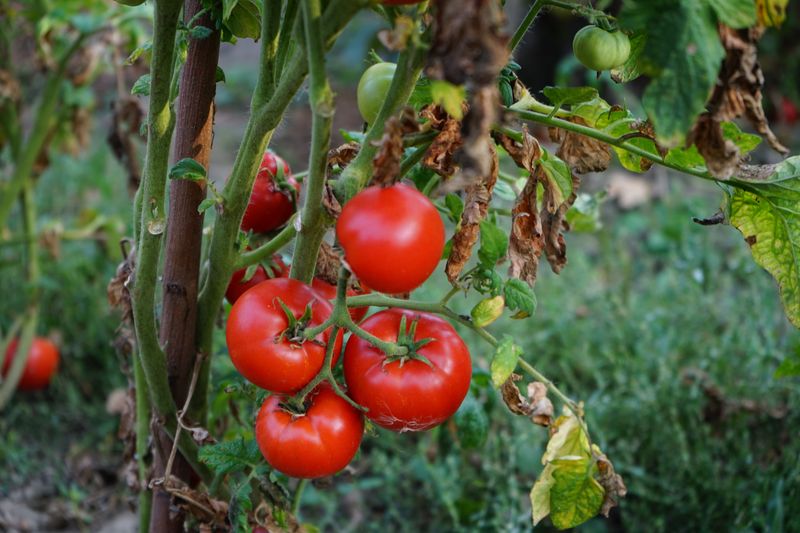
Nothing beats slicing a sun-warmed tomato that finished ripening right on the vine. September gives gardeners one final easy stretch of that flavor.
Vines here often produce until the first hard frost arrives. Still, chilly nights below 50 degrees can dull taste and soften texture.
Watch for the breaker stage, when green skin shows its first blush of color. Fruit picked then ripens indoors with no real loss of quality.
Heavy rain is another good reason to pick early. Soaked fruit splits fast, and split skin invites rot.
Wrap green tomatoes in newspaper and lay them in a single layer inside a box. Keep that box dark and cool, around 55 to 60 degrees.
A paper bag works too, especially with an apple or banana tucked inside. Those fruits release ethylene gas, which nudges tomatoes toward red much faster.
Late September is a reasonable time to remove new flowers and tiny fruit that are unlikely to mature before frost. That lets the plant put more of its remaining resources into fruit that is already developing.
By mid October, a hard frost turns anything outside mushy and sad. Clearing the vines before then saves buckets of fruit.
Sort your harvest by ripeness so nothing hides at the back of the bin. Check every couple of days and cook the softest ones first.
Green tomatoes also shine fried, pickled, or simmered into relish. Nothing gets wasted, and your kitchen smells wonderful for hours.
Friends in cooler counties swear by hanging whole vines in a garage. The fruit keeps ripening slowly while cold weather settles in outside.
2. Peppers Keep Producing Into Late September
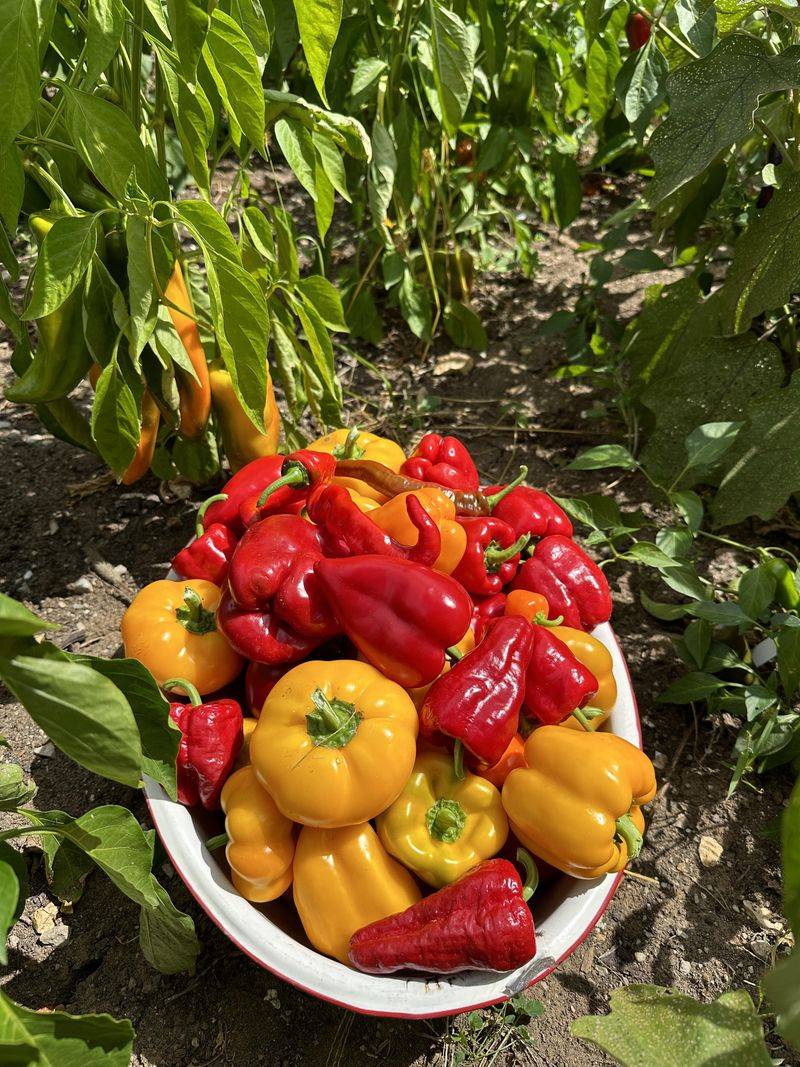
Peppers act like sun lovers who dislike a cold breeze. They keep setting fruit through July, August, and deep into September.
Across New York, harvests often stretch into October when autumn stays mild. Cold bothers peppers more than tomatoes, so keep an eye on forecasts.
Picking often is the trick most gardeners forget. Every pepper you remove signals the plant to push out another one.
Four to six weeks before your expected first frost, start pinching new blossoms. Those late flowers rarely have time to become anything useful.
That small move sends energy into the peppers already hanging on the branches. Walls thicken, colors deepen, and sweetness climbs noticeably.
The length of the growing season varies across the state, so local frost dates matter when planning late pepper harvests.
Your New York Garden Changes Every Week. Your Plan Should Too.
Gardening in New York changes quickly throughout the season. Every Friday you’ll receive a simple weekly plan showing exactly what to plant, prune, fertilize, harvest, and protect so you never miss the right timing.
Green bells are often harvested before they reach their mature color. If the variety is bred to ripen red, yellow, or orange, leaving fruit on the plant longer allows it to develop that color and a sweeter flavor.
Use scissors or pruners instead of yanking fruit off the stem. Brittle branches snap easily once plants are fully loaded.
Hot peppers dry beautifully on a string in a warm kitchen. Sweet peppers prefer the freezer, sliced and spread on a tray.
A light frost warning means harvest everything within reach that evening. Peppers stored around 50 degrees stay crisp for a week or two.
Row cover thrown over plants on a chilly night buys extra days. Lift it each morning so bees can still visit blossoms.
Taste one raw before you pull the whole planting. That single bite tells you more than any calendar ever could.
3. Eggplants Are Ready While Nights Stay Warm
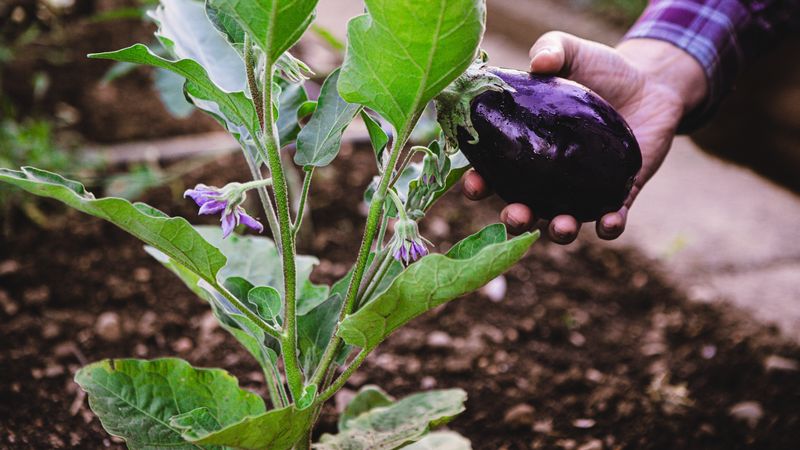
Glossy purple skin is the giveaway that an eggplant hit its sweet spot. Harvest runs from July through September in most gardens here.
Slightly immature fruit tastes best, with tender flesh and small seeds. Waiting too long brings bitterness and a spongy bite.
Press the skin gently with your thumb. If the dent springs back, grab your pruners.
A dent that stays put means the fruit sat too long. Dull, faded skin sends the very same message.
Overripe fruit left hanging also steals energy from new blossoms. Regular picking keeps the plant motivated while nights stay warm.
Those warm nights matter more than warm days for this crop. Once temperatures dip near 50, growth slows to a crawl.
Stems are tough and woody, so cutting beats tugging. Leave about an inch of stem attached for longer storage.
Wear gloves if your variety has spiny caps. Tiny thorns hide right where your fingers naturally land.
When frost enters the forecast, pick underripe fruit and finish it indoors. A paper bag with a banana speeds things along nicely.
Store harvested eggplant around 50 degrees, not in a frigid refrigerator. Cold damage shows up as pitting and brown patches.
Grill thick slices with olive oil and salt for an easy dinner. Leftovers turn into a smoky spread the following day.
Smaller varieties like Fairy Tale mature faster than heavy globe types. Gardeners in cooler counties often get better results from those.
Count backward from your frost date when planning next season. Starting transplants early makes a real difference.
4. Snap Beans Need Regular Late Season Picking
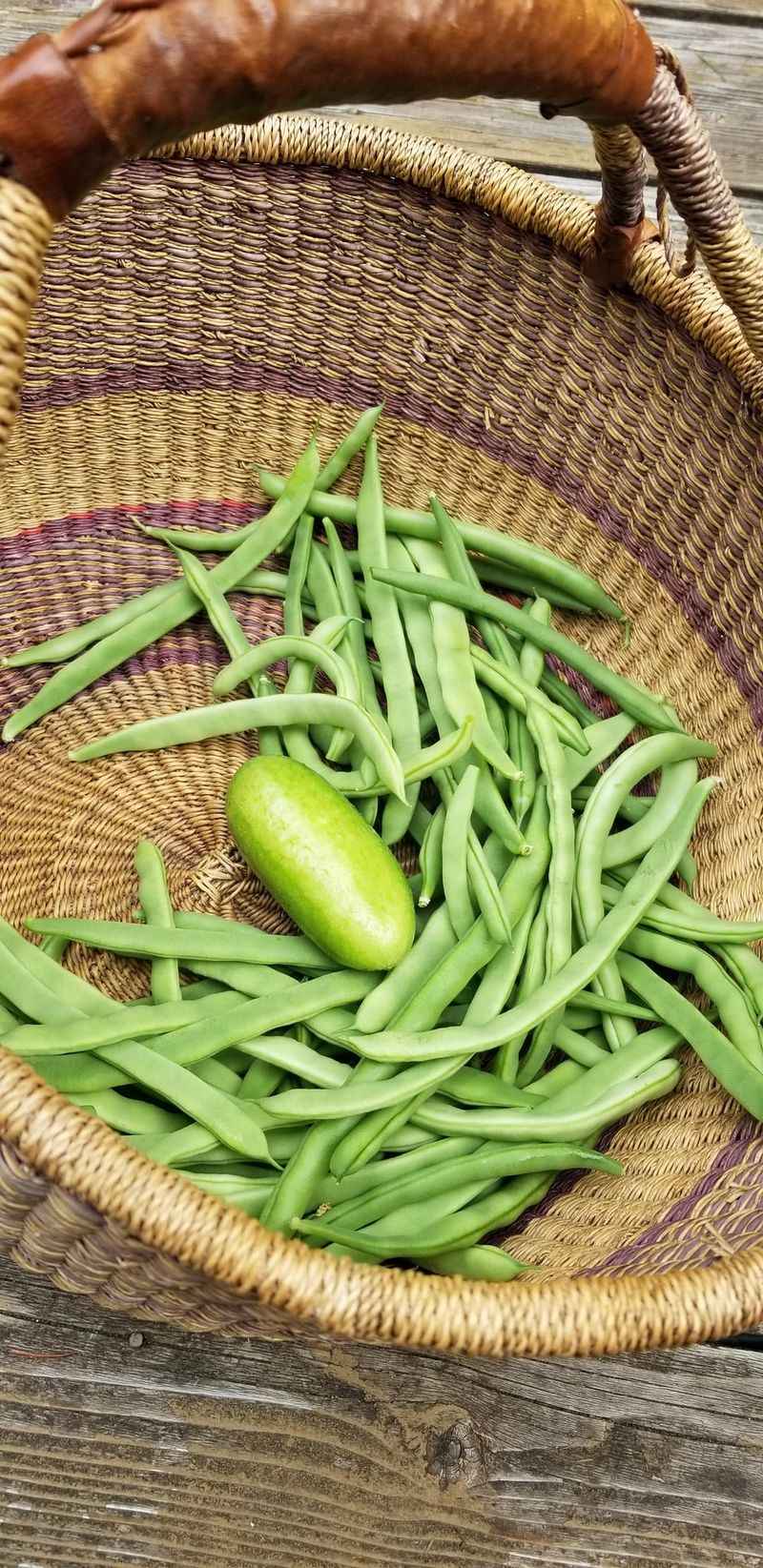
Snap beans reward the gardener who visits the row every other day. Skip a few days and you get tough, stringy pods.
Late summer plantings keep producing well into September. Cool nights actually improve pod flavor and tenderness.
Picking signals the plant to make more flowers. Leaving mature pods tells it the job is finished.
Harvest when pods snap cleanly and inner seeds are still small bumps. That crisp break is where the name comes from.
Hold the vine with one hand while pulling with the other. Bean plants have shallow roots that lift out easily.
Morning picking works best, once dew has dried off the leaves. Wet foliage spreads rust and bacterial spots between plants.
Bush types produce in heavy waves over two or three weeks. Pole beans trickle along steadily until frost arrives.
Pods that got fat and lumpy still have a purpose. Let them dry on the vine and save those seeds.
Fresh beans hold about a week in the refrigerator crisper drawer. Blanching and freezing keeps them bright green for months.
Feed plants a light dose of compost tea midseason. Beans make their own nitrogen, so skip heavy fertilizer.
Pull spent plants and leave the roots down in the soil. Those little nodules give next year’s crop a head start.
One warm week can turn a thin harvest into a bumper crop. Keep checking even when the row looks bare.
Neighbors rarely turn down a bag of fresh beans. Sharing beats letting extras go soft in the fridge.
5. Cucumbers Can Become Overgrown In Days
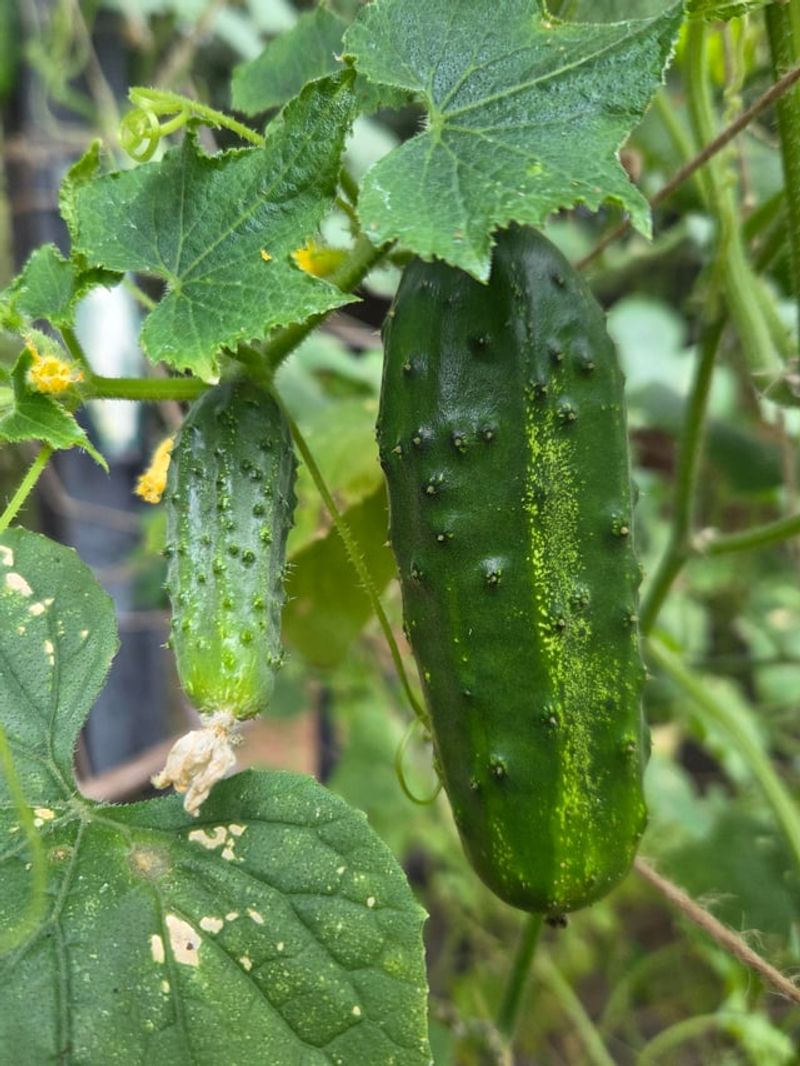
Turn your back on a cucumber vine and you will find a baseball bat. Growth speeds up fast during warm, humid stretches.
The harvest window here runs from early June through mid September. Frequent picking keeps vines flowering and setting new fruit.
Slicing types taste best around six to eight inches long. Pickling varieties shine when they are three to four inches.
Yellowing skin means seeds have hardened inside. Flavor turns bitter and the texture goes watery.
Cut fruit with pruners instead of twisting it free. Damaged vines invite disease and slow production.
A second planting made four to six weeks after the first extends harvest nicely. Gardeners often use that trick for September cucumbers.
Frost tenderness is the big limit for this crop. Even a light freeze finishes plants and seedlings quickly.
New York City enjoys roughly 230 frost free days, which is generous. Albany works with about 157, so timing matters much more upstate.
Water deeply and consistently for straight, sweet fruit. Uneven moisture causes curled shapes and bitter ends.
Mulch under the vines keeps soil temperature steady and fruit clean. Straw or shredded leaves both work fine.
Store unwashed cucumbers in the warmest part of your refrigerator. Very cold air causes pitting within a few days.
Overgrown ones still make decent relish or refrigerator pickles. Scoop out the big seeds and slice thin.
Powdery mildew often shows up by September on older leaves. Remove the worst ones and harvest from healthy growth.
6. Summer Squash Needs Frequent Harvests
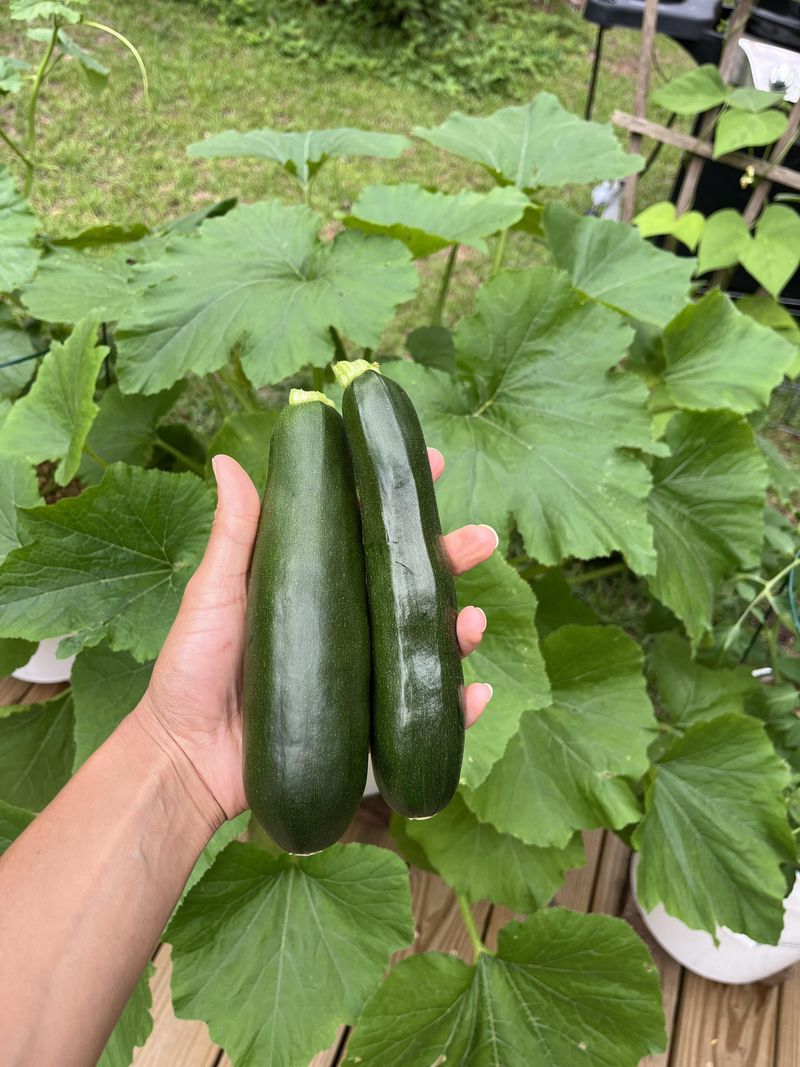
Zucchini has a reputation for sneaking up on people. One warm weekend away and a small fruit becomes a doorstop.
Summer squash, including yellow crookneck and patty pan, gets picked immature. Roughly six inches is the sweet spot for tenderness.
Frequent harvesting is the whole game with these plants. Each cut pushes the vine to set another blossom.
Skin should be thin enough to scratch with a fingernail. Thick, tough rind means the fruit sat too long.
Production continues until frost as long as warm days hold. Many gardens here keep producing squash right through September.
Use a knife and leave a short stem on each fruit. Torn stems create an opening for rot in storage.
Male blossoms outnumber female ones, which confuses new gardeners. Only flowers with tiny fruit behind them become squash.
Extra blossoms are delicious stuffed with cheese and pan fried. Pick them in the morning while they are open.
Squash vine borers can weaken stems by late summer. Mound soil over the base to encourage fresh roots.
Shred oversized fruit and freeze it in measured bags. Winter bread and soup will thank you later.
Cool storage around 45 to 50 degrees holds quality for a week. Avoid washing until you are ready to cook.
Two plants usually feed a family with plenty left over. Three plants means you will be visiting neighbors often.
A quick check morning and evening prevents surprises. The difference between tender and tough is about two days.
7. Sweet Corn Has A Short Harvest Window
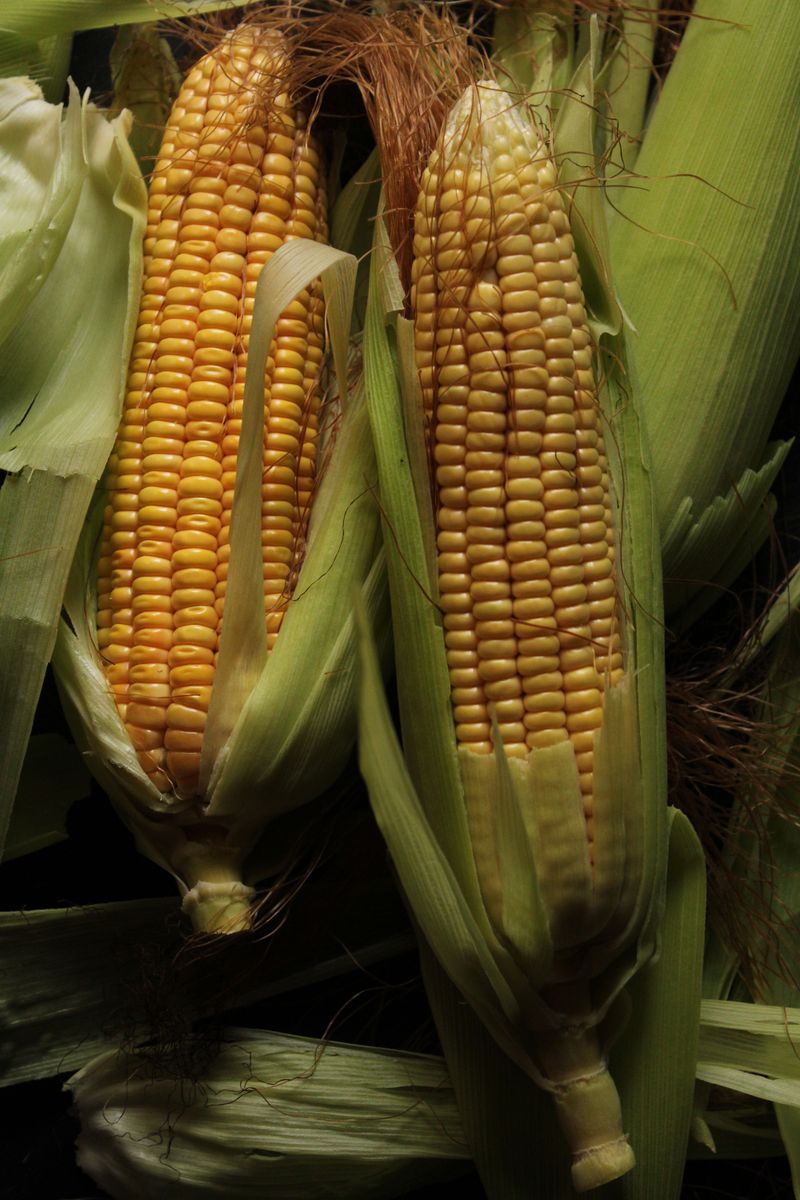
Sweet corn keeps the tightest schedule in the whole garden. Peak sweetness lasts only a couple of days per ear.
The season across New York runs mid July through mid September. Some farms stretch it to October when weather cooperates.
Brown, dry silks are your first clue that an ear is ready. Husks should still be green and wrapped snugly around the cob.
The thumbnail test settles any argument. Peel back a strip, puncture one kernel, and study the liquid.
Milky juice means you hit peak sweetness. Clear liquid says wait, while thick and doughy means you waited too long.
Pick during cool morning hours whenever possible. Sugars begin turning to starch soon after the ear leaves the stalk.
Get water boiling before you walk out to the patch. That old advice still holds up in modern kitchens.
Grasp the ear, pull down, and twist in one motion. Clean breaks keep the stalk from tearing badly.
Succession planting every two or three weeks spreads the harvest. Otherwise the entire patch ripens during one hectic weekend.
Raccoons seem to know the exact night corn peaks. A simple fence or a radio near the rows helps.
Blanch and freeze whole ears or cut kernels the same day. Flavor drops quickly once those sugars convert.
Leftover stalks make excellent fall decorations by the front porch. Compost them afterward instead of tossing them out.
Undersized ears near the bottom still taste great. Grill them whole and eat them like snacks.
8. Sweet Potatoes Need Digging Before Cold Soil
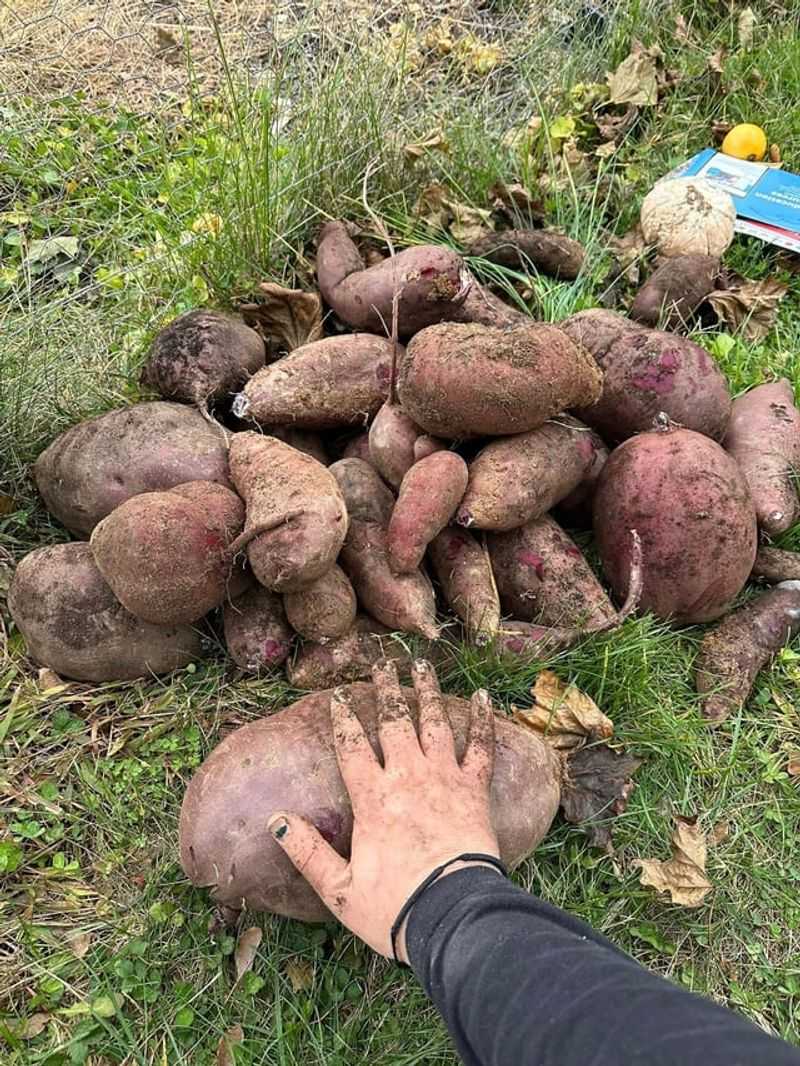
Sweet potatoes hide their entire harvest underground, which makes timing tricky. Mid to late September is usually the moment in New York.
Soil temperature matters more than the calendar here. Once soil drops to about 50 degrees, chilly soil can injure the roots and shorten their storage life.
Aim to dig during the week your first frost normally appears. Waiting longer puts the whole crop at risk.
Most varieties need 95 to 120 days from planting to maturity. Short season types suit cooler northern counties better.
Yellowing or bronzing vines near the base hint that roots sized up. Soil cracking or bulging around the plant says the same.
Dig one test plant before committing to the whole row. That single hill tells you whether to wait another week.
Use a spading fork and start about a foot from the stem. Tubers wander farther than most people expect.
Skins are thin at harvest and bruise easily. Handle them like eggs and skip the washing step.
Curing is where the real magic happens. Ten to fourteen days around 80 to 90 degrees with high humidity helps heal wounds and improves storage, while the roots develop more sweetness.
A warm bathroom, sunroom, or heated closet works for curing. Tuck them in a box with a damp towel nearby.
Cured roots then store for months at 55 to 60 degrees. A cool basement corner beats the refrigerator every time.
Clip vines a day or two before digging to toughen skins. That small step cuts down on scrapes.
Freshly dug sweet potatoes taste starchy and plain. Patience during curing turns them into dessert worthy roots.
9. Winter Squash Needs Checking Before Frost
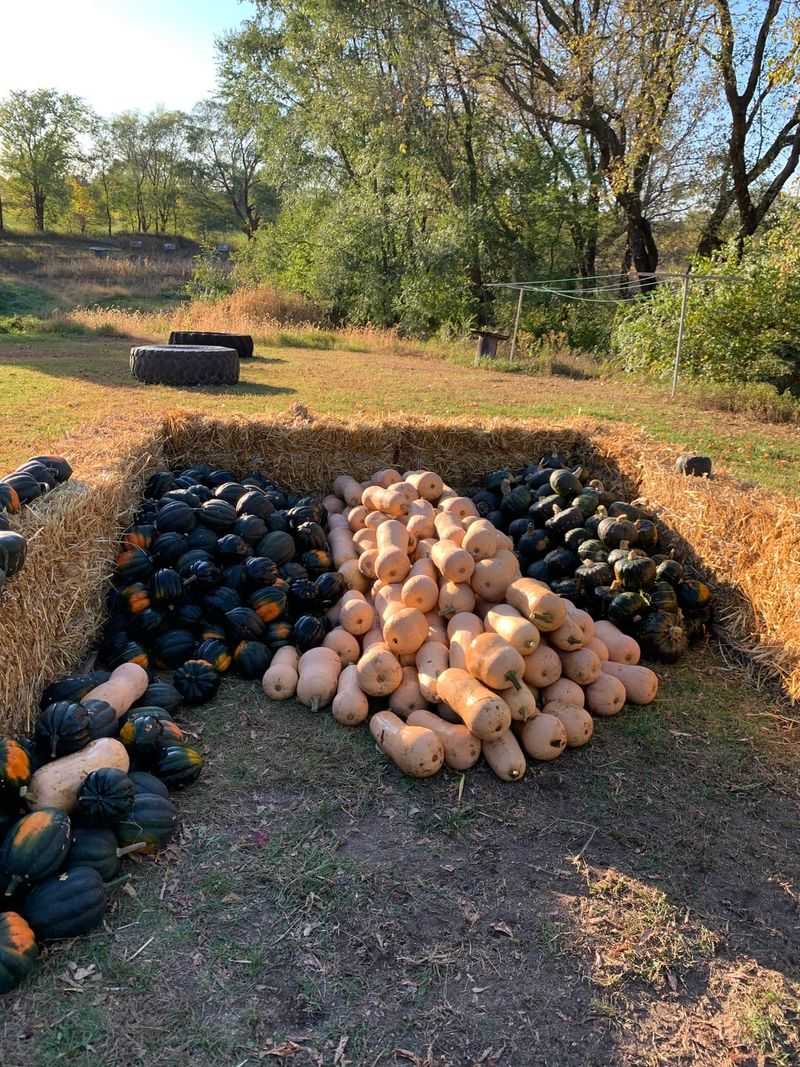
Winter squash plays a long game, then demands attention all at once. Harvest usually lands between late September and early October here.
Winter squash prefers warm growing conditions, and frost can damage the plants and fruit. Harvest mature squash before a hard freeze.
Maturity brings the best storage life, so leave mature fruit on the vine as long as conditions remain safe. Full maturity improves eating quality.
Browning, drying vines signal that harvest time is close. Stems that turn woody and streaked show corking, a reliable sign.
Test the rind with your fingernail. If it resists a scratch, the squash is ready.
Acorn types show a dark orange patch where they rest on soil. Glossy skin also fades to a dull finish.
Butternut announces ripeness with a solid deep tan color. Any green streaks mean it needs a bit longer.
Cut each fruit with two or three inches of stem attached. Broken stems shorten storage life dramatically.
Carry squash by the body, not the handle on top. That stem is not built to hold the weight.
Cure most types in a warm, dry spot for about ten days. Acorn squash is the exception and prefers to skip curing.
Store cured squash around 50 to 55 degrees with good airflow. A shelf in a spare room beats a damp basement.
A frost warning outranks everything else on your list. Bring in every mature fruit before that first cold night.
Gardeners often check squash twice a week in September. Conditions change quickly once nights turn crisp.