8 Tricks From Hudson Valley Orchards Every Gardener Should Know
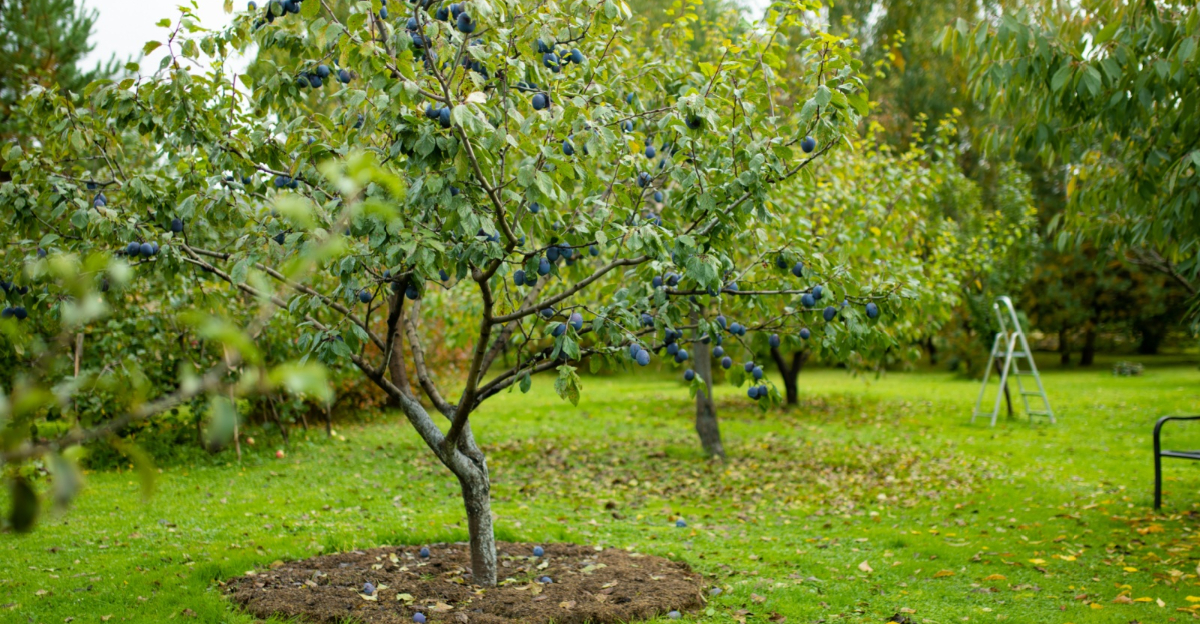
Drive along the back roads of the Hudson Valley in early autumn and the orchards announce themselves before you see them. Ripe apples hang heavy enough to bend whole branches toward the ground.
The air carries that particular mix of fallen leaves, damp soil, and fruit turning sweet in the sun. Generations of growers have worked the same stubborn, rock-strewn land here in the Hudson Valley.
Along the way, they figured out shortcuts that outperform anything you’ll find in a gardening manual. Prune at the wrong angle and you lose a season’s worth of fruit.
Skip a simple trick with mulch and pests move in overnight. These growers learned their lessons through failed harvests and stubborn trial and error, so you don’t have to.
Steal their methods for your own backyard trees. You’ll start wondering why nobody handed you this playbook sooner.
1. Water Deep And Early To Beat Heat
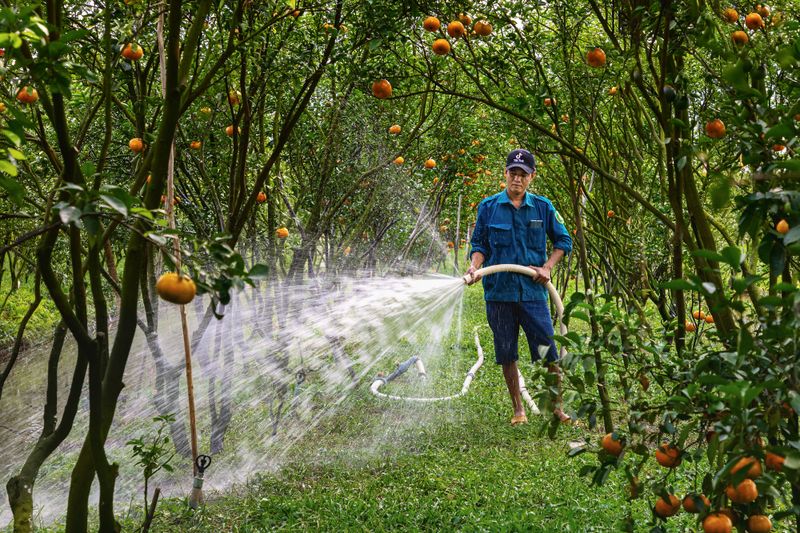
Morning is when water matters most. Orchard growers in the Hudson Valley have known this for a long time, and they start irrigation before the sun gets serious.
Deep watering means letting the hose run slow at the base of each tree. You want moisture to sink at least ten inches into the ground, not just wet the surface.
Shallow watering trains roots to stay near the top of the soil. That makes trees fragile when a heat wave rolls in and the top layer dries out fast.
Deep roots find cooler, wetter layers underground. Those trees stay stronger and more productive through the hottest stretch of summer.
Early morning watering also cuts down on fungal problems. Wet leaves that dry quickly in morning sun are much safer than leaves sitting damp overnight.
A soaker hose looped around the drip line of your tree is one of the best investments you can make. Set a timer and let it run for thirty to forty minutes before sunrise.
Skip the overhead sprinkler if you can. Water on foliage invites disease, especially during humid Hudson summers.
The goal is simple: get water where roots live, at the time of day when evaporation is lowest. Your trees will reward you with steadier growth and sweeter fruit come harvest season.
2. Mulch Trees To Lock In Moisture
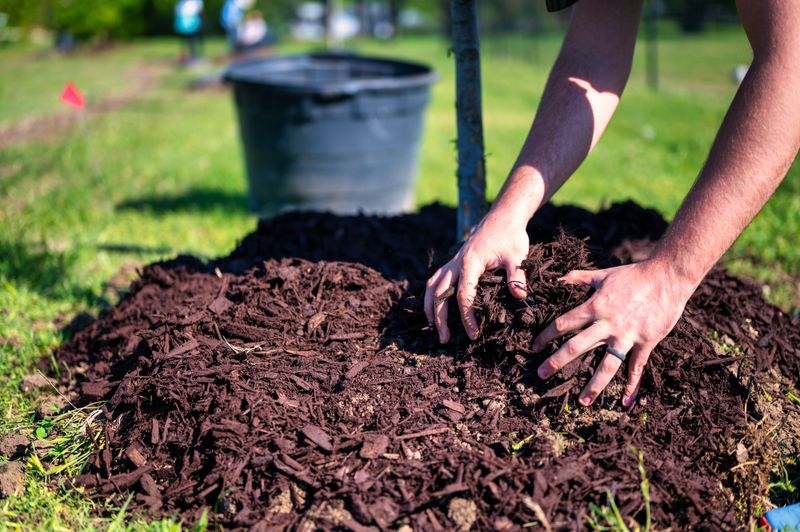
Bare soil around a fruit tree is basically an open invitation for trouble. Heat bakes it, rain compacts it, and moisture vanishes before roots ever get a sip.
Hudson Valley orchardists fix this with one simple move: mulch. A thick ring of wood chips or straw around each tree changes everything underneath.
Mulch acts like a blanket for the soil. It keeps ground temperatures steady, holds moisture in, and slowly breaks down to feed the earth below.
Spread your mulch about three to four inches deep. Make the ring as wide as the tree’s canopy, sometimes called the drip line.
One rule every experienced grower knows: keep mulch away from the trunk. Piling it against the bark traps moisture and invites rot and pests right at the most vulnerable spot.
Your New York Garden Changes Every Week. Your Plan Should Too.
Gardening in New York changes quickly throughout the season. Every Friday you’ll receive a simple weekly plan showing exactly what to plant, prune, fertilize, harvest, and protect so you never miss the right timing.
Leave a few inches of bare ground right around the base. That gap protects the bark and keeps rodents from nesting too close to the tree.
Wood chips from a local arborist are often free and work beautifully. Straw, shredded leaves, and pine bark all get the job done too.
Refreshing your mulch layer each spring takes about fifteen minutes per tree. That small effort saves hours of watering and keeps your orchard looking sharp all season long.
Healthy soil under a good mulch layer is alive with worms and microbes. That underground activity is what separates a thriving tree from a struggling one.
3. Prune Suckers Before They Steal Energy
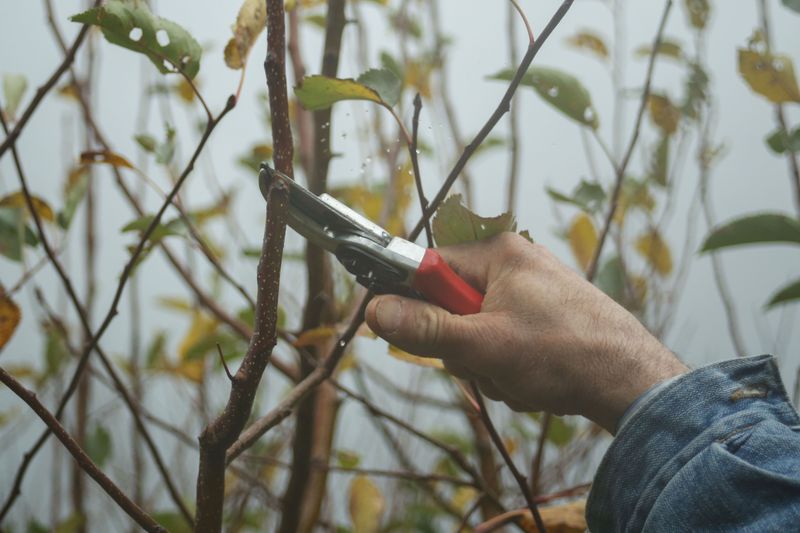
Suckers grow fast, look healthy, and feel like bonus growth, but they actually divert significant energy away from the tree’s fruiting branches.
These vigorous vertical shoots pull water, nutrients, and energy away from the branches that actually produce fruit. Orchard managers in the Hudson Valley remove them without hesitation.
Suckers grow from two main spots. Rootstock suckers pop up from below the graft union near the soil, and water sprouts shoot straight up from main branches inside the canopy.
Both types need to go, and the sooner the better. Small suckers snap off cleanly by hand when they are young and tender.
Larger ones need a clean cut with sharp pruners. Always cut flush to the branch or base so there is no stub left to re-sprout.
Leaving stubs is one of the most common beginner mistakes. A stub becomes a launching pad for three new suckers in the same spot.
Check your trees every two to three weeks during the growing season. Suckers grow fast and can get out of hand before you notice.
Some gardeners are tempted to leave them because they look lush. Resist that temptation, because every sucker you spare is fruit you will not see at harvest.
Clean, sharp pruners matter here. Dull blades crush tissue instead of cutting it, which slows healing and opens the door to disease. Sharp tools are a sign of a serious grower.
4. Thin Young Fruit For Bigger Harvests
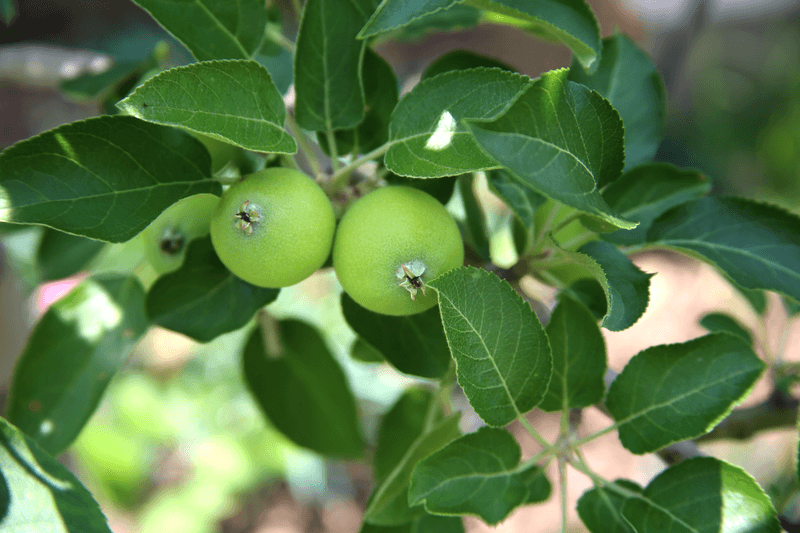
Thinning fruit feels wrong the first time you do it. You are pulling perfectly good little apples off a branch, and every instinct says that is wasteful.
But Hudson Valley orchardists know the math. One big, beautiful apple usually beats three small, flavorless ones.
When a tree sets more fruit than it can properly support, it spreads its resources too thin. The result is small, bland fruit and a tree too exhausted to produce well next year.
Thin your fruit when the young apples are about the size of a dime. At that stage, they come off easily and the tree redirects energy fast.
Leave one fruit every six to eight inches along each branch. That spacing gives each piece of fruit enough room to grow full and sweet.
For peaches and plums, the same rule applies. Crowded fruit means smaller size, less sugar, and more risk of disease where fruits press against each other.
Yes, it feels wasteful to pull off dozens of little fruits. But the ones you leave behind will grow noticeably larger and taste dramatically better.
Thinning also reduces the chance of a heavy crop breaking a branch. Loaded branches snap in summer storms, and that kind of damage sets a tree back for years.
Think of thinning as editing. You cut the weak parts so the strong parts can truly shine, and that is exactly how great orchards stay great season after season.
5. Check For Pests Weekly During Growing Season
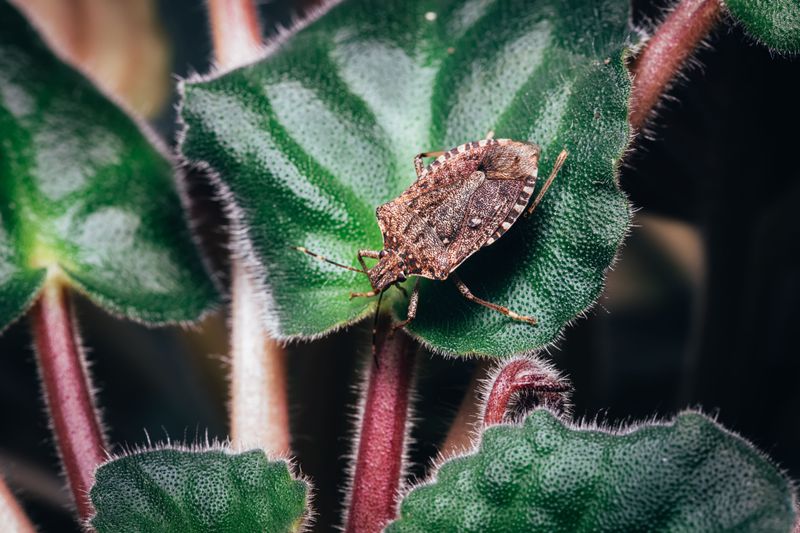
Pest damage can sneak up on you. Leaves that look fine one week can show noticeable damage or sticky residue the next.
Hudson Valley orchards deal with apple maggot flies, codling moths, aphids, and mites every single season. The growers who stay ahead of them check their trees on a weekly schedule.
Walk your orchard slowly and look at both sides of the leaves. The undersides are where many pests hide, lay eggs, and do their worst damage before you ever notice.
Sticky red sphere traps work well for monitoring apple maggot flies. Hang one per tree and check it every few days to gauge activity levels.
Codling moth damage shows up as tiny holes at the fruit stem or blossom end. Catching it early means you can act before the larvae tunnel deep inside.
Aphids cluster on new growth and curl leaves around themselves. A strong blast of water from a hose knocks most of them off without any chemicals needed.
Spider mites thrive in hot, dry weather and leave a dusty, stippled look on leaves. They are tiny but they reproduce fast, so act immediately when you spot them.
Keep a simple notebook to track what you find each week. Patterns emerge over time, and knowing when pests typically peak helps you prepare rather than react.
Weekly scouting is not glamorous work. But it is the difference between a healthy harvest and a season spent watching your crop disappear one bite at a time.
6. Feed Soil With Compost Tea, Not Just Fertilizer
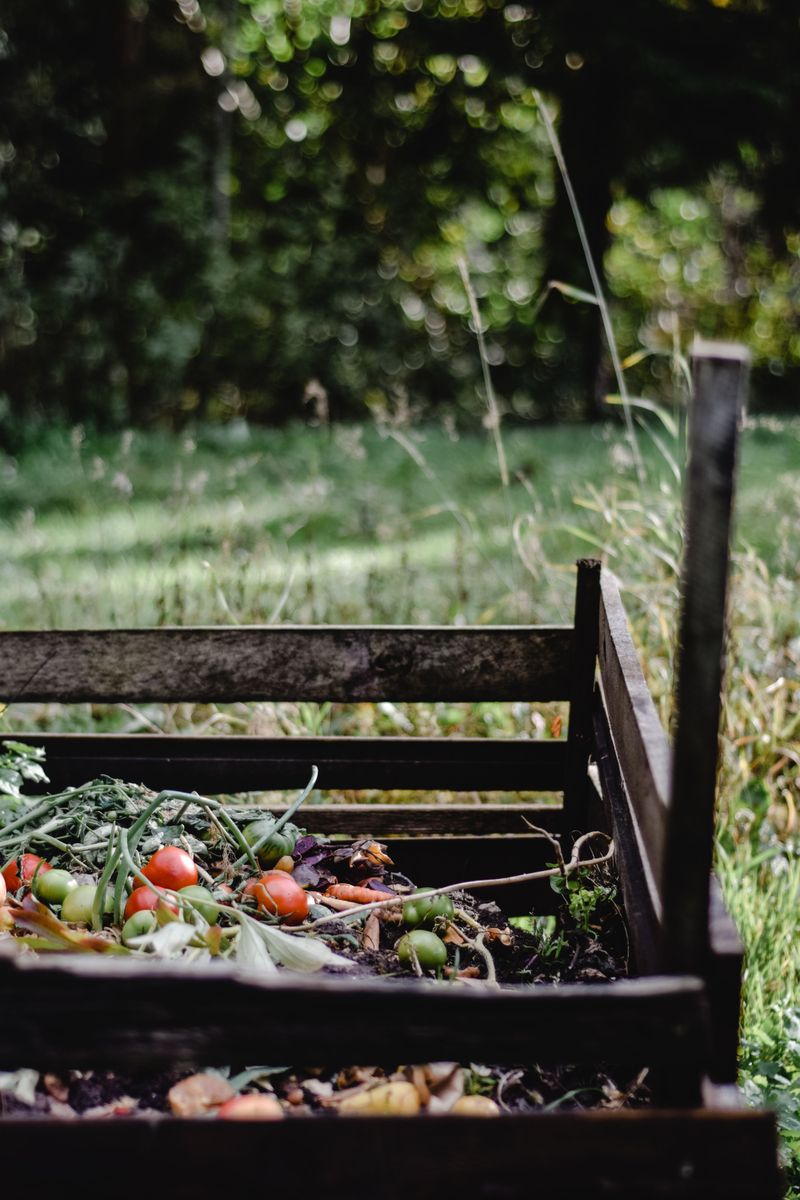
Synthetic fertilizer can push fast, soft growth that pests are drawn to, and that growth doesn’t always translate into better fruit flavor.
Hudson Valley orchardists lean heavily on compost tea instead. It feeds the soil ecosystem rather than just forcing the plant to grow faster.
Compost tea is made by steeping finished compost in water for twenty-four to forty-eight hours, often with a bubbler to add oxygen. The result is a liquid packed with beneficial microbes.
Those microbes go to work in your soil immediately. They break down organic matter, improve soil structure, and make nutrients more available to tree roots naturally.
Making a batch at home is easier than it sounds. You need a five-gallon bucket, an aquarium pump, an air stone, finished compost, and a little molasses to feed the microbes.
Apply compost tea every two to three weeks during the growing season. Pour it slowly around the drip line so it soaks straight down to the root zone.
The difference in soil health becomes visible within a season. Earthworm activity increases, soil stays looser after rain, and trees show steady, balanced growth instead of sudden spurts.
Balanced growth means stronger wood, better disease resistance, and fruit with more complex flavor. That is the kind of result fertilizer alone typically doesn’t provide.
Great orchards are built from the ground up, literally. Invest in your soil and the trees will take care of the rest with very little fuss from you.
7. Train Vines While They’re Still Flexible
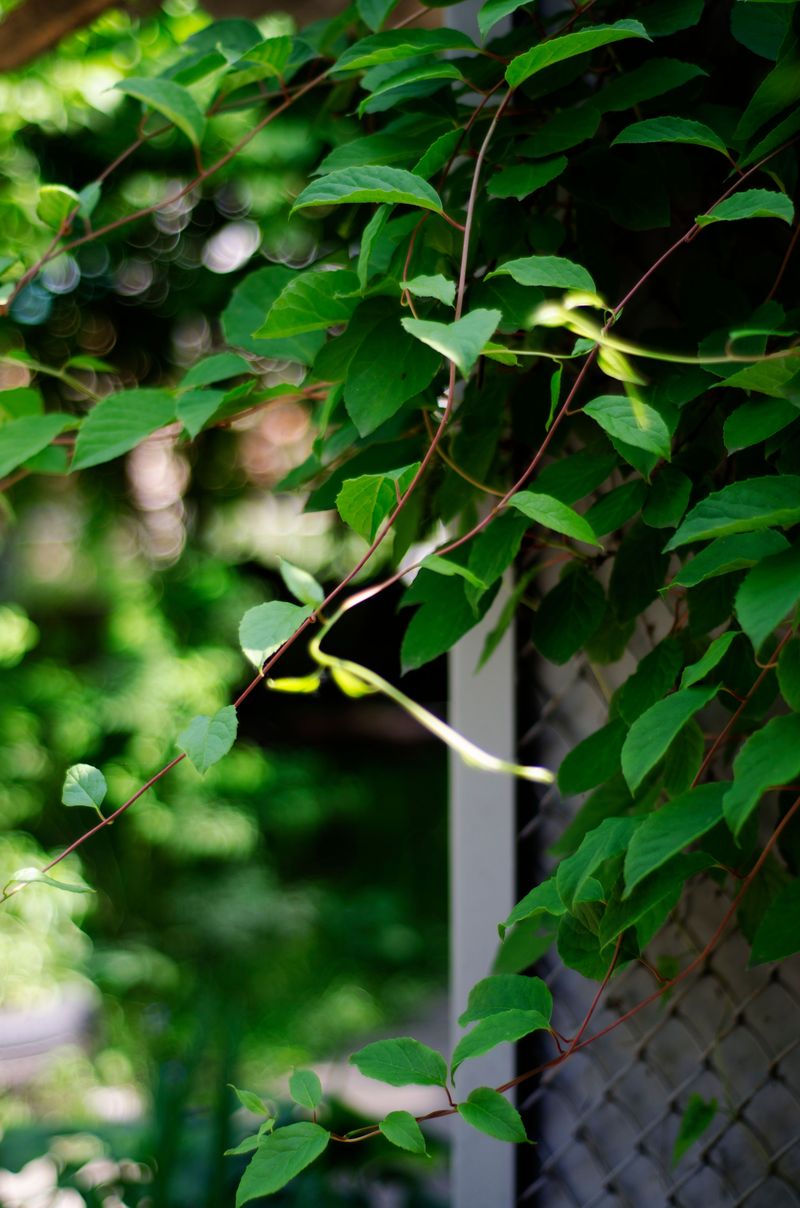
Young vines are forgiving. Bend them gently now and they hold the shape you give them, growing strong and productive right where you need them.
Wait too long and those same vines become woody and stubborn. Forcing a stiff cane into position often cracks the wood and sets the plant back badly.
Hudson Valley growers start training grape and hardy kiwi vines in their first and second seasons. Early guidance saves years of corrective pruning later on.
The goal is to establish a clear framework of main arms called cordons. Everything else, the fruiting wood, grows off those permanent arms each year.
Use soft garden tape or strips of old fabric to tie young shoots to your trellis. Avoid wire twist ties directly on the stem because they cut into growing tissue.
Check your ties every few weeks as the season progresses. Vines grow fast and a tie that fit perfectly in May can dig in painfully by July.
Training is not just about structure. It also improves air circulation through the canopy, which reduces fungal disease dramatically in humid summer weather.
Open, well-trained vines get better sun exposure on every leaf and cluster. More sun means more sugar, and more sugar means richer, more satisfying fruit at harvest.
Think of training as having a conversation with the plant. You suggest a direction, the vine agrees or pushes back, and together you find a shape that works for both of you.
8. Harvest Early Morning For Peak Sweetness
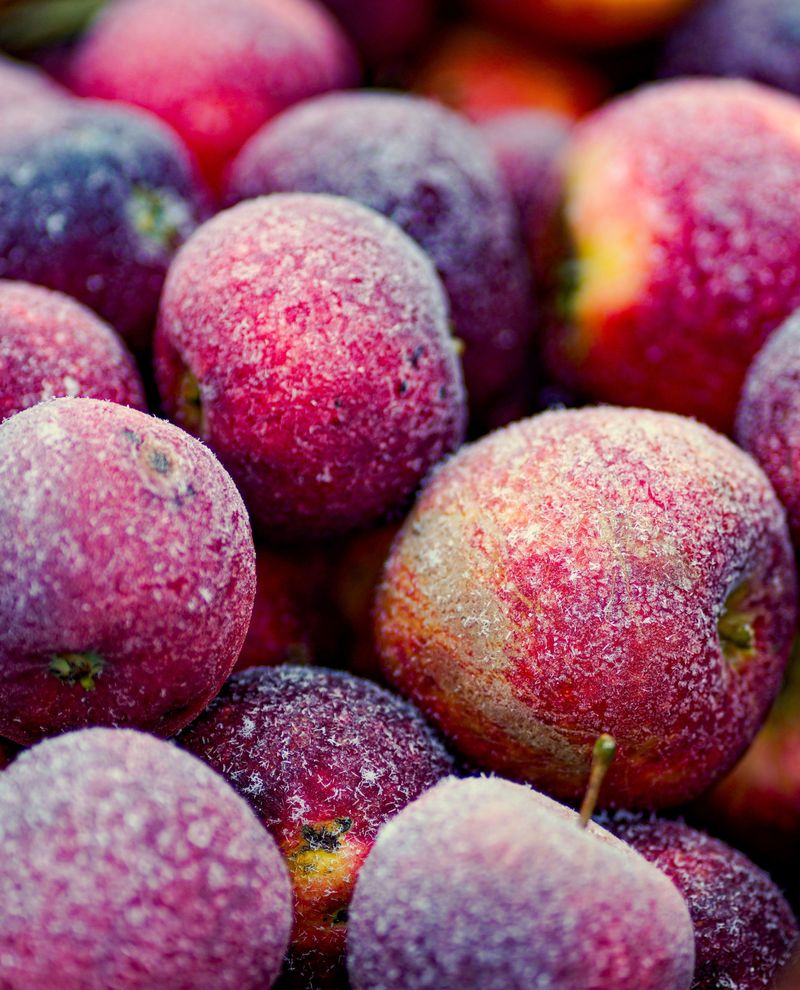
Fruit is often at its best before the day heats up. Picked while it’s still cool and firm, it holds its texture and flavor far longer after harvest than fruit picked later in the day.
Harvest the same fruit at noon and it tells a different story. Heat softens cell walls and shortens the window before the fruit starts to decline.
Cool fruit also stores longer after picking. A morning-harvested apple keeps its crunch and flavor for days longer than one picked in afternoon heat.
Aim to be in the orchard just after sunrise. Bring a basket, move slowly, and check each fruit for that slight give near the stem that signals true ripeness.
A ripe apple releases cleanly with a gentle upward twist. If you have to yank it, give it another day or two before trying again.
Peaches and plums should feel soft at the tip but still firm at the shoulders. That combination means sugars have developed fully without the fruit going past its prime.
Picking into the heat of the day is one of the most common backyard mistakes. The fruit looks the same but the flavor and shelf life decline noticeably.
Every Hudson Valley orchard trick in this article comes back to one idea: work with the natural rhythms of your plants. Harvest early, harvest right, and taste the reward.