8 Things To Fix Around Your Queens Home Before Fall Rats Arrive In New York
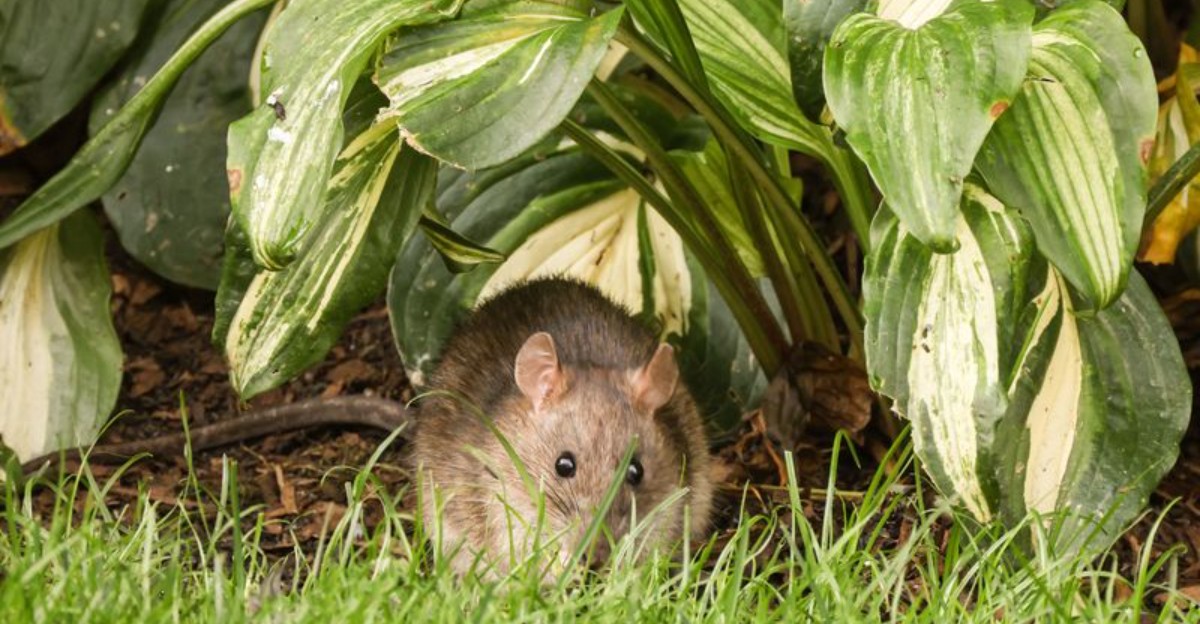
The first cool nights in Queens can change a rat’s routine fast. As temperatures fall, sheltered yards, garages, and homes become more appealing places to find food and warmth.
Rats can squeeze through surprisingly small openings. Loose vent covers, gaps around pipes, overflowing trash, and piles of yard debris can all create easy opportunities.
Fall prevention does not require a major project. A few simple fixes around the property can remove food, shelter, and entry points before colder weather settles in.
Walk around your home and check the spots rats are most likely to use. A little attention now can make your property far less inviting as temperatures drop.
1. Seal Foundation Gaps Before Rats Find Them
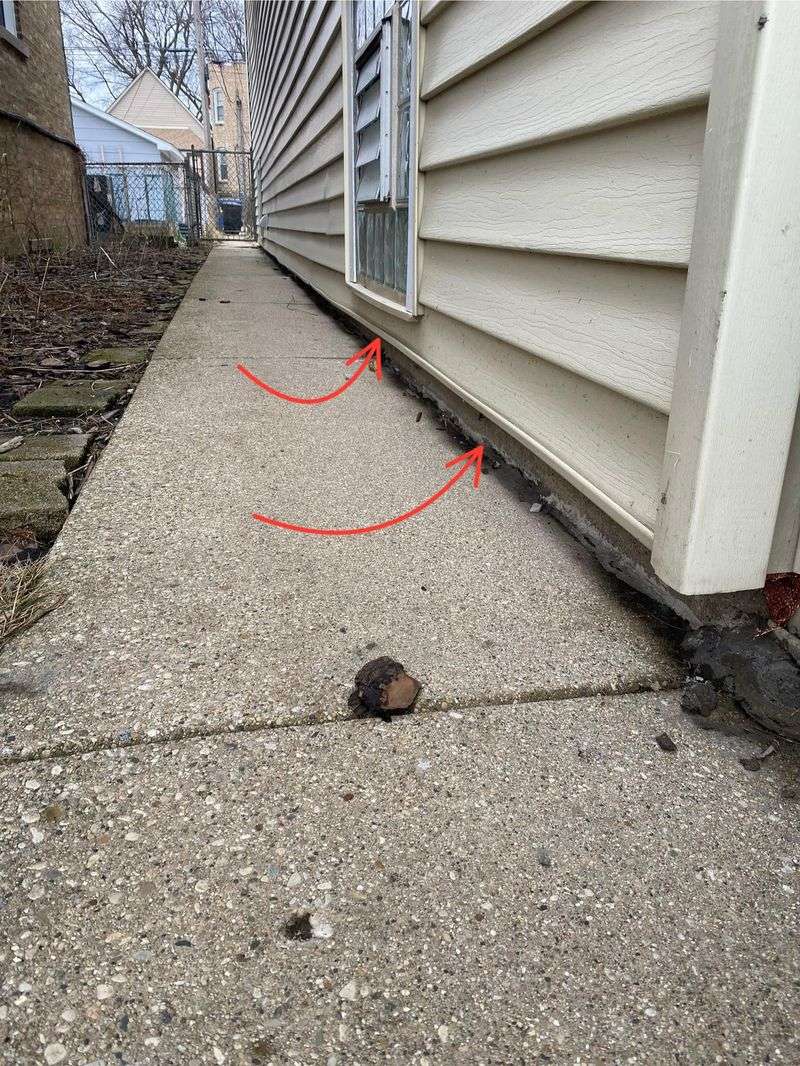
A rat can squeeze through surprisingly small openings, so even a half-inch gap can give a Norway rat a way inside. Mice manage with a quarter-inch space, roughly the width of a pencil.
Grab a flashlight and walk the perimeter of your house slowly. Kneel down and look where the siding meets the concrete, because shadows hide a lot of small holes.
Pay close attention to spots where pipes, cables, and dryer vents pass through the wall. Those openings are cut by hand during construction, and the leftover space rarely gets patched properly.
Steel wool packed tightly works well as a first layer since rodents dislike chewing through it. Follow up with caulk, hydraulic cement, or wire mesh so the fix holds through winter weather.
Older homes settle over time, and hairline cracks widen into real gaps after a few freeze cycles. Check basement window wells and crawl space vents too, since screens rust out quietly.
Door sweeps deserve a look as well. If you can see daylight under a garage or basement door, a rodent can walk right in.
Do the sealing work in early fall, before nighttime lows push rats toward heated buildings. Once they are inside, the job gets much harder and more expensive.
Mark problem spots with painter’s tape as you inspect, then repair them in one trip. Keeping a list helps you avoid missing the awkward corner behind the air conditioner.
A morning of patching beats months of scratching sounds overhead. Your foundation is the front door of your defense plan.
2. Secure Garbage Before It Becomes A Food Source
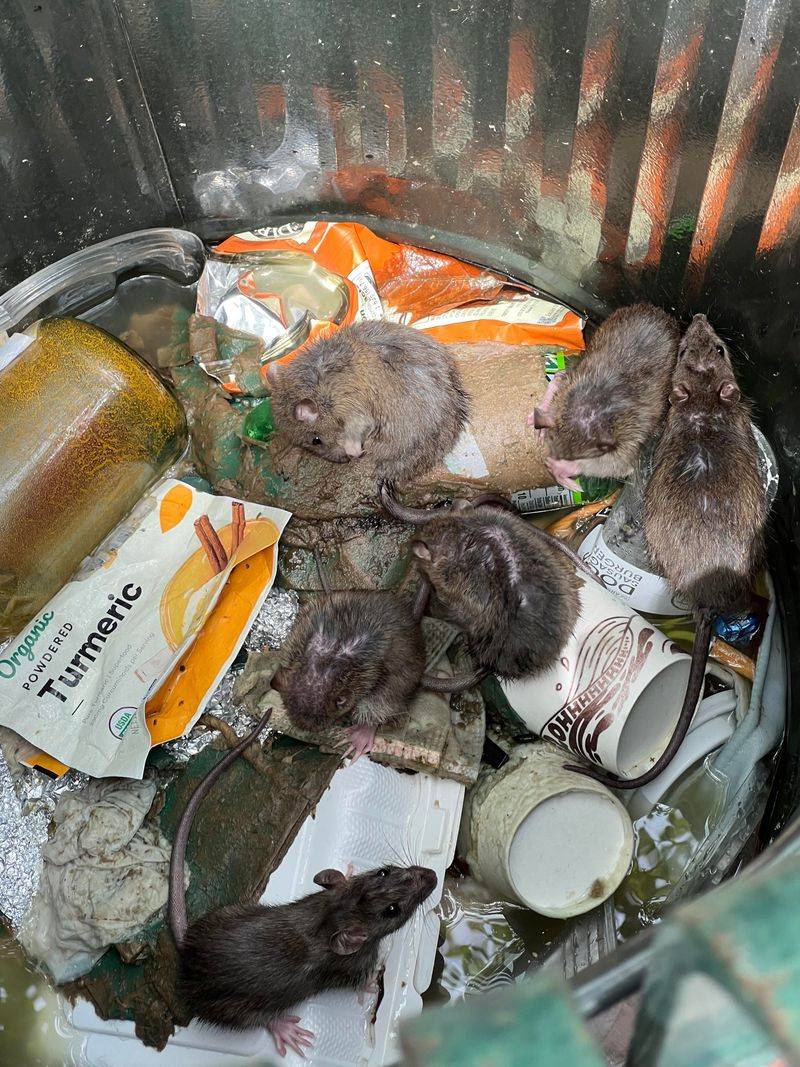
Nothing draws rodents faster than a torn bag of leftovers sitting on the curb. The smell travels, and word gets around the block quickly.
New York City now requires many residential properties to use bins with secure, tight-fitting lids for trash. Properties with 1–9 residential units must use official NYC Bins, while larger buildings have different container options.
Those bins are built to resist gnawing, which matters more than most people realize. A determined rat can chew through a plastic sack in under a minute.
Timing rules help too. Bags can go out no earlier than 8 PM, while bins can hit the curb at 6 PM on collection nights.
Putting trash out at dinnertime instead of mid-afternoon shrinks the buffet window considerably. Fewer overnight hours on the sidewalk means fewer easy meals.
Your New York Garden Changes Every Week. Your Plan Should Too.
Gardening in New York changes quickly throughout the season. Every Friday you’ll receive a simple weekly plan showing exactly what to plant, prune, fertilize, harvest, and protect so you never miss the right timing.
Rinse your bins every few weeks with a hose and a splash of dish soap. Sticky residue at the bottom keeps advertising food long after the bag is gone.
Check the lid hinges each season, since cracked plastic stops sealing tightly. A lid that sits crooked is basically an open invitation.
Store containers on a hard surface rather than soft soil or grass. Level ground keeps bins upright and makes tipping harder.
If your building shares a trash area, talk with neighbors about keeping the space swept. One careless household can undo the careful work of five others.
Tidy trash routines can make your property less attractive to rodents. Keep garbage and other food sources securely contained so rats have fewer reasons to stick around.
3. Clear Yard Clutter That Creates Rat Shelter

Picture a rat scouting your backyard like a house hunter with a checklist. Piles of wood, damp leaves, and forgotten boxes score very high on that list.
Clutter offers cover from hawks, cats, and everything else that hunts rodents. Remove the cover, and suddenly your yard feels risky to them.
Start with the obvious stuff, including old newspapers, cardboard, bottles, and broken furniture. Cardboard is especially attractive because it shreds into perfect nesting material.
Firewood belongs on a rack at least a foot off the ground. Stacking it directly on soil creates a dry, hidden tunnel system underneath.
Pull stored items away from foundation walls and leave a clear walking lane around the house. That open strip lets you spot droppings and fresh digging early.
Fall leaves pile up fast in Queens neighborhoods with mature trees. Bag them promptly rather than letting damp mounds sit against the garage all season.
Children’s toys, planters, and tarps deserve the same treatment. Anything that traps warmth and darkness can become a nest by November.
Consider swapping cardboard storage boxes for sealed plastic bins in the shed. Hard plastic resists chewing and keeps contents dry at the same time.
Set a recurring reminder to sweep the yard once a month. Short, regular cleanups beat one exhausting weekend every spring.
A tidy yard also makes the rest of your prevention work easier. Fewer hiding spots mean fewer places for problems to build up unnoticed.
4. Trim Dense Shrubs And Overgrown Weeds
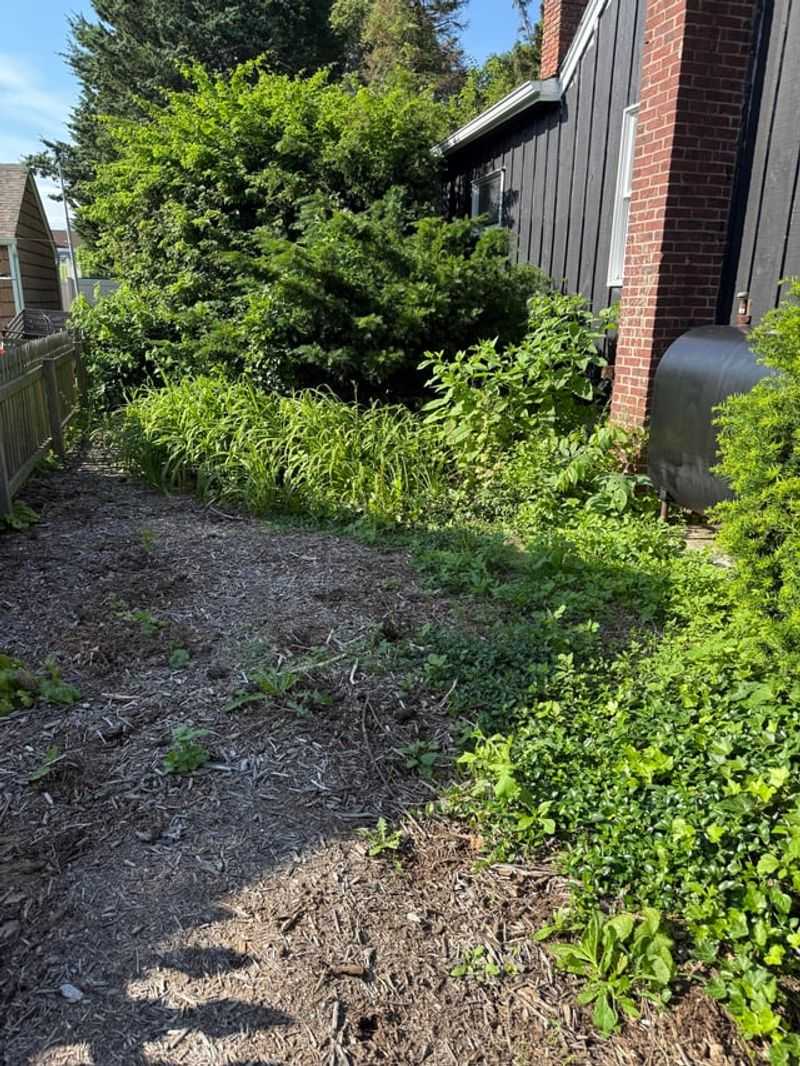
Thick landscaping looks lovely from the street and feels like a subway tunnel to a rodent. Dense branches let them travel across a property without ever stepping into the open.
Ivy climbing a wall is one of the biggest offenders. It hides entry points and gives rats a ladder straight to the roofline.
Trim shrubs so the lowest branches sit well above the soil. Exposed stems remove the shaded runway underneath.
Leave roughly 18 inches of clear space between plantings and your building walls. That gap gives you a sightline and gives rodents a reason to reconsider.
Tall weeds along fences deserve the same haircut. Pull them by the root instead of just cutting the tops, since regrowth happens fast.
Ground cover plants that spread into thick mats can hide activity for months. Thin them out or swap in something lower and more open.
Tree branches touching the house give rodents a bridge to your roof and attic vents. Cut back limbs so nothing overhangs the gutters.
Many Queens yards are narrow, which makes overgrowth creep toward the foundation quickly. A quick trim in early fall keeps everything manageable through winter.
Rake up the clippings the same day rather than leaving a pile by the fence. A heap of cut branches is just new shelter in a different shape.
Neat landscaping does double duty. Your property looks sharper, and rodents lose the cover they depend on to move safely.
5. Remove Standing Water Around The Property
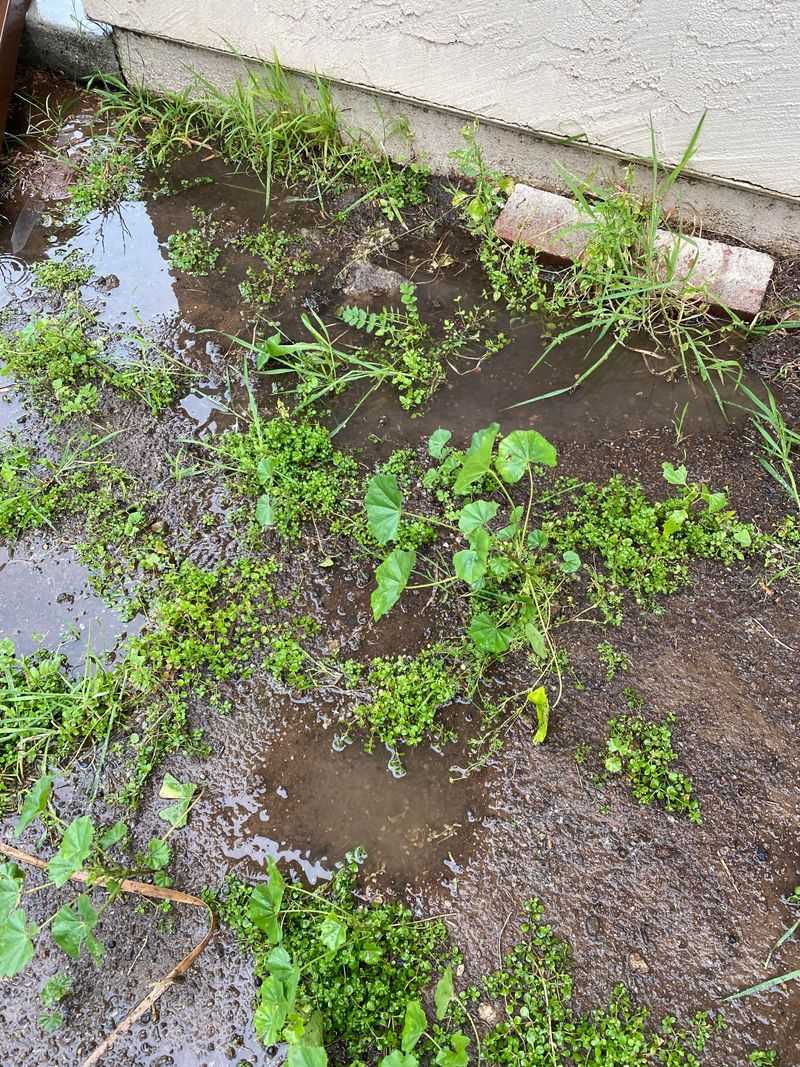
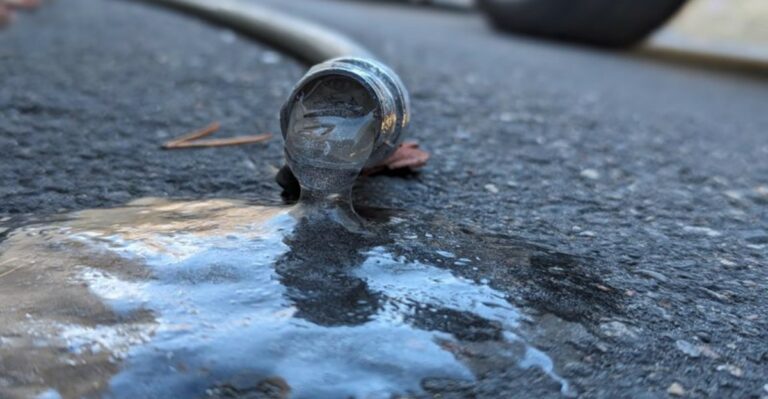
Food gets all the attention, but water keeps rodents coming back night after night. A steady drip is as valuable to them as a spilled sandwich.
Check outdoor faucets for slow leaks, especially the ones tucked behind bushes. A worn washer costs a couple of dollars to replace.
Irrigation lines and hose connections often seep without anyone noticing. Run the system and watch for wet patches in the soil.
Flip over buckets, wheelbarrows, and empty planters that collect rain. Even a shallow lid full of water counts as a drinking station.
Clogged gutters overflow and create soggy ground right against the foundation. Clean them before the heavy fall rains arrive.
Look at how water moves across your yard after a storm. Low spots that stay muddy for days need regrading or a simple drain.
Pet water bowls left outside overnight serve the same purpose as a puddle. Bring them in when the sun goes down.
Birdbaths are fine if you dump and refill them regularly. Stagnant water attracts more than just songbirds.
Basement window wells sometimes hold water after rain in older homes. Adding a cover keeps them dry and blocks an entry route at the same time.
Air conditioner condensate lines drip constantly during warm stretches. Redirect that flow away from the wall with a short length of tubing.
Dry ground is unwelcoming ground. Take away the water, and your property drops several spots on the neighborhood rodent rankings.
6. Check For Burrows Near Trees And Foundations
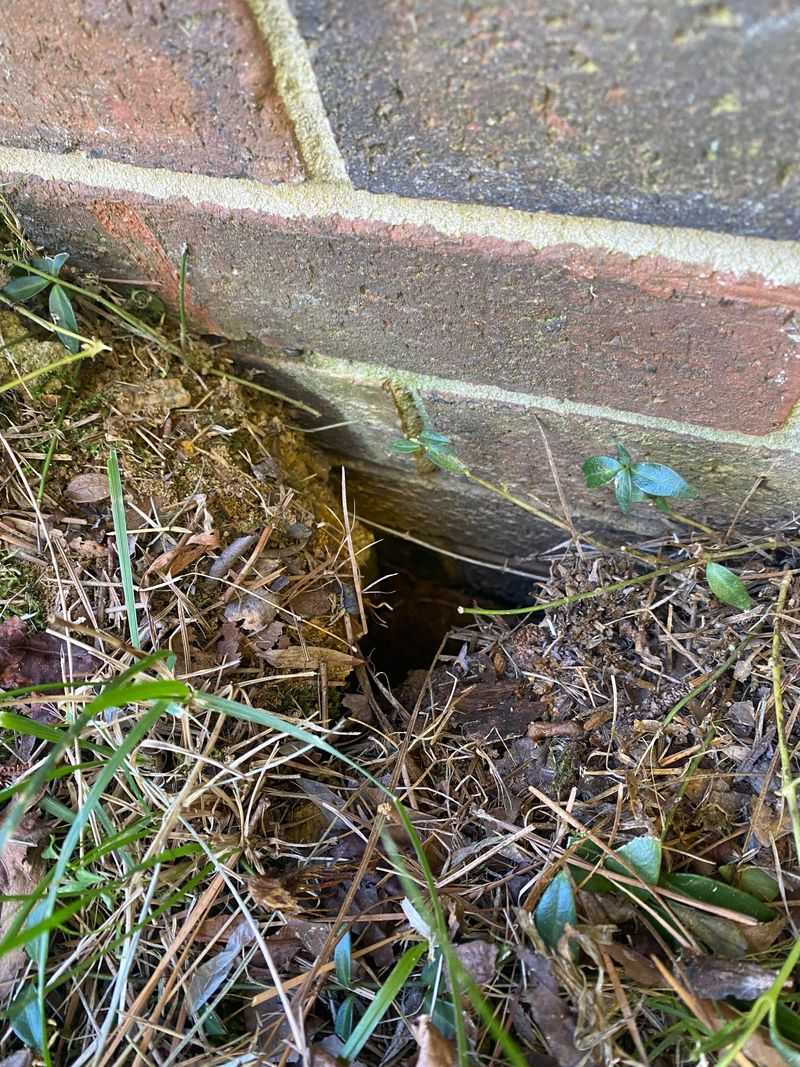
Norway rats are diggers by nature, and city soil suits them just fine. Their burrow entrances usually measure two to three inches across.
Search along foundation walls, under tree beds, inside garden borders, and beneath thick plantings. Shaded, undisturbed soil is their preferred real estate.
An active burrow looks smooth and polished around the opening, with no cobwebs or leaf litter blocking it. Worn edges mean regular traffic.
Fresh dirt fanned out in a small pile is another strong clue. Droppings nearby confirm the hole is currently occupied.
Rats often burrow near dependable sources of food, water, or shelter. Finding a burrow is a good reason to look for those attractants nearby.
Try the crumpled paper test. Stuff loose newspaper into the hole and check the next morning, because reopened holes signal active residents.
Resist the urge to simply shovel dirt over the opening. Loose soil gets pushed aside within hours and tells you nothing.
Many Queens properties share fence lines, so burrows sometimes start next door. Comparing notes with neighbors gets better results than working alone.
Persistent burrowing calls for professional help or a 311 report. Trained technicians handle underground colonies far more effectively than backyard guesswork.
7. Block Rat Travel Routes Around Your Yard
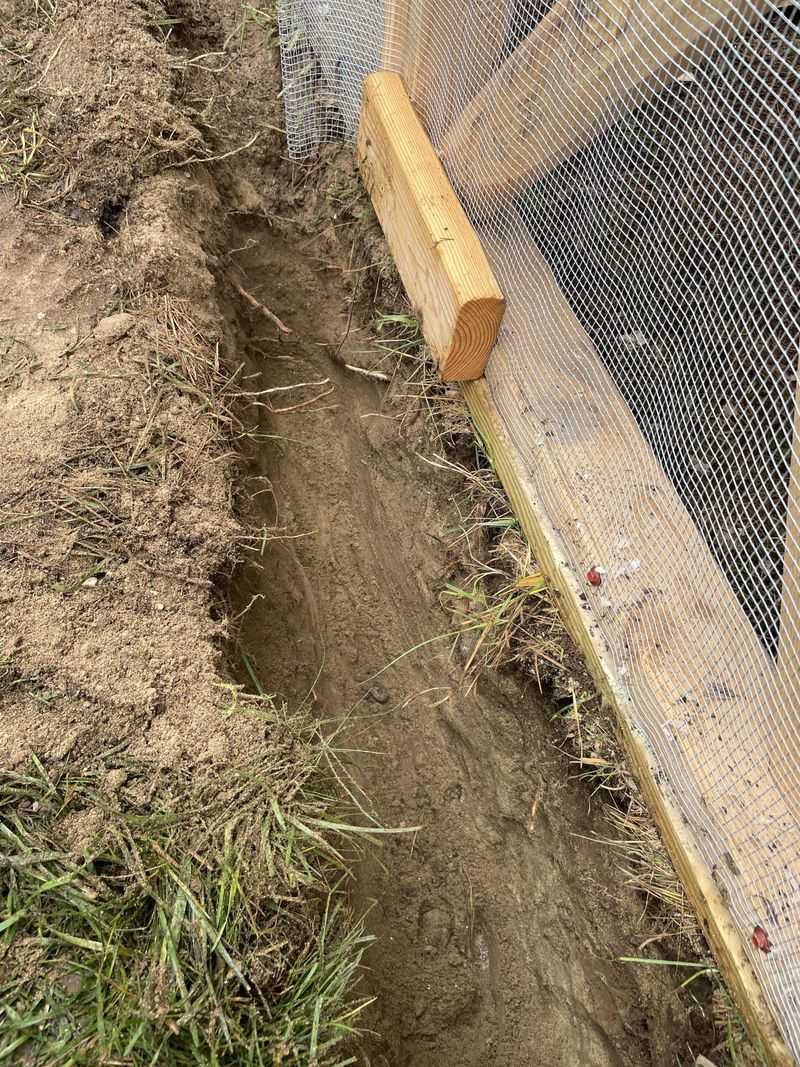
Rodents often use familiar routes along walls, fences, vegetation, and other protected areas.
Common highways include fence lines, utility cables, gaps between buildings, hedgerows, and sewer connections. Once a route proves safe, it stays in heavy use.
Look for greasy smudge marks along walls and fence boards. Those dark streaks come from fur rubbing the same surface repeatedly.
Install hardware cloth along the bottom of fences and bury the edge a few inches down. Quarter-inch mesh stops both digging and squeezing.
Fill cracks in sidewalks, steps, and curbs with caulk or roofing cement. Small fissures widen every winter and turn into passageways.
Wherever pipes or wires enter your home, wrap the opening with mesh before sealing. Foam alone gets chewed through without much trouble.
Break up vegetation corridors by leaving open gaps between planted areas. Rodents hesitate to cross exposed ground in daylight or moonlight.
Outdoor lighting on motion sensors may add another small deterrent, but blocking routes and removing food and shelter are more important.
Shared alleys and attached garages are common in Queens, so a single unsealed gap can affect several homes. Coordinating repairs with neighbors closes the whole network.
Scrub visible grease trails with soapy water after sealing. Removing the scent markers makes the old route harder to follow.
Cut the highways, and the traffic thins out fast. Prevention works best when the path itself disappears.
8. Protect Compost And Outdoor Food Sources
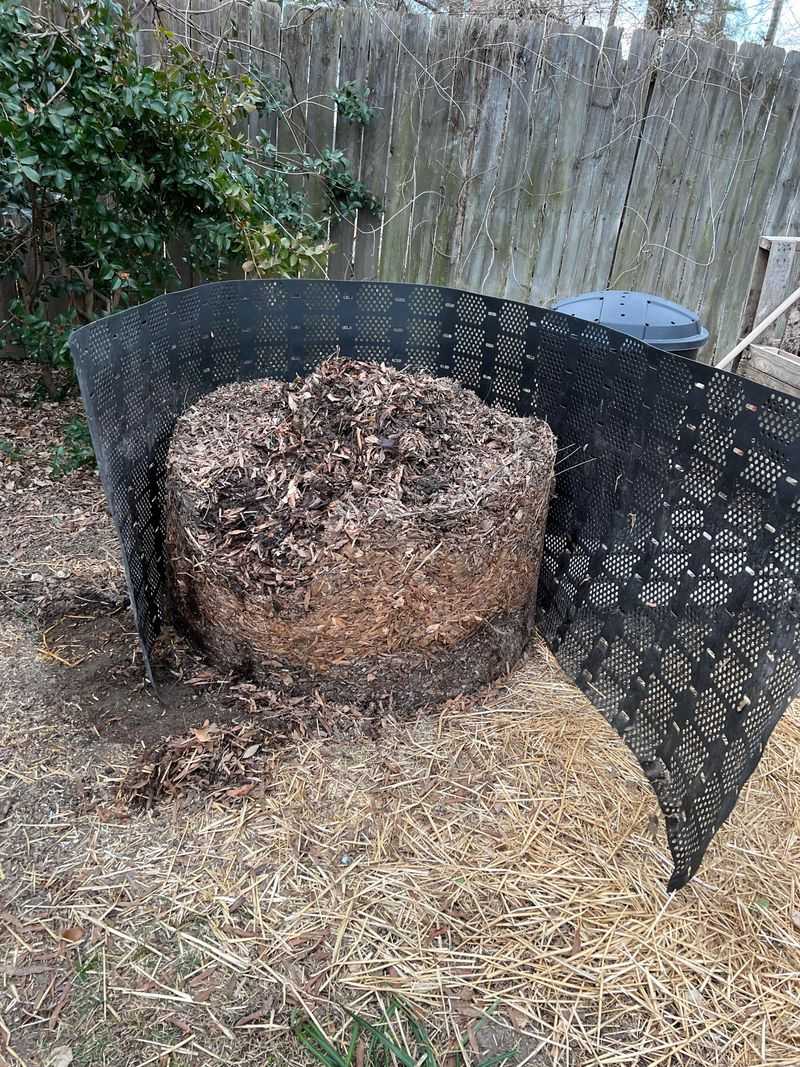
Rats need surprisingly little accessible food to take advantage of a property. Even spilled birdseed under a feeder can become a food source.
Open compost piles are the biggest temptation in most backyards. Warm, damp, and full of scraps, they offer food and shelter in one convenient package.
Switch to a closed tumbler or a bin with a locking lid and a solid floor. Elevated designs keep rodents from tunneling up from below.
Skip meat, dairy, oily foods, and cooked leftovers entirely. Fruit and vegetable scraps break down without broadcasting the same strong smell.
Bury fresh scraps under a layer of dry leaves or shredded paper. Covering the surface cuts odor dramatically.
Bird feeders need a catch tray and a weekly sweep underneath. Spilled seed on the ground feeds far more than finches.
Consider pausing feeders during fall if you have spotted rodent activity nearby. A short break often breaks the habit.
Pet bowls left on the porch overnight are an open kitchen. Feed animals indoors or collect the dishes before sunset.
Fruit trees drop apples and pears that rot quietly in the grass. Rake fallen fruit every few days through the harvest season.
Grills hold grease and food bits long after the party ends. Scrape the grates and empty the drip tray before covering it up.
Homeowners who remove easy meals usually notice quieter nights within a few weeks. No food supply means no reason to stay.