8 Virginia Compost Additions That Help Fall Piles Break Down Faster
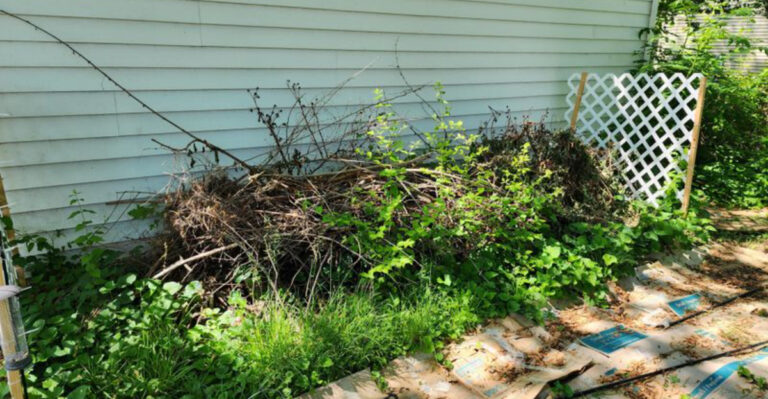
That pile of oak and maple leaves can linger for years. With the right mix, it can become rich, crumbly compost much sooner.
Fall gives Virginia gardeners plenty of free carbon-rich material. Warm soil also keeps microbes active before winter slows them down.
Leaves alone break down slowly. Add nitrogen-rich materials, chop bulky pieces, and keep air moving through the pile to speed things up.
The best part is that many useful additions are already nearby. Grass clippings, kitchen scraps, and other yard materials can each help move the pile toward finished compost.
1. Mix Fresh Grass Clippings Into Leafy Piles
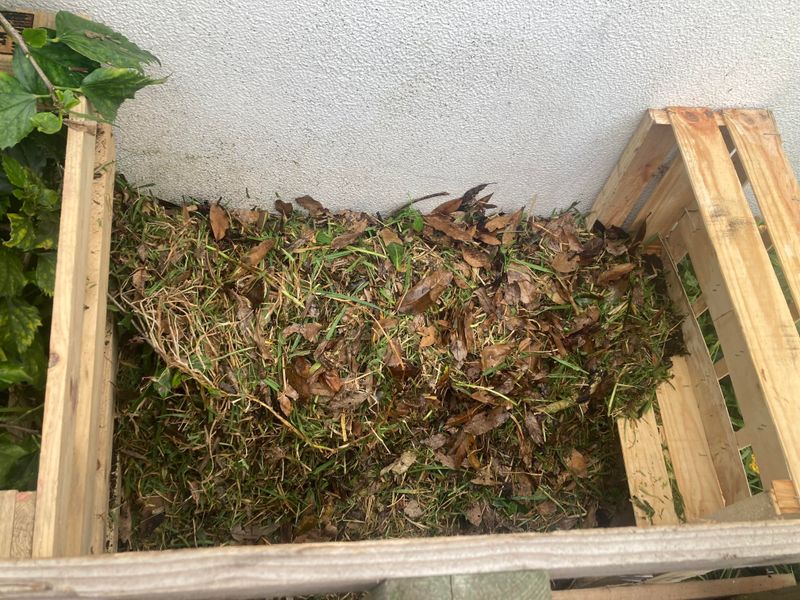
A bag of fresh clippings is the cheapest compost accelerator you will find. Mowed grass is loaded with nitrogen, the fuel microbes need to heat up and get busy.
Leaves on their own carry a huge amount of carbon and very little nitrogen. Clippings sit at a low carbon-to-nitrogen ratio of roughly 12 to 25 parts carbon per part nitrogen.
That low ratio means grass breaks down fast by itself. Piled alone, though, it packs into a slimy green mat that smells sour within days.
The fix is simple layering. Alternate a few inches of leaves with a thinner layer of clippings, then turn the whole thing with a fork.
Virginia Cooperative Extension lists grass clippings among the most abundant composting materials available to homeowners across the state. Most yards produce more than enough during the last mows of the season.
Timing matters in fall. Try to collect clippings the same day you build the pile, since fresh material has the most nitrogen available.
If you cannot use them right away, spread them thin on a tarp so they dry instead of souring. Dried clippings still help, just a bit more slowly.
Skip clippings from lawns treated with persistent herbicides unless you know the product is safe for composting. Some herbicides can survive composting and affect tender plants later.
A rough guide many gardeners follow is two or three parts leaves to one part grass by volume. Adjust based on smell and warmth.
Within a few days, a well-mixed pile should begin heating in the center. That warmth is a good sign that decomposition is getting underway.
2. Add Fresh Green Plant Material For Nitrogen
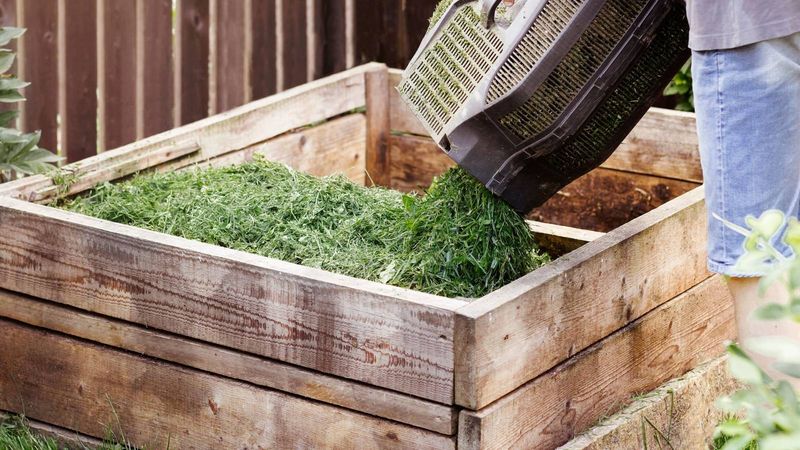
Grass is not the only green in the yard. Young weeds, fresh prunings, and leftover crop plants all carry the nitrogen your pile craves.
Pull weeds before their flowers turn to seed heads. Seedy weeds can survive a cool pile and sprout in your garden beds next year.
Spent vegetable plants are ideal in autumn. Bean vines, squash leaves, tomato tops, and pepper plants all break down readily once chopped.
Virginia Cooperative Extension publications regularly name weeds without seeds and crop residues as strong nitrogen sources for home composters. Both are free and usually piling up by late September.
Fresh means green and still flexible. Once material turns tan and brittle, it has shifted toward the carbon side of the equation.
Balance remains the whole game here. Too many greens and the pile turns wet and stinky, too few and it barely warms.
Your Virginia Garden Changes Every Week. Your Plan Should Too.
Gardening in Virginia changes quickly throughout the season. Every Friday you’ll receive a simple weekly plan showing exactly what to plant, prune, fertilize, harvest, and protect so you never miss the right timing.
A handy check is the squeeze test. Grab a fistful from the middle, and it should feel like a damp sponge, not a wet rag.
Prunings from shrubs work well if you cut them into short lengths. Anything thicker than a pencil belongs in the wood chip pile instead.
Gardeners often build a fall pile in stages. Add greens each weekend as beds get cleared, always tucking leaves over the top.
Leave out anything showing heavy disease spots or powdery mildew. A backyard pile may not get hot enough to handle those problems reliably.
Keep adding greens and leaves for a few weekends, and the pile should continue heating and breaking down as fall progresses.
3. Shred Fall Leaves Before Adding Them
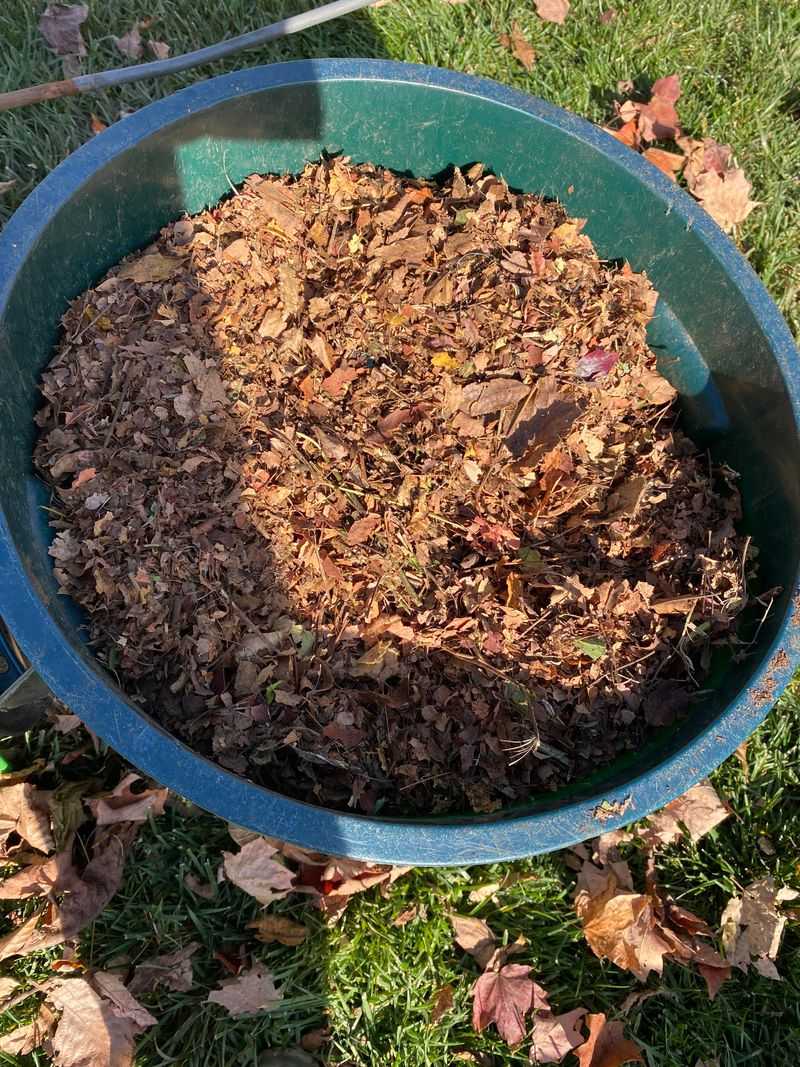
Whole leaves are notorious for forming soggy sheets that water cannot pass through. Shredded leaves behave like a completely different material.
Chopping them creates far more surface area for microbes to attack. More edges mean more places where bacteria and fungi can grab hold.
That extra access speeds breakdown dramatically. Shredded leaves can finish in a single season, while intact leaves may linger for two.
Shredding also stops matting. Loose fragments hold air pockets, which keeps oxygen flowing and prevents those sour, airless zones.
You do not need special gear. Running a mower over a long row of dry leaves twice works beautifully and takes maybe ten minutes.
A bagging mower makes collection easy. Dump the bag straight into the bin and you have instant carbon in usable form.
Leaf blowers with a vacuum setting shred as they collect. Many homeowners already own one for fall cleanup, so no new purchase is needed.
Dry leaves shred better than wet ones. Wait for a sunny afternoon after a few rain-free days for the cleanest results.
Leaves are the main brown material available to gardeners, and shredded ones improve compost quality noticeably. Oak leaves especially benefit since they are tough and slow.
Store extra shredded leaves in bags or a wire ring nearby. Having dry browns on hand all winter lets you cover kitchen scraps instantly.
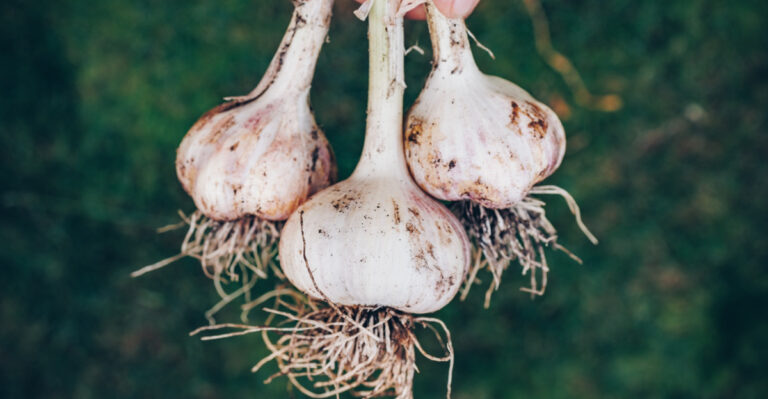
One practical note: shredded leaves also make excellent mulch for garlic beds planted in October.
4. Toss Chopped Garden Waste Into The Pile
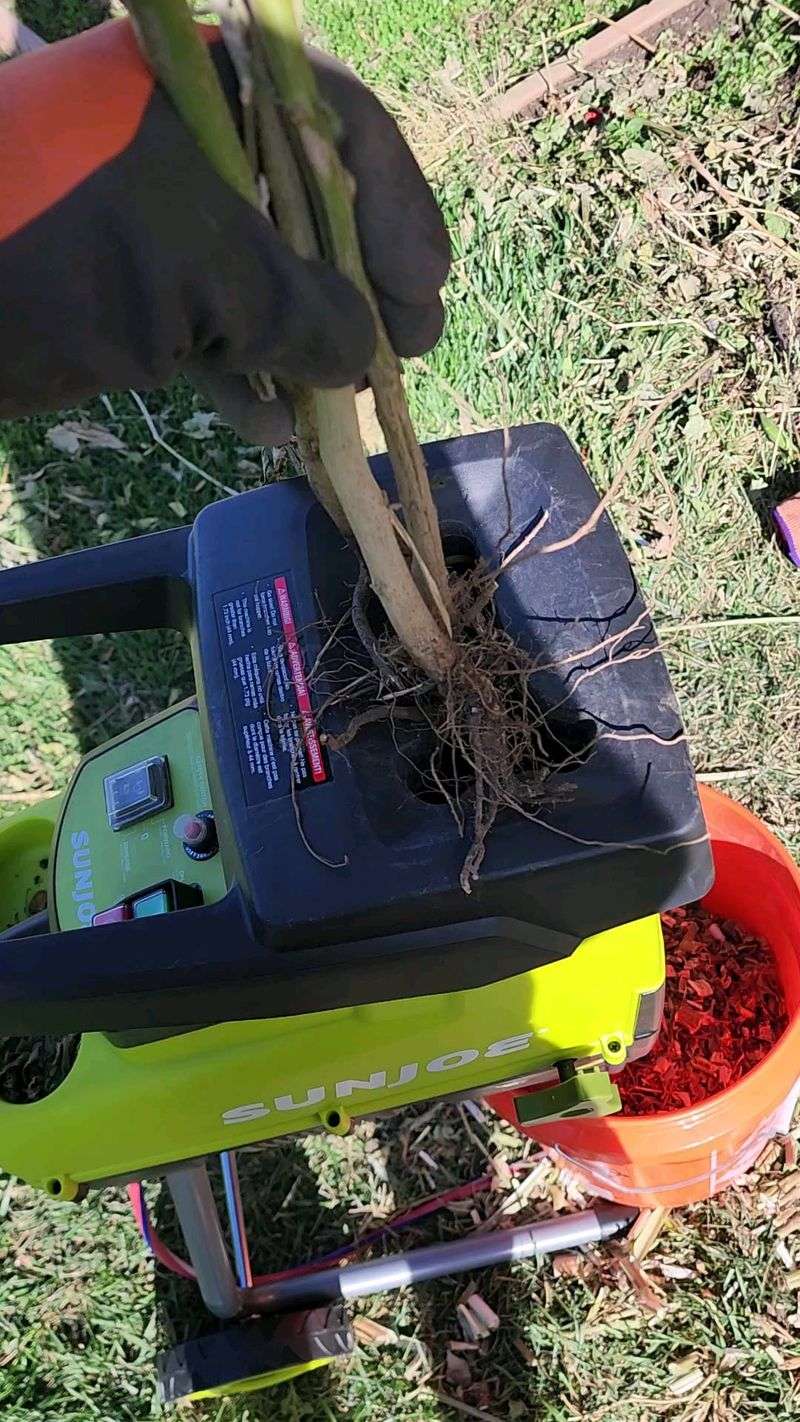
Size is everything when it comes to stalks and stems. A whole cornstalk can sit in a pile for a year, while chopped pieces vanish by spring.
Smaller chunks give microorganisms more room to colonize. Researchers note that cutting material down can roughly double the speed of breakdown.
Chopping breaks through tough outer skins too. Once that waxy layer is opened, bacteria and fungi reach the soft tissue inside.
Aim for pieces between half an inch and two inches. That range balances surface area against the need for air gaps.
Going too fine can backfire. Material ground to dust packs tight and squeezes out the oxygen your pile depends on.
Tools matter less than you think. Loppers, hedge shears, or a sharp spade on a hard surface all get the job done.
Some gardeners spread stalks on the driveway and run the mower over them. It is loud but remarkably effective and fast.
Fall gives gardeners plenty of raw material. Frosted zinnias, okra stalks, sunflower stems, and old broccoli plants pile up quickly in October.
Mix chopped waste through the pile rather than dumping it in one clump. Even distribution keeps moisture and heat consistent throughout.
Woody stems deserve a second look before going in. Set anything thicker than your thumb aside for the chip pile or a bug habitat corner.
Chopping takes an extra twenty minutes but saves months of waiting, which is a trade most gardeners happily accept.
5. Add Kitchen Scraps For A Nitrogen Boost
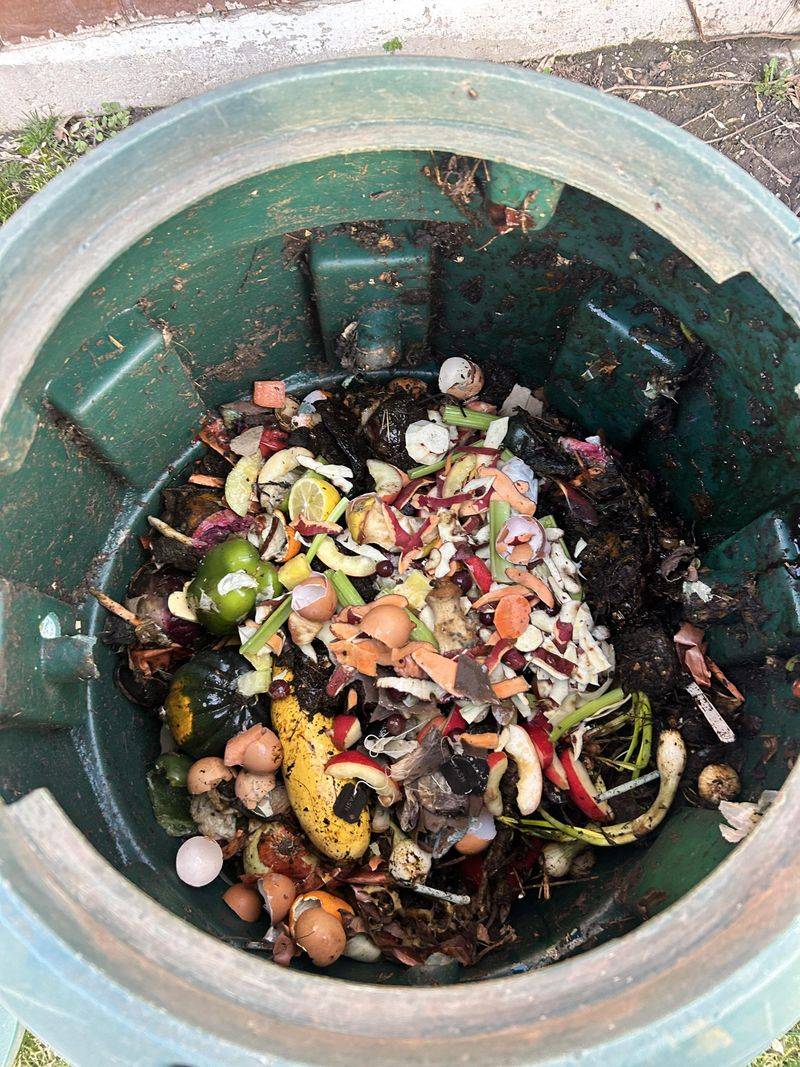
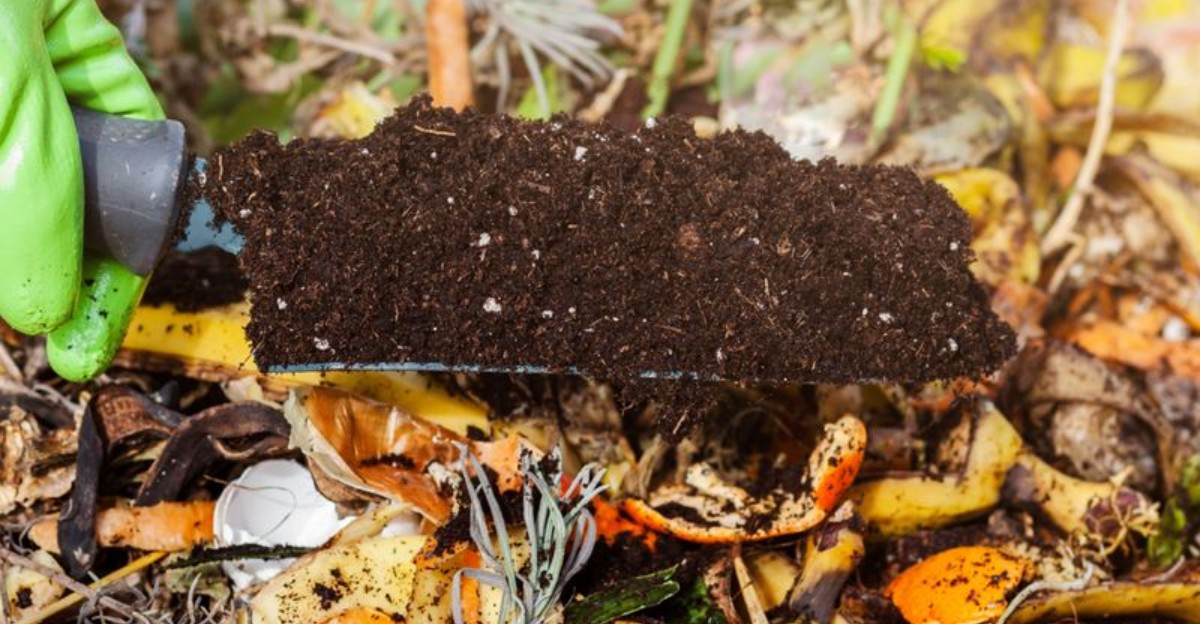
Coffee grounds, apple cores, and carrot tops pack a serious nitrogen punch. They are the espresso shot your leaf pile has been waiting for.
Fruit and vegetable trimmings work best. Peels, cores, stems, rinds, and spent coffee grounds all break down quickly and feed microbes well.
Crushed eggshells earn a spot too. They add calcium, and crushing them into small bits helps them disappear much sooner.
Balance keeps things pleasant. Most guides suggest two or three parts brown material for every one part kitchen scraps by volume.
Burying scraps is the secret to peace with your neighbors. Dig a small pocket in the center, drop them in, and cover with shredded leaves.
That leaf blanket also discourages raccoons and flies. Virginia backyards have plenty of curious wildlife, so covering scraps is worth the effort.
The Virginia Department of Environmental Quality encourages residents to compost food scraps and keep them out of landfills. Household kitchens generate a surprising volume each week.
Skip meat, dairy, and greasy leftovers in an open backyard pile. They attract pests and can turn the pile sour.
Chop larger items before adding them. A whole melon rind takes forever, but quartered pieces break down in weeks.
Keep a lidded pail under the sink to make the habit stick. Empty it every few days so it does not get funky.
By December, those scraps will have melted into the leaves with no trace left behind.
6. Use Fresh Manure To Increase Nitrogen
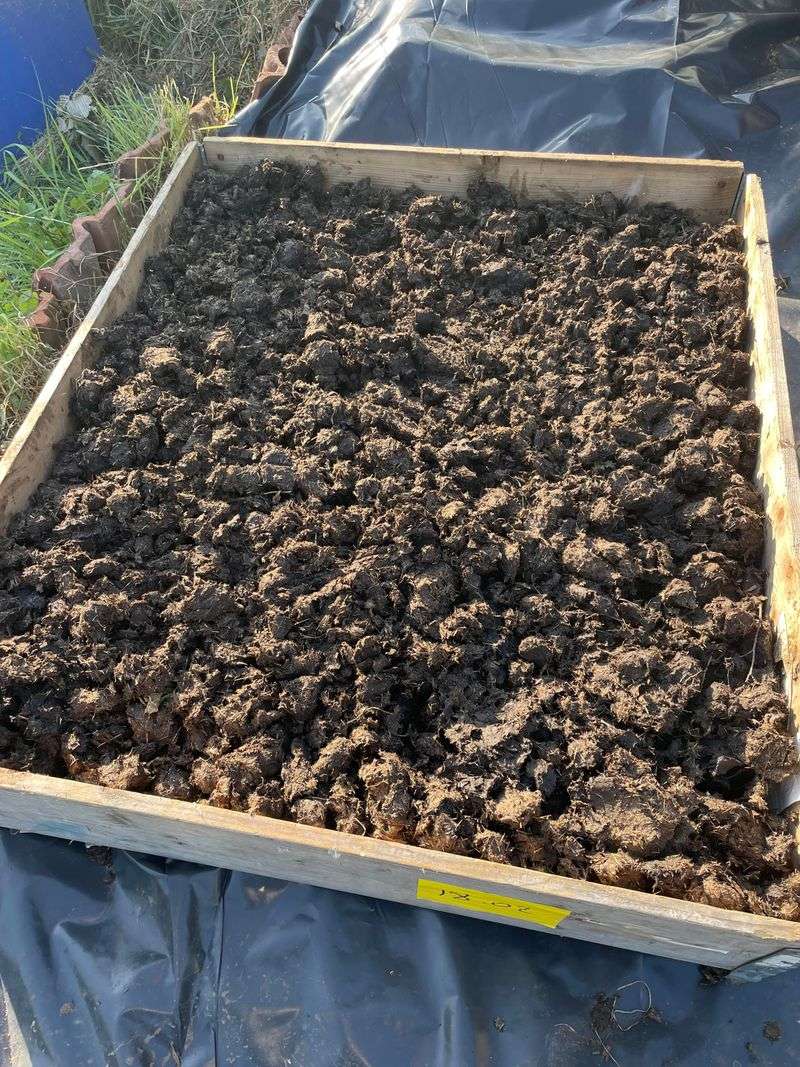
Ask any old-time farmer what makes compost cook, and manure tops the list. It brings nitrogen plus a whole crowd of ready-made decomposers.
Plant-eating animals supply the best material. Cow, horse, chicken, sheep, and rabbit manure all give piles a strong nitrogen lift.
Horse manure is especially handy. Mixed with bedding, it often lands near the ideal carbon-to-nitrogen range of 25 to 35 to one.
Chicken manure runs much hotter and stronger. Use it sparingly and pair it generously with shredded leaves to avoid an ammonia smell.
Temperature is the safety piece. Piles containing manure should reach and hold internal temperatures between 131 and 170 degrees Fahrenheit to handle pathogens and weed seeds.
A long-stemmed compost thermometer takes the guesswork out. Check the center every few days and turn the pile when readings start dropping.
Virginia Cooperative Extension resources point to manure as a valuable nitrogen source for home composters. Horse farms and small poultry flocks are common across the state.
Finding a supply is usually easy. Many stable owners give away manure just to clear their barn area.
Build your pile at least three feet across in every direction. Smaller piles struggle to hold the heat manure composting requires.
Never spread fresh manure directly on vegetable beds. Compost it properly first, reaching the recommended temperature and holding it there for the required time.
Do it right, and you get rich compost plus a warm pile that keeps working into cold weather.
7. Add Sawdust When Your Pile Needs More Carbon
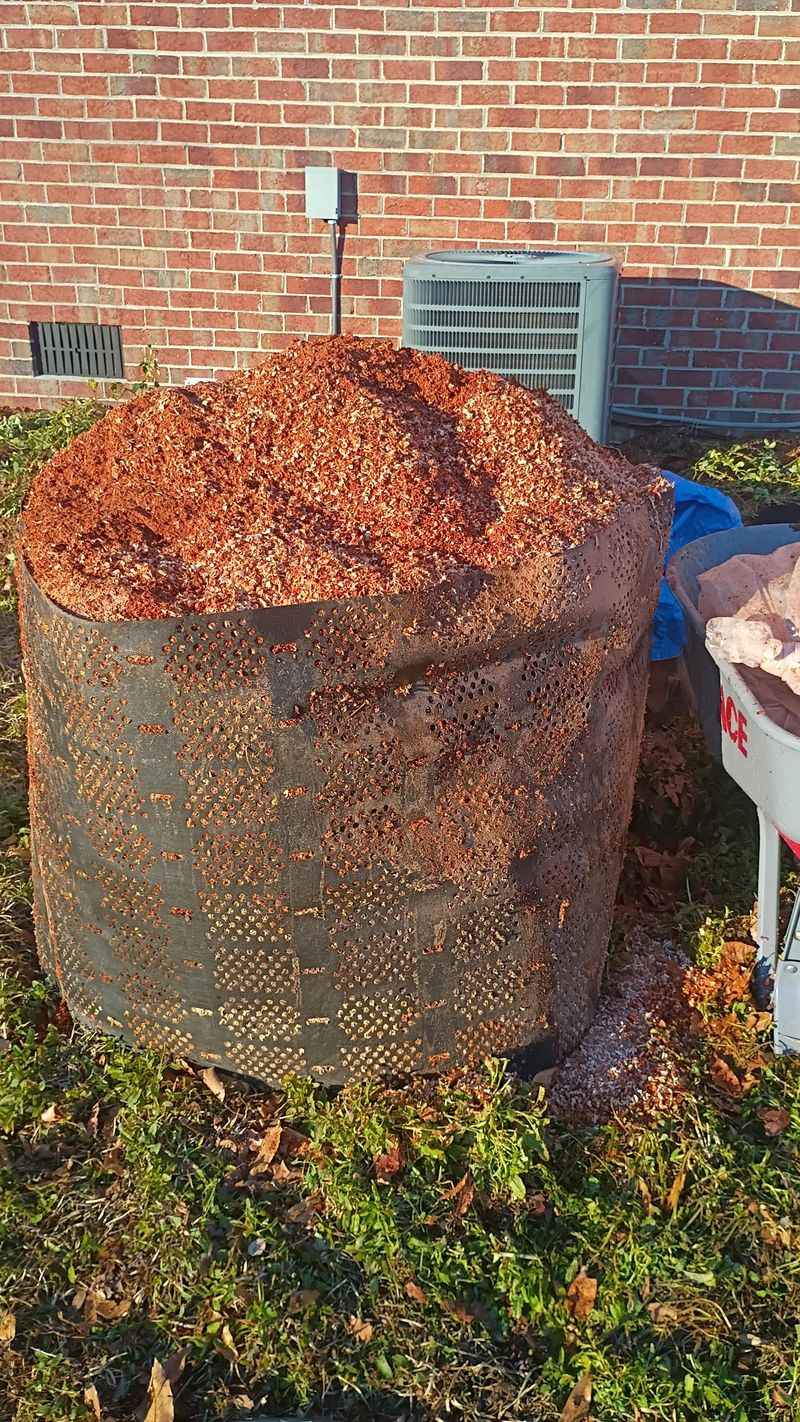
Ever opened a compost bin and caught a sharp ammonia sting? Your pile is begging for carbon, and sawdust answers fast.
Few materials carry more carbon. Sawdust ratios commonly run between 200 and 500 parts carbon per part nitrogen.
That concentration makes it a powerful corrector. A little sawdust pulls a soggy, nitrogen-heavy pile back toward the sweet spot near 25 or 30 to one.
Left alone, though, sawdust barely moves. It needs nitrogen partners like clippings, scraps, or manure to break down in reasonable time.
Application technique matters more than quantity. Sprinkle thin layers and mix thoroughly, because thick pockets compact and choke off oxygen.
Think of it as seasoning rather than a main ingredient. A few handfuls per bucket of greens is usually plenty.
Source it carefully. Use sawdust only from untreated, unpainted wood so no preservatives or stains end up in your garden soil.
Woodworkers and small sawmills often have bags of clean shavings available. A polite ask usually gets you a free supply.
Skip fresh black walnut sawdust if you can. Black walnut material can contain compounds that may affect sensitive plants.
Keep a covered bucket beside the bin. Having dry sawdust ready means you can fix a wet pile the moment you notice trouble.
As it finally breaks down, sawdust improves soil structure and adds lasting organic matter. Slow, yes, but genuinely worth including.
8. Mix In Wood Chips For Better Airflow
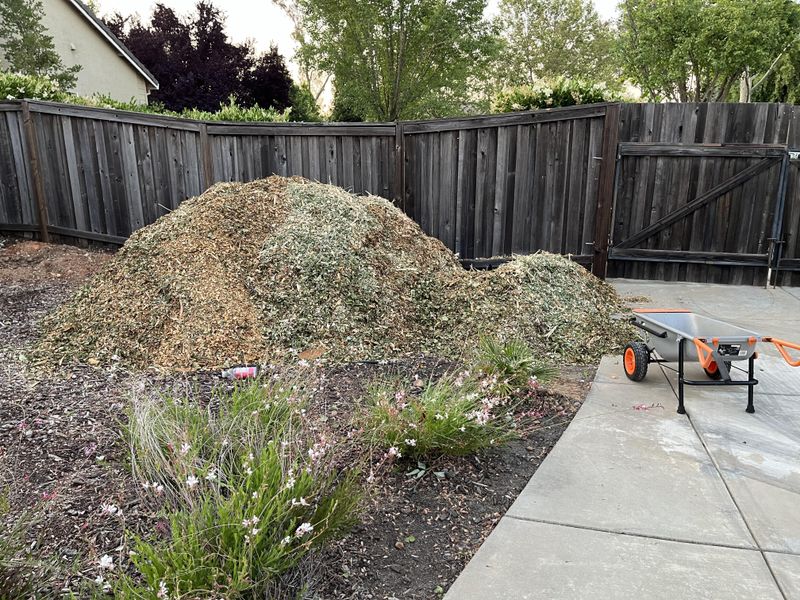
Wood chips are the scaffolding of a healthy pile. They hold structure so everything else does not collapse into a wet mass.
Compost pros call them bulking agents. Their irregular shapes create lasting air pockets throughout the heap.
Oxygen is what separates sweet-smelling compost from a swampy mess. Aerobic microbes need steady air to work efficiently.
Chips also manage moisture nicely. They shed excess water during rainy spells while holding enough dampness for microbes to thrive.
As a brown material, chips add carbon too. That helps offset heavy loads of grass, scraps, or manure.
Layer them low and throughout. A few inches at the base improves drainage and lets air enter from underneath.
Expect chips to outlast the rest. Screen them out of finished compost and toss them back into the next pile.
Getting chips is often free. Tree crews working in neighborhoods frequently drop loads for anyone who asks.
Composting facilities around the state, including operations in Prince William County and Danville, process wood waste into compost and mulch. That scale shows how valuable the material really is.
Smaller chips break down faster than chunky ones. A mix of sizes gives you both structure and steady decomposition.
Fresh chips from leafy branches can add some green material as well. Those mixed loads can work well in fall piles when combined with enough nitrogen-rich material.
Add chips in autumn and your pile will still be breathing well come March.