Simple June Care Tips For Virginia Crape Myrtles After Their First Flush of Blooms
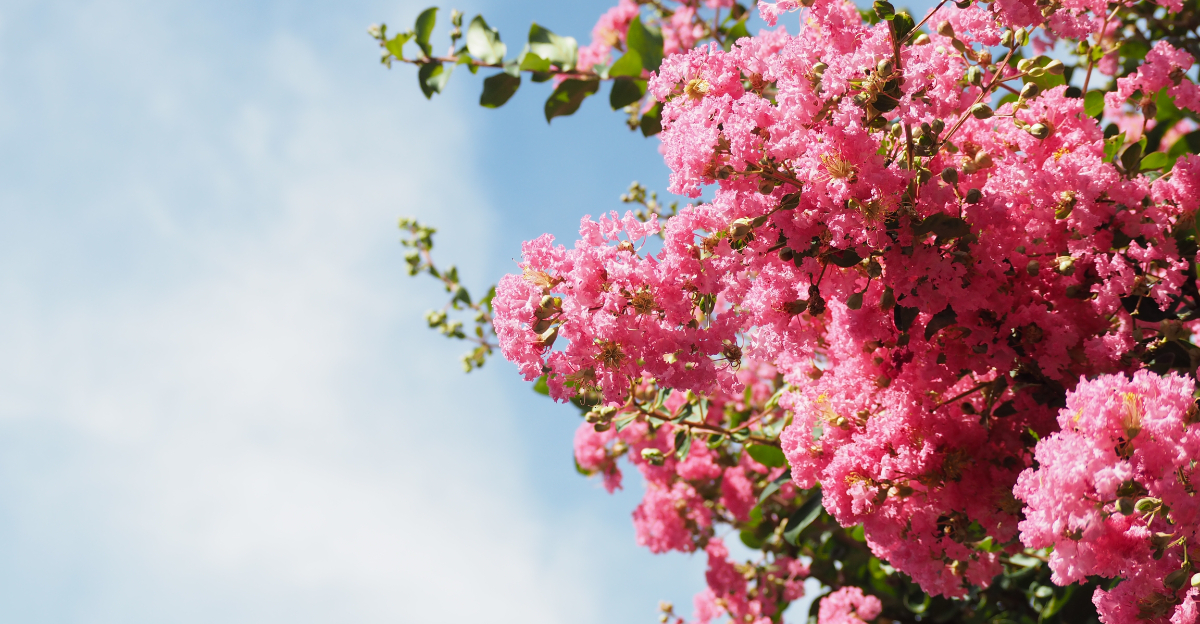
Those first crape myrtle blooms are always the best kind of surprise. One week your yard looks ordinary, and the next it’s lit up in pink, red, or lavender.
But once that first flush fades, most Virginia gardeners just walk past and hope for the best. That’s the wrong move. June is actually when crape myrtles need you most.
The humidity is rising and the soil is warming fast. Your tree is already working on its next round of blooms. Don’t waste that momentum.
Virginia summers are brutal and fast. Crape myrtles can take it, but only if you give them a little help now. A few smart moves in June pay off in blooms all the way to October.
1. Snip Off Spent Blooms To Trigger Another Round Of Flowers
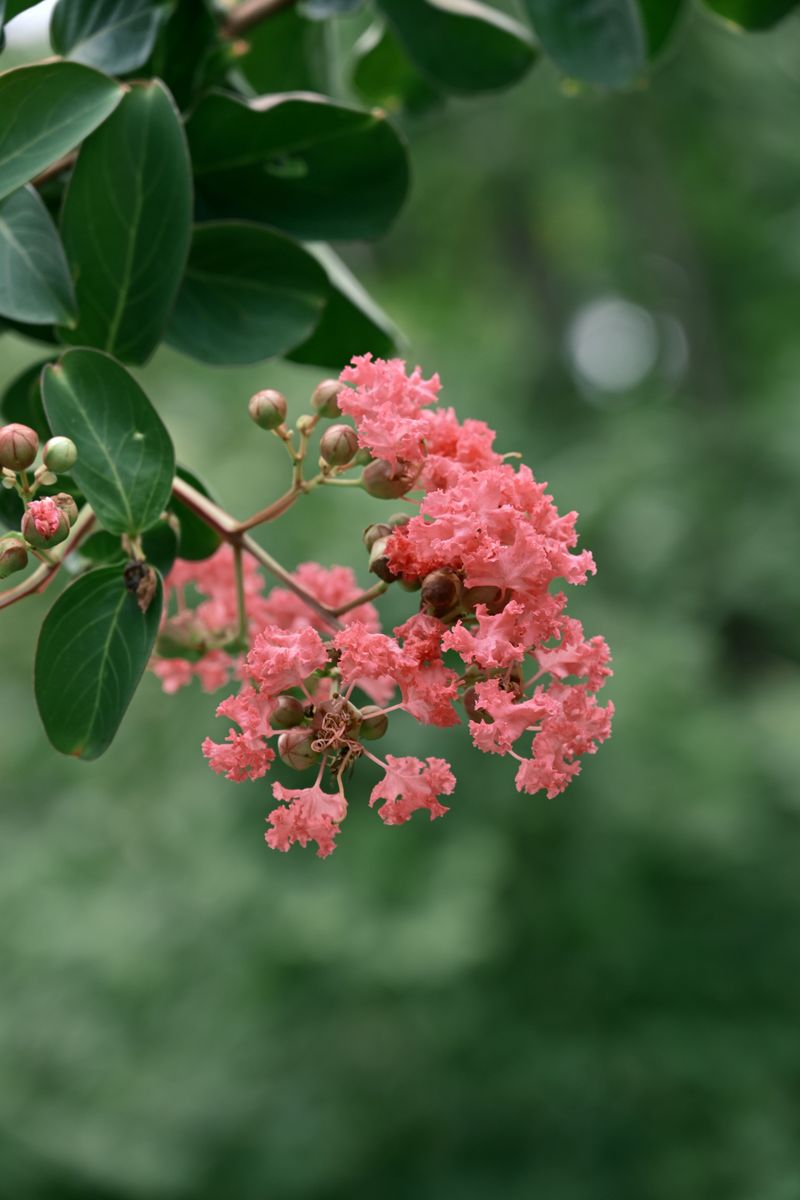
Spent blooms hanging on a crape myrtle are not just ugly, they are missed opportunities. When you remove those spent flower clusters, the tree gets a clear signal to push out fresh buds.
This process is called bloom trimming, and it works like a reset button for your plant. Grab a clean pair of hand pruners and snip just behind the faded bloom cluster, right above the next set of leaves.
You do not need to cut far down the branch at all. A light, precise snip is all it takes to encourage the next round of color.
Timing matters here, especially in June, because the tree still has plenty of warm weeks ahead to rebloom. Crape myrtles in the mid-Atlantic region can produce two or even three flushes of blooms in a single season.
That is a lot of free color if you stay on top of the spent clusters. Some gardeners skip this step and still get a second flush, but trimming spent blooms speeds up the process noticeably.
A quick wipe with a diluted bleach solution or clean cloth between snips helps prevent spreading any disease between cuts. After doing it, stand back and admire the clean, tidy look of your tree before the next wave of blooms arrives.
Once you get into the habit, the whole process takes less than ten minutes per tree. Work your way around the canopy systematically so you don’t miss any clusters hiding toward the back.
Virginia’s long growing season is one of the best things about gardening here. Crape myrtles planted in the mid-Atlantic have more warm weeks to work with than almost anywhere else in the country, so every flush you encourage adds up.
2. Give Your Crape Myrtle A Light Feeding After The First Flush
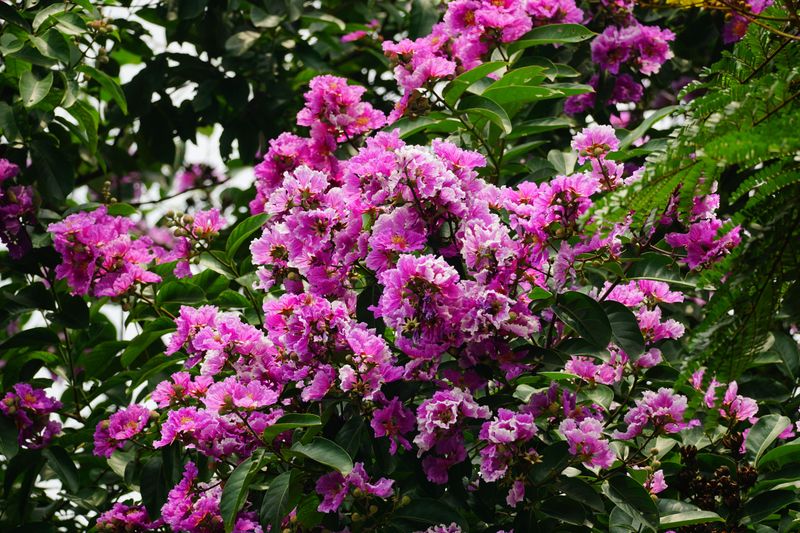
Blooming takes serious energy, and your crape myrtle just spent a lot of it on that first flush. A light feeding in June helps the tree recover and gear up for round two.
You do not need to go heavy on fertilizer. A balanced, slow-release granular formula works best here.
Look for something with an equal ratio like 10-10-10 or a product made specifically for flowering trees. Sprinkle it evenly around the drip line, which is the outer edge of the tree canopy.
Your Virginia Garden Changes Every Week. Your Plan Should Too.
Gardening in Virginia changes quickly throughout the season. Every Friday you’ll receive a simple weekly plan showing exactly what to plant, prune, fertilize, harvest, and protect so you never miss the right timing.
Avoid piling fertilizer right against the trunk, as that can cause root burn and stress. Water the area thoroughly after applying so the nutrients can start moving down into the soil.
June feeding is a sweet spot because the tree is actively growing and can absorb nutrients efficiently right now. Going overboard with fertilizer can actually backfire, pushing out lots of leafy growth instead of blooms.
Less is genuinely more when it comes to feeding crape myrtles in summer. If you already fed your tree in early spring, a half-dose in June is plenty.
Organic options like fish emulsion or composted manure also work well for a gentler nutrient boost. They release slowly and improve soil structure at the same time, which is a nice bonus.
A well-fed crape myrtle heading into July is set up for a bold second round of blooms. Think of June feeding as a quiet investment that pays off loudly by midsummer.
Most Virginia gardeners either skip this step entirely or overdo it. Getting the amount right puts you ahead of both.
3. Water Deeply And Less Often During Virginia’s Summer Heat

Shallow, frequent watering is one of the most common mistakes homeowners make with crape myrtles. It trains roots to stay near the surface, making the tree more vulnerable when a real heat wave hits.
Deep, infrequent watering pushes roots down where the soil stays cooler and holds more moisture. Aim to water your crape myrtle once or twice a week during dry spells, soaking the ground slowly and thoroughly.
A slow trickle from a hose left at the base for 20 to 30 minutes does the job beautifully. The goal is to wet the soil at least 10 inches down, reaching the deeper root zone.
Stick your finger or a screwdriver into the ground to check moisture depth after watering. If the soil feels dry just a few inches down, your watering sessions need to be longer.
Crape myrtles are drought-tolerant once established, but young trees under three years old need more consistent moisture. June in the mid-Atlantic can swing between drenching rain and stretches of intense dry heat.
Pay attention to rainfall totals that week before reaching for the hose automatically. Overwatering is just as damaging as drought, especially in clay-heavy soils that hold moisture longer.
A rain gauge in your yard takes the guesswork out of the equation entirely. One inch of rainfall that week means you can skip the hose without a second thought.
Virginia clay soil is notoriously slow to drain, so watch for standing water around the base after heavy rain. If puddles linger more than an hour, your tree may need better drainage before summer really digs in.
4. Mulch Around The Base To Hold Moisture Through The Hot Months
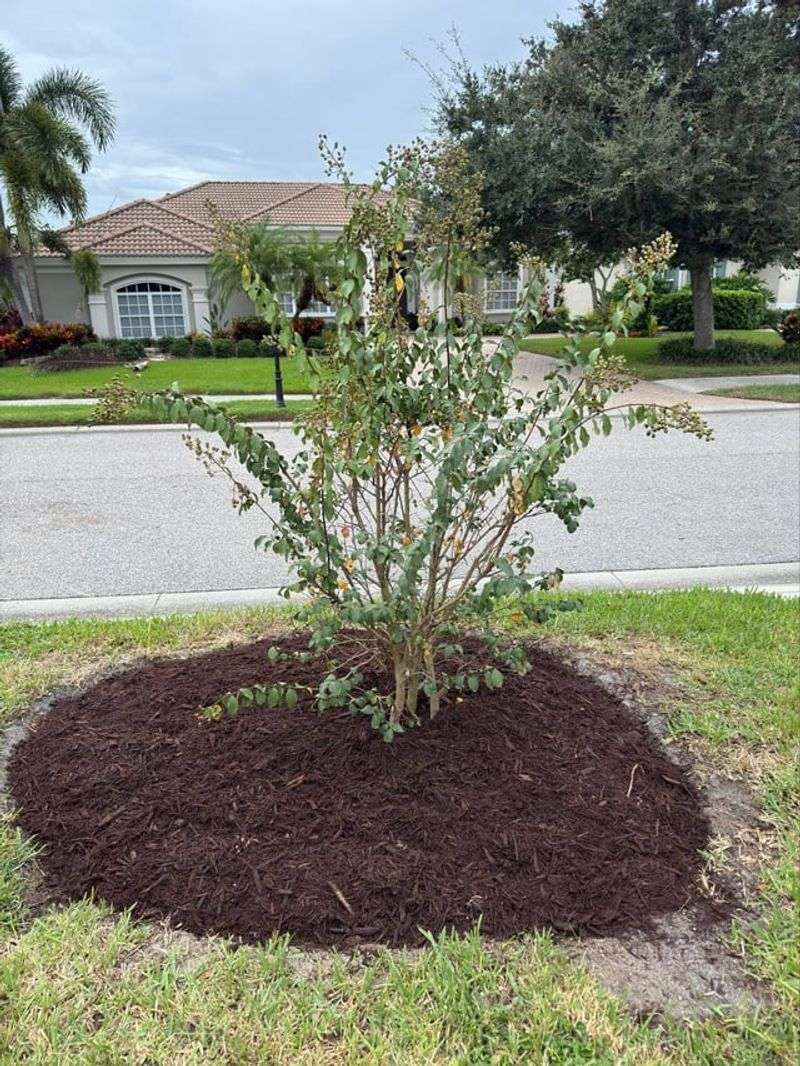
Bare soil around a crape myrtle in June is basically an open invitation for moisture to escape fast. A fresh layer of mulch acts like a blanket, locking in water and keeping roots cool during summer.
Spread two to three inches of organic mulch like shredded hardwood, pine bark, or wood chips around the base. Keep the mulch pulled back a few inches from the actual trunk to prevent rot and pest problems.
A donut-shaped ring of mulch, not a volcano pile, is the correct way to do this job. Many well-meaning gardeners accidentally pile mulch high against the trunk, and that causes real long-term damage.
Mulch also suppresses weeds that compete with your crape myrtle for water and nutrients. Fewer weeds mean less work for you and more resources available for the tree to channel into blooms.
Refresh your mulch layer each spring or early summer before the heat peaks for best results. In areas with heavy clay soil, mulch helps buffer moisture swings that can stress root systems.
Sandy soils benefit even more, since they drain quickly and lose moisture to heat at a faster rate. Mulching is one of the simplest, most affordable steps you can take to protect a crape myrtle all season long.
A two-dollar bag of shredded bark from your local garden center goes a long way around a single tree. It is the kind of small effort that quietly does a big job all summer without you thinking about it again.
Northern Virginia gardens tend to have heavier clay content, while areas closer to the coast lean sandier. Either way, a proper mulch ring gives your tree a fighting chance no matter what the soil is working with underneath.
5. Leave The Pruning Alone And Just Clean Up The Base
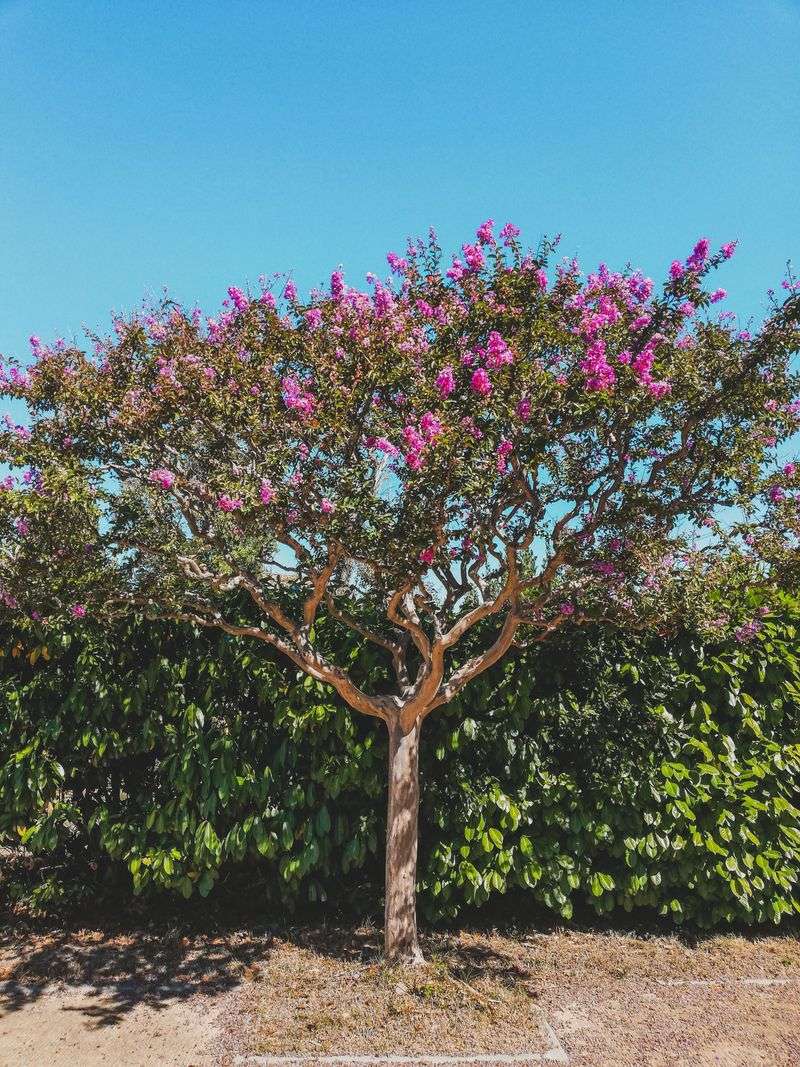
June is generally not the time to grab your loppers and start cutting back your crape myrtle branches. Heavy pruning mid-season stresses the tree and cuts off the very growth that will produce your next blooms.
The only pruning worth doing right now is removing the small suckers sprouting from the base of the trunk. Those little sprouts pull energy away from the main canopy without contributing anything useful to the tree.
Snap them off by hand or use a clean pair of pruners to remove them as close to the base as possible. Getting them early, while they are still small and tender, makes the job quick and easy.
Also remove any crossing branches inside the canopy that are rubbing against each other. Rubbing branches create wounds that invite pests and fungal issues, especially in humid June weather.
Beyond those two targeted tasks, step away from the pruning tools and let the tree do its thing. Crape myrtles bloom on new growth, so protecting that growth now protects your future flowers.
The notorious practice of crape murder, which is topping trees severely each year, weakens them over time. Proper structure comes from light, intentional shaping in late winter, not reactive hacking in summer.
Suckers have a way of coming back quickly, so check the base every couple of weeks through the summer. Staying on top of them takes two minutes and keeps the tree looking clean and focused.
If you are genuinely unsure whether a branch needs to come off, leave it alone for now. A bad cut in June is harder to recover from than one made during the dormant season when the tree has all winter to adjust.
6. Keep An Eye Out For Aphids And Powdery Mildew In June
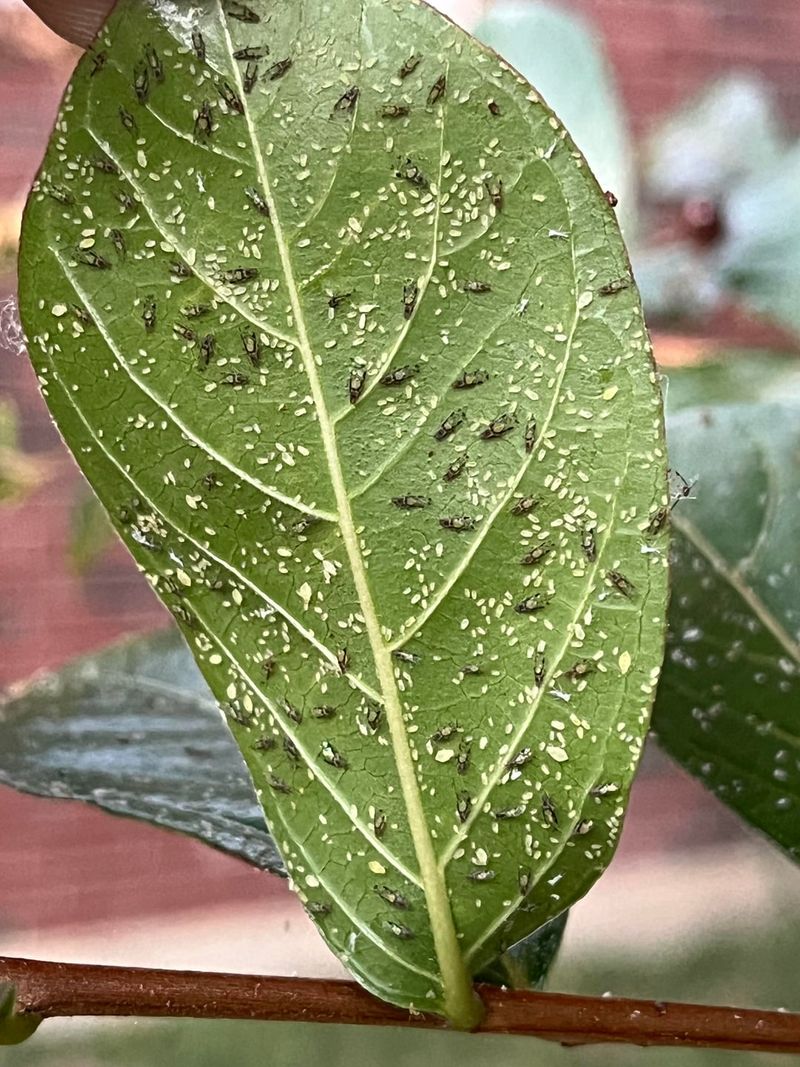
June warmth brings blooms, but it also rolls out the welcome mat for a few unwanted guests. Aphids and powdery mildew are the two most common problems crape myrtle owners face during early summer.
Aphids are tiny, soft-bodied insects that cluster on new growth and suck the sap right out of tender stems. A heavy infestation causes yellowing leaves, premature leaf drop, and a sticky coating on surfaces below the tree called honeydew.
Blast aphids off with a strong stream of water from the hose, that simple step handles most light infestations. For heavier problems, a spray of insecticidal soap or neem oil applied in the early morning works well.
Powdery mildew shows up as a white, chalky coating on leaves, especially during humid stretches with warm days and cool nights. Good air circulation around your tree is the best long-term defense against mildew issues.
Avoid overhead watering in the evening, since wet leaves overnight create perfect conditions for fungal growth. Many modern crape myrtle varieties have been bred with strong mildew resistance built right in.
If your tree struggles with mildew every year, consider that a sign to replant with a resistant variety next season. Catching both problems early in June can make treatment faster, cheaper, and more manageable.
A weekly walk-around inspection of your crape myrtle only takes a few minutes but saves a lot of headaches. Healthy, pest-free trees channel all their energy into what you actually want, those gorgeous summer blooms.
7. Check Soil PH Before Summer Fully Sets In
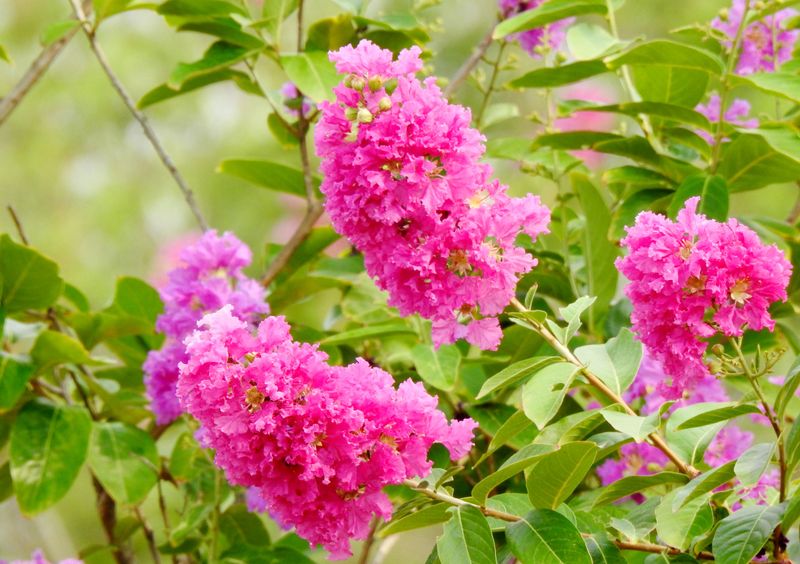
Crape myrtles have a strong preference for slightly acidic soil, and getting that wrong quietly sabotages everything. The sweet spot for these trees sits between a pH of 5.5 and 6.5 on the soil scale.
When soil pH drifts too high or too low, the tree loses its ability to absorb key nutrients properly. Yellowing leaves in summer are often not a watering problem at all, they point straight to a pH issue.
A basic soil test kit from any garden center gives you accurate results in under 15 minutes. You can also send a soil sample to your local cooperative extension office for a more detailed analysis.
If your pH reads too high, meaning the soil is too alkaline, add sulfur to bring it down gradually. Acidifying fertilizers and pine bark mulch also help shift the pH in the right direction over time.
Soil that reads too acidic can be corrected with an application of garden lime, which gradually raises the pH back toward neutral. Make changes gradually because swinging pH too fast in either direction shocks the root system badly.
June is a great window for soil testing because the tree is actively growing and showing you how it feels. Pale leaves, poor bloom production, and slow growth are all clues the soil chemistry needs attention.
Matching the right pH gives your crape myrtle a strong foundation to support healthy blooming through the season. Good soil care is the quiet secret behind every stunning crape myrtle you have ever admired in a neighbor’s yard.