The California Groundcovers That Make Fall Yard Care Easier
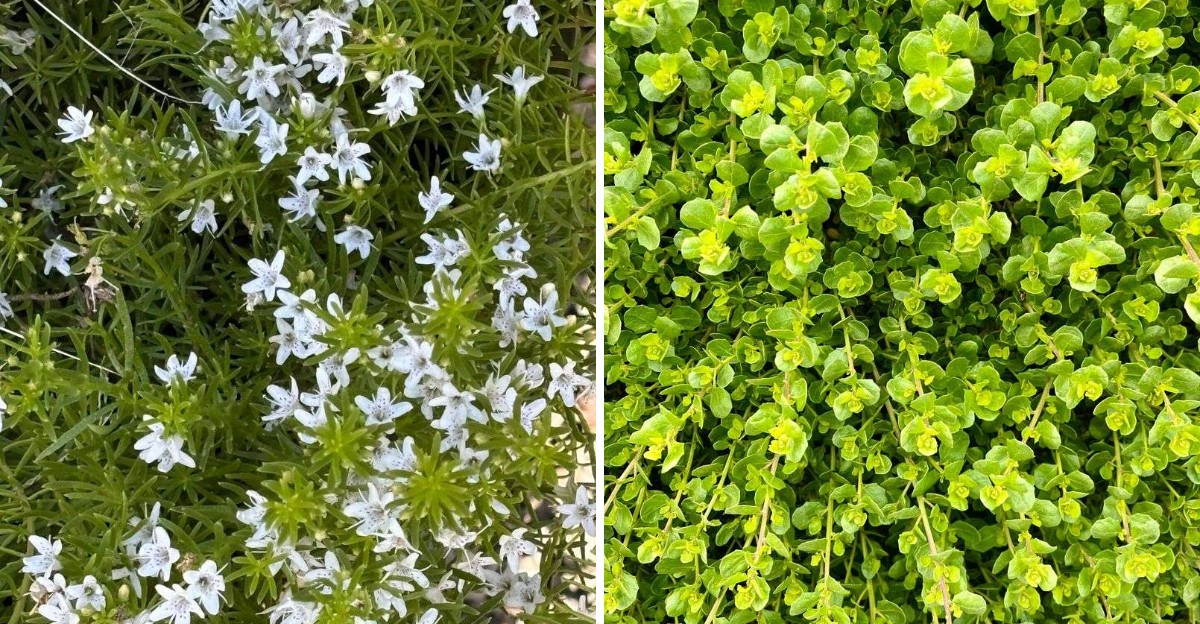
Your yard holds a secret weapon most California gardeners walk right past every single day.
It sits low, stays quiet, and does more work than the mower ever could. Fall rain hits, weeds wake up, slopes turn slick, and somewhere in the middle of all that chaos, one group of plants just sits there and handles it.
No fuss. No fanfare. No extra trip to the shed.
The catch? Most yards still skip this option entirely, then spend every October fighting the exact problems it would have solved on its own.
Eight groundcovers change that story completely. Each one tackles a different fall headache, from stubborn weeds to muddy slopes to leaves you never wanted to rake in the first place.
Ready to find out which plant does the heaviest lifting? The first one might already be growing three yards down the street from you.
1. Silver Carpet Crowds Out Fall Weeds
Weed seeds wait for one thing. Light hits bare soil, a little moisture shows up, and suddenly your bed sprouts a crop nobody planted.
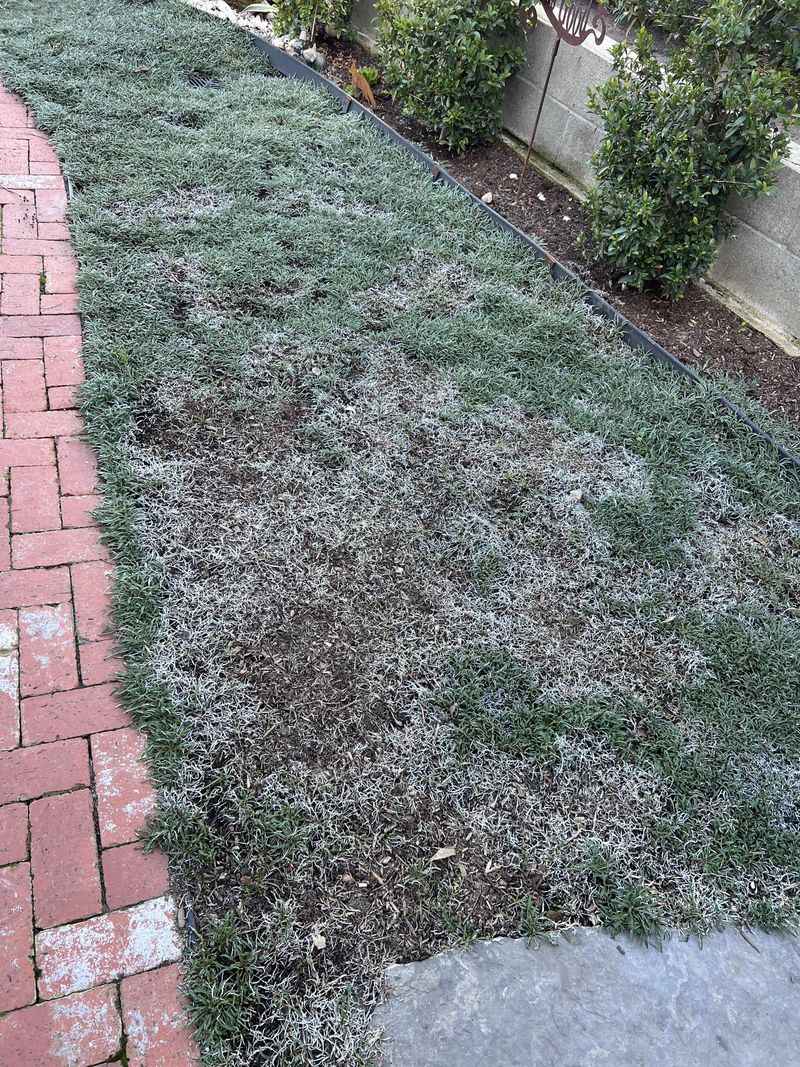
Silver Carpet shuts that door fast. This flat, silvery mat grows so tight to the ground that it blocks light from reaching the soil underneath, so seeds sitting there never get the green signal to sprout.
Occupy the space first, and nothing else gets a seat.
Winter weeds like annual bluegrass, chickweed, and filaree show up once fall rain arrives. A mature Dymondia mat already covers that ground, so those seedlings stay stuck in the dark and give up early.
Density matters more than anything else here. Dymondia spreads slowly at first, so a patchy young planting still leaves gaps for weeds, meaning spacing and patience through year one really pay off.
Mulch fills the gap while the mat knits together. Two to three inches of coarse mulch between young Dymondia plants keeps light out until the silver foliage closes ranks.
The payoff shows up the following fall. Instead of a weekend spent yanking seedlings from damp soil, you walk the bed, pull a few stragglers near the edge, and head back inside for coffee.
That is a real cut in labor, not a nursery tag promise. Your back will notice the difference before your calendar does.
Plant the mat now, and next October becomes the easiest month you have had in years.
2. Prostrate Rosemary Cuts Fall Mowing To Almost Nothing
Cool-season lawns love a comeback story. Tall fescue and ryegrass perk up once the heat breaks, and suddenly you’re back behind the mower every single week.
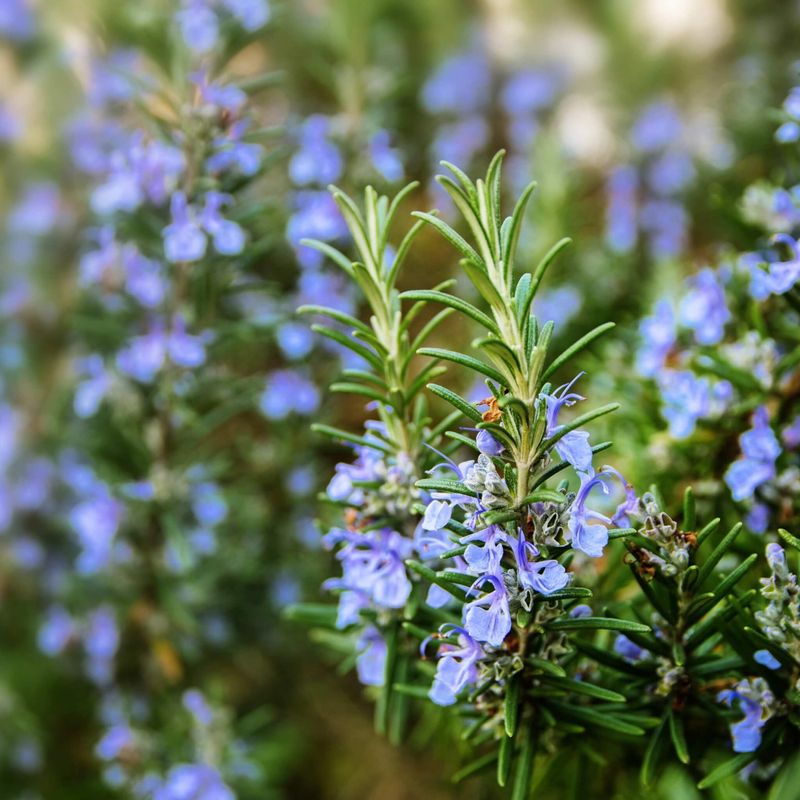
Prostrate rosemary skips that plot twist entirely. This low, woody spreader holds its shape without a single cut, so the mower parks itself from September clear through the holidays.
It does ask for one small favor. A light shearing once a year keeps the plant tidy and stops it from getting leggy in the center, which is a fraction of the effort turf demands weekly.
Swapping rosemary in for lawn cuts fuel, fertilizer, and irrigation demands across the board.
Your California Garden Changes Every Week. Your Plan Should Too.
Gardening in California changes quickly throughout the season. Every Friday you’ll receive a simple weekly plan showing exactly what to plant, prune, fertilize, harvest, and protect so you never miss the right timing.
There’s a noise perk too. Skip four or five mowings in autumn, and your neighbors get several extra quiet Saturday mornings, free of charge.
Foot traffic areas still need a tougher surface than rosemary offers. Dog runs, play zones, and busy paths do better with turf or a walkable option like Kurapia.
Side yards, parkway strips, and slopes nobody walks on make the easiest swap. Rosemary actually prefers those dry, sunny, slightly neglected spots, so the trade barely feels like a sacrifice.
Retire the mower from those corners, and fall starts to feel like a season off instead of a second lawn shift. Your rosemary will smell better than any lawn ever did anyway.
3. Ceanothus Yankee Point Skips Extra Fall Watering
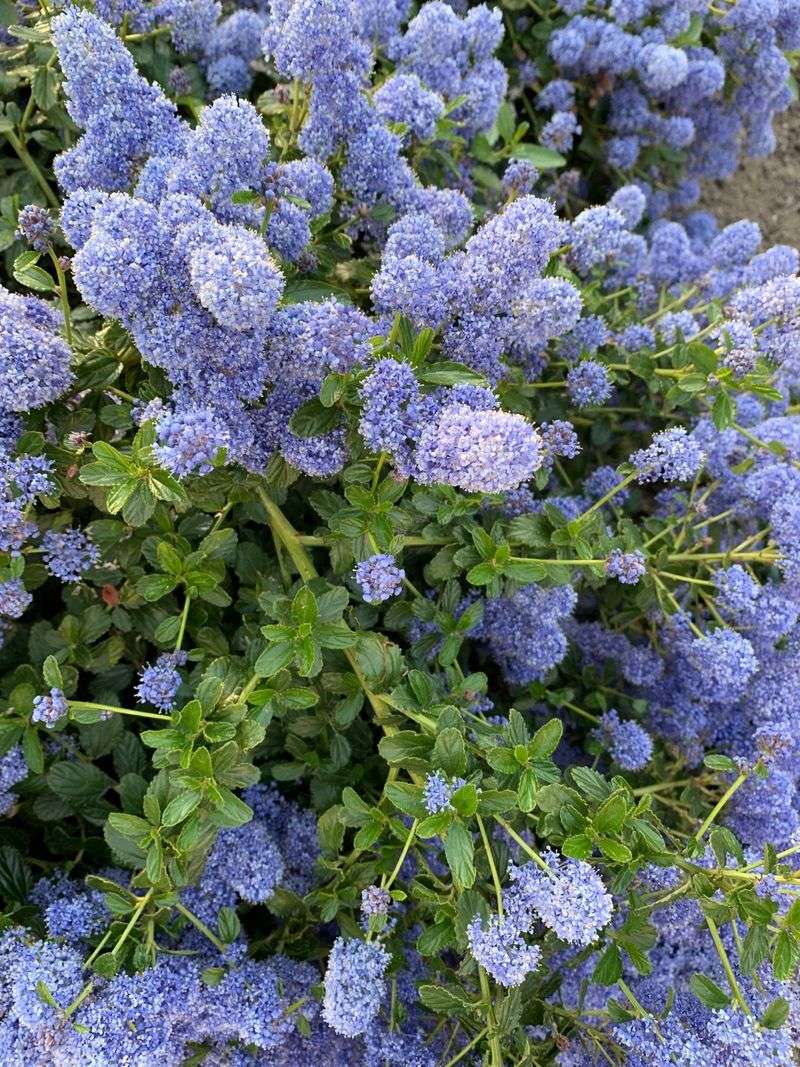
California natives grew up on a strict schedule. Wet winters, dry summers, no exceptions, and Ceanothus Yankee Point never forgot that old habit.
Give roots a couple seasons to settle, and this trailing native coasts through fall on stored soil moisture plus whatever rain shows up, no hose required.
Establishment is the part people rush. Ceanothus needs steady water through the first one to three years before that famous low-water reputation actually kicks in.
Fall marks the best planting window for a good reason. Winter rain handles the establishment watering for free, and roots stretch out through the cool months while top growth takes a break.
Once mature, Yankee Point resents extra fall water rather than welcoming it. Overwatering established Ceanothus invites root problems, so many gardeners shut off drip lines to these beds once plants settle in.
The real autumn win is less fiddling overall. No dragged hoses, no rescue missions after a late heat spike, no guilty look at the water bill each month.
Yankee Point also earns its keep on slopes, where its spreading habit helps hold soil in place through winter storms.
Local conditions still matter a great deal. Coastal, inland valley, and desert zones call for different Ceanothus cultivars, and your county Master Gardener program can point toward the one proven in your exact area.
Skip the hose this fall, and let the sky do the watering for a change.
4. Coyote Brush Holds Slopes Through Fall Rain
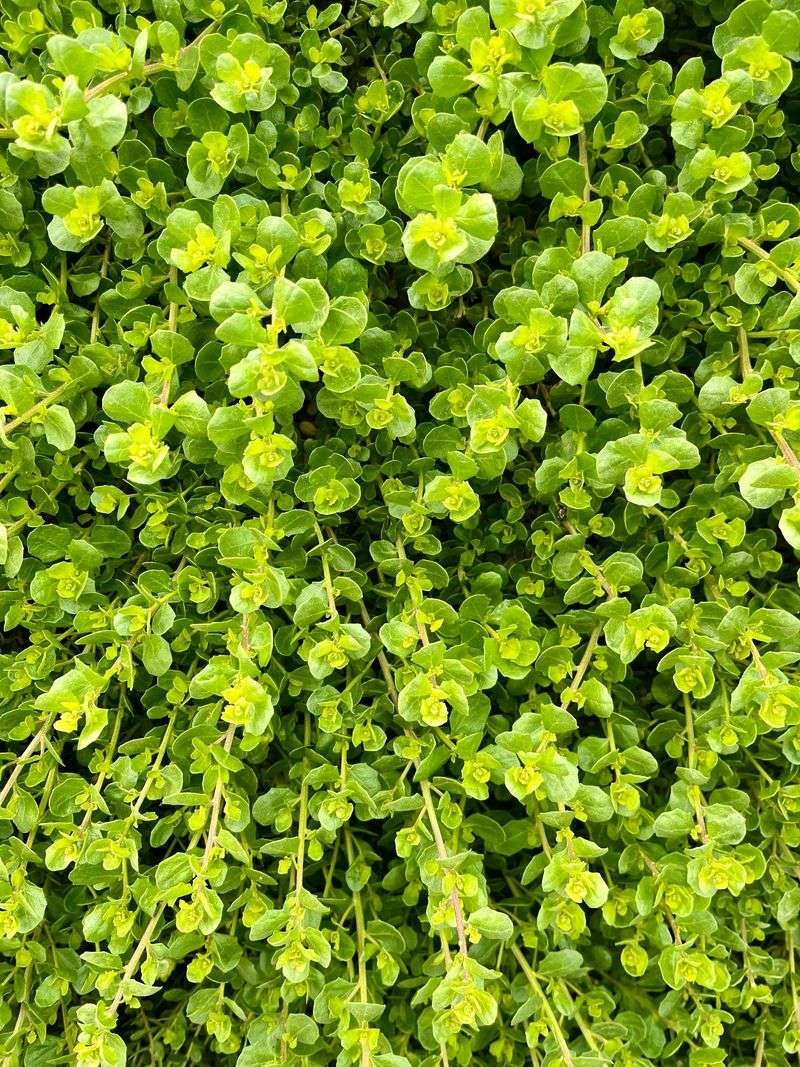
First real storm of the season turns a bare slope into a driveway disaster. Anyone who has swept that mess knows erosion on a personal level.
Baccharis pilularis, coyote brush, solves the problem at the root. This spreading native builds a tight fibrous network through the top layers of soil, which locks particles together so rain cannot carry them downhill.
Its leaves pull their own weight before water even reaches the ground. Foliage breaks a raindrop’s impact, which stops the surface from sealing shut and shedding water fast.
Deep-rooted, spreading plants like this remain the top pick for slope stabilization during California’s rainy stretch.
Baccharis pairs well with other slope performers too. Trailing Ceanothus, Myoporum parvifolium, and prostrate rosemary all spread wide and root along their stems, building overlapping anchor points across a grade.
Get plants settled before the rain, not after. September and October plantings have time to root in, and jute netting or straw wattles add backup support through that shaky first winter.
Water soaks in instead of racing off too. Rain that sinks into Baccharis-covered ground recharges soil moisture and takes pressure off nearby storm drains.
Savings show up fast at cleanup time. No shovel work on silty sidewalks, no re-mulching washed-out beds, no spring repair job on a gully that used to be your side yard.
A slope planted with coyote brush simply shrugs off the storm and looks the same the next morning.
5. Creeping Boobialla Closes Every Bare Patch
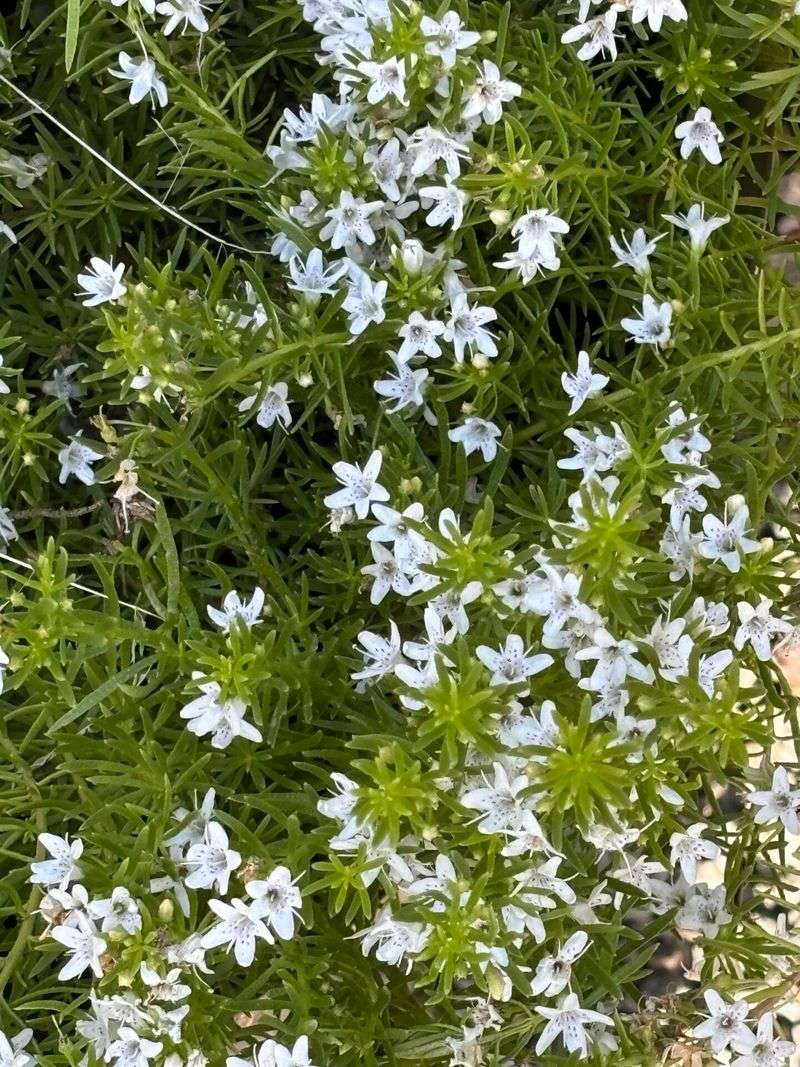
Bare soil is never actually empty. Nature treats any open patch as an open invitation, and the guest list rarely includes plants you would have picked yourself.
Every gap in a bed acts like a small account that charges interest each season. Weeds move in, rain packs the soil down, sun bakes it dry, and organic matter burns off fast.
Creeping Boobialla closes those accounts fast once it gets going. This low, fast-spreading groundcover knits foliage edge to edge, leaving windblown seeds no landing zone and raindrops no bare surface to crust over.
Soil life benefits in ways you cannot see. Shaded, covered ground under a Myoporum mat stays cooler and holds moisture longer, which keeps earthworms and microbes active well past the point they would normally slow down.
Getting to full coverage takes a little planning up front. Space Myoporum according to its mature spread, then skip the wide decorative gaps that look sharp on day one and turn into weed farms by year two.
Mulch bridges the wait in style. Coarse bark or arborist chips, two to three inches deep and kept clear of the crown, holds the line until the mat closes the loop.
Myoporum also earns a spot on slopes, since its trailing stems root as they spread and help stabilize looser ground.
Check edges and paths early in the season. Those transition zones thin out first, and a quick patch with a few extra plants stops a small gap from turning into a bare strip overnight.
6. Creeping Thyme Skips The Leaf Cleanup Entirely
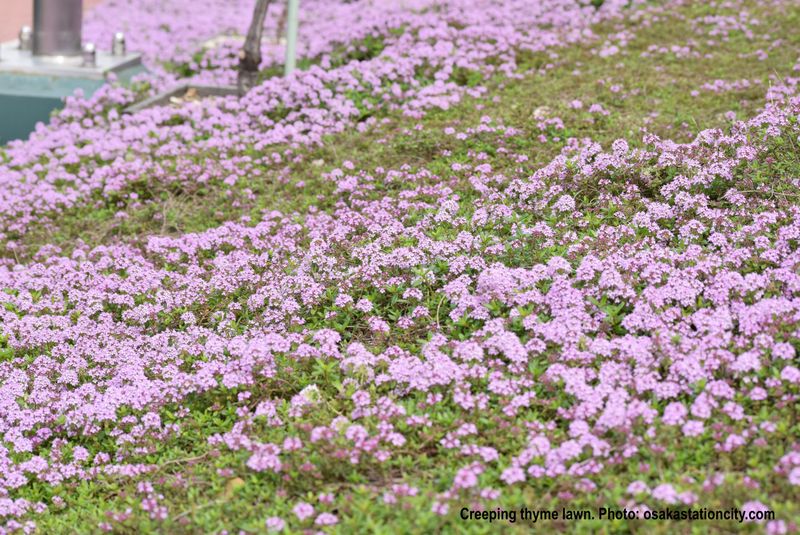
Here’s the irony nobody warns you about. Some plants installed to cut yard work drop their entire wardrobe on the ground come November.
Creeping thyme dodges that whole routine. This evergreen carpet holds its tiny leaves year round in California’s mild climate, so beds look finished all December long without any intervention.
Color sticks around through the gray months too. A green, faintly fragrant carpet under a flat winter sky makes a whole yard feel cared for even when nothing blooms, which counts for a lot in the least colorful season.
It does ask for one small chore. Thyme appreciates a light shearing once a year to stay dense and tidy, which is a fraction of the raking a deciduous groundcover demands.
One honest caveat worth a mention. Evergreen still sheds small amounts of old foliage now and then, though the drop stays light and sinks straight into the mat instead of piling up.
Nearby trees complicate the picture a bit. Thyme planted under a deciduous sycamore or liquidambar catches falling leaves, though a light layer often stays put and works as free mulch instead of a chore.
Rake only what actually smothers the plant below. A thick layer that blocks light for weeks deserves a clear-out, but a thin scatter can break down right where it lands.
Pick creeping thyme from day one, and an entire chore disappears off the calendar for good. Bonus, it smells better underfoot than anything a rake ever produced.
7. Emerald Carpet Manzanita Needs Almost No Attention Once Established
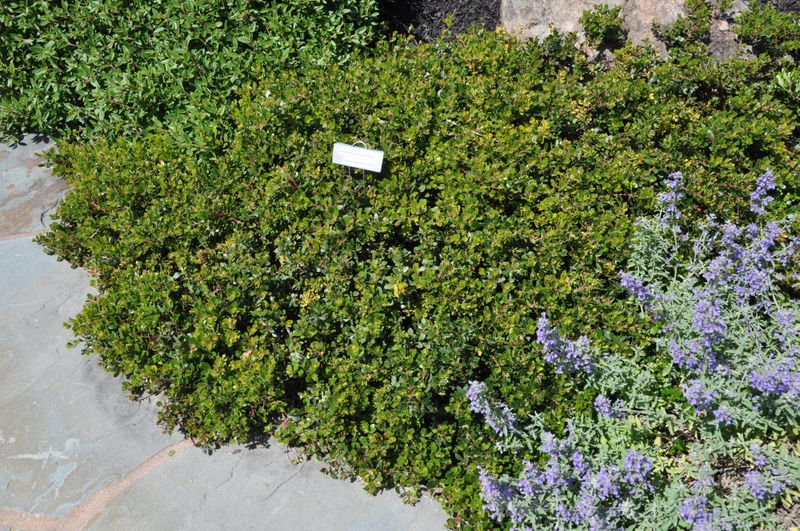
Year one, you water, weed, and worry constantly. Year three, you mostly walk past Emerald Carpet manzanita and admire the view instead.
Maturity changes the entire equation for this native groundcover. Roots run deep, foliage closes tight, and the whole planting turns nearly self-sufficient for most of the calendar.
Fall chores shrink down to a short list. Pull a handful of weeds along the edges, check drip emitters if you still run them, and top off thin mulch spots. An hour or two covers a good-sized bed.
Heavy fertilizer usually does more harm than good here. Manzanita performs better in lean soil, and extra nitrogen can push it into weak, floppy growth instead of the tight, healthy mound you want.
Water is the one thing to watch closely. Established manzanita can develop root rot if fall irrigation keeps soil soggy in warm weather, so many gardeners shut drip lines off entirely once plants mature.
Pruning stays light and occasional. A once-yearly trim removes spent material and improves air flow without disturbing the shrub’s natural shape.
Renovation comes eventually, and that’s fine. After eight or ten years some plantings thin out and benefit from replacing tired sections rather than babying them along.
Front-loading the effort is the whole strategy. Those first two seasons of consistent care buy you a decade of autumns where the yard basically handles itself.
8. Kurapia Proves Why The Right Plant Matters Most
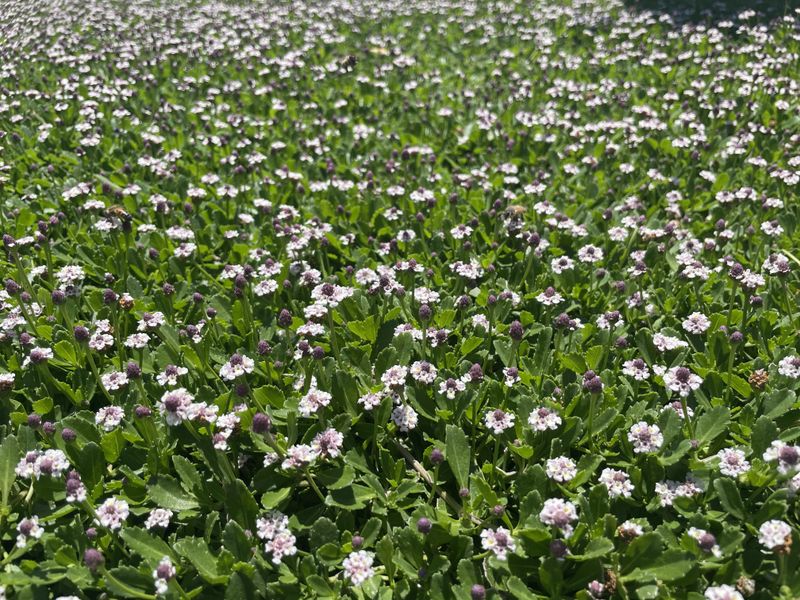
Every low-effort yard traces back to one choice made at the nursery counter. Match a plant to your sun, soil, and rainfall, and maintenance drops fast.
Get that match wrong, and no amount of effort fixes it later.
Kurapia makes the case better than almost anything else on this list. Unlike delicate mats that thin out under foot traffic, Kurapia tolerates dog runs, play zones, and busy paths, which is exactly where most groundcovers fail.
Site and species still need to line up from the start. A shade-loving cover baked in full afternoon sun thins out and invites weeds, while a sun-lover like Kurapia stuck under dense trees stretches thin and never closes its gaps.
Regional differences across California run deep. Coastal Marin, the Central Valley, and the Inland Empire share almost nothing climate-wise, so even a tough spreader like Kurapia performs differently depending on where it lands.
Local expertise beats a generic online list every time. Master Gardener programs operate in most California counties and hand out region-specific plant picks at no cost, which saves an expensive trial-and-error season.
Invasiveness deserves a check before any plant hits your cart. Some widely sold spreaders, including certain ivies and periwinkle, escape gardens and cause real problems in California wildlands, so cross-reference the Cal-IPC list first.
Traffic, slope, and irrigation access matter more than looks in the long run. Kurapia earns its spot precisely because it handles the one thing most groundcovers cannot, foot traffic, and that single trait can decide the whole yard’s layout.