Why California Gardeners Should Check Their Irrigation Timers Before Winter Rains
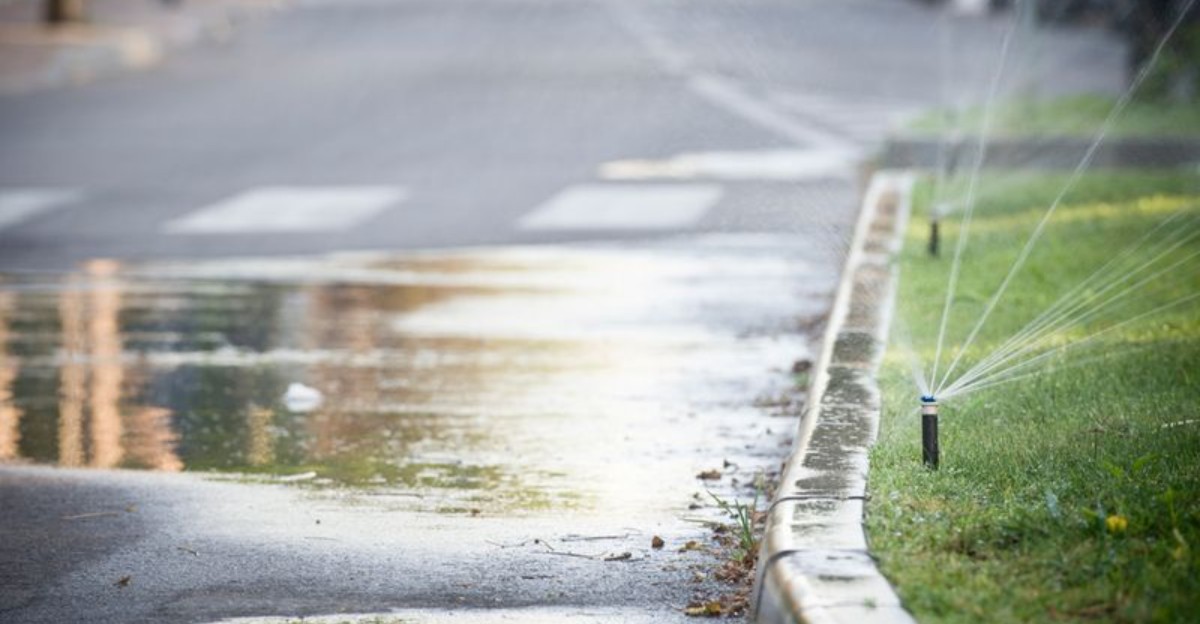
Running sprinklers during a rainstorm can actually break local water rules in many California cities. I love how one quick schedule change can fix that problem before the first big storm rolls through.
Cool, cloudy weeks slow plant growth, so established landscapes often need far less extra water than in summer. Storm drains in most cities send runoff straight to creeks and the ocean, carrying fertilizer and loose soil along for the ride.
I was dragging the hose across the lawn when the sprinklers suddenly kicked on in the middle of a steady drizzle. Watching water race down the curb made me realize my controller still thought it was July.
One handy gadget pauses everything once rain arrives, and another soil-checking tool is probably hiding in your junk drawer. How long has your own sprinkler schedule quietly been running on autopilot?
1. Summer Sprinkler Schedules Waste Water During Cool Rainy Weeks
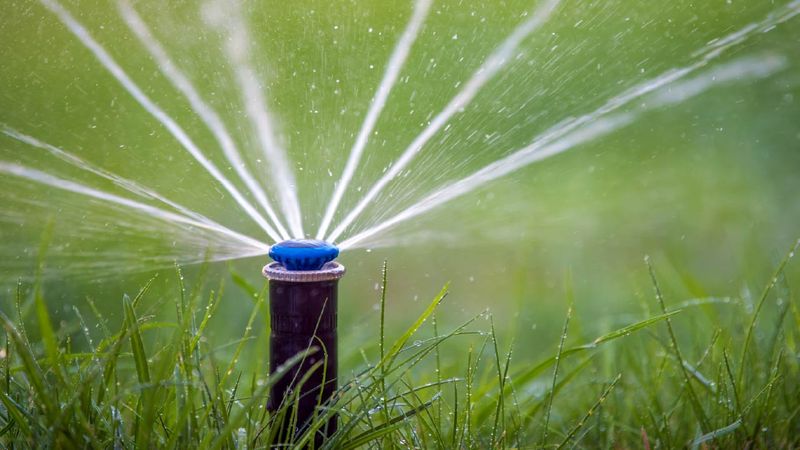
Nothing looks sillier than sprinklers spraying a lawn while rain is already pouring down on the whole neighborhood. I have spotted this scene on my street more times than I care to count each winter.
Most timers get programmed during hot months, when lawns and shrubs need frequent drinks to stay green. Once days shorten and temperatures drop, plants slow their growth and use far less water.
Many water experts suggest cutting winter watering by half or more for established landscapes. Some yards need almost no extra water once regular storms begin soaking the soil every week or two.
Your timer does not know the seasons changed unless you tell it, so it keeps running happily. That means gallons of treated drinking water can land on ground that is already wet and full.
Personally, I like setting a phone reminder for early fall to review every station on my controller. Ten quiet minutes with the dial can save a surprising amount of water over a long winter.
You can reduce run times, cut watering days, or switch the controller to its off or rain mode. Many models also offer a seasonal adjust button that lowers every station by a single percentage at once.
Try lowering things gradually and watching your plants for a week or two before making bigger changes. Healthy leaves and firm, slightly moist soil tell you the new schedule is working just fine for now.
2. Soggy Soil Leaves Plant Roots Gasping For Oxygen
Roots breathe, which surprises plenty of gardeners when they first hear it at a nursery or class. Tiny air pockets between soil particles hold the oxygen that roots need to grow and absorb nutrients.
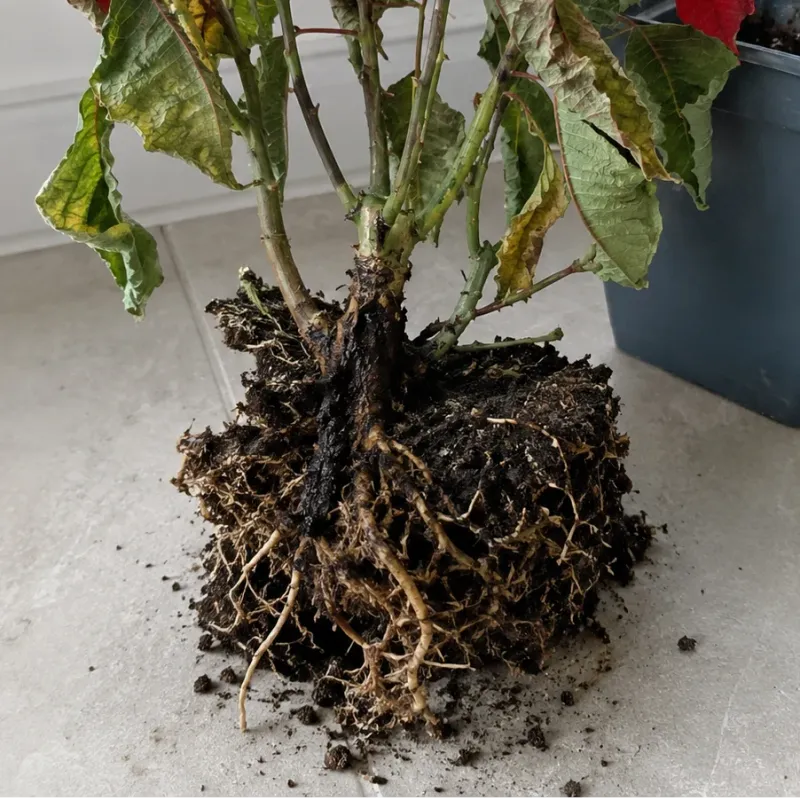
When rain and sprinklers fill every pocket with water, that oxygen supply drops quickly in the root zone. Roots sitting in soggy ground for long stretches start to weaken, even on sturdy shrubs and trees.
What surprises me most is how stressed plants can wilt while standing in wet soil. Damaged roots cannot move water up to the leaves, so the plant looks thirsty despite all that moisture.
That confusing sign tempts many of us to grab the hose and add even more water. Before you do that, push a finger or trowel into the soil to see what is really happening.
Heavy clay soils, common in many valley and coastal neighborhoods, drain slowly and hold water for days. Sandy soils drain faster, but low spots in any yard can still collect water after big storms.
You might notice yellowing lower leaves, a sour smell, or a greenish film on the soil surface. Those clues often point toward poor drainage rather than a hunger for fertilizer or a lack of water.
Turning off extra irrigation during rainy stretches gives soil the chance to drain and refill with air. Your roots will thank you with steadier growth once spring sunshine warms the garden again.
3. Water Mold Spores Swim Toward Roots In Saturated Ground
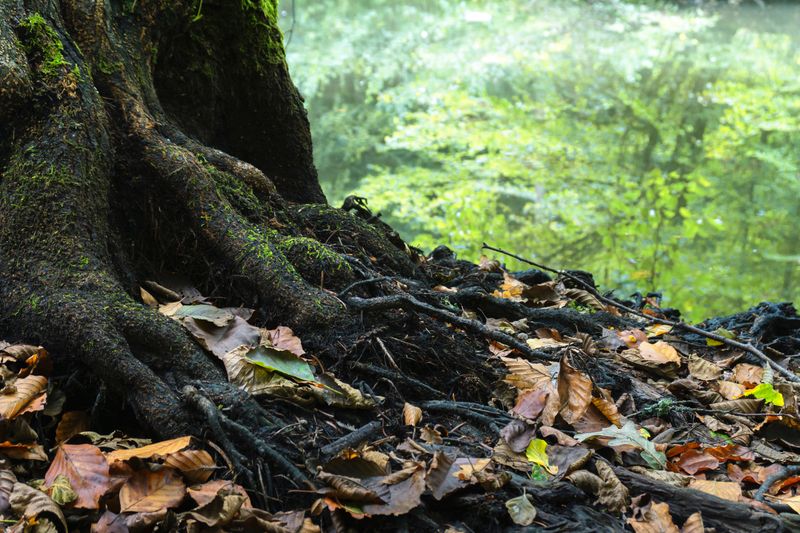
Some garden troublemakers can actually swim, and that fact still makes me shake my head every time. Phytophthora, a group of water molds, releases spores with tiny tails that move through wet soil.
University of California experts explain these spores spread best when soil stays saturated for many hours. Overwatering on top of rainfall hands them a perfect swimming pool right next to your plants.
Once they reach roots, they can cause root and crown rot on many trees and shrubs. Citrus, avocado, and plenty of ornamentals can be affected, along with some native plants in home gardens.
Symptoms often show up slowly, so you might not connect a wet winter to spring decline. Leaves may yellow, branches may wilt, and the bark near the soil line can turn dark and soft.
Pythium is another water mold that loves soggy conditions, especially around young seedlings and lawns. Both organisms are hard to get rid of once they settle into a yard, so prevention matters most.
I believe the easiest defense is simply keeping soil from staying soaked for days at a time. Adjusting your timer before storms hit removes one big source of extra water that you can control.
Good drainage helps too, so avoid planting sensitive trees in low spots where puddles linger. Raised beds or mounded planting areas can lift roots above the wettest layers of heavy soil.
4. Runoff From Sprinklers Carries Fertilizer Into Storm Drains
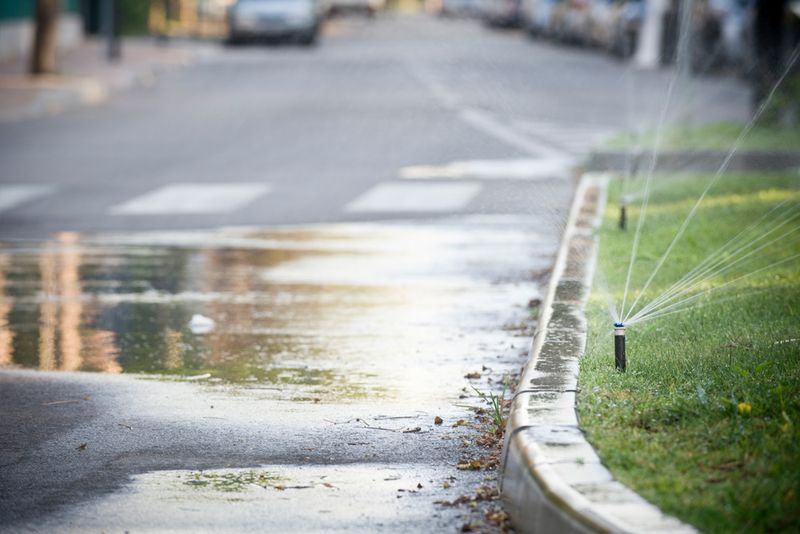
That little river flowing down your curb after watering has a long journey ahead of it. In most cities, storm drains carry water straight to creeks, rivers, or the ocean without any treatment.
Rain already sends plenty of water toward those drains during big winter storms each year. Extra sprinkler water on soaked ground mostly runs off instead of soaking in, adding even more to the flow.
Along the way, runoff picks up fertilizer, pesticides, pet waste, and loose soil from yards and sidewalks. Those materials can feed algae blooms and harm fish and other wildlife living in local waterways downstream.
I have to admit I never thought about my gutter much until I followed one to the beach. Seeing a creek outlet near the sand after a storm changed how I think about every sprinkler cycle.
Skipping irrigation during rainy weeks is one of the simplest ways to cut runoff from your property. It also keeps fertilizer you paid for right where your plants can actually use it later on.
You can also hold off on feeding lawns and beds right before forecasted storms arrive. Heavy rain can wash fresh fertilizer away before roots have any chance to take it up properly.
Keep an eye out for water reaching sidewalks or driveways during any watering you still do. Shorter cycles with breaks between them let water soak in instead of sheeting off into the street.
5. A Rain Sensor Shuts Off Sprinklers When Storms Arrive
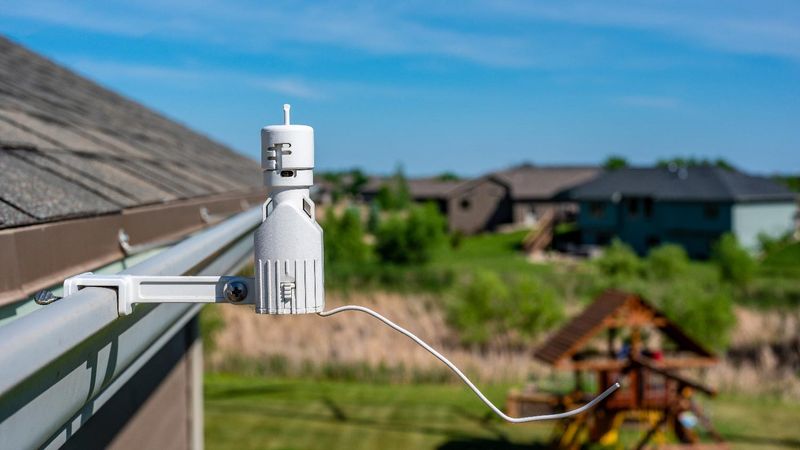
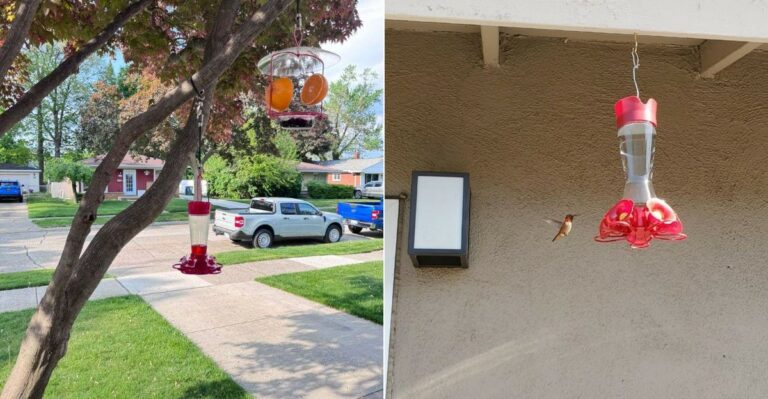
A gadget about the size of a soda can might be the hardest working helper in your yard. Rain sensors mount on a roof edge or fence and tell your controller to pause when rain falls.
Many models use small discs that swell when wet, flipping a switch that stops scheduled watering. As the discs dry out, the sensor lets your normal schedule pick up again on its own.
I love how this little device thinks for me on busy mornings when I forget the forecast. My sprinklers stay quiet during storms, and I do not have to run outside in a raincoat.
Installation is usually simple, and wireless versions skip the hassle of running wires along your house. Check whether your controller has sensor terminals before buying, since most modern timers include them.
Placement matters more than people expect, so keep the sensor where it catches open rain. Tucking it under eaves or thick trees can block rainfall and leave your sprinklers running anyway.
Many local water agencies offer rebates on rain sensors and other efficient irrigation equipment. A quick visit to your water provider’s website can reveal savings that make the purchase even easier.
Test the sensor before storm season by spraying it with a hose while a zone is running. If the sprinklers shut off within a few minutes, your new helper is ready for the rainy months.
6. Smart Weather Based Controllers Adjust Watering Automatically
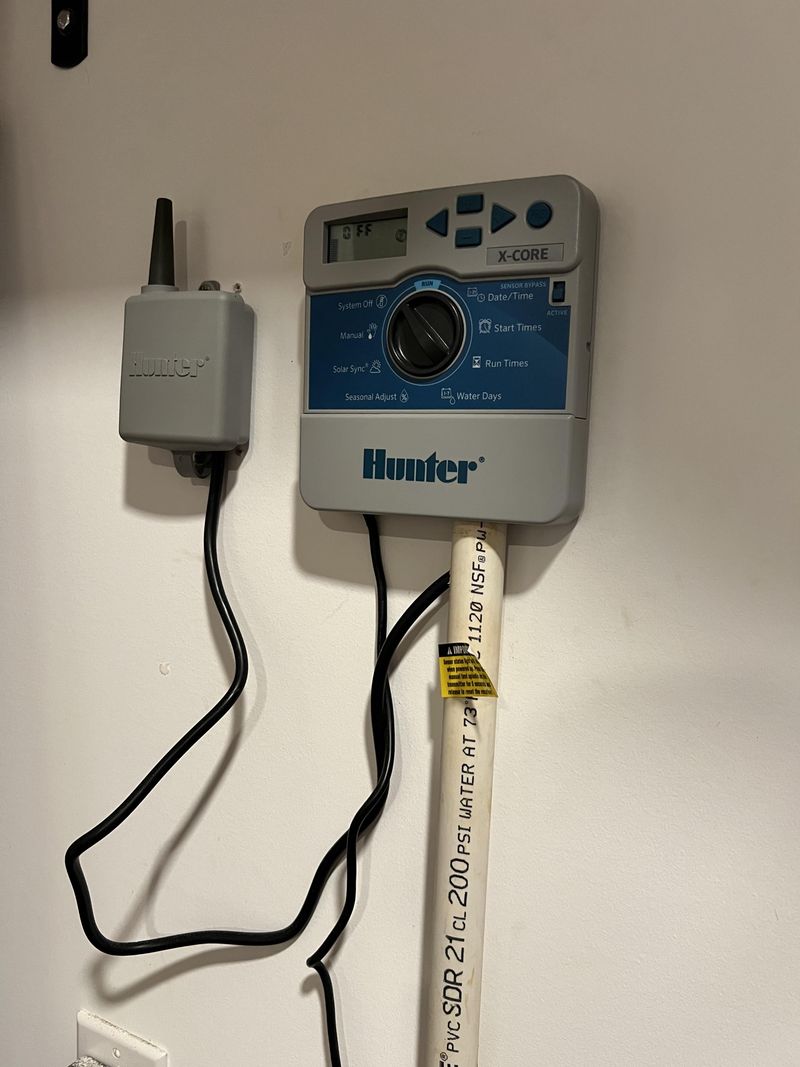
Some sprinkler timers now check the weather report before deciding whether to water your yard. These smart controllers connect to local weather data and skip or shorten cycles when rain is expected.
Many use a measurement called evapotranspiration, which estimates how much water plants and soil lose daily. When skies turn cloudy and cool, that number drops, and the controller trims watering to match.
Personally, I was skeptical until I saw my water use shrink during the first rainy season. The phone app also lets me pause everything from the couch when a big storm is coming.
Look for models carrying the WaterSense label from the Environmental Protection Agency for proven efficiency. Those controllers have been tested to adjust watering based on weather while still keeping plants healthy.
Setup takes a little patience, because you need to enter soil type, sun exposure, and plant types. Accurate details help the controller make smarter choices for each zone throughout your yard over time.
Many water districts across California offer rebates on WaterSense labeled controllers for homeowners. Some rebates cover a large chunk of the cost, so check before you head to the store.
Even smart systems benefit from a human check now and then during wet months. Walk your yard after storms to confirm the controller is truly skipping cycles and not missing any rainfall.
7. A Long Screwdriver Reveals Moisture Hiding Below The Surface
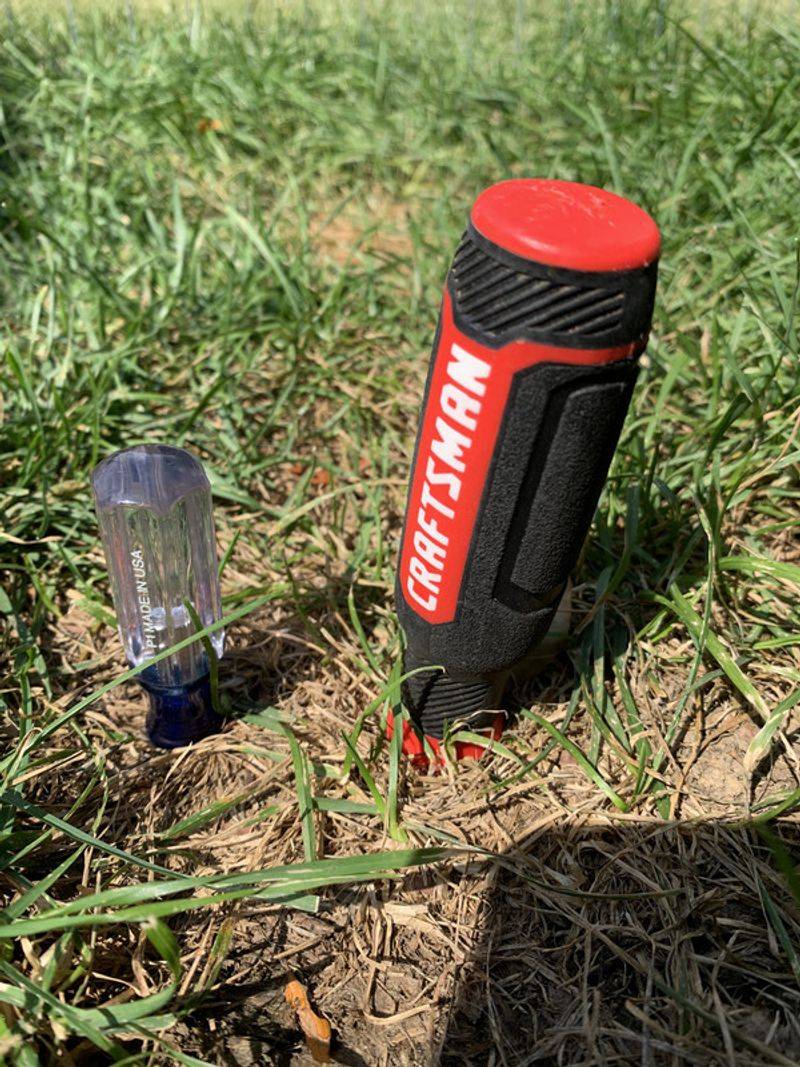
My favorite moisture meter came from a kitchen junk drawer and cost me absolutely nothing at all. A long screwdriver pushed into the soil tells you plenty about what is happening below ground.
If it slides in easily about six inches, there is usually enough moisture down where roots live. If it stops hard near the surface, the soil may be dry or packed and need attention.
The top inch of soil can look dusty while deeper layers stay wet for days after rain. That fooled me for years, and I watered beds that were still soggy just below the crust.
Try testing a few spots in each zone, since shady corners and sunny slopes dry at different speeds. You might notice big differences between a lawn under a tree and one near a hot driveway.
Pull the screwdriver out and look closely at the shaft for clinging soil and dark damp marks. Wet soil sticking to the metal is a strong hint to leave the timer switched off.
Affordable soil moisture meters work too, though cheaper probes can give rough readings in some soils. A trowel and your fingers also work, especially in flower beds and vegetable gardens.
Checking soil before watering turns guessing into knowing, which feels great for any gardener. Make it a habit after every storm, and your timer decisions will become much easier.
8. Many Local Rules Ban Sprinkling During And After Rain
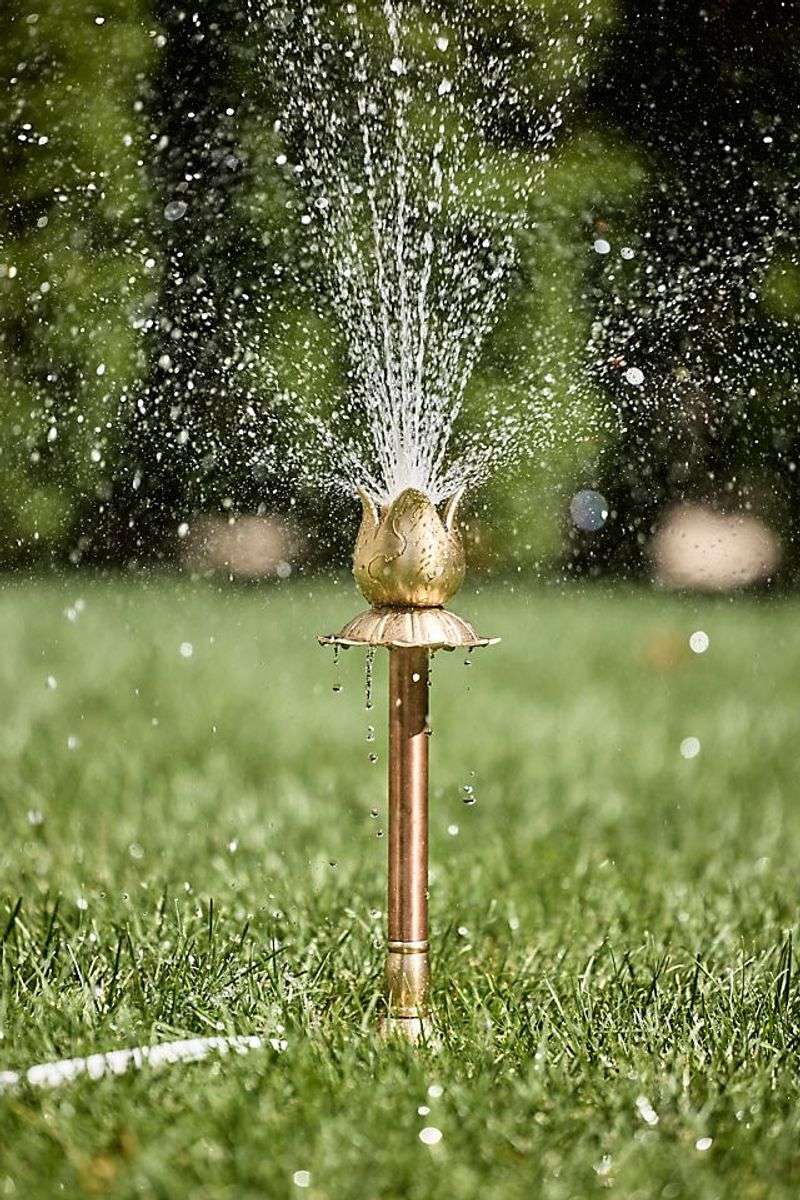
Watering in the rain is not just wasteful in many places, it can actually break the rules. State water regulators and many local agencies have restricted outdoor irrigation during and shortly after measurable rainfall.
Many rules set a window of 48 hours after measurable rain before watering landscapes again. Some cities add their own rules, like limits on watering days or banning runoff onto sidewalks and streets.
I believe most gardeners want to follow these rules, but timers quietly run on schedule anyway. A neighbor reporting your soggy sidewalk can lead to a warning letter or even a fine in some cities.
Rules differ widely between water districts, so check your provider’s website for the latest details. Some agencies post current restrictions right on the front page, especially during dry years or drought declarations.
Hand watering new plants and drip irrigation often follow different guidelines than sprinkler systems. Reading the fine print helps you understand what is allowed for your particular setup at home.
A rain sensor or smart controller makes following these rules much easier on busy days. Your system pauses automatically, and you avoid worrying about whether a storm triggered a restriction this week.
Following local rules also helps your whole community stretch shared water supplies further each year. Every skipped cycle on a rainy morning leaves more water in reservoirs for drier months ahead.