The Texas Native Shrub Serious Homeowners Are Choosing This September Instead Of Boxwood
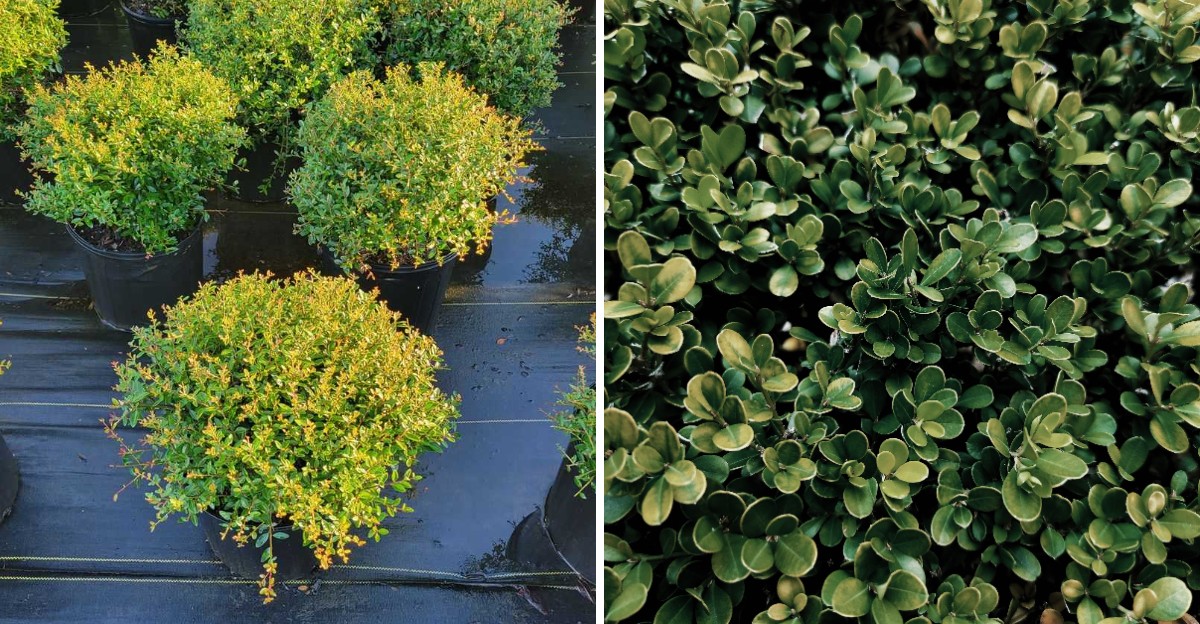
Your hedge is quietly losing ground it once confidently owned. Heat pushes it hard while your clay soil turns unforgiving. You water it more, worry about drought, and still watch it slowly thin.
Something sturdier is already replacing your tired hedge across Texas. Sharper front beds start showing up and down your street by October. Water bills shrink once new roots settle firmly into your soil.
Fall hands you a short window before summer arrives again. Miss it and you wait a year for another shot. Neglect barely fazes this rugged native, unlike your current hedge.
It shrugs off sloppy pruning long after your patience runs out. Nearby your neighbors from Dallas to Houston already switched.
This imbalance your yard has carried finally has an end. That Texas native is about to replace your hedge, and you’ll want its name.
Dwarf Yaupon Holly’s Growing Presence In Texas Front Yards
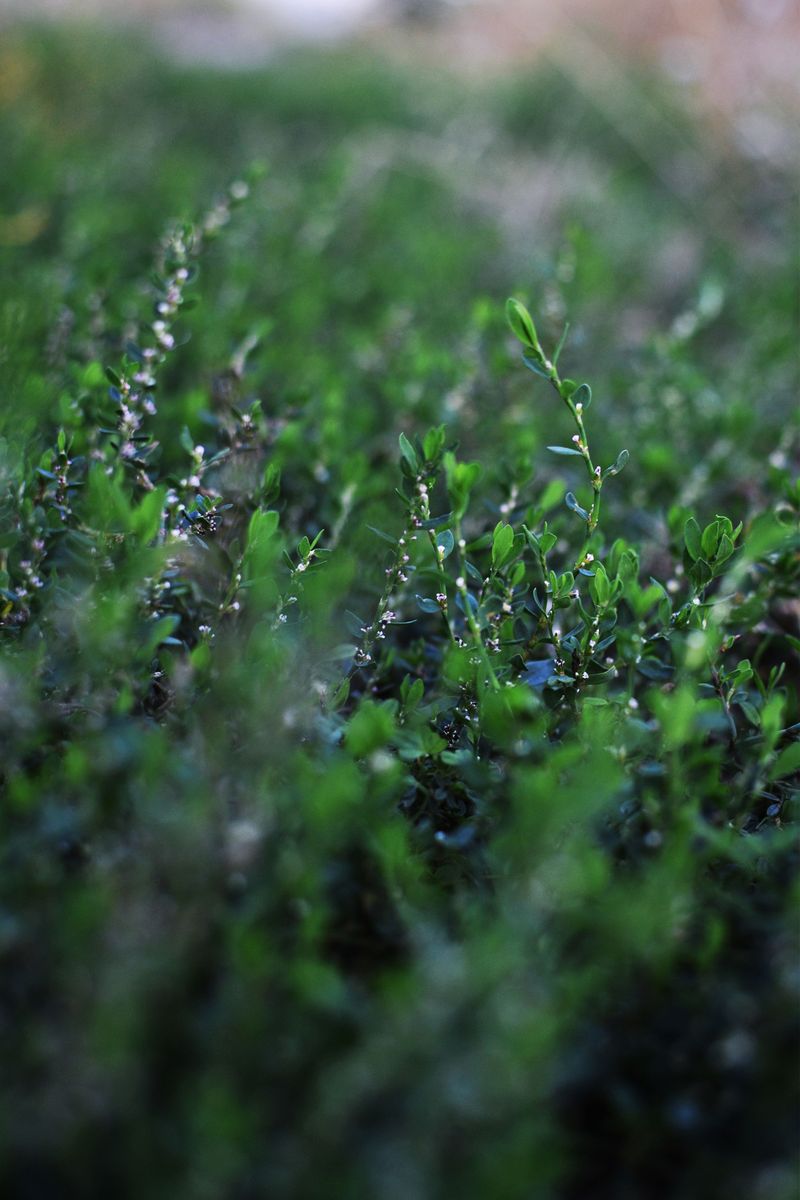
Walk through a newer neighborhood in Plano or Round Rock and you will spot them everywhere. Small, rounded, deep green shrubs that resemble boxwood but behave far better in our climate.
Dwarf yaupon holly, sold as Ilex vomitoria Nana, is native to the southeastern United States. Texas has grown it wild along creek bottoms and sandy woodlands for generations.
The dwarf form settles between two and four feet tall without much help from you. Leaves stay tiny, glossy, and tightly packed, which delivers that clean formal edge people want.
Unlike its larger cousins, the dwarf variety rarely produces berries, so seasonal cleanup around walkways stays simple. Birds still use the dense inner branches for shelter during sudden winter storms.
Root systems run deep and wide, pulling moisture from soil that leaves shallow plants gasping. Once established, most plants survive on rainfall alone through a fairly normal Texas growing year.
The species name sounds alarming, but early botanists likely misunderstood the plant’s role in the ritual. Native peoples brewed the caffeinated leaves into a ceremonial drink, and the plant’s harmful reputation was likely undeserved.
Landscapers like it because clients stop calling with complaints about brown patches every August. Homeowners like it because the hedge still looks sharp after a week of triple digit heat.
Nurseries across the state stock it in one gallon and three gallon sizes every fall. Prices usually land well under what a matched row of boxwood shrubs would cost you.
The Heat, Blight, And Water Bills Driving The Boxwood Exit
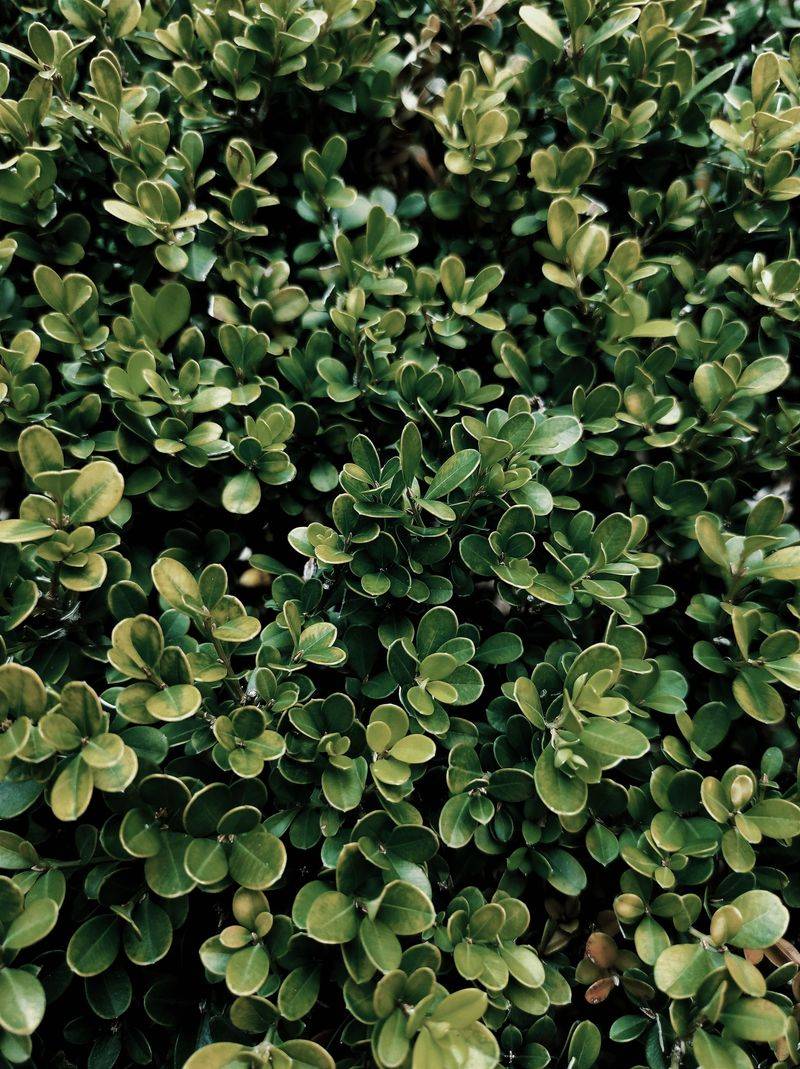
Boxwood earned its reputation in England, where summers are mild and rain arrives on schedule. Texas offers neither of those luxuries, and the plant has struggled here for decades.
Boxwood blight showed up in the United States around 2011 and has spread steadily since. Infected leaves develop dark spots, then drop, leaving bare twigs that no amount of trimming hides.
Root rot follows heavy clay and summer irrigation, a combination common in many yards around Houston. Boxwood roots sit shallow and shallow roots bake once the pavement radiates heat all afternoon.
Your Texas Garden Changes Every Week. Your Plan Should Too.
Gardening in Texas changes quickly throughout the season. Every Friday you’ll receive a simple weekly plan showing exactly what to plant, prune, fertilize, harvest, and protect so you never miss the right timing.
Add boxwood leafminer, spider mites, and that musty odor some folks compare to cat urine. Replacement costs stack up fast when three shrubs in a row fail during the same season.
Water bills tell the rest of the story for most suburban households in the state. Established boxwood hedges here often demand supplemental irrigation twice a week straight through August.
Municipal watering restrictions have tightened across North Texas and the Hill Country in recent years. A hedge that cannot handle one skipped week becomes an added expense some summers.
Yaupon sidesteps most of that trouble because it evolved under the same harsh Texas sun. Boxwood blight does not affect hollies, and the waxy leaf surface shrugs off mites and heat.
Switching is less about fashion and more about refusing to replant the same hedge repeatedly. Serious homeowners run the numbers one time and then make a single trip to the nursery.
September Soil Warmth And The Fall Planting Window
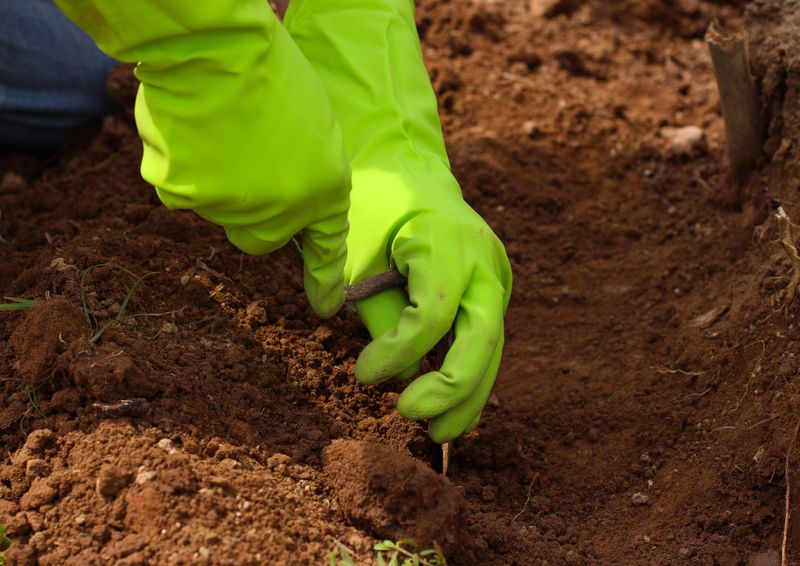
Soil holds summer heat long after the air finally cools, and young roots notice that difference. September hands you warm ground, gentler afternoons, and rainfall that actually reaches the deeper root zone.
Roots keep growing whenever soil temperatures stay above roughly fifty degrees Fahrenheit through the fall season. In most of Texas, that means root growth continues quietly through November and often December.
A shrub planted now spends three full months building roots before pushing any new leaves. By next June, that hidden network reaches water a spring planted shrub simply cannot find.
Spring planting sounds perfectly logical, but it drops a young plant straight into rising summer heat. The first hundred degree week arrives before those roots have anchored much of anything.
Target the stretch between mid September and early November across most parts of the state. Gulf Coast gardeners can push their planting into early December without much risk at all.
Check the forecast and plant a day or two before predicted rainfall whenever possible. Cloudy weather reduces transplant stress and saves you several extra trips outside with the hose.
Water deeply every three days for the first month, then stretch that interval out gradually. Deep, infrequent soaking trains roots downward instead of leaving them lazy near the soil surface.
Hold off on fertilizer entirely during this first fall season in the ground. Fresh nitrogen pushes tender new growth that an early November freeze will happily damage.
Common Planting Mistakes That Stunt A New Hedge
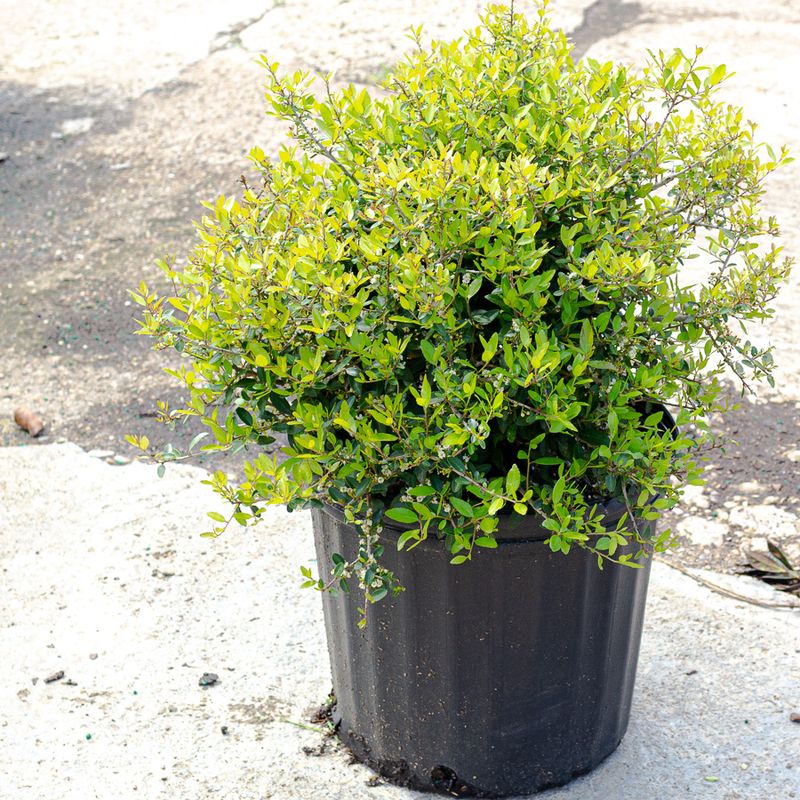
The most frequent error happens before the shovel ever touches the ground in your yard. Folks buy shrubs spaced for instant fullness and end up with a crowded, airless mess.
Dwarf yaupon wants roughly two to three feet between plants for a solid hedge line. Tighter spacing looks great in October and looks like a tangled thicket by year three.
Digging a hole twice as wide as the nursery container matters more than digging deep. Roots spread sideways first, so loosened soil around the edges speeds establishment up considerably.
Planting too deep smothers the crown and invites rot in our heavy Texas clay soils. Set the top of the root ball an inch above the surrounding grade instead.
Pot bound roots circling the bottom need a firm hand before they go in the hole. Slice the sides with a clean knife and tease the tangled ends outward with your fingers.
Amending the hole with bagged compost sounds generous but it creates a bathtub effect underground. Roots stay in the soft pocket, water collects, and the plant sulks for two seasons.
Mulch piled against the trunk traps moisture exactly where the bark least wants it. Keep three inches of shredded hardwood spread wide, with a clear gap around each stem.
Shearing a brand new plant into a perfect cube is the final avoidable mistake here. Let it grow untouched until next spring, then shape it once the roots have settled.
Shape, Shears, And The Fix For Thin, Leggy Growth
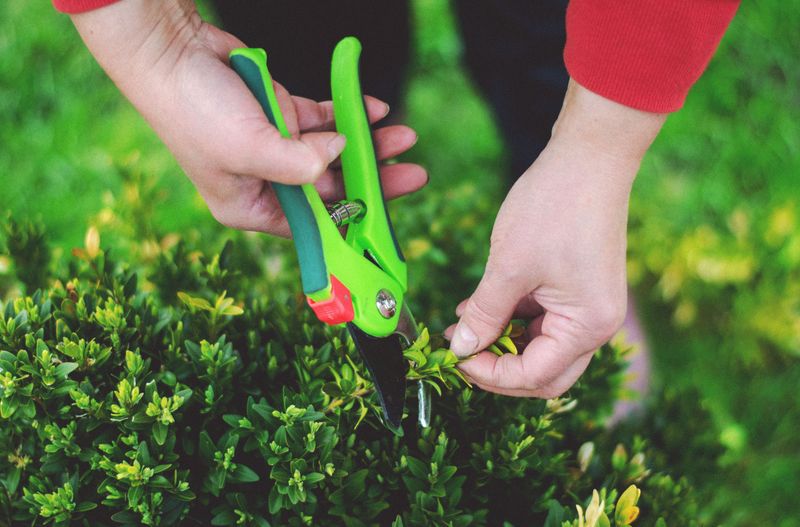
Every hedge eventually gets that hollow, woody look near the bottom where light stopped reaching. Good news, dwarf yaupon forgives harsh corrections better than nearly any other formal shrub available.
Most of the time, the culprit is shearing the top wider than the base. Upper branches shade the lower ones until those lower leaves quietly give up entirely.
Shape each plant slightly narrower at the top, like a gentle pyramid instead of a box. Sunlight then reaches the bottom third, and the hedge fills in from the ground up.
Hard renewal pruning works remarkably well on this species when a hedge gets truly bad. Cut the whole shrub back by a third in late winter and watch it rebound.
New shoots emerge from old wood, something boxwood handles poorly and hollies handle rather cheerfully. Expect a rough looking month, followed by dense growth that looks better than before.
Hand pruners beat power shears for anything smaller than a long, formal hedge line. Cutting leaf by leaf avoids those shredded brown edges that electric trimmers tend to leave.
Late February through early March is the sweet spot for the heaviest annual cutting. Light touch ups through the growing season keep the outline crisp without stressing the plant much.
Thin spots caused by shade rarely respond to pruning alone, so check the overhead tree canopy. Limbing up a nearby live oak often solves the problem faster than any trimming does.
The Payoff And Long Term Protection Against Pests And Rot
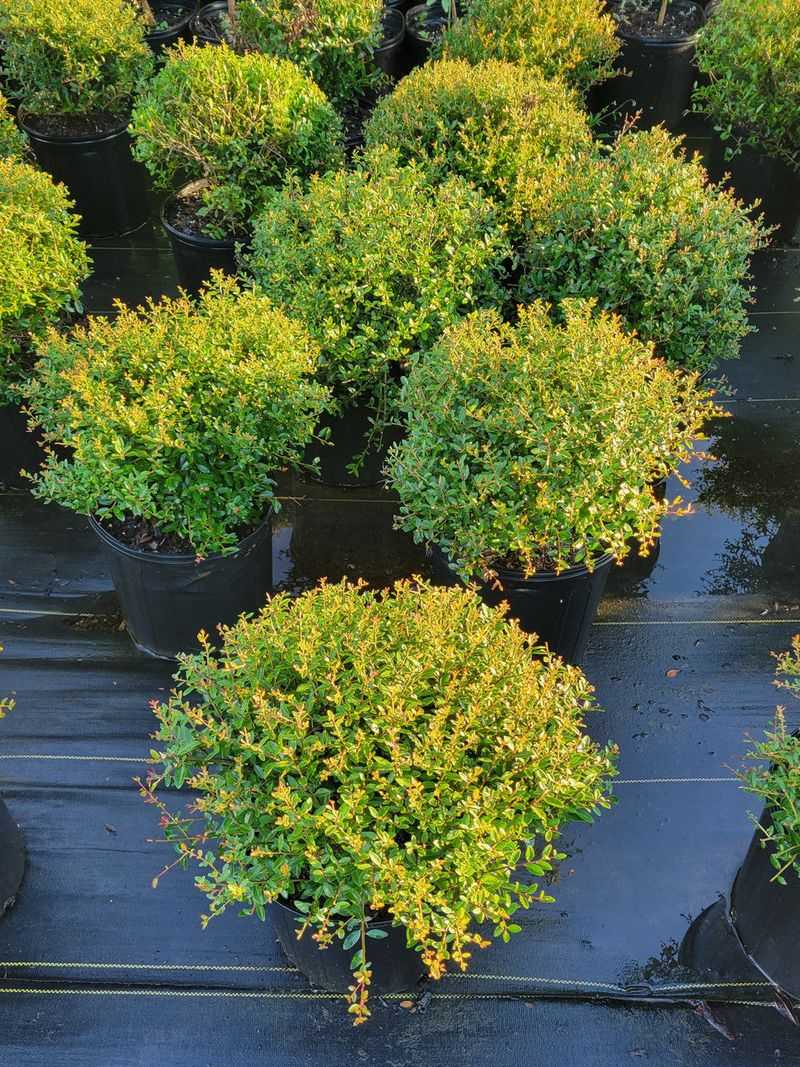
Two summers after planting, the difference becomes obvious to anyone walking past your front driveway. The hedge holds deep color in August while neighboring boxwood turns that tired bronze shade.
Deer browse it reluctantly, which matters enormously in the Hill Country and around west Austin. Rabbits generally leave it alone once the bark toughens up during the second full year.
Scale insects are the one pest worth watching, especially on plants grown in deep shade. Look for sticky leaves or black sooty mold, then treat with horticultural oil during winter.
Root rot stays rare here, but poor drainage can still overwhelm even a tough native. Raised beds and berms solve standing water problems in gumbo clay far better than amendments.
Skip the sprinkler once the plants have lived through one complete year in place. Overwatering causes far more trouble for this shrub than typical Texas drought conditions.
A yearly inch of compost spread on top of the mulch handles feeding just fine. Heavy fertilizer produces floppy growth that demands more trimming and offers nothing useful in return.
Winter damage occasionally shows up after severe events like the February 2021 freeze across Texas. Most plants leafed back out by May, which says plenty about their underground reserves.
Plan on decades of life from a properly sited hedge with very minimal fuss. Your grandchildren may complain about trimming it someday, and that is a pretty solid legacy.