How To Save A North Carolina Fescue Lawn After Heavy September Rains
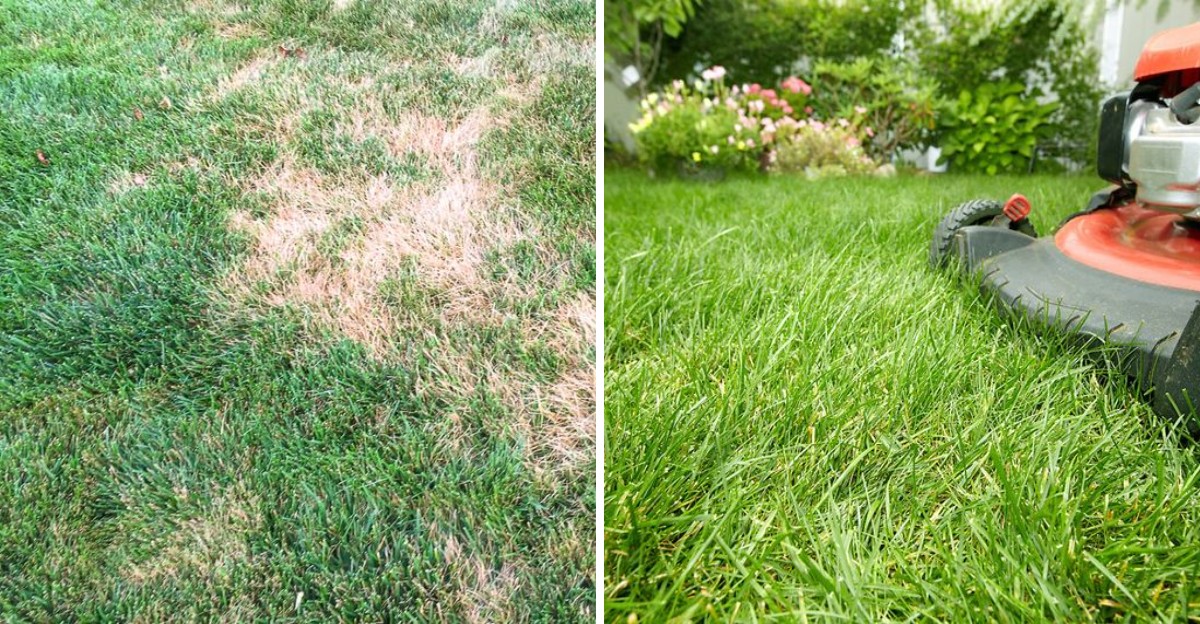
Heavy September rains can leave a North Carolina fescue lawn looking waterlogged, patchy, or stressed just as the ideal fall seeding window is underway.
Excess moisture can suffocate roots, wash away newly applied seed, and create conditions favorable for fungal diseases that thrive in saturated soil.
Because fescue is particularly sensitive during its fall establishment period, recovering from a heavy rain event requires more than simply waiting for the ground to dry out on its own.
Addressing drainage issues, reseeding washed-out areas, and adjusting care in the days following a storm can make a significant difference in how well the lawn bounces back.
Taking the right recovery steps now helps prevent a soggy setback from turning into a thin, patchy lawn heading into winter.
1. Stay Off The Lawn While Soil Is Saturated
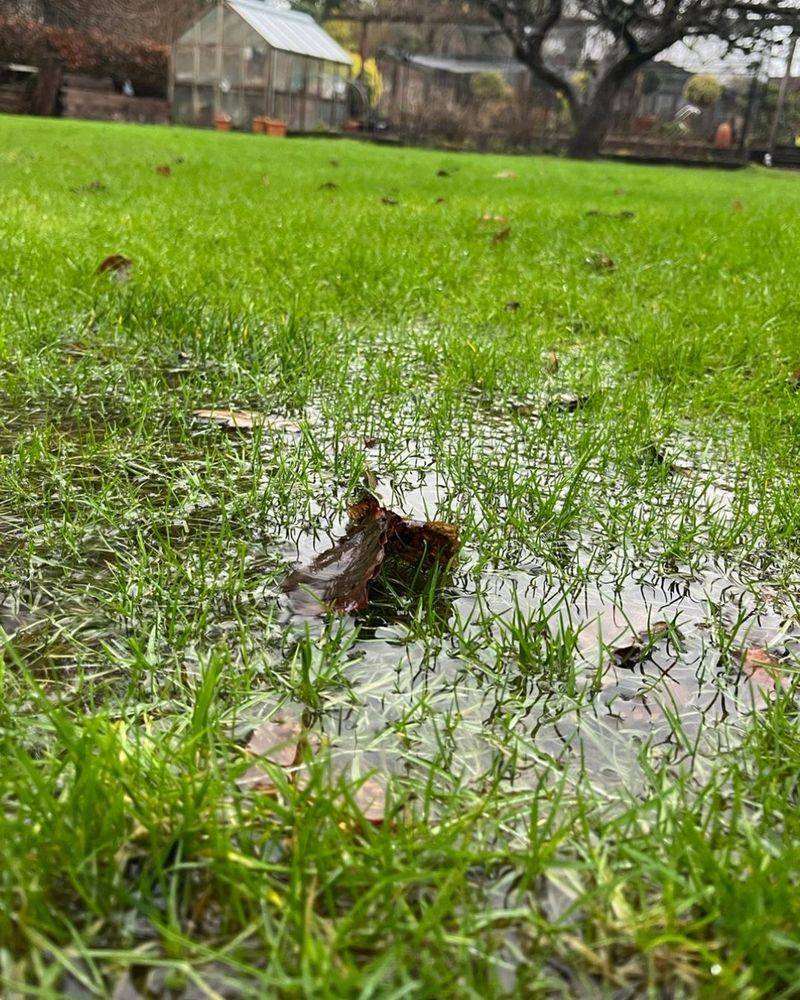
Walking across a soaked lawn feels harmless, but your feet do more harm than you think. When soil is full of water, every step presses the tiny air pockets closed and squeezes the ground tight around the grass roots.
Fescue roots need air to breathe and space to grow. Packed soil blocks both, and that leaves your grass weak just when it needs to recover. Deep footprints and ruts can stay in your yard for months, creating bumpy spots that never look quite right again.
Cars, mowers, and even wheelbarrows cause the worst damage. Heavy weight rolling over wet ground crushes the soil far below the surface, and no amount of raking fixes that later. Keep pets and kids off the muddy areas too, since paws and shoes both leave marks.
Wait until the ground feels firm before you do any real work. A simple test helps here. Press your finger into the soil, and if water pools around it or your shoe sinks, the lawn is still too wet.
Give it a day or two of dry weather, and the surface will start to hold its shape again. Once you can walk across without leaving deep prints, the soil is ready for care.
Patience during this stage protects everything you do next. A little waiting now saves you from major repairs down the road, and your fescue will thank you with healthier, thicker growth once the ground dries out and settles back into place.
2. Let Excess Water Drain Naturally

Right after a big storm, the smartest move is often to do nothing at all. Standing water needs time to soak in or run off, and rushing to fix things can make matters worse.
Grabbing a rake or shovel while everything is soaked just churns up mud and tears at fragile roots. Let gravity handle the job first. Most healthy lawns drain within a day or two once the rain stops, and the grass usually looks better than you expected.
Watch how the water moves across your yard as it clears. Low spots that stay wet for several days are telling you something important. Those areas may have drainage trouble that keeps coming back every time it rains hard.
Your North Carolina Garden Changes Every Week. Your Plan Should Too.
Gardening in North Carolina changes quickly throughout the season. Every Friday you’ll receive a simple weekly plan showing exactly what to plant, prune, fertilize, harvest, and protect so you never miss the right timing.
A puddle that lingers for a week is not just annoying, it can slowly weaken the fescue growing there. If you notice the same soggy corners over and over, you might need a longer-term fix.
Options like adding soil to level low spots, building a shallow swale, or installing a French drain can move water away for good. Those bigger projects are best done later, once the ground dries and you can dig without making a mess.
For now, focus on letting nature reset your lawn. Keep gutters and downspouts clear so roof water flows away from the grass, and avoid piling up leaves that trap moisture.
Simple observation during these first days gives you a clear plan for keeping your fescue healthy through every rainy season ahead.
3. Check For Compacted Soil
Heavy rain paired with foot traffic can turn nice, crumbly soil into something as hard as a sidewalk. When that happens, air and water struggle to reach the roots, and your fescue starts to thin out.
Spotting compaction is easier than you might guess. Grab a screwdriver and try pushing it into the ground. If it slides in with ease, your soil is fine, but if it stops short or takes real muscle, the earth below is packed too tight.
Water that pools on the surface instead of soaking in is another clue. Grass that looks pale or grows slowly in high-traffic spots often points to the same problem. These trouble zones usually show up near walkways, play areas, and pet paths.
Fixing compaction takes the right timing. Never work the soil while it is still soggy, because that only presses it tighter and undoes your effort. Wait until the ground is slightly moist but firm, not wet and sloppy.
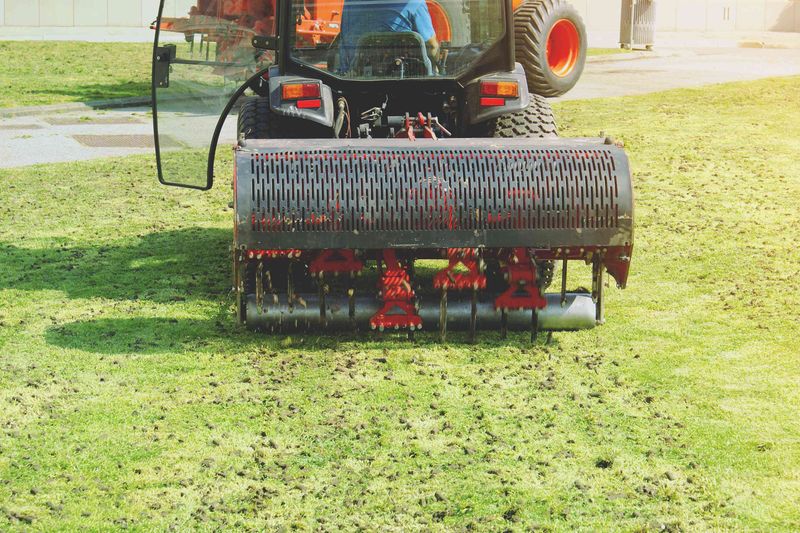
Core aeration is the best cure once conditions are right. A core aerator pulls small plugs of soil from the lawn, opening up channels for air, water, and nutrients to travel down to the roots.
Fall is a great season for this in North Carolina, since fescue is actively growing and heals fast. After aerating, the plugs break down on their own and feed the soil.
Your lawn will drink up water better and grow thicker roots, making it far more ready to handle the next round of heavy weather.
4. Repair Thin Or Damaged Areas
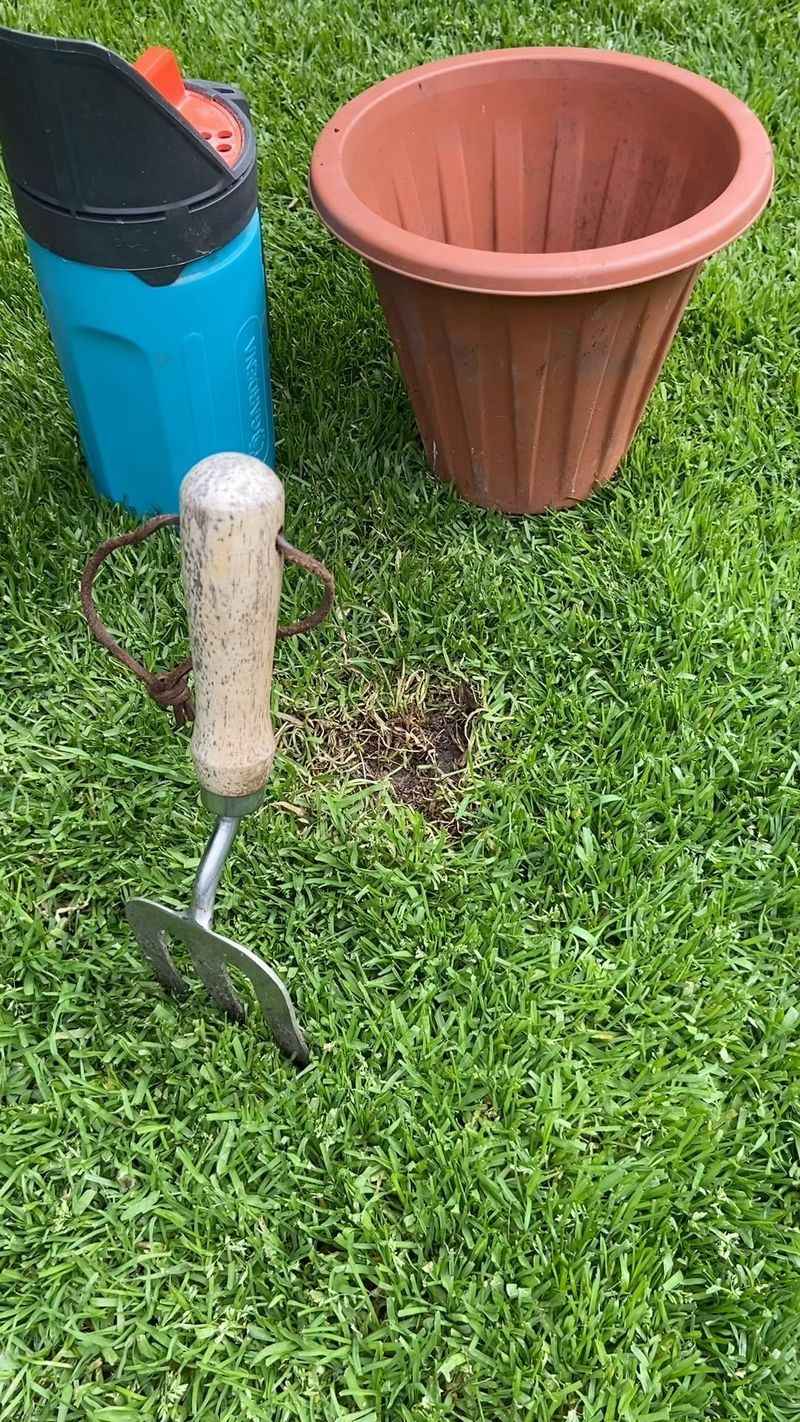
Fall is the golden window for tall fescue in North Carolina, and that makes it the perfect time to patch up any rough spots. Cooler air and warm soil create ideal growing conditions, so new seed takes hold quickly.
Once the heavy moisture has cleared and the soil feels workable, take a walk around your yard. Look for bare patches, thin areas, and spots where the rain washed grass or soil away. Marking these zones helps you plan your repairs.
Start by loosening the top layer of soil in each thin area with a rake. Breaking up the crust lets new roots dig in and gives seeds solid contact with the ground. Seed-to-soil contact matters more than almost anything else for good germination.
Spread quality tall fescue seed across the bare spots, then lightly rake it in so it settles just below the surface. A thin layer of straw or compost on top helps hold moisture and keeps birds from snacking on your seed.
Keep the newly seeded areas evenly damp, but never soggy, until the grass sprouts and settles in. Light, frequent watering works better than heavy soaking during this stage.
New fescue usually pops up within a couple of weeks when the weather cooperates. Stay off these tender patches while they grow, since young grass bruises easily under foot traffic.
With a little steady attention, those weak spots will fill in green and full, blending right into the rest of your lawn before winter arrives and giving you a fresh, healthy start.
5. Avoid Watering Until The Lawn Needs It
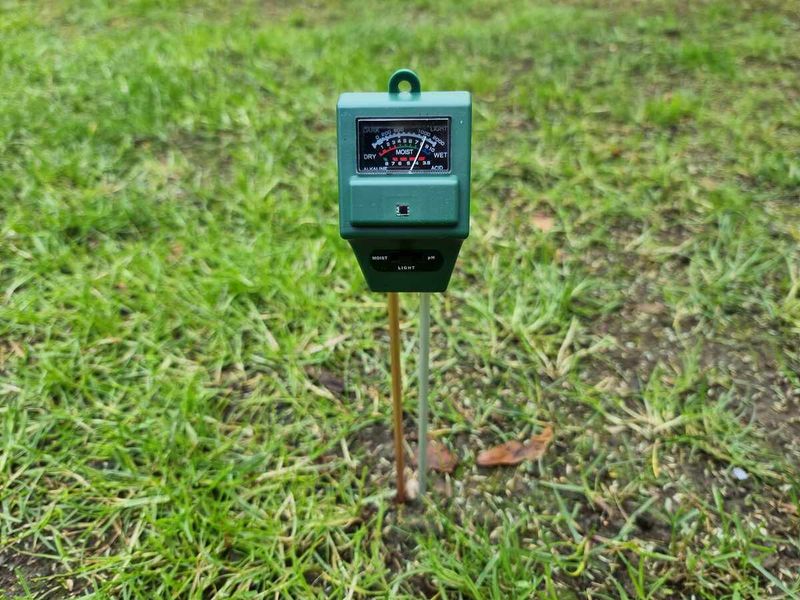
After a soaking September rain, the last thing your lawn needs is more water. Turning on the sprinklers too soon can leave the soil drowning and push out the air that roots depend on.
Too much moisture creates the perfect setup for problems. Roots that sit in water grow shallow and weak, and standing dampness invites fungus to move in. Giving the ground a chance to dry out is one of the kindest things you can do.
Pause your irrigation schedule right away. Automatic systems often keep running on a timer even after storms, so switch yours off until you check the soil yourself. A rain sensor can help prevent this waste in the future.
Testing when to water again is simple. Push a finger a few inches into the soil, and if it feels cool and damp, hold off. Dry, crumbly soil at that depth means your lawn is finally ready for a drink.
Fescue also gives you clear signals. Grass that looks bluish-gray, folds its blades, or holds footprints for a while is telling you it wants water. Bright, springy grass is perfectly happy without it.
When you do water again, go deep and less often instead of a little every day. Deep watering encourages roots to grow downward, making your lawn stronger and more able to handle dry stretches later.
Learning to read your soil and grass saves water, money, and effort. Your fescue will reward this careful approach with steady, healthy growth all through the cool autumn months.
6. Watch For Fungal Disease
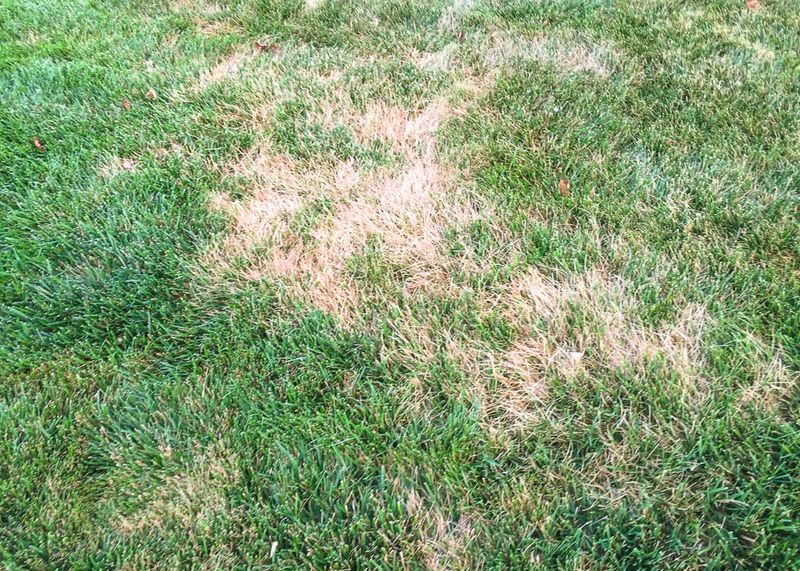
Wet grass that stays damp for days is like an open invitation to lawn fungus. When September rains leave the blades soaked and the air stays humid, disease can spread fast across fescue.
Keeping an eye out helps you catch trouble early. Walk your lawn every few days and look for odd changes that were not there before. Circular brown patches, slimy spots, and thinning areas all deserve a closer look.
Brown patch is one of the most common issues for fescue in warm, wet weather. It shows up as round patches of tan or brown grass, sometimes with a darker ring around the edge. Morning dew can make these spots look extra shiny or fuzzy.
Before you rush to grab a fungicide, slow down and study the problem. Not every discolored patch means disease, and spraying chemicals without a reason can waste money and harm helpful soil life.
Simple habits often stop fungus on their own. Water early in the day so the grass dries by evening, avoid heavy nitrogen feeding during humid spells, and improve airflow by trimming nearby shrubs.
Mowing with a sharp blade also helps, since clean cuts heal faster than torn ones. Bagging clippings from infected areas keeps spores from spreading around the yard.
If a disease keeps growing despite good care, that is when a targeted treatment makes sense.
Matching the right product to the exact problem works far better than guessing. Careful watching now keeps small spots from turning into big headaches later on.
7. Mow Only When The Grass Is Ready

Mowing wet grass might seem like a way to tidy up fast, but it usually creates a mess. Damp blades clump together, clog your mower, and leave uneven clumps scattered across the yard.
Cutting soggy fescue causes trouble below the surface too. A heavy mower rolling over wet ground digs ruts and packs the soil tight, just like foot traffic does. That stress spreads across the whole lawn instead of helping it.
Wet grass also tears instead of slicing cleanly. Ragged cuts open the door to disease and turn the tips brown, giving your lawn a rough, unhealthy look. Waiting for dry conditions solves all of this at once.
Check the grass with a quick touch before you start. If the blades feel damp or your shoes come back wet from a short walk, hold off a little longer. Firm, dry ground and dry blades are your green light.
When mowing day finally arrives, keep your blade set high. Fescue does best when cut to around three to four inches, since taller grass shades the soil and grows deeper roots. Never remove more than a third of the height at once.
A sharp mower blade makes a big difference too. Clean cuts help the grass heal fast and stay strong through the cooler weeks ahead.
Take your time and let the lawn dry fully after those September storms. A patient approach to mowing keeps your fescue smooth, even, and thriving instead of stressed and struggling to recover.
8. Rebuild The Lawn With Proper Fall Care
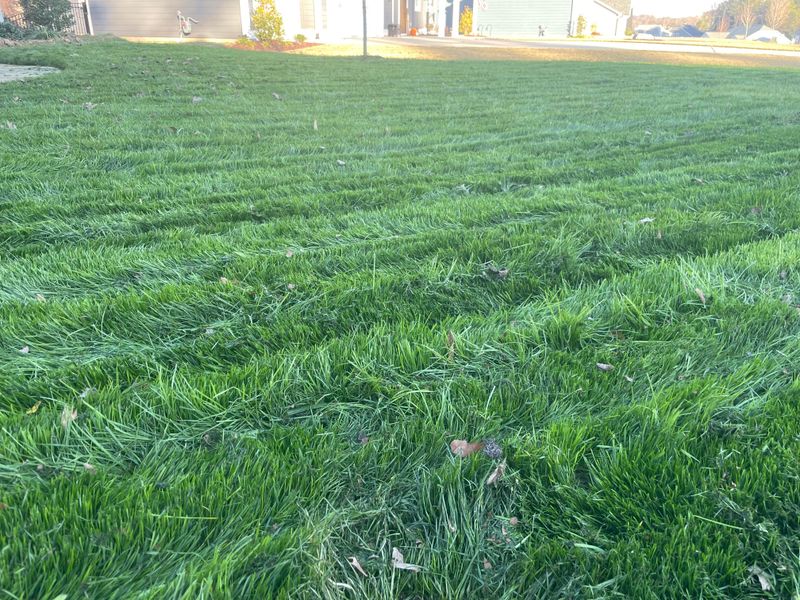
Bringing a soggy lawn back to full health comes down to a smart fall routine. When you combine a few key steps, your fescue can recover stronger than it was before the storms hit.
Overseeding is the heart of the plan. Spreading fresh tall fescue seed across the whole lawn fills in thin areas and boosts thickness, and autumn gives new grass the cool, steady conditions it loves most.
Mowing height plays a bigger role than many people realize. Keeping your grass around three to four inches tall shades the soil, blocks weeds, and helps roots reach deeper for water and nutrients.
Feeding your lawn wisely makes a real difference too. A soil test tells you exactly what your yard needs, so you add the right nutrients instead of guessing. Balanced fertility builds strong grass without pushing weak, disease-prone growth.
Good drainage protects all your hard work. Fixing low spots and clearing gutters keeps water moving away from the grass, so the next heavy rain causes far less trouble.
Watering carefully rounds out the routine. Deep, occasional soaking encourages roots to grow downward, while light daily sprinkling keeps them shallow and fragile.
Aerating before you seed ties everything together by opening the soil for air, water, and roots. Each of these steps supports the others, creating a lawn that shrugs off tough weather.
Stick with this fall care through the season, and your North Carolina fescue will turn thick, green, and resilient. A little effort now sets you up for a beautiful yard next spring.