Common Mistakes North Carolina Gardeners Make When Cutting Perennials Mid Summer
Midsummer is one of the most active pruning periods in a North Carolina garden, and it is also the time of year when well-intentioned cuts do the most unintentional damage.
The heat and humidity that define July and August across the state create conditions where plants are already under significant stress, and adding the wrong kind of pruning on top of that stress pushes certain perennials past the point of easy recovery.
Some of the most common habits gardeners reach for during this period, cutting back too hard, pruning at the wrong time of day, skipping cleanup of removed material, are all mistakes that compound each other quickly in a Southern summer.
Understanding exactly where those habits go wrong makes midsummer pruning far more productive and far less damaging to the plants you worked hard to establish.
1. Cutting Too Much Foliage Along With Flowers
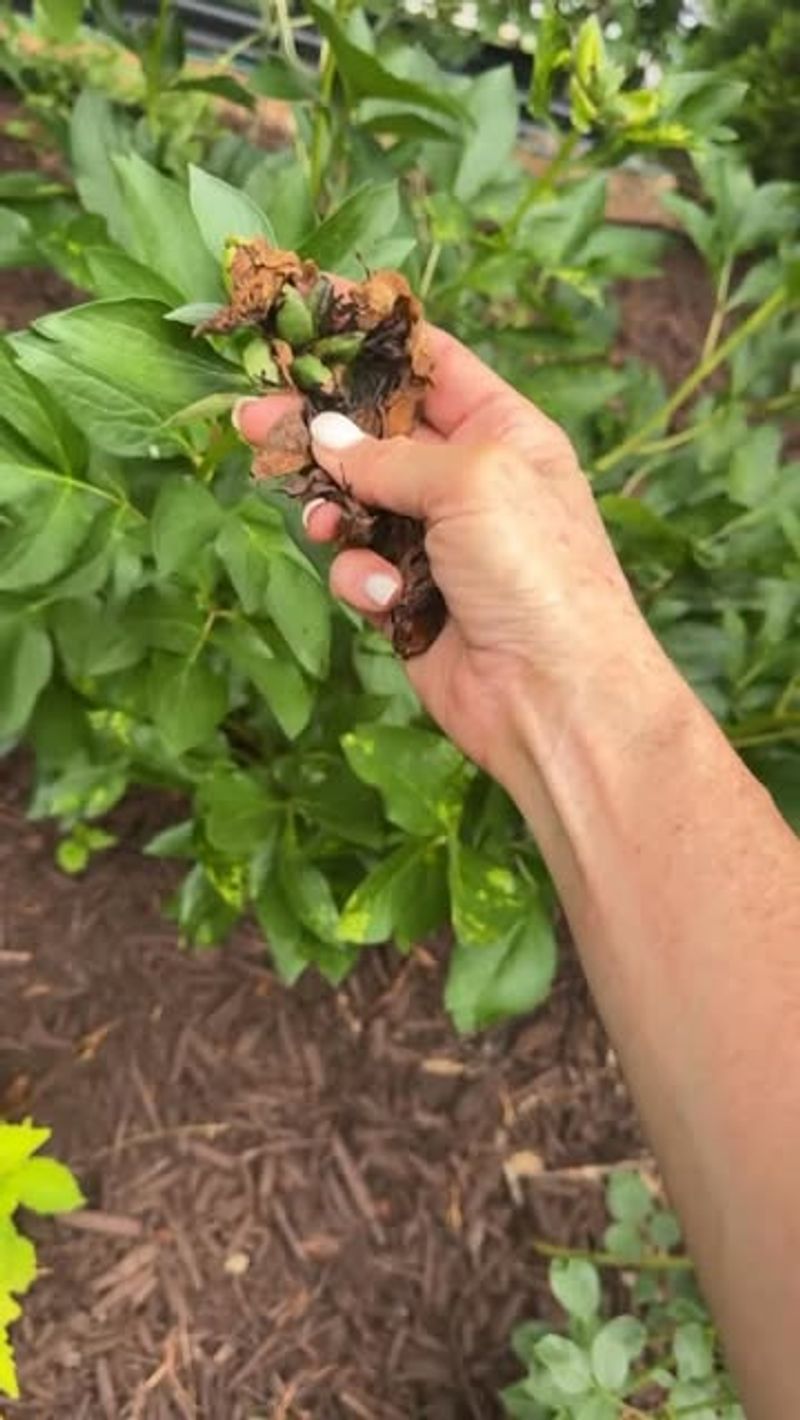
Grabbing the shears and going to town on your perennials feels satisfying, but stripping away too many leaves along with the faded flowers is one of the most common missteps gardeners make in mid-summer.
Those green leaves are not just decoration. They are the plant’s food-making engine, converting sunlight into the energy your perennial needs to push out the next round of blooms.
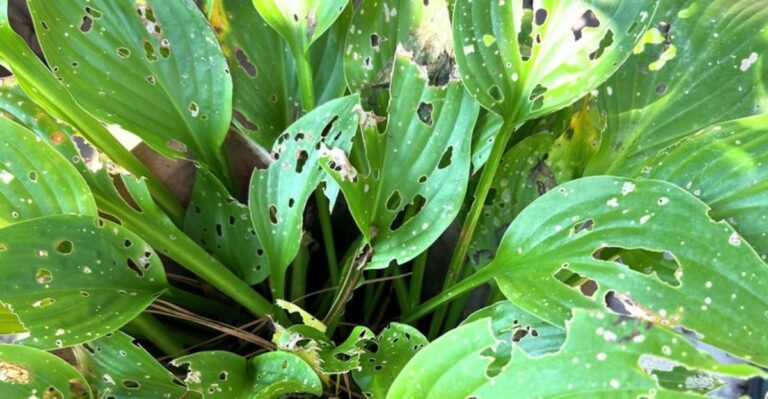
When you remove too much foliage, the plant suddenly has far less capacity for photosynthesis. That slowdown affects everything from root development to bud formation.
In North Carolina’s blazing July heat, a plant already working hard to stay hydrated cannot afford to lose its energy source all at once.
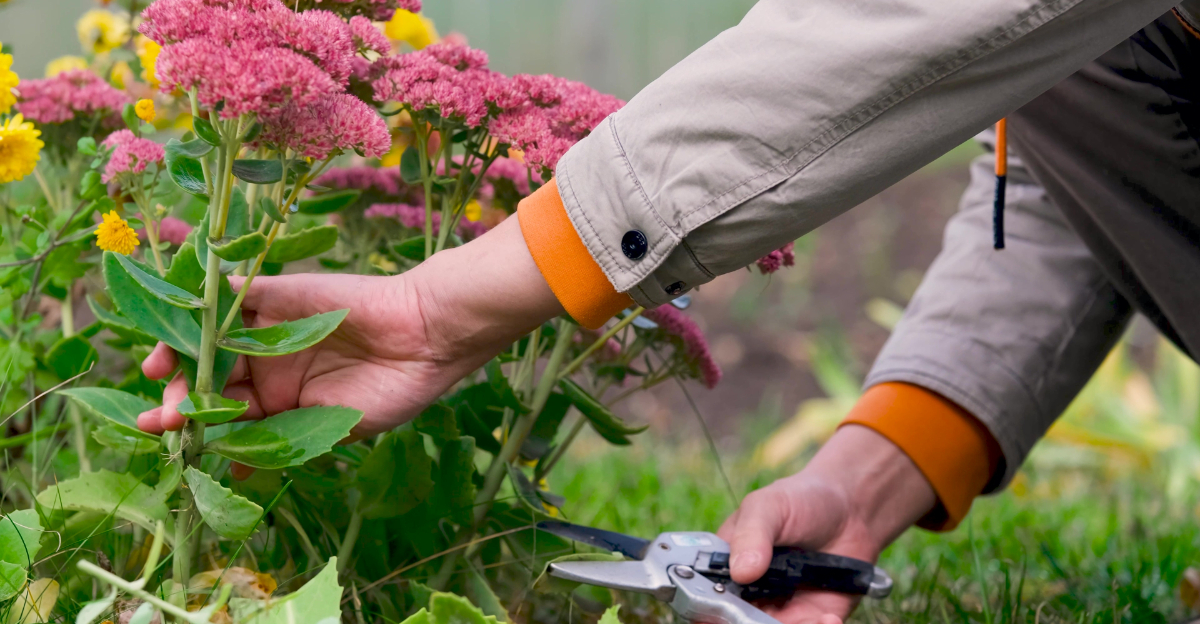
The fix is surprisingly simple once you know what to look for. Target only the spent flower head and its stem, cutting just above a healthy leaf node or side shoot.
Leave as much green foliage as possible, especially the lower and mid-plant leaves that are still firm and vibrant. Think of each leaf as a solar panel powering future blooms.
A selective approach takes only a few extra seconds per stem but makes a dramatic difference in how quickly your perennials recover and rebloom through the rest of the summer season.
2. Waiting Too Long To Remove Faded Flowers
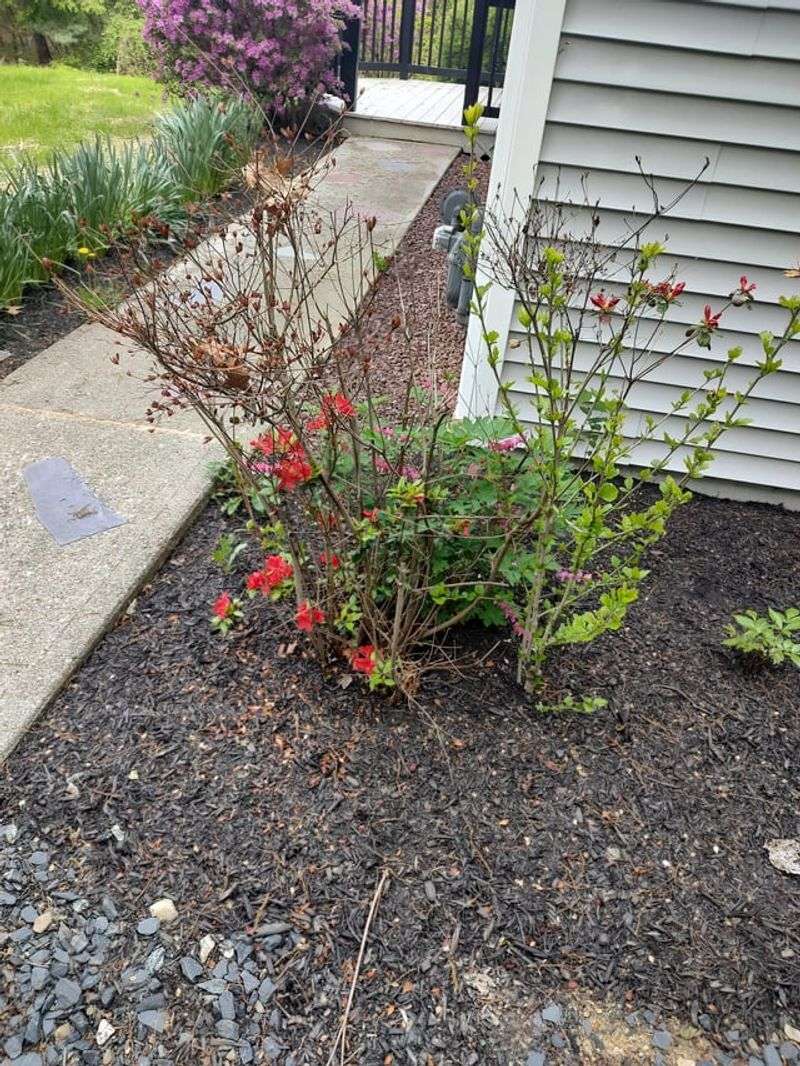
Timing really is everything in a summer garden. When faded flowers are left on perennials past their prime, the plant shifts its focus from producing new blooms to developing seeds.
That shift might sound harmless, but it quietly drains the plant’s energy reserves at exactly the wrong time of year.
North Carolina summers move fast. A flower that looks slightly past its peak on Monday can be forming a full seed head by Friday.
Once seed production kicks in, many perennials simply stop sending up new flower stalks because the biological mission feels complete.
Regular checks every five to seven days during mid-summer keep you ahead of that cycle and give your plants the signal to keep blooming.
Popular North Carolina perennials like black-eyed Susans, coneflowers, and salvia respond especially well to timely removal of spent blooms. The moment petals start to droop and color fades, that is your cue to act.
Your North Carolina Garden Changes Every Week. Your Plan Should Too.
Gardening in North Carolina changes quickly throughout the season. Every Friday you’ll receive a simple weekly plan showing exactly what to plant, prune, fertilize, harvest, and protect so you never miss the right timing.
Cut just above a set of healthy leaves or a visible side bud, and you redirect the plant’s energy straight back into new flower production.
Staying just a little ahead of the curve with consistent timing produces a noticeably fuller, more colorful garden all the way through late summer and into early fall.
3. Not Using Clean And Sharp Tools
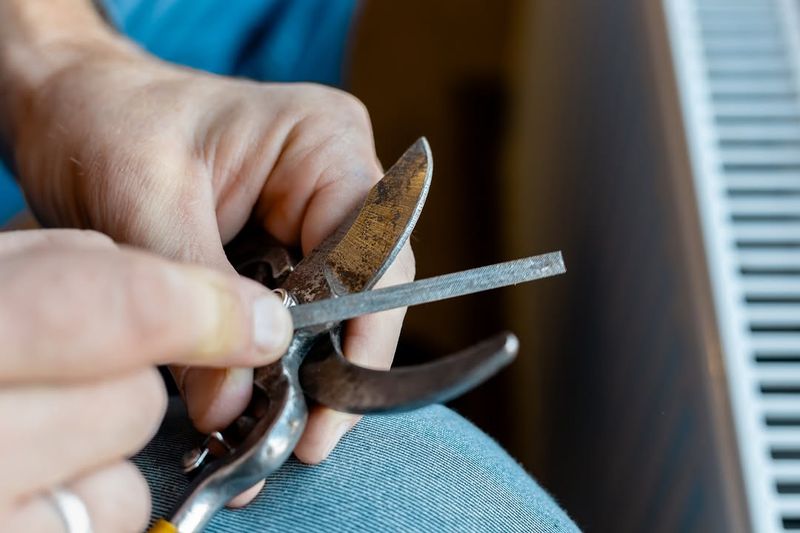
Your pruning shears touch dozens of plants during a single garden session. If those blades carry bacteria, fungal spores, or residue from a previously infected plant, every clean stem you cut afterward becomes a potential entry point for disease.
In North Carolina’s humid summer climate, pathogens spread faster than most gardeners expect, and a dull blade only makes things worse.
A dull cutting edge tears plant tissue instead of slicing cleanly through it. That ragged wound takes longer to seal and gives fungi and bacteria more surface area to work with.
Powdery mildew, botrytis, and various bacterial blights are already common in humid Carolina summers, so giving them an easy entry point through messy cuts is a risk worth avoiding.
Sharpening your shears at the start of the season and touching them up monthly keeps cuts clean and precise. For sterilization, a quick wipe with rubbing alcohol or a diluted bleach solution between plants takes only seconds but offers real protection.
Some gardeners keep a small spray bottle of isopropyl alcohol right in their garden apron for convenience.
Pair clean tools with sharp blades, and your perennials will heal faster, stay healthier, and put their energy into producing beautiful new growth rather than fighting off preventable infections all summer long.
4. Ignoring Whether Plants Bloom On Old Or New Wood
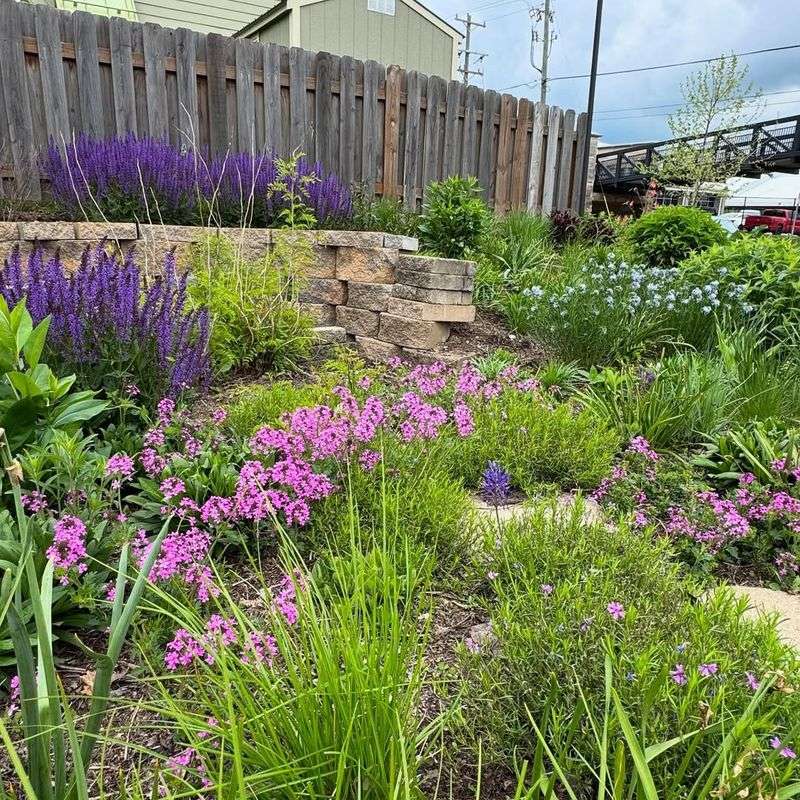
Not every perennial plays by the same rules, and cutting without understanding how a plant produces its flowers is one of the fastest ways to accidentally remove next season’s blooms.
The difference between old wood bloomers and new wood bloomers is a big deal, and it trips up even experienced North Carolina gardeners every summer.
Old wood bloomers, like bigleaf hydrangeas, set their flower buds on stems that grew the previous season. Cut those stems back in mid-summer, and you are removing the very buds that would have opened into gorgeous blooms.
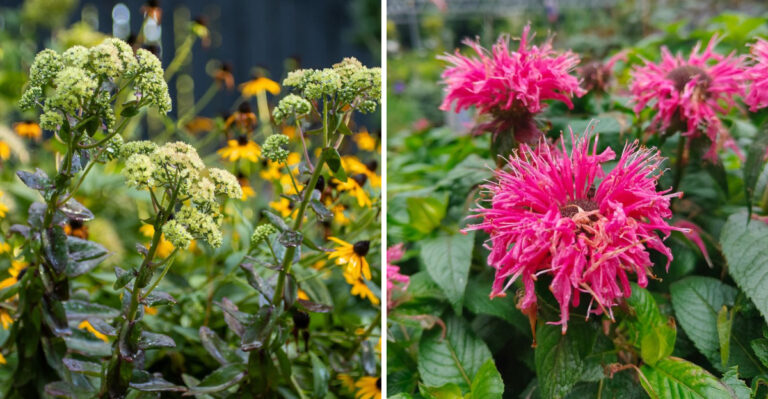
New wood bloomers, like panicle hydrangeas, bee balm, and garden phlox, produce buds on fresh growth from the current season, so cutting them back actually encourages more flowering rather than reducing it.
Before reaching for the shears, take a moment to identify your plant type. A quick search for the specific variety will tell you everything you need to know.
For old wood bloomers, limit mid-summer cutting to removing only fully spent flower clusters without touching the healthy stems below. For new wood bloomers, feel free to cut back more confidently to a healthy node or leaf set.
Understanding this single distinction protects your investment in plants and keeps your garden producing at full potential throughout the entire growing season without unnecessary setbacks.
5. Leaving Faded Flowers On Low-Growing Perennials
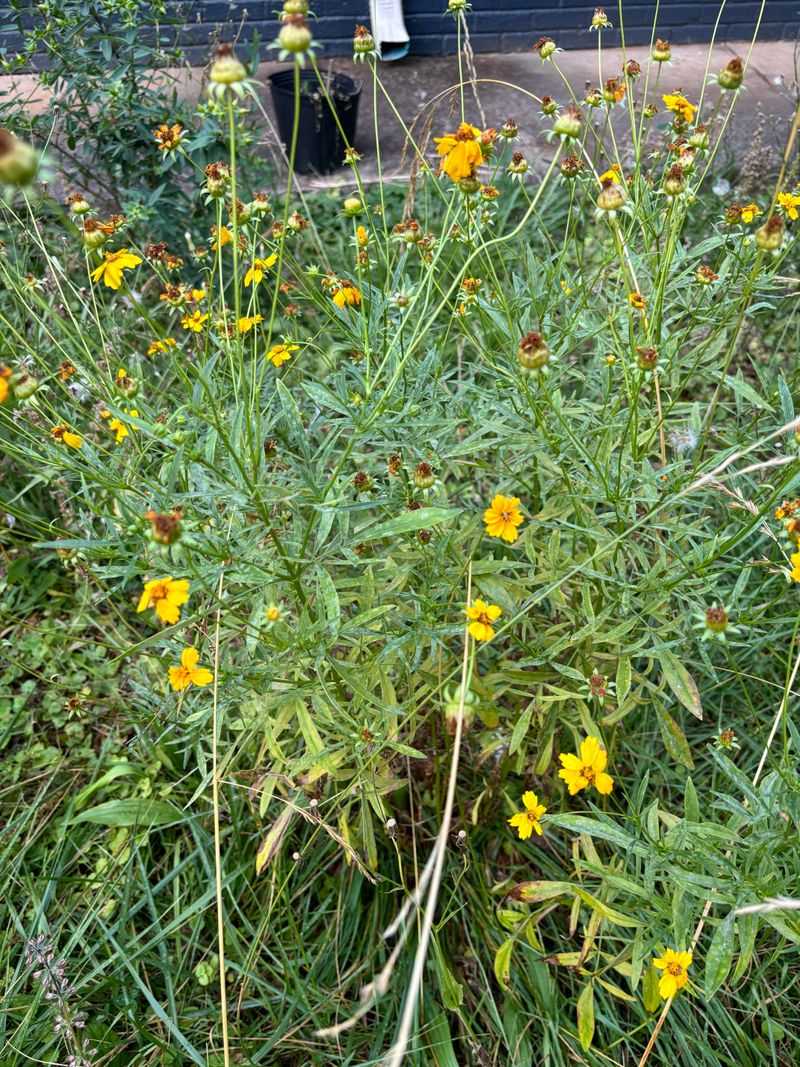
Low-growing perennials like coreopsis, coneflowers, and creeping phlox are easy to overlook during a deadheading session simply because they sit closer to the ground and blend into the surrounding garden bed.
Out of sight often means out of mind, and those faded blooms quietly sap energy that could be fueling fresh new flowers.
When spent blooms linger on compact plants, the visual effect is also noticeably messy. A garden bed that looks tidy from a distance can appear tired and overgrown up close, especially when low-growing plants are dotted with brown, papery flower heads.
Aesthetics matter, and keeping these plants groomed makes the entire bed look more intentional and well-cared-for during peak summer season.
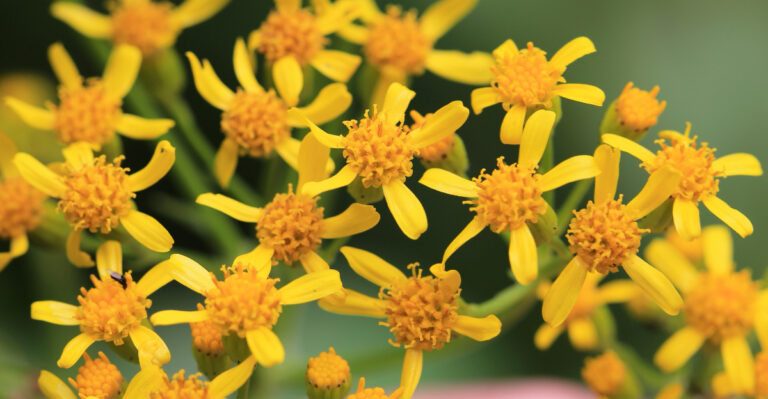
For coreopsis, a practice called shearing works wonderfully in mid-summer. Cut the entire plant back by about one-third using clean shears or even garden scissors, removing all the faded blooms at once.
This encourages a fresh flush of growth and a new round of cheerful yellow flowers within a few weeks. Coneflowers respond better to individual stem removal, cutting each spent bloom back to the nearest side bud or leaf.
Either way, staying attentive to these lower-level plants rewards you with a garden that looks lush and vibrant all the way through North Carolina’s long, warm growing season.
6. Not Disposing Of Removed Blooms Properly
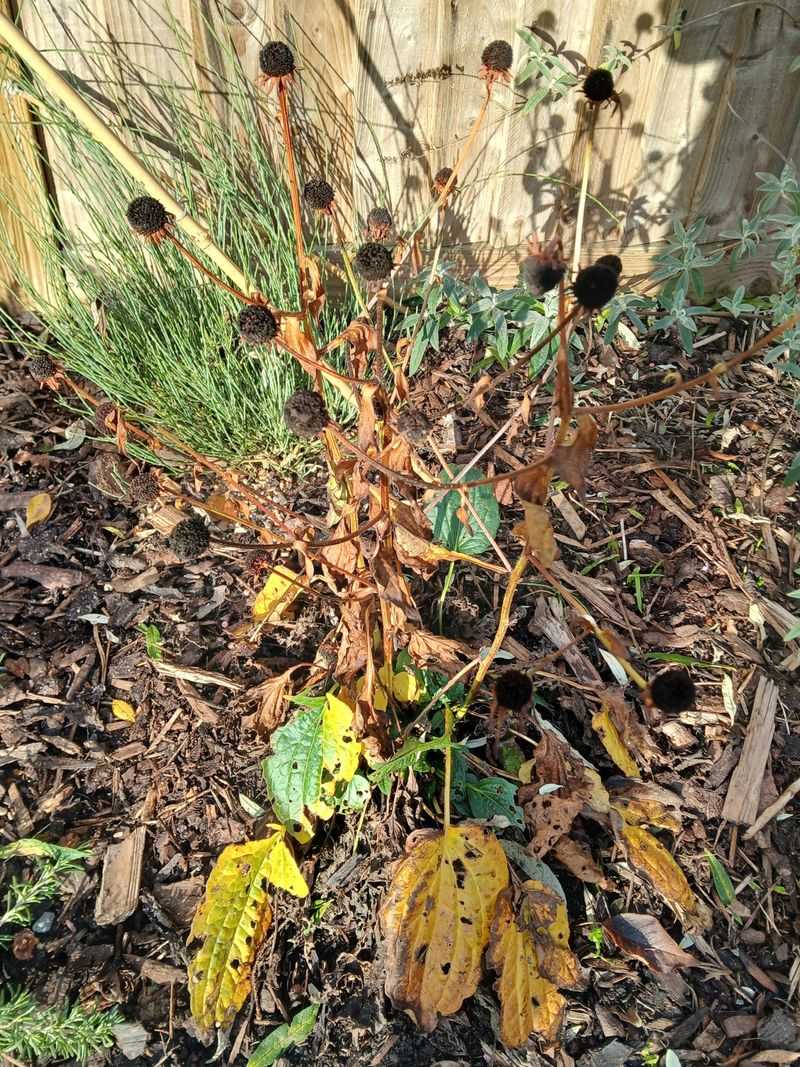
Tossing removed flower heads onto the soil surface might feel like a time-saving shortcut, but those discarded blooms can quickly become a problem.
In North Carolina’s warm, humid summer conditions, organic plant material left on the ground breaks down fast, and not always in a good way.
Fungal spores thrive in that moist, warm environment and can spread back to your healthy plants in no time.
Spent blooms that contain early signs of powdery mildew, rust, or other fungal issues are especially risky when left near the base of plants.
Water splashing during rain or irrigation carries those spores right up onto lower leaves, creating a cycle of infection that is frustrating to manage mid-season.
Removing the blooms is only half the job if you leave the problem sitting on the ground.
The safest approach is to collect removed blooms into a bucket or garden bag as you work and dispose of them away from the garden bed. Healthy blooms with no signs of disease can go into a compost pile, where heat from decomposition will neutralize most pathogens.
Any blooms showing visible disease should go straight into the trash rather than compost to prevent spreading.
Building this simple habit into your regular deadheading routine takes almost no extra effort but offers meaningful protection for the rest of your perennial garden all summer long.
7. Overlooking Perennials That Self-Seed
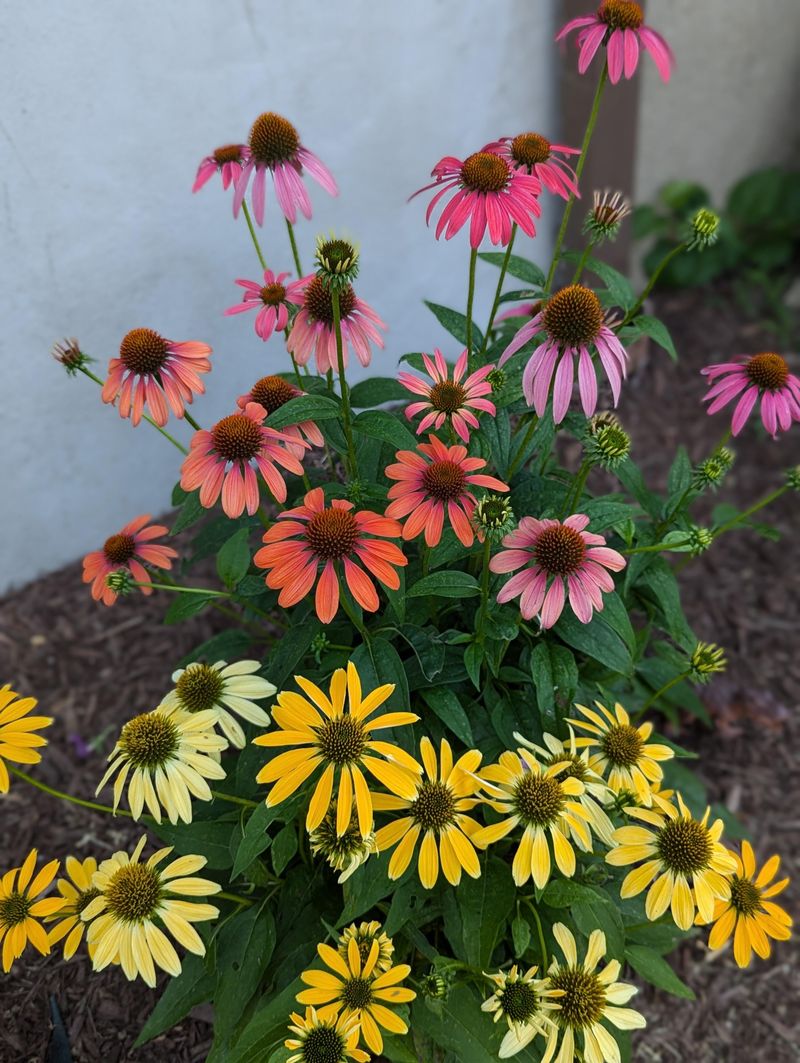
Some of the most beloved perennials in North Carolina gardens are also enthusiastic self-seeders, and aggressive deadheading can unintentionally shut down that natural process.
Plants like coneflowers, black-eyed Susans, and columbine scatter seeds that sprout into new plants the following season, essentially expanding your garden for free without any extra effort on your part.
The balance here is worth thinking about carefully. Removing every single spent bloom prevents seed dispersal entirely, which means fewer volunteer plants next year.
On the flip side, leaving every bloom to go to seed can lead to overcrowding and a slightly untidy look in a well-maintained garden bed. Finding the middle ground is both practical and rewarding.
A smart approach is to cut the majority of spent blooms to encourage rebloom while intentionally leaving a few mature seed heads on each plant toward the end of the summer bloom cycle.
Choose seed heads that are fully developed and beginning to dry naturally. Allow them to remain until the seeds have dropped, then remove the empty stems. You can also harvest seeds manually and scatter them in a desired area of the garden.
This strategy gives you the best of both worlds, a tidy, productive garden during the season and a fresh crop of beautiful volunteers ready to emerge the following spring across your North Carolina yard.
8. Pruning Without Considering Sun Exposure
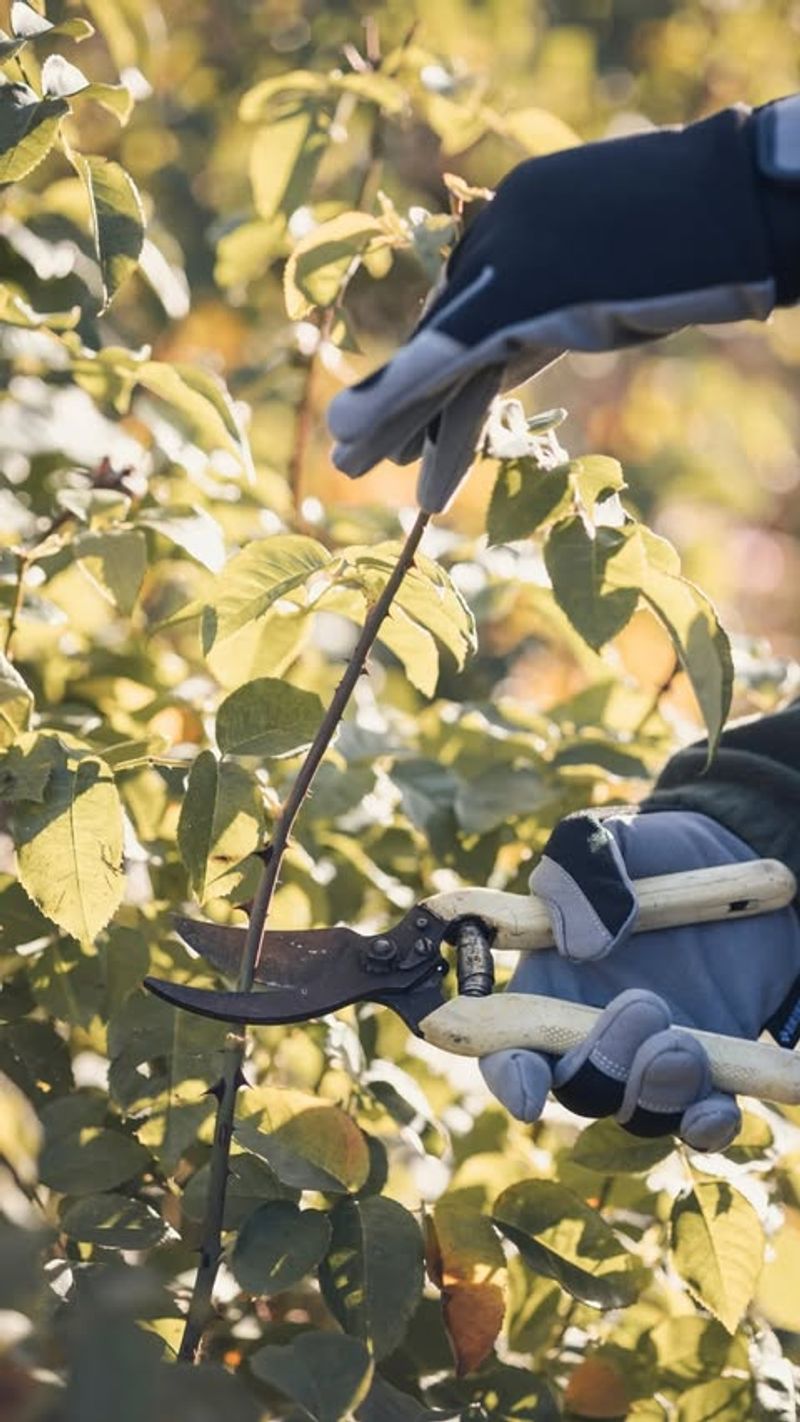
Full-sun gardens in North Carolina face some serious heat stress during July and August, and the way you cut your perennials can either help or hurt how well they handle those intense conditions.
Most gardeners think about what to remove but rarely consider how the remaining foliage arrangement affects the plant’s ability to manage heat and sunlight after cutting.
Leaves that shade the lower stem and root zone act as natural insulation. When you remove too much foliage in a full-sun bed, bare stems and exposed soil absorb significantly more heat.
That extra heat dries out the root zone faster, increases water stress, and can cause stems to become brittle and weak.
Plants in partial shade have a bit more flexibility, but full-sun perennials genuinely benefit from thoughtful, strategic cutting.
Before making each cut, look at how the remaining leaves will fall after the stem is removed. Try to preserve foliage that naturally angles over the base of the plant or shades neighboring stems.
When cutting tall perennials like rudbeckia or salvia, leave enough leafy stem behind to maintain some canopy over the lower portion of the plant. Pairing smart cutting technique with morning watering helps the plant recover more efficiently.
Small adjustments in how you position your cuts make a real, measurable difference in plant health during North Carolina’s hottest weeks of the growing season.
9. Keeping An Inconsistent Cutting Schedule
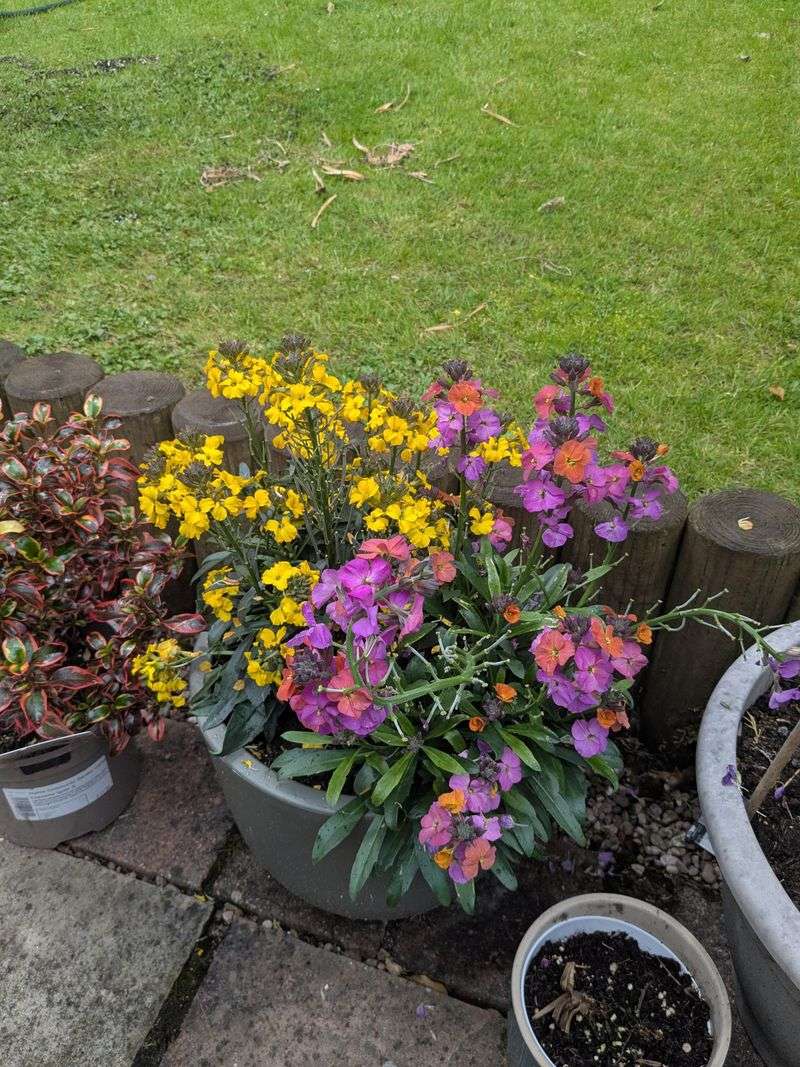
Sporadic deadheading is one of those habits that feels fine in the moment but quietly reduces your garden’s overall performance.
When spent blooms are removed in big batches every few weeks rather than on a steady schedule, plants spend long stretches in seed-production mode instead of flower-production mode.
That inconsistency adds up over a full summer season. A regular schedule trains you to notice subtle changes in your garden before they become bigger problems.
Checking your perennials every five to seven days gives you the chance to catch fading blooms right at the ideal removal point, before seed development begins.
It also helps you spot early signs of disease, pest pressure, or stress that might otherwise go unnoticed until they are harder to address.
Setting a simple weekly reminder on your phone or marking a recurring day on a paper calendar works better than relying on memory alone, especially during busy summer months.
Early morning is the best time to deadhead in North Carolina because temperatures are cooler, plants are more hydrated, and you can work comfortably without the afternoon heat bearing down.
Keep your tools clean and close at hand so the session flows quickly and easily.
Even fifteen minutes of consistent attention each week produces a dramatically fuller, more colorful perennial garden that rewards your effort with reliable blooms from early summer all the way through fall.