The Shrubs To Prune In Late September In Ohio (And The Ones To Leave Be)
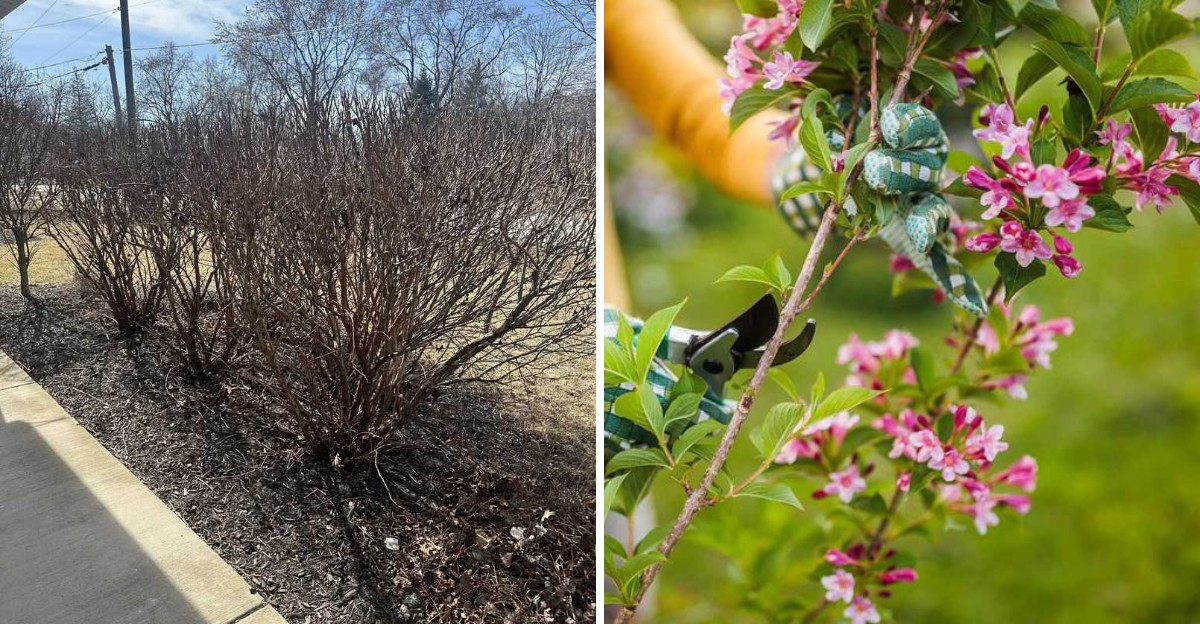
Half your shrubs are begging for a trim right now. The other half want you nowhere near them.
Late September splits Ohio shrubs into two camps, and most homeowners treat every bush the same way out of habit. Cut the wrong one and you’re not just left with a rough-looking shrub.
You’re cutting into next year’s blooms before they even had a shot.
The tricky part? A lot of these look identical to the untrained eye, and guessing wrong doesn’t show up until spring, when it’s too late to fix.
Sort your shrub list before you touch a single branch this week. One wrong snip could cost you a full season of color.
1. Prune Yew Shrubs For A Neater Fall Shape
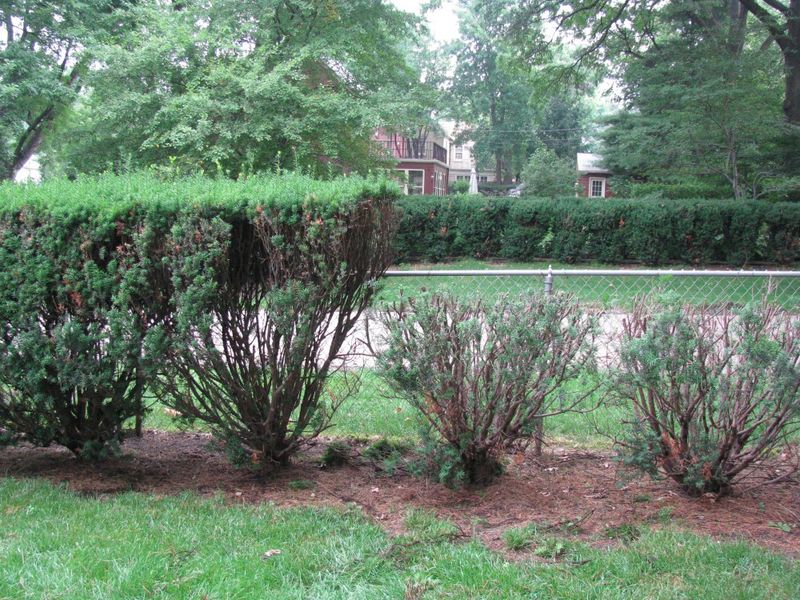
Yews are the workhorses of foundation plantings, standing stiff and green beside porches for decades. They tolerate regular pruning better than many common evergreen shrubs.
That said, late September asks for a gentle hand rather than a bold one. The best window for real shaping on yews is spring, before new growth pushes out, with touch-ups wrapped up by the end of June.
Heavy cuts back into old wood are best saved for that spring window, not the tail end of the season. If your yew has a few odd shoots sticking out from its summer flush, snipping those stray tips is reasonable.
The concern with bigger cuts now is simple. Fresh growth needs weeks of warm weather to firm up, and Ohio frosts arrive in October, leaving tender shoots exposed.
Use clean, sharp hand pruners instead of a hedge trimmer for this kind of work. Reaching inside to remove a broken or rubbing branch is also fair game and helps air move through the plant.
Fun bit of history: yew wood was prized for English longbows, which explains why the branches bend rather than snap. Treat your shrub with that same patience and it will reward you with a tidy outline and rich color all winter long.
2. Give Boxwoods A Light September Trim
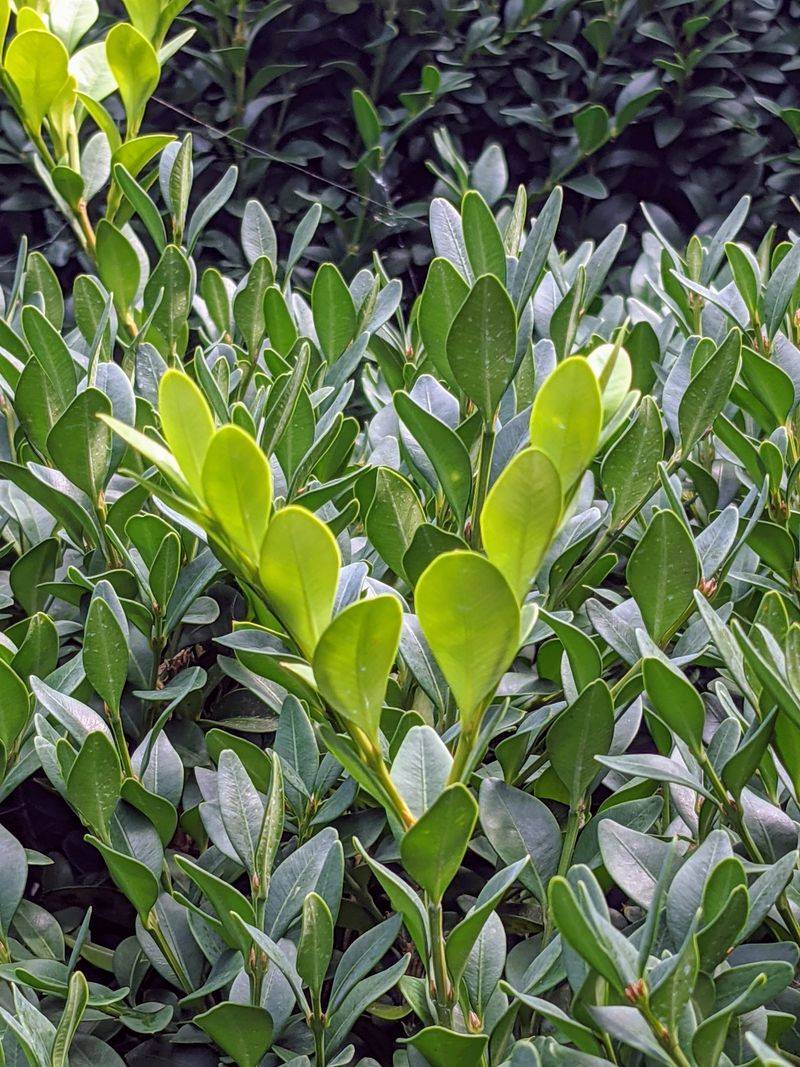
Boxwoods have that formal, clipped look that makes a walkway feel intentional. They also have a long memory for bad timing.
Late February through mid-March is the sweet spot for shaping boxwood in Ohio, right before the spring flush begins. Small corrective snips are fine through spring and summer, but shearing slows down as summer fades.
Regional advice for Northeast Ohio suggests light corrective work can happen up to about mid-September. By the last week of the month, you are past that comfortable window.
Here is why that matters. Shearing signals the plant to push soft new shoots, and those shoots may not firm up before the first hard frost settles over the state.
If your boxwood has one branch flopping out of line or a patch of browning twigs inside, go ahead and remove those with hand pruners. Thinning a few small branches also lets light and air reach the center, which helps discourage fungal trouble.
Your Ohio Garden Changes Every Week. Your Plan Should Too.
Gardening in Ohio changes quickly throughout the season. Every Friday you’ll receive a simple weekly plan showing exactly what to plant, prune, fertilize, harvest, and protect so you never miss the right timing.
Keep the electric trimmer in the shed until late winter. Then pull it out and shape to your heart’s content while the plant is still resting.
A quick tip many gardeners miss: shake out the old leaf litter caught inside the shrub. That small chore does more good in September than any amount of clipping.
3. Shape Privet Before Winter Sets In

Privet grows so fast it feels like it is racing you. One skipped season and the neat hedge you planted turns into a shaggy green wall.
Because of that vigor, privet handles more clipping than most shrubs on this list. Light shaping cuts work throughout the growing season, from late spring into early fall.
Major cutting back, the kind where you reduce height by a foot or more, belongs in late winter or early spring. February through March is ideal in Ohio, before buds break.
Many hedge keepers trim twice a year: once in late spring after growth hardens, and again in mid to late summer. Late September sits at the edge of usefulness.
If you still have warm weather ahead, a very light cleanup of stray shoots may be reasonable. Push into heavier cuts and you invite soft growth that frost can nip in a few short weeks.
When you do trim, keep the top slightly narrower than the base. Sunlight then reaches the lower branches and the hedge stays full all the way down instead of going bare at the ankles.
Toss clippings on the compost pile rather than letting them mat under the hedge. Privet roots appreciate the airflow, and you will spot pests or damage much sooner with a clean base.
4. Remove Damaged Branches From Ninebark
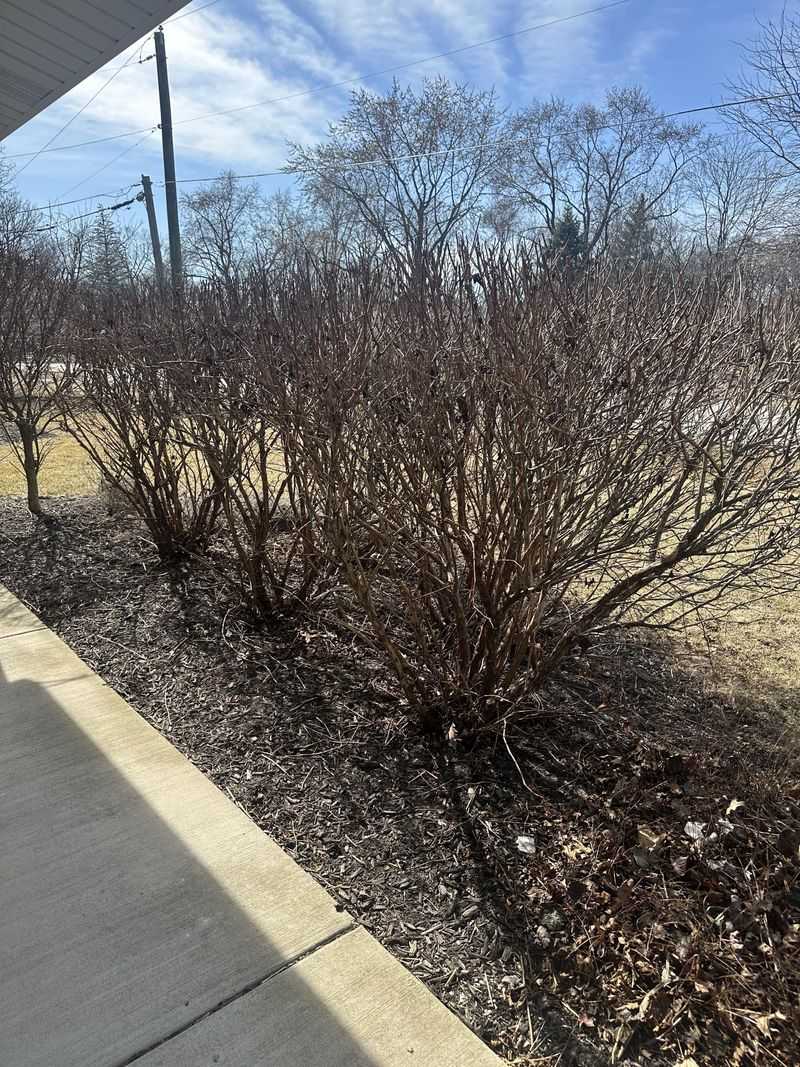
Ninebark earned its name from bark that peels away in papery layers, like the shrub cannot decide on an outfit. Those burgundy and gold varieties have become Ohio landscape favorites for good reason.
Broken, rubbing, or unhealthy branches can come out of a ninebark at any point in the year. Late September is a perfectly sensible time for that specific chore.
Look for stems that snapped in a summer storm, limbs crossing and wearing against each other, or canes with spotted, ragged foliage. Cut those as close to the base of the plant as you can reach.
Skip the temptation to shape the whole shrub right now. General shaping and renewal cuts belong right after flowering in late spring or early summer, since fall cuts push tender growth that frost can damage.
A sharp bypass pruner handles thin stems, while a folding saw makes quick work of older, thicker canes. Wipe blades with rubbing alcohol between plants to avoid spreading trouble.
One thing gardeners love about ninebark: it forgives. Take out a few tired canes at ground level and fresh shoots will rise from the base next season, keeping the shrub lively instead of woody in the middle.
Leave the seed heads standing. Birds pick at them through Ohio’s gray winter months.
5. Leave Lilacs Alone Until After Spring Bloom
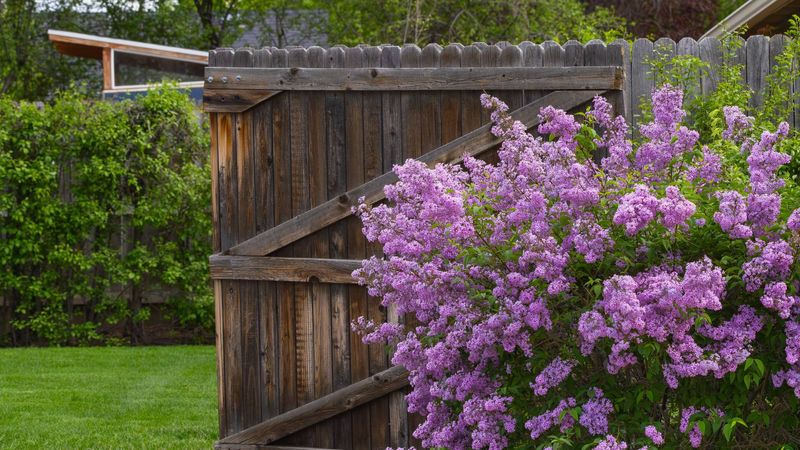
Grandma’s lilac by the back fence is practically an Ohio institution. Every May it fills the whole yard with that unmistakable perfume.
Here is the secret hiding in those branches right now: next spring’s flower buds are already formed. Lilacs set their buds shortly after blooming, meaning the show is locked in months ahead of time.
Snip those branch tips in late September and you are cutting off May’s bouquet. The shrub will leaf out fine, but the blossoms simply will not appear.
The right moment to prune is immediately after the flowers fade in late spring or early summer. Mark it on a calendar if you must, because that window is short.
If a lilac has gotten leggy and tall, plan a renewal approach for next June. Remove about one third of the oldest, thickest stems at ground level each year for three years and the shrub rebuilds itself.
What you can do in September is cleanup. Pull weeds around the base, clear fallen leaves, and remove any suckers creeping into the lawn.
Give the shrub a good look while you are there. Noting which stems need attention now makes next June’s pruning session quick and confident.
6. Keep Forsythia Untouched Until Flowering Ends
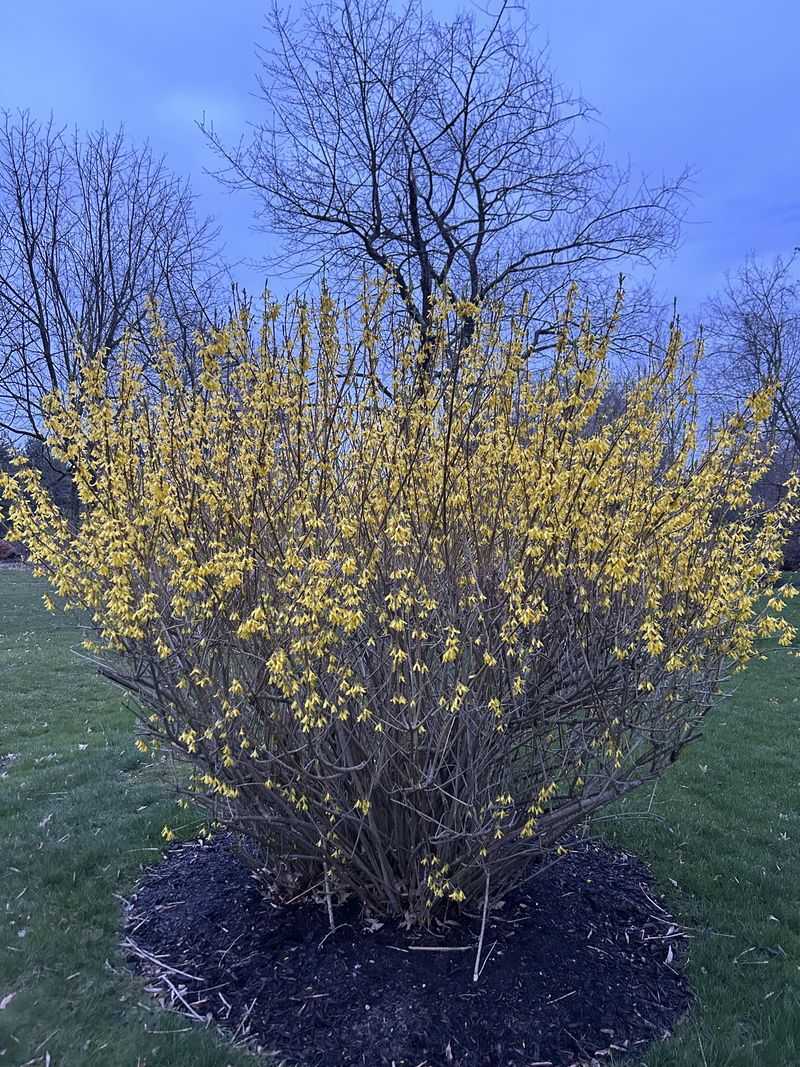
Forsythia is the shrub that announces spring in Ohio, lighting up roadsides with yellow before anything else dares to bloom. That early burst comes with a condition.
Blooms form on old wood, and the buds develop as early as midsummer. By late September, every future flower is already sitting quietly on the stems.
Shearing the shrub now trims off that entire display. Come April, you get green leaves where gold should be, and nothing brings the flowers back that season.
Right after flowering ends, usually May into early June, is the moment to shape a forsythia. That leaves plenty of season for the plant to grow and set new buds.
Fight the urge to give it a boxy haircut even then. Forsythia looks best with its natural arching form, so cut the oldest canes to the ground and let the graceful branches do their thing.
September work should stay limited to obvious problems. Remove a cane that snapped, or clip stems that have rooted where they touched the soil and are marching across the bed.
A nice trick for winter: in February, cut a few branches and bring them indoors. Set them in water and the buds open early, giving you a private spring weeks ahead of the neighbors.
7. Skip Fall Pruning On Spring-Blooming Azaleas
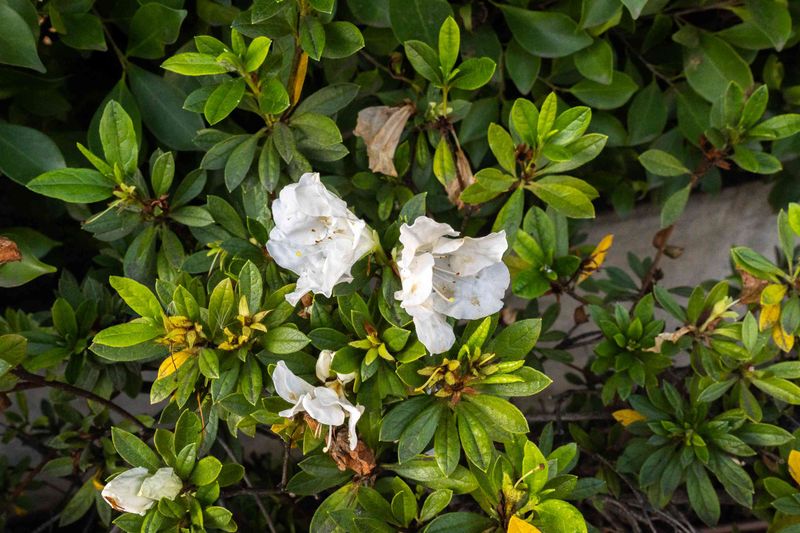
Ask any gardener who accidentally trimmed an azalea in autumn and you will hear a sigh. The lesson sticks for years.
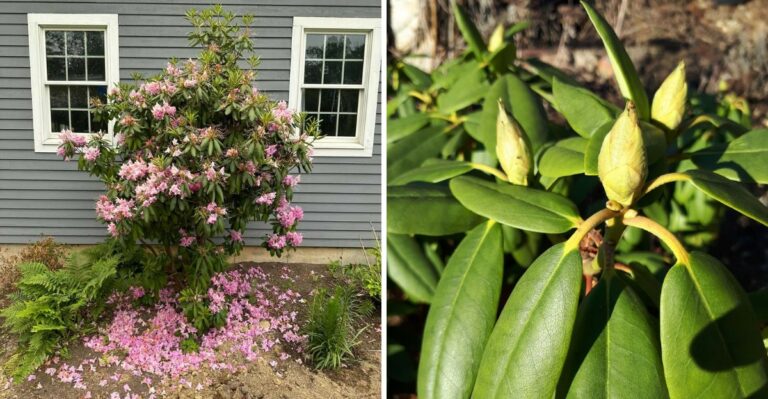
Spring-blooming azaleas build their flower buds in late summer, roughly July through September. Those buds are tiny and easy to mistake for ordinary leaf tips.
Cutting in late September removes them, which means the following spring arrives without that cloud of pink, white, or coral. The plant survives just fine, but the color is gone for a year.
Prune right after flowering, generally in late spring or early summer, and avoid pushing major pruning too far into summer. Anything later starts eating into next year’s display.
Fall cuts carry a second risk in Ohio. Trimming encourages soft new foliage, and early frosts can damage that tender growth before it toughens up.
Instead of reaching for shears now, focus on root care. A layer of shredded bark or pine mulch, two to three inches deep, helps moderate soil temperature through freeze and thaw cycles.
Water deeply if September has been dry. Azaleas hold their leaves through winter and need moisture in the soil heading into the cold.
Worth knowing: azaleas prefer acidic soil, so a soil test in fall tells you whether a spring amendment is in order.
8. Leave Weigela Alone Until After Its Flowers Fade
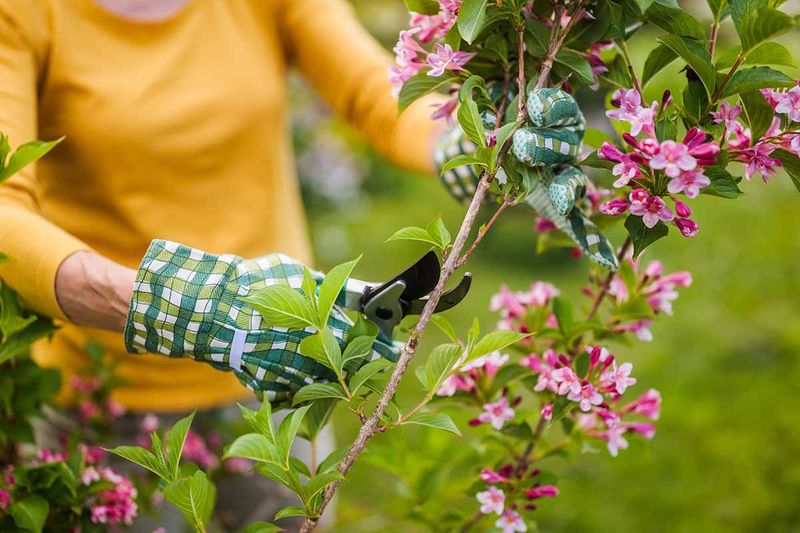
Hummingbirds have strong opinions about weigela. Those trumpet-shaped blooms in May and June are a reliable stop on their route through Ohio.
Weigela flowers on old wood, the stems that grew during the previous season. Buds for next year form after the plant finishes its spring show.
That makes a late September trim a costly mistake. Shortening branches now trims away the very wood that carries next year’s blossoms.
The best time to prune is right after spring flowering wraps up, generally late spring or early summer. The shrub then has the whole warm stretch to grow fresh stems and set buds.
Some newer varieties rebloom through summer, and gardeners often wonder if the rules change. They do not much; any real shaping still belongs after that first big flush of flowers.
During September, limit yourself to removing broken stems or a branch that is scraping a fence. Those cuts are small and will not cost you a bloom cluster.
Consider taking notes on the shrub’s shape this fall. If it looks crowded in the middle, plan to remove a couple of the oldest canes at the base next June.
One perk of waiting: those unpruned stems catch snow and give the winter yard a bit of structure.
9. Hold Off On Pruning Flowering Quince
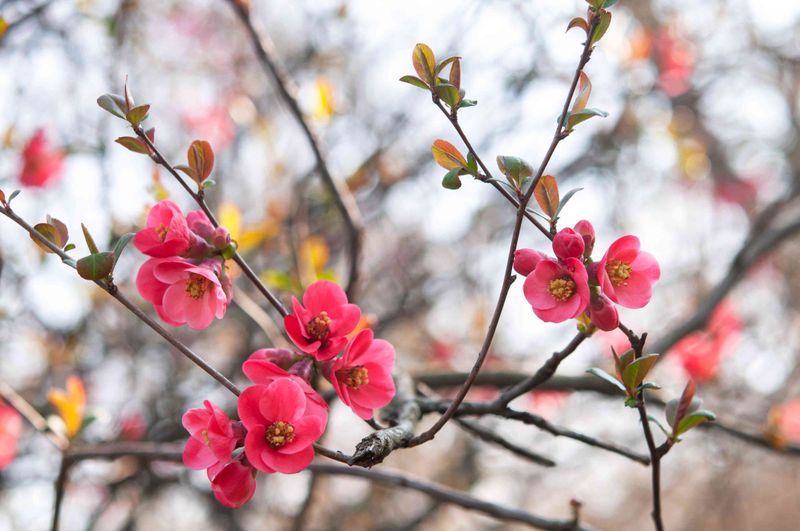
Flowering quince is a bit of a rebel. Thorny, tangled, and covered in scarlet or coral blooms before most shrubs wake up, it does not care much for tidy expectations.
Those early flowers come from old wood, meaning branches that grew the previous year. Every stem on the plant right now is carrying potential blossoms.
Trimming in late September sacrifices much of that display. You would end up with a neater shrub and a disappointing March.
Prune just after the blooming period ends in spring, which is the timing that keeps the flower show intact. Dormant-season pruning can remove flower buds on this old-wood bloomer, so pruning after flowering is generally the better way to preserve the display.
Quince has a habit of growing into a thicket, so renewal pruning helps. Cut a few of the oldest, grayest stems to the ground each spring and newer wood takes over.
Wear thick gloves whenever you work on this one. The thorns are small but persistent, and long sleeves save you some scratches.
Here is a charming detail: the small fruits that appear in fall are edible once cooked and make a fragrant jelly. Leave them on the branch through September, gather what you like in October, and save the shears for after the spring flowers fade.