What To Plant Near Your Ohio Porch To Pull Carpenter Bees Away From The Wood
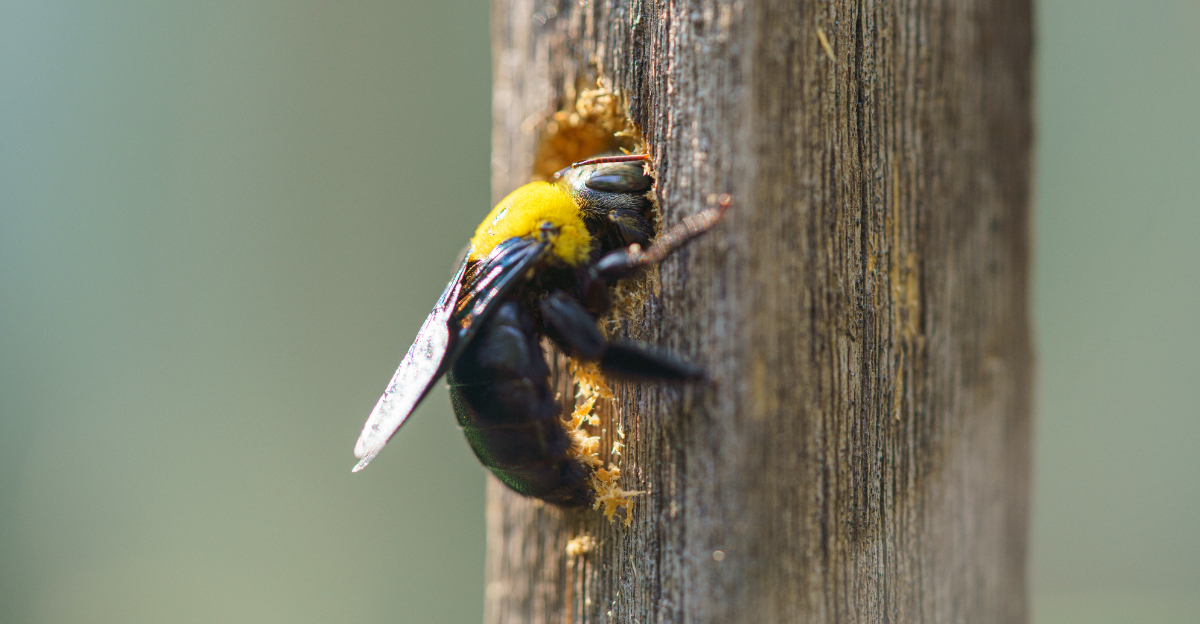
Carpenter bees are single minded about wood, and an Ohio porch gives them exactly what they are looking for. Those perfectly round holes showing up in your railings, eaves, and fascia boards are not random.
Carpenter bees are methodical, and once they find a spot they like, they come back to it season after season. Repelling them completely is a tall order.
Anyone who tells you otherwise is overselling it. But there is evidence that certain plants can pull their attention toward something more appealing than your porch wood.
That gives them a reason to spend time elsewhere in the yard. It is not a perfect solution and it works better as part of a broader approach.
What it is, though, is a low-effort, low-cost layer worth adding, especially for anyone who would rather not spend every summer filling holes and repainting wood.
1. Plant Bee Balm Away From Porch Rails
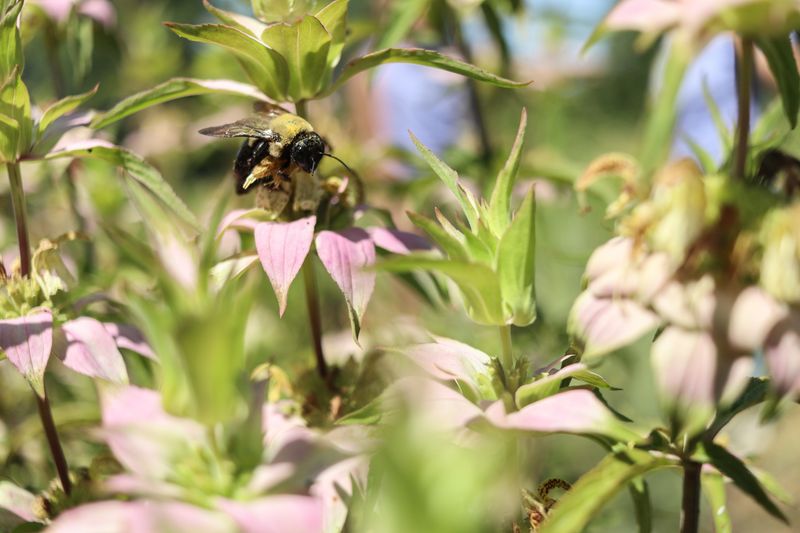
A buzzing porch can make every trip through the front door feel busier than it needs to be. Bee balm, especially Monarda fistulosa and related species, produces tubular, nectar-rich flowers.
Carpenter bees and many other pollinators actively seek them out during summer. Placing it in a sunny bed well away from your rails and deck boards may help draw feeding activity toward a more welcoming spot in the yard.
Bee balm does well in full sun to light shade and appreciates good airflow around the leaves to reduce powdery mildew, which is a common issue in our humid summers.
Give each plant enough room to spread, since established clumps can reach two to four feet wide over time.
Dividing the patch every few years keeps it healthy and prevents it from crowding neighboring plants.
This plant does not repel carpenter bees or protect your wood in any way. Pairing it with properly painted or sealed porch surfaces is the smarter approach.
Choose a planting spot that is visible from the yard but positioned away from doorways, narrow walkways, and any sections of bare or unfinished wood. A raised bed or a dedicated pollinator corner works well.
Bee balm also supports butterflies, hummingbirds, and native bees beyond just carpenter bees, making it a genuinely useful addition to regional gardens.
2. Use Purple Coneflower As A Pollinator Draw
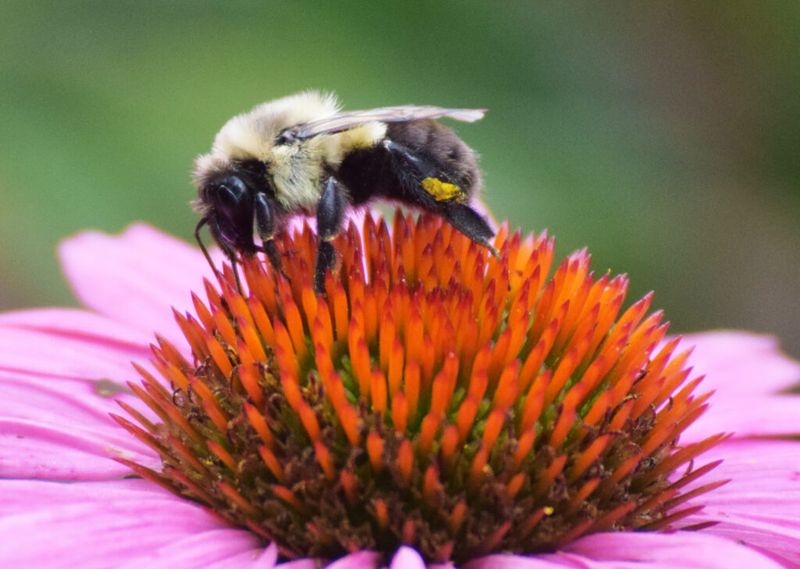
Few flowers signal a healthy Ohio summer garden quite like a clump of purple coneflower in full bloom. Echinacea purpurea produces open, flat-centered flowers that are easy for many pollinators to land on and feed from.
That includes carpenter bees looking for a reliable nectar source. Positioning a bed of coneflowers away from porch traffic can give those bees a more appealing place to forage than the trim around your door.
Full sun and well-drained soil are the main requirements for a healthy coneflower planting. These plants are reasonably drought-tolerant once established, which makes them a practical choice for home landscapes that do not have elaborate irrigation.
Spacing plants about eighteen to twenty-four inches apart gives each clump room to develop without crowding. Leaving the seed heads standing through winter provides food for birds like goldfinches.
Your Ohio Garden Changes Every Week. Your Plan Should Too.
Gardening in Ohio changes quickly throughout the season. Every Friday you’ll receive a simple weekly plan showing exactly what to plant, prune, fertilize, harvest, and protect so you never miss the right timing.
Purple coneflower is part of a pollinator zone strategy, not a wood protection method. Exposed, unpainted, or unfinished wood still needs proper sealing or coating to reduce the chances of carpenter bees nesting there.
Think of coneflower as one piece of a larger approach: a sunny, visible feeding area that makes the yard more interesting to foraging bees than a weathered deck board.
Native to much of this region, it fits naturally into local garden designs without requiring a lot of ongoing effort.
3. Add Mountain Mint Where Bees Can Feed Safely
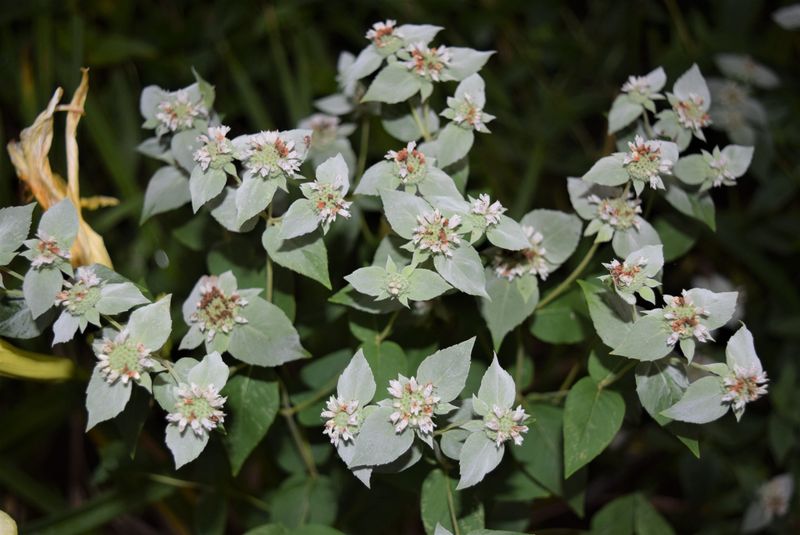
Walk past a patch of mountain mint in bloom and you will likely hear it before you see it. Pycnanthemum virginianum is considered among the most attractive plants for pollinators in the eastern United States.
Other regionally appropriate Pycnanthemum species are similarly valuable. The small clustered flowers draw an impressive variety of bees, wasps, and butterflies.
Carpenter bees may visit regularly when a patch is nearby and producing nectar.
Placing mountain mint in a sunny or partly sunny area well away from woodwork, seating areas, and porch rails helps redirect that feeding activity. It moves the activity to a more suitable part of the yard.
It grows well in average to moderately moist soil and handles the range of conditions found across local home landscapes.
One practical note: mountain mint can spread aggressively through rhizomes, so giving it a dedicated patch or using edging to contain it will save work later.
Managing the spread is worth the effort because this plant delivers real results for pollinators. It does not stop carpenter bees from nesting in wood, so sealing and maintaining exposed surfaces remains essential.
But as a feeding draw, mountain mint is hard to match for sheer pollinator activity per square foot. Pairing it with other native bloomers nearby extends the season and keeps the pollinator corner active from early summer through fall.
A modest patch can make a noticeable difference in where bee activity concentrates in your yard.
4. Grow Black Eyed Susan Beyond The Deck
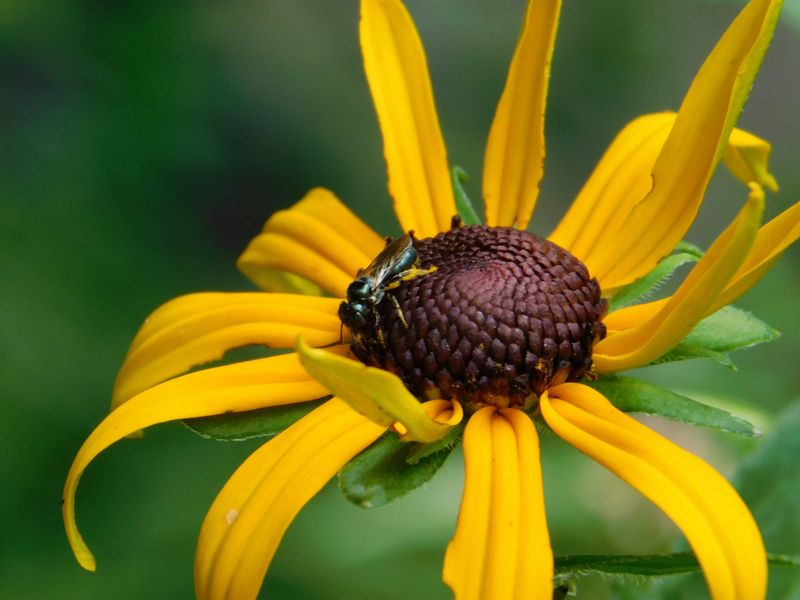
There is something reliably cheerful about a stretch of black eyed Susans catching afternoon sun at the edge of a yard. Rudbeckia hirta and Rudbeckia fulgida both produce bright, daisy-like flowers with dark centers that stand out from a distance.
They attract a wide range of pollinators throughout summer and into early fall. Planting them in a bed beyond the deck or away from porch rails can help build a visible foraging zone that pulls bee activity toward a more open area of the yard.
These plants thrive in full sun and handle a range of soil types, including the clay-heavy ground common in many parts of this state.
Once established, they are fairly drought-tolerant and can naturalize into meadow-style patches that require minimal upkeep.
Spacing plants about twelve to eighteen inches apart gives them room to fill in without becoming too crowded. Self-seeding also means the patch often grows on its own over time.
Black eyed Susans do not control carpenter bees or prevent nesting in wood. Exposed deck boards and unfinished trim still need proper sealing or paint to reduce nesting risk.
Frame these flowers as one part of a broader strategy: a sunny, nectar-rich corner that may help draw feeding activity away from the porch.
Combined with other native bloomers, they help create a layered pollinator area that benefits the whole garden from mid-summer through the first frosts of autumn.
5. Place Wild Bergamot Away From Bare Wood
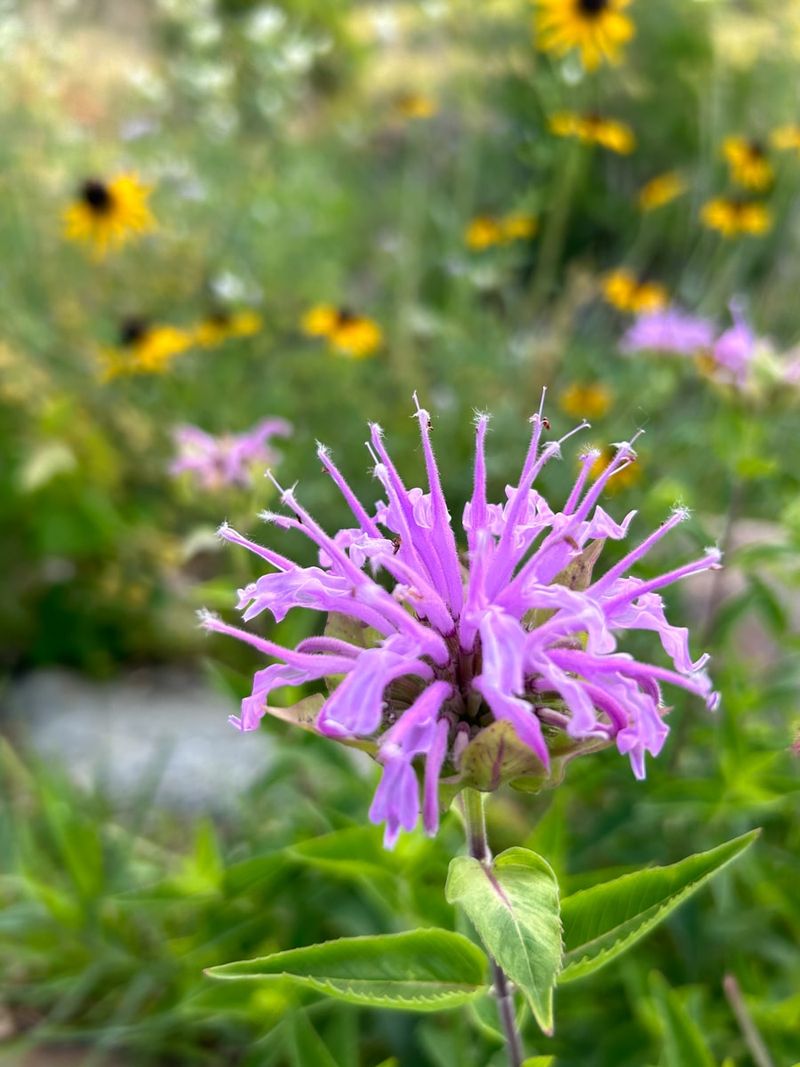
Soft lavender blooms and a faint herbal fragrance make wild bergamot one of the more distinctive Ohio native plants you can add to a home landscape.
Monarda fistulosa produces rounded flower heads that bees, including carpenter bees foraging for nectar, find genuinely attractive during the summer months.
Because this plant can pull noticeable bee activity, placement matters more than people often realize.
Choosing a spot in full sun to part shade, away from exposed porch wood, doorways, and narrow walkways, helps concentrate that feeding activity. It keeps that activity in a part of the yard where it is welcome.
Good airflow around the plants reduces the chance of powdery mildew, which wild bergamot can develop in humid conditions.
Giving each plant about two feet of space lets the clumps fill in without becoming too dense, and dividing established plants every few years keeps them vigorous.
Wild bergamot does not repel carpenter bees or protect wood in any way. Bare or unfinished wood near the porch still needs to be painted, sealed, or treated to reduce nesting opportunities.
Think of this plant as a tool for redirecting feeding activity, not eliminating it. Paired with other native bloomers in a dedicated pollinator area, wild bergamot contributes to a more active and diverse foraging zone.
It is also a strong choice for supporting native bumblebees and other long-tongued bee species that share habitat with carpenter bees across local landscapes.
6. Use Anise Hyssop To Build A Bee-Friendly Corner
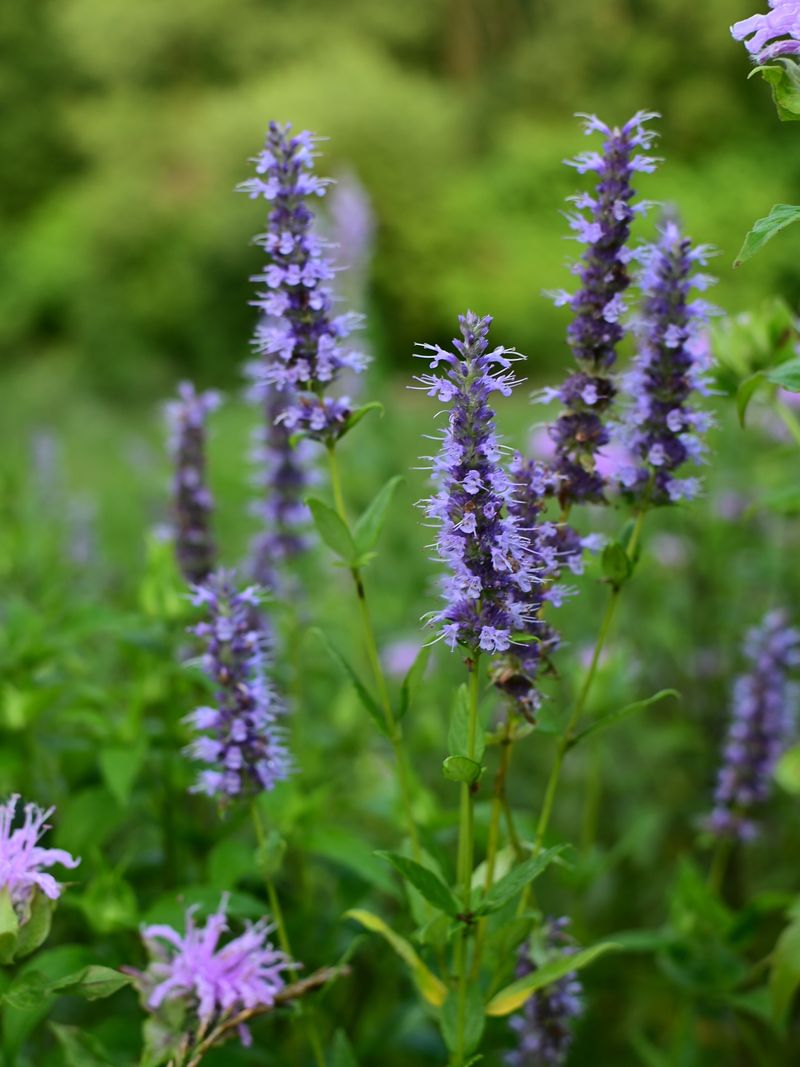
Upright flower spikes covered in small purple blooms give anise hyssop a presence in the garden that is hard to overlook, and pollinators seem to agree.
Agastache foeniculum draws bees, butterflies, and hummingbirds with its dense, fragrant flower clusters that bloom from mid-summer through early fall.
Planting it in a dedicated corner of the yard, away from porch steps and rails, can help make that corner more active than the area around your doorframe.
Anise hyssop prefers full sun and well-drained soil, and it handles dry spells reasonably well once established. It tends to be short-lived as a perennial in some local gardens, but it self-seeds freely, so a patch often renews itself without much effort.
Spacing plants about eighteen inches apart gives each one room to develop its full upright form, which can reach three to four feet in height by midsummer.
This plant does not stop carpenter bees from nesting in wood. Any exposed, unpainted, or weathered wood near the porch still needs proper protection.
The goal with anise hyssop is to build a pollinator corner that feels more rewarding to foraging bees than the area near high-traffic woodwork.
When grouped with other native bloomers like coneflower or mountain mint, it helps extend the season and keeps the dedicated feeding zone consistently active.
A well-placed anise hyssop patch is a practical, low-fuss way to add structure and pollinator value to any regional home garden.
7. Plant Goldenrod Away From High Traffic Woodwork
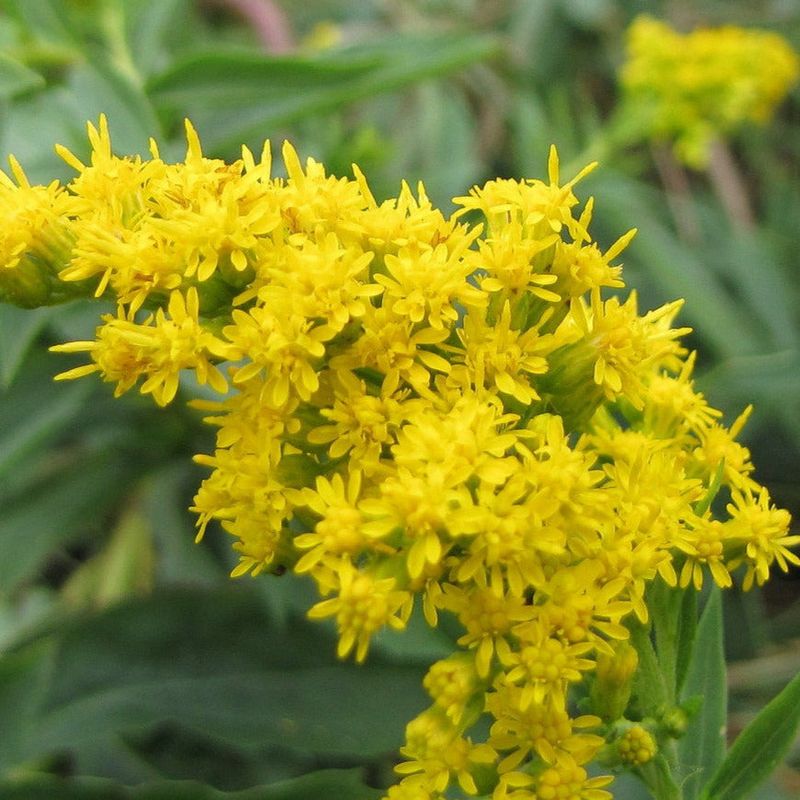
Late summer in this state often means goldenrod is lighting up roadsides, meadows, and garden borders with its arching plumes of yellow flowers.
Solidago species are among the most ecologically valuable plants for late-season pollinators, including carpenter bees still active in late summer and early fall.
Placing goldenrod in a spot away from doors, porch rails, and narrow paths gives those bees a clear destination that is not your woodwork.
Choosing garden-appropriate species or named cultivars is a smart move, since some goldenrod species spread aggressively and can take over a bed if left unchecked.
Cultivars like Solidago rugosa ‘Fireworks’ or Solidago sphacelata ‘Golden Fleece’ offer the ecological value of the native species with a more manageable growth habit.
Full sun and average to slightly dry soil suit most goldenrod varieties well, and they rarely need supplemental watering once established.
Goldenrod does not prevent carpenter bees from nesting in wood, and it should not be treated as a standalone solution. Sealing or painting exposed and unfinished porch wood is still the most effective step for reducing nesting activity.
That said, goldenrod fills a timing gap that many other plants cannot. It blooms when most summer flowers are fading, keeping the pollinator corner active well into autumn.
Paired with native asters, it helps create a late-season feeding zone that supports bees. That matters during a period when quality forage becomes harder to find across local landscapes.
8. Add Asters To Keep Late Season Bees Busy
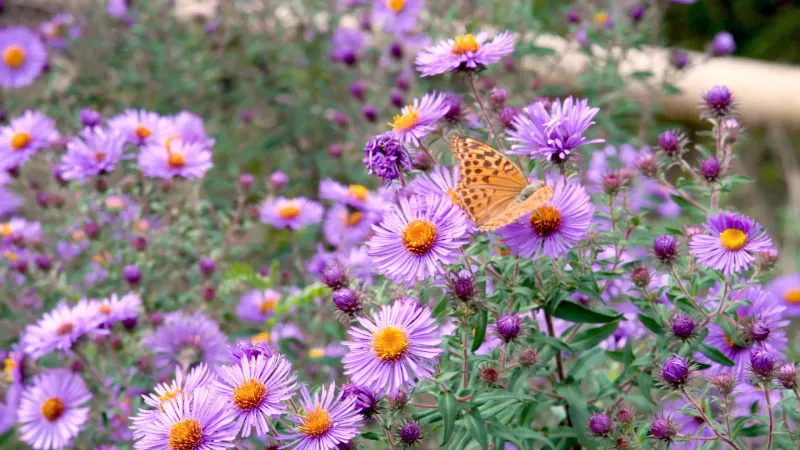
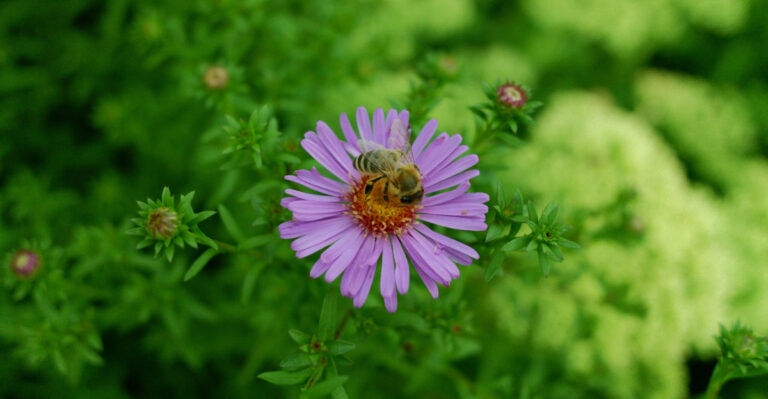
By the time most summer flowers have finished, native asters are just hitting their stride. Symphyotrichum species, including New England aster and smooth blue aster, bloom from late summer through fall.
They provide one of the last reliable nectar sources of the season for bees still foraging before colder weather arrives. Carpenter bees active in late summer may visit aster patches.
Planting them away from vulnerable wood and heavy foot traffic helps keep that activity in a more suitable part of the yard.
Asters perform best in full sun, though some species tolerate light shade without losing much of their flowering. Well-drained soil and decent air circulation keep the plants healthy through the humid stretches of late summer.
Spacing plants about two feet apart gives clumps room to develop, and cutting stems back by half in early summer encourages bushier growth and more flowers by fall.
Native asters support foraging activity; they do not prevent nesting in wood. Exposed or unfinished porch surfaces still need paint, sealant, or other protective treatment to reduce the chances of carpenter bees boring into them.
Think of asters as the final chapter in a season-long pollinator strategy. When combined with earlier bloomers like bee balm, coneflower, and goldenrod, they help create a yard-wide feeding zone that stays active from late spring through autumn.
That kind of layered planting approach, paired with proper wood care, gives you the most practical results for managing bee activity near your porch.