The Georgia Pruning Habit That Can Leave Plants Weak And Overgrown
Plants can grow wildly fast in Georgia once warm weather and regular rain arrive together.
Fresh stems shoot upward, shrubs thicken almost overnight, and gardens that looked neat in spring can suddenly start feeling crowded by early summer.
That is usually when pruning mistakes begin causing trouble.
Some plants get trimmed too heavily during active growth. Others stay untouched for too long until weak stems and tangled growth start taking over.
Fast cuts made at the wrong time can also leave certain plants looking thinner instead of fuller later in the season.
Overgrown plants often begin with small pruning habits repeated over and over.
Good pruning helps plants stay stronger, healthier, and better shaped through summer.
Timing matters much more than many gardeners realize once heat and humidity start pushing growth faster every week.
1. Constant Shearing Creates Weak Outer Growth
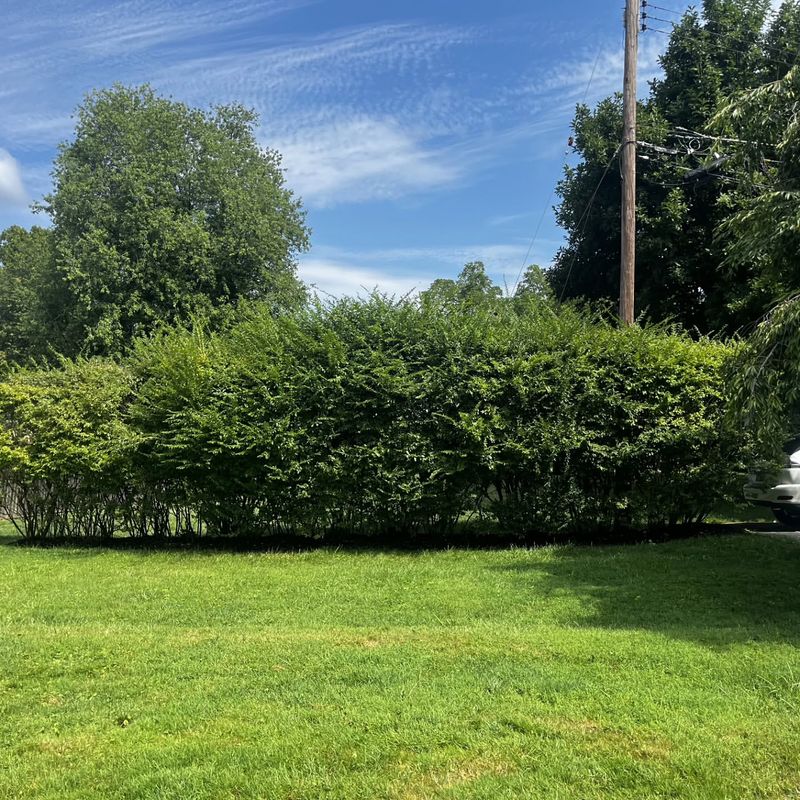
Shearing every few weeks might look tidy, but it quietly builds a problem over time. Each cut triggers a burst of new growth right at the surface.
That growth clusters together into a thick outer shell.
Underneath that shell, the interior branches get less and less light. Without light, they stop producing leaves.
Eventually, the inside of the plant becomes bare and woody.
When that happens, the plant loses its ability to bounce back from hard pruning. Cut into the bare wood and nothing grows back.
Gardeners in Georgia often notice this with boxwoods and privets that have been sheared for years on a strict schedule.
Weak outer growth also makes plants more vulnerable to pests and disease. The dense surface layer traps moisture and blocks airflow.
Fungal issues tend to take hold faster in that kind of environment.
Switching to selective hand pruning instead of constant shearing makes a real difference. Rather than cutting everything at the surface, you reach in and remove individual stems.
That keeps the interior open and encourages stronger growth throughout the whole plant, not just on the outside edges.
2. Selective Pruning Maintains Stronger Natural Branching
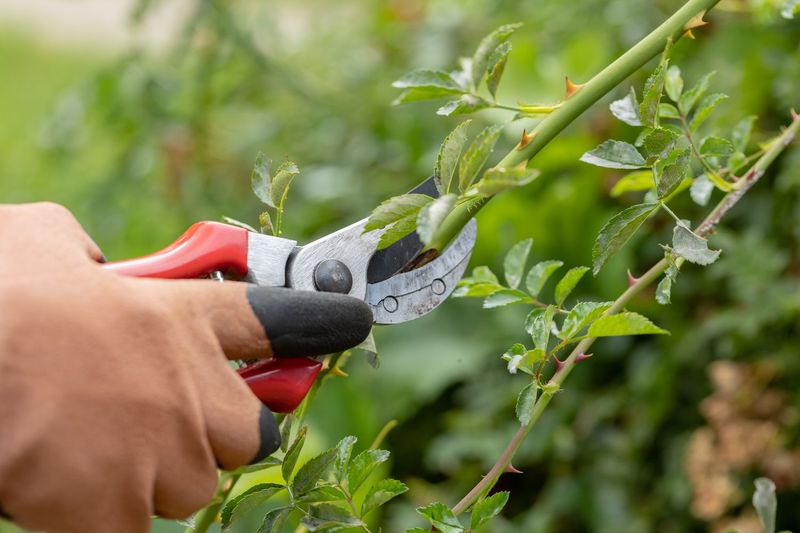
Not every branch needs to go at the same time. Selective pruning works by choosing specific stems to remove, leaving the rest of the plant intact and growing naturally.
Plants develop a branching structure over time that supports their overall shape and strength. When you shear everything at once, you cut across that structure without any consideration for what each branch is actually doing.
Selective pruning respects that framework.
Removing one or two stems at a time encourages the plant to direct energy into the remaining branches. Those branches get thicker, produce more leaves, and fill in with better density.
Strength builds gradually rather than in a weak flush all at once.
Hand pruners are the right tool for this kind of work. Electric hedge trimmers cut fast, but they do not let you evaluate individual branches.
Slowing down and looking at each stem before cutting leads to much better decisions.
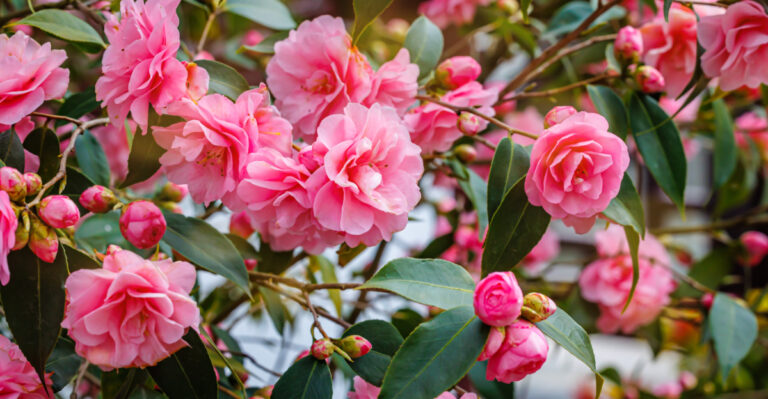
Across Georgia, plants like camellias, loropetalum, and native azaleas respond really well to selective pruning. These shrubs develop beautiful natural forms when given the chance to grow on their own terms.
Your Georgia Garden Changes Every Week. Your Plan Should Too.
Gardening in Georgia changes quickly throughout the season. Every Friday you’ll receive a simple weekly plan showing exactly what to plant, prune, fertilize, harvest, and protect so you never miss the right timing.
Constantly shearing them into tight shapes works against their natural habit.
Selective pruning also reduces regrowth speed. When fewer cuts are made, the plant does not respond with a massive flush of new shoots.
3. Interior Thinning Improves Airflow During Humid Months
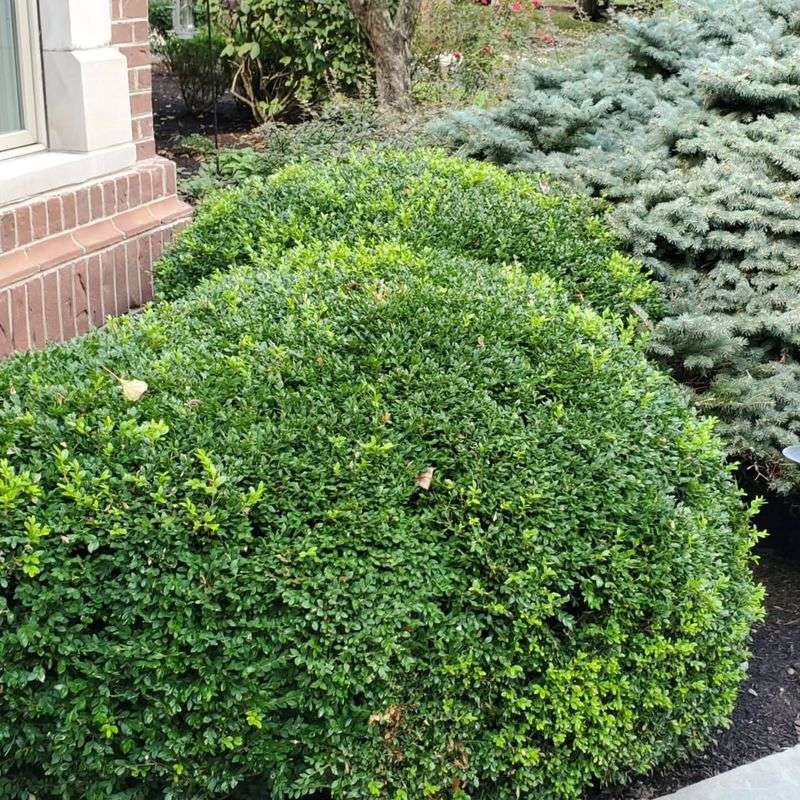
Humidity and dense foliage are a bad combination. Georgia summers bring both, and shrubs that have never been thinned from the inside become prime spots for fungal problems and pest activity.
Interior thinning means removing older, crossing, or crowded branches from deep inside the plant. You are not changing the outside shape much.
You are just opening up space so air can move through freely.
Better airflow means leaves dry out faster after rain or irrigation. Wet foliage that stays damp for hours is exactly where powdery mildew and black spot get started.
Thinning cuts that problem off before it begins.
Light penetration also improves with interior thinning. Sunlight reaching inner branches keeps them active and productive.
Without it, those branches weaken and become a burden on the plant rather than a benefit.
Many gardeners skip this step because the results are not immediately visible from the outside. The plant looks about the same after thinning.
But the difference shows up over time through better health and fewer disease issues season after season.
Start by looking for branches that rub against each other. Crossing branches create wounds that invite pests and disease.
4. Spring Bloomers Need Trimming After Flowers Fade
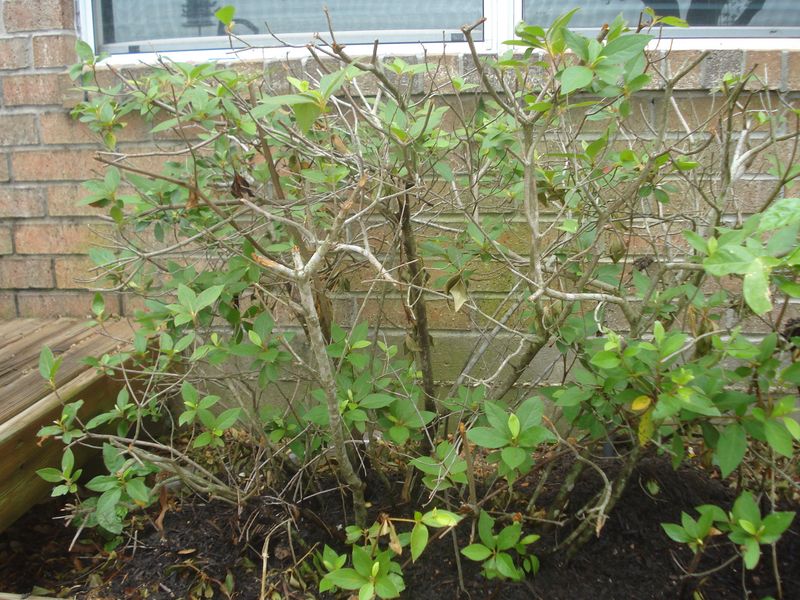
Timing matters more than most people realize. Spring-blooming shrubs set their flower buds during late summer and fall.
Pruning them before they bloom removes those buds entirely.
Azaleas, forsythia, and flowering quince all follow this pattern. Cut them in late fall or early spring and you lose the blooms for that whole year.
Wait until right after the flowers fade and you protect next year’s show.
A two to three week window after peak bloom is usually the sweet spot. New growth starts shortly after flowering ends, and that new growth will carry next year’s buds.
Pruning during this window lets you shape the plant without losing future flowers.
Some gardeners in Georgia wait too long because the timing feels uncertain. A good rule of thumb: if the petals have dropped and new green shoots are starting to appear, you are still in a good window to prune.
Avoid removing more than one third of the plant at one time. Taking too much at once stresses the plant and slows recovery.
Light, targeted pruning after bloom keeps the shape tidy without setting the plant back.
Deadheading spent blooms by hand is also worth doing on smaller shrubs. Removing the old flower clusters redirects energy into new growth rather than seed production.
5. Clean Cuts Help Reduce Stress On Fresh Stems
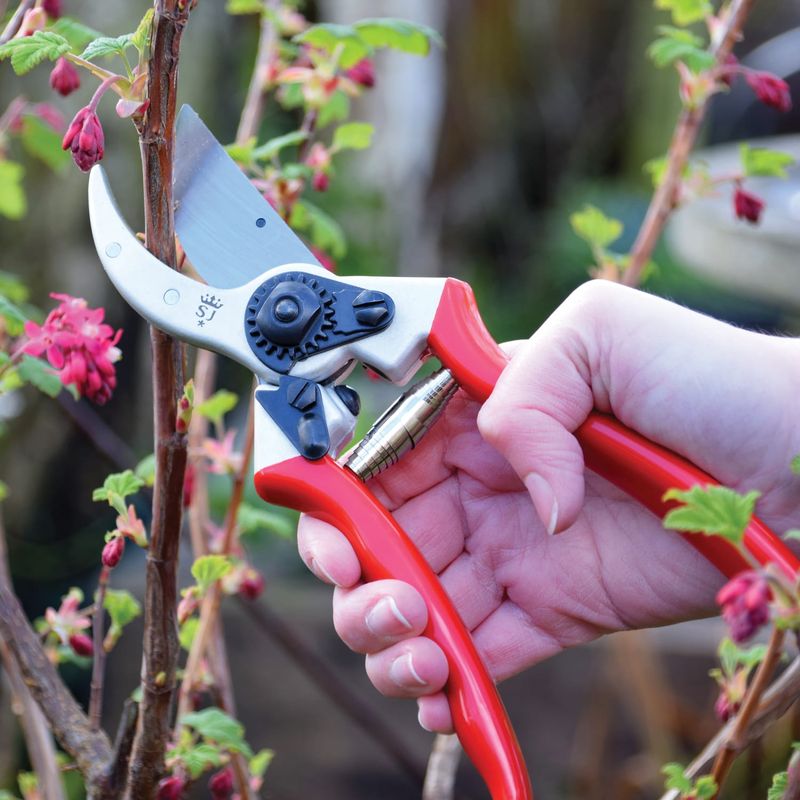
Ragged cuts leave plants working harder than they need to. When a blade is dull or the wrong tool is used, stems get crushed rather than cleanly sliced.
That crushed tissue takes longer to seal over.
Plants seal wounds by forming a callus layer over the cut surface. A clean cut creates a smaller, smoother wound that calluses faster.
A rough or torn cut creates a larger, irregular wound that stays open longer and invites trouble.
Using the right tool for the job matters. Bypass pruners work well for stems up to about half an inch thick.
Loppers handle larger branches. A pruning saw is better for anything thicker than an inch.
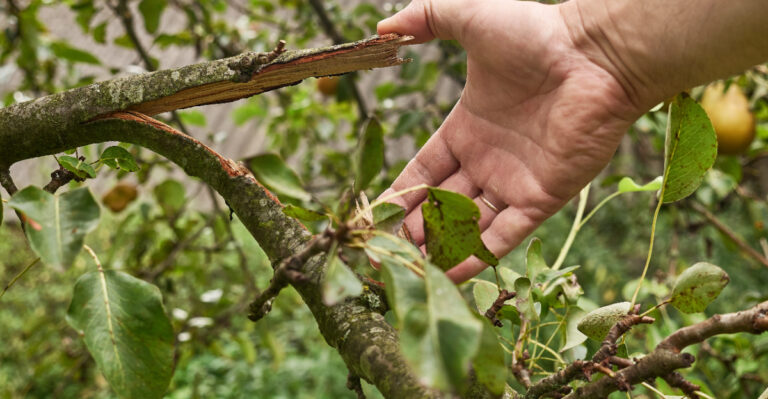
Forcing a small tool through thick wood creates exactly the kind of ragged cut you want to avoid.
Sharp blades make a noticeable difference in cut quality. Wipe blades with a clean cloth and sharpen them at the start of each season.
Cut angle matters too. Angled cuts on upright stems allow water to run off rather than pool on the cut surface.
Flat cuts on top of stems tend to hold moisture, which slows callus formation.
6. Old Wood Removal Prevents Dense Crowded Growth
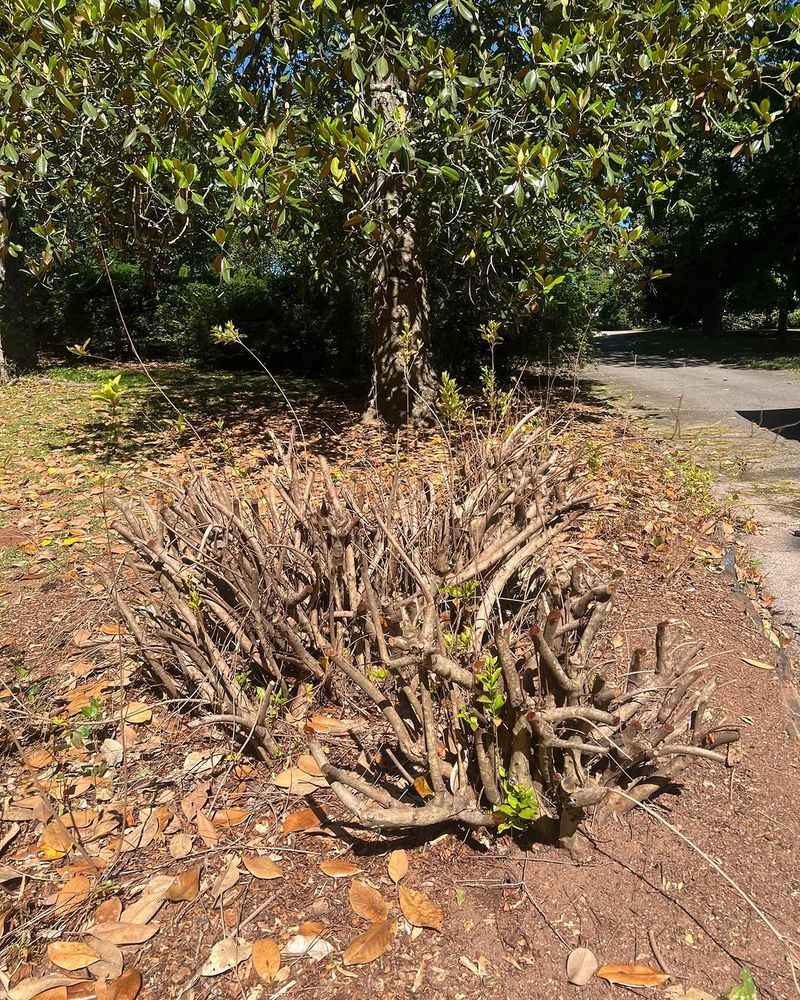
Old wood builds up quietly over the years. Shrubs that never get any base pruning end up crowded with thick, unproductive stems that take up space without contributing much to the plant’s overall health.
Removing the oldest stems from the base each year is called renewal pruning. You cut a few of the thickest, oldest canes all the way down to the ground.
That opens up space for younger, more productive stems to take over.
Younger stems produce more flowers and more vigorous growth than older ones. On many shrubs, stems older than four or five years start to slow down noticeably.
Clearing them out keeps the plant in a more active, productive phase year after year.
Forsythia, beautyberry, and oakleaf hydrangea all respond well to this kind of base renewal work. Left alone for too long, these shrubs turn into a tangled mass of old wood with blooms only at the very tips of outer branches.
Start by identifying the thickest, most bark-covered stems at the base. Those are usually the oldest.
Remove no more than one third of the total stems in a single season to avoid shocking the plant.
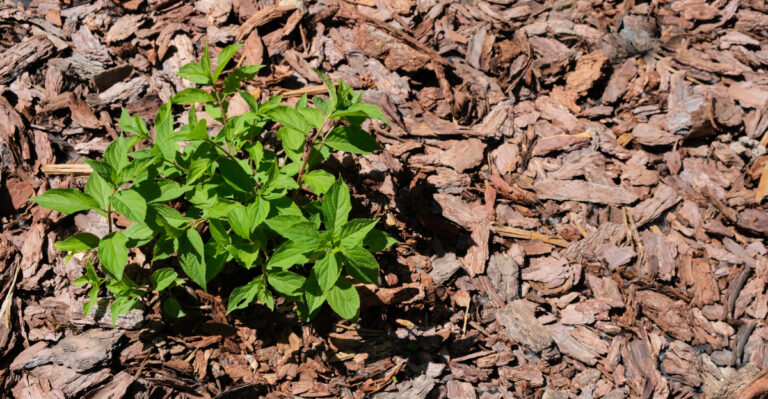
New growth will emerge from the base after old stems are removed. That growth tends to be vigorous and upright.
7. Late Heavy Pruning Can Leave Shrubs Vulnerable
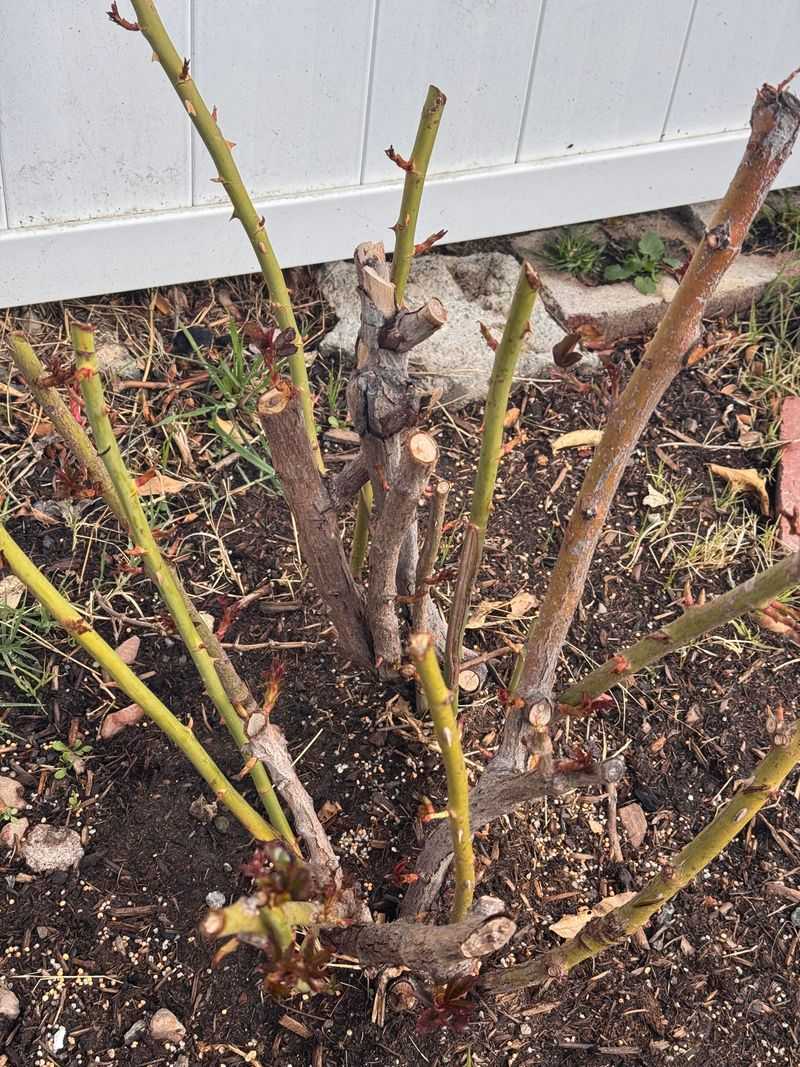
Cutting back hard in late summer or fall is one of the most common pruning mistakes made in Southern gardens. Plants are winding down energy production at that point in the season, not ramping up.
Heavy pruning late in the growing season pushes a plant to produce new growth at exactly the wrong time. That new growth is tender and has not had time to harden off before cooler temperatures arrive.
Even in Georgia, where winters are mild, a cold snap can damage soft new shoots that emerged from a late pruning cut.
Beyond cold sensitivity, late heavy pruning strips away the foliage a plant needs to continue building energy reserves. Leaves are how plants store carbohydrates for the coming dormant period.
Removing too many at once limits that process significantly.
Shrubs that go into fall with reduced energy reserves tend to start the following spring more slowly. Growth is less vigorous, flowering can be reduced, and recovery from any winter stress takes longer than it should.
A good general guideline: avoid any significant pruning after mid-August for most shrubs in the region. Light cleanup cuts are fine.
Removing a damaged branch when needed is always appropriate. But saving major shaping work for early spring or the post-bloom window is a smarter approach.