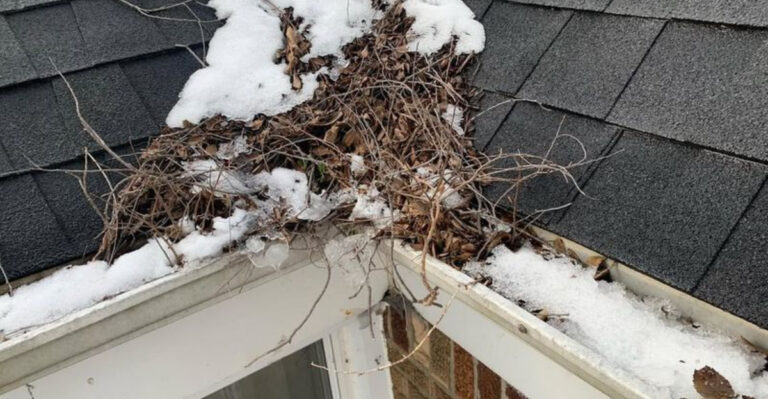
9 New York Coastal Yard Tasks To Finish Before Storm Season Peaks
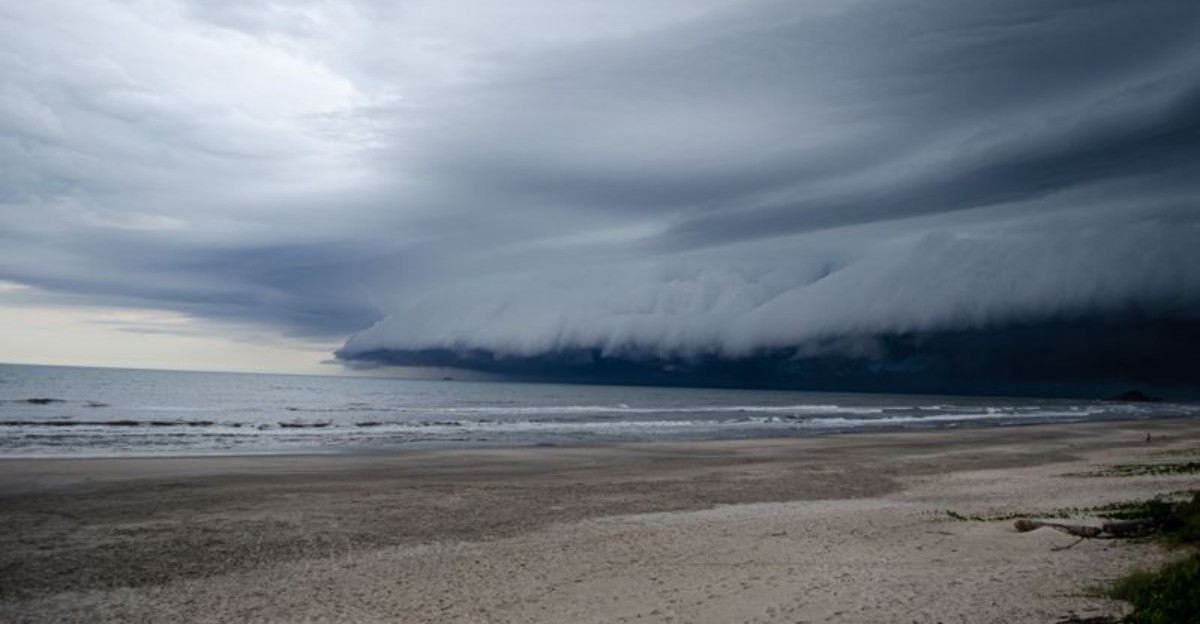
A yard can change quickly before a big storm. Loose furniture becomes a hazard, branches can snap, and heavy rain can expose drainage problems you barely noticed before.
The Atlantic hurricane season runs from June through November. Coastal homeowners have good reason to prepare before the forecast turns threatening.
Most storm prep starts with simple yard checks. A few small fixes now can reduce problems when strong winds and heavy rain arrive.
Take a final look around your New York property before the next storm arrives. Small problem spots are much easier to fix while conditions are calm.
1. Clear Gutters Before Heavy Rain Arrives
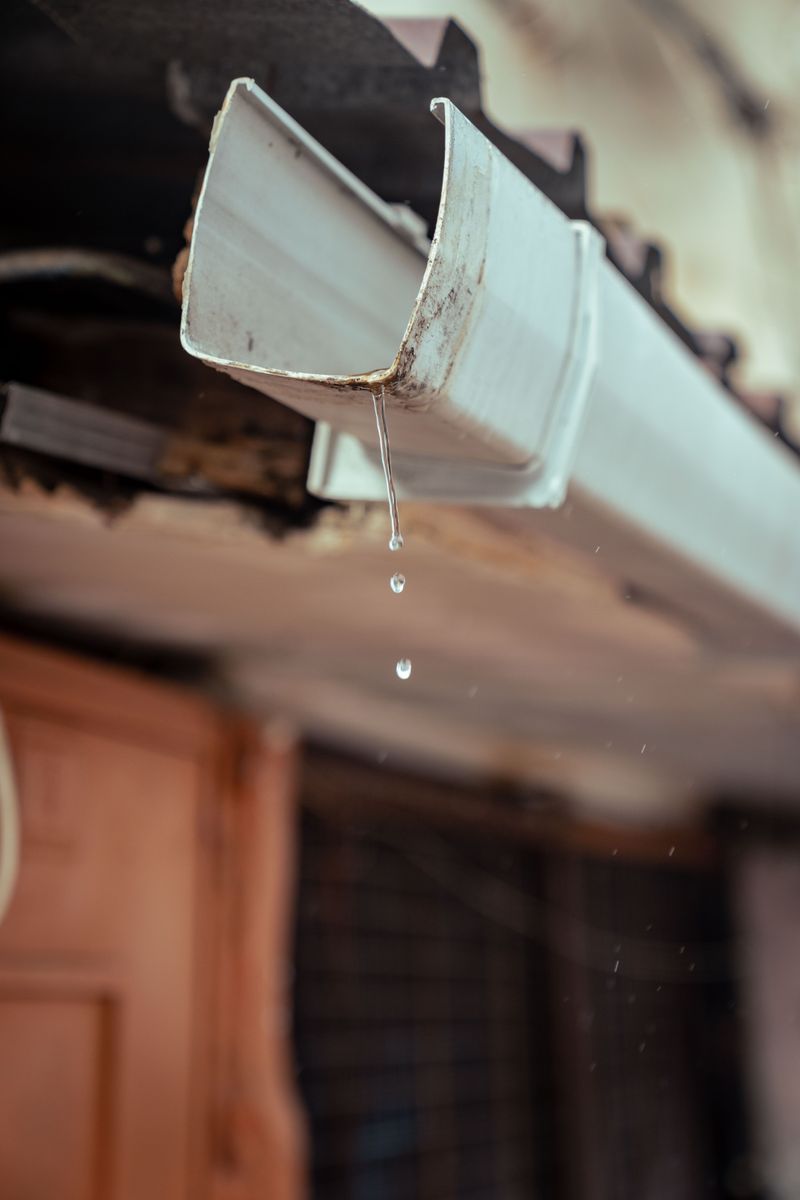
Gutters are the quiet heroes of every coastal house. When they clog, rainwater spills over the edge and soaks the ground right against your foundation.
Late summer is a smart time to scoop them out. A second cleaning in late fall catches the leaves that drop after the first round.
Homes surrounded by maples or oaks fill up faster than others. If your yard is shaded by big trees, plan on checking the gutters every couple of months.
Wear thick gloves and use a small plastic scoop or an old kitchen spatula. Drop the gunk into a bucket hooked to the ladder so you are not climbing up and down constantly.
After the debris is out, run a hose through the trough. Watching where the water hesitates tells you exactly where a hidden clog is sitting.
Downspouts deserve the same attention as the gutters themselves. Each one should carry water at least six feet away from the walls of your house.
Splash blocks and flexible extensions cost very little and solve a lot of soggy basement problems. Many New York coastal homeowners skip this step and regret it during the first big soaker.
Check that hangers and brackets are still tight against the fascia. A loose section can peel away in strong wind and take a chunk of trim with it.
If ladders make you uneasy, hire a local crew before the September rush. Prices climb fast once the forecasts start looking ugly.
2. Check Trees For Lifeless Or Hazardous Branches

One cracked limb can undo an otherwise perfect storm prep plan. Trees near the shore take constant wind pressure, so small weaknesses grow over time.
Walk your yard slowly and look up with fresh eyes. Cracks, splits, and bare branches without leaves are the first clues something is off.
Lifeless branches lose flexibility and snap easily. During high wind they turn into flying objects that can smash a window or puncture a roof.
Pay close attention to where two limbs meet. Tight V-shaped unions split far more often than wide, sturdy U-shaped connections.
Hanging branches caught in the canopy are sometimes called widow makers by arborists. They can drop without warning, so mark them and get them removed.
Look at the trunk base too. Soil that is lifted, mushroom growth, or a trunk that suddenly leans can point to root trouble underground.
Your New York Garden Changes Every Week. Your Plan Should Too.
Gardening in New York changes quickly throughout the season. Every Friday you’ll receive a simple weekly plan showing exactly what to plant, prune, fertilize, harvest, and protect so you never miss the right timing.
Salt spray, sandy soil, and other coastal conditions can stress trees in some New York coastal yards. That means trees here may need a closer look than inland ones.
Take photos each season so you can compare changes. A crack that widens over a few months is telling you something important.
Anything near power lines belongs to a licensed professional, not a weekend ladder project. Call your utility or a certified arborist instead.
Handling one questionable limb in August beats dealing with a crushed fence in October. Early attention keeps repair bills small and your weekend free.
3. Secure Loose Furniture And Yard Decorations

Picture a plastic Adirondack chair sailing across your neighbor’s driveway. That image alone should motivate a quick patio walkthrough.
Wind can move more outdoor furniture than you might expect. Cushions, umbrellas, and lightweight tables are especially easy for strong gusts to move.
Storing items in a garage or shed is the simplest fix. Stack chairs, fold umbrellas, and tuck cushions into bins so nothing sits loose.
No storage space? Group furniture together and strap it to a railing or a sturdy post with ratchet straps.
Grills need special care because of the propane tank. Keep the tank upright, outdoors, and in a secure, well-ventilated spot away from ignition sources.
Balconies and rooftop decks deserve extra thought in New York City buildings. Items up high fall farther and cause more harm when they land.
Garden flags, wind spinners, and hanging lanterns come down fast with a few minutes of effort. They are cheap to replace but costly when they hit glass.
Birdbaths and ceramic planters can tip and crack. Lay them flat in a protected corner instead of hoping they hold.
Trampolines are a known troublemaker along the coast. Anchor kits help, but taking the mat off reduces wind resistance dramatically.
Snap a few photos of your setup before you move anything. Reassembly goes faster, and the pictures help if you ever file an insurance claim.
4. Move Potted Plants Away From Exposed Areas

Container gardens look charming until a gust turns them into bowling balls. Even a heavy terracotta pot can roll once the wind gets under it.
Think of every pot as a loose item waiting for a ride. Smaller containers go first, and they rarely land somewhere harmless.
Bring what you can indoors. A garage floor, basement corner, or covered porch works fine for a few days.
For pots too heavy to lift, cluster them against a solid wall on the side away from the wind. Grouping lowers wind exposure and keeps them upright.
Hanging baskets should come down entirely. Hooks bend, chains snap, and the basket becomes an unguided missile.
Trays and saucers are worth collecting too. Lightweight plastic pieces skitter across yards and clog storm drains along New York coastal streets.
Salt spray is the other hazard people forget. Rinsing leaves with fresh water after a coastal storm helps plants bounce back faster.
Tall plants like citrus trees or fiddle leaf figs benefit from being laid on their sides. The soil stays put and the trunk avoids snapping.
Group your prep by weight and start with the small stuff. Clearing twenty little pots takes fifteen minutes and removes twenty possible projectiles.
Label anything you move if your collection is large. Sorting it out afterward becomes much easier when the sun returns.
5. Clear Drains And Downspouts Before Storms

Water follows the available drainage path, and a blocked drain can send it somewhere you don’t want it. Ten minutes with a rake can save a flooded crawlspace.
Start with the drains you can see. Yard drains, driveway trench drains, and window well drains all collect leaves and sand over the summer.
Pull the grates off and reach in with a gloved hand. A wet-dry vacuum handles the sludge that hands cannot grab.
Downspout outlets at ground level clog just as often. Check that underground pipes are still carrying water and not packed with roots.
Test everything with a garden hose. If water backs up instead of flowing away, you found the problem before the storm did.
Street drains matter too, even though they belong to the city. The New York City Department of Environmental Protection encourages residents to clear leaves from curbside catch basins to reduce neighborhood flooding.
A quick sweep of the curb in front of your home helps the whole block. Neighbors on low-lying New York coastal streets will notice the difference.
Extend downspouts away from the foundation using flexible tubing. Six feet is a good minimum, farther if your yard slopes toward the house.
Keep a spare drain cover or two in the garage. Missing grates let debris wash straight into the pipe and create bigger headaches later.
Do a fast recheck the day before any named storm arrives. Conditions change quickly once the leaves start flying.
6. Check Low Spots Where Floodwater Could Collect

Every yard has a shy little dip that hides until it rains. Find yours now, while you can still do something about it.
Walk outside during the next downpour with rain boots on. Puddles show you exactly where water gathers and how long it lingers.
Mark those spots with a stake or a flag. Standing water near a foundation is a slow leak waiting to happen.
Soil type plays a big role here. Long Island yards can have soil pockets that hold water instead of letting it soak away.
Regrading is one classic fix. Adding soil to create a gentle slope away from your house can help move water where you want it.
Rain gardens offer a prettier option. A shallow planted basin filled with native grasses and shrubs soaks up runoff and looks good doing it.
French drains can help with some stubborn drainage areas. A perforated pipe in a gravel trench can collect and redirect water when the site has a suitable outlet.
Dry wells can work where the soil can absorb the water and the site is suitable. They store runoff underground and let it seep out gradually.
Keep an eye on where your neighbor’s water goes too. Many New York coastal flooding arguments start with a driveway that drains sideways.
Small grading tweaks are inexpensive compared to pumping out a basement. A few wheelbarrows of topsoil often fix the worst of it.
7. Trim Dry Branches From Trees And Shrubs
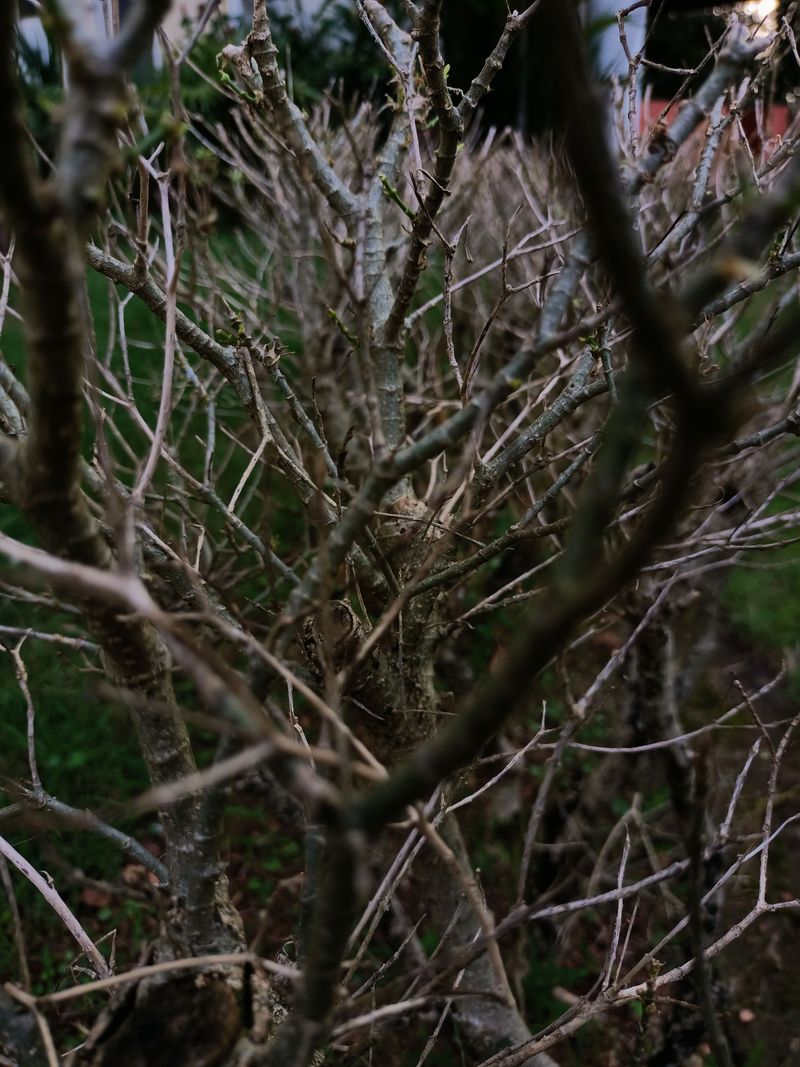
Pruning is basically giving your plants a haircut before the wind does it badly. Removing dry branches is one of the most useful storm-prep moves for a landscape.
Brittle branches break first because they have no flex left. Taking them off reduces the chance of damage to roofs, cars, and fences.
Dry branches are also a hotel for pests. Boring insects and fungal problems settle into decaying limbs and spread to healthy parts of the plant.
Thinning the canopy lets wind pass through instead of pushing against a solid wall of leaves. Better airflow also cuts down on mildew in humid coastal air.
Use clean, sharp tools and cut just outside the branch collar. That little swollen ridge helps the wound seal properly.
Hand pruners handle anything up to half an inch. Loppers take branches up to about an inch and a half, and a pruning saw covers the rest.
Major structural pruning is best done while trees are dormant in late winter or early spring. Dry branches, though, can be removed any time you spot them.
Shrubs near the house need attention too. Overgrown hedges trap water against siding and hide damage you should be seeing.
Skip topping a tree, since that practice creates weak regrowth. Selective cuts are safer for New York yards facing autumn storms.
Bag the trimmings promptly instead of piling them by the fence. Loose brush becomes airborne clutter once the gusts arrive.
8. Secure Garbage Cans And Garden Equipment
Nothing announces a storm quite like a garbage can clattering down the street at 2 a.m. Those bins are hollow, light, and practically built to catch wind.
The easiest fix is bringing them into a garage or shed. Empty bins stack neatly and take up less room than people expect.
When indoor space is tight, weigh them down. A couple of sandbags, paver stones, or a jug of water in the bottom adds useful ballast.
Strap the lids shut with bungee cords or ratchet straps. Open lids scatter trash across the neighborhood and clog nearby drains.
Anchoring works even better. A short chain or cable looped around a fence post keeps bins exactly where you left them.
Garden equipment follows the same rule. Wheelbarrows, hand tools, hoses, and mowers all belong under a roof before the wind picks up.
Fuel-powered gear should be stored away from living spaces. Keep gas cans sealed tight and off the floor if flooding is possible.
A simple windbreak helps at exposed properties. A fence panel or dense shrub row on the windward side can help reduce wind exposure.
Check your municipal collection schedule too, since many New York coastal towns pause pickup during severe weather. Holding trash indoors for a day or two avoids a mess.
Do a last sweep of the yard before dark. Anything you can lift with one hand should be inside.
9. Move Valuable Outdoor Items To Higher Ground

Flood water rarely gives advance notice, and it heads for the lowest room in the building. Basements and first floors along the New York shoreline take the hit first.
Start by listing what would hurt most to lose. Photo albums, paperwork, tools, electronics, and holiday decorations usually top the pile.
Move those boxes upstairs or onto sturdy shelving well above floor level. Even eighteen inches of clearance makes a real difference.
Swap cardboard boxes for sealed plastic bins. Cardboard wicks moisture and collapses, while plastic keeps contents dry and stackable.
Important documents belong in waterproof bags inside those bins. Scanning copies to cloud storage adds a second layer of protection for free.
Outdoor gear counts as well. Bikes, generators, lawn equipment, and patio storage boxes should be raised on blocks or relocated entirely.
Heavy furniture is a job for two or three people. Hiring movers for an afternoon costs less than replacing a soaked sofa or antique dresser.
Elevate appliances like washers and freezers on concrete blocks if your basement floods regularly. Many coastal New York homeowners do this once and forget about it.
Unplug electronics in low areas before a storm arrives. Water and live outlets are a combination worth avoiding entirely.
Finish with a quick inventory and some photos on your phone. Documentation speeds up insurance claims and helps you remember where everything went.