The New York Yards Making Ragweed Allergies Worse Right Before Peak Season
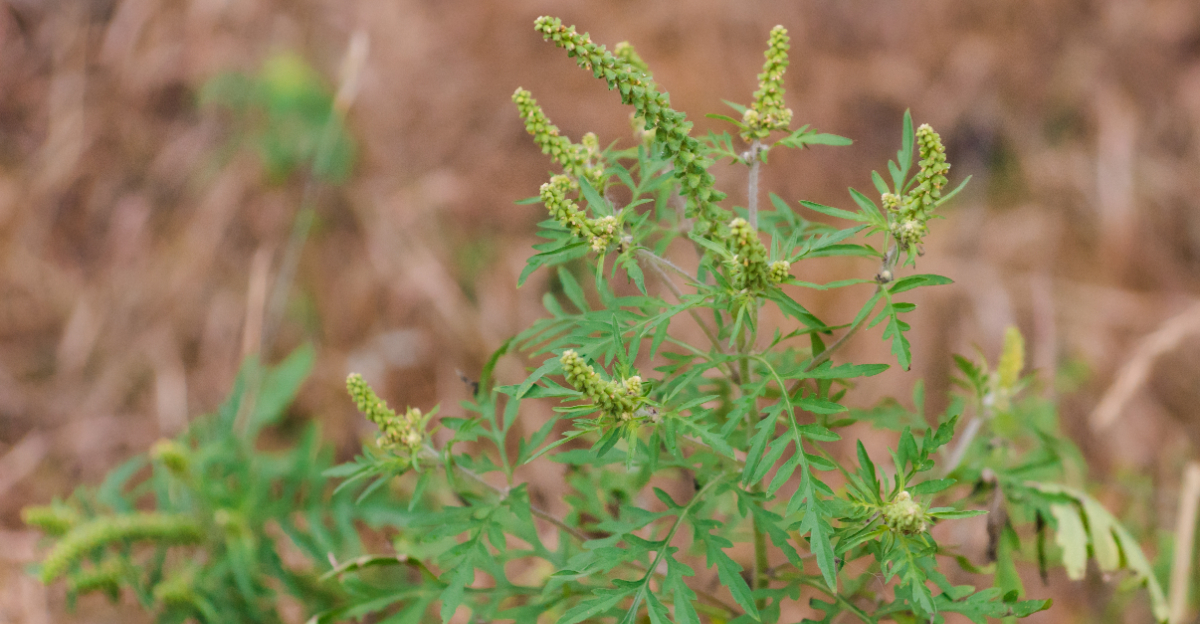
Your eyes shouldn’t already be watering before summer even peaks. Ragweed doesn’t ask permission before setting up shop in your lawn.
Untrimmed grass and neglected soil practically beg ragweed to move in. Backyards across New York are turning into breeding grounds fast.
You rarely suspect your own lawn could be the culprit. Watering too little or mowing too rarely tips the balance quickly.
Pollen counts spike hardest where yards sit untouched for weeks. Weeds need almost nothing to take root and spread wide.
Every ignored patch becomes fresh territory ragweed happily claims. Climate patterns across New York are speeding up this timeline.
Symptoms are arriving weeks earlier than most people expect. Sinuses are already paying the price for choices you never noticed.
Nothing about this pattern is slowing down on its own. Left unchecked, this problem escalates rapidly. What’s happening in your yard right now could change everything you know.
Certain New York Yards Are Fueling Worse Ragweed Allergies
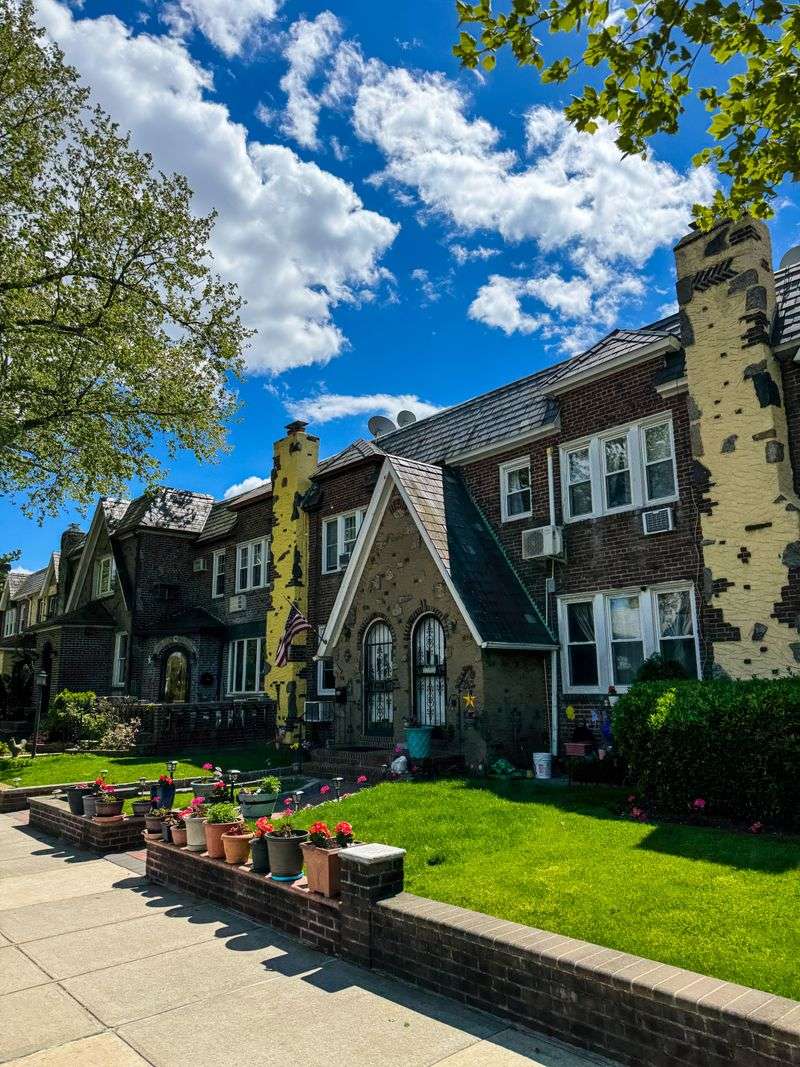
Your yard might look fine from the porch. But a closer look could reveal a ragweed problem building up fast.
Ragweed allergies affect millions of Americans each season, according to allergy health organizations. Many of those sufferers live in and around the city, where yards are packed close together.
Certain yard conditions make pollen counts spike faster and higher. Loose soil, patchy grass, and open edges are all invitations for ragweed to move in.
Ragweed plants are sneaky growers. They pop up in gaps between garden beds, along fences, and in corners that rarely get attention.
A single ragweed plant can release an enormous number of pollen grains over one season. That volume is not an exaggeration.
When yards across a neighborhood all have ragweed growing at once, the pollen builds up in the air fast. Sneezing, watery eyes, and congestion become the norm by late August.
The tricky part is that ragweed pollen travels far. Wind can carry it hundreds of miles from its source.
So even if you pull every plant from your own yard, a neighbor’s overgrown lot can still affect your sinuses. That is why community awareness matters just as much as personal yard care.
Knowing what fuels ragweed growth in local yards is the first step. Once you spot the problem, you can actually do something about it.
Why Ragweed Thrives In Certain Types Of Yards
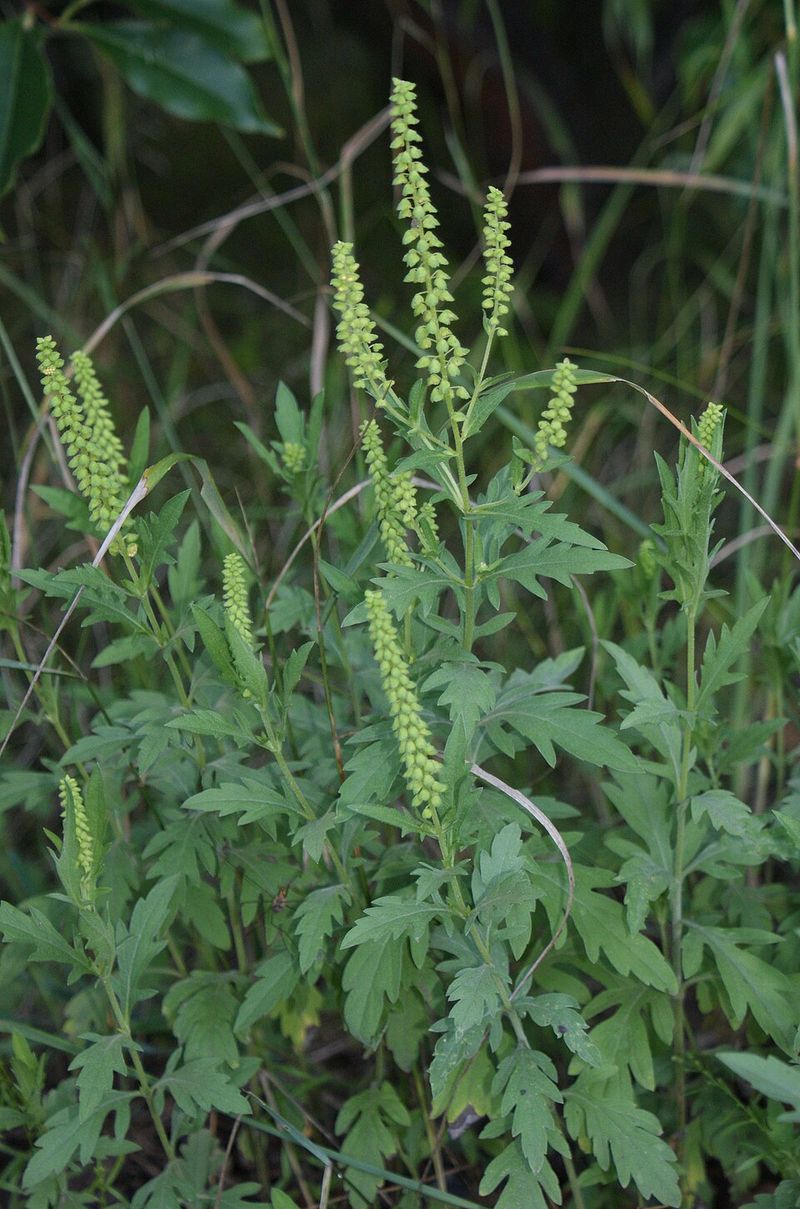
Ragweed does not ask for much. Poor soil, full sun, and a little open space are all it needs to spread quickly.
Sandy or disturbed soil is ragweed’s favorite home base. Construction zones, recently dug garden beds, and patchy lawns all fit that description perfectly.
Yards with thin grass coverage leave bare patches of ground exposed. Those exposed spots become prime real estate for ragweed seeds to germinate.
Compacted soil does not help either. When water cannot drain properly, grass weakens and thins out, opening gaps for weeds to fill.
Your New York Garden Changes Every Week. Your Plan Should Too.
Gardening in New York changes quickly throughout the season. Every Friday you’ll receive a simple weekly plan showing exactly what to plant, prune, fertilize, harvest, and protect so you never miss the right timing.
Shaded yards might seem like they would slow ragweed down. But sunny edges along fences, driveways, and walkways still give it plenty of room to thrive.
Yards with a lot of foot traffic often have worn-down patches near gates or paths. Those beaten-down areas are hotspots for ragweed to take hold quickly.
Ornamental gardens with lots of open mulched areas can also be a problem. Mulch keeps moisture in, and ragweed seeds love a warm, moist spot to sprout.
Ragweed allergies affect millions of Americans each season, according to the Asthma and Allergy Foundation of America. The closer the plants are to your windows and doors, the more pollen gets inside.
Understanding your yard’s vulnerabilities is genuinely useful information. Fixing those weak spots now can make a real difference before peak season hits hard.
Common Yard Habits That Accidentally Fuel Ragweed Growth
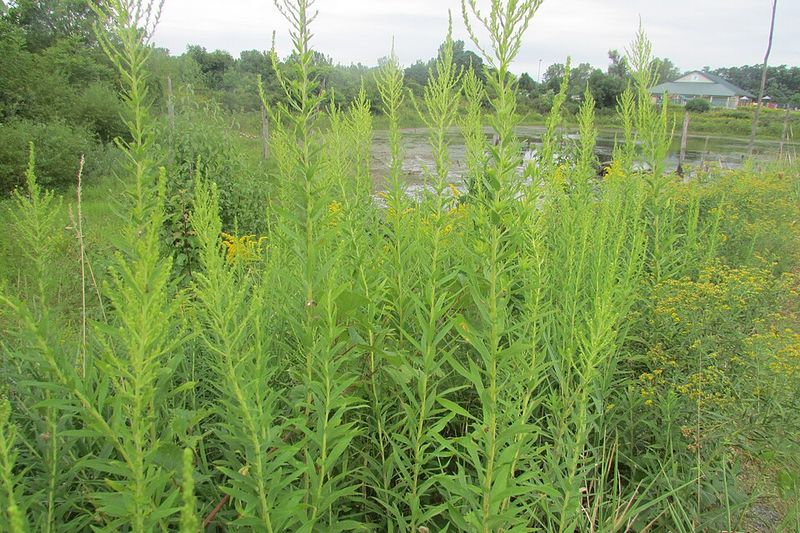
Most people are not trying to grow ragweed. But some everyday yard habits make it way easier for the plant to spread.
Mowing too short is one of the biggest mistakes homeowners make. When grass is cut below three inches, it loses the density needed to crowd out weeds.
Skipping fertilization leaves grass weak and sparse. Thin turf cannot compete with fast-growing plants like ragweed, which spreads aggressively into any gap it finds.
Watering too infrequently stresses the lawn. Stressed grass pulls back and thins out, and ragweed fills those empty spaces faster than most people expect.
Letting clippings pile up along the edges of the yard creates a warm, decomposing layer. That layer acts like compost for weed seeds sitting just below the surface.
Pulling weeds without bagging them is another common slip-up. When ragweed is pulled and left on the ground, it can still release pollen or even re-root if it has not fully dried out.
Overusing herbicides in one spot while ignoring others creates uneven bare patches. Those patches become open ground for ragweed to colonize within just a few weeks.
Even delaying cleanup after summer storms can backfire. Wind and rain deposit seeds in new spots, and if debris sits long enough, germination starts before you notice.
Small habit changes go a long way toward protecting your yard. Ragweed allergies are serious, and your lawn care routine is part of the solution.
Neglected Lots And Edges Spread Pollen Further
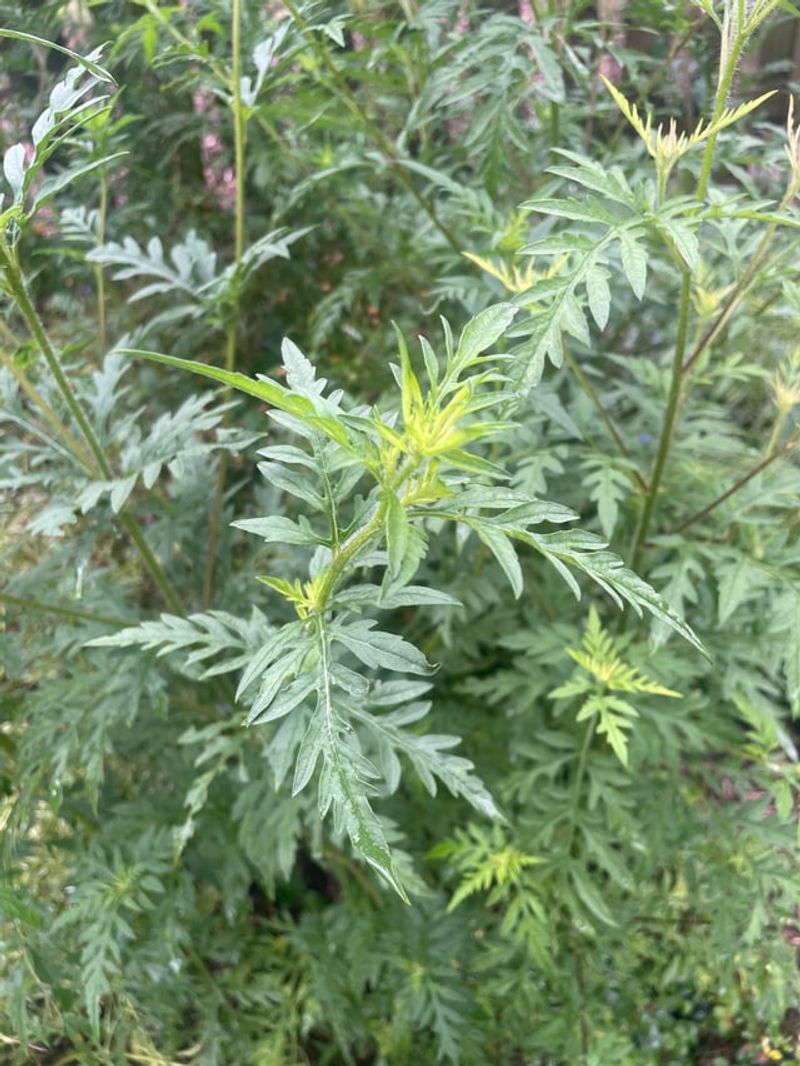
Vacant lots are an overlooked source of ragweed pollen. An unmaintained lot packed with ragweed can spread pollen across an entire block.
Ragweed allergies spike near neglected properties because the plants there grow unchecked all season long. Nobody is pulling them, mowing them, or treating them.
Property edges are just as problematic as the lots themselves. The strip of land between a sidewalk and a fence is often ignored by both homeowners and city crews.
Those edge zones collect windblown seeds from nearby lots and gardens. Once ragweed gets established along an edge, it spreads back into the yard surprisingly fast.
Alleyways behind homes are another common pollen pathway. Tall ragweed growing in alleys sits at the perfect height for wind to carry pollen directly into backyards and open windows.
Community gardens with poorly maintained borders also contribute to the problem. If perimeter areas are not weeded regularly, they can become significant sources of pollen spread.
Even roadside plantings managed by the city can be a source. Crews often mow on a schedule that misses the window when ragweed is at its most aggressive growth stage.
Reporting overgrown lots to local authorities is a real option. Many cities allow residents to report overgrown lots through local municipal complaint services, such as 311.
You cannot control what your neighbors do, but you can advocate for change. Cleaner shared spaces mean lower pollen counts for everyone nearby, and that is a worthwhile effort.
Peak Ragweed Season Approaches Quickly In New York
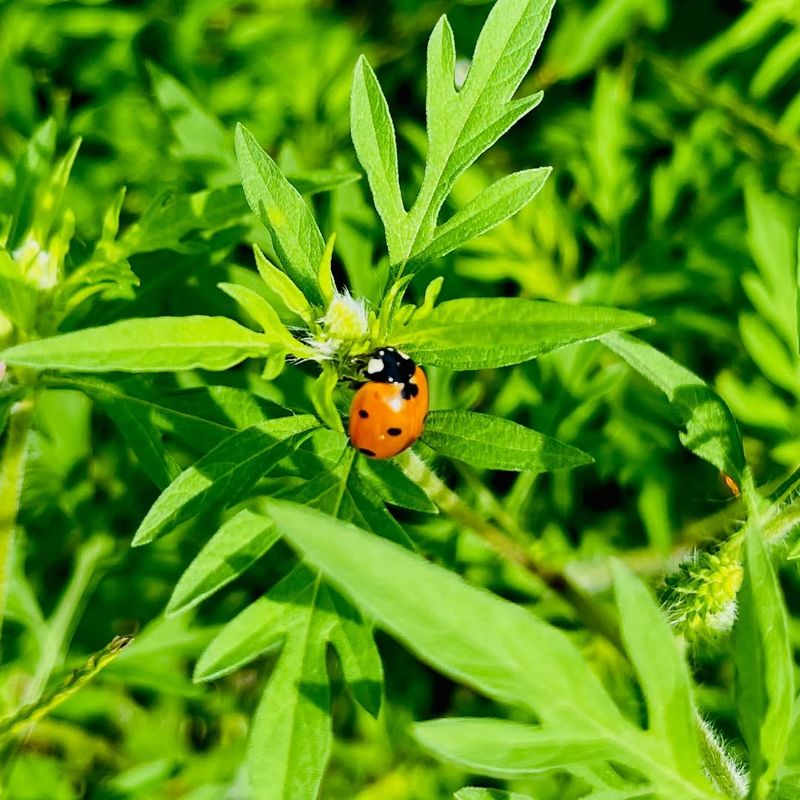
Late summer sneaks up fast, and so does ragweed season. By mid-August, pollen counts in the metro area are already climbing.
Peak ragweed season typically runs from mid-August through late October in the Northeast. That is nearly three full months of high-pollen exposure for allergy sufferers.
Warm days followed by cool nights are ragweed’s ideal growing conditions. That exact pattern hits New York hard in August and September every single year.
Ragweed typically releases the most pollen during the morning hours. Planning outdoor time around those hours can reduce how much pollen you breathe in.
Windy days make everything worse. Pollen counts tend to be noticeably higher on breezy days than on calm, overcast mornings.
Rain temporarily washes pollen out of the air, giving brief relief. But the day after a rain, plants rebound and release even more pollen as they dry out and open up again.
Ragweed season has been lengthening in many areas, a trend researchers have linked to shifting climate patterns. What used to be a shorter window is now stretching further into fall.
Checking daily pollen forecasts through apps or local weather sites helps you plan smarter. Knowing the count before you step outside is one of the easiest ways to protect yourself.
Ragweed allergies do not have to run your life every fall. But acting before peak season, not during it, is the key to staying ahead.
Reducing Ragweed Before It Takes Over Your Yard
Getting ahead of ragweed is achievable with the right approach. The goal is to act before the plants flower, not after.
Ragweed starts releasing pollen when it flowers, usually in early August. Pulling or cutting plants before that point stops the pollen cycle before it starts.
Always wear gloves and a mask when handling ragweed. Even before flowering, the plant can irritate skin and airways for people with ragweed allergies.
Hand-pulling works best when the soil is moist after watering or rain. Dry soil causes roots to break off, leaving the plant able to regrow from what stays underground.
Bag pulled plants immediately and seal them before disposal. Leaving them in a pile, even briefly, still allows pollen or seeds to escape into the surrounding air.
Thick ground cover plantings are a natural defense strategy. Dense perennials, native grasses, and low-growing shrubs take up the space ragweed would otherwise claim as its own.
Overseeding thin lawn areas in late summer helps close the gaps ragweed exploits. A thick, healthy lawn is the single best barrier against most weed invasions.
Pre-emergent herbicides applied in early spring can reduce how much ragweed sprouts later. Ask a local garden center about options that are safe for your specific yard setup.
Reducing ragweed before peak season is one of the most practical moves you can make. Your sinuses will thank you long before the first frost arrives.